

Consumer Insights
Uncover trends and behaviors shaping consumer choices today
Procurement Insights
Optimize your sourcing strategy with key market data
Industry Stats
Stay ahead with the latest trends and market analysis.
The global military aircraft market attained a value of USD 61.98 Billion in 2025 and is projected to expand at a CAGR of 4.60% through 2035. The market is further expected to achieve USD 97.18 Billion by 2035. Rising geopolitical tensions, growing defence budgets across emerging economies, and the urgent need to replace ageing fleets are encouraging air forces to accelerate procurement of modern combat and support aircraft.
Rising geopolitical tensions and sustained increases in national defence budgets continue to anchor steady demand across the military aircraft market, as air forces prioritise fleet modernisation over extending the service life of ageing platforms. Manufacturers are also pursuing international co-development programmes to share the substantial engineering costs of next-generation combat aircraft while broadening export opportunities across allied nations.
The military aircraft market is witnessing further developments as manufacturers secure large early warning and surveillance aircraft contracts from nations reassessing regional threat environments. In July 2026, the US Navy awarded Northrop Grumman a contract worth approximately 1.2 billion US dollars for three new-build E-2D Advanced Hawkeye Block II aircraft, the first new-build examples equipped with an upgraded Modular Open Systems Architecture mission computing suite for expanded real-time signal processing and target tracking. Established surveillance aircraft programmes continue to benefit from renewed government urgency following recent regional conflicts that exposed gaps in existing early warning coverage, prompting several allied nations to accelerate previously deferred fleet replacement decisions, with several governments citing recent regional conflicts as the direct catalyst for budget approvals that had stalled for multiple fiscal cycles.
In addition, military aircraft manufacturers are increasingly forming cross-border partnerships to develop next-generation platforms rather than pursuing purely national development programmes, particularly as the cost of sixth-generation fighter development exceeds what most single nations can justify alone. Following the collapse of a Franco-German Spanish next-generation fighter programme in mid-2026, Dassault Aviation and Airbus have reportedly approached Saab about potential cooperation on a future sixth-generation fighter jet. Such realignment is reshaping competitive positioning across the wider military aircraft market as manufacturers reassess which international partnerships offer the clearest path to shared development costs.
Compound Annual Growth Rate
4.6%
Value in USD Billion
2026-2035
Read more about this report - REQUEST FREE SAMPLE COPY IN PDF
| Global Military Aircraft Market Report Summary | Description | Value |
| Base Year | USD Billion | 2025 |
| Historical Period | USD Billion | 2019-2025 |
| Forecast Period | USD Billion | 2026-2035 |
| Market Size 2025 | USD Billion | 61.98 |
| Market Size 2035 | USD Billion | 97.18 |
| CAGR 2019-2025 | Percentage | XX% |
| CAGR 2026-2035 | Percentage | 5.10% |
| CAGR 2026-2035 - Market by Region | Asia Pacific | 6.6% |
| CAGR 2026-2035 - Market by Country | India | 6.9% |
| CAGR 2026-2035 - Market by Country | Canada | 6.0% |
| CAGR 2026-2035 - Market by Type | Fixed Wing | 5.9% |
| CAGR 2026-2035 - Market by System | Avionics | 5.8% |
Bell Textron and Korea Aerospace Industries signed a memorandum of understanding to jointly develop a Korea-optimised variant of the MV-75 tiltrotor platform for the Republic of Korea's High-Speed Medium Utility Helicopter programme. Companies can co-develop regionally optimised variants of existing platforms to meet specific national requirements without funding an entirely new aircraft programme.
Korea Aerospace Industries rolled out its first production-standard KF-21 Boramae Block 1 fighter aircraft, marking a milestone in South Korea's indigenous fifth-generation fighter development programme ahead of planned mass production. Companies can advance indigenous fighter programmes through incremental production block upgrades to manage technical risk while sustaining export interest from allied nations.
Embraer and Korea Aerospace Industries entered a memorandum of understanding to explore aerostructures cooperation, building on South Korea's existing C-390 transport aircraft order and Embraer's earlier work with the Korean Defense Acquisition Program Administration. Companies can broaden component-level cooperation agreements to deepen national industrial participation requirements attached to major aircraft export contracts.
Kratos Defense and Lockheed Martin established strategic partnerships with South Korean aerospace companies focused on manned-unmanned teaming technologies and maintenance capabilities for regional defence customers. Companies can pursue manned-unmanned teaming partnerships to position their platforms for the growing demand in coordinated crewed and autonomous combat operations.
Governments are accelerating airborne early warning and control aircraft procurement as recent regional conflicts expose gaps in existing surveillance coverage, prompting several nations to move ageing fleet replacement programmes forward. In July 2026, Saab received an order valued at approximately 1.04 billion US dollars to deliver two GlobalEye aircraft to an undisclosed Middle Eastern nation, following a separate 1.34 billion US dollar French order for two GlobalEye aircraft signed in December 2025 to replace France's ageing E-3F Sentry fleet across the military aircraft market. Such back-to-back orders illustrate how a single proven early warning platform can secure sequential contracts across different allied nations facing similar fleet replacement pressure.
Military transport aircraft manufacturers continue to expand into new export markets as nations seek to diversify their airlift capacity beyond legacy platforms nearing the end of their service life. In February 2026, Embraer announced at the Singapore Airshow that it would deliver its first C-390 Millennium transport aircraft to the Republic of Korea Air Force by the end of the year, fulfilling a contract originally signed with South Korea's Defense Acquisition Program Administration in 2023. The delivery milestone reflects the multi-year lead times typical of major transport aircraft procurement programmes.
Combat aircraft manufacturers are reassessing international development partnerships as the cost of sixth-generation fighter programmes increasingly exceeds what individual nations can justify funding alone. Dassault Aviation, headquartered in Saint-Cloud, France, has continued specialising in the design, manufacture, and support of military and business jets, maintaining its longstanding preference for design authority independence within multinational fighter programmes. Following the collapse of the trilateral Franco-German-Spanish next-generation fighter effort, the company has signalled openness to alternative partnerships while preserving its core engineering autonomy.
Utility and attack helicopter programmes continue to attract renewed interest from allied nations seeking to modernise rotary wing fleets alongside their fixed wing combat aircraft investments. Textron Inc., headquartered in Providence, Rhode Island, United States, continues to expand its Bell subsidiary's helicopter programmes internationally, including foreign military sales contracts and coordinated development work with allied nations' domestic aerospace manufacturers. Such combined fixed and rotary wing portfolios allow diversified manufacturers to compete across multiple aircraft type segments within the same customer relationships.
Regional fighter aircraft manufacturers continue to compete alongside the largest global defence contractors by securing export contracts that combine platform sales with local industrial participation commitments. Korea Aerospace Industries, headquartered in Sacheon, South Korea, has continued advancing its indigenously developed KF-21 Boramae fighter programme toward full production while pursuing export interest from nations including Indonesia and Bangladesh. Such indigenous fighter development programmes increasingly compete with established Western manufacturers for allied nations' fleet modernisation budgets.
This Expert Market Report titled "Global Military Aircraft Market Report and Forecast 2026-2035" offers a detailed analysis of the market based on the following segments:
Market Breakup by Type
Key Insight: Fixed wing aircraft account for the largest share of the military aircraft market, reflecting their established role across combat, transport, and surveillance missions and their superior range and payload capacity compared with rotary platforms. Rotary blade aircraft are growing at the fastest pace as armed forces expand attack and utility helicopter fleets suited to close air support, troop mobility, and search and rescue missions in terrain unsuitable for fixed wing operations. In November 2025, Boeing secured a 4.685 billion US dollar contract for new-build AH-64E Apache attack helicopters funded through Foreign Military Sales for Poland, Egypt, and Kuwait, marking the largest non-US Apache order in the programme's history.
Market Breakup by System
Key Insight: The airframe segment accounts for the largest share of the military aircraft market, representing the single largest structural cost component across both fixed wing and rotary aircraft platforms. The avionics segment is growing at the fastest pace as air forces prioritise sensor fusion, secure communications, and electronic warfare capability upgrades over purely structural improvements. Engine, landing gear, and weapon systems continue to see steady investment as manufacturers extend platform service life through incremental system-level upgrades rather than full airframe replacement.
Market Breakup by Application
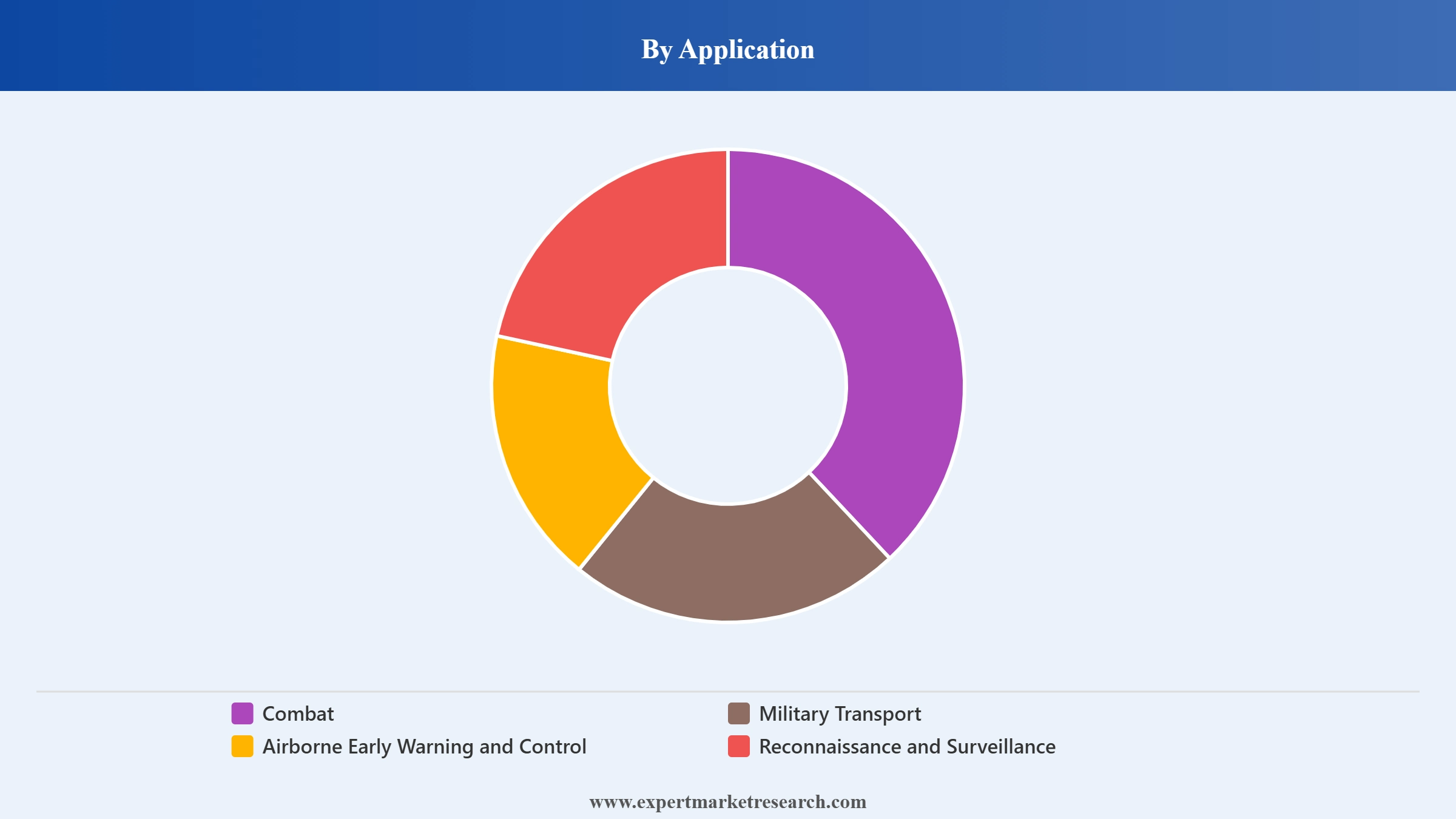
Key Insight: Combat applications account for the largest share of the military aircraft market, driven by sustained global investment in fighter jets and multirole combat aircraft amid heightened geopolitical tensions. Airborne early warning and control is growing at the fastest pace as nations reassess surveillance coverage gaps following recent regional conflicts. Reconnaissance and surveillance applications also continue to see growing investment; in June 2026, the US Army awarded AeroVironment a 117.3 million US dollar contract for 82 P550 reconnaissance aircraft under its Long-Range Reconnaissance programme. Military transport applications continue to see steady demand as air forces balance combat fleet modernisation against essential airlift capacity.
Market Breakup by Region
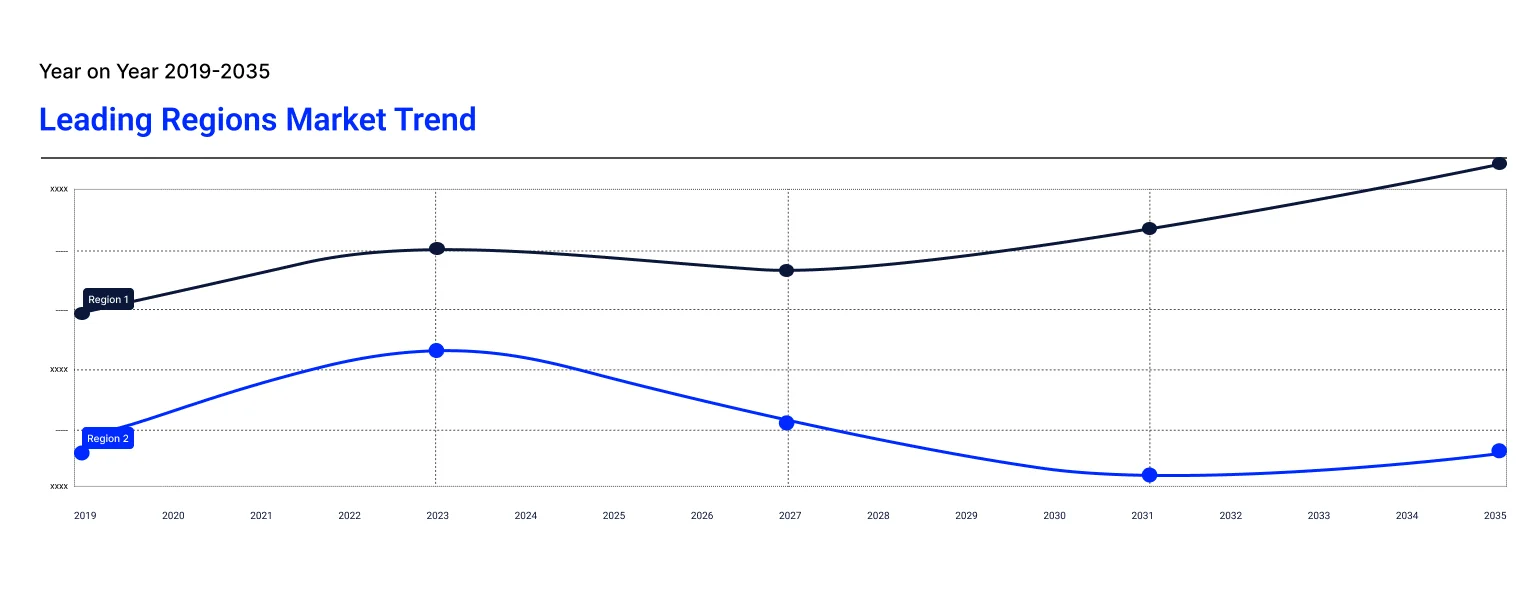
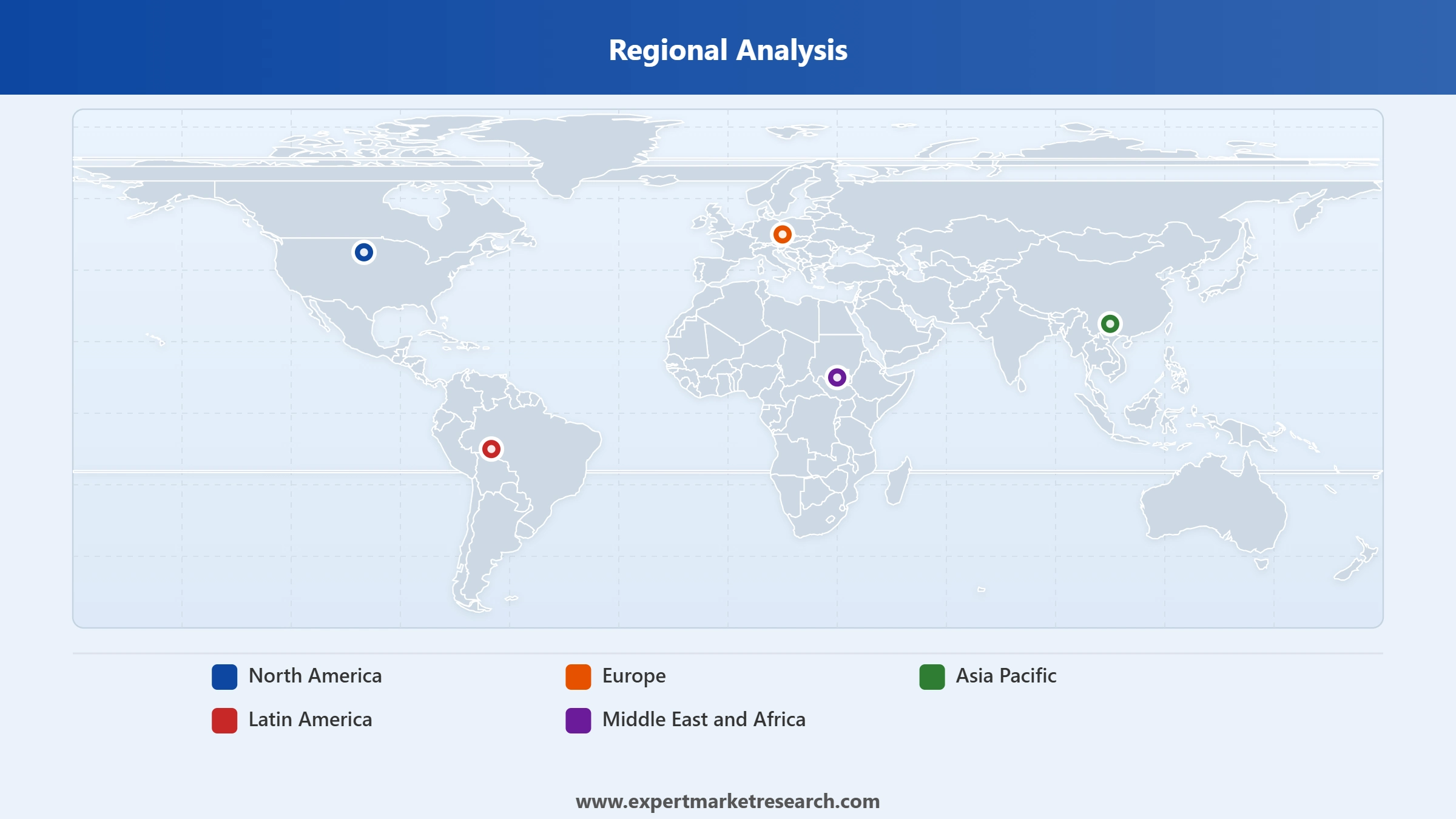
Key Insight: North America accounts for the largest share of the military aircraft market, supported by the world's largest combined military aircraft fleet and sustained federal defence procurement budgets across the United States and Canada. Europe is expected to grow at the fastest pace as coordinated regional defence spending increases and domestic manufacturers secure large orders; in October 2025, Germany's Bundestag Budget Committee approved a 4.35 billion US dollar order for 20 Tranche 5 Eurofighter Typhoon combat aircraft, to be built at Airbus's Manching facility with deliveries scheduled between 2031 and 2034. Asia Pacific continues to see steady growth as countries expand air force fleets amid regional security concerns, while Latin America and the Middle East and Africa are gradually scaling investment alongside evolving regional threat assessments.
By type, fixed wing leads the market given its established role across combat, transport, and surveillance missions
Fixed wing aircraft continue to account for the largest share of the market, reflecting their established role across combat, transport, and surveillance missions and their superior range and payload capacity compared with rotary platforms. Established fixed wing fighter and transport programmes continue to anchor steady replacement demand as ageing Cold War-era fleets reach the end of their operational service life across allied air forces worldwide, with several nations extending existing platform orders rather than launching entirely new competitive procurement programmes given the multi-year lead times involved.
Rotary blade aircraft are growing at the fastest pace across the military aircraft market as armed forces expand attack and utility helicopter fleets suited to close air support, troop mobility, and search and rescue missions in terrain and urban environments unsuitable for fixed wing operations; in August 2026, the US Army awarded Airbus Helicopters a contract for 10 UH-72B Lakota light utility helicopters, extending production of the type for Army National Guard units through 2030.
By system, airframe leads the market as the single largest structural cost component across all platforms
The airframe segment continues to account for the largest share of the market, representing the single largest structural cost component across both fixed wing and rotary aircraft platforms. Sustained multi-decade sustainment programmes for legacy platforms, including structural reinforcement and service life extension work, continue to anchor steady airframe-related spending even as new aircraft procurement cycles slow, with several air forces prioritising extended service life upgrades over full replacement given budget constraints affecting parallel modernisation priorities, particularly where domestic political support for large new procurement programmes remains uncertain.
The avionics segment is growing at the fastest pace as air forces prioritise sensor fusion, secure communications, and electronic warfare capability upgrades over purely structural improvements. In August 2026, the US Army awarded Collins Aerospace a contract worth up to 472 million US dollars to modernise the avionics architecture of its CH-47 Chinook helicopter fleet, addressing obsolescence and enabling greater commonality across multiple aircraft types, reflecting the growing share of aircraft lifecycle spending now directed toward electronics and sensor upgrades rather than purely structural airframe work.
By application, combat leads the market given sustained global investment in fighter jets amid heightened tensions
Combat applications continue to account for the largest share of the market, driven by sustained global investment in fighter jets and multirole combat aircraft amid heightened geopolitical tensions across multiple regions. In June 2026, Saab secured an order valued at approximately 2.6 billion US dollars for 16 Gripen E multirole fighter aircraft from Sweden's Defence Materiel Administration, ultimately intended for transfer to Ukraine, illustrating the scale of combat aircraft investment currently flowing through allied procurement channels as nations balance direct fleet modernisation against support for partner nations facing active security threats.
Read more about this report - REQUEST FREE SAMPLE COPY IN PDF
Airborne early warning and control is growing at the fastest pace across the market as nations reassess surveillance coverage gaps exposed by recent regional conflicts, prioritising early warning capability upgrades alongside their core combat fleet modernisation programmes, reflecting recognition that surveillance gaps can undermine the effectiveness of even well-equipped combat aircraft fleets. Such capability gaps have prompted several nations to accelerate acquisition timelines that had previously been deferred pending budget approval, treating early warning modernisation as inseparable from broader combat readiness rather than a lower-priority supporting investment.
Read more about this report - REQUEST FREE SAMPLE COPY IN PDF
North America commands the largest share of the market through the world's largest combined military aircraft fleet
North America holds the largest share of the military aircraft market, supported by the world's largest combined military aircraft fleet and sustained federal defence procurement budgets across the United States and Canada. The US Department of the Air Force's annual budget request continues to allocate tens of billions of dollars toward aircraft procurement and research, sustaining outstanding delivery backlogs for major fighter programmes including nearly two thousand F-35 aircraft, with additional procurement funding directed toward foreign military sales orders that further extend production timelines for key domestic manufacturers.
Europe is expected to grow at the fastest pace as coordinated regional defence spending increases and domestic manufacturers secure large export contracts. In December 2025, France signed a 1.34 billion US dollar contract with Saab for two GlobalEye early warning aircraft to replace its ageing E-3F Sentry fleet, reflecting the scale of coordinated European fleet modernisation currently underway across allied nations as governments respond to a materially changed regional threat assessment following recent conflicts on the continent's periphery.
Read more about this report - REQUEST FREE SAMPLE COPY IN PDF
The global industry is highly consolidated, with military aircraft companies ranging from diversified defence contractors spanning multiple platform types to specialist fighter and transport aircraft manufacturers competing across type, system, and application segments. Established players operate across the full military aircraft value chain, from airframe and engine design through avionics integration and long-term sustainment support for allied air forces worldwide.
Competitive dynamics among military aircraft players are increasingly shaped by international co-development partnerships, indigenous fighter programme progress in emerging defence industrial nations, and the race to secure export contracts that combine platform sales with local industrial participation commitments. Manufacturers are investing in next-generation combat aircraft development, expanded transport aircraft variants, and cross-border industrial partnerships to differentiate their offering and secure long-term allied nation relationships across the military aircraft market.
Founded in 1929 and headquartered in Saint-Cloud, France, Dassault Aviation specialises in the design, manufacture, and support of military and business jets, including its Rafale multirole fighter and Falcon business jet families. The company has historically prioritised design authority independence within multinational fighter programmes rather than ceding lead design control to international partners. Dassault's combined military and business aviation portfolio provides revenue diversification beyond pure defence procurement cycles.
Founded in 1995 through the merger of Lockheed Corporation and Martin Marietta, and headquartered in Bethesda, Maryland, United States, Lockheed Martin supplies fighter aircraft including the F-35 Lightning II alongside missile systems, space technology, and cybersecurity solutions. The company maintains the largest outstanding fighter aircraft delivery backlog among Western manufacturers, with orders spanning dozens of allied nations. Lockheed Martin's diversified defence portfolio beyond aircraft provides substantial scale advantages in research and development investment.
Founded in 1937 and headquartered in Linköping, Sweden, Saab AB supplies the Gripen fighter aircraft alongside the GlobalEye airborne early warning platform, naval systems, and ground combat technology. The company sells products to more than 100 countries and operates in more than 30 countries worldwide, positioning it as one of the more internationally diversified mid-sized defence manufacturers. Saab's combined fighter and surveillance aircraft portfolio has secured a notable run of export contracts across allied nations in recent years.
Founded in 1969 and headquartered in São José dos Campos, Brazil, Embraer supplies the C-390 Millennium military transport aircraft alongside its broader commercial and executive jet portfolio through its Embraer Defense and Security division. The company's Brazilian government origins continue to support strong regional defence relationships across Latin America. Embraer's dual commercial and defence aviation business provides revenue diversification that pure defence contractors typically lack.
Founded in 1923 and headquartered in Providence, Rhode Island, United States, Textron supplies military aircraft and helicopters through its Textron Aviation Defense and Bell subsidiaries, spanning training aircraft, tiltrotor platforms, and attack helicopters. The company's Bell subsidiary leads the US Army's Future Long-Range Assault Aircraft programme with the V-280 Valor tiltrotor. Textron's diversified industrial and commercial aviation businesses beyond defence provide additional revenue stability across procurement cycles.
Other key players in the military aircraft market include Korea Aerospace Industries, LTD., among others.
*Please note that this is only a partial list; the complete list of key players is available in the full report. Additionally, the list of key players can be customized to better suit your needs.*
Unlock the latest insights with our military aircraft market trends 2026 report. Discover regional growth patterns, type and application trends, and key industry players. Stay ahead of competition with trusted data and expert analysis. Download your free sample report today and drive informed decisions in the market.


Upto 15% Off
USD
$2499 $2249
$3999 $3599
$4999 $4249
$5999 $5099


*While we strive to always give you current and accurate information, the numbers depicted on the website are indicative and may differ from the actual numbers in the main report. At Expert Market Research, we aim to bring you the latest insights and trends in the market. Using our analyses and forecasts, stakeholders can understand the market dynamics, navigate challenges, and capitalize on opportunities to make data-driven strategic decisions.*
The market is projected to grow at a CAGR of 4.60% between 2026 and 2035.
Pursuing international co-development partnerships to share next-generation fighter development costs, expanding airborne early warning and surveillance platform sales, and deepening local industrial participation commitments to secure export contract wins.
The key trends in the market include the technological upgradations of military aircrafts, cooperation between major military powers, and growing need to replace ageing military aircraft models.
Fixed wing and rotary blade are the primary types of military aircrafts in the market.
Airframe, engine, avionics, landing gear systems, and weapon systems are the various systems in the market.
Combat, military transport, airborne early warning and control, and reconnaissance and surveillance are the different applications of military aircrafts in the market.
Military aircraft are also known as warplanes or combat aircrafts.
A warplane is extremely fast and can travel at a speed of around 1,320 mph.
Armies across the world have various aircrafts built for search and rescue, reconnaissance, and surveillance, among others.
The key players in the market include Dassault Aviation, Lockheed Martin Corporation, Saab AB, Embraer SA, Textron Inc, Korea Aerospace Industries, LTD., among others.
In 2025, the market reached an approximate value of USD 61.98 Billion.
The market is projected to achieve a valuation of USD 97.18 Billion by 2035, supported by sustained defense investments.
Manufacturers face lengthy multi-year development and certification timelines, the substantial capital cost of next-generation fighter programmes, and the geopolitical complexity of balancing export ambitions against technology transfer and national security restrictions.
Explore our key highlights of the report and gain a concise overview of key findings, trends, and actionable insights that will empower your strategic decisions.
| REPORT FEATURES | DETAILS |
| Base Year | 2025 |
| Historical Period | 2019-2025 |
| Forecast Period | 2026-2035 |
| Scope of the Report |
Historical and Forecast Trends, Industry Drivers and Constraints, Historical and Forecast Market Analysis by Segment:
|
| Breakup by Type |
|
| Breakup by System |
|
| Breakup by Application |
|
| Breakup by Region |
|
| Market Dynamics |
|
| Competitive Landscape |
|
| Companies Covered |
|
Datasheet
One User
USD 2,499
USD 2,249
tax inclusive*
Single User License
One User
USD 3,999
USD 3,599
tax inclusive*
Five User License
Five User
USD 4,999
USD 4,249
tax inclusive*
Corporate License
Unlimited Users
USD 5,999
USD 5,099
tax inclusive*
*Please note that the prices mentioned below are starting prices for each bundle type. Kindly contact our team for further details.*
Flash Bundle
Small Business Bundle
Growth Bundle
Enterprise Bundle
*Please note that the prices mentioned below are starting prices for each bundle type. Kindly contact our team for further details.*
Flash Bundle
Number of Reports: 3
20%
tax inclusive*
Small Business Bundle
Number of Reports: 5
25%
tax inclusive*
Growth Bundle
Number of Reports: 8
30%
tax inclusive*
Enterprise Bundle
Number of Reports: 10
35%
tax inclusive*
How To Order

Select License Type
Choose the right license for your needs and access rights.

Click on ‘Buy Now’
Add the report to your cart with one click and proceed to register.

Select Mode of Payment
Choose a payment option for a secure checkout. You will be redirected accordingly.
Strategic Solutions for Informed Decision-Making
Gain insights to stay ahead and seize opportunities.

Get insights & trends for a competitive edge.

Track prices with detailed trend reports.

Analyse trade data for supply chain insights.

Leverage cost reports for smart savings

Enhance supply chain with partnerships.

Connect For More Information
Our expert team of analysts will offer full support and resolve any queries regarding the report, before and after the purchase.
Our expert team of analysts will offer full support and resolve any queries regarding the report, before and after the purchase.
We employ meticulous research methods, blending advanced analytics and expert insights to deliver accurate, actionable industry intelligence, staying ahead of competitors.
Our skilled analysts offer unparalleled competitive advantage with detailed insights on current and emerging markets, ensuring your strategic edge.
We offer an in-depth yet simplified presentation of industry insights and analysis to meet your specific requirements effectively.




