

Consumer Insights
Uncover trends and behaviors shaping consumer choices today
Procurement Insights
Optimize your sourcing strategy with key market data
Industry Stats
Stay ahead with the latest trends and market analysis.
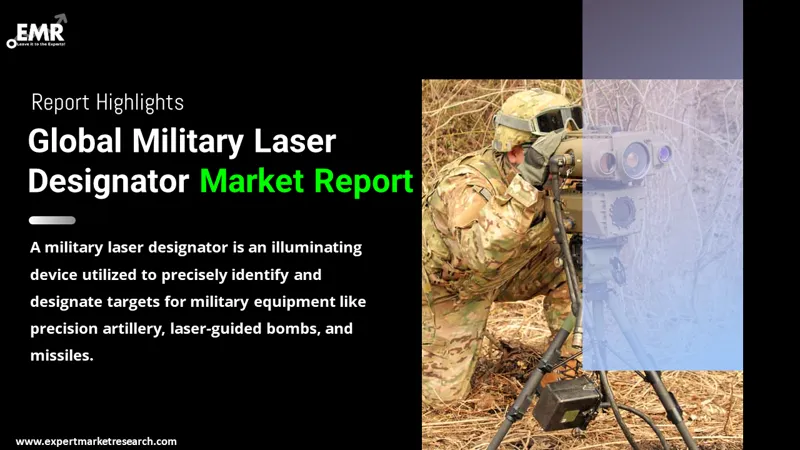
The global military laser designator market attained a value of USD 3.22 Billion in 2025 and is projected to expand at a CAGR of 4.80% through 2035. The market is further expected to achieve USD 5.15 Billion by 2035. Increasing efforts of various countries towards military modernisation, rising geopolitical tensions, and growing demand for high-precision targeting are encouraging manufacturers to expand laser designator production capacity.
Increasing efforts of various countries towards military modernisation continue to anchor steady demand across the military laser designator market, as defence forces prioritise precision-guided munitions capable of minimising collateral damage in increasingly complex operational environments. Manufacturers are also investing in compact, lightweight laser designator technology suited to dismounted soldiers and small unmanned aerial vehicle integration, broadening the addressable platform base beyond traditional vehicle-mounted and airborne systems. In 2025, France's Defence Procurement Agency awarded a consortium including Safran Electronics & Defense, alongside MBDA, Thales, and CILAS, a contract to develop a next-generation laser defence system capable of countering tactical drones and short-range threats.
The military laser designator market is witnessing further developments as established defence contractors extend their directed energy and precision targeting expertise into next-generation laser weapon platforms. Lockheed Martin, whose laser targeting and designation technology spans decades of institutional defence supply experience, continues to broaden its directed energy portfolio to serve emerging cruise missile and unmanned aerial system defence requirements. This shift toward integrated laser weapon and designation systems is concentrated among suppliers with the deepest directed energy and precision optics expertise, while smaller specialists continue to compete on application-specific engineering for dismounted and vehicle-mounted platforms.
In addition, established defence contractors are increasingly winning large contracts to retrofit existing munitions stocks with semi-active laser guidance rather than fielding entirely new weapon designs. BAE Systems has built a strong position converting existing rocket stockpiles into precision-guided weapons via add-on laser seeker kits, and continues to scale up production of these kits to meet sustained defence procurement demand. Such conversion-kit strategies are reshaping competitive positioning across the wider military laser designator market as militaries increasingly favour cost-effective precision upgrades over full weapon system replacement.
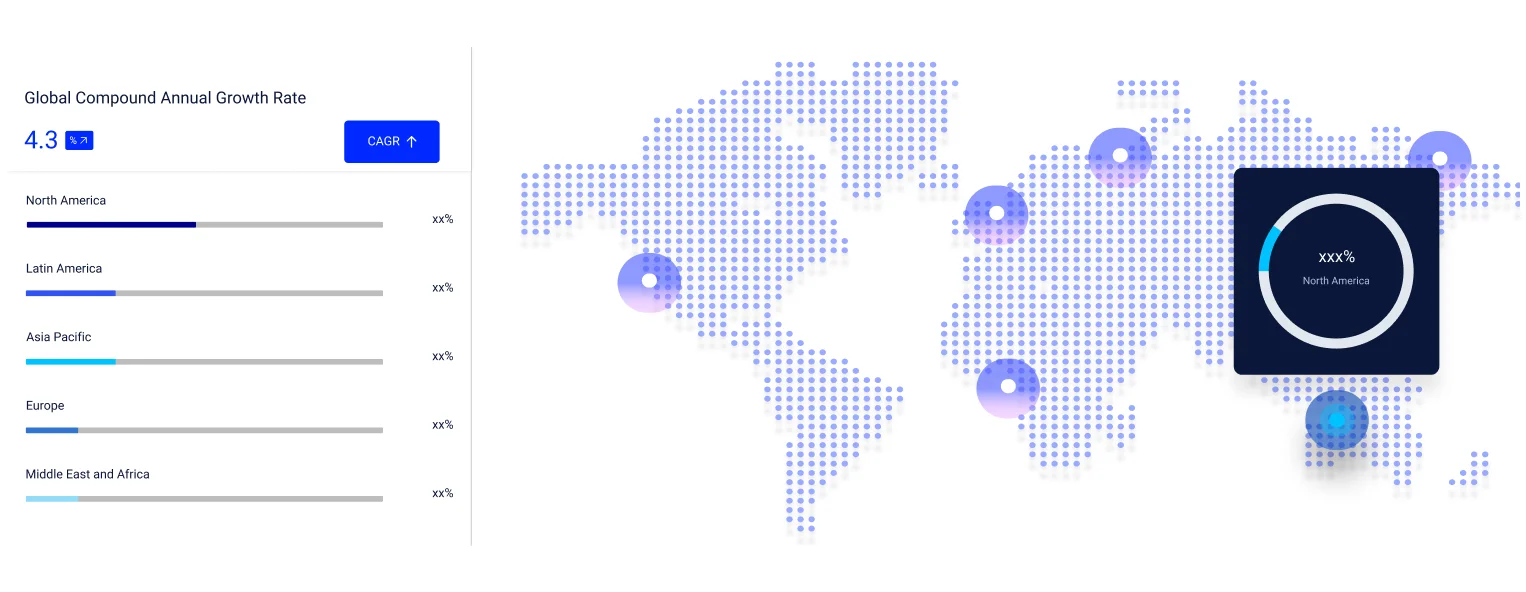
Compound Annual Growth Rate
4.8%
Value in USD Billion
2026-2035
Read more about this report - REQUEST FREE SAMPLE COPY IN PDF
Elbit Systems signed contracts worth approximately 270 million US dollars with an international customer to supply SPECTRO family payloads combining laser designation with multi-spectral imaging and AI-based analytics over a period of up to six years. Companies can bundle laser designation capability within broader ISR payload contracts to capture larger, multi-year international defence agreements rather than standalone equipment sales.
Lockheed Martin was awarded a contract by the US Department of War to develop a tactical containerized 500 kilowatt laser weapon system supporting next-generation cruise missile and unmanned aerial system defence architecture. Companies can leverage decades of directed energy investment to secure large-scale defence contracts spanning both offensive and defensive laser weapon applications.
BAE Systems was selected to modernise the advanced defensive system aboard the US Air Force's U-2 reconnaissance aircraft, extending the platform's operational relevance through updated sensor and countermeasure technology. Companies can secure long-term platform modernisation contracts by maintaining specialised expertise across legacy defence systems that continue to serve critical operational roles.
Lockheed Martin continued development work on the US Army's Indirect Fire Protection Capability-High Energy Laser prototype programme, building on more than 15 years of company investment in tactically relevant laser weapon systems. Companies can sustain multi-year directed energy development programmes to maintain technical leadership as militaries transition from prototype to fielded laser weapon capability.
Established defence contractors continue to apply decades of targeting and precision-optics know-how to newer laser weapon platforms addressing emerging defence requirements. The US Department of War tasked Lockheed Martin in July 2026 with building a 500-kilowatt containerized laser weapon aimed at countering cruise missiles and drones, a sign of how far offensive laser capability has expanded across the military laser designator market. Such platform extension reflects contractors' recognition that directed energy expertise developed for offensive laser weapons increasingly transfers to precision designation and defensive applications.
Established defence contractors continue to secure large-scale contracts converting conventional munitions into precision-guided weapons using semi-active laser seeker technology, reflecting militaries' preference for upgrading existing weapon stocks. In December 2025, the US Navy awarded BAE Systems a five-year, up-to-$1.7-billion contract to continue production of its APKWS laser-guidance kits, which transform standard unguided 2.75-inch munitions into precision weapons without requiring modifications to the rocket, launch platform, or launcher system. Such conversion-kit strategies allow militaries to extend the operational life and precision capability of existing munitions inventories at a fraction of full replacement cost.
Defence contractors continue to secure modernisation contracts for legacy reconnaissance and surveillance platforms alongside new laser weapon system development, reflecting sustained military reliance on proven airframes. In March 2026, the US Air Force selected BAE Systems to overhaul the U-2 reconnaissance aircraft's onboard defensive suite, keeping the decades-old airframe operationally current. Such parallel investment in legacy modernisation and new system development reflects militaries' recognition that fielded platforms require continued technology refresh to remain operationally relevant.
Diversified aerospace and defence groups continue to apply sensor and precision optics research developed across their broader portfolios to increasingly sophisticated laser designation technology, rather than building standalone designation-specific research programmes from scratch. This cross-application approach lets a manufacturer's existing radar, sensor, and guidance work, developed for other platforms, carry over into targeting and designation products with comparatively little dedicated investment. In August 2026, L3Harris showcased its interoperable, multi-domain targeting and sensor capabilities at the US Army's Project Convergence-Capstone 6 exercise at Fort Irwin, California, demonstrating how technology developed across its broader defence portfolio extends into designation-specific applications. Such cross-application research investment gives diversified defence groups a technical foundation that designation-only specialists must build separately.
Regional defence technology specialists continue to compete alongside larger global contractors by offering application-specific engineering tailored to ground-based and man-portable laser designation requirements. Alpha Design Technologies, headquartered in India, continues to develop laser designation systems tailored to regional defence procurement requirements not always prioritised by larger multinational contractors; India's Defence Acquisition Procedure 2026 has placed renewed emphasis on faster indigenous procurement pathways, shift regional specialists are well placed to benefit from. Such focused regional engineering allows specialists to compete for platform-specific contracts that larger contractors may find less commercially attractive relative to major weapon system programmes.
Read more about this report - REQUEST FREE SAMPLE COPY IN PDF
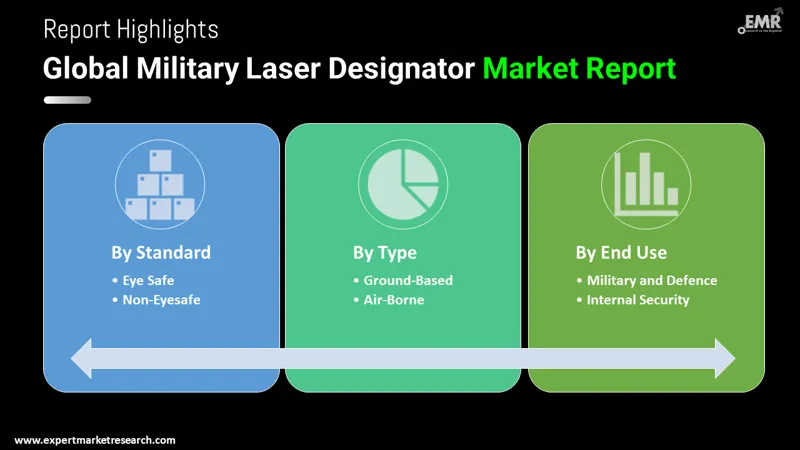
This Expert Market Research Report's titled "Global Military Laser Designator Market Report and Forecast 2026-2035" offers a detailed analysis of the market based on the following segments:
Market Breakup by Standard
Key Insight: Eye safe laser designators account for the largest share of the military laser designator market, reflecting stringent safety requirements governing training exercises and operations near personnel and civilian populations, particularly during routine training conducted alongside operational personnel. Non-eyesafe designators continue to serve applications where maximum range and power take priority over training and civilian safety considerations, typically restricted to dedicated military operational contexts; several NATO member states expanded joint eye-safe laser rangefinder standardisation programmes in 2025 to improve interoperability across allied forces.
Market Breakup by Type
Key Insight: Air-borne laser designators account for the largest share of the military laser designator market, reflecting sustained demand for aerial surveillance, target acquisition, and precision strike capabilities across rockets and missiles, aircraft, unmanned aerial vehicles, and maritime platforms. In February 2026, Analog Modules showcased its 744DP Laser Spot Tracker Module at XPONENTIAL, targeting ISR and laser-guided defence applications. Ground-based systems, spanning man-portable and vehicle-mounted configurations, are seeing faster uptake as infantry and armoured units push for their own targeting capability instead of waiting on air support to designate for them.
Market Breakup by End Use
Key Insight: Military and defence applications account for the largest share of the military laser designator market, reflecting the technology's origins in conventional armed forces precision targeting and continued dominance of defence procurement budgets. In August 2026, the US Army disclosed the first use of its Army Multipurpose High Energy Laser system to destroy cartel-linked drones along the southern border, illustrating directed-energy technology's expanding role in homeland security missions. Internal security applications are growing at the fastest pace as border protection and counter-terrorism operations increasingly adopt laser designation technology developed for conventional military use.
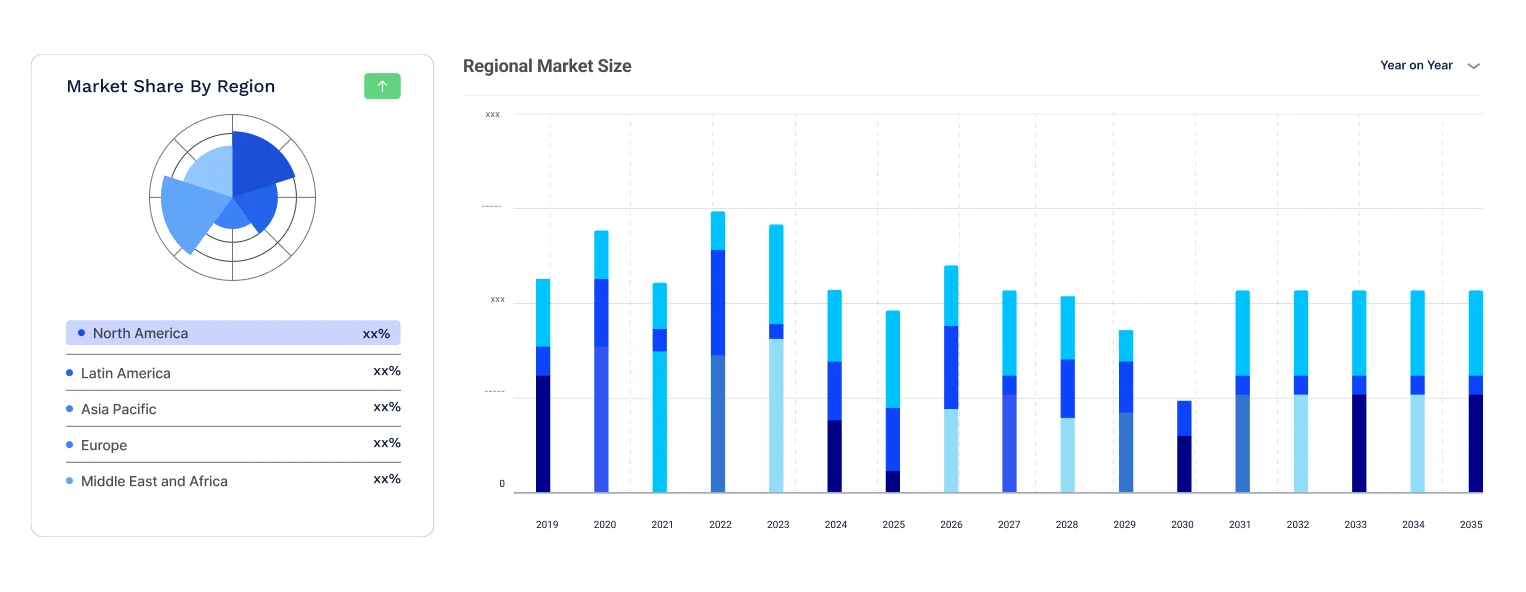
Market Breakup by Region
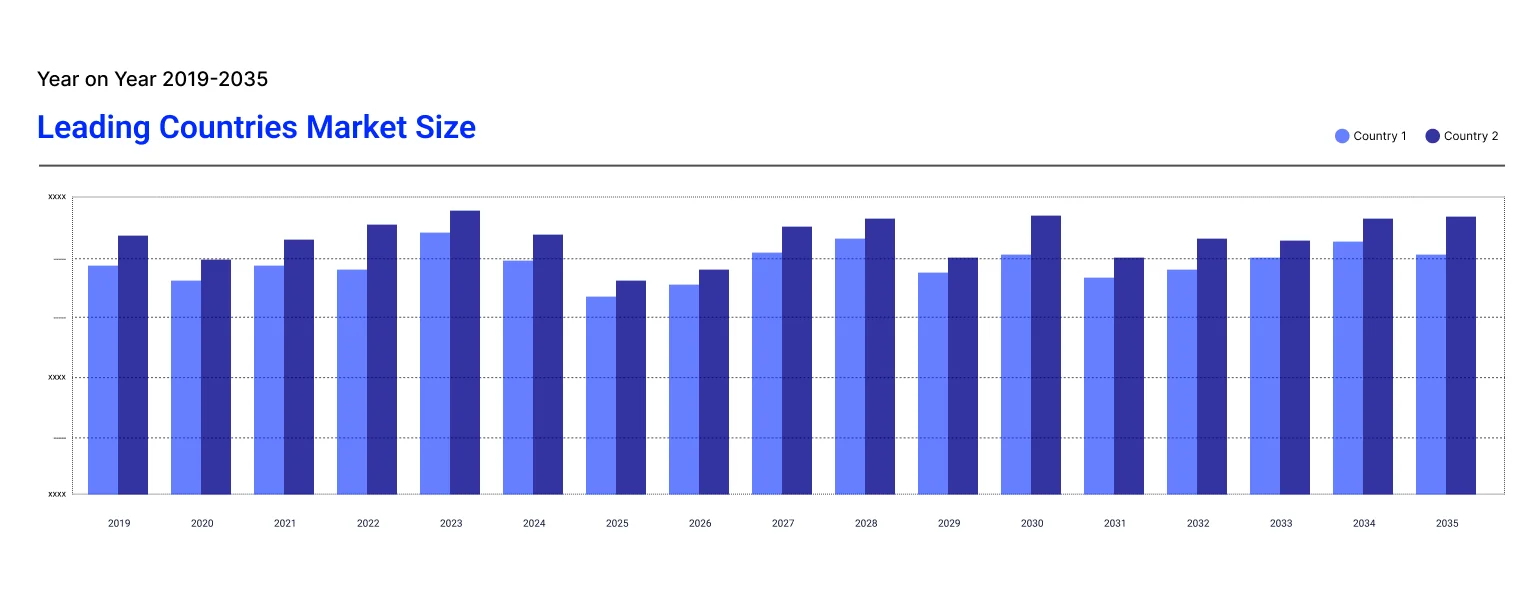
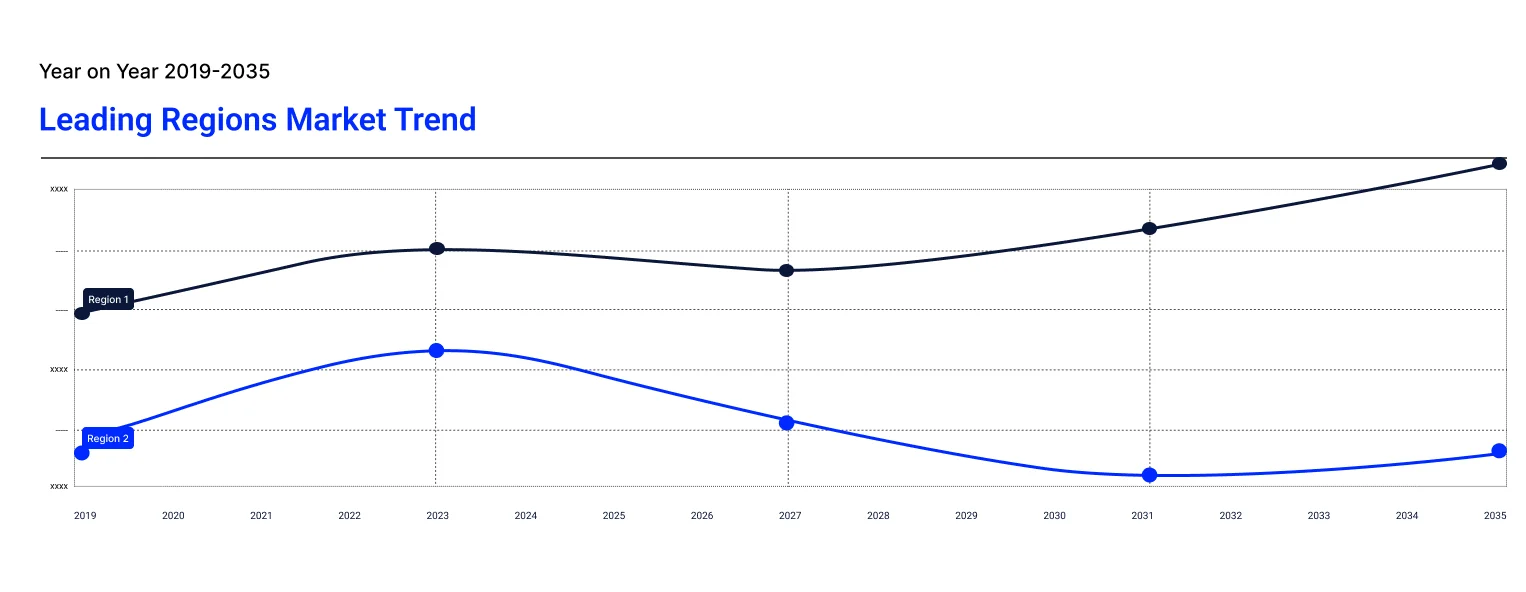
Key Insight: North America accounts for the largest share of the military laser designator market, supported by substantial defence expenditure and the concentrated presence of major defence contractors across the region. Asia Pacific is expected to grow at the fastest pace as rising defence budgets and expanding military modernisation programmes drive sustained demand across the region's armed forces. Europe continues to see steady demand supported by coordinated NATO interoperability requirements, while Latin America and the Middle East and Africa are gradually scaling adoption alongside expanding defence procurement budgets; several Gulf states announced multi-year defence modernisation programmes in 2025 that include dedicated precision targeting equipment procurement.
Read more about this report - REQUEST FREE SAMPLE COPY IN PDF
By standard, eye safe leads the market given stringent training and civilian safety requirements
Eye safe laser designators continue to account for the largest share of the market, reflecting stringent safety requirements governing training exercises and operations near personnel and civilian populations. Established eye safe designator product lines continue to anchor steady replacement demand as defence forces prioritise systems suitable for routine training alongside operational deployment.
Non-eyesafe designators continue to serve applications across the military laser designator market where maximum range and power take priority over training and civilian safety considerations, typically restricted to dedicated military operational contexts requiring extended engagement distances. A September 2026 Elbit Systems contract win, valued at approximately 270 million US dollars, further underscores sustained international demand for high-power designation systems.
By type, air-borne leads the market given sustained aerial surveillance and precision strike demand
Air-borne laser designators continue to account for the largest share of the market, reflecting sustained demand for aerial surveillance, target acquisition, and precision strike capabilities across multiple platform types. Established airborne designator integration relationships continue to anchor steady replacement demand as air forces maintain existing platform certification and qualification standards.
Ground-based systems are growing at a fast pace across the market as dismounted infantry and armoured units increasingly require organic precision targeting capability, reducing dependence on air support availability for time-sensitive target designation in contested environments. Airborne systems continue to see substantial sustainment investment; in August 2026, the US Air Force awarded Northrop Grumman a potential 1.84 billion US dollar contract to support LITENING targeting pods through 2035, extending a sustainment relationship dating back to 2018.
By end use, military and defence leads the market while internal security grows fastest given expanding domestic applications
Military and defence applications continue to account for the largest share of the market, reflecting the technology's origins in conventional armed forces precision targeting and continued dominance of defence procurement budgets. Established military supply relationships continue to anchor steady replacement demand as defence procurement cycles maintain consistent institutional purchasing patterns.
Internal security applications are growing at the fastest pace across the military laser designator market as border protection and counter-terrorism operations increasingly adopt laser designation technology originally developed for conventional military use, reflecting growing convergence between military and domestic security procurement priorities. In 2026, the US Army awarded AeroVironment a 500 million US dollar contract to expand deployment of its LOCUST counter-drone laser system for border security operations, illustrating internal security applications' growing share of laser targeting procurement.
Read more about this report - REQUEST FREE SAMPLE COPY IN PDF
North America commands the largest share of the market through substantial defence expenditure and contractor presence
North America holds the largest share of the military laser designator market, supported by substantial defence expenditure and the concentrated presence of major defence contractors, including Lockheed Martin, Northrop Grumman, and L3Harris, across the region. Lockheed Martin's July 2026 laser weapon system award further reinforces the region's position as the primary hub for directed energy and precision targeting innovation.
Asia Pacific is projected to post the fastest regional growth as expanding defence budgets and accelerating military modernisation programmes across the region continue to drive sustained procurement demand. Regional defence forces are increasingly prioritising indigenous laser designation development alongside continued procurement from established Western and Israeli suppliers, reflecting broader efforts toward defence industrial self-sufficiency.
The global industry is moderately consolidated, with military laser designator market companies ranging from diversified aerospace and defence groups spanning multiple weapon and sensor categories to specialist regional contractors competing across standard, type, and end-use segments. Established players operate across the full military laser designator value chain, from precision optics and laser source development through complete designation system integration for ground-based, airborne, and maritime platforms.
Competitive dynamics among military laser designator players are increasingly shaped by the pace of directed energy platform development, the scale of conversion kit contracts upgrading existing munitions, and the race to develop compact, lightweight designation technology suited to dismounted and small unmanned platform integration. Manufacturers are investing in precision optics research, semi-active laser seeker technology, and application-specific engineering to differentiate their offering and secure long-term defence procurement relationships.
Founded in 1999 and headquartered in Virginia, United States, BAE Systems supplies laser-guided rocket and precision targeting technology alongside a broader portfolio of land, air, and naval defence products and services. In March 2026, the company secured a refresh contract for the U-2 spy plane's onboard countermeasure electronics. BAE Systems's proprietary Distributed Aperture Semi-Active Laser Seeker adds precision guidance to existing rocket inventories with no changes needed to the launch hardware, setting it apart from rivals that require an entirely new munition.
Founded in 2003 and headquartered in Bengaluru, India, Alpha Design Technologies supplies defence electronics and laser designation systems tailored to regional armed forces requirements, alongside a broader portfolio spanning avionics and satellite systems. The company positions itself as a key indigenous defence technology supplier supporting India's broader defence self-sufficiency objectives. Alpha Design Technologies's regional manufacturing presence and established relationships with domestic defence procurement authorities differentiate it from larger multinational contractors serving the same market.
Founded in 1996 and headquartered in Haifa, Israel, Elbit Systems supplies laser designation and targeting technology alongside a broader portfolio spanning airborne, land, and naval defence electronics systems. The company draws on extensive combat-proven experience developed through the Israeli Defence Forces' operational requirements across multiple conflict environments. Elbit Systems's combat-tested technology development approach differentiates it from competitors whose systems have not undergone comparable sustained operational validation.
Founded in 1995 and headquartered in Bethesda, Maryland, United States, Lockheed Martin supplies laser targeting, designation, and directed energy weapon technology alongside a vastly larger portfolio of aerospace, defence, and security products. In July 2026, the US Department of War tasked the company with building a 500 kilowatt containerized laser weapon capable of defeating cruise missiles and unmanned aircraft. Lockheed Martin's more than 15 years of sustained directed energy investment gives it a technical foundation across both offensive laser weapons and precision designation that smaller specialists must build through narrower programme-specific development.
Other key players in the military laser designator market include General Atomics, L3Harris Technologies, Inc, Northrop Grumman Corporation, Teledyne Flir LLC, Safran Group, and Thales Group, among others.
*Please note that this is only a partial list; the complete list of key players is available in the full report. Additionally, the list of key players can be customized to better suit your needs.*
Unlock the latest insights with our military laser designator market trends 2026 report. Discover regional growth patterns, standard and type trends, and key industry players. Stay ahead of competition with trusted data and expert analysis. Download your free sample report today and drive informed decisions in the market.


Upto 15% Off
USD
$2499 $2249
$3999 $3599
$4999 $4249
$5999 $5099


*While we strive to always give you current and accurate information, the numbers depicted on the website are indicative and may differ from the actual numbers in the main report. At Expert Market Research, we aim to bring you the latest insights and trends in the market. Using our analyses and forecasts, stakeholders can understand the market dynamics, navigate challenges, and capitalize on opportunities to make data-driven strategic decisions.*
The market is projected to grow at a CAGR of 4.80% between 2026 and 2035.
Extending directed energy expertise into next-generation laser weapon platforms, securing large-scale conversion kit contracts to upgrade existing munitions with precision guidance, and shrinking designation hardware down to sizes soldiers can carry or mount on small drones.
The key trends fuelling the growth of the market include adoption and development of novel technologies, increasing compatibility of military laser designators with various equipment, and rising use in internal security.
The major regions in the market are North America, Europe, the Asia Pacific, Latin America, and the Middle East and Africa.
The primary standards of military laser designators are eye safe and non-eyesafe.
The major types of military laser designators in the market are ground-based and air-borne.
The significant end uses of military laser designators are military and defence and internal security.
The key players in the military laser designator market, according to the report, are BAE Systems plc, Alpha Design Technologies Pvt Ltd, Elbit Systems Ltd, Lockheed Martin Corporation, General Atomics, L3Harris Technologies, Inc, Northrop Grumman Corporation, Teledyne Flir LLC, Safran Group, and Thales Group, among others.
In 2025, the military laser designator market reached an approximate value of USD 3.22 Billion.
The market is anticipated to maintain steady growth and attain a value of USD 5.15 Billion by 2035.
Manufacturers face atmospheric conditions including dust, smoke, fog, and rain that disrupt laser propagation and reduce designator effectiveness, adversarial countermeasures requiring continuous development of counter-countermeasure systems, and the technical complexity of miniaturising laser technology for dismounted soldier and small unmanned aerial vehicle integration.
Explore our key highlights of the report and gain a concise overview of key findings, trends, and actionable insights that will empower your strategic decisions.
| REPORT FEATURES | DETAILS |
| Base Year | 2025 |
| Historical Period | 2019-2025 |
| Forecast Period | 2026-2035 |
| Scope of the Report |
Historical and Forecast Trends, Industry Drivers and Constraints, Historical and Forecast Market Analysis by Segment:
|
| Breakup by Standard |
|
| Breakup by Type |
|
| Breakup by End Use |
|
| Breakup by Region |
|
| Market Dynamics |
|
| Competitive Landscape |
|
| Companies Covered |
|
Datasheet
One User
USD 2,499
USD 2,249
tax inclusive*
Single User License
One User
USD 3,999
USD 3,599
tax inclusive*
Five User License
Five User
USD 4,999
USD 4,249
tax inclusive*
Corporate License
Unlimited Users
USD 5,999
USD 5,099
tax inclusive*
*Please note that the prices mentioned below are starting prices for each bundle type. Kindly contact our team for further details.*
Flash Bundle
Small Business Bundle
Growth Bundle
Enterprise Bundle
*Please note that the prices mentioned below are starting prices for each bundle type. Kindly contact our team for further details.*
Flash Bundle
Number of Reports: 3
20%
tax inclusive*
Small Business Bundle
Number of Reports: 5
25%
tax inclusive*
Growth Bundle
Number of Reports: 8
30%
tax inclusive*
Enterprise Bundle
Number of Reports: 10
35%
tax inclusive*
How To Order

Select License Type
Choose the right license for your needs and access rights.

Click on ‘Buy Now’
Add the report to your cart with one click and proceed to register.

Select Mode of Payment
Choose a payment option for a secure checkout. You will be redirected accordingly.
Strategic Solutions for Informed Decision-Making
Gain insights to stay ahead and seize opportunities.

Get insights & trends for a competitive edge.

Track prices with detailed trend reports.

Analyse trade data for supply chain insights.

Leverage cost reports for smart savings

Enhance supply chain with partnerships.

Connect For More Information
Our expert team of analysts will offer full support and resolve any queries regarding the report, before and after the purchase.
Our expert team of analysts will offer full support and resolve any queries regarding the report, before and after the purchase.
We employ meticulous research methods, blending advanced analytics and expert insights to deliver accurate, actionable industry intelligence, staying ahead of competitors.
Our skilled analysts offer unparalleled competitive advantage with detailed insights on current and emerging markets, ensuring your strategic edge.
We offer an in-depth yet simplified presentation of industry insights and analysis to meet your specific requirements effectively.




