

Consumer Insights
Uncover trends and behaviors shaping consumer choices today
Procurement Insights
Optimize your sourcing strategy with key market data
Industry Stats
Stay ahead with the latest trends and market analysis.

The global mobile virtual network operator market attained a value of USD 85.08 Billion in 2025 and is projected to expand at a CAGR of 6.60% through 2035. The market is further expected to achieve USD 161.21 Billion by 2035. Rising enterprise demand for embedded connectivity in logistics, fintech devices, and cross-border services is enabling MVNOs to scale through B2B contracts, reducing churn and improving revenue visibility.
Businesses currently demand secure, multi-country mobile links that can be integrated directly into devices and operational platforms. In July 2025, Lyca Mobile expanded its partnership with epay adding private APN services and flexible eSIM provisioning for logistics and retail clients. Enterprise-focused MVNO launches like this signal how operators are shifting away from prepaid consumer churn toward higher-margin managed connectivity contracts. These contracts favor scalability, predictable usage profiles, and deeper integration with cloud and device management systems, thereby boosting the mobile virtual network operator market growth.
The market is further evolving around platform control, analytics, and vertical specialization. Full MVNOs are investing in core network elements to gain pricing power and service differentiation. IoT-focused players are building usage-based billing and real-time monitoring, while retail MVNOs push app-first onboarding. In November 2024, Telness Tech partnered with VAS2Nets and Lebara to launch a new Mobile Virtual Network Operator (MVNO) in Nigeria. This exemplifies newer mobile virtual network operator market opportunities for niche brands serving fintech firms, travel, gaming, and industrial connectivity, where tailored plans outperform generic unlimited bundles for enterprises globally.
Base Year
Historical Period
Forecast Period
Compound Annual Growth Rate
6.6%
Value in USD Billion
2026-2035
*this image is indicative*
| Global Mobile Virtual Network Operator Market Report Summary | Description | Value |
| Base Year | USD Billion | 2025 |
| Historical Period | USD Billion | 2019-2025 |
| Forecast Period | USD Billion | 2026-2035 |
| Market Size 2025 | USD Billion | 85.08 |
| Market Size 2035 | USD Billion | 161.21 |
| CAGR 2019-2025 | Percentage | XX% |
| CAGR 2026-2035 | Percentage | 6.60% |
| CAGR 2026-2035 - Market by Region | Asia Pacific | 7.6% |
| CAGR 2026-2035 - Market by Country | India | 8.7% |
| CAGR 2026-2035 - Market by Country | China | 7.3% |
| CAGR 2026-2035 - Market by Operational Model | Full MVNO | 7.4% |
| CAGR 2026-2035 - Market by Subscriber | Consumer | 7.1% |
| Market Share by Country 2025 | Japan | 4.2% |
Enterprise-focused MVNOs are becoming a primary growth engine as operators move beyond prepaid consumer plans. Companies like Lycamobile, Truphone, and Transatel are designing private APNs, fixed IP services, and device-managed SIMs for logistics, retail, and industrial customers. In August 2025, Amdocs launched MVNO&GO, which is a cloud native SaaS platform that allows mobile virtual network operators to launch, manage, and scale operations with a subscription-based model. Regulators encourage wholesale access to improve competition, enabling MVNOs to tailor sector-specific connectivity, reshaping the mobile virtual network operator market trends and dynamics. Vertical specialization improves margins and strengthens partnerships with cloud, device, and platform providers across regulated industries globally.
eSIM adoption is reshaping MVNO cost structures and customer acquisition strategies. Digital-only MVNOs eliminate physical SIM logistics, reducing onboarding friction and operational expenses. Players like Airalo and Ubigi scale rapidly through app-based provisioning aimed at travelers and enterprises. Smartphone OEMs accelerating eSIM-only devices further support market growth. For example, in November 2025, Virgin Mobile Chile took a decisive step in its innovation strategy with the launch of its new eSIM, a 100% digital technology that replaces the traditional physical chip. Enterprises favor eSIMs for fleet and employee connectivity due to centralized control. This mobile virtual network operator market trend pushes MVNOs to invest in provisioning platforms and customer experience rather than retail infrastructure.
European regulators continue enforcing wholesale access obligations to sustain telecom competition, benefiting MVNOs. Countries like Germany, France, and Spain maintain policies that encourage MVNO participation without spectrum ownership. Similar approaches are emerging in parts of Asia and Latin America to lower consumer prices and expand coverage. These policies allow MVNOs to negotiate better wholesale rates, accelerating the mobile virtual network operator market value. For example, in October 2025, Malaysian operator U Mobile forged its first 5G and 4G wholesale access agreement, sealing a five-year deal with Eastel. Regulatory certainty improves investor confidence, encouraging platform upgrades and regional expansion strategies among established MVNO players globally.
IoT-driven MVNOs are scaling fast as connected devices proliferate across transport, utilities, and manufacturing sectors. MVNOs like 1NCE and Soracom focus on low-bandwidth, long-life connectivity models optimized for sensors and machines. Government smart city projects and industrial automation incentives are increasing SIM demand beyond smartphones. These use cases favor MVNOs offering pooled data plans, global coverage, and lifecycle management, boosting the overall demand in the mobile virtual network operator market. In May 2025, Vitel Wireless Limited announced the successful completion of interconnectivity with all major operators in Nigeria. This shifts the competition toward software capability and customer support depth rather than network ownership.
The market is consolidating as players pursue scalability to improve wholesale economics. Larger MVNO groups acquire smaller brands to expand subscriber bases and geographic reach. Platform-based MVNO models allow rapid launch across regions using shared cores and billing systems. This reduces time to market and capex requirements, driving the mobile virtual network operator market growth. In May 2025, Consumer Cellular announced the launch of its new Mobile Virtual Network Enabler (MVNE) program called the Enabler IQ. Companies with multi-country platforms are better positioned to serve enterprises operating across borders.
The EMR’s report titled “Global Mobile Virtual Network Operator Market Report and Forecast 2026-2035” offers a detailed analysis of the market based on the following segments:
Market Breakup by Operational Model
Key Insight: Full MVNOs secure the majority of the revenue share within the mobile virtual network operator market dynamics because infrastructure control supports pricing flexibility and enterprise-grade services. Service operator MVNOs are expanding their shares by leveraging cloud platforms and faster launches. Reseller MVNOs remain relevant where branding and distribution outweigh technical depth. Each model serves different capital and risk profiles, as operators select structures based on regulatory conditions, wholesale access quality, and customer complexity.
Market Breakup by Type
Key Insight: Discount MVNOs dominate volumes through affordability and simplicity. Business and specialist data MVNOs prioritize higher margins and predictable usage. Ethnic and international roaming brands serve mobility-driven niche categories, propelling the mobile virtual network operator market growth. Media and bundled MVNOs leverage ecosystem partnerships rather than connectivity alone. Others address localized or experimental use cases.
Market Breakup by Organization Size
Key Insight: Large enterprises dominate spending through multi-site operations and complex connectivity needs. They expect integration, security, and centralized management. SMEs prefer flexible contracts, rapid activation, and transparent pricing, driving the mobile virtual network operator market revenue growth. MVNOs categorize offerings to match operational maturity and budget sensitivity. While large enterprises anchor revenue stability, SMEs drive volume growth and upselling opportunities.
Market Breakup by Subscriber
Key Insight: Consumer subscribers largely drive the overall mobile virtual network operator market value through prepaid adoption and app-based onboarding. Enterprise subscribers are gaining major momentum due to embedded connectivity across operations. Enterprises value reliability, monitoring, and contract stability. MVNOs increasingly balance both segments to stabilize cash flow.
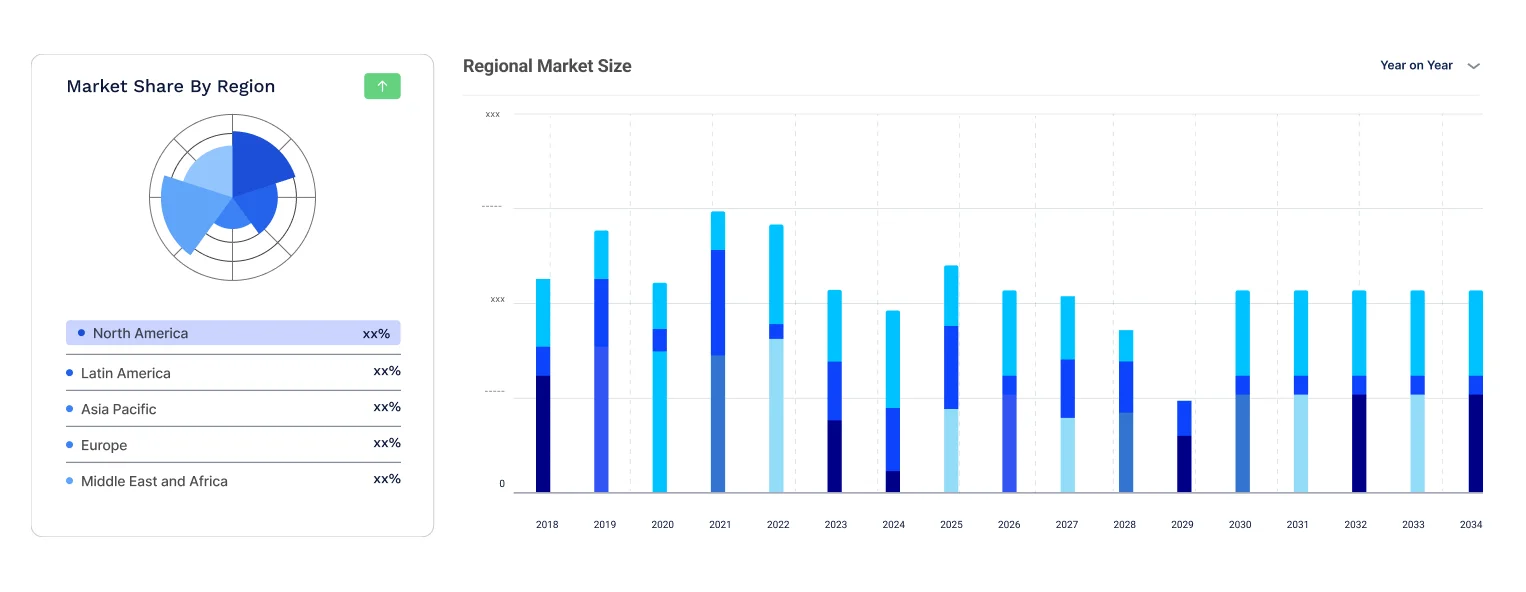
Market Breakup by Region
Key Insight: Europe leads due to enforced wholesale access and regulatory clarity. Asia Pacific grows at the fastest pace through smartphone adoption and digital services. North America emphasizes enterprise and IoT connectivity. The mobile virtual network operator market in Latin America shows steady expansion tied to affordability and competition policies. Middle East and Africa focus on inclusion and cross-border mobility. MVNOs tailor pricing, partnerships, and platforms regionally.
By operational model, full MVNO dominate the market due to control, margins, service differentiation
Full MVNOs dominate the market because they control core network elements, billing, and customer data. This control allows pricing flexibility, service differentiation, and faster product launches. Operators such as Lycamobile and Truphone use full MVNO models to offer enterprise-grade services including private APNs, fixed IPs, and cross-border plans. Full MVNOs negotiate better wholesale terms by scaling traffic and reducing host dependency.
Service operator MVNOs are largely contributing to the mobile virtual network operator market revenue share because they balance flexibility with lower capital requirements. These MVNOs outsource core network operations while focusing on customer experience, branding, and vertical solutions. In November 2024, Telness Tech teamed up with VAS2Nets and Lebara to launch a new Mobile Virtual Network Operator (MVNO) in Nigeria. Growth in this category is also driven by speed to market, lower risk, and the ability to pivot offerings without heavy infrastructure investments.
By type, discount MVNOs account for the largest share of the market driven by price sensitivity and scalability
Discount MVNOs anchor majority of the subscriber volumes by targeting price-sensitive consumers. They focus on prepaid plans, simplified tariffs, and digital onboarding. Brands operate lean structures with limited customer service overhead. Host networks tolerate lower margins because discount MVNOs expand network utilization. These MVNOs compete on transparency and short-term affordability rather than loyalty. Marketing relies heavily on online channels and referrals.
The business category observes rapid growth in the mobile virtual network operator market as enterprises seek customized connectivity without managing telecom infrastructure. These MVNOs offer pooled data, fixed IPs, device management, and SLA-backed services. Logistics, retail, and healthcare companies increasingly adopt these plans. Business MVNOs avoid mass advertising and focus on direct sales and partnerships, they mostly benefit from predictable usage and long-term contracts.
Large enterprises currently lead the demand growth due to multi-country connectivity needs
Large enterprises dominate MVNO spending due to scale, geographic spread, and complex connectivity needs. Multinational firms require unified billing, cross-border coverage, and centralized management. MVNOs tailor offerings for fleet devices, POS terminals, and employee connectivity. Enterprises favor providers that integrate with cloud platforms and security frameworks. Large enterprises also influence product roadmaps through volume commitments, widening the mobile virtual network operator market scope.
SMEs represent the fastest-growing organization category as digital adoption accelerates. Small firms seek affordable, scalable connectivity without long-term commitments. MVNOs offer flexible plans, fast activation, and simplified support. E-commerce, logistics startups, and field service companies adopt SME-focused MVNO solutions. Growth in this category is also driven by ease of use and transparent pricing. While contract values are smaller, volume growth and upselling opportunities make SMEs attractive for long-term expansion strategies.
By subscriber, the consumer category dominated volumes due to prepaid and digital onboarding
Consumer subscribers dominate volumes due to prepaid adoption and digital-first onboarding. MVNOs attract users through app-based activation and flexible plans. Consumers favor short commitments and transparent pricing. Marketing for this subscriber community focuses on affordability and convenience. Consumer MVNOs rely on scale rather than deep service differentiation, and they benefit from smartphone penetration and eSIM adoption, driving the demand in the mobile virtual network operator market.
Enterprise subscribers are continuously gaining momentum in the market as connectivity becomes embedded in operations. MVNOs support IoT devices, employee mobility, and machine connectivity. Enterprises value reliability and monitoring, so MVNOs invest in dashboards and APIs. Growth is driven by digital transformation and automation across industries. Enterprise demand shifts MVNO focus from marketing to service quality and platform stability.

Europe secures the largest share of the market due to regulation-driven wholesale access frameworks
Europe dominates the MVNO market due to strong regulatory support for wholesale accessibility. Regulators enforce competition, enabling MVNO entry without spectrum ownership. Countries like Germany, France, and the United Kingdom host dense MVNO ecosystems. European MVNOs innovate pricing and service models, while regulatory certainty encourages investment. Europe serves as a testing ground for new MVNO formats and enterprise offerings. This environment also sustains leadership in subscriber numbers and service diversity.
Factors like smartphone adoption and digital services largely contribute to the mobile virtual network operator market expansion. Emerging markets support MVNO entry to boost competition. While enterprises expand IoT and logistics connectivity, local MVNOs leverage low-cost digital platforms. Regulatory openness and wholesale network access agreements are also lowering entry barriers for niche MVNOs. At the same time, enterprise contracts deliver steadier ARPU and longer lifecycles compared to traditional consumer prepaid models.
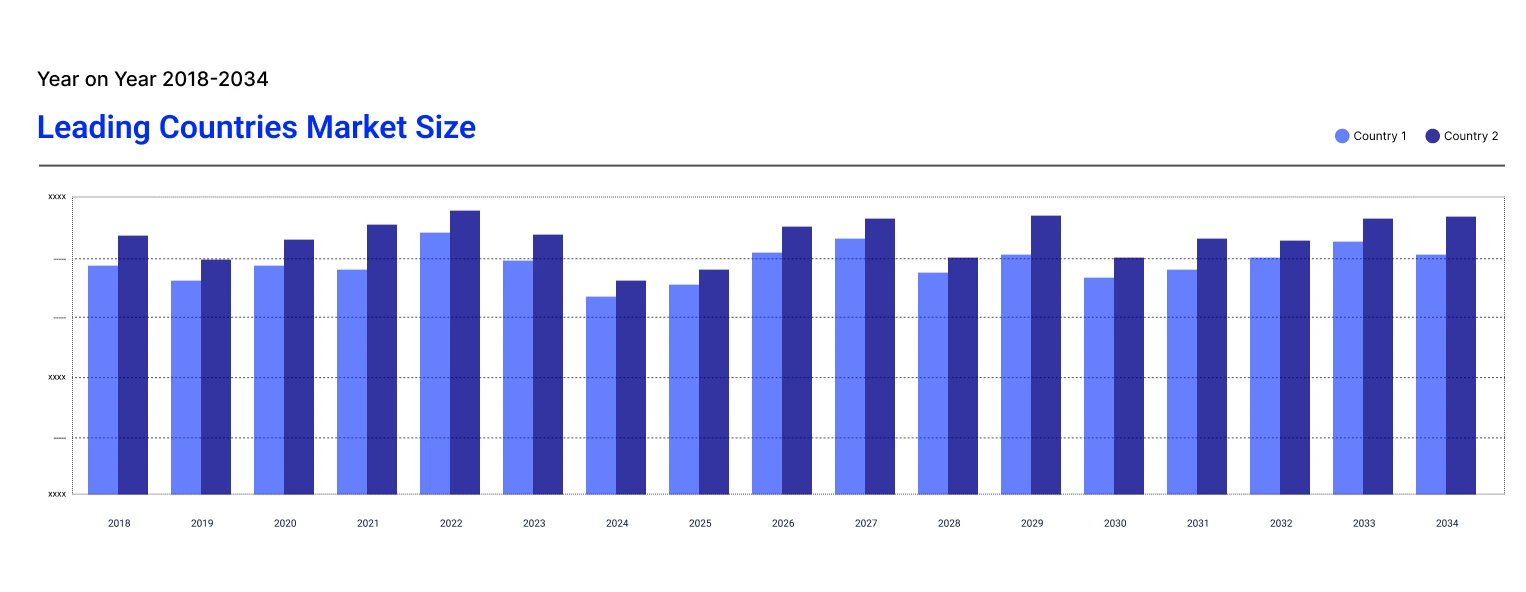
| CAGR 2026-2035 - Market by | Country |
| India | 8.7% |
| China | 7.3% |
| Canada | 6.4% |
| Germany | 5.4% |
| Italy | 4.6% |
| USA | XX% |
| UK | XX% |
| France | XX% |
| Japan | 4.5% |
| Australia | XX% |
| Saudi Arabia | XX% |
| Brazil | XX% |
| Mexico | XX% |
Leading mobile virtual network operator market players are moving away from price-led consumer plays toward managed connectivity for enterprises, travelers, and IoT deployments. Control over eSIM provisioning, billing flexibility, and analytics has now become more important than brand visibility. Opportunities are strongest in cross-border connectivity, private enterprise networks, and device-embedded SIM models where the churn rate is low and contracts are predictable.
Regulatory support for wholesale access continues to lower barriers, encouraging innovation at the service layer. Mobile virtual network operator companies investing in cloud-native cores, API exposure, and vertical solutions are gaining leverage. The market rewards execution discipline rather than aggressive subscriber acquisition, favoring MVNOs that can scale efficiently while monetizing data insights, enterprise relationships, and long-term connectivity demand across regions.
Truphone Limited was established in 2006 and is headquartered in London, United Kingdom. The company focuses on enterprise and IoT connectivity using a global eSIM platform. Truphone offers private APNs, fixed IP services, and multi-country plans designed for multinational enterprises. Its strategy targets predictable B2B revenue rather than consumer churn.
Airvoice Wireless was founded in 1999 and is headquartered in Michigan, United States. The company operates as a value-focused MVNO serving prepaid and ethnic customer segments. Airvoice emphasizes affordable voice and data plans with flexible recharge options. Its market approach relies on retail distribution and community-based marketing.
Established in 1984 and headquartered in Tokyo, Japan, KDDI Corporation, through its MVNO and wholesale platforms, supports enterprise, IoT, and digital service providers. The company leverages strong domestic infrastructure and international partnerships to deliver managed connectivity solutions.
Virgin Mobile USA was launched in 2001 and is headquartered in Kansas, United States. The firm pioneered lifestyle-driven MVNO marketing, targeting younger consumers with transparent pricing and digital engagement. Virgin Mobile emphasized simplicity, prepaid plans, and brand differentiation over technical complexity. Its success influenced later digital-first MVNO models.
*Please note that this is only a partial list; the complete list of key players is available in the full report. Additionally, the list of key players can be customized to better suit your needs.*
Other key players in the market include TracFone Wireless, Inc., and Altice USA Inc., among others.
Unlock the latest insights with our mobile virtual network operator market trends 2026 report. Discover regional growth patterns, consumer preferences, and key industry players. Stay ahead of competition with trusted data and expert analysis. Download your free sample report today and drive informed decisions in the market.


Upto 15% Off
USD
$2499 $2249
$3999 $3599
$4999 $4249
$5999 $5099


*While we strive to always give you current and accurate information, the numbers depicted on the website are indicative and may differ from the actual numbers in the main report. At Expert Market Research, we aim to bring you the latest insights and trends in the market. Using our analyses and forecasts, stakeholders can understand the market dynamics, navigate challenges, and capitalize on opportunities to make data-driven strategic decisions.*
Get in touch with us for a customized solution tailored to your unique requirements and save upto 35%!
In 2025, the market reached an approximate value of USD 85.08 Billion.
The market is projected to grow at a CAGR of 6.60% between 2026 and 2035.
The market is estimated to witness a healthy growth in the forecast period of 2026-2035 to reach about USD 161.21 Billion by 2035.
Stakeholders are investing in cloud cores, expanding eSIM capabilities, targeting enterprise verticals, strengthening wholesale negotiations, forming ecosystem partnerships, and building analytics-driven platforms to improve margins, retention, and cross-border service scalability.
Rising investments by the key players in the market and the increased penetration of smartphones and internet are the key trends in the market.
The major regions in the market are North America, Latin America, the Middle East and Africa, Europe, and the Asia Pacific.
The various operational models in the market are reseller MVNO, full MVNO, and service operator MVNO.
The major types of mobile virtual network operators in the market are discount, specialist data, ethnic, business, international/roaming, media, and bundled, among others.
The significant organisation sizes in the market are small and medium size enterprise and large enterprises.
The leading subscribers in the market are consumer and enterprise.
The key players in the market include Truphone Limited, Airvoice Wireless, KDDI Corporation, Virgin Mobile USA, TracFone Wireless, Inc., and Altice USA Inc., among others.
Key challenges include margin pressure from wholesale pricing, high consumer churn, regulatory complexity across regions, dependence on host networks, and the need for continuous platform investment to support eSIM, IoT, and enterprise services.
Explore our key highlights of the report and gain a concise overview of key findings, trends, and actionable insights that will empower your strategic decisions.
| REPORT FEATURES | DETAILS |
| Base Year | 2025 |
| Historical Period | 2019-2025 |
| Forecast Period | 2026-2035 |
| Scope of the Report |
Historical and Forecast Trends, Industry Drivers and Constraints, Historical and Forecast Market Analysis by Segment:
|
| Breakup by Operational Model |
|
| Breakup by Type |
|
| Breakup by Organization Size |
|
| Breakup by Subscriber |
|
| Breakup by Region |
|
| Market Dynamics |
|
| Competitive Landscape |
|
| Companies Covered |
|
| Report Price and Purchase Option | Explore our purchase options that are best suited to your resources and industry needs. |
| Delivery Format | Delivered as an attached PDF and Excel through email, with an option of receiving an editable PPT, according to the purchase option. |
Datasheet
One User
USD 2,499
USD 2,249
tax inclusive*
Single User License
One User
USD 3,999
USD 3,599
tax inclusive*
Five User License
Five User
USD 4,999
USD 4,249
tax inclusive*
Corporate License
Unlimited Users
USD 5,999
USD 5,099
tax inclusive*
*Please note that the prices mentioned below are starting prices for each bundle type. Kindly contact our team for further details.*
Flash Bundle
Small Business Bundle
Growth Bundle
Enterprise Bundle
*Please note that the prices mentioned below are starting prices for each bundle type. Kindly contact our team for further details.*
Flash Bundle
Number of Reports: 3
20%
tax inclusive*
Small Business Bundle
Number of Reports: 5
25%
tax inclusive*
Growth Bundle
Number of Reports: 8
30%
tax inclusive*
Enterprise Bundle
Number of Reports: 10
35%
tax inclusive*
How To Order

Select License Type
Choose the right license for your needs and access rights.

Click on ‘Buy Now’
Add the report to your cart with one click and proceed to register.

Select Mode of Payment
Choose a payment option for a secure checkout. You will be redirected accordingly.
Gain insights to stay ahead and seize opportunities.

Get insights & trends for a competitive edge.

Track prices with detailed trend reports.

Analyse trade data for supply chain insights.

Leverage cost reports for smart savings

Enhance supply chain with partnerships.

Connect For More Information
Our expert team of analysts will offer full support and resolve any queries regarding the report, before and after the purchase.
Our expert team of analysts will offer full support and resolve any queries regarding the report, before and after the purchase.
We employ meticulous research methods, blending advanced analytics and expert insights to deliver accurate, actionable industry intelligence, staying ahead of competitors.
Our skilled analysts offer unparalleled competitive advantage with detailed insights on current and emerging markets, ensuring your strategic edge.
We offer an in-depth yet simplified presentation of industry insights and analysis to meet your specific requirements effectively.





Share