

Consumer Insights
Uncover trends and behaviors shaping consumer choices today
Procurement Insights
Optimize your sourcing strategy with key market data
Industry Stats
Stay ahead with the latest trends and market analysis.
The North America acrylic processing aid market attained a value of USD 186.90 Million in 2025 and is projected to expand at a CAGR of 6.60% through 2035. The market is further expected to achieve USD 354.15 Million by 2035. Multifunctional acrylic processing aids for enhanced melt strength, cell structure uniformity, release from the equipment, line efficiency, and formulation flexibility observe increasing demand due to the growing usage of specialized PVC extrusion expansion.
There are two particular factors that are driving demand in the North America acrylic processing aid market. First, high volume producers of PVC foam and profiles require advanced melt control to ensure cell uniformity, dimensional stability, and proper surface finish even at high line speeds. Second, compound manufacturers are seeking multifunctional additives that would have capabilities of facilitating fusion and release of metals or fillers, which simplifies the formula, prevents plate out, cleaning stops, and makes use of waxes unnecessary.
The North America acrylic processing aid market is developing due to the efforts of suppliers working on addressing particular problems of PVC conversion into foam-core pipe, trim boards, decking, siding, window profiles, sheets, flooring, and luxury vinyl tile. Companies like Dow are focused on high molecular weight grades that provide lightweighting and foam consistency. In addition to the SURECEL range, the company also offers SURECEL 467, which is specially developed for thick foam sheets in North America. On the other hand, in July 2026, Trinseo expanded its acrylic latex portfolio through continued innovation, introducing advanced solutions to address evolving customer performance requirements.
PVC processors in North America are becoming more interested in additives that will be able to serve several processing functions at once without complicating formulation. A similar example is presented by PLASTISTRENGTH® 580 from Arkema that allows reaching usage efficiency of up to 20% compared to conventional process aids while preserving cellular structure and density. In January 2026, Arkema and Praana announced a proposed plastic additives transaction, strengthening portfolios and expanding opportunities within specialty polymer solutions.
Compound Annual Growth Rate
6.6%
Value in USD Million
2026-2035
Read more about this report - REQUEST FREE SAMPLE COPY IN PDF
Engineered development was initiated to scale the production of synthetic fuels in view of increased need for high-performance industrial processing application material needs. Producers of acrylic processing aids can create specific additives for newly introduced industrial applications that need improved polymer processing efficiency and performance.
ETI presented advanced coating and linerless technologies, with a focus on increasing demand for high-performance materials that increase processing efficiency, functionality, and sustainable packaging applications. Companies can therefore create special acrylic processing aids for coatings and packaging materials, boosting growth in the North America acrylic processing aid market.
EyeGility Inserter by Bausch + Lomb was introduced in the United States, which is useful in the fabrication of advanced medical devices that need to have precise manufacturing techniques and polymer parts. Manufacturers can use high-purity acrylic processing aids in the fabrication of medical grade polymers.
Colorcon introduced an all-in-one closure system in the fields of pharmaceuticals and nutraceuticals, which facilitates packaging innovations. Other companies in the North America acrylic processing aid market can produce specialized processing aids in the field of pharmaceutical packaging.
The drive towards light-weighted PVC building materials is encouraging producers to make acrylic processing aids with increased melt strength at low concentrations, accelerating the overall North America acrylic processing aid market value. Dow’s SURECEL 488 focuses on foamed PVC applications such as deck-board cores, foam-core pipe, luxury vinyl tiles, and cellular sheets to facilitate foam expansion and density management. Further, in April 2026, Jinbao Plastic showcased PVC foam board and acrylic sheet solutions at FESPA 2026, highlighting advanced materials for signage applications. Additive producers are thus shifting their attention to lightweight materials without comparing cell uniformity and surface quality.
North American compounders are increasingly turning to multifunctional acrylic processing aids capable of solving various extrusion-related issues using a single additive system, widening the North America acrylic processing aid market scope. The multifunctional product portfolio offered by Arkema includes PLASTISTRENGTH 576 that not only boosts fusion promotion but also increases melt strength. The material is suitable for use in highly filled PVC compounds or extrusions at low temperatures. The company’s PLASTISTRENGTH 770 enhances metal release during extrusion, calendering, injection molding, and blow molding processes. Similarly, in August 2025, Argus Additive introduced new fluorine processing aids at K2025, enhancing polymer processing performance and supporting advanced manufacturing applications.
Application-specific product development emerges as an important trend among the PVC processors who need to have better control of their thicker sheets and difficult foam profiles. For example, in March 2023, Gaco launched GacoFlex A48 acrylic elastomeric roof coating, delivering enhanced waterproofing, durability, flexibility, and weather resistance for demanding roofing applications. Application specificity matches the efforts of DOE with regard to building code initiatives directed at efficient construction and building envelope performance, creating new opportunities in the North America acrylic processing aid market.
Firms are developing products that address productivity losses due to melt fracture, adhesion, plate out, and poor surface characteristics, broadening the North America acrylic processing aid market scope. These processing aids assist in increasing the melt flow, surface smoothness, and process stability and reduce any defects and machinery stoppages. The increasing need for efficiency is motivating companies to use processing aids that help increase the extrusion quality, minimize wastage, ensure consistency, and increase the production cycle speed. Aligning with this trend, in March 2026, hubergroup Chemicals launched UHVPI 222200, a high-performance photo initiator supporting faster UV curing and enhanced coating performance across industrial applications.
The volatility of raw materials and energy is prompting suppliers and processors to focus on processing aids that can offer performance at lower dosages, accelerating the overall North America acrylic processing aid market penetration. Kaneka introduced an update to its KANE ACE PA processing aids prices from June 1, 2026, due to increasing costs of energy and the disruption in crude oil and petrochemicals availability. This increases the business opportunity for formulations that can perform with maximum efficiency. PLASTISTRENGTH 580 from Arkema caters to this requirement by keeping the cellular structure and density parameters. The objective of North American compounders is to increase yield per additive dose.
The Expert Market Research's report titled “North America Acrylic Processing Aid Market Report and Forecast 2026-2035” offers a detailed analysis of the market based on the following segments:
Market Breakup by Polymer Type
Key Insight: With respect to polymer, PVC continues to be the key demand segment since PVC in its rigid form, cellular form, and heavily formulated form demands proper fusion, melt strength, and stability. The others segment is experiencing rapid development in the North America acrylic processing aid market due to the need for custom-made compound blends which require enhanced rheology, flow control, and surface characteristics. Demand for PVC is largely influenced by the applications of extrusion-dependent building products, while other polymers offer possibilities for custom-made product grades.
Market Breakup by Fabrication Process
Key Insight: Extrusion leads the overall North America acrylic processing aid market growth due to the need for continuous processing of profiles, tubing, sheeting, foam boards, cladding, and flooring that requires reliable adhesion, melt strength, and line-ability. Injection molding records higher growth as processors seek reliable flow and surface properties for more complicated injection molded parts. In February 2026, Milliken unveiled next-generation polymer innovations at PlastIndia 2026, enhancing material performance, processing efficiency, sustainability, and application versatility. Other methods include calendering and blow molding, for which processing aids solve different issues related to melt properties, release, and finish.
Market Breakup by End Use
Key Insight: In terms of applications, the demand from building and construction dominates the North America acrylic processing aid market due to extrusion-based products like PVC piping, profiles, siding, flooring, trimming, deckings, and foam. The automotive sector is growing at a faster pace as polymer-based parts in this sector have to be processed under consistent conditions due to their technical modification and weight. The packaging sector is supporting the demand for consistent flow and fabrication, while the consumer goods sector demands consistent molding and better aesthetics. Others represent the rest of the industrial and niche applications where customized formulations are demanded due to customized compounds and fillers.
Market Breakup by Country
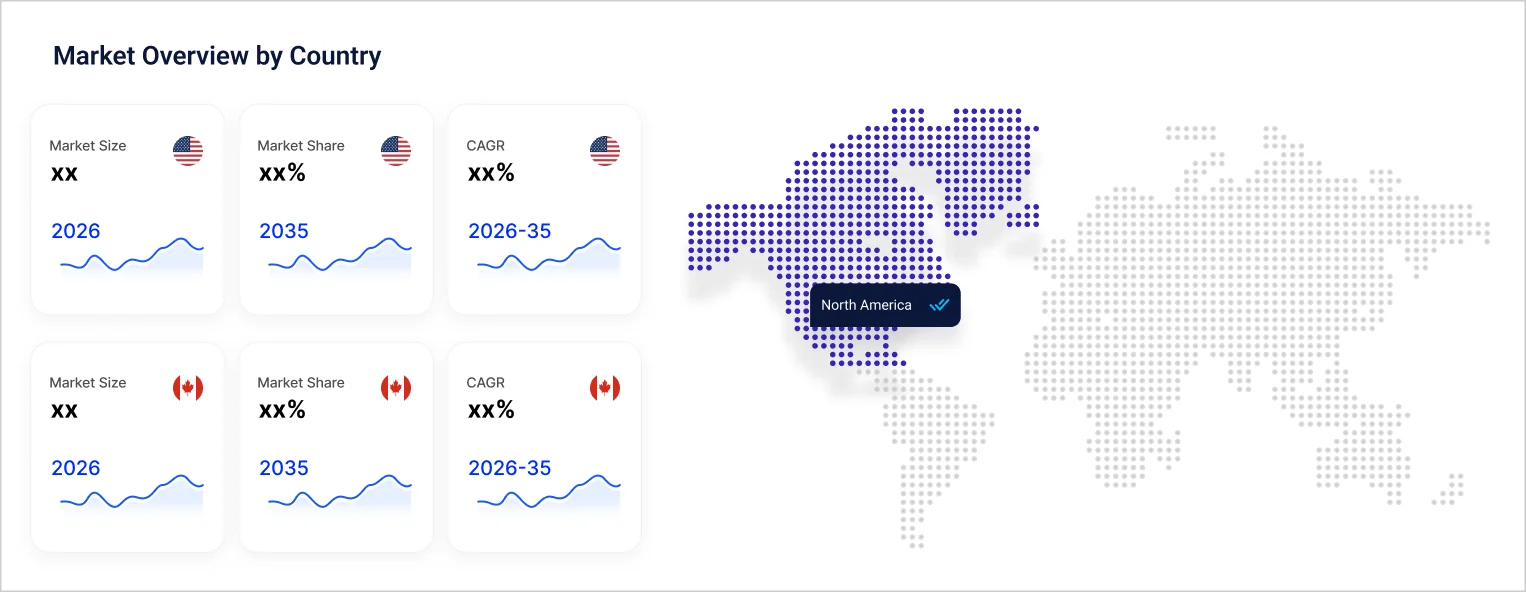
Key Insight: The United States takes the lead in the North America acrylic processing aid market owing to the large-scale plastics processing industry in this country, which creates strong demand for PVC products in extrusion, molding, building materials, automotive parts, and special compounds. The fastest growth is registered in Canada as a result of expansion of polymer use in the construction industry by processors along with increased demand for technically advanced additives due to their application in manufacturing. The United States gives opportunities because of scale, concentration of suppliers, and large-scale downstream manufacturing, while Canada gives opportunities related to specialization.
By polymer type, polyvinyl chloride accounts for the largest share of the market due to extensive rigid PVC processing
Polyvinyl chloride is the leading subsegment in the North America acrylic processing aid market as it helps enhance the properties of fusion, melt strength, surface quality, and processability in rigid and cellular formulations. Processing aids are becoming particularly significant in profile, foam sheet, pipe, fittings, siding, windows, decking, and flooring applications. There is a growing demand for application-specific grades of processing aids for faster extrusion without the loss of dimensional stability. In April 2024, Lubrizol announced a USD 20 million investment in acrylic emulsion manufacturing capacity, strengthening supply, and supporting rising industrial demand.
The others category is the fastest growing subsegment as processing aid suppliers look to supply acrylic-based processing modifiers for special engineering plastics and polymer systems where there is a need for better melt and processability properties. Growth in the North America acrylic processing aid market is fueled by the demand for better surface quality and stable flow properties. Specialty polymer producers are looking for additives compatible with filled and modified polymer systems.
By fabrication process, the extrusion category records notable growth due to high-volume continuous PVC profile production
Extrusion accounts for the major share of the North America acrylic processing aid market since these aids assist in achieving fusion, improving melt strength and homogeneity, and ensuring surface quality during continuous processing. Extrusion is widely used by North American converters for manufacturing pipes, siding, window profiles, foam sheets, decking, flooring, and other rigid PVC products. Wide processing windows become critical in the case of high-speed lines that need to achieve reliable and constant output. In April 2024, Avient launched a non-PFAS process aid for extrusion applications, supporting sustainable polymer processing and evolving regulatory requirements.
Injection molding is expected to experience the highest growth rate as manufacturers in the North America acrylic processing aid market continue to demand new processing modifiers which ensure consistent melt flow, better surface appearance, mold release, and reproducibility in manufacturing of complicated polymer parts. The need arises from the growing application of modified plastic materials in such industries as building hardware, automotive, consumer goods, and industry. Acrylic processing aids can be useful for compounders when they try to handle formulations with fillers and performance additives for injection molding process.
By end use, the building and construction segment captures a significant market share due to intensive PVC product consumption
Building and construction represent the leading end-use application sub-segment for acrylic processing aids due to its close association with rigid and cellular products made from PVC resins. Applications such as pipes, window profiles, sidings, trims, decking, flooring, and foam boards require reliable fusion and melt strength to ensure size stability, surface quality and uniformity during high-volume conversion. Suppliers providing increased processing efficiency along with required performance in manufacturing of building products observe continuous demand opportunities in the North America acrylic processing aid market. In March 2026, BASF and Avery Dennison launched renewable electricity-based acrylates, supporting lower-carbon materials and sustainable adhesive applications.
The automotive segment represents the most dynamic end-use application group in the North America acrylic processing aid market due to the increasing need for lightweight polymer formulations used for making various automotive components including interiors, exteriors and under-the-hood parts. In the case of using filler-, modifier- or recycle-content-based materials in strict compliance with dimensional and surface criteria, consistent processing becomes of great importance.
Read more about this report - REQUEST FREE SAMPLE COPY IN PDF
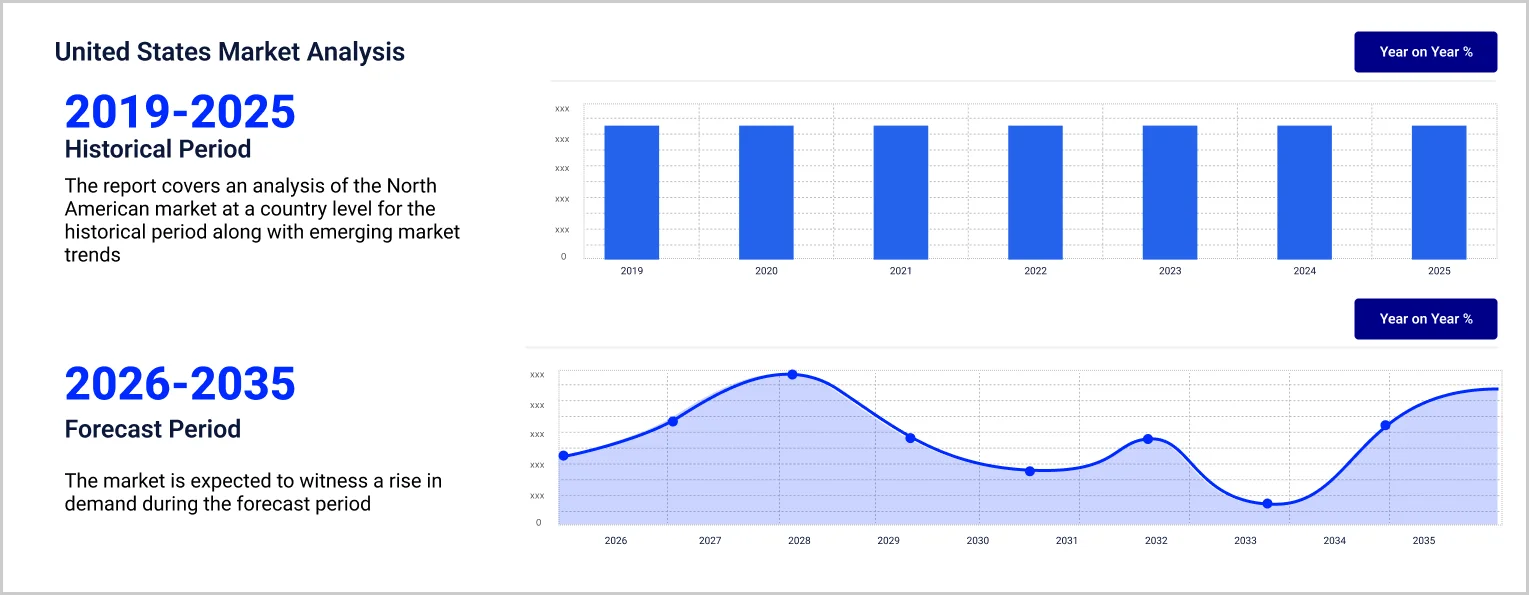
United States of America clocks in the largest share of the market due to its extensive plastics processing base
The United States is the most significant regional market due to the abundance of plastic compounders, converters, building products manufacturers, and automotive companies which have the need for high-performance processing additives. Growth in the North America acrylic processing aid market is driven by the extensive production of pipes, profiles, sheets, sidings, floors, molded parts, and specialty polymers. The presence of major processing additives producers and downstream converters in the country makes the States the main regional market of acrylic processing aids.
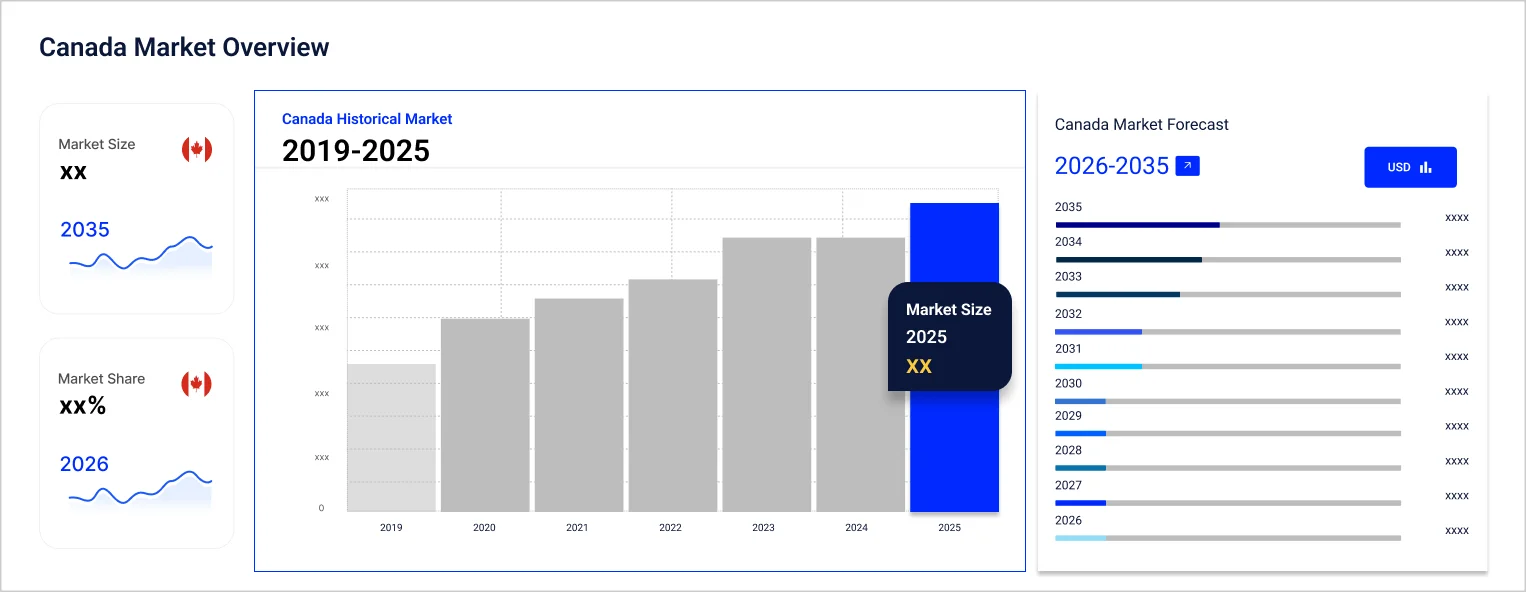
Canada is the most rapidly growing regional sub-segment owing to the growing demand from the processing of construction-related PVC compounds and specialized polymers, which drives the requirement for efficient processing additives. Converters are increasingly focusing on maintaining consistent production processes when working with filled compounds and profiles. In addition, the North America acrylic processing aid market benefits from the integration with the North American supply chains in terms of the ability of processing additives suppliers to serve the processors regionally.
The market is moderately competitive, with North America acrylic processing aid market players concentrating on high performance, application specific additives for the processing of rigid and foamed PVC. The emphasis is on improving melt strength, quick fusion, foam uniformity, metal release, and reduced additive levels. Dow is working on ultra-high molecular weight processing aids for challenging foamed PVC applications, while Arkema is coming up with multifunctional grades that have processing advantages as well as better cellular structures.
There are opportunities for product development in the areas of lightweight building products, highly loaded PVC compounds, thick foam sheets, and high throughput extrusions. Technical services are also becoming important for the formulators to improve their formulations and reduce plate out. North America acrylic processing aid companies capable of offering customized grades for recycled compounds, and difficult profile applications are finding opportunities as the processors focus on production efficiency, quality and simple formulations.
The Dow Chemical Company, founded in 1897 and headquartered in Midland, Michigan, United States, caters to diverse market requirements. The company focuses on challenging PVC foam applications through ultra-high-molecular-weight products that enhance melt strength, foam expansion, cell structure, and density control. Dow also addresses broader processing requirements by offering grades specifically formulated for thick-sheet production and high-performance extrusion applications.
Arkema SA, founded in 2004 and headquartered in France, meets the demands of the market through PLASTISTRENGTH acrylic process aids. Arkema is developing its multifunctional offerings for quicker fusion, improved melt strength, better filler dispersion, and lower plate out. Its special grades for PVC foams and fast-processing needs help the North American compounders achieve simplicity in formulations without affecting cellular structure and surface finish.
Evonik Industries AG is based in Essen, Germany and was founded in 2007. Evonik Industries AG offers solutions to North American plastic processors through its specialty additives experience and technical solutions for plastics manufacturing. The company emphasizes processing, formulations performance, and development of application-specific additives.
Performance Additives, based in Northlake, Illinois, United States and founded in 2005, is a company that specializes in supplying North American plastic processors with specialty additives and technical solutions for plastics and polymer applications. The company emphasizes responsiveness, formulation-based technical support, and personalized services.
Other key players in the market include Akdeniz Chemson Additives Ltd., and BASF SE, among others.
*Please note that this is only a partial list; the complete list of key players is available in the full report. Additionally, the list of key players can be customized to better suit your needs.*
Unlock the latest insights with our North America acrylic processing aid market trends 2026 report. Discover regional growth patterns, consumer preferences, and key industry players. Stay ahead of competition with trusted data and expert analysis. Download your free sample report today and drive informed decisions in the market.


Upto 15% Off
USD
$2499 $2249
$3999 $3599
$4999 $4249
$5999 $5099


*While we strive to always give you current and accurate information, the numbers depicted on the website are indicative and may differ from the actual numbers in the main report. At Expert Market Research, we aim to bring you the latest insights and trends in the market. Using our analyses and forecasts, stakeholders can understand the market dynamics, navigate challenges, and capitalize on opportunities to make data-driven strategic decisions.*
The market is projected to grow at a CAGR of 6.60% between 2026 and 2035.
The acrylic processing aid market is categorised according to the polymer type, which includes polyvinyl chloride and others.
The key players are The Dow Chemical Company, Arkema SA, Evonik Industries AG, Performance Additives, Akdeniz Chemson Additives Ltd., and BASF SE among others.
Based on the fabrication process, the market is divided into extrusion, injection moulding, and others.
The market is broken down into the United States of America and Canada.
In 2025, the market reached an approximate value of USD 186.90 Million.
Key challenges considered in the North America acrylic processing aid market include fluctuating raw material prices, stringent environmental regulations, rising demand for sustainable alternatives, and intense competition among specialty polymer additive manufacturers.
Key strategies driving the market include product innovation, development of sustainable and non-PFAS formulations, capacity expansion, strategic collaborations, and customized solutions for high-performance polymer processing applications.
Explore our key highlights of the report and gain a concise overview of key findings, trends, and actionable insights that will empower your strategic decisions.
| REPORT FEATURES | DETAILS |
| Base Year | 2025 |
| Historical Period | 2019-2025 |
| Forecast Period | 2026-2035 |
| Scope of the Report |
Historical and Forecast Trends, Industry Drivers and Constraints, Historical and Forecast Market Analysis by Segment:
|
| Breakup by Polymer Type |
|
| Breakup by Fabrication Process |
|
| Breakup by End Use |
|
| Breakup by Country |
|
| Market Dynamics |
|
| Competitive Landscape |
|
| Companies Covered |
|
Datasheet
One User
USD 2,499
USD 2,249
tax inclusive*
Single User License
One User
USD 3,999
USD 3,599
tax inclusive*
Five User License
Five User
USD 4,999
USD 4,249
tax inclusive*
Corporate License
Unlimited Users
USD 5,999
USD 5,099
tax inclusive*
*Please note that the prices mentioned below are starting prices for each bundle type. Kindly contact our team for further details.*
Flash Bundle
Small Business Bundle
Growth Bundle
Enterprise Bundle
*Please note that the prices mentioned below are starting prices for each bundle type. Kindly contact our team for further details.*
Flash Bundle
Number of Reports: 3
20%
tax inclusive*
Small Business Bundle
Number of Reports: 5
25%
tax inclusive*
Growth Bundle
Number of Reports: 8
30%
tax inclusive*
Enterprise Bundle
Number of Reports: 10
35%
tax inclusive*
How To Order

Select License Type
Choose the right license for your needs and access rights.

Click on ‘Buy Now’
Add the report to your cart with one click and proceed to register.

Select Mode of Payment
Choose a payment option for a secure checkout. You will be redirected accordingly.
Strategic Solutions for Informed Decision-Making
Gain insights to stay ahead and seize opportunities.

Get insights & trends for a competitive edge.

Track prices with detailed trend reports.

Analyse trade data for supply chain insights.

Leverage cost reports for smart savings

Enhance supply chain with partnerships.

Connect For More Information
Our expert team of analysts will offer full support and resolve any queries regarding the report, before and after the purchase.
Our expert team of analysts will offer full support and resolve any queries regarding the report, before and after the purchase.
We employ meticulous research methods, blending advanced analytics and expert insights to deliver accurate, actionable industry intelligence, staying ahead of competitors.
Our skilled analysts offer unparalleled competitive advantage with detailed insights on current and emerging markets, ensuring your strategic edge.
We offer an in-depth yet simplified presentation of industry insights and analysis to meet your specific requirements effectively.




