

Consumer Insights
Uncover trends and behaviors shaping consumer choices today
Procurement Insights
Optimize your sourcing strategy with key market data
Industry Stats
Stay ahead with the latest trends and market analysis.
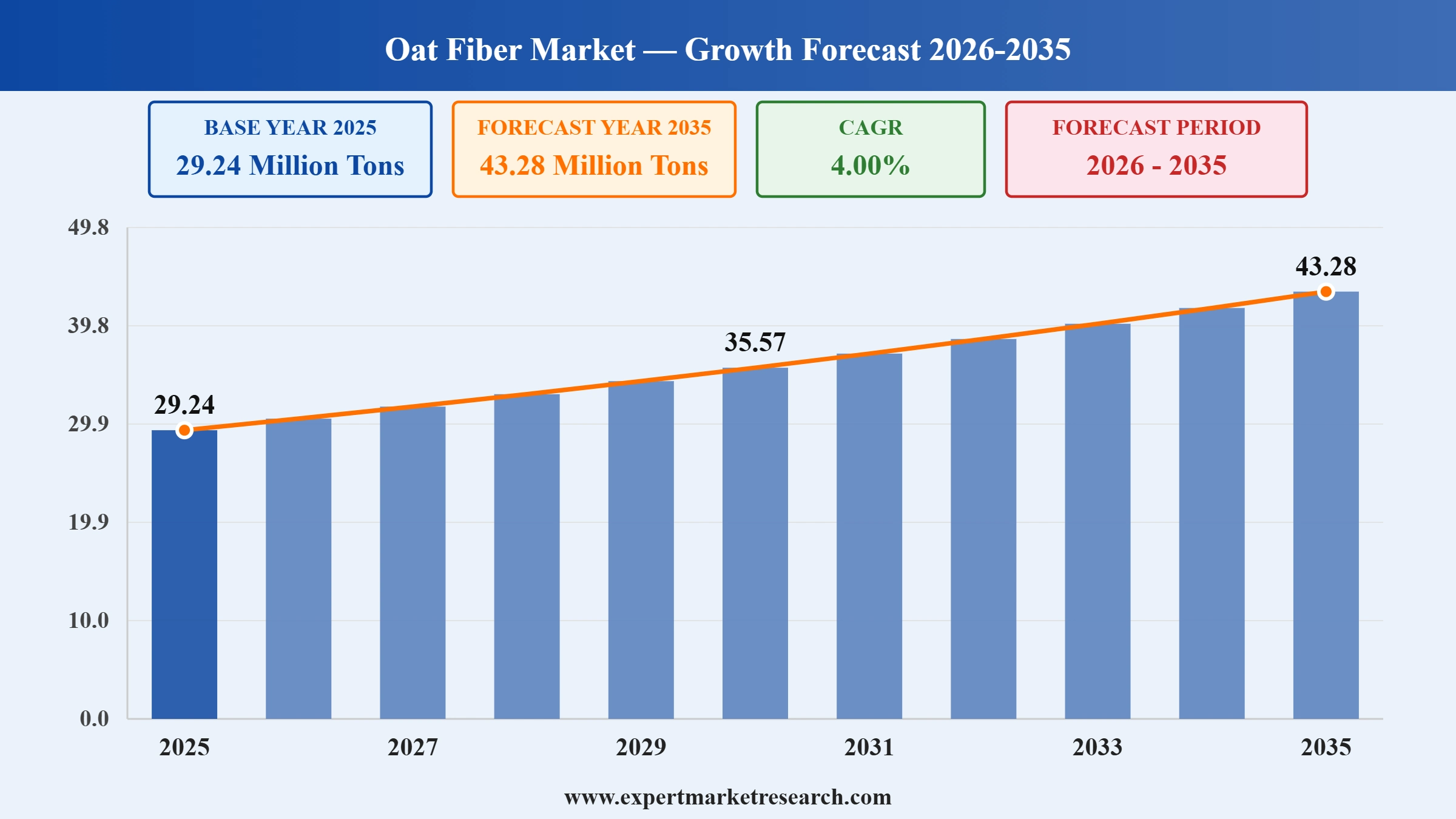
The global oat fiber market size was volumed at 29.24 Million Tons in 2025. The industry is expected to grow at a CAGR of 4.00% during the forecast period of 2026-2035 to reach a volume of 43.28 Million Tons by 2035. The rise in strategic growth of production and processing infrastructures is strongly pushing the market growth, which enables suppliers to accommodate the growing demand for fiber-enriched and plant-based products.
The global oat fiber market is expanding due to growing consumer demand for functional and high-fiber meals, as well as advancements in plant-based formulations. Consumers are becoming more health-conscious, and they are looking for products that promote digestive and cardiovascular health, as well as a manufacturer who uses cutting-edge extraction and processing technologies to produce more versatile oat fiber ingredients that can be used in bakery, snack, beverage, and dairy alternatives.
To integrate supply chains and ensure consistent quality of oat products, firms are boosting processing capacity in existing markets and expanding into new areas. These investments improve manufacturing efficiency, scalability, and ingredient sources, allowing producers to supply novel oat-based meals and drinks to consumers worldwide. This capacity growth is critical in order to meet rising consumer demand for functional and health-conscious foodstuffs without compromising product quality or supply chain efficiency, thereby propelling the oat fiber market development. For instance, in June 2024, SunOpta spent USD 26 million to expand its plant-based beverage factory in California, and in September 2023, Federal Oats Mills Sdn. Bhd. launched a new cutting-edge oat processing plant in Malaysia.
Read more about this report - REQUEST FREE SAMPLE COPY IN PDF
Organic Valley launched its oat beverages made from organic oats grown on its family farms. The transition bolstered the clean-label beverage presence and permitted rising consumer demand for fiber-enhanced choices, thus increasing the need for oat-based ingredients in food and beverage formulations.
Kraft Heinz expanded its dessert offerings, introducing JELL-O oat milk chocolate pudding, the company's first oat milk-based pudding. The launch demonstrated how oat ingredients have expanded beyond the beverage sector and into the decadent food category, reinforcing diverse end-use applications and hastening general mainstream adoption of oat-based formulations.
The Organic Valley created an oat-based creamer brand produced directly from its member farms and aimed at coffee and tea use. The launch highlighted the growing customer preference for plant-based, fiber-free, dairy-free choices and strengthened oats' position as a beneficial ingredient in beverage fortifications that can be used every day.
General Mills announced a strategic partnership with organic oat growers to improve the process of sustainable and traceable oat sourcing for its cereal and snack products. The program contributed to long-term supply security for oat-based formulations, as well as investment in clean-label and fiber-enriched product innovation across the packaged food industry.
The increased customer demand for plant-based and fiber-fortified products is encouraging producers in the oat fiber market to develop unique oat-based additives that boost nutritional value while maintaining taste and functioning. Food makers are taking the initiative to incorporate oat fiber into cereals, baked products, and beverages in order to cater to the growing trend of health-conscious consumers. Businesses increasingly use unique formulas to differentiate their products and gain a competitive advantage. In March 2025, Alpro invested to create their oat drinks with 100% British oats, improving quality, traceability, and local sourcing.
Ingredient companies are acquiring specialty oat fiber businesses to strengthen their portfolios and accelerate the growth of fiber-rich solutions in the oat fiber market. Such purchases improve technical performance, diversification, and accessibility to new markets, paving the way for their long-term proliferation. This type of consolidation enables businesses to effectively respond to the increasing demand for clean-label, plant-based products and provide them on a broad scale. In January 2025, PepsiCo worked with Jiangsu Rilong Food Co. Ltd. to develop a new oat production factory, which will cost the firm Rmb 500 million to make diverse oat cereal.
The advancement of the oat processing method opens up the possibility of producing beta-glucan-enriched components that can deliver functional health benefits such as cardiovascular and metabolic advantages. Food and beverage developers are working to make distinct items more purified, soluble, and adaptable, which has resulted in higher usage. These trends align with customer preferences for nutritious foods and plant-based wellness nutrition. In 2025, DSM also released Delvo Plant Go, a solution that simplifies the production of oat-based dairy substitutes, boosts manufacturing efficiency, and broadens beta-glucan uses.
The growing use of oat fiber in functional foods, beverage production around the world, and plant-based products is driving companies to increase output. Improved processing plants boost supply reliability, benefit larger food firms, and enable the development of novel oat-based uses. Companies in the oat fiber market are investing in high-throughput, increasingly automated manufacturing lines to improve quality and meet expanding demand. SunOpta invested USD 26 million in June 2024 to expand its plant-based beverage facilities in California, as well as enhance oat extraction and oatmilk production to meet North American demand.
Strategic collaborations and distribution contracts help oat ingredient producers enter growing markets and diversify their channels across the global oat fiber market. Partnerships with regional distributors or retailers will improve supply chain management and expand the availability of oat fiber-based products in health-conscious consumer markets. Using local networks, the enterprises extend their market presence while maintaining quality and reliability. In 2023, Federal Oats Mills Sdn. Bhd. will establish a sophisticated oat processing facility in Malaysia to expand the supply of oat flakes, bran, and flour to Southeast Asian markets.
The EMR’s report titled “Global Oat Fiber Market Report and Forecast 2026-2035” offers a detailed analysis of the market based on the following segments:
Market Breakup by Nature
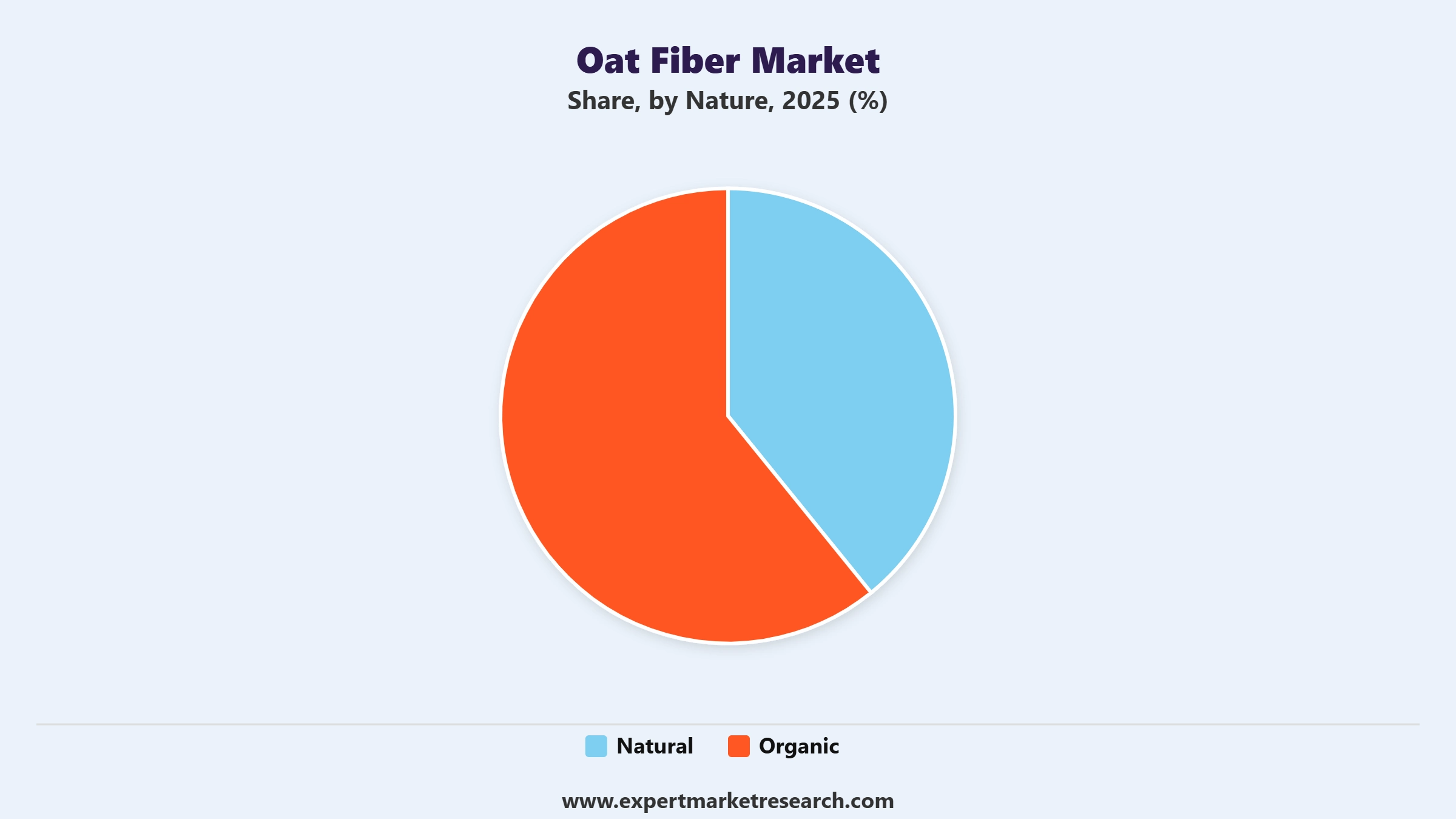
Key Insights: The oat fiber market scope comprises natural and organic products, reflecting a growing desire for clean label, minimally processed meals that promote digestive health. Natural oat fiber remains popular because of its diverse formulary options and cost-effectiveness. However, organic oat fiber is gaining popularity as consumers seek certified organic and responsibly sourced inputs. Organizations are expanding their product offerings and certifications to meet this need. In February 2025, Bob’s Red Mill debuted Overnight Protein Oats with additional fiber and protein, targeting health-conscious consumers.
Market Breakup by Packaging
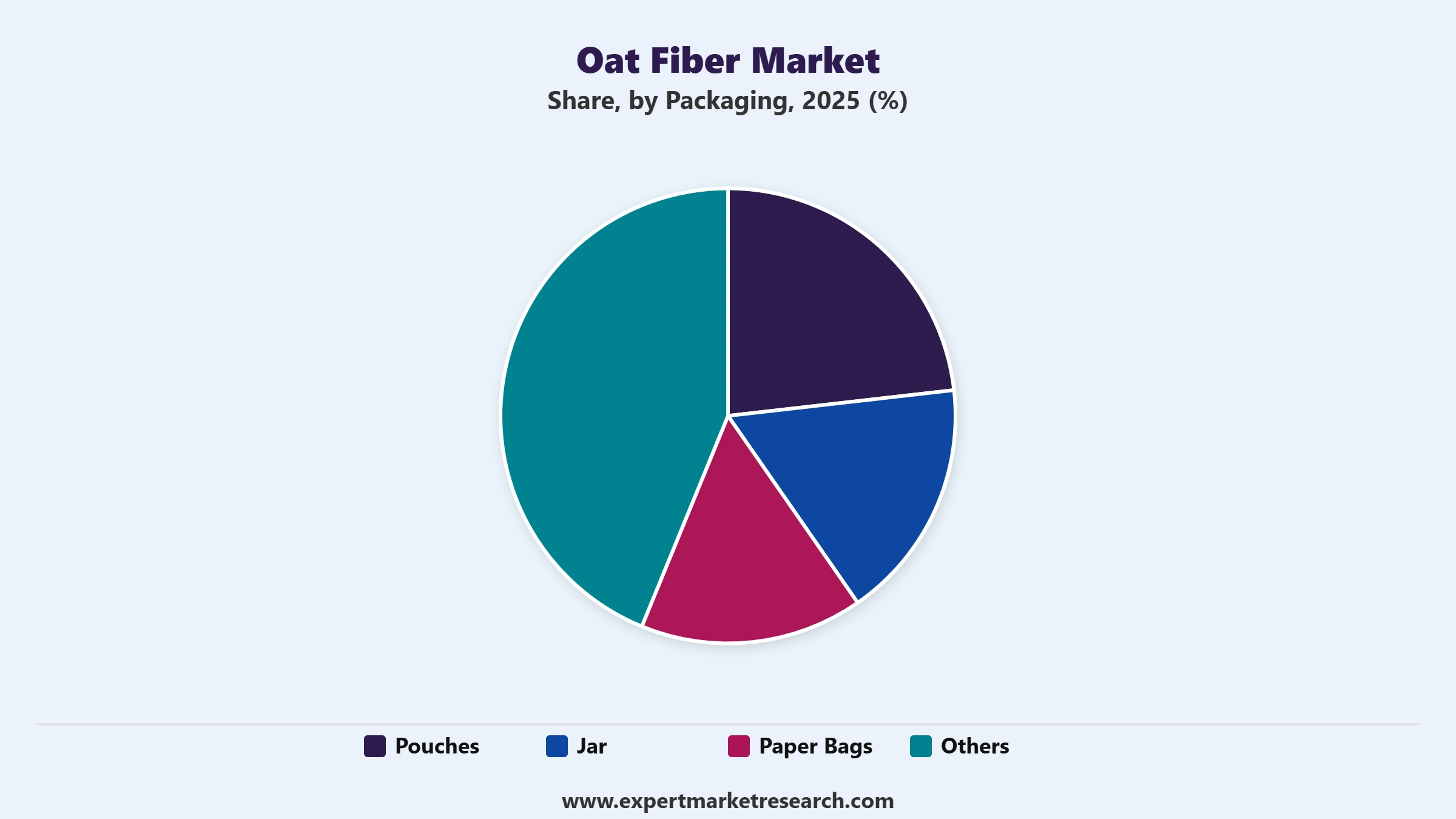
Key Insights: Based on packaging, the oat fiber market consists of pouches, jars, and paper bags, among others, that have different handling and branding requirements for ingredients and retail products. Bulk and lightweight ingredients are delivered in pouches, while high-end retail oat fibers are served in jars. Paper bags are increasingly being used for sustainable bulk shipments. Firms are designing recyclable forms to meet environmental and convenience requirements. For example, Fairfood worked with Sonoco to pack its powdered oat beverage in recyclable GREENCAN, a recyclable paperboard that might give higher recyclability and keep its freshness.
Market Breakup by Distribution Channel
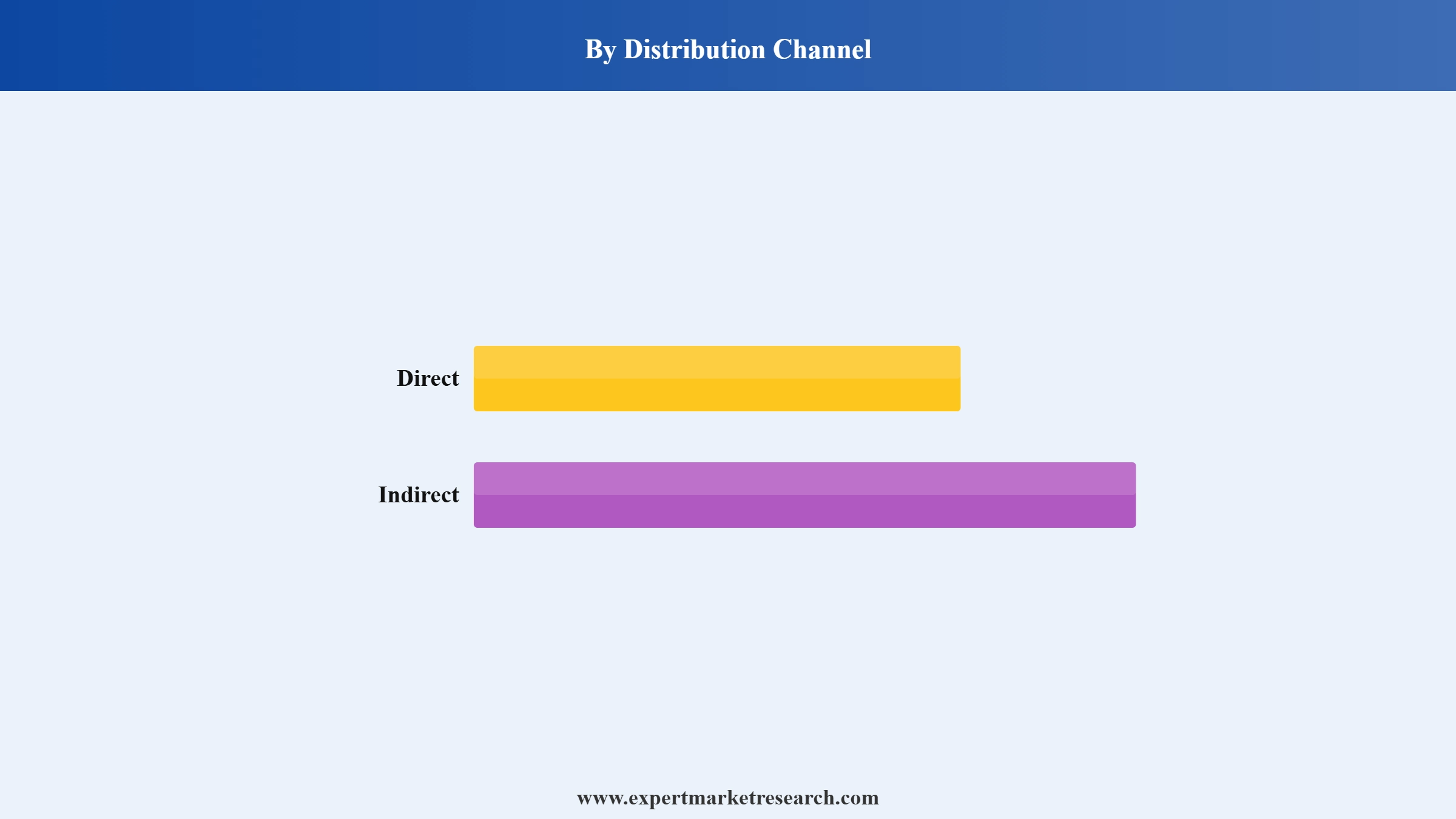
Key Insights: The oat fiber market sales are carried out through both direct and indirect channels, such as supermarkets, hypermarkets, convenience stores, specialty shops, internet merchants, and others. Indirect channels will expand consumer access to retail oat fiber products, while direct channels will support long-term arrangements with food producers and B2B ingredient supply agreements. Online shopping is popular due to its convenience and the availability of health products. To give producers and specialty merchants greater access, Swedish Oat Fiber AB strengthened its worldwide distribution strategy in 2025.
Market Breakup by End Use
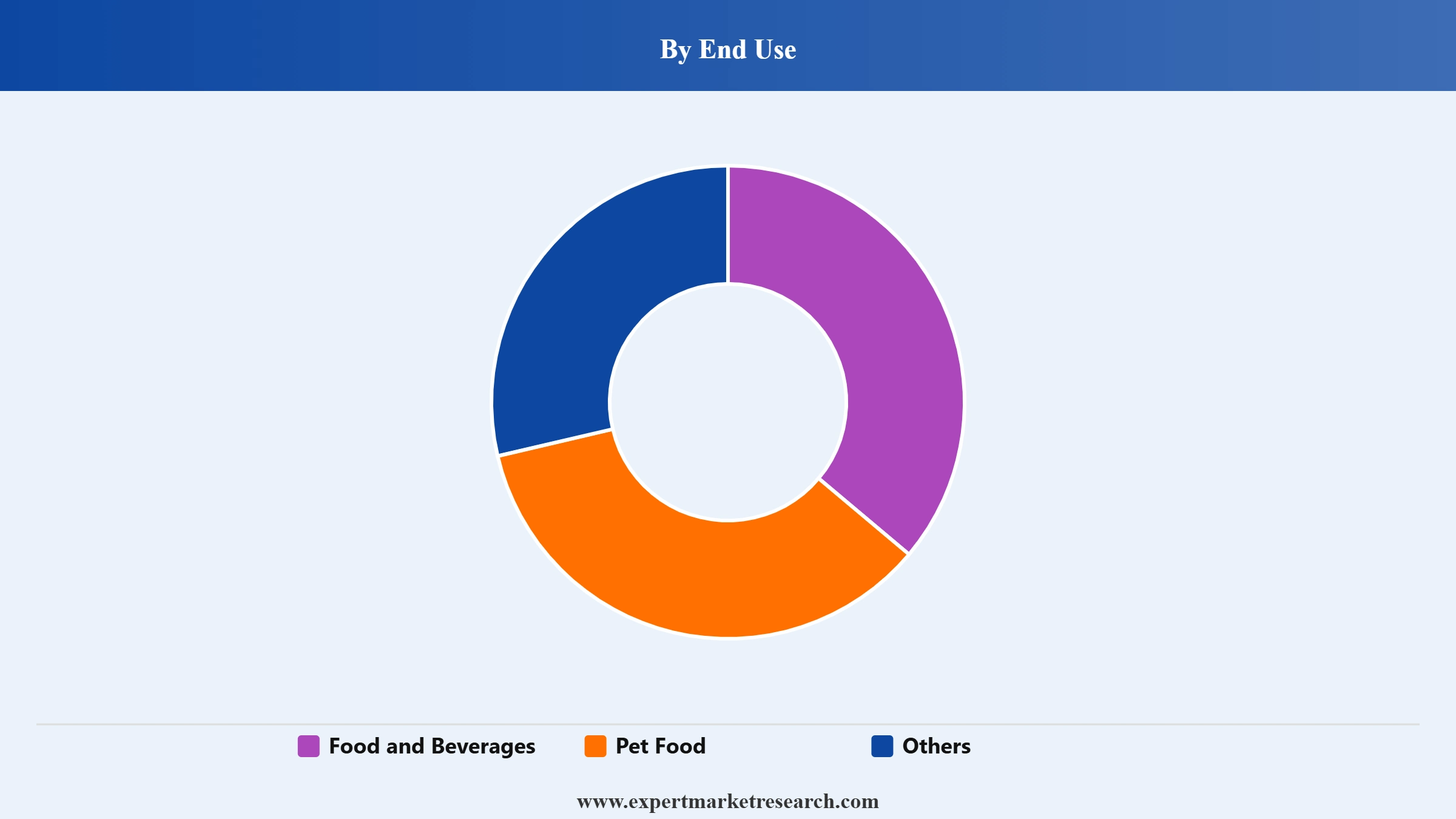
Key Insights: The oat fibers market caters to the applications in food and beverages, which includes bakery, snacks, confectionery, and others, and in pet food applications. Bakery and snack manufacturers are fortifying oat fiber to enhance texture and fiber fortification, and confectionery brands are reformulating to be nutritional. Oat fiber Pet food companies use oat fiber to claim digestive health benefits. Players like Red Mill and Grain Millers, Inc. of Bob are optimizing oat fiber grades with these different applications and are working with food manufacturers to achieve the desired functionality with these applications, along with their formulation needs.
Market Breakup by Region
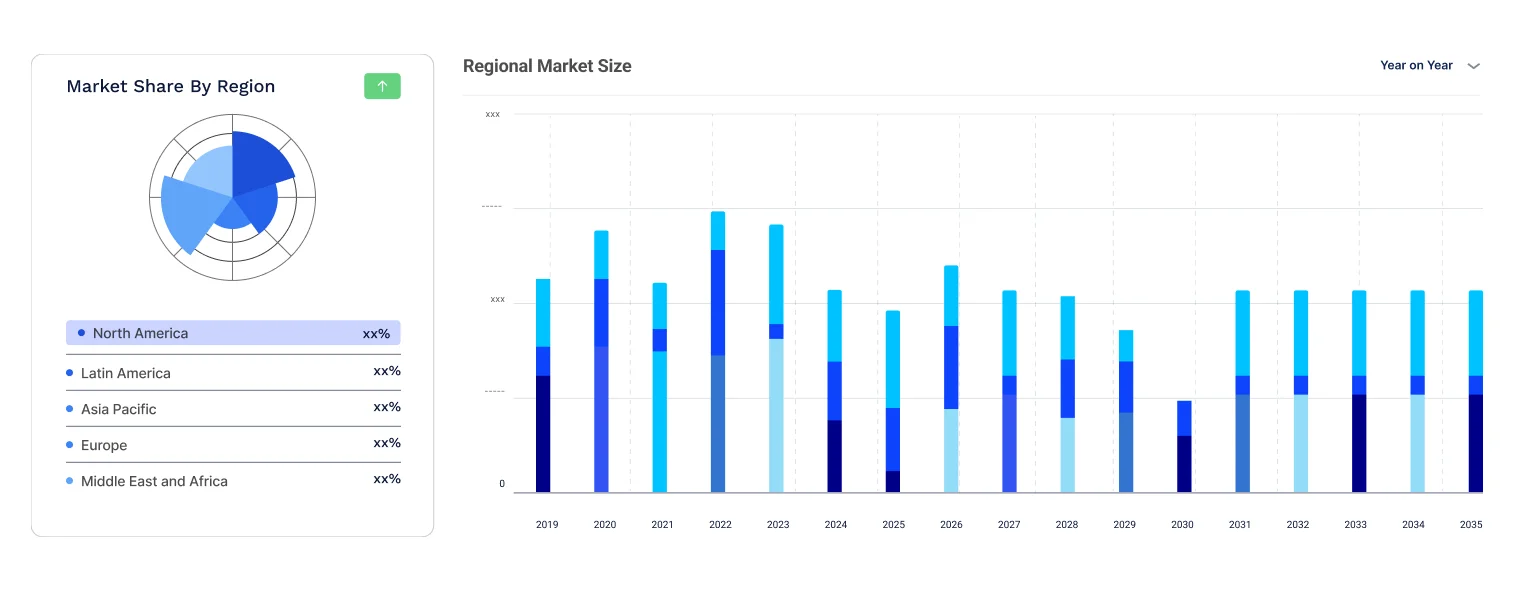
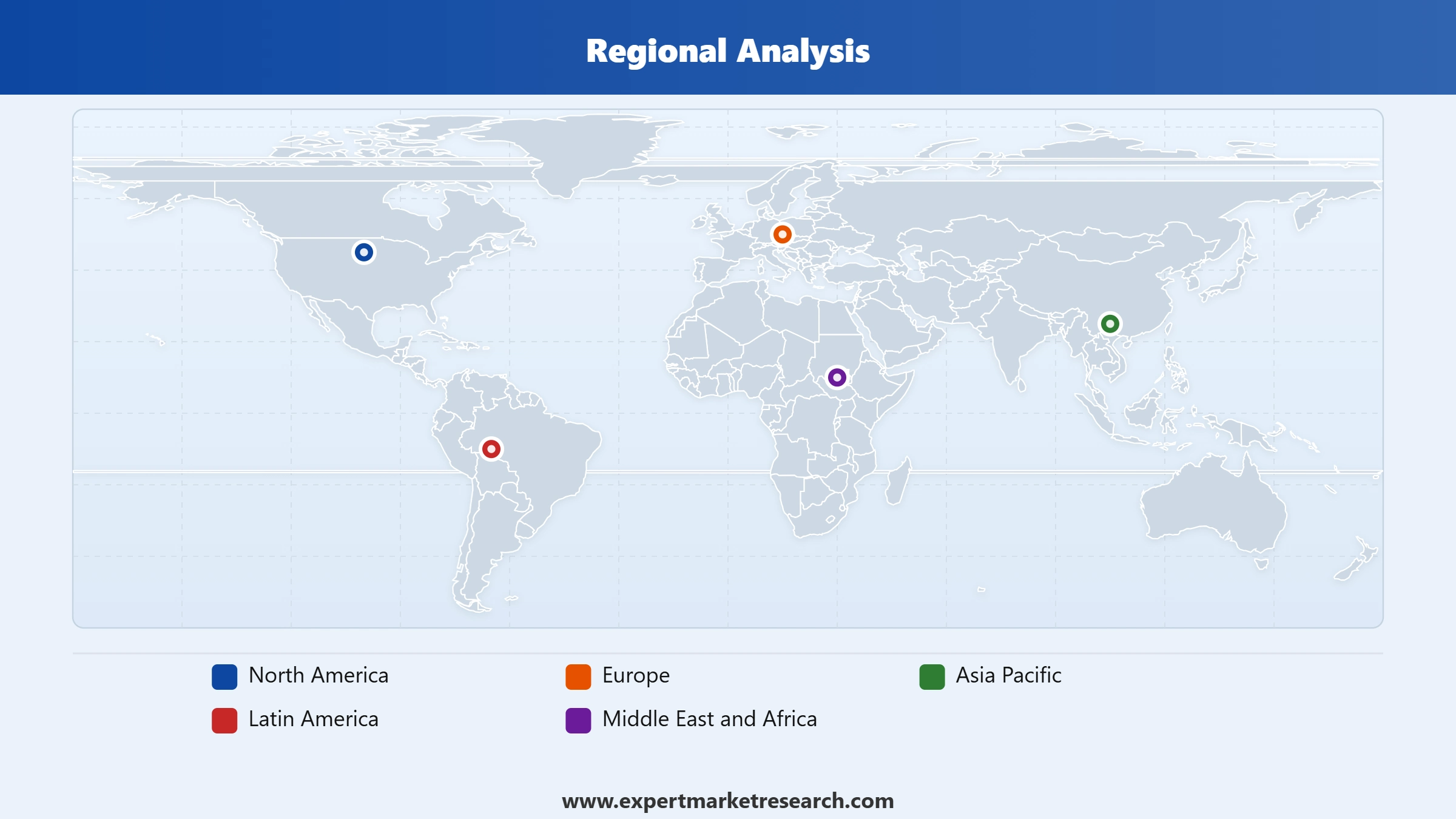
Key Insights: The oat fibers market landscape includes North America, Europe, Asian Pacific, Latin America, and the Middle East and Africa. North America and Europe have the highest adoption rates due to their health-conscious consumers, advanced food manufacturing facilities, and favorable regulatory frameworks that allow for functional ingredient claims. Asia Pacific is quickly becoming a fast-growing region as consumers shift toward fiber-rich foods and ingredient advancements, particularly in the bakery and plant-based industries. Latin America, the Middle East, and Africa are experiencing incremental growth as a result of imports and regional collaboration. Manufacturers such as CFF GmbH & Co. KG and Swedish Oat Fiber AB are investing in localized production and distribution networks to capitalize on these new regional prospects.

Read more about this report - REQUEST FREE SAMPLE COPY IN PDF
By nature, natural oat fiber gains traction owing to clean-label demand and functional versatility
The natural oat fibers market growth is mainly attributed to the consistent consumer demand for clean-label and functional ingredients that improve the nutrition of the product without artificial additives. Neutral-taste oat fiber solutions are being used by food and beverage manufacturers to address both the cereal and snack and smoothie categories, among other formulations, as required by dietary fiber. Functional building blocks Ingredient innovators are marketing natural oat fibers as functional ingredients to health-conscious products. For instance, in January 2026, one.bio 01 launched the oat fiber one.bio 01, meant to be flavorless, colorless, and soluble in water, which the company claims can be used in many applications.
Read more about this report - REQUEST FREE SAMPLE COPY IN PDF
Organic oat fibers market is picking up momemtum as the upscale food and beverage brands aim to attain certification qualification to meet clean-label consumer groups. Organic versions target health-conscious consumers who desire little processing and sustainability guarantees, and ingredient developers are expanding certified product lines. Firms are contracting with organic farmers and increasing traceable supply chains, which are facilitating new product differentiation. For instance, in February 2024, Lantmännen Functional Foods introduced PromOat Instant, a 100% soluble oat beta-glucan ingredient designed to be used in water-based applications and positioned as a clean-label ingredient.
By packaging, pouches dominate owing to lightweight design and sustainability advantages
Pouches are the most popular packaging options in the oat fibers market because of their lightweight structure, easy transportation, and minimized environmental effects. Beneo and Grain Millers are among the major suppliers of ingredients that utilize recyclable and mono-material pouch formats to meet their sustainability objectives. The formats allow effective bulk supply to food manufacturers and smaller retail packs, enhancing logistics efficiency and flexibility of the supply chain.
Read more about this report - REQUEST FREE SAMPLE COPY IN PDF
Jar packaging is also finding opportunities in the oat fibers market for enhanced products slotted around quality, purity, and repeat consumption. Firms like Swedish Oat Fiber AB and CFF GmbH & Co. KG pack their specialty fiber blends and functional formulations in jars in order to boost shelf presence and support premium branding. Multi-use applications in the bakery, beverage and home nutrition segments are also supported using resealable jars.
By distribution channel, hypermarkets & supermarkets drive oat fiber adoption owing to wide consumer reach
Supermarkets and hypermarkets play an important role in driving oat fiber market sales by highlighting fiber-fortified goods in health and organic stores. Quaker (PepsiCo) and Nestlé are among the companies collaborating with retailers to promote oat-based cereals, snacks, and beverages focused on digestive and cardiovascular health. This is due to their huge footprint and consumer faith in oat fiber products, which allow them to penetrate the general market.
Read more about this report - REQUEST FREE SAMPLE COPY IN PDF
Online retail stores are becoming more important in the distribution channel in the oat fibers market which is why direct-to-consumer access to functional and plant-based nutrition is possible. Oatly and Bobs Red Mill are strengthening their e-commerce platforms by subscriptions, deep transparency on ingredients, and digital marketing. The model enables oat processors in their development to expand at an impressive rate as the demand for easy and more health-conscious food options increases.
By end use, food and beverages drive product demand through plant-based innovation
The food and beverage end-use accounts for a considerable share of the oat fibers market due to the increasing demand for plant-based and fiber-enriched items in the beverages, bakery, and snacks categories. Oat fiber is a nutritional value added to the product by manufacturers without sacrificing the taste and texture. To support this trend, Danone North America introduced its Silk Kids Oat milk in November 2024, which will strengthen the demand of oat-based fiber ingredients in the formulation of functional beverages.
Read more about this report - REQUEST FREE SAMPLE COPY IN PDF
The pet food end-use category has surged the demand in the oat fibers market driven by the increase in demand for functional nutrition to aid in digestion, weight control, and well-being. Brands of pet foods are incorporating functional fibers to help improve gut health and palatability. For instance, in March 2024, Petcurean introduced a new Go! Solutions is a functional pet food and pet treat company, which highlights positive market trends in health and premium-based new pet nutrition products.
By region, North America leads market growth driven by growing demand for ‘good-for-health' food products
The growing demand from the consumers for regenerative, organic, and clean-label ingredients that are good for health and the environment is among the most significant factors driving the North American oat fiber market. To align with these customer preferences, companies are emphasizing traceable supply chains, functional formulations, and high-quality oat-based product lines, which are paving the way for market growth in breakfast, snacks, and plant-based sectors. In line with the trend, Natures Path Organic introduced its Regenerative Organic Certified Flavored Oatmeal in September 2024 that gets its oats from the Regenerative Organic Oats Program, thereby offering healthy and sustainable breakfast options.
Read more about this report - REQUEST FREE SAMPLE COPY IN PDF
The oat fiber market in Asia Pacific is fueled by the increasing demand for healthier staple food that has a high level of fiber and beta-glucans. Manufacturers are making beyond-orthodox use of oat-based rice, noodles, and pasta. As an example, in June 2025, SATAKE Corporation partnered with My PlantCo to commercialize high-fiber oat products, which will build up regional processing capacity and speed up the adoption of functional foods.
Major oat fiber market players are making massive investments in increasing production capacity and newer technologies in processing to cater to the increased demand of oat-based ingredients in functional foods and beverages. They are also optimizing supply chains by sourcing high-quality raw materials within the local region while automating processing lines to maintain consistency and scalability in product quality. Long-term expenditures enable businesses to offer novel oat fiber products while ensuring safety for commercial use.
Furthermore, the concept of collaborative strategies such as partnerships, co-development deals, and strategic acquisitions is helping oat fiber companies to innovate products faster and reach more geographic locations. Supplier of ingredients collaborate closely with branded food producers to create fiber-enriched formulations, combine new applications, and penetrate emerging markets with high efficiency. These initiatives are used to strengthen product lines, encourage the use of functional ingredients, and improve the overall oat fiber market ecosystem, which leads to long-term development all over the world.
Established in 2000, Grain Millers, Inc. is a company that deals with the production and supply of high-quality oat and grain-based ingredients and is based in Minneapolis, Minnesota, USA. The company specializes in the invention of oat fiber and beta-glucan technologies, which can be applied by food and beverage manufacturers around the world.
CFF GmbH & Co. KG was established in 1967 and is in Hamburg, Germany, offering innovative milling and grain processing. It supplies functional oat and cereal items to be utilized as an industrial as well as a consumer food item.
Dalby Moll A/S is a major supplier of oats and cereal-based ingredients, which was established in 1920 and is based in Dalby, Denmark. The firm focuses on high-quality fiber and sustainable production to serve the European and the global oat fiber market.
Swedish Oat Fiber AB, situated in Ljungby, Sweden, has been dealing with high-purity oat fiber and beta-glucan ingredients since it is established in 2001. The company specializes on offering plant-based, functional solutions for the food, beverage, and nutraceutical industries.
*Please note that this is only a partial list; the complete list of key players is available in the full report. Additionally, the list of key players can be customized to better suit your needs.*
Other players in the market include J. Rettenmaier & Söhne GmbH & Co. KG, and Urban Platter, among others.
Explore the latest trends shaping the Global Oat Fiber Market 2026-2035 with our in-depth report. Gain strategic insights, future forecasts, and key market developments that can help you stay competitive. Download a free sample report or contact our team for customized consultation on global oat fiber market trends 2026.


Upto 15% Off
USD
$2499 $2249
$3999 $3599
$4999 $4249
$5999 $5099


*While we strive to always give you current and accurate information, the numbers depicted on the website are indicative and may differ from the actual numbers in the main report. At Expert Market Research, we aim to bring you the latest insights and trends in the market. Using our analyses and forecasts, stakeholders can understand the market dynamics, navigate challenges, and capitalize on opportunities to make data-driven strategic decisions.*
In 2025, the global oat fiber market reached an approximate vloume of 29.24 Million Tons.
The market is projected to grow at a CAGR of 4.00% between 2026 and 2035.
Key strategies driving the market include product innovation and launches, strategic partnerships and collaborations, expansion of production and processing capacity, acquisitions to broaden portfolios, and adoption of advanced extraction and processing technologies to enhance functionality and meet growing consumer demand for fiber-enriched, plant-based products.
The key market trend guiding the growth of the market includes the rising demand for nutritional bars and superfoods.
The major regions in the industry are North America, Latin America, the Middle East and Africa, Europe, and the Asia Pacific.
The leading nature types of oat fiber in the market are natural and organic.
The major types of packaging in the industry are pouches, jar, and paper bags, among others.
The significant distribution channels in the market are direct and indirect.
The leading end-use sectors in the industry are food and beverages and pet food, among others.
The key players in the market include Grain Millers, Inc., CFF GmbH & Co. KG, Dalby Mølle A/S, Swedish Oat Fiber AB, J. Rettenmaier & Söhne GmbH & Co. KG, and Urban Platter, among others.
The major challenges that market players face include high production costs, supply chain and raw material variability, regulatory compliance across regions, intense competition from alternative fiber sources, and consumer awareness limitations regarding the benefits of oat fiber in functional foods and beverages.
Explore our key highlights of the report and gain a concise overview of key findings, trends, and actionable insights that will empower your strategic decisions.
| REPORT FEATURES | DETAILS |
| Base Year | 2025 |
| Historical Period | 2019-2025 |
| Forecast Period | 2026-2035 |
| Scope of the Report |
Historical and Forecast Trends, Industry Drivers and Constraints, Historical and Forecast Market Analysis by Segment:
|
| Breakup by Nature |
|
| Breakup by Packaging |
|
| Breakup by Distribution Channel |
|
| Breakup by End Use |
|
| Breakup by Region |
|
| Market Dynamics |
|
| Competitive Landscape |
|
| Companies Covered |
|
| Report Price and Purchase Option | Explore our purchase options that are best suited to your resources and industry needs. |
| Delivery Format | Delivered as an attached PDF and Excel through email, with an option of receiving an editable PPT, according to the purchase option. |
Datasheet
One User
USD 2,499
USD 2,249
tax inclusive*
Single User License
One User
USD 3,999
USD 3,599
tax inclusive*
Five User License
Five User
USD 4,999
USD 4,249
tax inclusive*
Corporate License
Unlimited Users
USD 5,999
USD 5,099
tax inclusive*
*Please note that the prices mentioned below are starting prices for each bundle type. Kindly contact our team for further details.*
Flash Bundle
Small Business Bundle
Growth Bundle
Enterprise Bundle
*Please note that the prices mentioned below are starting prices for each bundle type. Kindly contact our team for further details.*
Flash Bundle
Number of Reports: 3
20%
tax inclusive*
Small Business Bundle
Number of Reports: 5
25%
tax inclusive*
Growth Bundle
Number of Reports: 8
30%
tax inclusive*
Enterprise Bundle
Number of Reports: 10
35%
tax inclusive*
How To Order

Select License Type
Choose the right license for your needs and access rights.

Click on ‘Buy Now’
Add the report to your cart with one click and proceed to register.

Select Mode of Payment
Choose a payment option for a secure checkout. You will be redirected accordingly.
Strategic Solutions for Informed Decision-Making
Gain insights to stay ahead and seize opportunities.

Get insights & trends for a competitive edge.

Track prices with detailed trend reports.

Analyse trade data for supply chain insights.

Leverage cost reports for smart savings

Enhance supply chain with partnerships.

Connect For More Information
Our expert team of analysts will offer full support and resolve any queries regarding the report, before and after the purchase.
Our expert team of analysts will offer full support and resolve any queries regarding the report, before and after the purchase.
We employ meticulous research methods, blending advanced analytics and expert insights to deliver accurate, actionable industry intelligence, staying ahead of competitors.
Our skilled analysts offer unparalleled competitive advantage with detailed insights on current and emerging markets, ensuring your strategic edge.
We offer an in-depth yet simplified presentation of industry insights and analysis to meet your specific requirements effectively.




