

Consumer Insights
Uncover trends and behaviors shaping consumer choices today
Procurement Insights
Optimize your sourcing strategy with key market data
Industry Stats
Stay ahead with the latest trends and market analysis.
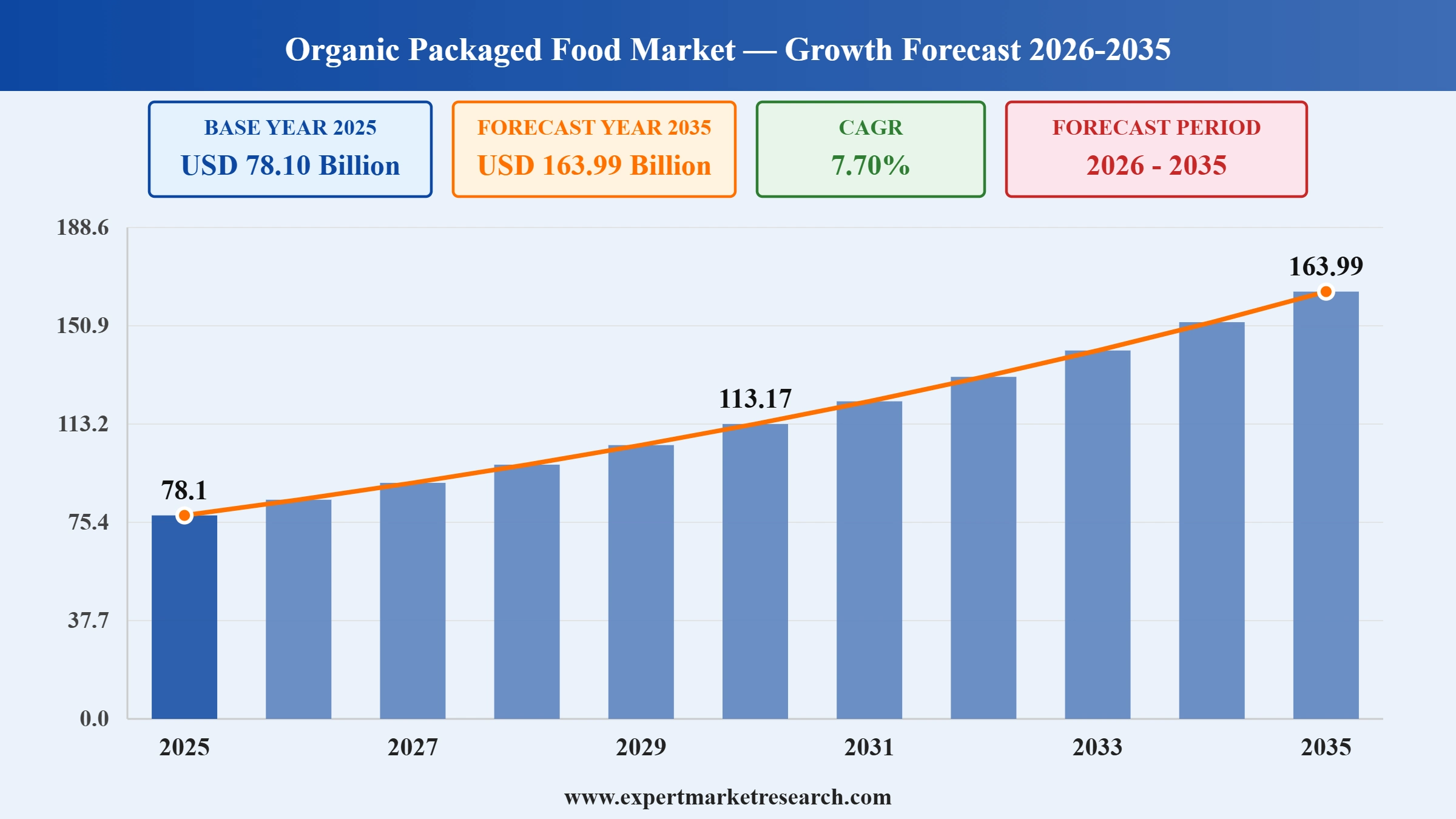
The global organic packaged food market was valued at USD 78.10 Billion in 2025. The market is expected to grow at a CAGR of 7.70% during the forecast period of 2026-2035 to reach a value of USD 163.99 Billion by 2035. Factors like growing consumer awareness regarding clean-label products, rising demand for organic ingredients, and increasing retail availability of certified organic foods are resulting in market development. Food manufacturers are expanding organic product portfolios across snacks, dairy, cereals, beverages, and ready-to-eat categories. Rising disposable incomes and increasing emphasis on sustainable food production are also supporting market expansion.
The first factor that is driving product demand is investment in organic food packaging materials that offer improved quality while not compromising on sustainability. The organic packaged food market observes an increased adoption of cellulose films, starch-based liners, and recyclable laminates by emerging firms and large-scale packaging manufacturers. Another key factor driving demand for sustainable packaging is retailer compliance requirements, particularly among supermarkets and specialty distributors that prefer products packaged in reusable or contamination-free materials.
Food companies are increasingly adopting oxygen-proof and moisture-controlled packaging as clean label solutions. It is estimated from industry-backed research and statistics regarding packaging waste that 36% of all plastics produced in the world are used for packaging.
The organic packaged food market is also influenced by stricter traceability standards and procurement strategies of food processing firms, retail food stores, and exporters. For example, in January 2026, Daawat launched premium organic rice with QR-enabled traceability, enhancing transparency, authenticity verification, and consumer-focused food supply chain visibility. Firms are seeking sustainable packaging in the form of lightweight pouches, mold fiber trays, and natural coatings for preservation and minimizing the weight associated with transportation. Manufacturers are also emphasizing barrier solutions that help distinguish organic foods from other foods.
Read more about this report - REQUEST FREE SAMPLE COPY IN PDF
John Lewis strengthened its organic packaged food portfolio with sustainability-focused retail initiatives supporting conscious consumer purchasing and premium grocery demand. Developments like these create organic packaged food market opportunities for companies to expand eco-friendly organic food ranges, sustainable packaging, and premium retail collaborations.
Nature's Path Organic Foods Company rolled out global packaging redesign in its portfolio which enhances visibility on shelves, sustainability messaging, and brand engagement. This trend inspires companies to develop innovative organic packaging ideas and recycle products through better brand differentiation techniques.
Repostrak expanded its food traceability platform by adding 20 new suppliers. This development demonstrates that there is an opportunity for adoption of digital technology in traceability, QR code technology for authentication, and source verification by companies.
Tata Consumer Products was able to strengthen its position in the health segment of food and beverages through the acquisition of Organic India. Such developments in the organic packaged food market show the possibility of companies acquiring more firms in order to improve their organic portfolio distribution networks.
Manufacturers are demanding compostable and biobased solutions to be used in the design of their packaging materials in alignment with their sustainability message, boosting demand in the organic packaged food market. They are switching from petroleum-derived layers to PLA films, starch compounds, cellulose sheets, and molded fiber containers. This trend might lead to increased use of these innovative packaging solutions for the dairy, bakery, and fresh fruits and vegetables segments. Companies are ramping up their innovations of fiber pouches and compostable liners for organic snacks and frozen items. For example, in May 2026, BASF expanded Ecovio packaging solutions, supporting high-barrier home-compostable organic food packaging and sustainable material innovation initiatives.
The government's efforts to reduce plastic waste are compelling food manufacturers to adopt sustainable packaging solutions like recyclable and reusable materials. Companies are redesigning their films, cartons, and flexible paper packs that comply with the increasingly stringent regulations. Moreover, regulations like the Plastic Waste Management Rules and Extended Producer Responsibility Regulations in India are promoting packaging redesign in the organic food segment. Packers of spices, grains, and beverages are moving to multilayer recyclable solutions, accelerating the organic packaged food market value. For example, April 2026, Dow and RDM Group launched recycled fiber-plastic food packaging supporting circular economy goals and sustainable organic packaging innovation.
Traceability is now playing a pivotal role in the organic packaged food market as there is an increasing demand for authentication, verification of source, and control of contamination in packaging. Packaging providers are incorporating QR code stickers, RFID labeling, tamper-proof seals, and digital printing in organic food packs of high quality. Several companies involved in the manufacturing of packaging materials are enhancing their capacity for specialty foods' smart labeling. Traceability of food is being promoted by government food safety agencies through acts like the United States FDA Food Safety Modernization Act. In August 2025, IFCO and Identiv partnered on BLE-enabled traceability solutions, improving fresh grocery monitoring, transparency, and sustainable organic food logistics.
Paper-packaging technologies are developing at a rapid pace because of improved resistance against moisture, grease, and oxygen without reliance on thick plastics. The organic packaged food market companies are focusing on packages that would keep food safe for longer durations without compromising sustainability benefits of food products. This requirement is encouraging innovative developments in high-barrier pouches made from coated papers and paper trays. For example, in March 2026, Amcor and Alter Eco launched paper-based chocolate packaging, reducing material weight while supporting recyclable organic food packaging innovations.
The organic packaged food market observes an ever-growing demand for premium packaging from retailers and export-oriented organic food brands. They require better moisture barrier protection, leak-resistant, and contaminant-resistant packaging for their organic packaged foods because of long-distance transportation. As a result, there is more focus on customized flexible packs and lighter-weight rigid containers. In Europe, the private label organic food industry demands recyclable packaging with sourcing traceability. Demonstrating this shift, in May 2026, Flowers Foods reimagined Nature’s Own with simpler ingredients, refreshed packaging, and Non-GMO verified organic-focused bakery product innovations.
The Expert Market Research's report titled “Global Organic Packaged Food Market Report and Forecast 2026-2035” offers a detailed analysis of the market based on the following segments:
Market Breakup by Product
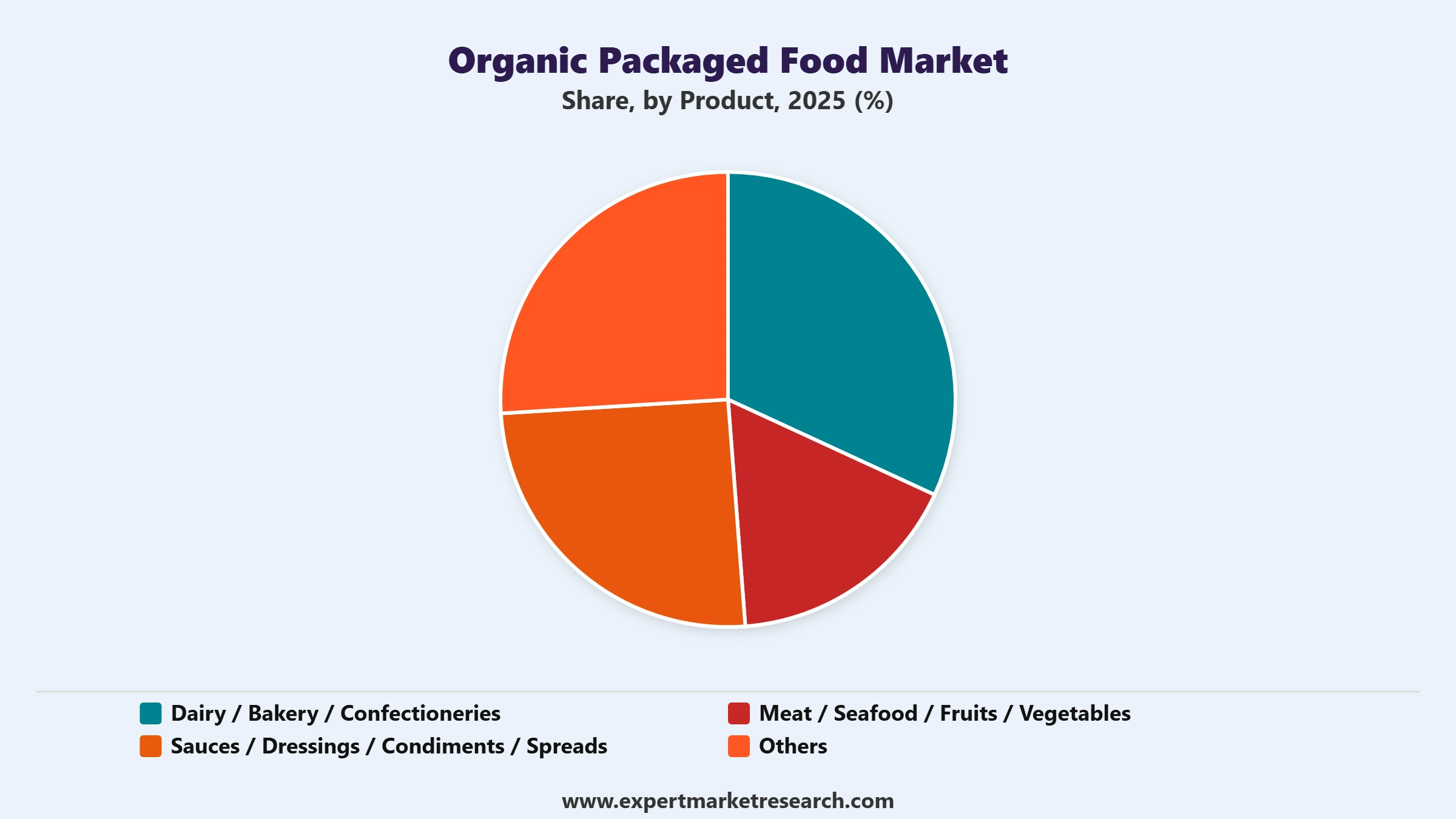
Key Insight: As per the organic packaged food market report, organic dairy products, bakery products, and organic confectionaries need premium presentation, grease-resistant qualities, and packages that can help in enhancing their freshness. Organic meats, seafood, fresh fruits, and vegetables need packages that allow breathability and maintain hygiene. Packages for sauces, dressings, spreads, and condiments should be able to withstand any leakage and contain products with high viscosity. Other examples include grains, snacks, frozen food items, and nutraceutical products. Packaging firms therefore need to manufacture specialized organic packages since each product has its own set of requirements in terms of durability, breathability, and transportation.
Market Breakup by Region
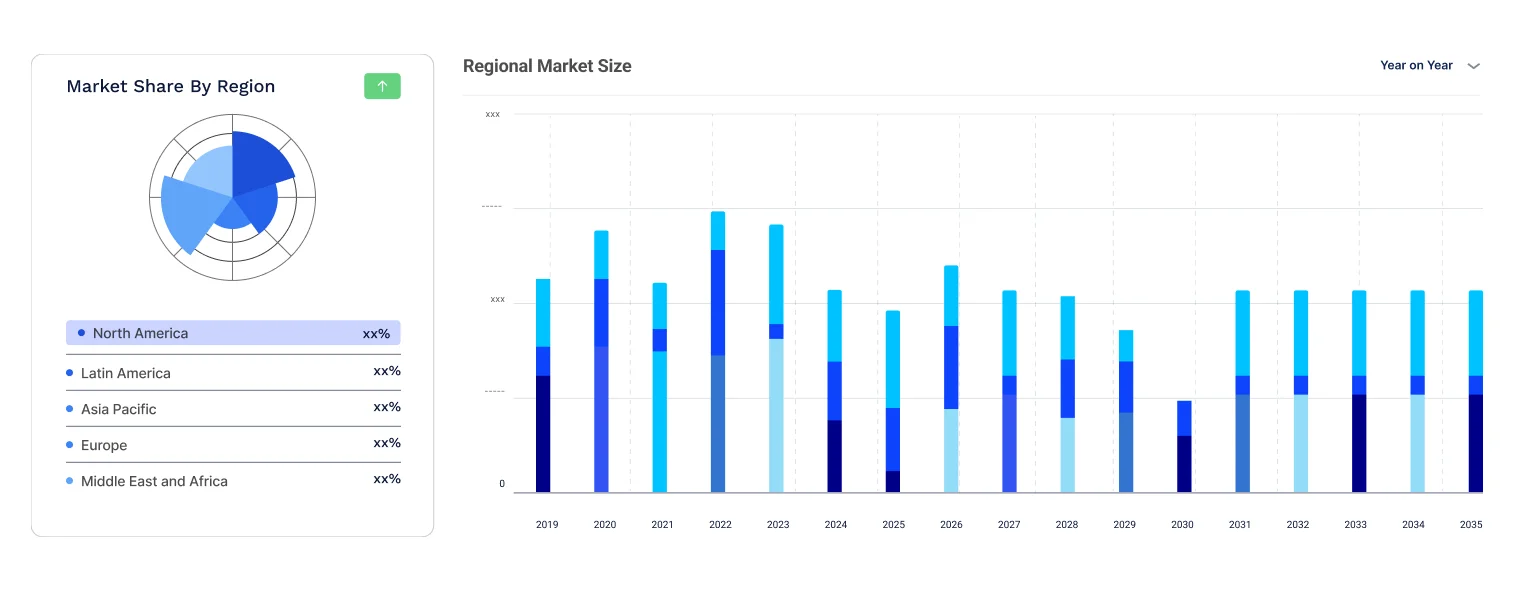
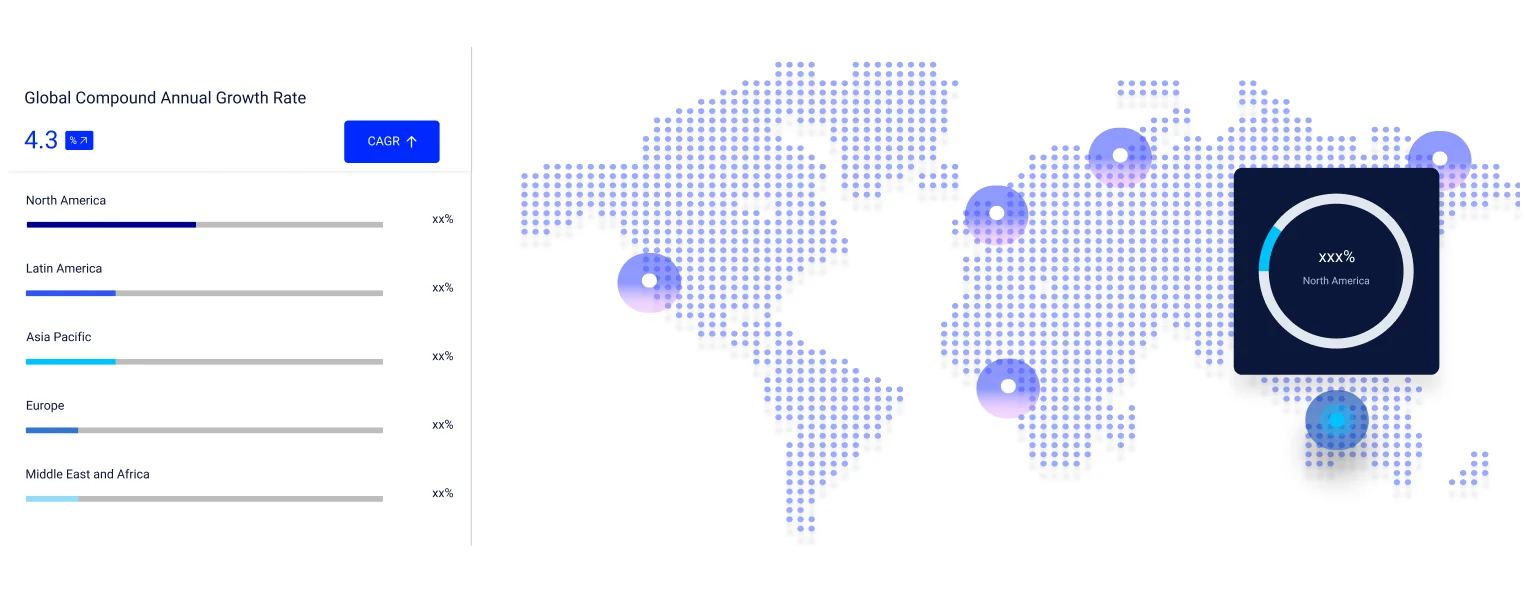
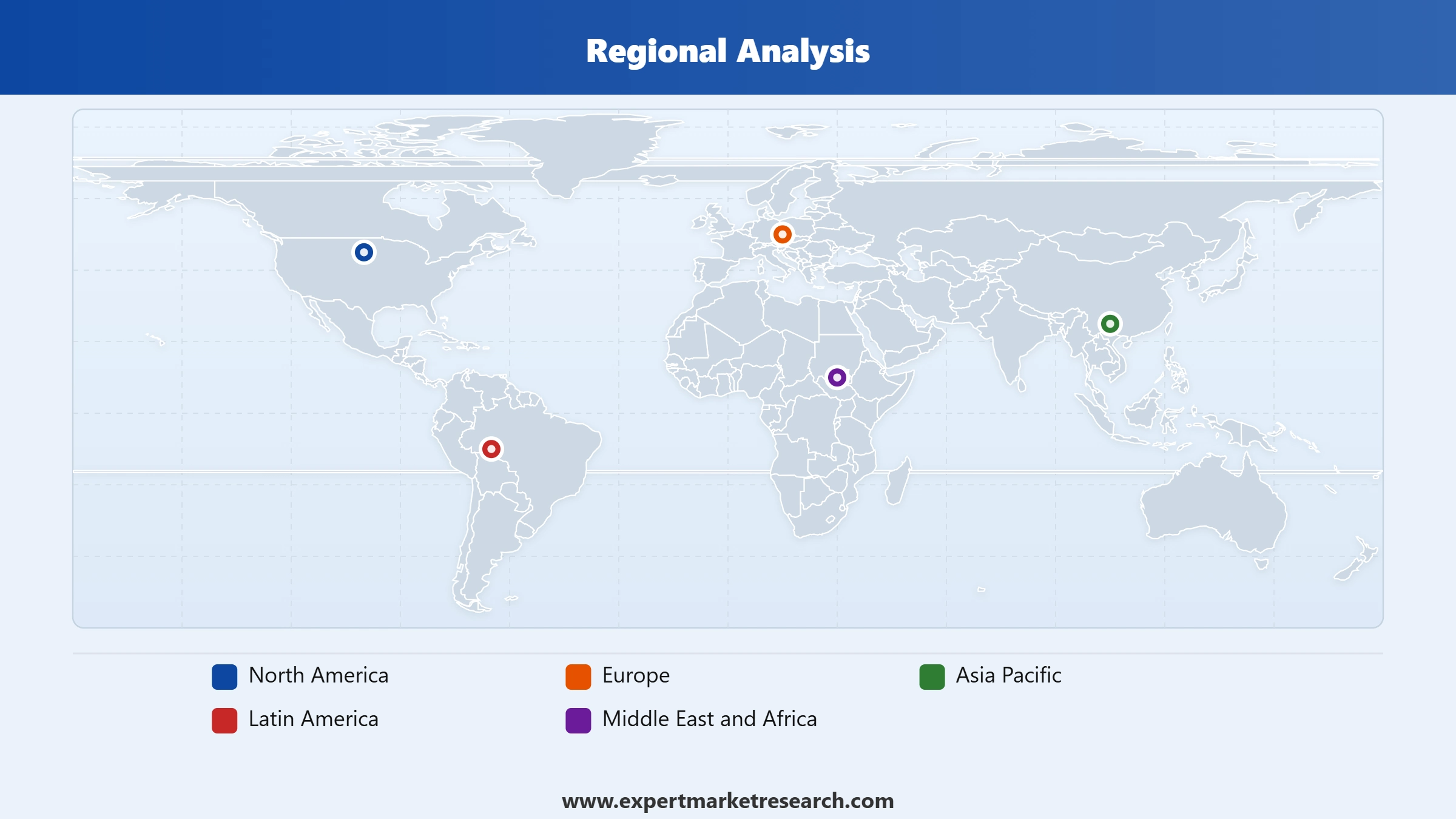
Key Insight: North America continues to dominate owing to the development of efficient retailing environments, high-quality food brand marketing, and usage of sustainable packaging. Europe gains advantage from tough environmental packaging demands and circular material developments. Growth of the organic packaged food market in the Asia Pacific region is supported by urban food demands, agricultural exports, and improved packaging. Latin America experiences increased opportunities from agricultural exports, organic foods handling, and economic packaging improvements. Middle East and Africa gain from premium food imports, packaging with high shelf-life demands, and gradual food processing developments.
Read more about this report - REQUEST FREE SAMPLE COPY IN PDF
By product, the meat, seafood, fruits, and vegetables category leads demand in the market due to freshness-sensitive packaging needs
The food sector, consisting of meat, seafood, fruits, and vegetables, is contributing to significant organic packaged food market development because these types of food necessitate the use of highly advanced protective barriers, breathable films, antifog coatings, and contamination-resistant packages. For example, organic fruits and vegetables require containers that use lightweight trays, compostable pun nets, and biodegradable wrapping materials that protect them without the use of chemical substances. Meat and seafood are no exception, as they require aseptic packages. In April 2026, Once Upon a Farm launched organic meat baby pouches, supporting protein-rich nutrition and refrigerated clean-label packaged food innovation.
Read more about this report - REQUEST FREE SAMPLE COPY IN PDF
The dairy, bakery, and confectionery segment is experiencing rapid growth due to increasing demand for innovative packaging solutions. Dairy products, baked goods, and confectionery items require packaging that preserves freshness while providing effective air and moisture barrier protection and supporting brand differentiation. As a result, manufacturers are increasingly adopting flexible pouches, resealable cartons, grease-resistant papers, and recyclable wrappers.
North America clocks in the dominant share of the market due to strong organic retail and packaging compliance
North America largely contributes to the organic packaged food market revenue due to high demand, efficient logistics network, and strict food safety laws in this region. Manufacturers are focusing on recycling films, paper-to-film packages, smart labels, and tamper-evident seals. Companies providing premium private label food are also playing a major role in offering innovative packaging products. The demand for automated packaging and lightweight packages is emerging from the food processors of the region. In April 2026, PuraSoda made its debut in the United States market, offering organic-inspired beverages supporting healthier, clean-label refreshment consumption trends.
Read more about this report - REQUEST FREE SAMPLE COPY IN PDF
The organic packaged food market in Asia Pacific is experiencing the highest growth rate owing to rising urbanization, increasing purchasing power, and higher premium food awareness. There is a significant growth in packaging solutions for fruits, spices, dairy, beverages, and processed organic foods across all countries within the region. Packaging providers in the region are focusing on developing low-cost lightweight solutions, compostable trays, and flexible barrier pouches.
The global industry is gradually becoming more organization-centric as organic food packaging companies begin to look past basic sustainable packaging to engineered package performance. Leading companies are focusing on mono-material barrier films, compostable laminates, oxygen management packaging, and digital traceability systems. Advanced printing techniques, re-closable caps, anti-fog properties, and lightweight molded fiber structures are becoming prevalent.
Other areas of opportunity include premium organic export packaging, cold chain packaging, recyclable hybrid materials, and automated food packaging solutions. Leading organic food packaging market players are concentrating on reducing sealing temperature and improving machine efficiency to cut down wastage in their operations. Partnership with food processors by packaging converters is helping organizations develop unique packaging solutions for their dairy, fruits and vegetable, bakery, and frozen organic foods. Increasing differentiation is being achieved through superior packaging strength, shelf-life, and customized packaging solutions.
Arla Foods was founded in 1881 and is based in Viby, Denmark. Arla Foods helps the organic food packaging industry grow through innovations in dairy-based packaging. The company favors recycling packaging, reduced plastic dairy packaging, and packaging that ensures freshness through barrier packaging. These packaging decisions center around milk, yogurt, and cheese products where shelf life and hygiene are essential.
Founded in 1993 and located in United States, The Hain Celestial Group mainly focuses on plant-based foods, snacks, and natural products. The company increasingly relies on lightweight pouches, recyclable packaging materials, and packaging that differentiates itself on the shelves.
Founded in 1919 and located in Barcelona, Spain, Danone operates significantly through organic dairy, plant-based nutrition, and packaged beverages. The organization promotes the development of recyclable bottles, circular packaging solutions, and low carbon footprint materials.
Founded in 1866 and located in Vevey, Switzerland, Nestlé invests in innovations in packaging within organic cereals, beverages, infant nutrition, and dairy-related foods. The organization invests in recyclable paper-based solutions, mono-material flexible packaging, and lightweight food-safe packaging.
Other key players in the market include Organic Valley, among others.
*Please note that this is only a partial list; the complete list of key players is available in the full report. Additionally, the list of key players can be customized to better suit your needs.*
Unlock the latest insights with our organic packaged food market trends 2026 report. Discover regional growth patterns, consumer preferences, and key industry players. Stay ahead of competition with trusted data and expert analysis. Download your free sample report today and drive informed decisions in the market.


Upto 15% Off
USD
$2499 $2249
$3999 $3599
$4999 $4249
$5999 $5099


*While we strive to always give you current and accurate information, the numbers depicted on the website are indicative and may differ from the actual numbers in the main report. At Expert Market Research, we aim to bring you the latest insights and trends in the market. Using our analyses and forecasts, stakeholders can understand the market dynamics, navigate challenges, and capitalize on opportunities to make data-driven strategic decisions.*
The global organic packaged food market is projected to grow at a CAGR of 7.70% between 2026 and 2035.
The major industry drivers include the rising number of newer product innovations, increasing health awareness regarding the benefits of organic packaged foods, changing lifestyles, increasing number of supportive dieticians’ recommendations, and increasing number of working-class women.
The growing popularity of organic farming and an increase in the number of new product releases are the key trends of the industry.
The major regions in the industry are North America, Europe, Asia Pacific, Latin America, and Middle East and Africa with North America accounting for the largest share in the market.
Dairy, bakery, and confectioneries, meat, seafood, fruits, and vegetables, sauces, dressings, condiments, and spreads, among others are the various product in the market.
The major players in the industry are Arla Foods amba, The Hain Celestial Group, Inc. (NASDAQ: HAIN), Danone S.A (EPA: BN), Nestlé S.A (SWX: NESN), and Organic Valley, among others.
In 2025, the global organic packaged food market reached an approximate value of USD 78.10 Billion.
The market is expected to attain approximately USD 163.99 Billion by 2035.
Explore our key highlights of the report and gain a concise overview of key findings, trends, and actionable insights that will empower your strategic decisions.
| REPORT FEATURES | DETAILS |
| Base Year | 2025 |
| Historical Period | 2019-2025 |
| Forecast Period | 2026-2035 |
| Scope of the Report |
Historical and Forecast Trends, Industry Drivers and Constraints, Historical and Forecast Market Analysis by Segment:
|
| Breakup by Product |
|
| Breakup by Region |
|
| Market Dynamics |
|
| Competitive Landscape |
|
| Companies Covered |
|
| Report Price and Purchase Option | Explore our purchase options that are best suited to your resources and industry needs. |
| Delivery Format | Delivered as an attached PDF and Excel through email, with an option of receiving an editable PPT, according to the purchase option. |
Datasheet
One User
USD 2,499
USD 2,249
tax inclusive*
Single User License
One User
USD 3,999
USD 3,599
tax inclusive*
Five User License
Five User
USD 4,999
USD 4,249
tax inclusive*
Corporate License
Unlimited Users
USD 5,999
USD 5,099
tax inclusive*
*Please note that the prices mentioned below are starting prices for each bundle type. Kindly contact our team for further details.*
Flash Bundle
Small Business Bundle
Growth Bundle
Enterprise Bundle
*Please note that the prices mentioned below are starting prices for each bundle type. Kindly contact our team for further details.*
Flash Bundle
Number of Reports: 3
20%
tax inclusive*
Small Business Bundle
Number of Reports: 5
25%
tax inclusive*
Growth Bundle
Number of Reports: 8
30%
tax inclusive*
Enterprise Bundle
Number of Reports: 10
35%
tax inclusive*
How To Order

Select License Type
Choose the right license for your needs and access rights.

Click on ‘Buy Now’
Add the report to your cart with one click and proceed to register.

Select Mode of Payment
Choose a payment option for a secure checkout. You will be redirected accordingly.
Strategic Solutions for Informed Decision-Making
Gain insights to stay ahead and seize opportunities.

Get insights & trends for a competitive edge.

Track prices with detailed trend reports.

Analyse trade data for supply chain insights.

Leverage cost reports for smart savings

Enhance supply chain with partnerships.

Connect For More Information
Our expert team of analysts will offer full support and resolve any queries regarding the report, before and after the purchase.
Our expert team of analysts will offer full support and resolve any queries regarding the report, before and after the purchase.
We employ meticulous research methods, blending advanced analytics and expert insights to deliver accurate, actionable industry intelligence, staying ahead of competitors.
Our skilled analysts offer unparalleled competitive advantage with detailed insights on current and emerging markets, ensuring your strategic edge.
We offer an in-depth yet simplified presentation of industry insights and analysis to meet your specific requirements effectively.




