

Consumer Insights
Uncover trends and behaviors shaping consumer choices today
Procurement Insights
Optimize your sourcing strategy with key market data
Industry Stats
Stay ahead with the latest trends and market analysis.
The global petroleum liquid feedstock market attained a value of USD 341.85 Billion in 2025 and is projected to expand at a CAGR of 5.10% through 2035. The market is further expected to achieve USD 562.16 Billion by 2035. Growing petrochemical integration initiatives in Asia and the Middle East refining centers are contributing to increased demand for premium low sulfur liquid feedstocks which help in providing increased olefins, export capabilities, and downstream supply security in the future.
The International Energy Agency's April Oil Market Report indicated that escalating Middle East tensions tightened naphtha and gasoil flows through the Strait of Hormuz, with global petroleum liquid feedstock supply contracting by approximately 10 million barrels per day during the disruption window. IEA noted petrochemical operators in Asia and Europe are accelerating diversification of crude slate sourcing.
Global naphtha demand contracted approximately 14 percent in early 2026 as petrochemical operators reduced steam cracker runs and refiners shifted to lighter gasoline blending pools amid weak margins. IEA indicated the demand softening is reshaping liquid feedstock pricing across the Atlantic Basin and Asia, prompting Middle Eastern producers to reallocate naphtha cargoes toward gasoline-blending markets in Africa and Latin America.
The petroleum liquid feedstock market is observing an emerging trend as more refineries and petrochemical companies are reconfiguring their feedstock policies in favor of high-value chemical conversions. Aligning with this trend, in May 2026, researchers developed CO₂-to-gasoline technology, achieving 50 kilograms daily production, improving fuel synthesis scalability and carbon utilization.
Major players in the petroleum liquid feedstock market are strategically shifting their product portfolios towards specialty feedstocks characterized by high conversion efficiencies and low sulfur contents. In May 2026, Group II base oil premiums over VGO reached a high record, reflecting tight supply and stronger refining economics. Companies located in both Asia and the Middle East are expanding their residue upgrading, hydrocracking capacity, and mixed feed steam cracking capabilities that can handle crude oils of different types. Moreover, there is an increased competition among producers in sourcing quality liquid feedstocks, particularly low contamination naphtha for ethylene production. Digital refinery systems are also becoming key focus areas for producers in optimizing feedstock balance and avoiding unexpected plant shutdowns.
There are other factors that are fueling the petroleum liquid feedstock market. These include growing investment in refinery upgrades and the need for specialty chemicals production. Companies are investing in their catalytic cracking and hydro-processing plants to increase conversion efficiencies from heavy crudes to petrochemical feedstocks. At the same time, growing global production of packaging, automotive polymers, and solvents is increasing procurement demand for high purity naphtha and condensates. Large-scale refineries are also implementing artificial intelligence solutions to optimize their processes.
Compound Annual Growth Rate
5.1%
Value in USD Billion
2026-2035
Read more about this report - REQUEST FREE SAMPLE COPY IN PDF
BASF improved their circular chemicals strategy through feedstock innovation. These types of developments in the petroleum liquid feedstock market allow companies to make investments in feedstock recycling, efficiency improvement, and low carbon refining solutions.
OQ helped boost Oman’s integrated gas strategy by providing feedstock security, industrial diversification, and increasing petrochemicals production through gas integration. These kinds of developments allow competitors to target integrated gas to chemicals projects and expand feedstock processing capacities.
A partnership between Corteva and BP to manufacture biofuels feedstock was announced as a development that ensures renewable inputs, agriculture integration, and fuel sustainability. Such developments enable other firms to explore renewable feedstock, develop efficient supply chains, and explore options in producing low-carbon fuels.
Tatneft developed a new hydrocracking unit, thus enhancing fuel efficiency and production of high-quality petroleum products. Such developments motivate firms in the petroleum liquid feedstock market to update their refinery operations and optimize feedstocks for high-end fuel production.
Projects that combine refineries with petrochemicals are leading to a significant increase in the use of petroleum liquids as feedstocks. Refineries are channeling more crude into chemicals than transportation fuels in order to achieve greater profit margins and ensure steady demand. Examples of countries that are encouraging refinery integration through industrial growth and petrochemical investment incentives include China, India, and Saudi Arabia. Aligning with this trend in the petroleum liquid feedstock market, in January 2025, Neste launched co-processed renewable feedstock, reducing fossil dependence, supporting lower-carbon polymers, and improving circular chemical production.
The petroleum liquid feedstock market observes an ongoing trend of global refineries upgrading their existing facilities in order to achieve better conversion ratios of petroleum liquid feedstocks and produce specialty chemicals. Hydrocracking, delayed coking, and catalytic reforming investments are helping operators produce petrochemical feedstocks from heavier crudes. Governments in Asia are also encouraging such upgrades through industrial manufacturing and export development policies. For instance, in February 2026, Bharat Petroleum rolled out petrochemical expansion plans, strengthening refining integration, downstream capacity, feedstock optimization, and long-term energy diversification.
Chemical recycling technologies are providing business opportunities within the petroleum liquid feedstock market scope. The major energy firms are utilizing recycled oils and pyrolysis liquids in existing refining processes in order to generate petrochemical feedstocks with low emissions. Regulatory agencies in Europe and North America are encouraging circular manufacturing programs through sustainability targets and waste reduction strategies. For example, in February 2026, ExxonMobil launched a third advanced recycling unit, boosting plastic waste processing capacity and circular feedstock production.
The rapid expansion of the petrochemical industry in Asia is resulting in an increase in demand for petroleum liquid feedstocks such as naphtha. The petroleum liquid feedstock market observes major investments by China, South Korea, and India in steam crackers and aromatics facilities intended to facilitate packaging, automobile, and electronic manufacturing industries. Demonstrating such shifts, in September 2025, Sinopec upgraded its Xinjiang refining and chemical project, boosting petrochemical capacity, feedstock flexibility, and high-value output.
Energy firms are increasingly using refinery optimization solutions that harness digital technology to optimize the use of petroleum liquid feedstocks. Through artificial intelligence, predictive maintenance solutions, and process monitoring solutions, refiners are able to minimize waste generation, optimize feedstock blending, and stabilize their economics amidst fluctuations in crude prices. Governments encouraging industrial digitalization are offering support via smart manufacturing and energy efficiency programs, boosting the petroleum liquid feedstock market penetration. For example, in September 2025, Shell modernized refinery control with software-defined automation, improving flexibility, interoperability, efficiency, and scalable industrial operations.
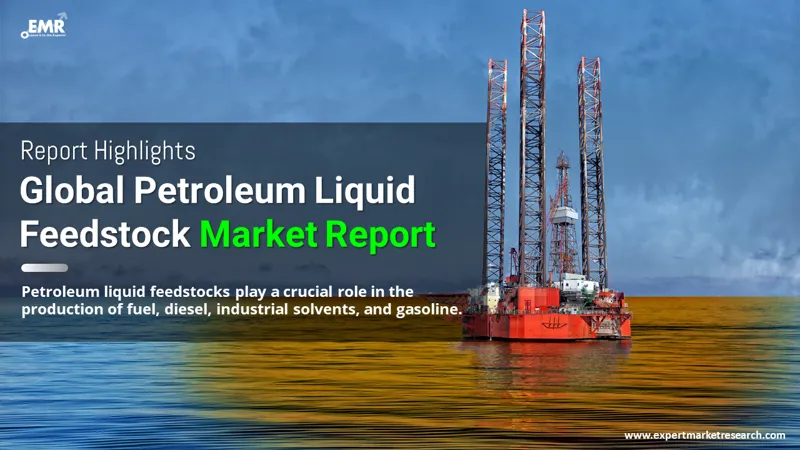
Read more about this report - REQUEST FREE SAMPLE COPY IN PDF
The Expert Market Research's report titled “Global Petroleum Liquid Feedstock market Report and Forecast 2026-2035” offers a detailed analysis of the market based on the following segments:
Market Breakup by Type
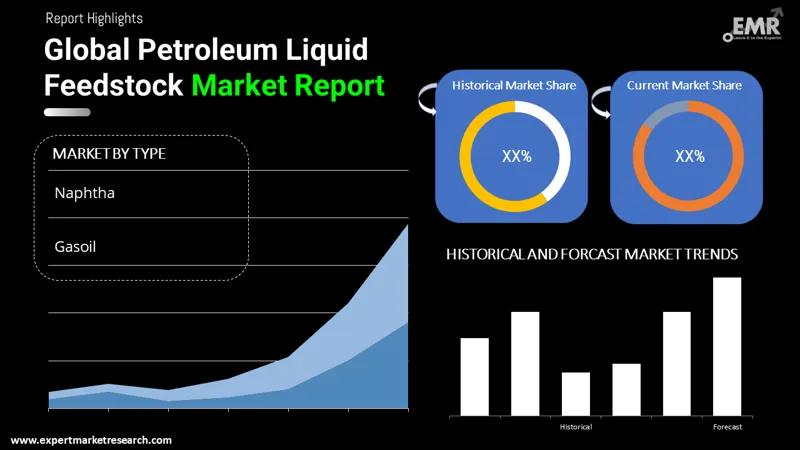
Key Insight: Naphtha remains dominant in the petroleum liquid feedstock market due to its excellent compatibility with olefins production, aromatics extraction, and overall petrochemical processes. On the other hand, gasoil is quickly expanding its share as companies upgrade their hydrocracking facilities in order to achieve greater versatility of feedstocks and increase specialty chemicals production from heavy crudes. Both sectors witness increasing investment in refinery-to-chemicals facilities, process digitalization, and polymer production capacities. Manufacturers pay more attention to clean processes, de-sulfurization methods, and supply chain integration approaches that secure the long-term reliability of feedstocks for various industries.
Market Breakup by Region
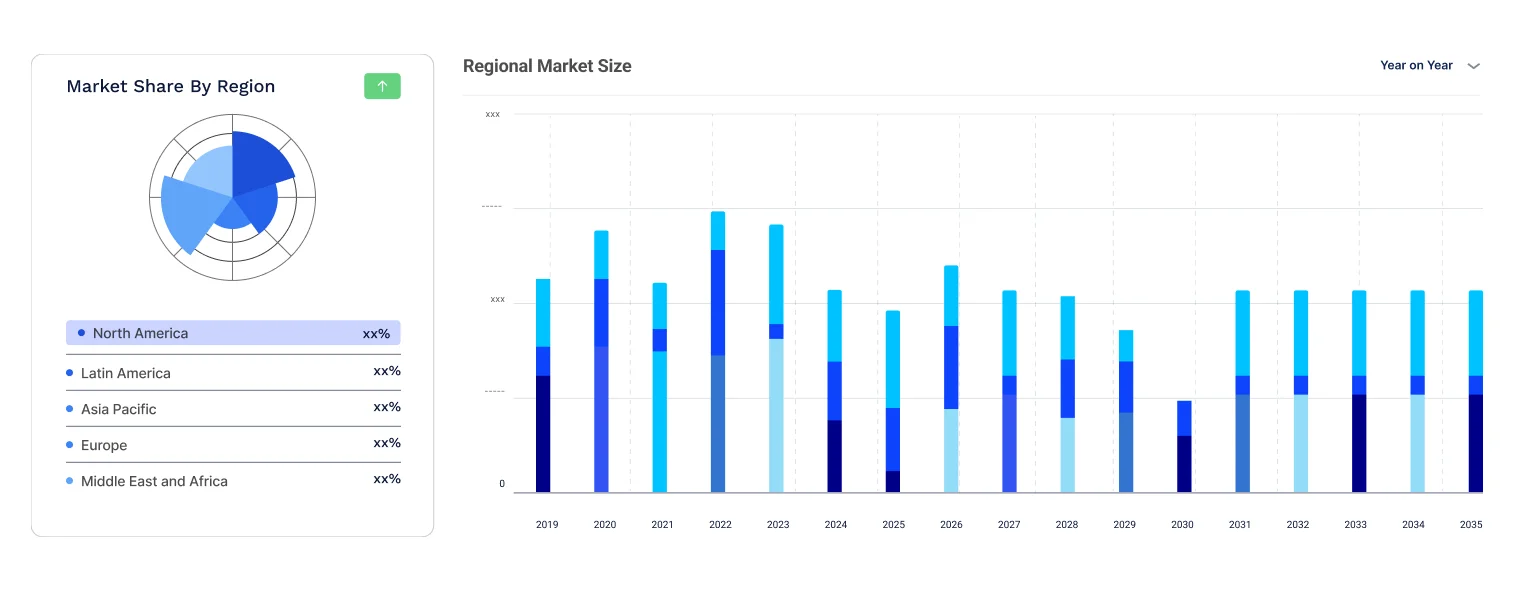
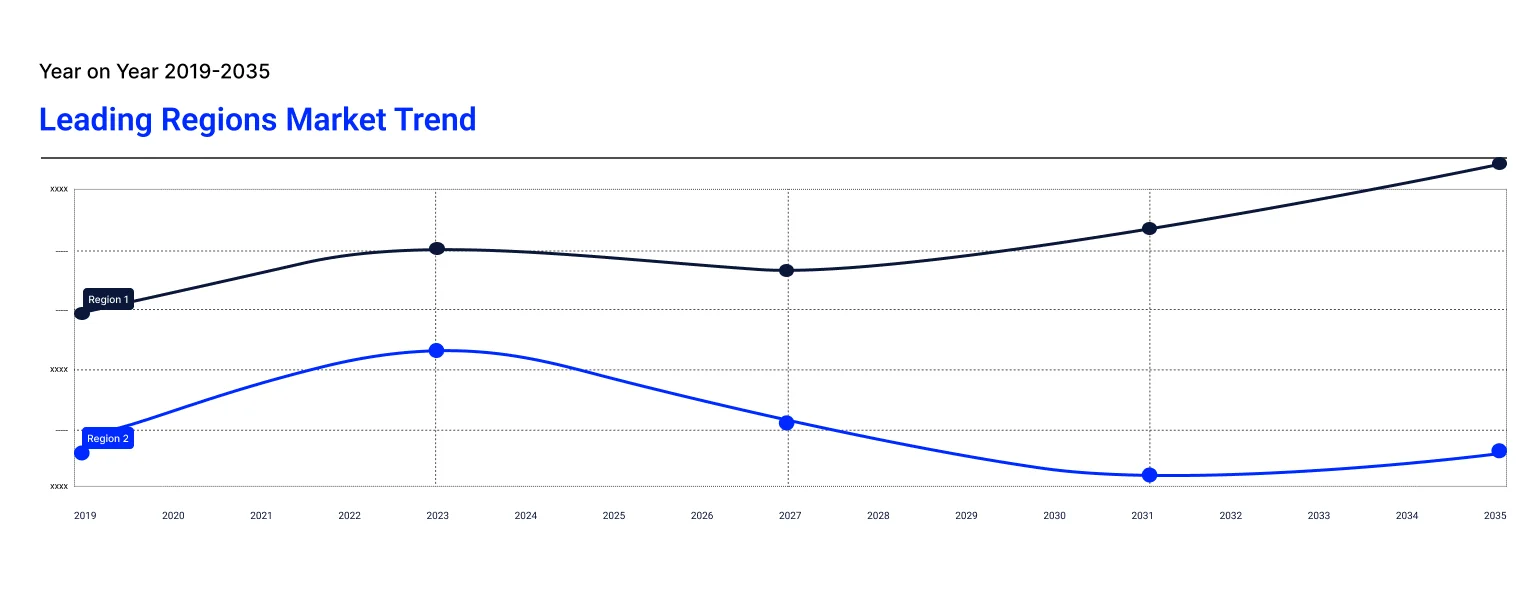
Key Insight: As per the petroleum liquid feedstock market report, North America benefits from advanced refining technologies, access to shale-based feedstock, and strong specialty chemicals manufacturing capabilities. Europe focuses on circular feedstock, emission reduction technology, and refinery modernization. Asia Pacific continues to be the leading regional market because of the aggressive growth of petrochemicals, refining, and manufacturing industries. Latin America continues to build up its refining capacity to increase domestic chemical production and decrease reliance on imports. In contrast, the Middle East and Africa regions are witnessing growth owing to its diversified refinery strategy, liquids-to-chemicals initiative, and downstream infrastructure aimed at exporting petrochemicals.
Read more about this report - REQUEST FREE SAMPLE COPY IN PDF
By type, naphtha accounts for the dominant share of the market due to expanding olefin production and petrochemical integration
The importance of naphtha as the main petroleum liquid feedstock is due to its high compatibility with steam crackers of ethylene and propylene. Petrochemical companies favor light naphtha, which provides higher olefin yield and flexibility in chemical conversion, accelerating demand in the petroleum liquid feedstock market. In Asia and the Middle East, integrated refinery complexes are working on improving their procurement of premium low-sulfur naphtha in order to produce packaging resins and specialty polymers. Similarly, in January 2026, Trading company Vitol announced plans to export nearly 500,000 bls of naphtha to Venezuela under a new agreement with the United States government.
Gasoil is experiencing faster growth in the petroleum liquid feedstock market as it finds increasing application in advanced hydrocracking processes, which enable the transformation of heavy feeds into petrochemical-grade feedstocks. There is a rising demand for gasoil feeds at integrated refineries, whose aim is to improve flexibility in the use of feedstocks and increase their chemical output. Gasoil feeds are also used in the production of specialty solvents and intermediates. For example, in May 2023, Oleo-X launched a feedstock facility for renewable diesel and SAF, improving low-carbon fuel supply and processing efficiency.
Read more about this report - REQUEST FREE SAMPLE COPY IN PDF
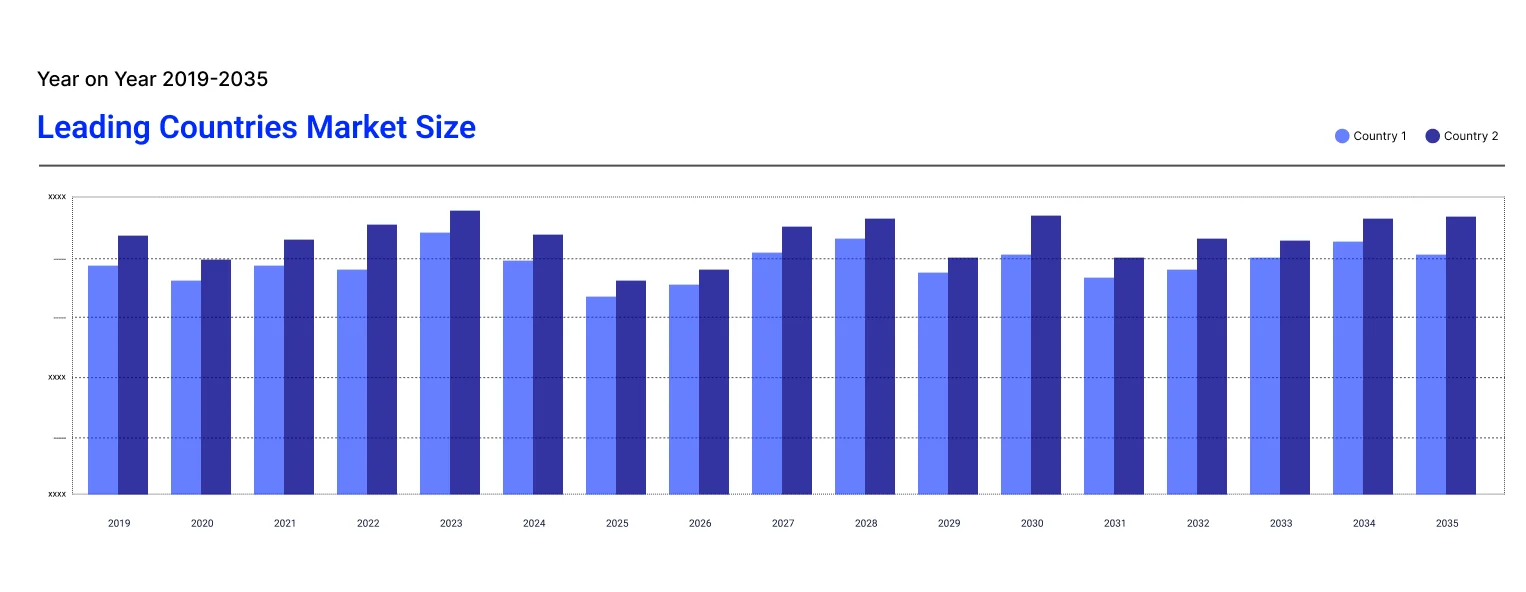
Asia Pacific secures the leading market share due to aggressive petrochemical capacity expansions
Asia Pacific leads the global petroleum liquid feedstock market revenue growth owing to massive investment in refinery-petrochemical integration facilities in China, India, South Korea, and Southeast Asia. Manufacturers in the region are increasing their capacity for steam cracker operations in order to meet increased demand for industrial polymers, specialty chemicals, and packaging. The governments are encouraging industrial self-sufficiency programs aimed at facilitating petrochemical production and upgrading the feedstock processing infrastructure. For example, in May 2026, India’s coal gasification push gained momentum, targeting energy security despite technology constraints and domestic coal-quality challenges.
The Middle East and African region is witnessing the highest demand growth in the petroleum liquid feedstock market as energy producers are expanding into petrochemical production beyond their traditional role as fuel suppliers. The national oil companies in the region are making massive investments in liquids-to-chemicals plants in an effort to enhance profitability in their crude operations. Refineries in the region are also boosting their capacity for condensate splitting, hydro-processing, and aromatics production in order to accelerate feedstock export and petrochemical production.
The market is becoming highly competitive with more focus being directed towards downstream integration, specialty feedstock optimization, and cleaner technology. Leading petroleum liquid feedstock market players are adopting liquids-to-chemicals complexes, hydrocrackers, and refinery optimization platforms powered by artificial intelligence to enhance efficiency and increase petrochemical production. The development of low-sulfur feedstocks and circular processing technologies using waste oil and chemical recycling technologies is another major trend noticed in the market.
Collaboration between logistics providers and petrochemical manufacturers is enabling companies to form stable and long-term supply contracts. Most of the petroleum liquid feedstock companies targeti flexibility in feedstock processing through mixed crude processing. Asia and the Middle East regions are witnessing increased demand for premium naphtha and condensate due to growth in integrated refinery expansion projects. Digital refinery management is providing companies with an opportunity to minimize their losses and increase profitability.
Chevron Corporation is an oil and gas corporation founded in 1879 and is based in California, United States. Chevron has integrated refining and petrochemical operations that serve in feedstock production for petroleum-based products all over the world. Chevron Corporation mainly concentrates on refining plant upgrades, fuel processing technologies, and optimization of feedstock production.
Exxon Mobil Corporation is an oil and gas corporation founded in 1999 and is based in Texas, United States. Exxon Mobil Corporation is focusing on advanced feedstock processing and chemical recycling activities in support of petrochemical manufacturing processes. ExxonMobil Corporation's main areas of focus include refining operations, specialty feedstock production, and low emission processing technologies.
Royal Dutch Shell Plc was founded in 1833 and is based out of London, United Kingdom. The company operates elaborate networks of refineries and petrochemical facilities around the world. Shell is known for its digital refinery optimization, cleaner feedstock processing systems, and circular chemical integration technologies.
Saudi Aramco was founded in the year 1933 and is based out of Dhahran, Saudi Arabia. Saudi Aramco is making aggressive investments in its integrated refinery-petrochemical projects that are focused on maximizing liquids-to-chemicals conversion capabilities. The company also concentrates on premium feedstock export, advanced refining technologies, and downstream manufacturing partners around the world.
*Please note that this is only a partial list; the complete list of key players is available in the full report. Additionally, the list of key players can be customized to better suit your needs.*
Unlock the latest insights with our petroleum liquid feedstock market trends 2026 report. Discover regional growth patterns, consumer preferences, and key industry players. Stay ahead of competition with trusted data and expert analysis. Download your free sample report today and drive informed decisions in the market.


Upto 15% Off
USD
$2499 $2249
$3999 $3599
$4999 $4249
$5999 $5099


*While we strive to always give you current and accurate information, the numbers depicted on the website are indicative and may differ from the actual numbers in the main report. At Expert Market Research, we aim to bring you the latest insights and trends in the market. Using our analyses and forecasts, stakeholders can understand the market dynamics, navigate challenges, and capitalize on opportunities to make data-driven strategic decisions.*
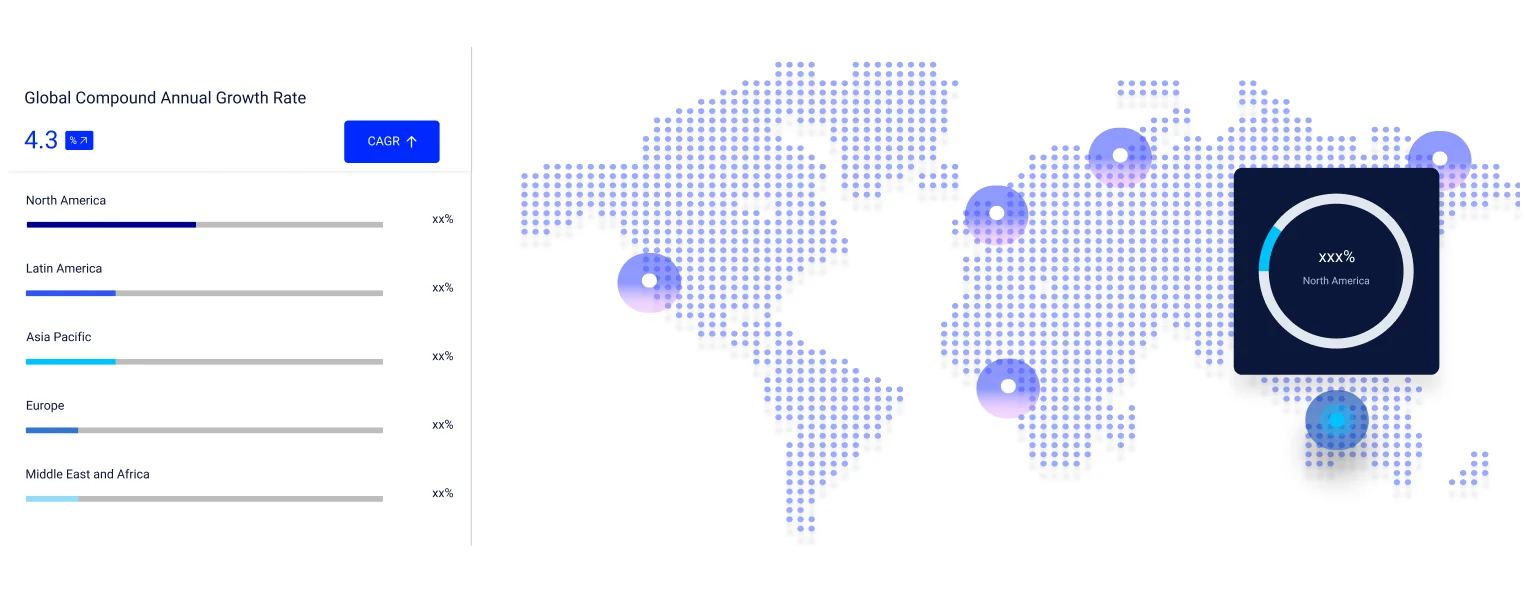
The global petroleum liquid feedstock market is projected to grow at a CAGR of 5.10% between 2026 and 2035.
The major market drivers include the rising demand for petrochemical feedstock, the expansion of the oil and gas sector, the growing demand to achieve optimal petroleum production target with minimal costs, and the growing demand for energy.
The key trends guiding the growth of the market include the adoption of advanced analysis and control technologies by various petroleum refineries and the growing technological innovations in downstream applications of the product.
The major regions in the market are North America, Latin America, the Middle East and Africa, Europe, and the Asia Pacific.
The major types of petroleum liquid feedstocks are naphtha and gasoil.
The key players in the market include Chevron Corporation, Exxon Mobil Corporation, Royal Dutch Shell Plc, and Saudi Arabian Oil Company, among others.
In 2025, the market reached an approximate value of USD 341.85 Billion.
Explore our key highlights of the report and gain a concise overview of key findings, trends, and actionable insights that will empower your strategic decisions.
| REPORT FEATURES | DETAILS |
| Base Year | 2025 |
| Historical Period | 2019-2025 |
| Forecast Period | 2026-2035 |
| Scope of the Report |
Historical and Forecast Trends, Industry Drivers and Constraints, Historical and Forecast Market Analysis by Segment:
|
| Breakup by Type |
|
| Breakup by Region |
|
| Market Dynamics |
|
| Competitive Landscape |
|
| Companies Covered |
|
| Report Price and Purchase Option | Explore our purchase options that are best suited to your resources and industry needs. |
| Delivery Format | Delivered as an attached PDF and Excel through email, with an option of receiving an editable PPT, according to the purchase option. |
Datasheet
One User
USD 2,499
USD 2,249
tax inclusive*
Single User License
One User
USD 3,999
USD 3,599
tax inclusive*
Five User License
Five User
USD 4,999
USD 4,249
tax inclusive*
Corporate License
Unlimited Users
USD 5,999
USD 5,099
tax inclusive*
*Please note that the prices mentioned below are starting prices for each bundle type. Kindly contact our team for further details.*
Flash Bundle
Small Business Bundle
Growth Bundle
Enterprise Bundle
*Please note that the prices mentioned below are starting prices for each bundle type. Kindly contact our team for further details.*
Flash Bundle
Number of Reports: 3
20%
tax inclusive*
Small Business Bundle
Number of Reports: 5
25%
tax inclusive*
Growth Bundle
Number of Reports: 8
30%
tax inclusive*
Enterprise Bundle
Number of Reports: 10
35%
tax inclusive*
How To Order

Select License Type
Choose the right license for your needs and access rights.

Click on ‘Buy Now’
Add the report to your cart with one click and proceed to register.

Select Mode of Payment
Choose a payment option for a secure checkout. You will be redirected accordingly.
Strategic Solutions for Informed Decision-Making
Gain insights to stay ahead and seize opportunities.

Get insights & trends for a competitive edge.

Track prices with detailed trend reports.

Analyse trade data for supply chain insights.

Leverage cost reports for smart savings

Enhance supply chain with partnerships.

Connect For More Information
Our expert team of analysts will offer full support and resolve any queries regarding the report, before and after the purchase.
Our expert team of analysts will offer full support and resolve any queries regarding the report, before and after the purchase.
We employ meticulous research methods, blending advanced analytics and expert insights to deliver accurate, actionable industry intelligence, staying ahead of competitors.
Our skilled analysts offer unparalleled competitive advantage with detailed insights on current and emerging markets, ensuring your strategic edge.
We offer an in-depth yet simplified presentation of industry insights and analysis to meet your specific requirements effectively.




