

Consumer Insights
Uncover trends and behaviors shaping consumer choices today
Procurement Insights
Optimize your sourcing strategy with key market data
Industry Stats
Stay ahead with the latest trends and market analysis.

The Philippines clothing market size was valued at USD 8.92 Billion in 2025. The industry is expected to grow at a CAGR of 7.00% during the forecast period of 2026-2035 to reach a valuation of USD 17.55 Billion by 2035.
The rising incomes of the high-class and middle-class populace is driving the demand for branded and fast fashion clothing, adding to the Philippines clothing market expansion. According to industry reports, the average annual incomes of families in the Philippines was estimated to reach PHP 353.23 thousand in 2023. The growing popularity of Filipino streetwear as it blends international trends with local culture is also favouring the market growth. Several brands are resonating with the youth, reflecting a shift towards casual and expressive fashion. This trend highlights the influence of Filipino youth culture on fashion.
The Philippines clothing industry is impacted by evolving clothing preferences, such as strong demand for lightweight and breathable fabrics due to tropical climates driven by cultural and climate factors. This is prompting regional brands to focus on casual wear lines. The rising focus of the Filipino government on encouraging the production and presence of high-value apparel is playing a key role in enhancing the Philippines clothing market share. In January 2025, the Department of Trade and Industry urged well-known online fashion retailer Shein in considering the expansion of its operations across the Philippines by seeking several manufacturing opportunities.
The rising initiatives aimed at enhancing competitiveness and supporting local industries is contributing to the demand for domestic fashion. Social media platforms have a crucial role to shape consumer preferences. Influencers and digital marketing campaigns are significantly impacting fashion trends, especially among younger demographics. The export of apparel from the Philippines is rising due to strategic trade positioning, global demand shifts, skilled labour, and market diversification efforts. According to industry reports, the apparel exports in Philippines is expected to record USD 1 billion in 2025, supported by expected advances from the FTA (free trade agreement). The country also offers a skilled and English-speaking workforce, which is attractive to international apparel brands seeking quality production at competitive rates.
Base Year
Historical Period
Forecast Period
Compound Annual Growth Rate
7%
Value in USD Billion
2026-2035
*this image is indicative*
| Philippines Clothing Market Report Summary |
Description |
Value |
|
Base Year |
USD Billion |
2025 |
|
Historical Period |
USD Billion |
2019-2025 |
|
Forecast Period |
USD Billion |
2026-2035 |
|
Market Size 2025 |
USD Billion |
8.92 |
|
Market Size 2035 |
USD Billion |
17.55 |
|
CAGR 2019-2025 |
Percentage |
XX% |
|
CAGR 2026-2035 |
Percentage |
7.00% |
|
CAGR 2026-2035- Market by Region |
Visayas |
7.4% |
|
CAGR 2026-2035 - Market by End User |
Kids |
7.6% |
|
CAGR 2026-2035 - Market by Distribution Channel |
Online |
14.1% |
| 2025 Market Share by Region | Visayas |
18.2% |
The Philippines clothing market value is set to grow with the rising advances in e-commerce platforms driven by surging internet penetration, mobile usage, and use of digital payments. According to industry reports, the total e-commerce volume across the Philippines reached USD 28 billion in 2024. Platforms, such as Shopee and Lazada are leading the charge for offering a wide range of fashion products to consumers in the country.
The strong demand for sustainable materials in apparel from renewable, eco-friendly materials along with the focus on limiting fashion waste is boosting the Philippines clothing industry. In February 2025, The Department of Science and Technology-Philippine Textile Research Institute partnered with Bayo Manila Inc. via the department’s CRADLE Program to introduce the TexRev project for addressing textile waste and promoting sustainable practices in the Filipino fashion industry.
The Philippines clothing market expansion can be attributed to the surge in digital payment adoption across the country. According to industry reports, the digital payment transaction share to the overall monthly retail payments across the Philippines climbed to 52.8% in 2023. This shift towards cashless transactions is enhancing the convenience of online shopping, making it easier for consumers to purchase fashion items and for businesses to reach a wider audience.
The growth of the Philippines clothing market is driven by the surging efforts to boost local innovation capabilities as well as conduct applied research and development activities in the textile industry sector. In July 2024, JG Summit Olefins Corporation signed an MoU with the Philippine Textile Research Institute for the ‘Spunlaid Nonwovens R&D: Sustainable Meltblown and Spunbonded Nonwoven Textiles’ project. This helped the government-led agency to strengthen and diversify its competencies in nonwoven textile production via spunlaid nonwoven technologies by deploying polymer materials.
The growing appetite for luxury brands among affluent Filipinos is fuelling the Philippines clothing market expansion. Several international luxury brands are expanding their presence in upscale shopping districts for catering to the increasing purchasing power and sophistication of local consumers. In March 2025, Los Angeles lifestyle brand ALO planned to open its new flagship store in Makati City in Q2 of 2025, signalling its continued global expansion.
The EMR’s report titled “Philippines Clothing Market Report and Forecast 2026-2035” offers a detailed analysis of the market based on the following segments:
Breakup by Category
Key Insight: The mass category segment dominates the Philippines clothing industry, driven by the country’s growing middle-class population, urbanisation, and the need for catering to price-conscious consumers who prioritise affordability and accessibility. According to industry reports, the urban population of the Philippines surged by 0.68% to 48.6 % in 2024 from 48.3 % in 2023, reflecting a steady shift towards city living that drives greater demand for mass-market apparel. The sector also benefits from widespread presence of mall and e-commerce expansion in the region.
Breakup by End User
Key Insight: The women segment in the Philippines clothing market is experiencing robust growth, driven by increasing female workforce and a growing middle-class population. According to industry reports, the female labour force in Philippines reportedly touched 41.39% in 2024. The rise of e-commerce platforms is making fashion more accessible to urban and provincial female consumers. Additionally, the increasing popularity of online shopping and the influence of social media is contributing to the market expansion.
Breakup by Distribution Channel
Key Insight: The demand for online platforms, driven by the increased internet penetration, a rising middle-class population, and the convenience of digital shopping is adding to the Philippines clothing industry share. According to industry reports, there were around 86.98 million internet users across the Philippines in January 2024. This digital presence is translating into robust e-commerce growth.
Breakup by Region
Key Insight: Luzon remains the epicentre of the Philippines clothing market, driven by robust consumer demand, strategic retail developments, and a burgeoning middle-class populace. In October 2024, the Likha ng Central Luzon Trade Fair showcased products from 150 micro, small, and medium enterprises in the region. The surge in numerous garment centres is contributing to Luzon’s position as a major hub for affordable ready-to-wear clothing for catering to both local and international markets.
Robust middle-class population to boost the preference for mass category
The premium segment in the Philippines clothing market is expanding, driven by a growing affluent middle class and increasing interest in luxury brands. According to industry reports, the Philippine’s middle class surged to 47.5% of the total population in 2023, marking a substantial rise in disposable incomes and consumer spending power. Brands like Louis Vuitton and Christian Louboutin are tailoring products to the local market, recognising the potential of domestic shoppers who drive most luxury purchases. Despite challenges in e-commerce development, integrated resorts with casinos have become popular venues for luxury brands to establish their presence, catering to both local and international consumers seeking high-end fashion experiences.
Luxury clothing in the Philippines is steadily growing due to rising disposable incomes, aspirational consumer behaviour and the increasing demand for premium fashion brands and bespoke clothing. Additionally, several designers in the country are catering to affluent clientele seeking exclusivity.
Men clothing to record higher demand due to shift towards minimalism
The men's clothing market in the Philippines is experiencing a shift towards minimalist and sustainable fashion. Brands like MPMG are gaining popularity among young consumers for offering affordable, locally made clothing with versatile styling options. In January 2024, MPMG achieved over 10,000 orders in a single day, topping TikTok Philippines' Men's Fashion chart. The market is also seeing a rise in eco-conscious brands, with companies, such as Faherty and Satorisan offering sustainable clothing options that appeal to environmentally aware consumers.
The demand for children clothing in the Philippines will grow with the rising disposable incomes, expanding child population, and fashion-conscious parents. E-commerce platforms play a major role in shaping the consumer preferences, offering personalised and customisable clothing options. Celebrity endorsements and collaborations with popular children's brands add a level of desirability and trendiness to kid apparel lines, further boosting market demand.
Surging rate of offline purchases with rise in retail outlets
Despite the rise of online shopping, the preference for offline clothing in the Philippines remains robust, particularly in urban centres. Traditional retail outlets, such as SM Retail, Robinsons Department Store, and Bench are continuing to attract consumers seeking in-store experiences. Additionally, retailers are adopting omnichannel strategies, allowing customers to browse online and pick up purchases in-store, enhancing the shopping experience.
Retail advances to boost Mindanao clothing market
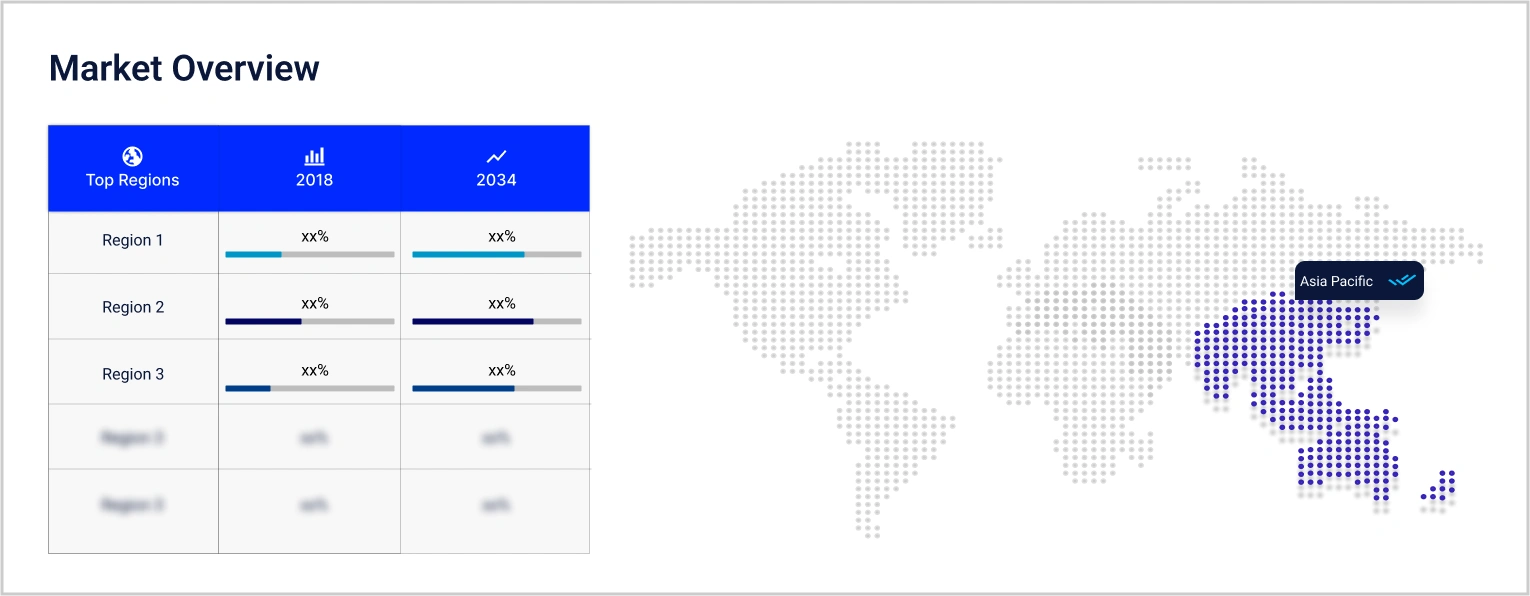
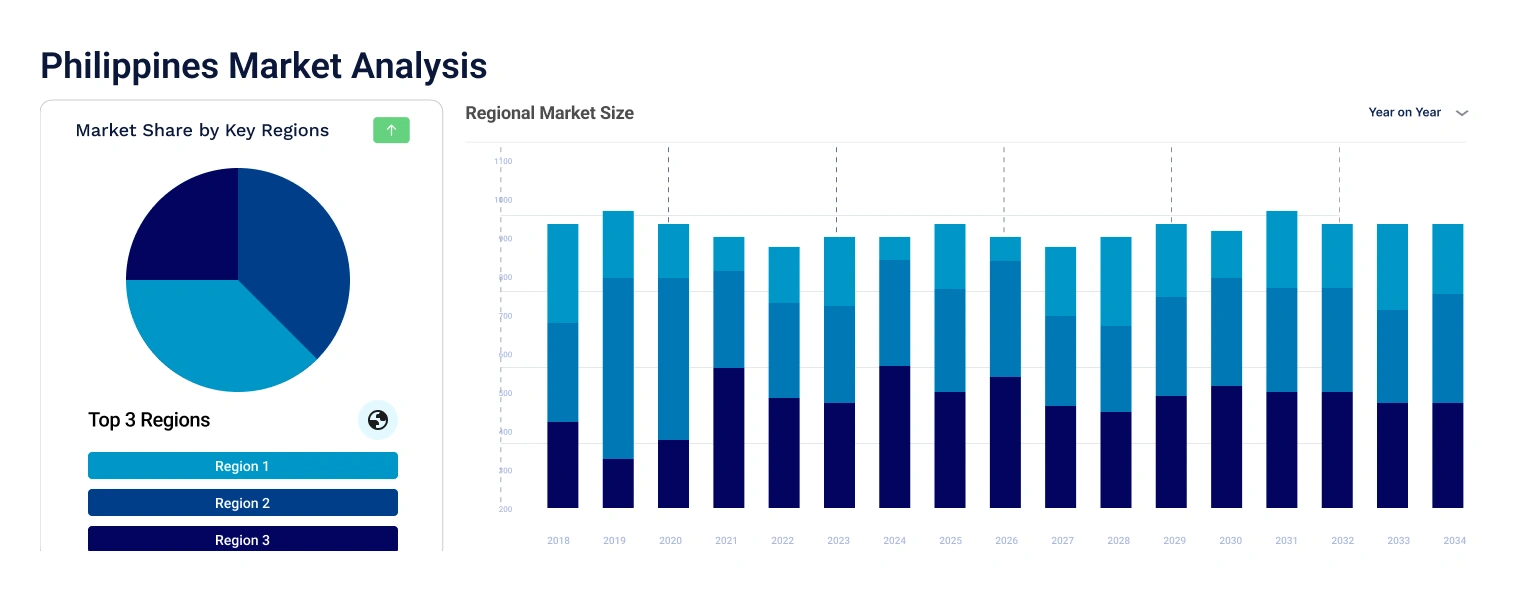
Mindanao is likely to attain momentum in the Philippines clothing market characterised by a blend of traditional craftsmanship and modern retail trends. In urban centres, such as Davao City, there is a growing market for these traditional garments, with local designers incorporating them into contemporary fashion lines. In October 2024, Azuela High Street, a new lifestyle destination in Davao City's seaside community, welcomed international brands, such as Hoka, Puma, Adidas, Bootcamp, and Seattle’s Best.
|
CAGR 2026-2035 - Market by |
Region |
| Visayas |
7.4% |
| Mindanao |
XX% |
| Luzon |
XX% |
The Visayas region is witnessing significant advancements in its clothing market, characterised by a blend of traditional retail and modern shopping experiences. The undergoing redevelopment to modernise facilities is enhancing the shopping experience to attract more consumers. Additionally, the presence of established retail chains will further bolster the region's retail infrastructure.
Leading players in the Philippines clothing market are placing efforts on innovation and partnership strategies for catering to a wide customer base. They are working on expansion and investment initiatives while leveraging digital innovation, localization, sustainability, and brand collaborations to stay competitive and meet evolving consumer demands. Major brands, such as Bench, Penshoppe, and Uniqlo Philippines are heavily investing in e-commerce platforms and mobile shopping apps to enhance accessibility, especially post-pandemic. Localization remains a key strategy as many brands are adapting their designs to suit the tropical climate and local style preferences. For instance, Bench and Kamiseta continue to launch collections inspired by Filipino culture, festivals, and streetwear. At the same time, international brands like H&M and Uniqlo are tailoring their campaigns for Filipino consumers with local ambassadors and climate-appropriate product lines. Another growing strategy is sustainability, with brands such as Rags2Riches and Anthill Fabric Gallery using eco-friendly materials and upcycling practices to appeal to environmentally conscious consumers.
VF Corporation, founded in 1899 and headquartered in Denver, the United States owns a portfolio of popular apparel and footwear brands including The North Face, Vans, Timberland, and Dickies. The firm offers outdoor, active, and workwear clothing and accessories across global markets.
PUMA SE, founded in 1948 and headquartered in Herzogenaurach, Germany, designs and manufactures athletic and casual footwear, apparel, and accessories. PUMA collaborates with athletes and celebrities for offering performance-oriented and lifestyle products through its core segments.
Adidas AG was founded in 1949 and is headquartered in Herzogenaurach, Germany. Adidas is known for its sportswear, footwear, and accessories that offer performance and lifestyle products. The brand operates major lines, such as Adidas Originals, Adidas Performance, and collaborates with designers and influencers globally.
Nike, Inc. was founded in 1964, with headquarters in Beaverton, the United States. Nike is a global leader in athletic footwear, apparel, equipment, and accessories, and markets products under Nike, Jordan Brand, and Converse while focusing on innovation and athlete partnerships.
*Please note that this is only a partial list; the complete list of key players is available in the full report. Additionally, the list of key players can be customized to better suit your needs.*
Other players in the Philippines clothing market are H&M Hennes & Mauritz AB, LVMH Moet Hennessy Louis Vuitton SE, Kering S.A., PVH Corp., and others.
Unlock the latest insights into the Philippines clothing market trends 2026 by downloading a free sample report from Expert Market Research. Discover key growth drivers, consumer shifts, and investment opportunities in one of Southeast Asia’s fastest-growing fashion markets. Stay informed, competitive, and ahead of the curve with expert-backed analysis—download your sample today.


Upto 15% Off
USD
$2499 $2249
$3999 $3599
$4999 $4249
$5999 $5099


*While we strive to always give you current and accurate information, the numbers depicted on the website are indicative and may differ from the actual numbers in the main report. At Expert Market Research, we aim to bring you the latest insights and trends in the market. Using our analyses and forecasts, stakeholders can understand the market dynamics, navigate challenges, and capitalize on opportunities to make data-driven strategic decisions.*
Get in touch with us for a customized solution tailored to your unique requirements and save upto 35%!
In 2025, the market reached an approximate value of USD 8.92 Billion.
The market is projected to grow at a CAGR of 7.00% between 2026 and 2035.
The key players in the market report include VF Corp., PUMA SE, Adidas AG, Nike Inc., H&M Hennes & Mauritz AB, LVMH Moet Hennessy Louis Vuitton SE, Kering S.A., PVH Corp., and others.
The women segment in the Philippines clothing market is experiencing robust growth, driven by increasing female workforce.
The key strategies boosting the market include the rapid urbanisation, rise in exports and growing government initiatives, and e-commerce expansion.
Explore our key highlights of the report and gain a concise overview of key findings, trends, and actionable insights that will empower your strategic decisions.
| REPORT FEATURES | DETAILS |
| Base Year | 2025 |
| Historical Period | 2019-2025 |
| Forecast Period | 2026-2035 |
| Scope of the Report |
Historical and Forecast Trends, Industry Drivers and Constraints, Historical and Forecast Market Analysis by Segment:
|
| Breakup by Category |
|
| Breakup by End User |
|
| Breakup by Distribution Channel |
|
| Breakup by Region |
|
| Market Dynamics |
|
| Competitive Landscape |
|
| Companies Covered |
|
Datasheet
One User
USD 2,499
USD 2,249
tax inclusive*
Single User License
One User
USD 3,999
USD 3,599
tax inclusive*
Five User License
Five User
USD 4,999
USD 4,249
tax inclusive*
Corporate License
Unlimited Users
USD 5,999
USD 5,099
tax inclusive*
*Please note that the prices mentioned below are starting prices for each bundle type. Kindly contact our team for further details.*
Flash Bundle
Small Business Bundle
Growth Bundle
Enterprise Bundle
*Please note that the prices mentioned below are starting prices for each bundle type. Kindly contact our team for further details.*
Flash Bundle
Number of Reports: 3
20%
tax inclusive*
Small Business Bundle
Number of Reports: 5
25%
tax inclusive*
Growth Bundle
Number of Reports: 8
30%
tax inclusive*
Enterprise Bundle
Number of Reports: 10
35%
tax inclusive*
How To Order

Select License Type
Choose the right license for your needs and access rights.

Click on ‘Buy Now’
Add the report to your cart with one click and proceed to register.

Select Mode of Payment
Choose a payment option for a secure checkout. You will be redirected accordingly.
Gain insights to stay ahead and seize opportunities.

Get insights & trends for a competitive edge.

Track prices with detailed trend reports.

Analyse trade data for supply chain insights.

Leverage cost reports for smart savings

Enhance supply chain with partnerships.

Connect For More Information
Our expert team of analysts will offer full support and resolve any queries regarding the report, before and after the purchase.
Our expert team of analysts will offer full support and resolve any queries regarding the report, before and after the purchase.
We employ meticulous research methods, blending advanced analytics and expert insights to deliver accurate, actionable industry intelligence, staying ahead of competitors.
Our skilled analysts offer unparalleled competitive advantage with detailed insights on current and emerging markets, ensuring your strategic edge.
We offer an in-depth yet simplified presentation of industry insights and analysis to meet your specific requirements effectively.





Share