

Consumer Insights
Uncover trends and behaviors shaping consumer choices today
Procurement Insights
Optimize your sourcing strategy with key market data
Industry Stats
Stay ahead with the latest trends and market analysis.

The global photo editing software market was valued at USD 46.36 Billion in 2025. The industry is expected to grow at a CAGR of 8.20% during the forecast period of 2026-2035 to reach a value of USD 101.96 Billion by 2035.
The photo editing software market is experiencing a sharp transformation, shifting from legacy tools to AI-powered platforms that enable real-time visual manipulation with minimal user input. According to Adobe Creative Cloud data, the platform witnessed nearly 30 million subscribers in 2024. This acceptance is driven by increased demand from small content studios and freelance editors. The United Kingdom Government’s Createch initiative, aimed at empowering digital creators with AI-integrated design tools, has also boosted the market. Developers are increasingly integrating machine learning models that auto-correct lighting, composition, and perspective errors.
New photo editing software firms now focus on cross-platform performance, from desktop to mobile to cloud. Startups like Poland-based Lightricks has released LTXV on GitHub and Hugging Face, built using PyTorch XLA to ensure compatibility across GPU and TPU systems, using browser-native computation, making high-end tools accessible even on low-end devices. According to Japan’s METI, demand for editing platforms with non-destructive AI filters have grown widely popular, especially among educational content creators and AR developers.
Furthermore, governments in the Asia-Pacific region, such as South Korea’s Ministry of SMEs and Startups, have begun funding local editing software initiatives to reduce dependence on Western products, boosting the photo editing software market development. This includes grants for cloud-based rendering and AI video-to-photo frame extraction technology. As creative economies globalise and the creator class grows more diversified, the market is decentralising, democratising, and deeply innovating to meet new digital realities.
Base Year
Historical Period
Forecast Period
The increasing smartphone and internet penetration in both developing and developed countries is surging the demand for user-friendly mobile-first photo editing solutions that enable users to perform photo edits directly from their phones. Reportedly, around 74.8% of Indian households owned a smartphone in 2022 whereas 88% of households owned smartphones with internet connectivity. This widespread internet penetration and smartphone ownership is fuelling the popularity of social media platforms like Instagram and TikTok, hence driving the development of photo editing software that offers social media templates, quick edits, and filters, among others.
Cloud-based photo editing tools are significantly gaining popularity as they enable users to seamlessly store, edit, and share photos while facilitating collaborative photo editing and streamlining the workforce. Such tools are also increasingly integrating AI to facilitate advanced features like facial recognition, automatic sky replacement, and object removal. This is positively influencing the photo editing software market dynamics.
Key players in the market are focusing on creating user-friendly interfaces with drag-and-drop features, intuitive interfaces, and helpful tutorials to simplify the editing process. This inclusion of simple tools bridges the gap between advanced and beginner users, appealing to an increasing number of photography hobbyists. For instance, Adobe Photoshop Elements offers easy-to-use tools for enhancing, organising, and editing photos and integrated tutorials, hence meeting the evolving needs of amateur photographers and hobbyists.
Compound Annual Growth Rate
8.2%
Value in USD Billion
2026-2035
*this image is indicative*
| Global Photo Editing Software Market Report Summary | Description | Value |
| Base Year | USD Billion | 2025 |
| Historical Period | USD Billion | 2019-2025 |
| Forecast Period | USD Billion | 2026-2035 |
| Market Size 2025 | USD Billion | 46.36 |
| Market Size 2035 | USD Billion | 101.96 |
| CAGR 2019-2025 | Percentage | XX% |
| CAGR 2026-2035 | Percentage | 8.20% |
| CAGR 2026-2035 - Market by Region | Asia Pacific | 9.5% |
| CAGR 2026-2035 - Market by Country | India | 10.8% |
| CAGR 2026-2035 - Market by Country | China | 9.1% |
| CAGR 2026-2035 - Market by Component | Professional Level | 9.2% |
| CAGR 2026-2035 - Market by Application | Commercial | 9.3% |
| Market Share by Country 2025 | Japan | 4.8% |
Real-time AI-powered tools are transforming editing workflows by automating exposure correction, facial retouching, and background object removal, boosting the photo editing software market dynamics. For example, Luminar Neo by Skylum introduced an AI layer blending tool that learns individual users' style preferences. Meanwhile, NVIDIA partnered with Adobe to integrate generative fill tools, improving real-time feedback speed. Governments in South Korea and Singapore have extended R&D subsidies to support startups innovating AI photo composition engines.
Software firms are increasingly developing no-code platforms that democratise photo editing for users with no design training. Photo editing software platforms like Remove.bg and Runway ML let users edit photos using gestures or voice prompts. India’s Ministry of Electronics and IT are supporting local startups like PhotorAI to build mobile-first gesture-editing tools for vernacular markets. These developments cater to emerging creators, influencers, and SMEs who seek quality without technical barriers.
Remote collaboration has further boosted the photo editing software market trends and dynamics. Companies like Canva and Pixlr are shifting toward cloud-native editors with real-time co-editing, similar to Google Docs. These allow distributed teams to work on visuals simultaneously, track version history, and rollback edits with full transparency. The United Kingdom-based Frame.io, now part of Adobe, enables timestamp-based commenting on visual edits, streamlining agency-client feedback loops. The U.S. National Endowment for the Arts recently launched Grants for Arts Projects that includes cloud subscription aid for collaborative visual design tools, showcasing institutional belief in decentralised, cloud-first creativity.
As deepfakes proliferate in number, ethical editing features are gaining ground in the photo editing software market. Companies like Truepic have embedded verification watermarks and metadata tracking to ensure photo authenticity. Adobe’s Content Authenticity Initiative was expanded to support auto-detection of AI-tampered visuals. These tools are now being integrated into editing platforms to detect visual manipulation in real-time. In Germany, media organisations have started mandating such tools for newsroom image editing.
Rather than building one-size-fits-all platforms, photo editing software companies now develop modules for specific industries. Real estate, telemedicine, online education, and forensic labs demand highly customised editing capabilities. For instance, United States-based Virtual Staging Lab built a photo editor that generates day-to-night conversions of real estate photos with accurate lighting simulations. In China, medical-grade photo editors are being co-developed by AI firms and hospitals to enhance skin condition documentation. Government bodies like the European Commission have allocated digital innovation grants toward sector-specific design tools, validating this verticalisation trend.
Read more about this report - REQUEST FREE SAMPLE COPY IN PDF
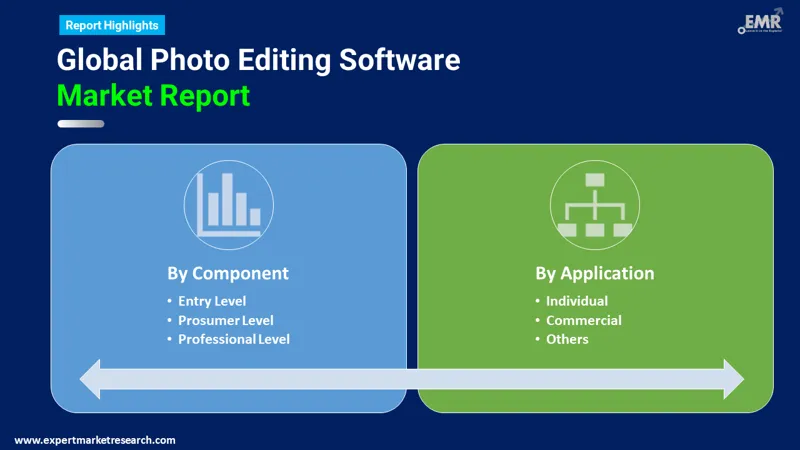
The EMR’s report titled “Global Photo Editing Software Market Report and Forecast 2026-2035” offers a detailed analysis of the market based on the following segments:
Market Breakup by Component
Key Insight: Across the component segment in the photo editing software market, entry Level, prosumer, and professional segments, all exhibit unique momentum. Entry-level tools thrive on ease and accessibility, especially in mobile-native formats for Gen Z. Prosumer tools, meanwhile, find traction among social content creators, freelance designers, and semi-pro photographers who value automation without losing manual flexibility. Professional software continues to dominate high-stakes sectors such as media, advertising, and luxury product photography.
Market Breakup by Application
Key Insight: Photo editing software applications include commercial, individual, and other segments including education and forensic documentation. Commercial usage dominates the industry due to demand for scalable, brand-aligned content in sectors like retail, events, and publishing. Individual users drive fast growth with intuitive, mobile-centric tools for social expression and learning. Meanwhile, the “others” category continues to evolve, catering to educators, researchers, and law enforcement using niche features. This segmentation reflects a larger ecosystem where each user type contributes uniquely to market volume and innovation cycles.
Market Breakup by Region
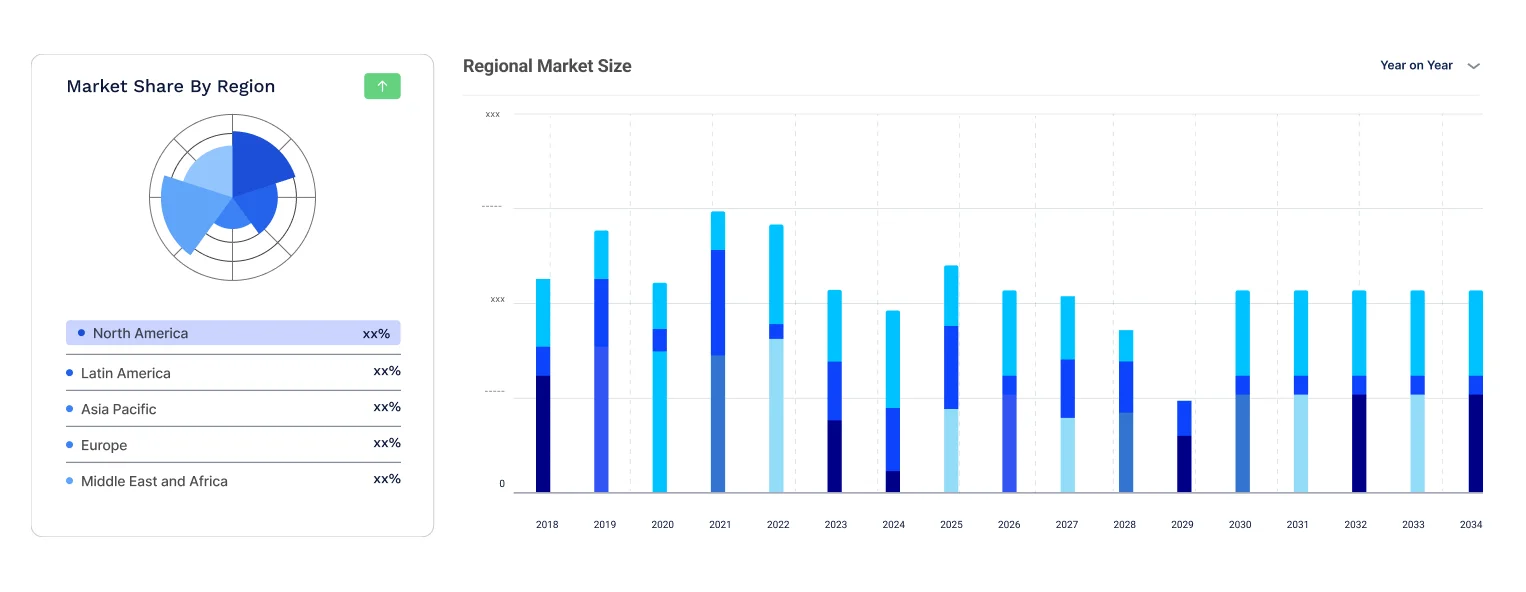
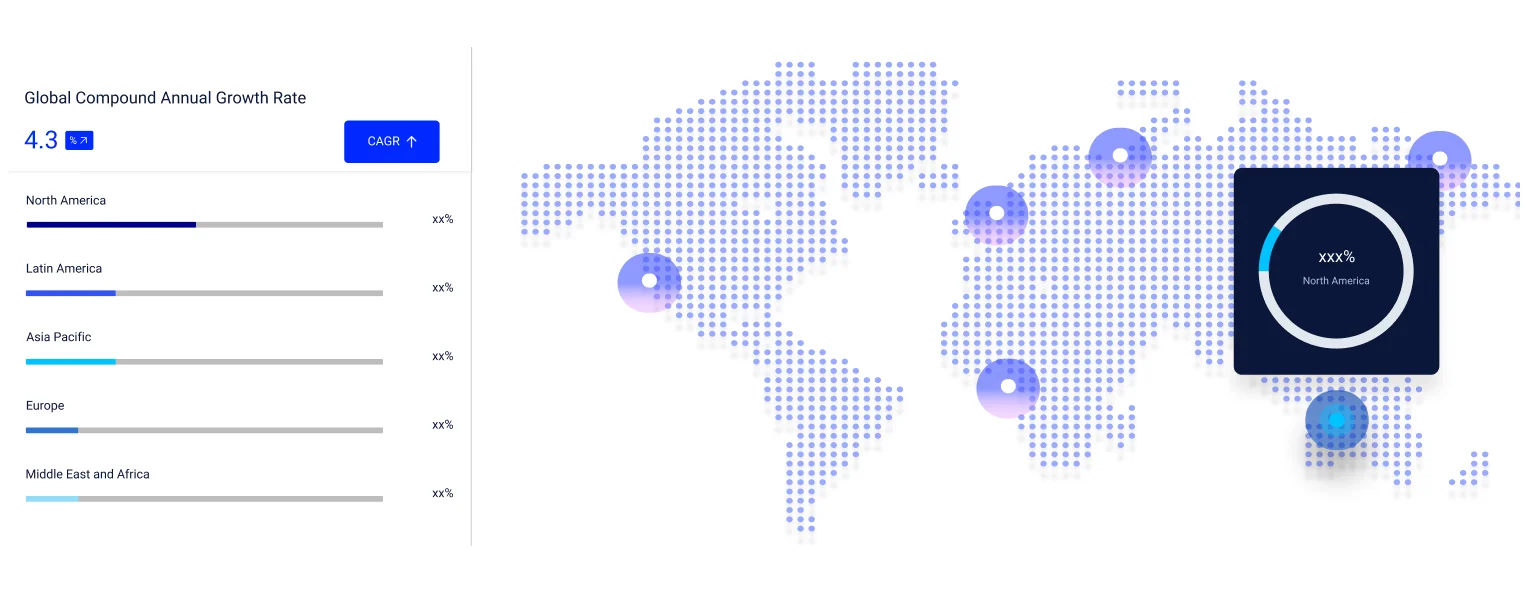
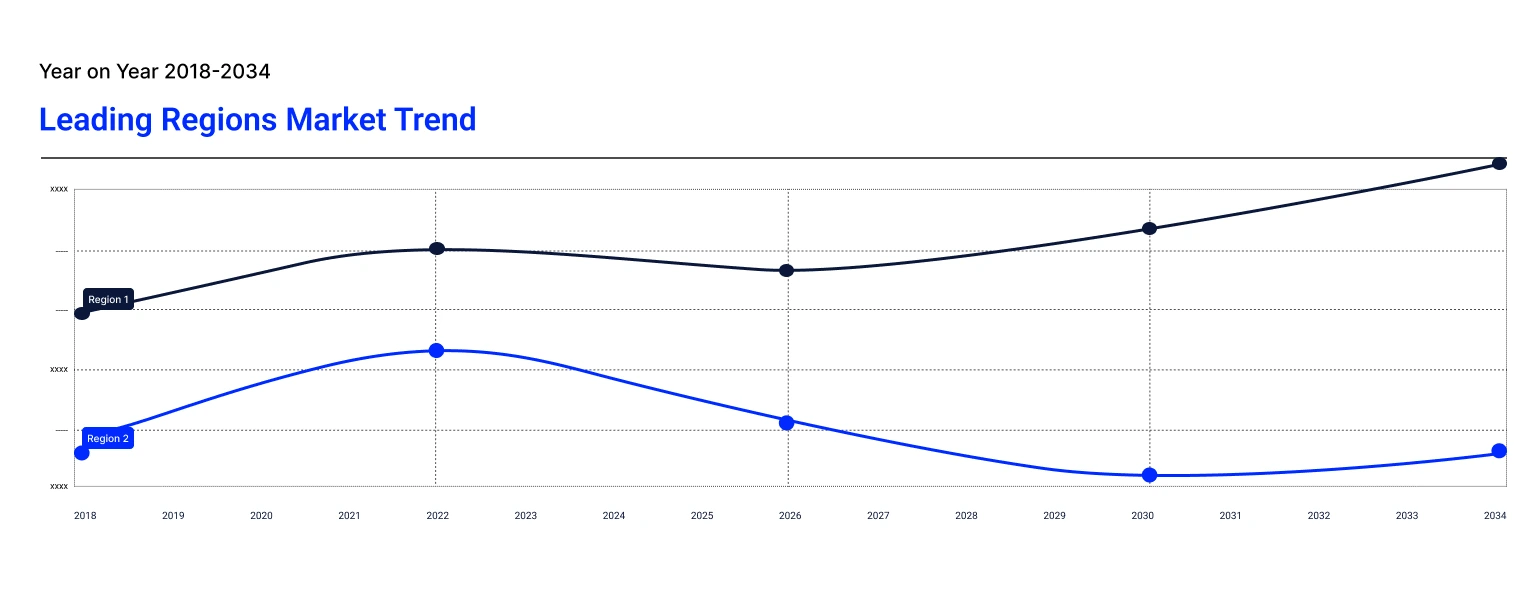
Key Insight: From North America to Asia Pacific, the photo editing software market evolves regionally based on infrastructure, policy, and culture. North America remains dominant in the industry due to enterprise adoption, platform maturity, and AI innovation. Asia Pacific leads growth through volume, mobile-first usage, and public initiatives backing digital creation. Europe maintains a stable demand curve via institutional usage and regulatory emphasis on ethical design. Latin America and the Middle East are emerging, aided by creator grants and localised SaaS ventures.
| CAGR 2026-2035 - Market by | Component |
| Professional Level | 9.2% |
| Prosumer Level | 8.6% |
| Entry Level | XX% |
| CAGR 2026-2035 - Market by | Application |
| Commercial | 9.3% |
| Others | 8.4% |
| Individual | XX% |
| CAGR 2026-2035 - Market by | Region |
| Asia Pacific | 9.5% |
| Europe | 7.0% |
| North America | XX% |
| Latin America | XX% |
| Middle East and Africa | XX% |
By Component, Professional Level Tools Dominate the Industry
Professional-level tools continue to dominate the photo editing software industry, particularly in advertising, cinematic post-production, and fashion. Adobe Photoshop, Capture One, and Affinity Photo offer high-resolution RAW support, pixel-level precision, and AI masking. These features are essential for professional photographers and studios handling campaign visuals and print media. Demand for high-fidelity editing remains strong across B2B settings, solidifying this segment’s dominance.
Prosumer editing platforms represent the fastest-growing category in the photo editing software market. Tools like Luminar Neo and DxO PhotoLab offer AI-led automation with enough manual features to cater to hobbyists and small creative teams. Their affordability and reduced learning curve appeal to majority of consumers. Many platforms now feature cloud syncing, personalised AI presets, and community-led LUT marketplaces, further enhancing user engagement. For instance, Luminar Neo allows users to sync edits across devices and offers adaptive presets based on photo style.
Read more about this report - REQUEST FREE SAMPLE COPY IN PDF
By Application, the Commercial Segment Registers a Significant Share of the Market
Commercial applications dominate the photo editing software market, fuelled by the content explosion across ecommerce, media, real estate, and branding. Businesses need consistent, on-brand visuals and rapid output, driving demand for tools like Fotor, Adobe Express, and Pixlr. For instance, Shopify merchants frequently use embedded AI editors for product photo enhancement. Governments in the UAE and Germany offer funding and software credits for SMEs to use commercial design tools under digital commerce stimulus plans. This broad utility supports the commercial segment’s dominance.
Individual users are fuelling the photo editing software market revenue at a fast pace, particularly across content creators, influencers, students, and freelance artists. Platforms like Snapseed, Picsart, and VSCO cater to smartphone-savvy audiences with community templates, filter marketplaces, and AI avatars. User-friendly interfaces and mobile-first design are key to the segment’s fast-paced growth. In emerging regions, localised language support and offline functionality further enhance user acquisition.
By Region, North America Holds the Leading Position in the Market
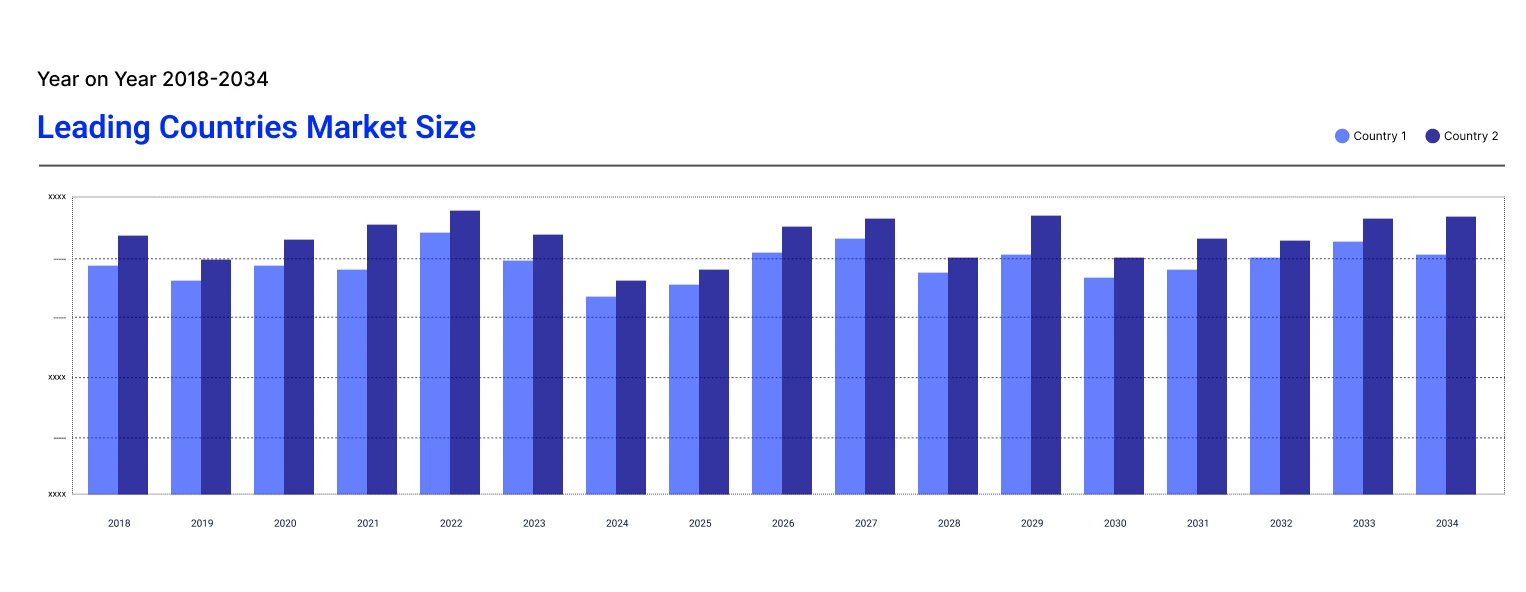
The dominance of the North America photo editing software market is sustained by the region’s tech-savvy consumer base, mature SaaS ecosystem, and strong digital media culture. Major firms like Adobe, Canva, and Skylum drive innovation from the United States, supported by venture capital and government-funded creator programs. Integration of AI into editing tools has been rapidly adopted here. Cloud-first models, ethical editing add-ons, and influencer-centric platforms have gained traction, particularly in metropolitan content hubs like LA, Austin, and Toronto, consolidating North America’s dominant position.
| CAGR 2026-2035 - Market by | Country |
| India | 10.8% |
| China | 9.1% |
| USA | 7.3% |
| Germany | 6.8% |
| Australia | 6.4% |
| Canada | XX% |
| UK | XX% |
| France | XX% |
| Italy | 5.8% |
| Japan | XX% |
| Saudi Arabia | XX% |
| Brazil | XX% |
| Mexico | XX% |
Asia Pacific has emerged to be the fastest-growing photo editing software market due to booming smartphone adoption, creator economy momentum, and public sector digitalisation. India, South Korea, and Indonesia have witnessed sharp surge in demand, led by regional startups offering freemium pricing and vernacular UI. Japan’s METI, for example, funds SMEs developing photo AI plug-ins for telemedicine and design training. Meanwhile, Indian SaaS companies are embedding editing functions into broader content and marketplace platforms. Government skill programmes and local app marketplaces are accelerating software penetration even in Tier-2 and Tier-3 cities. The regional market thrives on localisation, affordability, and creator-first UX design.
The photo editing software players are focusing on AI-first design tools, cross-device editing continuity, and subscription flexibility. Adobe’s recent integration of Firefly AI across its product line has redefined industry benchmarks. Meanwhile, startups like PhotoRoom and Designify focus on niche workflows like background removal for ecommerce. Platforms that embed ethical editing layers or support region-specific use cases, such as vernacular text overlays or low-data modes, are gaining edge in emerging markets. White-label SaaS editing APIs are also rising, allowing brands to integrate editing directly into their services.
Photo editing software companies investing in open-source collaboration, voice editing controls, and deep learning watermarking are better positioned for growth during the forecast period. Trends like AI automation, no-code UI, ethical editing, industry-specific tools, and cloud-native collaboration define current innovation. As AI democratises access, brand trust, continuous updates, and UX innovation are expected to pose as key differntiators.
Corel Corporation, headquartered in Ottawa, Canada, and established in 1985, is one of the largest software companies in the world. Some of its prominent brands include Corel Painter, CorelDRAW Graphics Suite, Corel Paint Shop Pro Photo, Corel DESIGNER Technical Suite, WinZip, Corel VideoStudio, Corel WordPerfect Office, and Corel WinDVD. The company boasts 100 million active users in more than 75 countries.
Cyberlink Corporation, founded in 1996, is a leading multimedia software and AI face recognition technology. Headquartered in Taipei, Taiwan, the company addresses the evolving demands of businesses, consumers, and educators through its range of solutions covering multimedia playback, digital content creation, live casting, and video conferencing.
DXOMARK Image Labs SAS, headquartered in Billancourt, France, and founded in 2003, is a prominent technology company. The company has well-established roots in image-quality evaluation and aims to innovate and develop new solutions that meet the evolving needs of customers.
ACD Systems International, Inc., founded in 1990 and headquartered in Victoria, Canada, is one of the leading digital image editing and management companies in the world. Its product portfolio includes ACDSee Professional, ACDSee Photo Editor, Canvas X technical illustration software, and ACDSee Photo Studio for Mac photo editing and management solutions, serving individual customers, SMEs, educational institutions, corporations, and government agencies.
*Please note that this is only a partial list; the complete list of key players is available in the full report. Additionally, the list of key players can be customized to better suit your needs.*
Other key players in the market are Adobe Systems Software Ltd., Serif Ltd., ON1, Inc., Macphun, Magix, and Zoner, Inc., among others.
Explore the latest trends shaping the Photo Editing Software Market 2026-2035 with our in-depth report. Gain strategic insights, future forecasts, and key market developments that can help you stay competitive. Download a free sample report or contact our team for customized consultation on Photo Editing Software Market trends 2026.


Upto 15% Off
USD
$2499 $2249
$3999 $3599
$4999 $4249
$5999 $5099


*While we strive to always give you current and accurate information, the numbers depicted on the website are indicative and may differ from the actual numbers in the main report. At Expert Market Research, we aim to bring you the latest insights and trends in the market. Using our analyses and forecasts, stakeholders can understand the market dynamics, navigate challenges, and capitalize on opportunities to make data-driven strategic decisions.*
Get in touch with us for a customized solution tailored to your unique requirements and save upto 35%!
The market is projected to grow at a CAGR of 8.20% between 2026 and 2035.
The market is estimated to witness healthy growth in the forecast period of 2026-2035 to reach a value of around USD 101.96 Billion by 2035.
Key strategies driving the market include localising interfaces, bundling AI ethics, developing APIs, partnering with regional creators, and prioritising mobile UX for rapid market adaptation.
The increased adoption of AR technology in photo editing software is expected to be a key trend guiding the growth of the market.
The major regions in the market are North America, Latin America, the Middle East and Africa, Europe, and the Asia Pacific.
The different components of photo editing software are entry-level, prosumer level, and professional level.
The different applications of photo editing software are individual and commercial, among others.
The leading players in the market are Adobe Systems Software Ltd., Serif Ltd., Corel Corporation, Cyberlink Corporation, ACD Systems International, Inc., DXOMARK Image Labs SAS, ON1, Inc., Macphun, Magix, and Zoner, Inc., among others.
In 2025, the photo editing software market reached an approximate value of USD 46.36 Billion.
The key challenges are data privacy, IP protection, and deepfake misuse plague the market, demanding regulatory compliance and responsible AI integration.
Explore our key highlights of the report and gain a concise overview of key findings, trends, and actionable insights that will empower your strategic decisions.
| REPORT FEATURES | DETAILS |
| Base Year | 2025 |
| Historical Period | 2019-2025 |
| Forecast Period | 2026-2035 |
| Scope of the Report |
Historical and Forecast Trends, Industry Drivers and Constraints, Historical and Forecast Market Analysis by Segment:
|
| Breakup by Component |
|
| Breakup by Application |
|
| Breakup by Region |
|
| Market Dynamics |
|
| Competitive Landscape |
|
| Companies Covered |
|
| Report Price and Purchase Option | Explore our purchase options that are best suited to your resources and industry needs. |
| Delivery Format | Delivered as an attached PDF and Excel through email, with an option of receiving an editable PPT, according to the purchase option. |
Datasheet
One User
USD 2,499
USD 2,249
tax inclusive*
Single User License
One User
USD 3,999
USD 3,599
tax inclusive*
Five User License
Five User
USD 4,999
USD 4,249
tax inclusive*
Corporate License
Unlimited Users
USD 5,999
USD 5,099
tax inclusive*
*Please note that the prices mentioned below are starting prices for each bundle type. Kindly contact our team for further details.*
Flash Bundle
Small Business Bundle
Growth Bundle
Enterprise Bundle
*Please note that the prices mentioned below are starting prices for each bundle type. Kindly contact our team for further details.*
Flash Bundle
Number of Reports: 3
20%
tax inclusive*
Small Business Bundle
Number of Reports: 5
25%
tax inclusive*
Growth Bundle
Number of Reports: 8
30%
tax inclusive*
Enterprise Bundle
Number of Reports: 10
35%
tax inclusive*
How To Order

Select License Type
Choose the right license for your needs and access rights.

Click on ‘Buy Now’
Add the report to your cart with one click and proceed to register.

Select Mode of Payment
Choose a payment option for a secure checkout. You will be redirected accordingly.
Gain insights to stay ahead and seize opportunities.

Get insights & trends for a competitive edge.

Track prices with detailed trend reports.

Analyse trade data for supply chain insights.

Leverage cost reports for smart savings

Enhance supply chain with partnerships.

Connect For More Information
Our expert team of analysts will offer full support and resolve any queries regarding the report, before and after the purchase.
Our expert team of analysts will offer full support and resolve any queries regarding the report, before and after the purchase.
We employ meticulous research methods, blending advanced analytics and expert insights to deliver accurate, actionable industry intelligence, staying ahead of competitors.
Our skilled analysts offer unparalleled competitive advantage with detailed insights on current and emerging markets, ensuring your strategic edge.
We offer an in-depth yet simplified presentation of industry insights and analysis to meet your specific requirements effectively.





Share