

Consumer Insights
Uncover trends and behaviors shaping consumer choices today
Procurement Insights
Optimize your sourcing strategy with key market data
Industry Stats
Stay ahead with the latest trends and market analysis.
The global preservatives market reached USD 4.31 Billion in 2025. The market is expected to grow at a CAGR of 5.20% between 2026 and 2035, reaching almost USD 7.16 Billion by 2035.
Compound Annual Growth Rate
5.2%
Value in USD Billion
2026-2035
| Global Preservatives Market Report Summary | Description | Value |
| Base Year | USD Billion | 2025 |
| Historical Period | USD Billion | 2019-2025 |
| Forecast Period | USD Billion | 2026-2035 |
| Market Size 2025 | USD Billion | 4.31 |
| Market Size 2035 | USD Billion | 7.16 |
| CAGR 2019-2025 | Percentage | XX% |
| CAGR 2026-2035 | Percentage | 5.20% |
| CAGR 2026-2035 - Market by Region | Asia Pacific | 6.0% |
| CAGR 2026-2035 - Market by Country | India | 6.9% |
| CAGR 2026-2035 - Market by Country | China | 5.7% |
| CAGR 2026-2035 - Market by Source | Natural | 6.1% |
| CAGR 2026-2035 - Market by End Use | Food and Beverages | 5.9% |
| Market Share by Country 2025 | Germany | 4.7% |
Increasing demand for natural food preservatives is driving the global food preservatives market growth. Preservatives are extensively utilised by the food and beverage industry for preventing antimicrobial/ fungal action and maintaining optimal food quality, pushing the preservatives demand growth. Moreover, food preservatives help minimise the volume of food waste by extending the shelf life of the product. Various scientific reports have demonstrated that nisin protein produced by transgenic (genetically modified) carrots can also be utilised as a natural food preservative in fruit juices.
The U.S. Food and Drug Administration initiated a comprehensive review of butylated hydroxyanisole (BHA), a synthetic antioxidant preservative used in processed foods. The review forms part of the FDA’s broader reassessment of long-standing food additives and reflects increasing scrutiny of the safety and transparency of conventional preservatives. BHA has historically been used to slow oxidation and extend the shelf life of products including cereals, frozen foods, and certain meat products. The regulatory development could encourage food manufacturers to reassess preservative formulations and accelerate interest in alternative antioxidant systems, particularly natural or clean-label solutions that can deliver comparable shelf-life and stability performance.
iD Fresh Food launched new transparent packaging as part of its annual TransparenSee initiative on World Idli Day. The campaign promoted clean, fresh, and preservative-free food while encouraging greater transparency within the packaged-food industry. The company also opened its batter facility to nutrition and food professionals to highlight its production approach. The initiative illustrates the growing commercial emphasis on communicating the absence of conventional preservatives to consumers. For preservative manufacturers, such developments demonstrate the importance of developing preservation systems that can satisfy shelf-life requirements while supporting clean-label positioning and consumer demand for simpler ingredient declarations.
Galactic launched Galimax Flavor V-100 Pearls, a free-flowing, low-dust granulated vinegar preservation solution designed for food manufacturing. The fermentation-derived ingredient provides antimicrobial preservation while offering improved handling compared with conventional powdered vinegar. The pearl format was developed to reduce dust-related production challenges and improve formulation convenience while maintaining antimicrobial effectiveness and a mild sensory profile. The launch demonstrates how preservative suppliers are moving beyond simply developing new active ingredients and are also improving ingredient formats to enhance manufacturing efficiency. It reflects opportunities for fermentation-derived and vinegar-based preservation systems in food applications seeking effective antimicrobial protection with cleaner-label positioning, thus boosting the preservatives market growth.
Kerry showcased its food-protection and preservation technologies at IFT FIRST 2026 in Chicago. The company highlighted clean-label preservation, freshness optimisation, mold inhibition, predictive modelling, and AI-enabled tools for addressing food-safety and shelf-life challenges. Kerry also presented technical insights into natural preservatives and the regulatory considerations influencing their adoption. The development demonstrates the industry's movement toward multifunctional preservation systems that can deliver microbial control and shelf-life extension while meeting changing consumer and regulatory expectations. It also highlights how digital formulation and predictive technologies are increasingly being combined with preservative expertise to help food manufacturers optimize preservation strategies.
The increasing trend in reformulation of food products by manufacturers to minimize their dependence on traditional synthetic preservatives due to consumer scrutiny of ingredients and preference for more recognizable ones is driving the use of vinegar, cultured ingredients, fermented ingredients, botanical extracts and organic acid systems that may be used for microbial protection along with clean label formulation. Ready to eat products from Fudcy Foods that do not contain any preservatives and were introduced through ICAR-CIFT in January 2026 are a good example of how processing can help achieve shelf stability without traditional preservatives. This development is compelling preservative manufacturers to come up with formulations that offer both antimicrobial efficacy and ease of labeling among others.
Food manufacturers have started integrating preservation techniques with formulation approaches in order to increase the shelf life of the product without resorting to preservatives. Retort technology, high pressure processing, aseptic processing, modified atmosphere packaging, and advanced cold chain technology will help in controlling the growth of microorganisms without necessarily having to rely on chemical preservation. An example of preservative-free shelf stable ready to eat foods being produced by Fudcy Foods serves as an illustration, albeit not only for this purpose. It means that there is pressure on preservatives suppliers to prove their worth in terms of technology and provide additional services along with modern processing techniques, thus shaping new trends in the preservatives market.
Ingredient transparency is increasingly affecting how food manufacturers evaluate preservatives, with companies seeking ingredients that consumers can readily understand and accept. This is encouraging reformulation toward familiar names and naturally derived preservation systems while also increasing attention to how additives appear on packaging. Nestlé’s 2026 discussions with U.S. authorities regarding simpler ingredient terminology illustrate the growing importance of consumer understanding around technical ingredient names. For preservative manufacturers, the trend extends beyond developing new ingredients: suppliers increasingly need to provide clear documentation concerning source, function, safety, regulatory status, and labelling. Preservation solutions that deliver technical performance while fitting simplified ingredient narratives are consequently becoming more commercially attractive.
The use of plant-based antimicrobial substances as possible substitutes or additions to artificial preservatives has become a growing area of interest among researchers. The possibility of inhibiting bacteria, yeasts, and fungi through plant-based antimicrobial compounds extracted from herbs, spices, fruits, seeds, essential oils, and other botanical sources is under investigation. As stated in the article published in 2026 in Foods, the use of plant-derived antimicrobial compounds as emerging preservatives against artificial food preservatives is one of the areas of scientific interest. However, further use of such antimicrobial compounds will be possible if the issues related to dosages, effect on flavor, stability, approval by regulators, and quality of natural raw materials are solved. This trend is encouraging preservative suppliers to invest in extraction technologies, encapsulation, combination systems, and formulation techniques that improve the practical performance of plant-based antimicrobials, thus bolstering the preservatives demand.
Preservative development is increasingly moving away from one-size-fits-all ingredients toward application-specific systems designed around individual food matrices and processing conditions. Manufacturers require different preservation strategies depending on moisture content, pH, water activity, packaging format, processing temperature, and expected distribution period. Front-of-pack claims such as “no preservatives” appearing on selected packaged foods in India during 2026 illustrate the formulation pressure facing food companies. Suppliers are therefore increasingly expected to provide customised blends rather than standalone compounds, combining antimicrobial, antioxidant, and shelf-life functions. This supports demand for technical formulation services, predictive microbiology, challenge testing, and preservation systems tailored to bakery, dairy, beverages, sauces, meat alternatives, and convenience foods.
Some of the key trends dominating the global preservatives market include the increasing demand for natural and organic preservatives from health-conscious consumers. Similarly, a greater emphasis is put on extending shelf-life quality and improving food safety since foodborne illness has begun to record a rise recently. The technological advances being made in preservative formulations and packaging drive innovative and efficient solutions, bolstering the preservatives industry growth. Besides this, regulatory pressures and the switch toward greener and more eco-friendly ingredients are shaping the market dynamics in such a way that firms are being compelled to switch over to greener alternatives and adhere to increased regulation.
Food and Beverage and Cosmetic Industries Propel the Demand for Preservatives in Global Market
It is expected that increased capacities in the food and beverages and cosmetics industries will support the global demand for preservatives.
Increased demand is also witnessed through the rise of e-commerce and online retailing, which is highly associated with extending shelf life and preservatives for the safe delivery of products. For the period between 2018 and 2025, huge growth was realized in the global e-commerce food and beverage markets, which has reflected major shifts in consumer behavior and changing market dynamics. Revenue in the food industry rose from USD 90.4 in 2018 to roughly USD 513.3 billion in 2025. The highest growth was in the year 2020, with a YoY growth of 51.6%, with revenues of USD 167.7 billion; this meteoric growth was driven by the COVID-19 pandemic, which accelerated what had started out as a slow but sure trend towards online shopping, considering most consumers were looking for an easier and safe way to get food amid the danger of this pandemic. The market has since posted continuous growth, which has now seen it rise to USD 274.1 billion US in 2022 finally, to reach USD 333.6 billion in 2023, USD 411.2 billion in 2024, and USD 513.3 billion in 2025. The fact growth has sustained means, increasingly, the change to e-commerce is becoming a permanent feature in consumer purchase behavior. This becomes a rising trend of the preservatives market globally.
This was estimated at least equal growth in the beverage market, rising from USD 90.5 billion in 2018 with the potential to reach around USD 343.6 billion by the year 2025. In the year 2020, the market indeed grew considerably, at a rate of 39.3% year-on-year, and it valued USD 154.1 billion. After this pandemic-driven surge, it continued to grow at a constant rate in the next years: revenues will hit USD 206.9 billion in 2021, USD 232.2 billion in 2022, and keep rising to USD 262.4 billion in 2023, USD 299.0 billion in 2024, and USD 343.6 billion in 2025. Steady increases indicate that consumers were consistently driven to purchasing beverages online by convenience and variety available through e-commerce platforms.
In the cosmetic industry, preservatives are used to minimize bacteria, fungus, and molds, such as others. For 2022, the regional gap of the production value was significant for the global cosmetic industry. The USA possessed the highest value of USD 102.2 billion, followed by Europe- the EU-27, Norway, Switzerland, and the United Kingdom USD 92.7 billion, a compelling presence in the cosmetic industry as a whole. Within Europe, the EU-27 alone contributed USD 78 billion, reflecting the region's strong manufacturing capabilities, high-quality standards, and established brands. China's production value in the industry is at USD 74.8 billion. Japan and Brazil follow, with market values of USD 28.5 billion and USD 24.2 billion respectively. Market values of INR 14.8 billion and INR 11.6 billion for India and South Korea, respectively, are recorded as fast-growing markets with huge potentials.
“Global Preservatives Market Report and Forecast 2026-2035” offers a detailed analysis of the market based on the following segments:
Market Breakup by Source
Market Breakup by Function
Market Breakup by End Use
Market Breakup by Region
Natural Preservatives Will Spur Growth In The Market Due To Healthier And Organic Products
As per preservatives industry analysis, the segment of natural preservatives is likely to grow in the direction of increasing demand for cleaner and healthier products and growing awareness about health problems arising from synthetic additives. Natural preservatives derived from plant extracts and essential oils fall totally within the trend toward organic and natural foods. Besides the benefits that entice consumers, such as lower allergens and a perceived better safety/eco-profile, the manufacturers are also inclined toward health/sustainability.
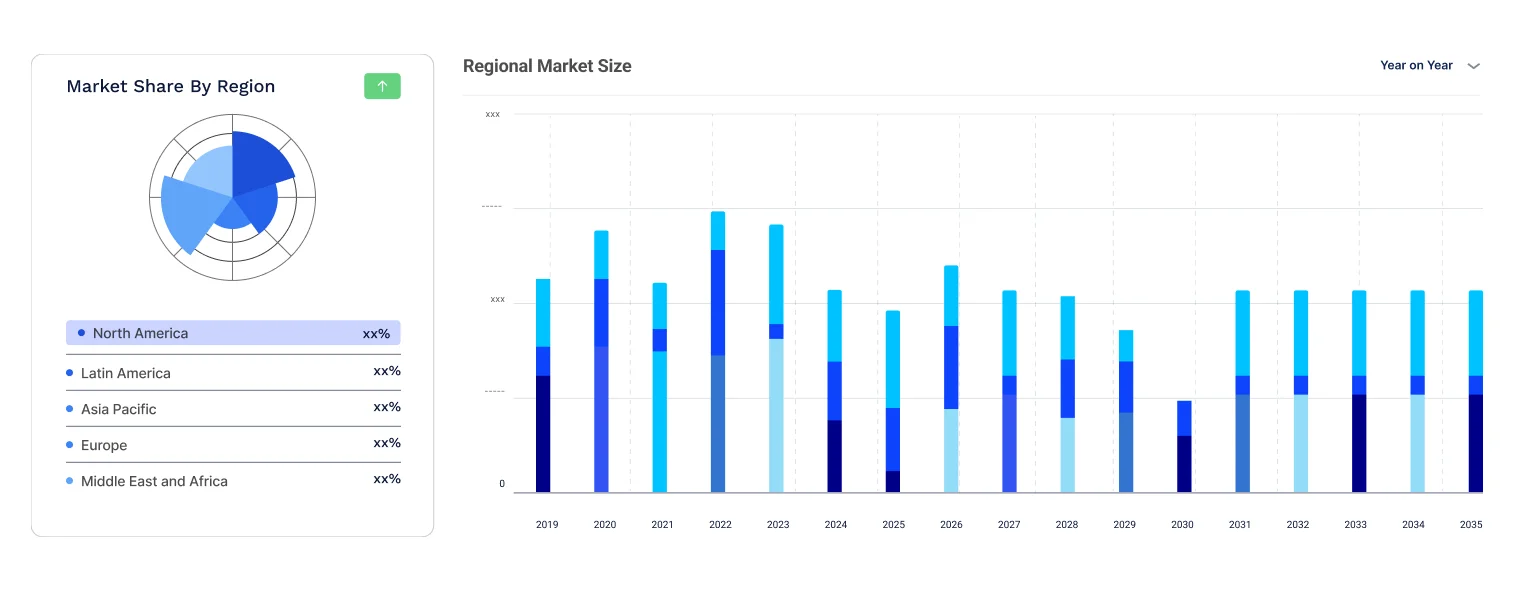
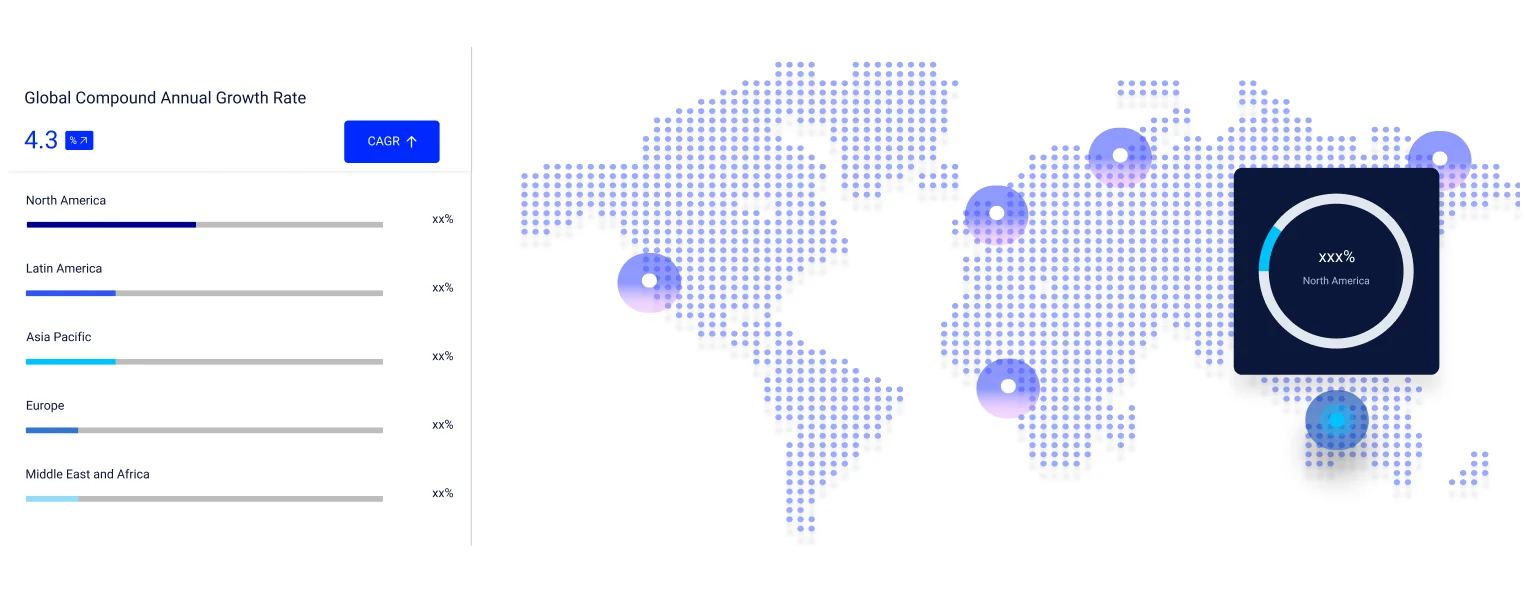
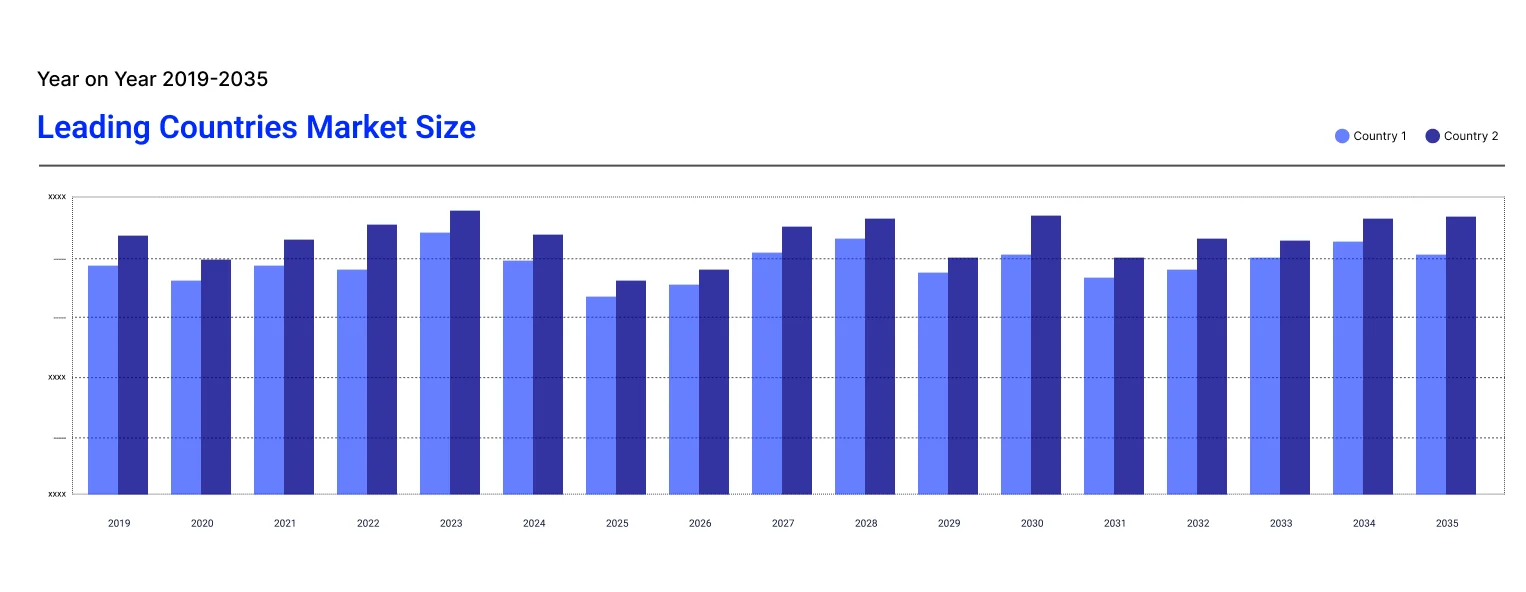
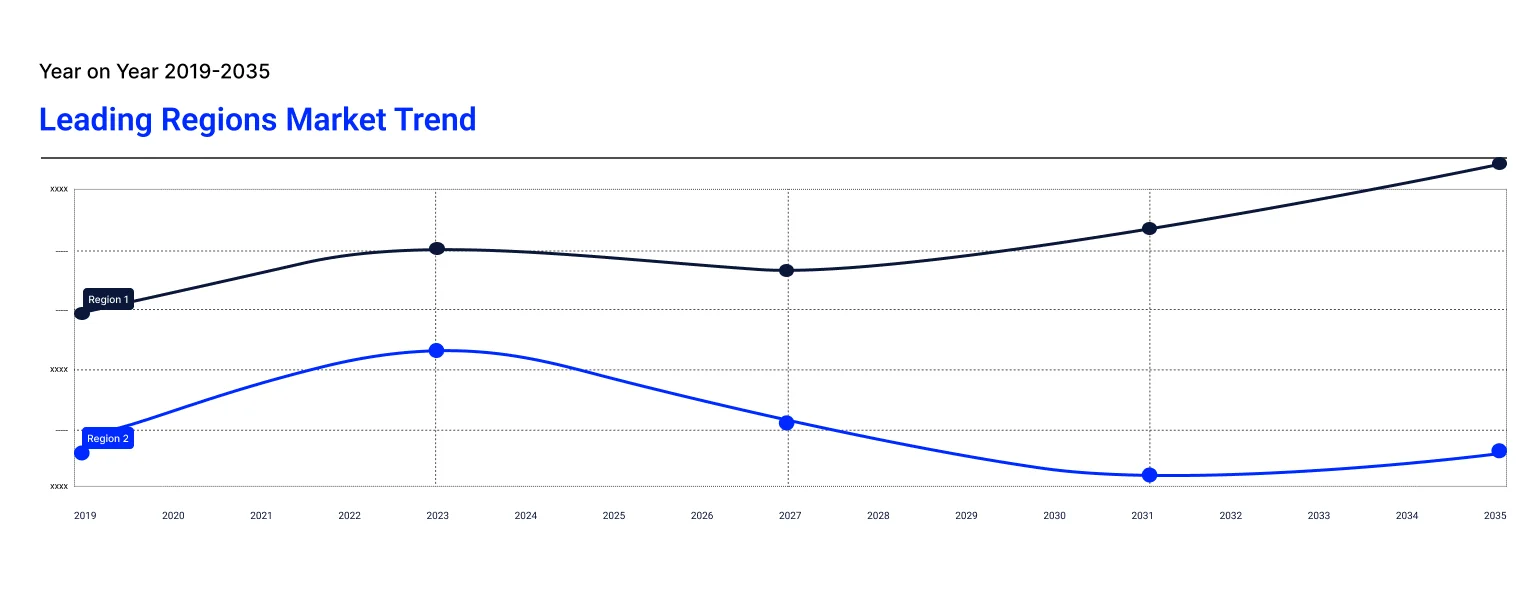
With rapid economic growth, mounting urbanization, and an expanding middle-class population leading to increased intake of food and demand for packaged goods, more momentum for preservatives is likely to be found in the market of the Asia-Pacific region. In addition, increased awareness relating to the safety of food and extended shelf life benefits is pushing up the adoption of preservatives. The increasing food and beverage industries, coupled with technological advancements in food processing within the region, further underpin increased usage of both natural and synthetic preservatives while meeting consumer needs and standards prescribed by regulating authorities. Factors as these will enhance the preservatives industry in Asia Pacific.
| CAGR 2026-2035 - Market by | Country |
| India | 6.9% |
| China | 5.7% |
| USA | 4.6% |
| France | 4.1% |
| Italy | 3.6% |
| Canada | XX% |
| UK | XX% |
| Germany | XX% |
| Japan | 3.6% |
| Australia | XX% |
| Saudi Arabia | XX% |
| Brazil | XX% |
| Mexico | XX% |
Key preservatives market players are engaged in scaling up their production capacities to meet the increasing demand for preservatives. Various mergers and acquisitions occurring in the global preservatives industry indicate a thriving future for the market over the forecast period.
Ashland Inc., founded in 1924 and is headquartered in Wilmington, Delaware, provides a range of preservatives that include Vancide and Vansil series of products used in extending shelf life and microbial protection in personal care applications, as well as food applications.
Lonza Group Ltd., headquartered in Basel, Switzerland, Lonza Group Ltd. was founded in 1897, offers preservatives Proxel and Lonza antimicrobial solutions. Preservatives also help prevent food and beverage spoilage, while some preservatives are used to extend the food products' life span.
Clariant AG, an independent, Swiss-based specialty chemical company headquartered in Muttenz, Switzerland and founded in 1995, is also one of the companies providing preservatives such as the Lonzabac and Actipron series for personal care and food products. The products are designed to protect these products against microbial attack and prolong their freshness to meet customer and regulatory requirements.
*Please note that this is only a partial list; the complete list of key players is available in the full report. Additionally, the list of key players can be customized to better suit your needs.*
Other key market players in the global preservatives market report are BASF SE, Lanxess AG, Kerry Group plc, Corbion NV, Eastman Chemical Company, Symrise AG, and Givaudan SA, among others.


Upto 15% Off
USD
$2499 $2249
$3999 $3599
$4999 $4249
$5999 $5099


*While we strive to always give you current and accurate information, the numbers depicted on the website are indicative and may differ from the actual numbers in the main report. At Expert Market Research, we aim to bring you the latest insights and trends in the market. Using our analyses and forecasts, stakeholders can understand the market dynamics, navigate challenges, and capitalize on opportunities to make data-driven strategic decisions.*
The preservatives industry was valued at nearly USD 4.31 Billion in 2025.
The market is projected to grow at a CAGR of 5.20% between 2026 and 2035.
The market is assessed to witness a healthy growth in the forecast period to reach around USD 7.16 Billion in 2035.
The major sources of preservatives are natural and synthetic.
The different functions of preservatives are antioxidants and antimicrobials.
The major end uses of preservatives include cosmetics, food and beverages, pharmaceuticals, and detergents, among others.
The major regions in the market are North America, Europe, the Asia Pacific, Latin America, and the Middle East and Africa.
The key market players are Ashland Inc., Lonza Group Ltd., Clariant AG, BASF SE, Lanxess AG, Kerry Group plc, Corbion NV, Eastman Chemical Company, Symrise AG, and Givaudan SA, among others.
Explore our key highlights of the report and gain a concise overview of key findings, trends, and actionable insights that will empower your strategic decisions.
| REPORT FEATURES | DETAILS |
| Base Year | 2025 |
| Historical Period | 2019-2025 |
| Forecast Period | 2026-2035 |
| Scope of the Report |
Historical and Forecast Trends, Industry Drivers and Constraints, Historical and Forecast Market Analysis by Segment:
|
| Breakup by Source |
|
| Breakup by Function |
|
| Breakup by End Use |
|
| Breakup by Region |
|
| Market Dynamics |
|
| Competitive Landscape |
|
| Companies Covered |
|
Datasheet
One User
USD 2,499
USD 2,249
tax inclusive*
Single User License
One User
USD 3,999
USD 3,599
tax inclusive*
Five User License
Five User
USD 4,999
USD 4,249
tax inclusive*
Corporate License
Unlimited Users
USD 5,999
USD 5,099
tax inclusive*
*Please note that the prices mentioned below are starting prices for each bundle type. Kindly contact our team for further details.*
Flash Bundle
Small Business Bundle
Growth Bundle
Enterprise Bundle
*Please note that the prices mentioned below are starting prices for each bundle type. Kindly contact our team for further details.*
Flash Bundle
Number of Reports: 3
20%
tax inclusive*
Small Business Bundle
Number of Reports: 5
25%
tax inclusive*
Growth Bundle
Number of Reports: 8
30%
tax inclusive*
Enterprise Bundle
Number of Reports: 10
35%
tax inclusive*
How To Order

Select License Type
Choose the right license for your needs and access rights.

Click on ‘Buy Now’
Add the report to your cart with one click and proceed to register.

Select Mode of Payment
Choose a payment option for a secure checkout. You will be redirected accordingly.
Strategic Solutions for Informed Decision-Making
Gain insights to stay ahead and seize opportunities.

Get insights & trends for a competitive edge.

Track prices with detailed trend reports.

Analyse trade data for supply chain insights.

Leverage cost reports for smart savings

Enhance supply chain with partnerships.

Connect For More Information
Our expert team of analysts will offer full support and resolve any queries regarding the report, before and after the purchase.
Our expert team of analysts will offer full support and resolve any queries regarding the report, before and after the purchase.
We employ meticulous research methods, blending advanced analytics and expert insights to deliver accurate, actionable industry intelligence, staying ahead of competitors.
Our skilled analysts offer unparalleled competitive advantage with detailed insights on current and emerging markets, ensuring your strategic edge.
We offer an in-depth yet simplified presentation of industry insights and analysis to meet your specific requirements effectively.




