

Consumer Insights
Uncover trends and behaviors shaping consumer choices today
Procurement Insights
Optimize your sourcing strategy with key market data
Industry Stats
Stay ahead with the latest trends and market analysis.
The global propane market reached a volume of 203.06 MMT in 2025. The market is expected to grow at a CAGR of 4.40% during the forecast period of 2026-2035 to attain a volume of 312.34 MMT by 2035. Growing demand for cleaner-burning fuels, increasing residential and commercial heating applications, and expanding use of propane in petrochemical production and transportation are the major factors that are propelling growth in the market. Energy companies are investing in storage infrastructure, export terminals, and supply chain optimization to improve distribution efficiency and meet growing global demand.
Compound Annual Growth Rate
4.4%
Value in MMT
2026-2035
Read more about this report - REQUEST FREE SAMPLE COPY IN PDF
| Global Propane Market Report Summary | Description | Value |
| Base Year | MMT | 2025 |
| Historical period | MMT | 2019-2025 |
| Forecast Period | MMT | 2026-2035 |
| Market Size 2025 | MMT | 203.06 |
| Market Size 2035 | MMT | 312.34 |
| CAGR 2019-2025 | Percentage | XX% |
| CAGR 2026-2035 | Percentage | 4.40% |
| CAGR 2026-2035 - Market by Region | Europe | 4.4% |
| CAGR 2026-2035 - Market by Country | India | 5.5% |
| CAGR 2026-2035 - Market by Country | Mexico | 4.9% |
| CAGR 2026-2035 - Market by End Use Industry | Commercial | 4.3% |
| Market Share by Country | India | 3.9% |
BPCL rolled out Bharatgas Lite ZIP with instant LPG connections, express doorstep delivery, and lightweight composite cylinders, thus increasing the availability of propane and making it convenient for customers. Propane market players can therefore form partnerships with quick-commerce sites and use lightweight composite cylinders for faster customer acquisition and better last-mile delivery.
HPCL launched HP Navya composite LPG cylinders via Instamart. Thus, customers could order propane deliveries at any time without being dependent on existing LPG connections. Propane companies can increase the consumption of propane by using e-commerce and quick-commerce partnerships.
Clariant introduced the CATOFIN 1000 propane dehydrogenation catalyst, delivering higher propylene yields, longer catalyst life, and improved operational efficiency for propane-based petrochemical facilities. Technology providers can invest in advanced catalyst innovations to improve plant productivity, lower operating costs, and support sustainable petrochemical manufacturing, following such trends in the propane market.
Renewable propane continues to serve as a major growth opportunity as refineries look at ways to add renewable fuels to their portfolio, and industries strive towards meeting their emissions targets. Many firms in the propane market are combining renewable propane production plants with renewable diesel and sustainable aviation fuel facilities. For instance, Neste is currently producing renewable propane as part of its renewable fuel production process in order to provide lower carbon fuels for clients who want renewable propane without upgrading their current systems. On the other hand, in June 2026, Suburban Propane powered off-grid EV charging using renewable propane during NASCAR weekend, demonstrating flexible, lower-carbon mobile energy solutions. The United States EPA RFS is also helping with the production of renewable fuels by providing renewable identification numbers.
The rise in demand in the propane market comes from an expansion of propane dehydrogenation (PDH) plants, which is done by petrochemical producers to increase their local propylene production in order to produce plastic, automotive parts, and packaging materials. Firms are keen on building integrated hubs that will ensure reduced dependency on foreign feedstock supplies while increasing supply chain security. In April 2024, Clariant launched CATOFIN 312 catalyst, improving propane dehydrogenation efficiency, selectivity, catalyst lifespan, and propylene production profitability. Similarly, Enterprise Products Partners is currently looking at ways to expand their PDH capacity along the United States Gulf Coast due to the rising demand for polypropylene products from manufacturers.
The advent of new technologies is being seen in the form of digitalization of propane distribution by making use of Internet-of-Things based cylinder tracking, remote tank monitoring, and predictive delivery scheduling, redefining the propane market dynamics and trends. The smart inventory system allows the distributors to reduce the need for emergency delivery, fleet routing, product losses, and increased customer satisfaction of industrial and commercial consumers. For instance, SHV Energy is using digital monitoring technologies for several markets to enhance their efficiency in terms of supply and asset management. Similarly, in June 2026, Ragasco expanded Linktra Smart Cylinder portfolio with new sizes and digital packages, enhancing connected LPG monitoring and distributor efficiency.
Industrial equipment manufacturers are developing advanced propane-fueled engines and industrial equipment with low emission levels compared to diesel fueled equipment, accelerating the propane market value. In the industrial and commercial sector, an increasing number of warehousing, agricultural, and construction companies are adopting propane fueled forklift trucks, engines for irrigations, and mobile generators to comply with environmental regulations. For example, ROUSH CleanTech is offering expanded commercial vehicles and engines powered by propane fuel. On the other hand, in May 2026, Stanadyne Showcased Production-Ready Propane Direct Injection Technology, enabling high-performance, low-emission commercial vehicles with improved fuel efficiency. The California Air Resources Board (CARB) also promotes cleaner equipment and alternative fuels for off-road vehicles.
The governments and energy providers are focusing on developing propane storage terminals, importing facilities, and distributing cylinders to enhance energy access and increase fuel security. Development of infrastructure allows energy providers to serve industrial clients, off-grid populations, and production plants during uncertainty in energy markets. For instance, Indian Oil Corporation is further developing its LPG storage and distribution infrastructure to enhance national fuel access and optimize logistics operations, creating new propane market opportunities. The Indian program, Pradhan Mantri Ujjwala Yojana (PMUY), is also increasing LPG access through millions of household connections and encouraging further investments into storage, logistics, and propane distribution infrastructure. In April 2026, PNGRB announced INR 12,500 crore LPG pipeline expansion plan, strengthening propane logistics, safety, supply efficiency, and nationwide infrastructure connectivity.
The EMR’s report titled “Global Propane Market Report and Forecast 2026-2035” offers a detailed analysis of the market based on the following segments:
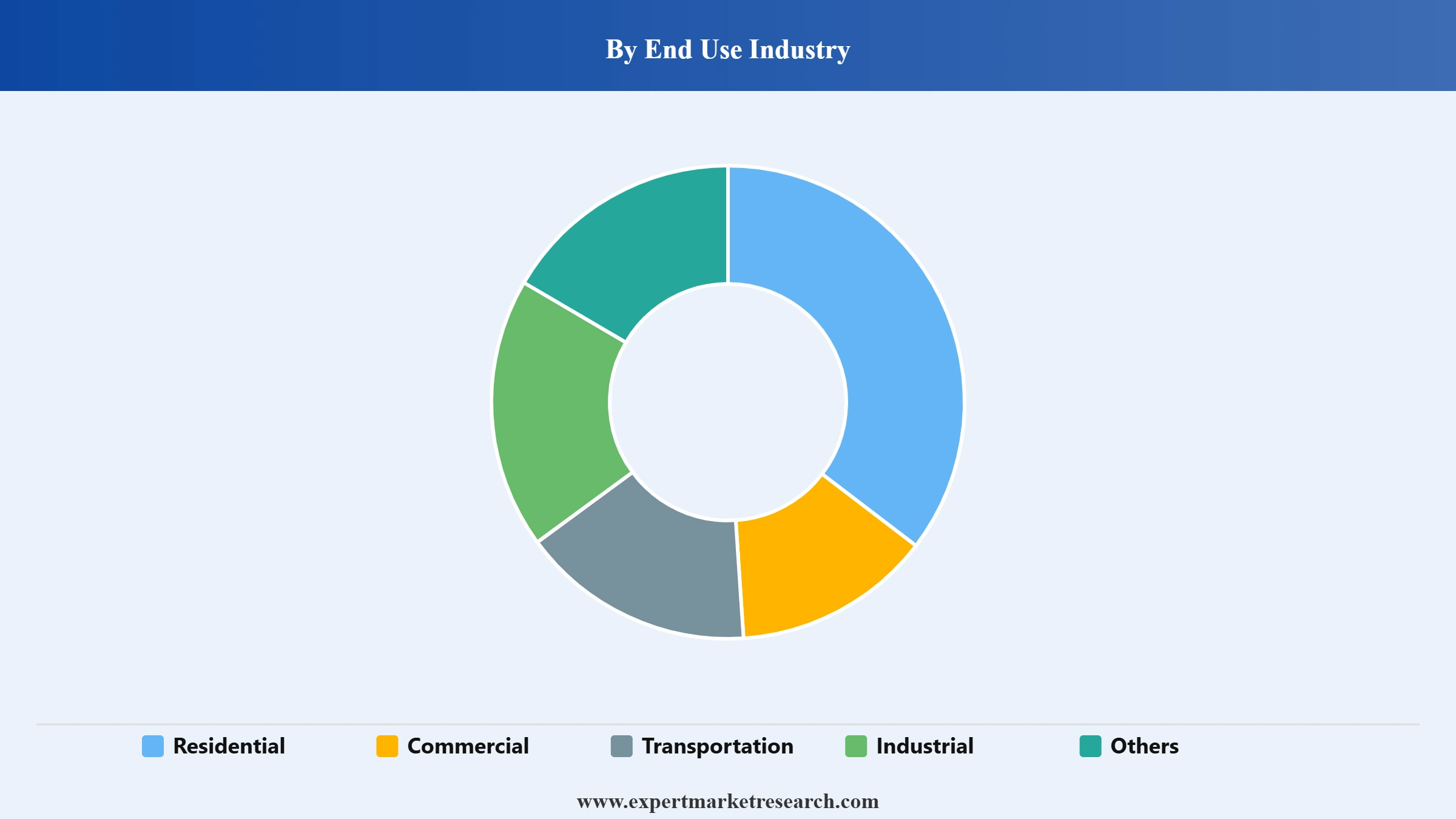
Market Breakup by End Use Industry
Key Insight: The propane market provides services to various end-user industries which have different motivating factors behind their demand. The industrial sector emerges to be the largest one due to its widespread usage in the production of goods, petrochemical processing, and industrial heating. The transportation sector is growing at a fast pace as firms look for economic fuels for their fleets with low emissions. The residential sector demands propane on account of its application in heating, cooking, and as an emergency source of energy in regions which do not have access to natural gas.
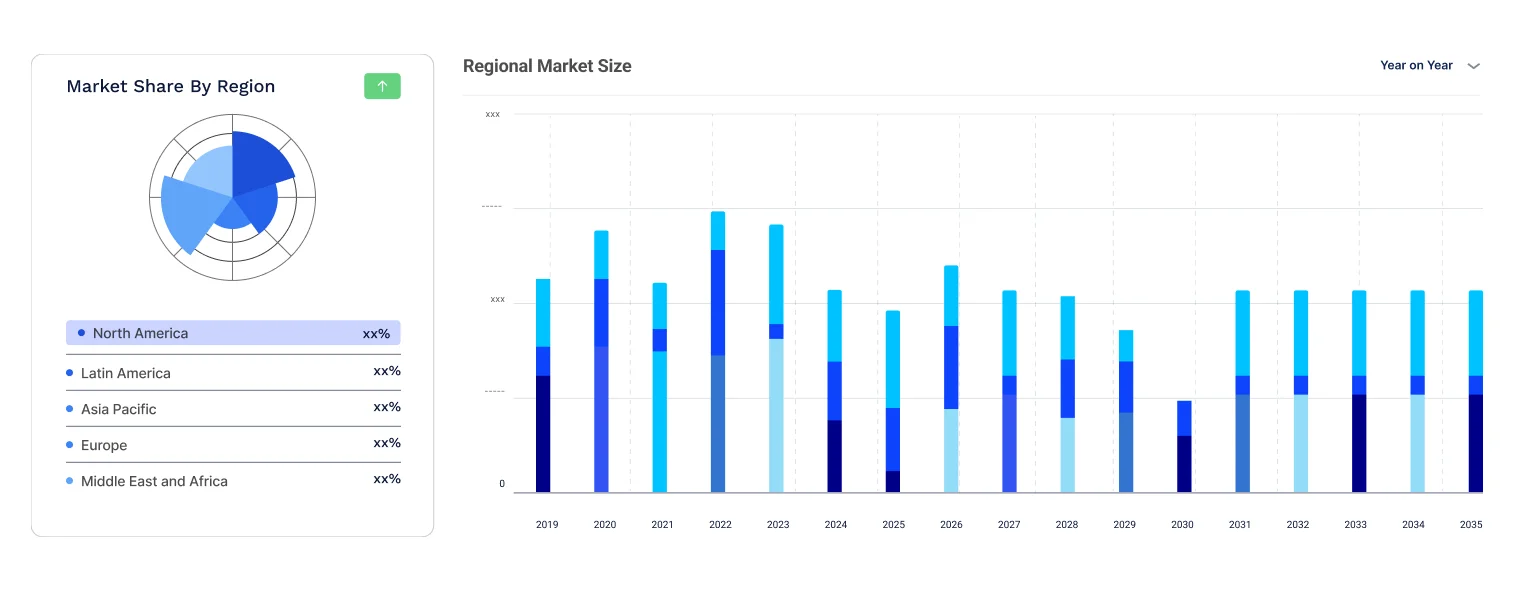
Market Breakup by Region
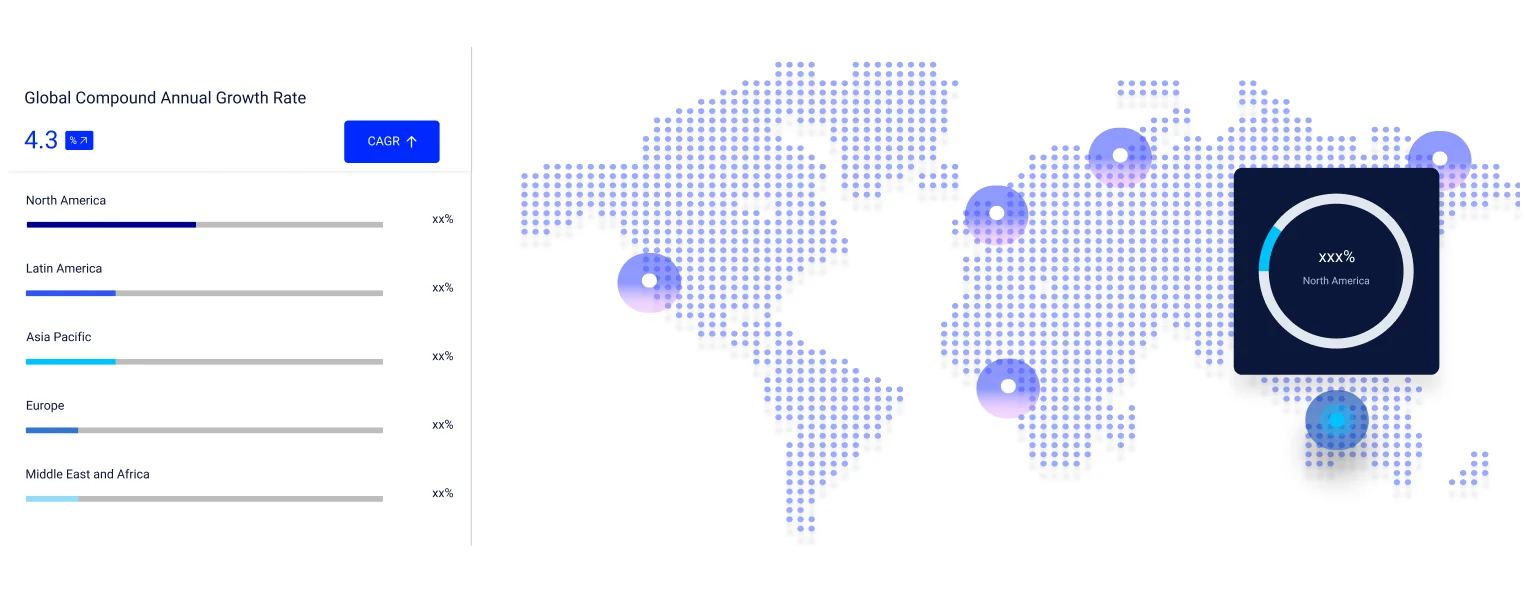
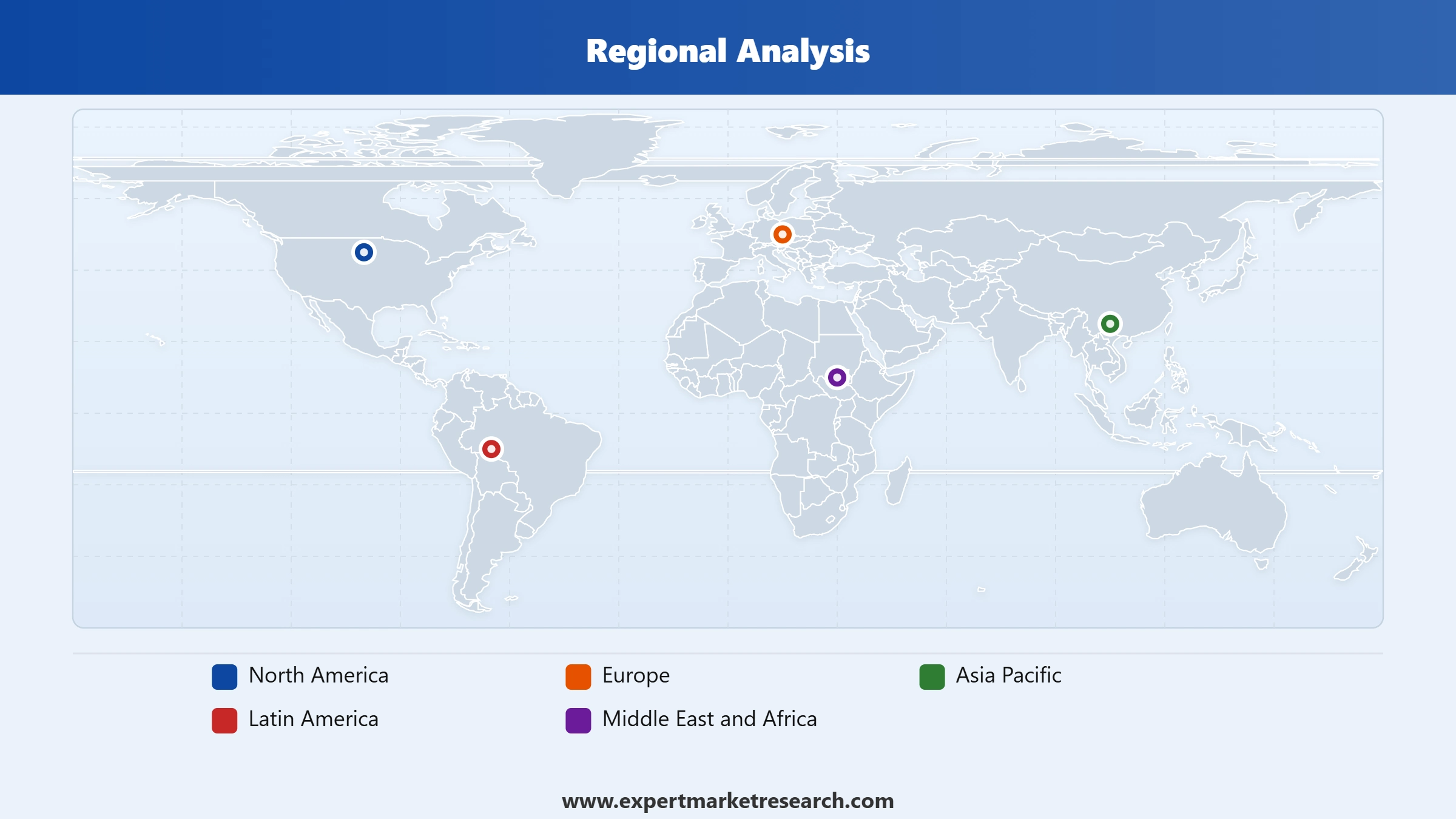
Key Insight: Regional demand trends in the propane market are due to the varied level of maturity of the industry and development of energy infrastructure. North America takes the lead due to availability of abundant feedstock, petrochemical integration, and developed energy infrastructure. Asia Pacific is experiencing the highest growth rate due to manufacturing activities, infrastructure development, and energy diversification. In July 2026, China expanded the NGL storage capacity, boosting propane infrastructure investments to support growing petrochemical production and feedstock security. Europe is concentrating on clean industrial fuels and emissions reductions through adoption of propane in industries. Latin America is benefiting from increased access to LPG and agricultural fuel. Middle East and Africa continues developing propane consumption due to refineries, industrialization, and investment in energy infrastructure.
By end use, the industrial segment registers the largest share of the market due to petrochemical feedstock demand
The industrial sector leads in the use of propane for process heating, metal working, manufacturing of ceramic products, food manufacturing, and chemical industry. The construction of additional PDH plants is increasing propane consumption across the industrial sector, as propane serves as a key feedstock for producing propylene used in downstream chemical manufacturing. Industrial consumers also generate demand in the propane market for its efficient energy output, stable combustion, and ease of use in areas where there is limited availability of natural gas infrastructure. In April 2026, Technip Energies secured Long Son Petrochemicals contract, advancing propane feedstock flexibility, ethylene efficiency, and lower-carbon petrochemical production.
Read more about this report - REQUEST FREE SAMPLE COPY IN PDF
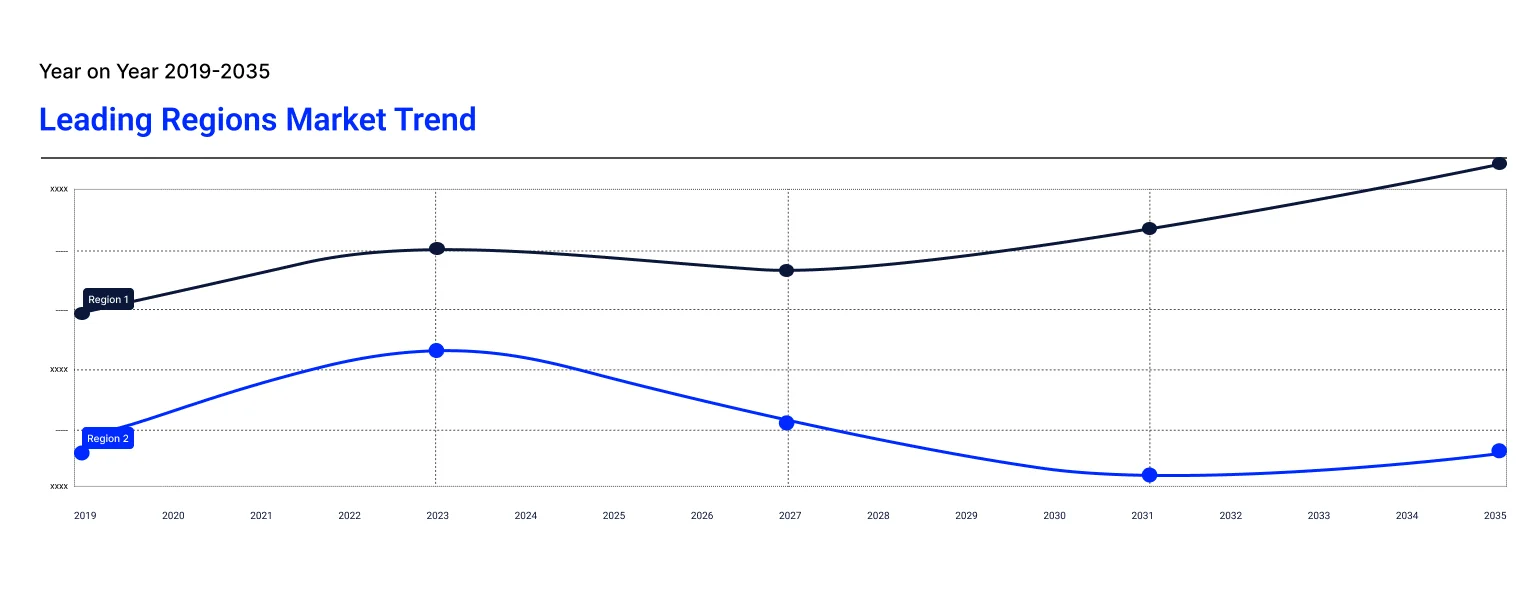
The transportation sector also contributes to the overall growth in the propane market due to the rising adoption of propane auto-gas among fleet operators who seek cost reduction while being compliant with stringent emission regulations. Propane fuel is favored for use in commercial fleets, school buses, public sector transport, and last mile delivery as it offers less maintenance and lower emissions than other conventional fuel sources. For example, in March 2026, BeST Transit initiated propane autogas fleet implementation, reducing operating costs, lowering emissions, and advancing sustainable public transportation.
Read more about this report - REQUEST FREE SAMPLE COPY IN PDF
North America accounts for the largest market share through abundant propane production
The dominance of North America in the global propane market revenue share arises because of its substantial reserves of natural gas refining and shale gas production, thus assuring a steady and competitive supply of propane. Well-established pipeline networks, storage facilities, and significant investments in the petrochemical sector provide steady and growing usage of propane in both residential and transport sectors. In addition, export opportunities in the region allow producers to secure supply chains in international markets. In July 2026, Panama Petrochem commenced commercial operations at its new Lodha Park manufacturing facility, expanding specialty petroleum production capacity and operational efficiency.
The Asia Pacific region shows the highest growth rate as its fast industrialization, urbanization processes, and growth of petrochemical manufacturing leads to increased consumption of propane. Increased investments in propane dehydrogenation, manufacturing facilities and initiatives in clean cookstoves are driving demand for propane in various industries. Growth of energy diversification programs and increased propane usage in the commercial and industrial sectors are ensuring future growth in this region.
Read more about this report - REQUEST FREE SAMPLE COPY IN PDF
The market is becoming increasingly competitive as propane companies are concentrating more on the production of renewable propane, integrated petrochemical plants, and intelligent fuel distribution. The leading producers of propane are working towards adopting AI logistics, tank monitoring, and low carbon fuels alliances to build long-term relationships with customers.
Leading propane market players are establishing export terminals and propane dehydrogenation plants for securing high-value business opportunities in the chemicals industry. Producers in the market are also partnering with equipment makers to encourage the use of propane engines in industrial applications and fleet operators. Yet another significant growth opportunity for producers is that of renewable feedstock. It will enable firms to explore business options other than propane and help them achieve their targets of industrial decarbonization.
Founded in 1980 and operating from the headquarters located in Dhahran, Saudi Arabia, Saudi Aramco is one of the world’s leading propane producers and exporters. The company supports the propane industry through refining, gas processing, and petrochemicals. Moreover, Saudi Aramco maintains its investment in the downstream business while providing its global customers with sustainable propane supply, logistics, and partnership for the manufacture of chemicals and use of energy.
Founded in 1909 and based in London, United Kingdom, BP PLC provides propane through its global trading, refining, and energy marketing activities. The company is making significant investments in low-carbon fuels and digital trading platforms, as well as optimizing supply chain integration. BP PLC helps commercial and industrial customers by offering energy solutions to increase their efficiency and fuel security.
Founded in 1927 and located in Delaware, United States, ConocoPhillips manufactures propane through various upstream production activities of crude oil and natural gas. The company concentrates on optimizing natural gas liquids output as well as enhancing efficiency during upstream production processes. The integrated production approach of the company enables a stable supply of propane to petrochemical producers, industry players, and export destinations around the world.
Founded in 1953 and located in Rome, Italy, Eni S.p.A manufactures propane through various integrated upstream, refinery and downstream activities. In addition to propane production activities, Eni is involved in the production of renewable fuels, developing technologies of circular economy and providing diversified energy solutions to its industrial clients.
Other key players in the market include PJSC Gazprom, among others.
*Please note that this is only a partial list; the complete list of key players is available in the full report. Additionally, the list of key players can be customized to better suit your needs.*
Unlock the latest insights with our propane market trends 2026 report. Discover regional growth patterns, consumer preferences, and key industry players. Stay ahead of competition with trusted data and expert analysis. Download your free sample report today and drive informed decisions in the market.


Upto 15% Off
USD
$2499 $2249
$3999 $3599
$4999 $4249
$5999 $5099


*While we strive to always give you current and accurate information, the numbers depicted on the website are indicative and may differ from the actual numbers in the main report. At Expert Market Research, we aim to bring you the latest insights and trends in the market. Using our analyses and forecasts, stakeholders can understand the market dynamics, navigate challenges, and capitalize on opportunities to make data-driven strategic decisions.*
The market is projected to grow at a CAGR of 4.40% between 2026 and 2035.
Expanding renewable propane portfolios, investing in digital logistics, strengthening petrochemical partnerships, modernizing storage infrastructure, adopting AI-driven asset management, and developing cleaner industrial fuel solutions are improving long-term competitiveness.
The industry is expected to be propelled by the rising demand for propane in the automotive sector owing to the surging environmental consciousness.
The major regional markets for the steel industry are North America, Latin America, the Asia Pacific, Europe, and the Middle East and Africa.
The major end use industries of propane in the market are residential, commercial, transportation, industrial, among others.
The key players in the market include Saudi Arabian Oil Company (Saudi Aramco), BP PLC, ConocoPhillips Company, Eni S.p.A., and PJSC Gazprom, among others.
In 2025, the global propane market reached an approximate volume of 203.06 MMT.
Balancing emission regulations, renewable fuel investments, feedstock price volatility, infrastructure expansion costs, supply chain disruptions, and fluctuating petrochemical demand remains challenging while maintaining profitability and long-term market competitiveness.
The market is expected to maintain steady growth and attain a volume of approximately 312.34 MMT by 2035.
Explore our key highlights of the report and gain a concise overview of key findings, trends, and actionable insights that will empower your strategic decisions.
| REPORT FEATURES | DETAILS |
| Base Year | 2025 |
| Historical Period | 2019-2025 |
| Forecast Period | 2026-2035 |
| Scope of the Report |
Historical and Forecast Trends, Industry Drivers and Constraints, Historical and Forecast Market Analysis by Segment:
|
| Breakup by End Use Industry |
|
| Breakup by Region |
|
| Market Dynamics |
|
| Competitive Landscape |
|
| Companies Covered |
|
| Report Price and Purchase Option | Explore our purchase options that are best suited to your resources and industry needs. |
| Delivery Format | Delivered as an attached PDF and Excel through email, with an option of receiving an editable PPT, according to the purchase option. |
Datasheet
One User
USD 2,499
USD 2,249
tax inclusive*
Single User License
One User
USD 3,999
USD 3,599
tax inclusive*
Five User License
Five User
USD 4,999
USD 4,249
tax inclusive*
Corporate License
Unlimited Users
USD 5,999
USD 5,099
tax inclusive*
*Please note that the prices mentioned below are starting prices for each bundle type. Kindly contact our team for further details.*
Flash Bundle
Small Business Bundle
Growth Bundle
Enterprise Bundle
*Please note that the prices mentioned below are starting prices for each bundle type. Kindly contact our team for further details.*
Flash Bundle
Number of Reports: 3
20%
tax inclusive*
Small Business Bundle
Number of Reports: 5
25%
tax inclusive*
Growth Bundle
Number of Reports: 8
30%
tax inclusive*
Enterprise Bundle
Number of Reports: 10
35%
tax inclusive*
How To Order

Select License Type
Choose the right license for your needs and access rights.

Click on ‘Buy Now’
Add the report to your cart with one click and proceed to register.

Select Mode of Payment
Choose a payment option for a secure checkout. You will be redirected accordingly.
Strategic Solutions for Informed Decision-Making
Gain insights to stay ahead and seize opportunities.

Get insights & trends for a competitive edge.

Track prices with detailed trend reports.

Analyse trade data for supply chain insights.

Leverage cost reports for smart savings

Enhance supply chain with partnerships.

Connect For More Information
Our expert team of analysts will offer full support and resolve any queries regarding the report, before and after the purchase.
Our expert team of analysts will offer full support and resolve any queries regarding the report, before and after the purchase.
We employ meticulous research methods, blending advanced analytics and expert insights to deliver accurate, actionable industry intelligence, staying ahead of competitors.
Our skilled analysts offer unparalleled competitive advantage with detailed insights on current and emerging markets, ensuring your strategic edge.
We offer an in-depth yet simplified presentation of industry insights and analysis to meet your specific requirements effectively.




