

Consumer Insights
Uncover trends and behaviors shaping consumer choices today
Procurement Insights
Optimize your sourcing strategy with key market data
Industry Stats
Stay ahead with the latest trends and market analysis.
The global protonic ceramic fuel cell market attained a value of USD 142.10 Million in 2025 and is projected to expand at a CAGR of 31.20% through 2035. The market is further expected to achieve USD 2147.50 Million by 2035. Rising demand for clean, efficient power generation across transportation, military, and utility applications, combined with sustained research investment into ceramic electrolyte materials, continues to support fuel cell adoption across a widening range of end uses.
Growing demand for clean, decentralised power generation continues to anchor steady demand across the protonic ceramic fuel cell market, as transportation operators, military agencies, and utility providers increasingly favour fuel cells over conventional combustion-based power sources. Manufacturers are also investing in ceramic electrolyte research to improve proton conductivity at lower operating temperatures, reflecting the industry's ongoing pursuit of more efficient and cost-competitive fuel cell designs.
The protonic ceramic fuel cell market is witnessing further developments as established manufacturers secure large-scale commercial contracts for transportation applications. Ballard Power Systems reached a commercial agreement with New Flyer for 500 fuel cell bus engines totalling 50 megawatts in March 2026, representing the largest single commitment from New Flyer since the two companies' partnership began. This shift toward large-volume transportation contracts is concentrated among manufacturers with sufficient production scale to fulfil multi-year delivery schedules, while smaller specialists continue to compete on niche stationary and portable power applications.
In addition, established manufacturers are increasingly expanding into new geographic and application segments, reflecting fuel cell technology's broadening commercial viability beyond early-adopter transportation fleets. Such expansion is reshaping competitive positioning across the wider protonic ceramic fuel cell market as manufacturers with diversified product portfolios spanning multiple fuel cell types increasingly differentiate themselves from competitors focused on a single technology platform. Siemens and FuelCell Energy announced a collaboration in July 2026 to explore scalable fuel cell power solutions, illustrating how established industrial manufacturers are pairing with dedicated fuel cell developers to accelerate joint capability development.
Compound Annual Growth Rate
31.2%
Value in USD Million
2026-2035
Read more about this report - Request a Free Sample
Intelligent Energy showcased its latest aerospace fuel cell hardware at the Farnborough International Airshow, developed under a 54-million-pound UK research initiative and demonstrating power outputs exceeding 150 kilowatts during testing. Companies can pursue government-backed research funding to accelerate development of high-power fuel cell systems for demanding aerospace applications.
Industry tracking found that zero-emission bus deployment grew 16 percent in the United States during 2025, with hydrogen fuel cell vehicles seeing particularly strong, sustained momentum at 49 percent growth year over year. Companies can position hydrogen fuel cell technology as a scalable, proven alternative to battery-electric buses for transit agencies prioritising range and refuelling speed.
Ballard Power Systems reached a commercial agreement with New Flyer for 500 FCmove-HD+ fuel cell engines totalling 50 megawatts, representing the largest single commitment from New Flyer since the two companies' partnership began years earlier. Companies can pursue long-standing customer relationships to secure large-volume repeat contracts that smaller, newer market entrants typically find difficult to match.
Robert Bosch presented its FCPM C100 fuel cell module for city buses at Mobility Move in Berlin, expanding the company's hydrogen propulsion portfolio for public transport applications across European markets. Companies can leverage major mobility trade events to showcase new transportation-focused fuel cell components directly to transit agencies and prospective bus manufacturer partners.
Established manufacturers continue to secure large-scale commercial contracts for fuel cell-powered transportation fleets. One recent example: in March 2026, a leading manufacturer reached an agreement with a major transit customer for 500 fuel cell bus engines totalling 50 megawatts across the protonic ceramic fuel cell market, the largest single commitment from New Flyer since the partnership began. Such contract activity reflects manufacturers' recognition that long-standing customer relationships built over multiple product generations translate directly into large-volume repeat business that newer market entrants find difficult to displace.
Manufacturers continue to showcase new transportation-focused fuel cell components at major mobility trade events to reach transit agencies and bus manufacturers directly. One recent example came in March 2026, when a diversified industrial manufacturer unveiled a new fuel cell module for city buses at a major European mobility trade fair, expanding its hydrogen propulsion portfolio for public transport applications. Such trade-event product showcases reflect manufacturers' recognition that transit agency purchasing decisions often follow lengthy evaluation cycles that benefit from early, in-person technical demonstrations.
Zero-emission bus adoption continues to accelerate across major transit markets as agencies pursue decarbonisation targets alongside operational reliability requirements. US zero-emission bus deployment climbed 16 percent during 2025, per industry tracking, with hydrogen fuel cell vehicles specifically posting 49 percent growth against battery-electric alternatives. Such accelerating adoption reflects transit agencies' growing confidence in hydrogen refuelling infrastructure and fuel cell reliability following several years of pilot deployments.
Diversified industrial groups continue to apply engineering research developed across their broader technology portfolios to increasingly sophisticated fuel cell development. Established European manufacturers continue to develop fuel cell modules drawing on extensive automotive and industrial engineering research spanning multiple mobility and power generation categories. Such cross-portfolio research investment gives diversified industrial groups a technical foundation that narrower fuel-cell-only specialists must build through more limited, application-specific development, particularly for emerging requirements such as compact modular system integration.
Regional fuel cell specialists continue to compete alongside larger global manufacturers by offering established expertise in maritime and off-grid power applications. One established European specialist continues to develop PEM fuel cell systems drawing on two decades of experience in mission-critical, high-power applications for maritime and remote-power customers. Such specialised application depth allows regional specialists to compete for niche maritime and off-grid contracts that larger, more transportation-focused competitors may find less commercially attractive to pursue directly.
This Expert Market Report titled "Protonic Ceramic Fuel Cell Market Report and Forecast 2026-2035" offers a detailed analysis of the market based on the following segments:
Market Breakup by Type
Key Insight: SOFC accounts for the largest share of the protonic ceramic fuel cell market, reflecting its established position in stationary power generation given high electrical efficiency and fuel flexibility across hydrogen and hydrocarbon inputs. In March 2026, Robert Bosch unveiled its FCPM C100 module for city bus applications, illustrating continued cross-type investment as manufacturers diversify beyond a single fuel cell technology. PEMFC is growing at the fastest pace as transportation applications increasingly favour its faster startup times and lower operating temperatures, while AFC, MCFC, DMFC, and PAFC each continue to serve distinct efficiency and application requirements across stationary, portable, and specialised power generation.
Market Breakup by Application
Key Insight: Transportation accounts for the largest share of the protonic ceramic fuel cell market, reflecting sustained fleet electrification demand as transit agencies pursue zero-emission bus and heavy-duty vehicle deployment. Ballard Power Systems secured a 50 megawatt fuel cell bus engine agreement with New Flyer in March 2026, illustrating continued large-scale investment in this dominant application. Military applications continue to expand as defence agencies pursue silent, reliable off-grid power for remote operations, while utilities applications serve grid-support and backup power requirements, with other applications rounding out the remaining category.
Market Breakup by Region
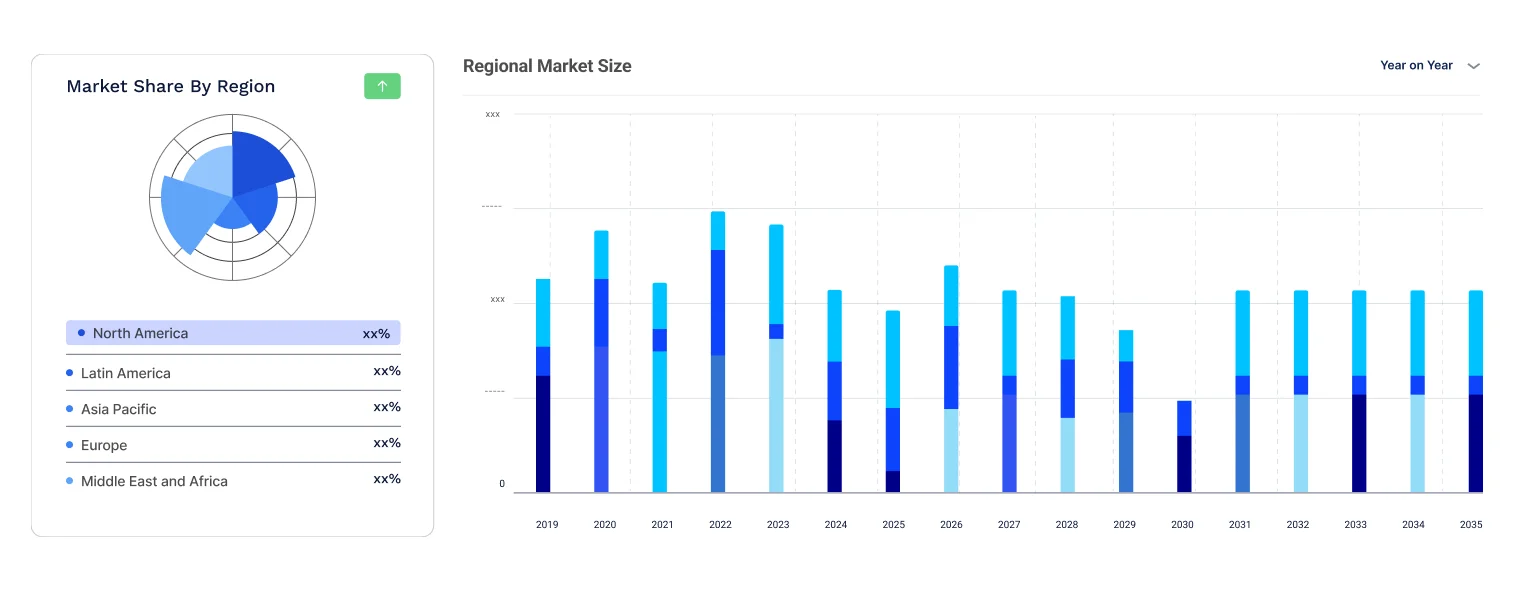
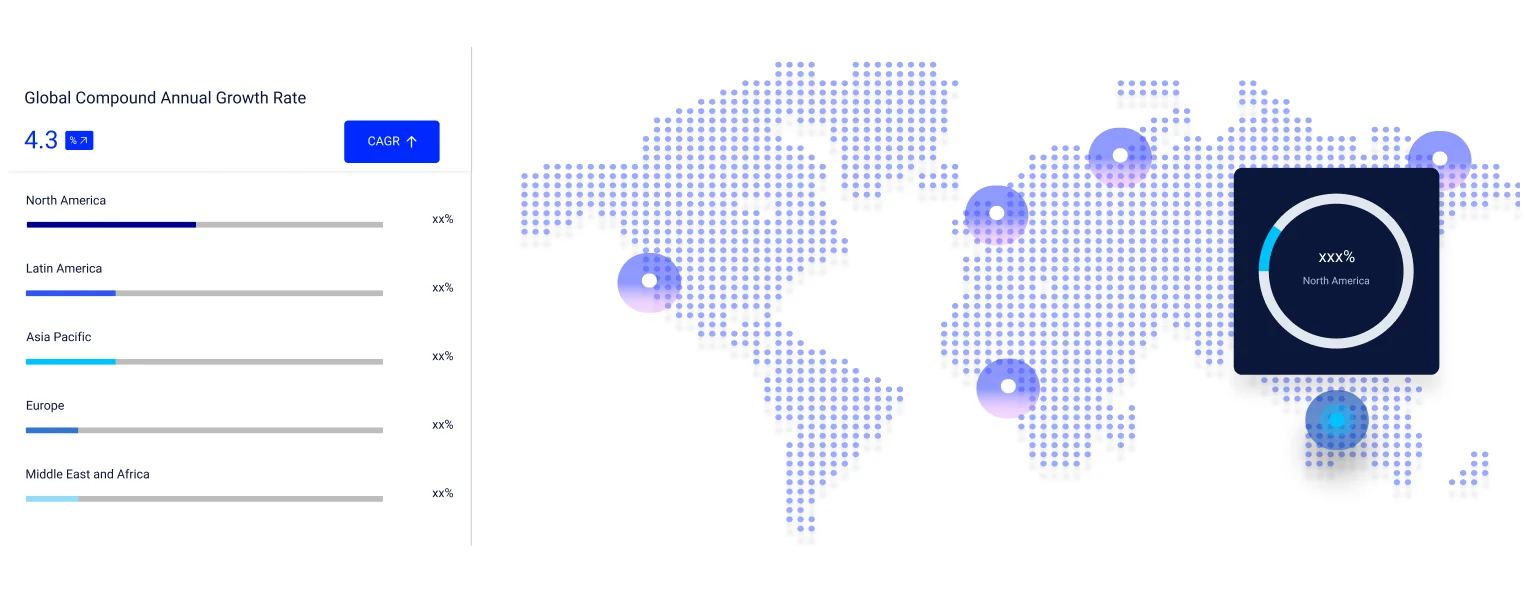
Key Insight: North America accounts for the largest share of the protonic ceramic fuel cell market, supported by established fuel cell manufacturing infrastructure and sustained government investment in hydrogen transportation initiatives. Asia Pacific is emerging as a key growth market as regional governments pursue hydrogen economy targets alongside expanding domestic fuel cell manufacturing capacity. Europe, Latin America, and the Middle East and Africa each continue to serve distinct regional deployment patterns shaped by local energy policy and industrial demand.
By type, SOFC leads the market while PEMFC grows fastest given faster startup times for transportation
SOFC continues to account for the largest share of the market, since utility and industrial operators value its high electrical efficiency and ability to run on both hydrogen and hydrocarbon fuels. Established SOFC manufacturing relationships continue to anchor steady demand as utility and industrial customers maintain long-term power generation infrastructure.
PEMFC is growing at the fastest pace across the protonic ceramic fuel cell market as transportation applications increasingly favour its faster startup times and lower operating temperatures compared with high-temperature fuel cell alternatives. Plug Power reported deploying 1,666 PEM-based GenDrive fuel cell units during a 2026 quarter, up 125 percent year over year, underscoring the pace of PEMFC adoption in material handling applications.
By application, transportation leads the market while military grows fastest given demand for silent off-grid power
Transportation continues to account for the largest share of the market, as transit agencies keep replacing ageing diesel fleets with zero-emission buses and heavy-duty vehicles. Established transportation contract relationships continue to anchor steady demand as bus manufacturers maintain long-term fuel cell engine supply agreements. In August 2026, the Orange County Transportation Authority awarded a 27.5-million-dollar contract to build a hydrogen fuelling station, supporting plans to expand its fleet from 10 to 50 fuel cell buses.
Military applications are growing at a fast pace across the protonic ceramic fuel cell market as defence agencies increasingly pursue silent, reliable off-grid power generation for remote and forward-operating installations where conventional fuel logistics present operational risk. In April 2026, the Indian Defence Forces placed a major order for 450 portable methanol fuel cell systems for high-altitude military operations.
Read more about this report - Request a Free Sample
North America commands the largest share of the market through established manufacturing infrastructure and government investment
North America holds the largest share of the protonic ceramic fuel cell market, anchored by a well-established manufacturing base and continued government backing for hydrogen transportation programmes. In April 2026, TW Horizon Fuel Cell Technologies' North American subsidiary, Horizon Hydrogen Power, partnered with ProtonH2 to deliver hydrogen power solutions for critical infrastructure, anchored by a major project in Saskatchewan, reinforcing the region's position as a hub for fuel cell infrastructure deployment.
Asia Pacific, meanwhile, is on track to become a key growth market, with regional governments pursuing hydrogen economy targets alongside expanding domestic fuel cell manufacturing capacity. US zero-emission bus fleets expanded 16 percent during 2025 per industry tracking, a growth pattern increasingly mirrored across Asia Pacific transit markets pursuing similar decarbonisation targets.
The global industry is moderately consolidated, with protonic ceramic fuel cell market companies ranging from diversified industrial groups spanning multiple energy technology categories to specialist fuel cell developers competing across type, application, and regional segments. Established players operate across the full fuel cell value chain, from ceramic electrolyte and membrane research through stack manufacturing and complete system integration for transportation, military, and utility customers.
Competitive dynamics among protonic ceramic fuel cell players are increasingly shaped by the pace of large-scale transportation contract wins, the scale of cross-portfolio engineering research investment, and the race to establish specialised application expertise in maritime, off-grid, and military power generation. Manufacturers are investing in faster-startup PEMFC technology, compact modular system designs, and long-term fleet supply agreements to differentiate their offering and secure durable customer relationships.
Founded in 1886 and headquartered in Stuttgart, Germany, Bosch supplies fuel cell modules alongside its vastly larger global portfolio of automotive components, industrial technology, and consumer goods. In March 2026, the company unveiled its FCPM C100 fuel cell module for city buses at Mobility Move in Berlin, expanding its hydrogen propulsion portfolio. Bosch's extensive automotive engineering research gives it a technical foundation that narrower fuel-cell-only specialists typically cannot match.
Founded in 1979 and headquartered in Burnaby, Canada, Ballard Power Systems supplies PEM fuel cell products and services for bus, rail, stationary power, and material handling applications. In March 2026, the company secured a commercial agreement with New Flyer for 500 fuel cell bus engines totalling 50 megawatts, its largest single commitment from the customer to date. Ballard's decades-long transit industry relationships give it a contract-renewal advantage that newer entrants typically cannot replicate.
Founded in 1997 and headquartered in Latham, New York, Plug Power supplies hydrogen fuel cell systems primarily for material handling applications, including forklift and warehouse equipment powered by its GenDrive systems. The company serves major logistics and retail customers requiring continuous, rapid-refuelling power for high-utilisation equipment fleets. Plug Power's material handling specialisation differentiates its offering from competitors focused primarily on transportation or stationary power applications.
Founded in 1999 and headquartered in Arnhem, Netherlands, Nedstack supplies PEM fuel cell systems for maritime, off-grid, and mission-critical high-power applications, with an installed base exceeding 500 systems including the world's largest PEM power plant. The company serves maritime and remote-power customers requiring durable, high-power solutions. Nedstack's two-decade track record in mission-critical applications differentiates its offering from competitors with less specialised high-power experience.
Other key players in the protonic ceramic fuel cell market include TW Horizon Fuel Cell Technologies, Sunrise Power Co., Ltd, and Intelligent Energy Limited, among others.
*Please note that this is only a partial list; the complete list of key players is available in the full report. Additionally, the list of key players can be customized to better suit your needs.*
Unlock the latest insights with our protonic ceramic fuel cell market trends 2026 report. Discover regional growth patterns, type and application trends, and key industry players. Stay ahead of competition with trusted data and expert analysis. Download your free sample report today and drive informed decisions in the market.


Upto 15% Off
USD
$3999 $3599
$2499 $2249
$4999 $4249
$5999 $5099


*While we strive to always give you current and accurate information, the numbers depicted on the website are indicative and may differ from the actual numbers in the main report. At Expert Market Research, we aim to bring you the latest insights and trends in the market. Using our analyses and forecasts, stakeholders can understand the market dynamics, navigate challenges, and capitalize on opportunities to make data-driven strategic decisions.*
The market is projected to grow at a CAGR of 31.20% between 2026 and 2035.
Securing large-scale transportation contracts with transit agencies and fleet operators, applying cross-portfolio engineering research to accelerate fuel cell development, and expanding into specialised maritime and off-grid applications underserved by transportation-focused competitors.
The key trends of the market include increasing demand for energy conserving measures, rising usage of hydrogen for better efficiency, long-lasting performance potential of protonic ceramic fuel cells, and suitability for remote areas.
The major regional markets for protonic ceramic fuel cells, according to the report, are North America, Europe, Asia Pacific, Latin America, and the Middle East and Africa.
The various types of protonic ceramic fuel cells in the market are PEMFC, AFC, MCFC, SOFC, DMFC, and PAFC.
Yes, protonic ceramic fuel cells can replace batteries in the future due to their compact size.
The different applications of protonic ceramic fuel cells are transportation, utility, and military, among others.
The key players in the market include Robert Bosch Manufacturing Solutions GmbH, Ballard Power Systems, TW Horizon Fuel Cell Technologies, Sunrise Power Co., Ltd, Nedstack Fuel Cell Technology BV, Plug Power Inc., and Intelligent Energy Limited, among others.
In 2025, the market reached an approximate value of USD 142.10 Million.
The market is expected to witness exceptional expansion and attain approximately USD 2147.50 Million by 2035.
Manufacturers face high production costs relative to conventional power generation technologies, limited hydrogen refuelling infrastructure constraining transportation adoption, and durability challenges in high-temperature ceramic electrolyte materials.
Explore our key highlights of the report and gain a concise overview of key findings, trends, and actionable insights that will empower your strategic decisions.
| REPORT FEATURES | DETAILS |
| Base Year | 2025 |
| Historical Period | 2019-2025 |
| Forecast Period | 2026-2035 |
| Scope of the Report |
Historical and Forecast Trends, Industry Drivers and Constraints, Historical and Forecast Market Analysis by Segment:
|
| Breakup by Type |
|
| Breakup by Application |
|
| Breakup by Region |
|
| Market Dynamics |
|
| Competitive Landscape |
|
| Companies Covered |
|
Single User License
One User
USD 3,999
USD 3,599
tax inclusive*
Datasheet
One User
USD 2,499
USD 2,249
tax inclusive*
Five User License
Five User
USD 4,999
USD 4,249
tax inclusive*
Corporate License
Unlimited Users
USD 5,999
USD 5,099
tax inclusive*
*Please note that the prices mentioned below are starting prices for each bundle type. Kindly contact our team for further details.*
Flash Bundle
Small Business Bundle
Growth Bundle
Enterprise Bundle
*Please note that the prices mentioned below are starting prices for each bundle type. Kindly contact our team for further details.*
Flash Bundle
Number of Reports: 3
20%
tax inclusive*
Small Business Bundle
Number of Reports: 5
25%
tax inclusive*
Growth Bundle
Number of Reports: 8
30%
tax inclusive*
Enterprise Bundle
Number of Reports: 10
35%
tax inclusive*
How To Order

Select License Type
Choose the right license for your needs and access rights.

Click on ‘Buy Now’
Add the report to your cart with one click and proceed to register.

Select Mode of Payment
Choose a payment option for a secure checkout. You will be redirected accordingly.
Strategic Solutions for Informed Decision-Making
Gain insights to stay ahead and seize opportunities.

Get insights & trends for a competitive edge.

Track prices with detailed trend reports.

Analyse trade data for supply chain insights.

Leverage cost reports for smart savings

Enhance supply chain with partnerships.

Connect For More Information
Our expert team of analysts will offer full support and resolve any queries regarding the report, before and after the purchase.
Our expert team of analysts will offer full support and resolve any queries regarding the report, before and after the purchase.
We employ meticulous research methods, blending advanced analytics and expert insights to deliver accurate, actionable industry intelligence, staying ahead of competitors.
Our skilled analysts offer unparalleled competitive advantage with detailed insights on current and emerging markets, ensuring your strategic edge.
We offer an in-depth yet simplified presentation of industry insights and analysis to meet your specific requirements effectively.




