

Consumer Insights
Uncover trends and behaviors shaping consumer choices today
Procurement Insights
Optimize your sourcing strategy with key market data
Industry Stats
Stay ahead with the latest trends and market analysis.
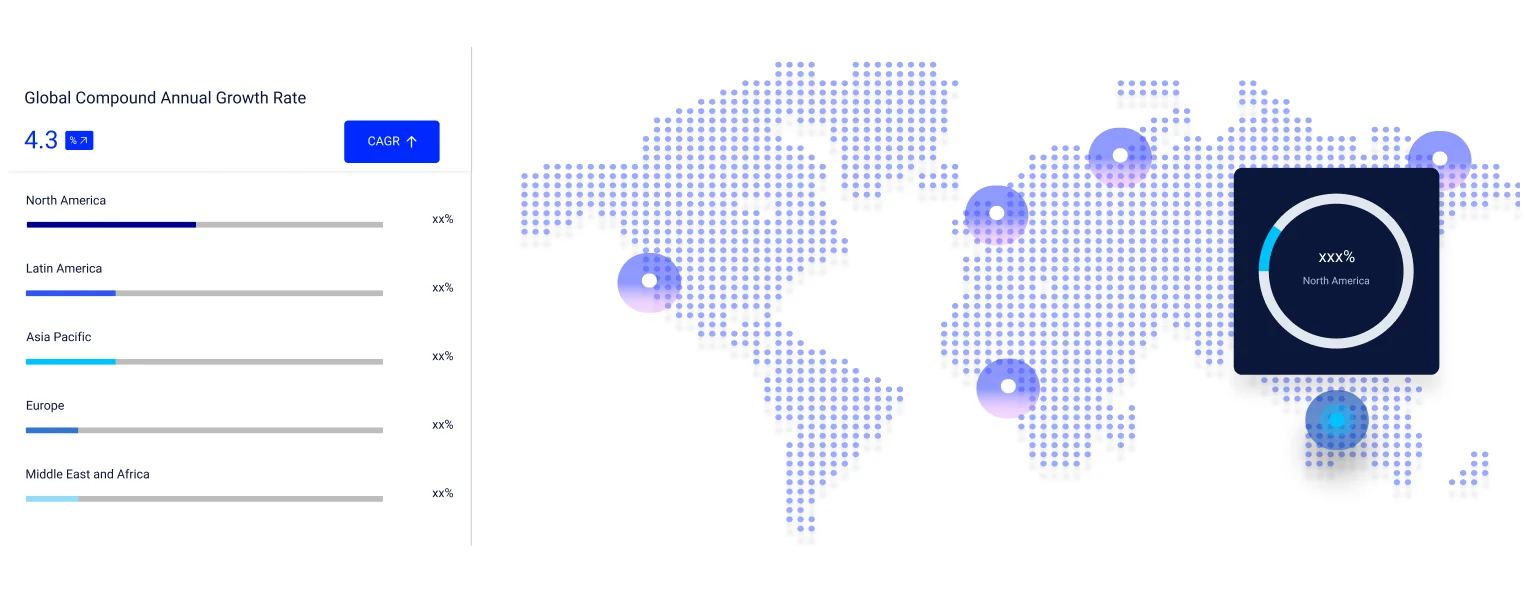
The global purpose-built backup appliance (PBBA) market was valued at USD 8.56 Billion in 2025. The industry is expected to grow at a CAGR of 9.90% during the forecast period of 2026-2035 to reach a value of USD 22.00 Billion by 2035.
The purpose-built backup appliance market is transitioning from traditional storage paradigms to hybrid, air-gapped, and ransomware-resilient solutions. As data volumes increase globally, enterprises are investing in intelligent, purpose-built systems that reduce backup windows and automate redundancy protocols. These solutions are more agile, and these helps reduce TCO by combining deduplication, snapshot-based backups, and AI-led data tiering. Companies like Rubrik have pioneered zero-trust backup architectures with built-in threat detection, while Dell Technologies has enhanced its PowerProtect series with AI-driven tiering and cloud readiness.
Government involvement is also boosting the purpose-built backup appliance market growth. India’s Digital Personal Data Protection Act (DPDP) has encouraged public-sector undertakings to adopt encrypted backup appliances with audit trails and immutable storage. Meanwhile, the European Union's GDPR compliance enforcements are favouring vendor-neutral backup platforms with blockchain logging capabilities. For instance, Veritas Technologies has integrated blockchain-based verification into its NetBackup appliances, enabling audit-proof recovery workflows. This has opened avenues for PBBA vendors to innovate within regulatory frameworks and embed predictive threat models that trigger auto-isolation of compromised nodes.
Compound Annual Growth Rate
9.9%
Value in USD Billion
2026-2035
Read more about this report - REQUEST FREE SAMPLE COPY IN PDF
Three further Ootbi appliances with capacities of 20 TB, 40 TB, and 432 TB were introduced by Object First, manufacturer of Ootbi, the ransomware-proof backup storage device designed specifically for Veeam. Ootbi's unchangeable backup storage is available to organisations of all sizes, guaranteeing data resilience for use cases ranging from 20 TB to 7 PB.
Synology launched the new ActiveProtect appliances as part of a dedicated data protection line that offers the greatest user experience possible by combining centralised management with a highly scalable design. ActiveProtect provides a unified administration and control pane by centralising tasks, appliances, and data protection rules throughout the entire organisation.
Vitanium was named the first distributing partner for the United Kingdom market was announced by Object First, the company that created a backup storage appliance that is "ransomware-proof" and specifically designed for Veeam. This equipment has zero root access.
With the addition of its first midrange integrated backup appliance and additional cloud data protection choices for consumers, Dell Technologies broadened its data backup portfolio. For midmarket clients seeking an all-in-one data backup solution, Dell added a new PowerProtect appliance with PowerProtect Data Manager software to its backup offering. PowerProtect Cyber Recovery, which comes with an isolated cyber vault, is accessible through Google Cloud.
Organisations are integrating PBBAs that include anomaly detection, zero-trust architecture, and immutable backup snapshots. Recently, Rubrik’s collaboration with Microsoft Azure led to the deployment of ransomware-proof PBBAs in several public healthcare networks in Europe, boosting the overall purpose-built backup appliance market dynamics. These backups detect unusual behaviour and initiate auto-replication to isolated cloud nodes. Such developments resonate well with government push for cyber-insured infrastructures. The United Kingdom’s National Cyber Security Centre (NCSC) recommended anomaly-based backup models.
Hybrid cloud-ready PBBAs now support seamless data movement between on-premises, multi-cloud, and edge locations. Companies like Veeam and HPE GreenLake have co-developed modular PBBA stacks that support GDPR tagging and data residency compliance, accelerating further demand in the purpose-built backup appliance market. This model is gaining traction among regulated industries like BFSI and healthcare. The Ministry of Electronics and Information Technology in India has launched the 'Digital India', driving MSMEs to deploy hybrid PBBA nodes with subsidy support, especially in Tier-2 regions.
AI-backed PBBAs are shifting recovery models from reactive to predictive modes, reshaping the overall global purpose-built backup appliance market trends and dynamics. IBM launched its AI-infused Spectrum Protect appliance, which analyses system behaviour and proactively creates multiple backup versions before system anomalies occur. The AI component identifies failure points based on historical patterns. Such innovations are particularly useful in fintech and e-commerce ecosystems where transaction data is dynamic and sensitive to any latency.
With mounting pressure to reduce carbon footprints, companies in the purpose-built backup appliance market are introducing eco-efficient appliances with adaptive cooling, low-energy ARM-based processors, and recyclable enclosures. For example, Dell introduced its PowerProtect DD series that offers lower energy consumption than its predecessors. This aligns with the International Telecommunication Union's (ITU) green digital infrastructure guidelines. Such a shift towards energy-efficient data centres is pushing buyers to prefer PBBAs with energy and cost savings as built-in features.
Industries like manufacturing and logistics now require PBBA deployments at the edge due to real-time operational data. Lenovo’s ThinkSystem PBBA includes builds for factory environments, with 5G-enabled data relay modules. This decentralised approach ensures minimal disruption in case of a central network failure. Government smart factory initiatives in South Korea and Germany are creating strong pull for edge-centric PBBAs with localised failover setups.
Read more about this report - REQUEST FREE SAMPLE COPY IN PDF
The EMR’s report titled “Global Purpose-Built Backup Appliance (PBBA) Market Report and Forecast 2026-2035” offers a detailed analysis of the market based on the following segments:
Market Breakup by Components
Key Insight: The component segmentation of the purpose-built backup appliance market comprises hardware and software. Hardware remains crucial for enterprises requiring physical control and stable infrastructure, while software is scaling rapidly across dynamic, cost-optimised ecosystems. Organisations adopting hybrid cloud and automation prefer software-led flexibility, whereas sectors like BFSI and healthcare favour the tangible reliability of appliance hardware. As cloud-native designs and containerised deployments become common, software offerings is expected to continue to evolve, however hardware will retain its foothold in regulated and latency-sensitive environments.
Market Breakup by Enterprise
Key Insight: Large enterprises, burdened with complex IT landscapes and regulatory scrutiny, favour robust PBBA solutions with features like real-time replication and encryption. In contrast, SMEs are turning to modular and affordable systems, often cloud-managed, to secure their rapidly digitising operations, accelerating further purpose-built backup appliance demand. Incentive-led adoption, especially in emerging markets, is pushing SME integration forward. Both segments seek scalable, compliant solutions, yet the strategic intent and purchasing behaviour are largely influenced by size and regulatory pressure.
Market Breakup by System
Key Insight: Open systems continue to dominate the purpose-built backup appliance market, by offering flexibility, broad compatibility, and ease of integration with cloud and DevOps ecosystems. However, mainframe-based PBBAs are indicating a surge with renewed interest, especially in legacy-heavy sectors like finance and government. These systems are being modernised with AI features and high-speed restore functionalities. The system segmentation underlines a split between agility-focused open architecture and reliability-oriented mainframe deployments, with innovation driving convergence between the two in critical deployments.
Market Breakup by Industry Vertical
Key Insight: BFSI leads in terms of purpose-built backup appliance adoption due to the segment’s dependence on regulatory compliance, fraud prevention, and auditability. Meanwhile, healthcare is rapidly integrating AI-enhanced PBBAs to counter rising cyberattacks on patient data. Manufacturing and telecom sectors seek decentralised backup with low-latency restores, while education and public services prioritise ease-of-use and cost efficiency. Each vertical is aligned to distinct needs, be it data sensitivity, uptime assurance, or digital service delivery, which in turn drives tailored appliance development.
Market Breakup by Region
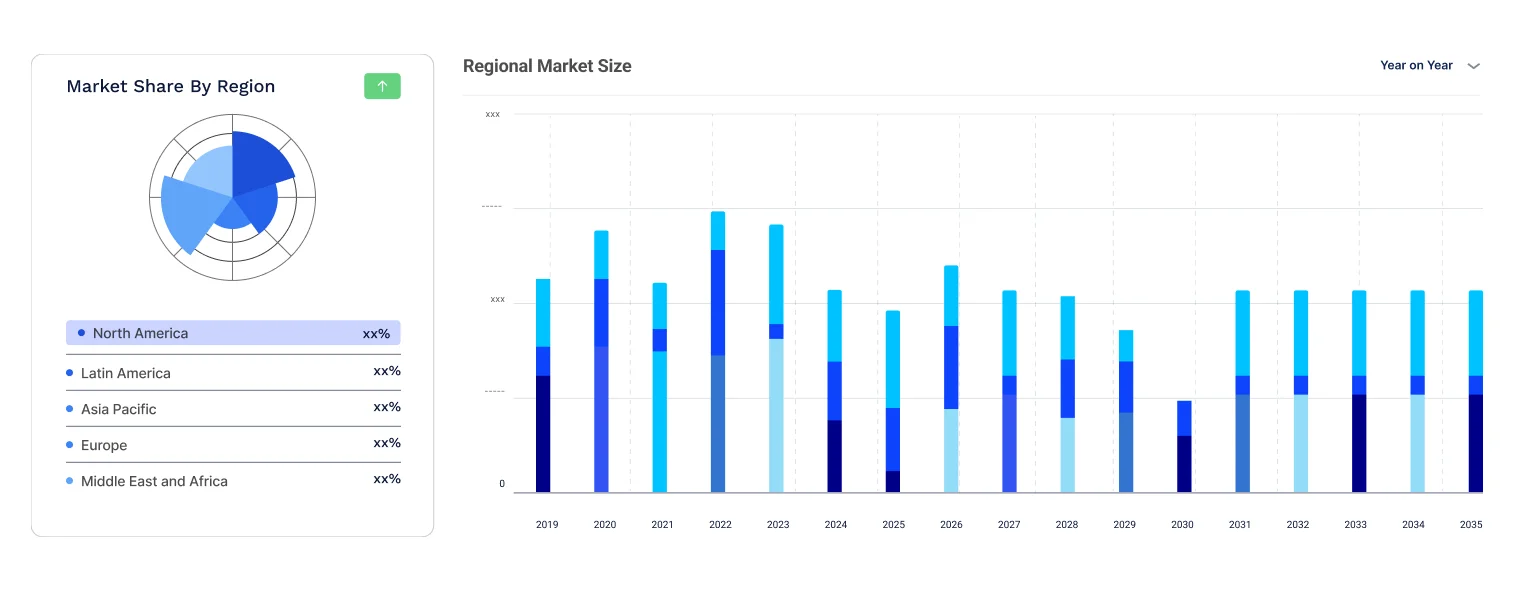
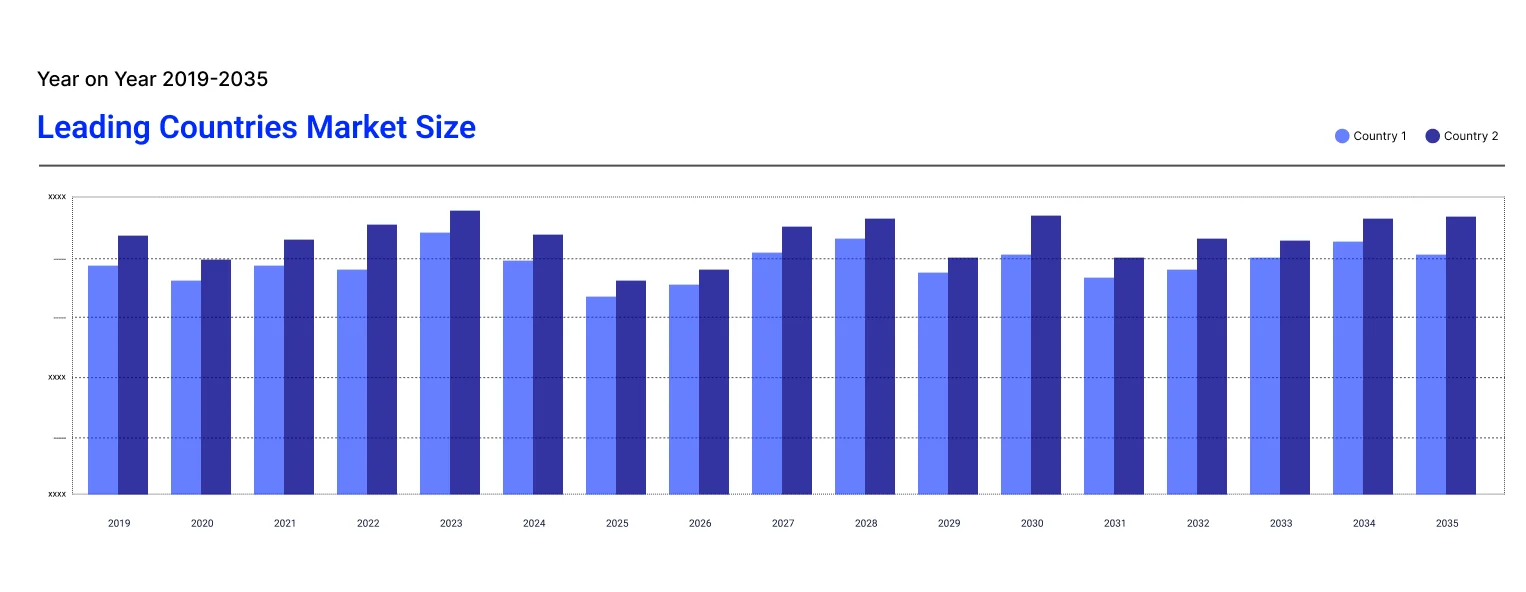
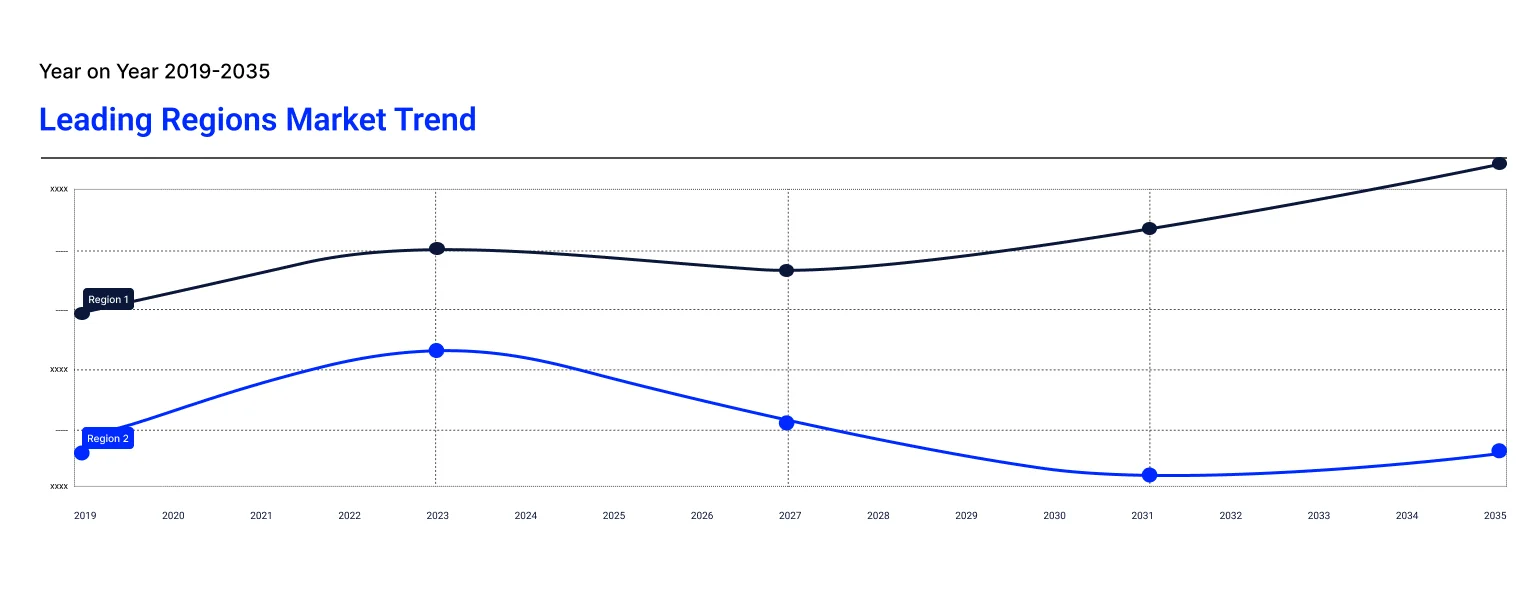
Key Insight: Across regions, the purpose-built backup appliance market dynamics are shaped by regulatory focus, infrastructure maturity, and enterprise readiness. North America dominates the global market with its compliance-centric architectures and integration of AI-driven resiliency features. Europe is steadily scaling with GDPR-aligned solutions and sustainable backup practices. Asia Pacific is emerging as the fastest-growing region due to localisation mandates and SME digital transitions. Latin America is adopting cloud-linked PBBAs to reduce IT overheads, while the Middle East and Africa markets are driven by government modernisation projects and data residency concerns.
By Component, the Hardware Segment Accounts for the Biggest Share of the Market
Hardware continues to dominate the purpose-built backup appliance market, as enterprises prioritise reliability and localised data sovereignty. Most organisations prefer on-premise appliances that can function independently during network outages or cyber threats. High-density backup nodes with built-in compression engines and zero-downtime upgradability are especially sought after by BFSI and defence contractors. For example, Quantum's DXi9000 series provides 51 TB to 1PB scale with global deduplication capabilities. The preference for hardware remains strong in jurisdictions with strict data localisation laws.
Purpose-built backup appliance software is witnessing rapid uptake due to API-first architecture and vendor-agnostic compatibility. It allows seamless integration with legacy infrastructure, reducing capital expenses. Features like cloud backup orchestration, backup-as-code models, and AI-driven load balancing are giving software-led appliances a major boost, especially in institutions adopting digital-first operational blueprints with minimum hardware dependencies.
By Enterprise, Large Enterprises Register the Largest Market Share
Large enterprises secure the largest share of purpose-built backup appliance market revenue due to their complex IT environments and stringent RTO/RPO targets. These organisations prioritise cross-platform backup and autonomous failover systems. Oracle’s Zero Data Loss Recovery Appliance has been extensively adopted by global banking groups, which indicates how big firms need solutions that go beyond routine snapshots, offering real-time replication, encryption at rest, and audit-compliant logging across continents.
Small and mid-level enterprises (SMEs) are increasingly investing in scalable, pay-as-you-grow models, accelerating the purpose-built backup appliance market growth. Cloud-native PBBAs with managed service bundles are finding traction among cost-sensitive startups and mid-size service providers. India’s SIDBI and Startup India initiatives are encouraging micro-enterprises to adopt secure, compliant backup systems with funding incentives. STORServer and Synology have responded with affordable entry-tier PBBAs tailored for SMEs with non-linear growth projections.
By System, Open Systems Secure the Dominant Market Share
Open system-based systems have largely driven the purpose-built backup appliance market development due to interoperability and cloud-readiness. These features support diverse open-system environments and facilitate granular recovery. Oracle, Veritas, and Dell lead in open PBBA configurations that integrate easily with enterprise-wide data lakes, supporting DevOps and agile pipelines. Their ability to support containerised backup strategies and multi-tenant applications has been a key feature.
While traditionally niche, mainframe systems is gaining ground in the purpose-built backup appliance market due to financial sector modernisation. IBM’s z15-based backup nodes with real-time analytics are being deployed by insurers and legacy banks seeking zero-latency failover. Governments are also upgrading mainframe-based databases with modern PBBA wrappers for secure, fast disaster recovery, particularly in public finance systems.
By Industry Vertical, BFSI Clock the Largest Share of the Market Revenue
The BFSI sector holds the dominant share of the purpose-built backup appliance market revenue, driven by the need for regulatory compliance, fraud detection, and real-time audit trails. Purpose-built systems here support instant rollback, encryption, and tokenisation. Financial institutions are increasingly deploying purpose-built systems that offer instant rollback capabilities, military-grade encryption, and advanced tokenisation features to secure sensitive data. These systems have become integral to operational resilience and customer trust.
Healthcare is witnessing a sharp rise in purpose-built backup appliance adoption amid increasing cyberattacks on electronic health records (EHRs). The industry is collaborating with PBBA vendors to implement backup nodes equipped with biometric administrator authentication and AI-powered anomaly detection. Regulatory mandates such as HIPAA in the United States and GDPR in Europe are fuelling this momentum. There is also an evident pivot towards systems that enable real-time data restoration, anonymised data vaults, and tamper-evident logs.
By Region, North America Holds the Leading Position in the Industry
North America dominates the global purpose-built backup appliance industry, owing to advanced IT infrastructure, a strong emphasis on cybersecurity, and early adoption of AI and edge backup solutions. United States-based enterprises are deploying ransomware-resilient PBBAs with immutable storage and forensic restore capabilities. Furthermore, initiatives like the U.S. Cybersecurity and Infrastructure Security Agency (CISA) guidelines are prompting government institutions to integrate backup appliances that comply with NIST standards. Canada’s public and financial sectors are also heavily investing in backup modernisation, driven by regulatory compliance and rising digital transformation. With hyperscale data centres expanding and public cloud players offering plug-and-play PBBA integrations, the region is evolving into a hub for advanced, compliance-ready backup innovation.
Asia Pacific is emerging as the fastest-growing region for purpose-built backup appliance adoption, boosted by surging digitalisation, state-led data localisation policies, and SME cloud migration trends. In India, national cybersecurity frameworks and the DPDP Act have spurred both public and private sectors to integrate backup appliances with policy-compliant logging. Meanwhile, China’s cybersecurity law has led local vendors to develop air-gapped PBBA systems that function across hybrid cloud models. Japan and South Korea are focusing on ransomware recovery appliances and AI-led monitoring tools within PBBA stacks. The region’s emphasis on 5G, edge computing, and local data storage regulations is further driving demand for scalable, compact, and intelligent PBBA systems.
The purpose-built backup appliance market players are pivoting towards future-ready innovations like blockchain-enabled audit trails, edge-ready enclosures, and sustainable, green-certified appliances. These features have become key to winning long-term, compliance-focused contracts. Strategic alliances with hyperscalers and government agencies are unlocking new opportunities, including public education digitisation and emergency healthcare data recovery.
The focus of the purpose-built backup appliance companies has shifted from mere capacity to intelligent automation, self-healing backups, and policy-driven customisation. Vendors combining robust, modular infrastructure with service overlays are capturing the dominant share of global tenders. Their ability to deliver agile, scalable solutions that meet data residency laws and environmental mandates is creating a clear market edge, especially in highly regulated or latency-sensitive sectors.
Dell Technologies Inc., established in 1984 and headquartered in Texas, leads the global market with its PowerProtect series. The company focuses on hybrid cloud deployment, energy efficiency, and AI-integrated restoration protocols, especially across BFSI and education sectors.
Quantum Corporation, founded in 1980 and based in California, offers the DXi range. The firm targets high-capacity needs with inline deduplication and supports cold storage extensions, making it ideal for research, media, and government.
STORServer, Inc., established in 1995 and headquartered in Colorado Springs, specialises in software-led PBBA solutions tailored for SMEs. Its modularity and backup-as-a-service model cater well to educational and municipal users.
Oracle Corporation, founded in 1977 and headquartered in Austin, Texas, drives innovation via its Zero Data Loss Recovery Appliance. It caters to global enterprises seeking real-time replication, compliance logging, and autonomous threat isolation.
*Please note that this is only a partial list; the complete list of key players is available in the full report. Additionally, the list of key players can be customized to better suit your needs.*
Other key players in the market are Barracuda Networks, Inc., Veritas Technologies, LLC, Hewlett Packard Enterprise Development LP, IBM Corporation, Hitachi Vantara Corporation, among others.
Explore the latest trends shaping the Purpose-Built Backup Appliance (PBBA) Market 2026-2035 with our in-depth report. Gain strategic insights, future forecasts, and key market developments that can help you stay competitive. Download a free sample report or contact our team for customized consultation on Purpose-Built Backup Appliance (PBBA) Market trends 2026.


Upto 15% Off
USD
$2499 $2249
$3999 $3599
$4999 $4249
$5999 $5099


*While we strive to always give you current and accurate information, the numbers depicted on the website are indicative and may differ from the actual numbers in the main report. At Expert Market Research, we aim to bring you the latest insights and trends in the market. Using our analyses and forecasts, stakeholders can understand the market dynamics, navigate challenges, and capitalize on opportunities to make data-driven strategic decisions.*
In 2025, the purpose-built backup appliance (PBBA) market reached an approximate value of USD 8.56 Billion.
The market is projected to grow at a CAGR of 9.90% between 2026 and 2035.
Key strategies driving the market include prioritising modular design, compliance-ready architecture, and integration with sovereign cloud and edge networks to gain early traction in niche segments.
Continuous developments in backup technologies and the massive information boom are pushing the global purpose-built backup technology (PBBA) market forward.
The major regions in the market are North America, Europe, the Asia Pacific, Latin America, and the Middle East and Africa.
The major components in the market are hardware and software.
The various enterprises in the market are small and mid-level enterprises and large enterprise.
The system sectors include mainframe systems and open systems.
The major market verticals in the industry are BFSI, telecom and IT, government, healthcare, education, manufacturing, travel and hospitality, energy and utility, among others.
The key players in the industry are Dell Technologies Inc., Quantum Corporation, STORServer, Inc., Oracle Corporation, Barracuda Networks, Inc., Veritas Technologies, LLC, Hewlett Packard Enterprise Development LP, IBM Corporation, Hitachi Vantara Corporation among others.
The key challenges are high integration costs, skills shortage in AI-based backup, and growing sophistication of cyber threats.
Explore our key highlights of the report and gain a concise overview of key findings, trends, and actionable insights that will empower your strategic decisions.
| REPORT FEATURES | DETAILS |
| Base Year | 2025 |
| Historical Period | 2019-2025 |
| Forecast Period | 2026-2035 |
| Scope of the Report |
Historical and Forecast Trends, Industry Drivers and Constraints, Historical and Forecast Market Analysis by Segment:
|
| Breakup by Components |
|
| Breakup by Enterprise |
|
| Breakup by System |
|
| Breakup by Industry Vertical |
|
| Breakup by Region |
|
| Market Dynamics |
|
| Competitive Landscape |
|
| Companies Covered |
|
| Report Price and Purchase Option | Explore our purchase options that are best suited to your resources and industry needs. |
| Delivery Format | Delivered as an attached PDF and Excel through email, with an option of receiving an editable PPT, according to the purchase option. |
Datasheet
One User
USD 2,499
USD 2,249
tax inclusive*
Single User License
One User
USD 3,999
USD 3,599
tax inclusive*
Five User License
Five User
USD 4,999
USD 4,249
tax inclusive*
Corporate License
Unlimited Users
USD 5,999
USD 5,099
tax inclusive*
*Please note that the prices mentioned below are starting prices for each bundle type. Kindly contact our team for further details.*
Flash Bundle
Small Business Bundle
Growth Bundle
Enterprise Bundle
*Please note that the prices mentioned below are starting prices for each bundle type. Kindly contact our team for further details.*
Flash Bundle
Number of Reports: 3
20%
tax inclusive*
Small Business Bundle
Number of Reports: 5
25%
tax inclusive*
Growth Bundle
Number of Reports: 8
30%
tax inclusive*
Enterprise Bundle
Number of Reports: 10
35%
tax inclusive*
How To Order

Select License Type
Choose the right license for your needs and access rights.

Click on ‘Buy Now’
Add the report to your cart with one click and proceed to register.

Select Mode of Payment
Choose a payment option for a secure checkout. You will be redirected accordingly.
Strategic Solutions for Informed Decision-Making
Gain insights to stay ahead and seize opportunities.

Get insights & trends for a competitive edge.

Track prices with detailed trend reports.

Analyse trade data for supply chain insights.

Leverage cost reports for smart savings

Enhance supply chain with partnerships.

Connect For More Information
Our expert team of analysts will offer full support and resolve any queries regarding the report, before and after the purchase.
Our expert team of analysts will offer full support and resolve any queries regarding the report, before and after the purchase.
We employ meticulous research methods, blending advanced analytics and expert insights to deliver accurate, actionable industry intelligence, staying ahead of competitors.
Our skilled analysts offer unparalleled competitive advantage with detailed insights on current and emerging markets, ensuring your strategic edge.
We offer an in-depth yet simplified presentation of industry insights and analysis to meet your specific requirements effectively.




