

Consumer Insights
Uncover trends and behaviors shaping consumer choices today
Procurement Insights
Optimize your sourcing strategy with key market data
Industry Stats
Stay ahead with the latest trends and market analysis.

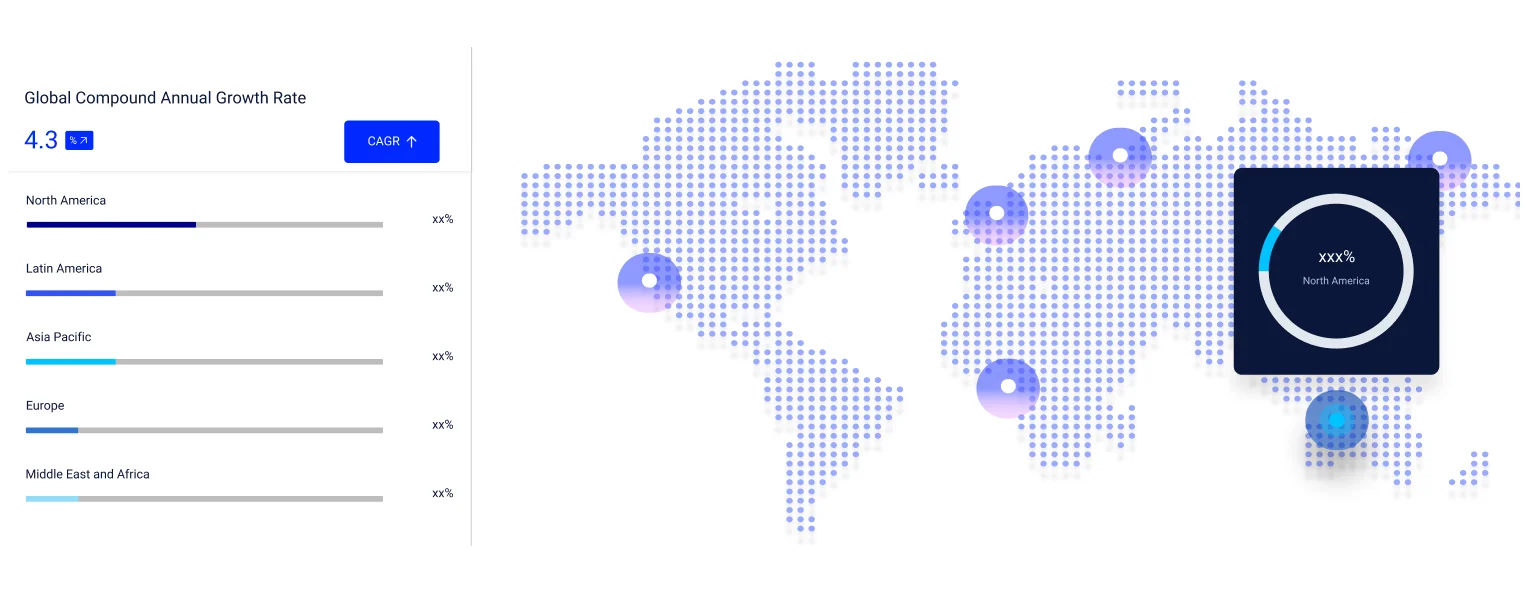
The global recruitment software market size was valued at USD 2.34 Billion in 2025. The industry is expected to grow at a CAGR of 6.30% during the forecast period of 2026-2035 to reach a value of USD 4.31 Billion by 2035.
The recruitment software market growth is driven by global skills gaps, hybrid work models, and AI-backed hiring mandates. Enterprises, in increasing numbers, are trading traditional hiring models for intelligent platforms that streamline sourcing, interviewing, and onboarding. A standout example is the European Commission’s Digital Europe Programme, which allocates over EUR 580 million to AI adoption, directly impacting HR technology growth. Similarly, the United Kingdom’s Future of Work Review has underscored automation in recruitment as a critical reform area.
In India, the Digital Employment Exchange of Telangana (DEET) showcases how state-led digital hiring platforms can be scaled using recruitment software solutions, boosting the recruitment software market dynamics. Moreover, the US Department of Labor's Apprenticeship Building America (ABA) programme encourages tech firms to adopt digital hiring solutions to match apprentices with companies in real time.
Such initiatives are fuelling demand for tools that go beyond applicant tracking. These can include candidate engagement, bias mitigation, and predictive analytics. Vendors are increasingly offering modular platforms with integrations across job boards, video interview tools, and workforce analytics dashboards, influencing the recruitment software market development.
Base Year
Historical Period
Forecast Period
The most popular talent tracking software includes SmartRecruiters, BambooHR, Workday, Greenhouse, and Submittable.
As per industry reports, almost 99% of Fortune 500 companies utilise specialised recruitment software.
94% of recruiters acknowledge that recruitment software has positively impacted their hiring processes.
68% of recruiters believe that investing in advanced recruiting technology is crucial for enhancing recruiting outcomes.
Compound Annual Growth Rate
6.3%
Value in USD Billion
2026-2035
*this image is indicative*
Read more about this report - REQUEST FREE SAMPLE COPY IN PDF
AI in recruitment has given rise to hyper-personalised screening, shaping up the recruitment software market trends and dynamics. For example, tools like HireVue now assess tone, eye movement, and word choice, backed by psychological models. In July 2024, Agency Mania Solutions (AMS) announced the latest innovation in its performance evaluation solution: EvaluationDeliver: AI Sentiment Analysis which can be employed to match long-term unemployed candidates to the right jobs. Startups like Sapia in Australia are now offering ethical AI recruiting models that anonymise responses for fairness, while still drawing on psychometric analysis.
Companies in the recruitment software market are increasingly favouring skills-based hiring over degrees for jobs. Microsoft’s Skills for Jobs programme with LinkedIn now feeds verified skill badges directly into recruitment tools. This helps in boosting hiring equity and access. Recruitment software platforms like Reejig are integrating workforce data to map latent talent inside companies, a trend now adopted by Deloitte UK. As the gig economy expands, employers prefer real-world skills demonstrated through bootcamps, micro-certifications, and previous project performance rather than formal credentials.
Seamless integration across platforms is becoming a key market trend. Recruitment software providers are now enabling plug-and-play APIs to integrate with payroll, onboarding, video interviews, and upskilling platforms. SAP SuccessFactors, for instance, recently expanded API access for third-party learning providers. Governments like Singapore's IMDA are encouraging open HR tech ecosystems, funding integration sandboxes under the Open Innovation Platform. Interoperability is becoming default.
Gamified recruitment is yet another key trend boosting the recruitment software market development. For example, Unilever’s AI-powered games assess problem-solving and memory while aligning with role-specific KPIs. Gamification helps reduce drop-offs and boosts employer brand perception, especially in Gen Z-targeted roles. These tools now track biometric responses and time-to-decision, feeding into employer analytics dashboards. Additionally, companies like Arctic Shores and Pymetrics are leveraging neuroscience-based games to reveal soft skills such as adaptability and risk tolerance. In Singapore, the government-backed Career Trial Programme is incorporating gamified simulations to match jobseekers with SMEs, based on situational judgement and emotional intelligence. This approach enhances long-term retention.
With GDPR and evolving data norms, privacy-compliant hiring is no longer optional. Solutions like SmartRecruiters and Jobvite now offer on-platform consent workflows and candidate data anonymisation by default. France’s CNIL data authority has started auditing algorithmic hiring tools, triggering vendors to include compliance toolkits. This particular recruitment software trend is gaining traction in the United States as well, where California’s CPRA has started to impact how HR technology stores and uses candidate data, especially from passive sourcing engines.
Read more about this report - REQUEST FREE SAMPLE COPY IN PDF
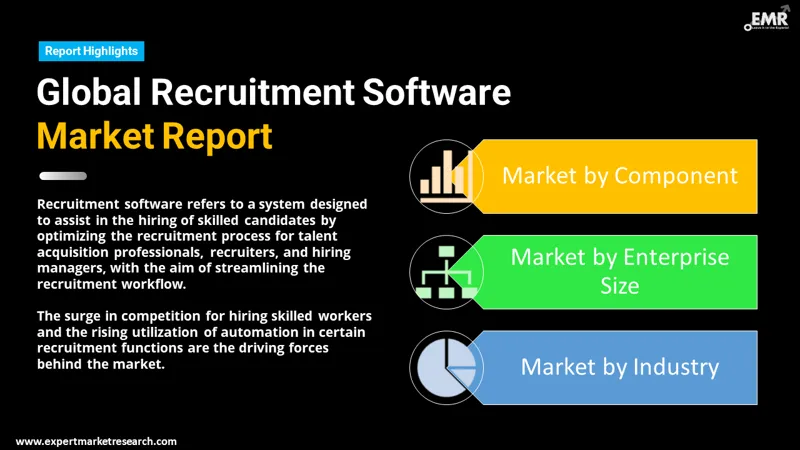
The EMR’s report titled “Global Recruitment Software Market Report and Forecast 2026-2035” offers a detailed analysis of the market based on the following segments:
Market Breakup by Deployment Mode
Key Insight: SaaS-based deployment occupies a significant share of the recruitment software market in flexibility and innovation, particularly for fast-scaling firms and remote workforces. On-premises, on the other hand, is evolving into a niche stronghold where data autonomy, regulatory compliance, and integration with legacy infrastructure are top concerns. The balance between instant scalability and secure customisation is shaping how buyers choose their deployment models, depending on vertical-specific needs.
Market Breakup by Component
Key Insight: Software remains the dominant segment in the recruitment software industry with modular AI, analytics, and automation features. Services, however, are becoming integral for clients seeking faster rollouts or lacking dedicated recruitment teams. Hybrid models are gaining favour, where software is bundled with managed services or implementation partners to ensure seamless setup and quicker return on investment.
Market Breakup by Enterprise Size
Key Insight: Large enterprises lead the recruitment software market, through deployment scale and feature sophistication, while SMEs are driving rapid adoption due to flexible pricing and simplicity. The market players are favouring solutions that cater to the agility of SMEs without compromising enterprise-grade features. Both segments are focused on tools that reduce manual effort and enable smarter decision-making.
Market Breakup by Vertical
Key Insight: BFSI dominates the recruitment software industry owing to tech-enabled, compliance-heavy hiring, whereas healthcare is seeing the sharpest adoption curve due to labour shortages and regulatory pressure. Hospitality and education follow closely, driven by seasonal hiring needs and workforce flexibility. Each vertical’s adoption is defined by how critical talent availability is to operational stability and service continuity.
Market Breakup by Region
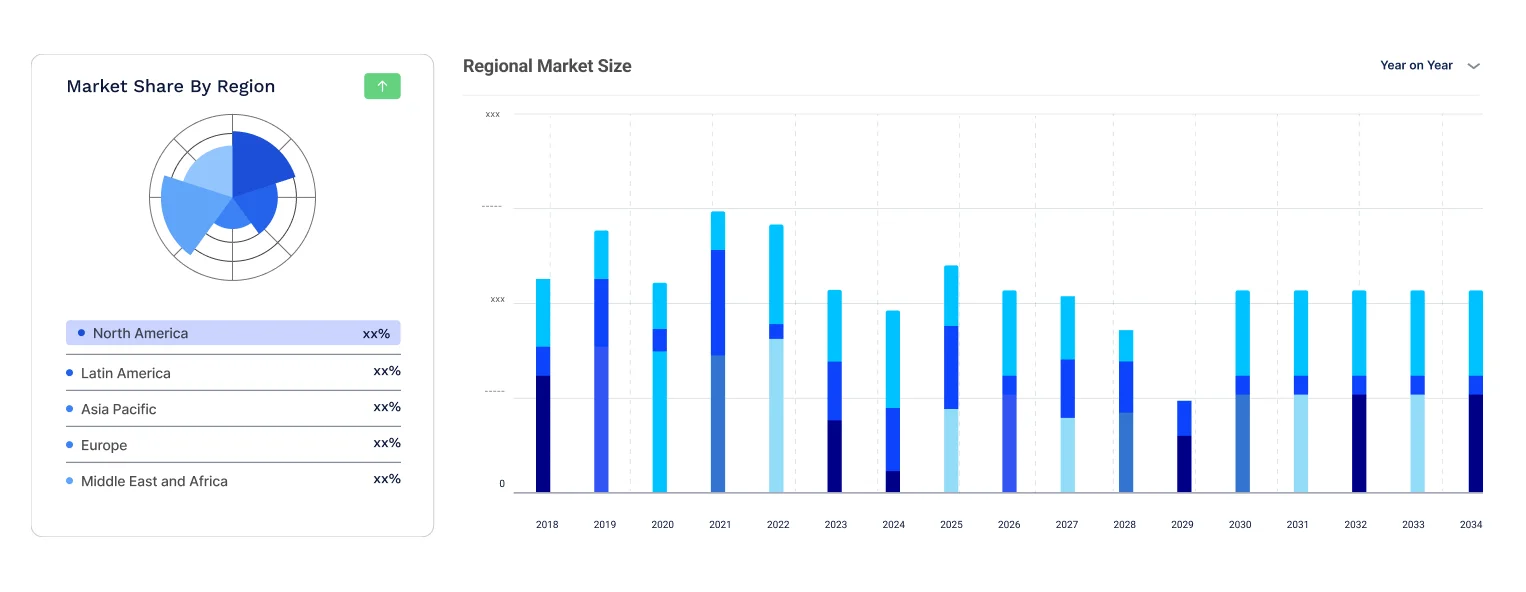
Key Insight: North America largely drives the recruitment software market revenue share, while Asia Pacific is emerging as the fastest-expanding region with deep localisation and hiring surges. Europe’s strict regulations shape the market toward privacy-first platforms. Latin America and Middle East Africa are witnessing infrastructure upgrades that boost digital hiring in both public and private sectors. Each region is being defined by how it balances volume, compliance, and digital maturity.
Read more about this report - REQUEST FREE SAMPLE COPY IN PDF
By Deployment Model, the SaaS-Based Segment Accounts for the Dominant Share of the Market
SaaS-based deployment dominates the recruitment software market due to its scalability, low upfront cost, and seamless updates. Companies are adopting these solutions to manage remote hiring across geographies without IT overhead. Platforms like Greenhouse, Lever, and iCIMS are offering end-to-end recruitment with AI plugins, video interviewing tools, and mobile dashboards. Companies in the UAE are integrating SaaS hiring platforms into their digital employment services to streamline private sector recruitment. The model supports instant feature rollouts, like DE&I monitoring tools or advanced analytics, making it ideal for dynamic hiring needs. For multinational enterprises, centralised visibility across locations adds significant operational value.
On-premises solutions are resurging in sectors where data security is non-negotiable, for example, such as defence, government, and finance sectors, boosting the recruitment software market opportunities. In Germany, public institutions are preferring on-premises setups following scrutiny under GDPR for third-party data handling. These systems are preferred by institutions with custom workflows, legacy HRMS integrations, or regulatory barriers against cloud. Vendors are responding with modular on-premises products featuring offline AI engines and private cloud bridges. Banking firms in APAC and Europe are particularly investing in bespoke, firewall-protected recruitment systems that integrate directly into internal talent intelligence networks.
By Component, the Software Segment Registers the Larger Share of the Market
Standalone recruitment software modules now power everything from sourcing and screening to onboarding and internal mobility tracking. The recruitment software market observes highest demand for AI-based ranking engines, candidate engagement dashboards, and diversity scoring tools. Platforms such as Workable, Bullhorn, and Zoho Recruit are investing in plug-and-play modules tailored for industries like education and hospitality. The software's modularity enables lean HR teams to automate high-volume hiring tasks. The market is gradually shifting towards predictive hiring, where software recommends candidates even before roles are formally opened.
Recruitment-as-a-Service (RaaS) is gaining pace, especially in mid-market and startup ecosystems. These service-based solutions often bundle software with outsourced HR specialists, talent sourcing, and compliance auditing. India’s gig-dominant startup ecosystem is showing heightened adoption for this model. Vendors in the recruitment software market like Deel and Remote are bundling hiring tools with payroll and global workforce management. Even governments are contracting third-party services to execute mass-scale recruitments efficiently.
By Enterprise Size, Large Enterprises Secure the Bigger Market Share
As per the recruitment software market report, large organisations are investing in comprehensive platforms with integrated workforce analytics and multi-location compliance. These tools enable centralised oversight across roles, geographies, and hiring funnels. Enterprises like Amazon and Infosys use predictive hiring tools to forecast needs based on turnover, project inflow, and skill shortages. AI-driven succession planning and internal mobility tools are also integrated. Such players often deploy sandbox environments to trial candidate engagement strategies. Governments with public service departments are investing in large-scale recruitment software to streamline role-to-skill mapping, aligning with labour policy reforms. The complexity and volume of roles at large enterprises make feature-rich recruitment platforms a strategic necessity.
Small and medium-sized businesses are increasingly adopting lightweight, mobile-first recruitment tools. SaaS models are particularly popular for their cost-efficiency and ease of use. Platforms like Freshteam, BreezyHR, and Recruitee cater to SMEs with simplified dashboards, integrated calendars, and chatbot pre-screeners, boosting the recruitment software market expansion. As hiring needs spike unpredictably in SMEs, tools with automation for resume parsing, scheduling, and offer rollouts are valuable. Government subsidies, such as the UK’s Digital Growth Vouchers, have enabled technology adoption among smaller firms. SMEs are using recruitment tools not only for external hiring but also for upskilling and internal promotions.
By Vertical, the BFSI Segment Holds the Dominant Position of the Market
Banking, Financial Services, and Insurance (BFSI) firms witness robust recruitment software adoption due to compliance-heavy hiring. These sectors handle sensitive data and operate under strict hiring guidelines. Recruitment software is deployed to manage background checks, onboarding protocols, and cybersecurity training integration. With the rise of fintech, demand for tech-savvy talent has intensified. Companies like HSBC and JP Morgan are using AI to pre-rank candidates based on ethical risk scores. Compliance modules and audit trails are non-negotiable features. Regulators across Europe and APAC are now urging BFSI firms to report diversity and inclusion metrics, making recruitment software a crucial tool for meeting both hiring and policy goals.
Post-pandemic healthcare staffing shortages have made recruitment software indispensable. Hospitals and clinics are deploying tools that manage locum staffing, credential verifications, and shift scheduling. Platforms like Locum’s Nest and Patchwork are transforming how gig healthcare workers are hired, credentialed, and rotated. The push for telemedicine is also reshaping job roles, with recruitment software being tuned to match hybrid roles combining technology and care. Compliance with licensing boards and fast onboarding are key growth levers, especially in overburdened public health systems across Europe and Asia.
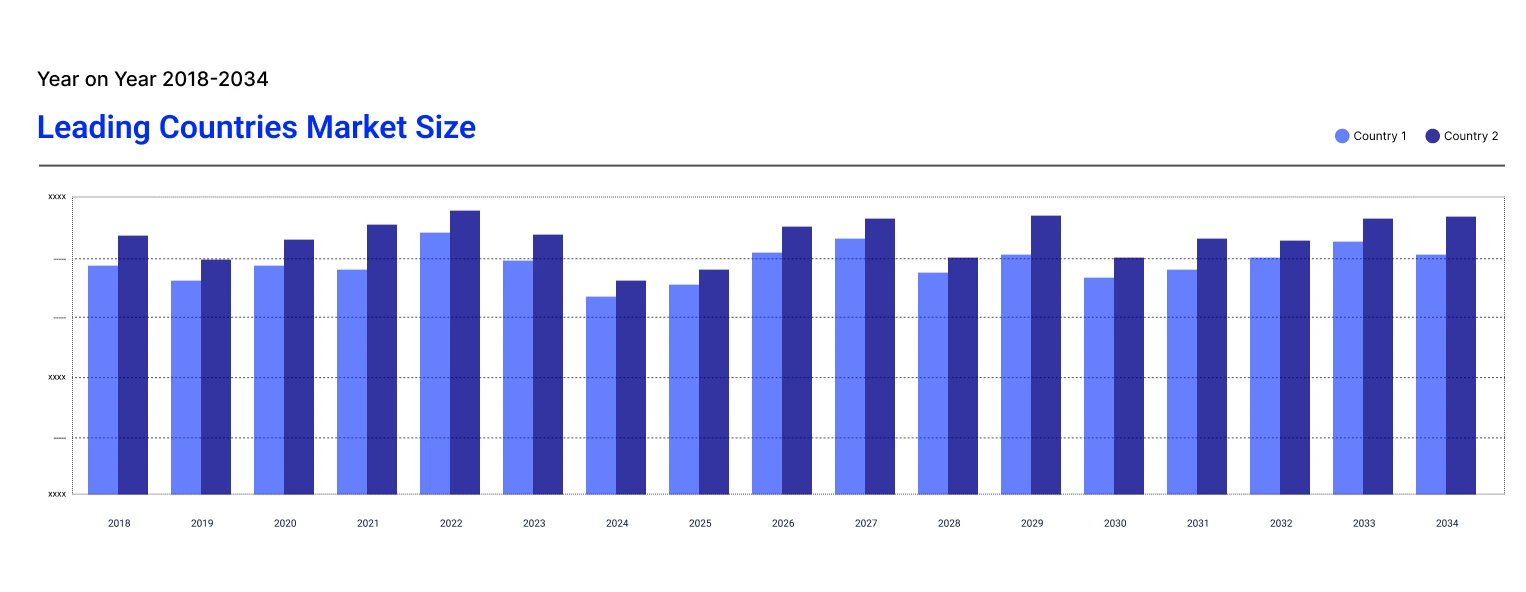
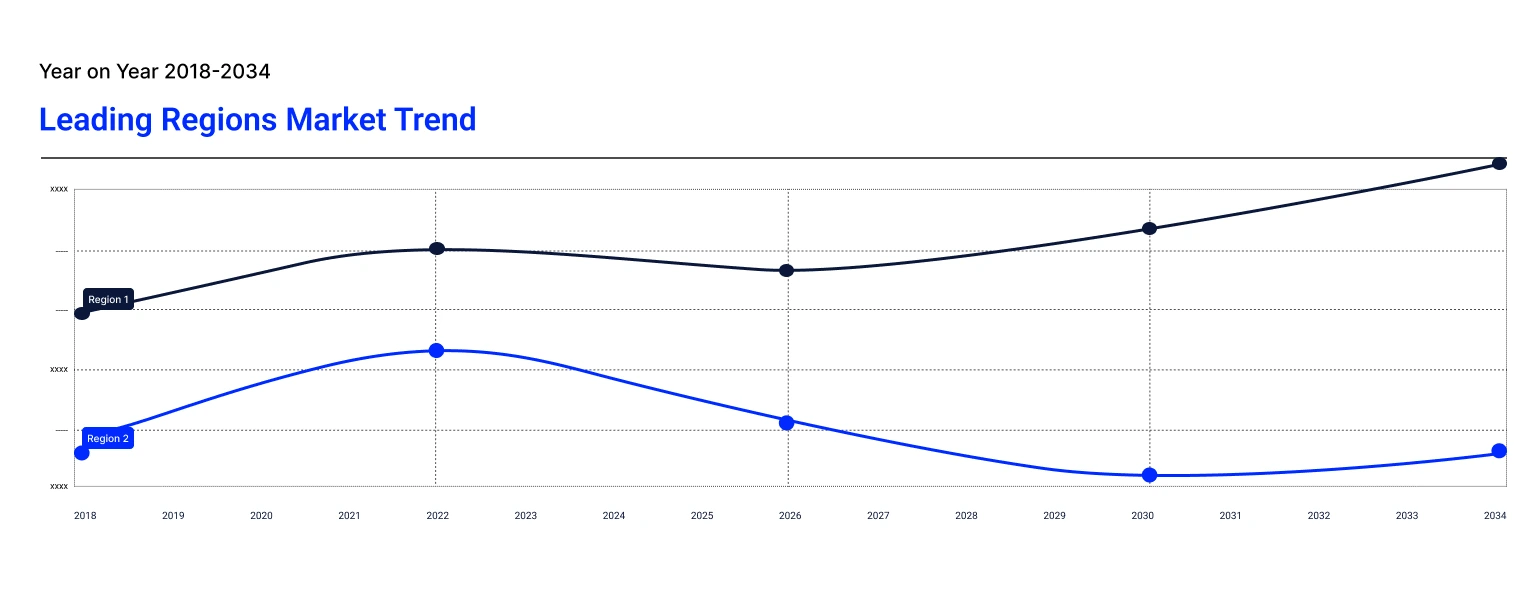
By Region, North America Dominates the Global Market
The North America recruitment software market, led by the United States and Canada, dominates the global market due to early technology adoption, deep venture funding, and strong enterprise demand. Companies are investing in AI-driven recruitment to manage both volume and quality. Silicon Valley startups are driving innovation, with tools like SeekOut and HiredScore refining talent mapping. Governmental support includes the U.S. Department of Labour’s initiatives to digitise apprenticeship matching. Canada’s Digital Supercluster is funding predictive hiring projects that aim to close labour-market gaps. The region also witnesses high SaaS penetration, which fuels cloud-native recruitment platforms, integrated directly into broader enterprise resource planning systems.
The Asia Pacific recruitment software market growth is powered by massive hiring demands, digital transformation, and government-backed employment programmes. India’s Skill India initiative and Japan’s robotic workforce strategies are shaping recruitment software localisation. Southeast Asia’s rise of digital SMEs has pushed demand for mobile-friendly, multilingual hiring platforms. Public and private sectors are both heavily investing in AI-based candidate matching. The emergence of remote and cross-border hiring is also fuelling adoption. China, though highly regulated, is seeing domestic vendors launch compliance-focused recruitment suites.
The recruitment software market players like iCIMS, Workday, and Lever are building analytics layers atop ATS platforms to offer real-time hiring intelligence. Startups are disrupting with features like unconscious bias detection and voice-based screening. Investment is surging into platforms offering verified skill clouds and blockchain-based credentialing.
Recruitment software companies are exploring generative AI to personalise job descriptions and assess cultural fit. White-labelling opportunities and vertical-specific customisation are also picking up. AI screening, skills-first hiring, API integration, gamified assessments, and privacy-first platforms are shaping how companies attract, assess, and onboard talent in dynamic, digitally driven ecosystems. Vendors aim for expansion through low-code platforms and talent community integrations. As hiring becomes a strategic edge, the battle is shifting from feature wars to outcome-oriented, ethical, and predictive recruitment ecosystems.
Ceridian HCM Holding, Inc. is a global human capital management (HCM) company. It is headquartered in Minnesota, United States, and was founded in 2013. Their flagship HCM cloud platform, Dayforce, is an advanced service providing various including human resources, payroll, and talent management capabilities in a singular solution.
SAP SE is a German-based multinational software company, which was founded in 1972. The company specialises in resource planning and management solutions for service, consumer, and the banking and insurance industries.
Oracle Corporation is the largest database management companies, headquartered in Texas, United States, and was founded in 1977. The company's products can be categorised into cloud infrastructure, cloud applications, hardware, and software. They provide management solutions for automotive, health, communications, industrial manufacturing, food, and beverages industries.
Kronos Incorporated was founded in 1977 and is headquartered at Massachusetts, United States. It offers a range of industry-centric workforce applications designed to help organisations control labour costs, minimise compliance risk, and enhance workforce productivity.
*Please note that this is only a partial list; the complete list of key players is available in the full report. Additionally, the list of key players can be customized to better suit your needs.*
Other key players in the market are Accenture Plc, ADP LLC, Cognizant Technology Solutions, iCIMS, Kenexa Corporation (IBM), PeopleAdmin, SumTotal Systems Inc., and Zoho Corporation, among others.
Explore the latest trends shaping the Recruitment Software Market 2026-2035 with our in-depth report. Gain strategic insights, future forecasts, and key market developments that can help you stay competitive. Download a free sample report or contact our team for customized consultation on Recruitment Software Market trends 2026.


Upto 15% Off
USD
$2499 $2249
$3999 $3599
$4999 $4249
$5999 $5099


*While we strive to always give you current and accurate information, the numbers depicted on the website are indicative and may differ from the actual numbers in the main report. At Expert Market Research, we aim to bring you the latest insights and trends in the market. Using our analyses and forecasts, stakeholders can understand the market dynamics, navigate challenges, and capitalize on opportunities to make data-driven strategic decisions.*
Get in touch with us for a customized solution tailored to your unique requirements and save upto 35%!
In 2025, the recruitment software market reached an approximate value of USD 2.34 Billion.
The market is projected to grow at a CAGR of 6.30% between 2026 and 2035.
The market is estimated to witness a healthy growth in the forecast period of 2026-2035 to USD 4.31 Billion by 2035.
Key strategies driving the market include leveraging predictive analytics, automating bias audits, customising API stacks, aligning with local hiring laws, and co-building recruitment features with clients to enhance compliance, agility, and talent quality.
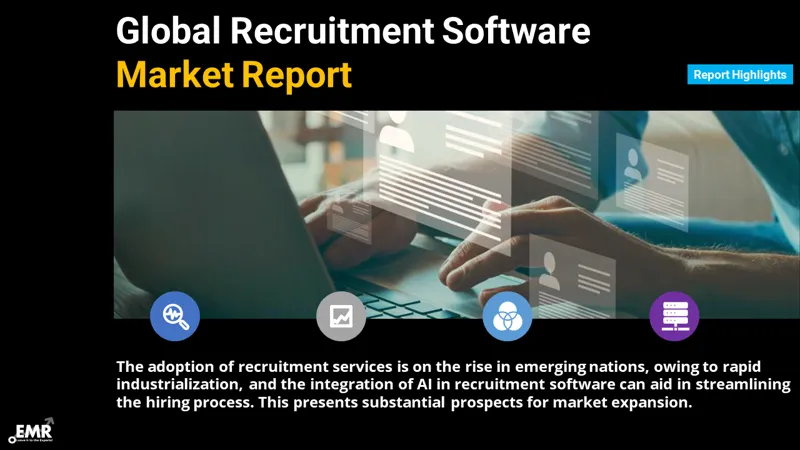
Key trends aiding market expansion include the implementation of AI in recruitment software for streamlining the hiring process, increasing adoption of cloud-based and mobile solutions, and the rising adoption of recruitment services due to rapid industrialisation in emerging nations.
Regions considered in the market are North America, Europe, the Asia Pacific, Latin America, and the Middle East and Africa.
The components of the market include software and services.
The enterprise sizes in the market include small and medium-sized enterprises and large enterprises.
The different verticals in the market include manufacturing, healthcare, BFSI, education, and hospitality, among others.
The key players in the market include are Ceridian HCM Holding, Inc., Oracle Corporation, Cornerstone, Kronos Incorporated., SAP SE, Accenture Plc, ADP LLC, Cognizant Technology Solutions, iCIMS, Kenexa Corporation (IBM), PeopleAdmin, SumTotal Systems Inc., and Zoho Corporation, among others.
North America currently dominates the market, driven by widespread adoption of advanced technologies and a mature job market. The region’s strong focus on automation, data analytics, and AI-powered tools enhances hiring efficiency and decision-making.
The key challenges are vendor lock-ins, AI bias, and compliance risk with cross-border candidate data handling, especially with changing privacy laws and expectations of explainability in automated decision-making.
Explore our key highlights of the report and gain a concise overview of key findings, trends, and actionable insights that will empower your strategic decisions.
| REPORT FEATURES | DETAILS |
| Base Year | 2025 |
| Historical Period | 2019-2025 |
| Forecast Period | 2026-2035 |
| Scope of the Report |
Historical and Forecast Trends, Industry Drivers and Constraints, Historical and Forecast Market Analysis by Segment:
|
| Breakup by Deployment Model |
|
| Breakup by Component |
|
| Breakup by Enterprise Size |
|
| Breakup by Vertical |
|
| Breakup by Region |
|
| Market Dynamics |
|
| Competitive Landscape |
|
| Companies Covered |
|
Datasheet
One User
USD 2,499
USD 2,249
tax inclusive*
Single User License
One User
USD 3,999
USD 3,599
tax inclusive*
Five User License
Five User
USD 4,999
USD 4,249
tax inclusive*
Corporate License
Unlimited Users
USD 5,999
USD 5,099
tax inclusive*
*Please note that the prices mentioned below are starting prices for each bundle type. Kindly contact our team for further details.*
Flash Bundle
Small Business Bundle
Growth Bundle
Enterprise Bundle
*Please note that the prices mentioned below are starting prices for each bundle type. Kindly contact our team for further details.*
Flash Bundle
Number of Reports: 3
20%
tax inclusive*
Small Business Bundle
Number of Reports: 5
25%
tax inclusive*
Growth Bundle
Number of Reports: 8
30%
tax inclusive*
Enterprise Bundle
Number of Reports: 10
35%
tax inclusive*
How To Order

Select License Type
Choose the right license for your needs and access rights.

Click on ‘Buy Now’
Add the report to your cart with one click and proceed to register.

Select Mode of Payment
Choose a payment option for a secure checkout. You will be redirected accordingly.
Gain insights to stay ahead and seize opportunities.

Get insights & trends for a competitive edge.

Track prices with detailed trend reports.

Analyse trade data for supply chain insights.

Leverage cost reports for smart savings

Enhance supply chain with partnerships.

Connect For More Information
Our expert team of analysts will offer full support and resolve any queries regarding the report, before and after the purchase.
Our expert team of analysts will offer full support and resolve any queries regarding the report, before and after the purchase.
We employ meticulous research methods, blending advanced analytics and expert insights to deliver accurate, actionable industry intelligence, staying ahead of competitors.
Our skilled analysts offer unparalleled competitive advantage with detailed insights on current and emerging markets, ensuring your strategic edge.
We offer an in-depth yet simplified presentation of industry insights and analysis to meet your specific requirements effectively.





Share