

Consumer Insights
Uncover trends and behaviors shaping consumer choices today
Procurement Insights
Optimize your sourcing strategy with key market data
Industry Stats
Stay ahead with the latest trends and market analysis.
The global refractory metals market attained a value of USD 148.71 Million in 2025. The market is expected to grow at a CAGR of 1.80% during the forecast period of 2026-2035. By 2035, the market is expected to reach USD 177.75 Million.
The need for refractories is increasing due to growing urbanization and infrastructure developments such cement manufacturing, steel plant capacity increases, and building. By 2050, 68% of the world's population is expected to live in cities, according to the UN. Strong industrial underpinnings, such as more cement and steel, are necessary for these movements. Advanced refractories with increased heat and corrosion resistance are required by new blast furnaces and developing hydrogen-based steelmaking technologies.
By providing performance attributes like strength, ductility, or corrosion resistance, advanced production processes like 3D printing are increasing the refractory metals industry share. A group of researchers at Johns Hopkins APL developed advanced 3D printing of refractory metals in May 2023, allowing for applications utilizing tungsten, tantalum, molybdenum, niobium, and rhenium in harsh environments. This flexibility expands applications across industries, such as aerospace, electronics, and energy, paving the way for more sophisticated usage.
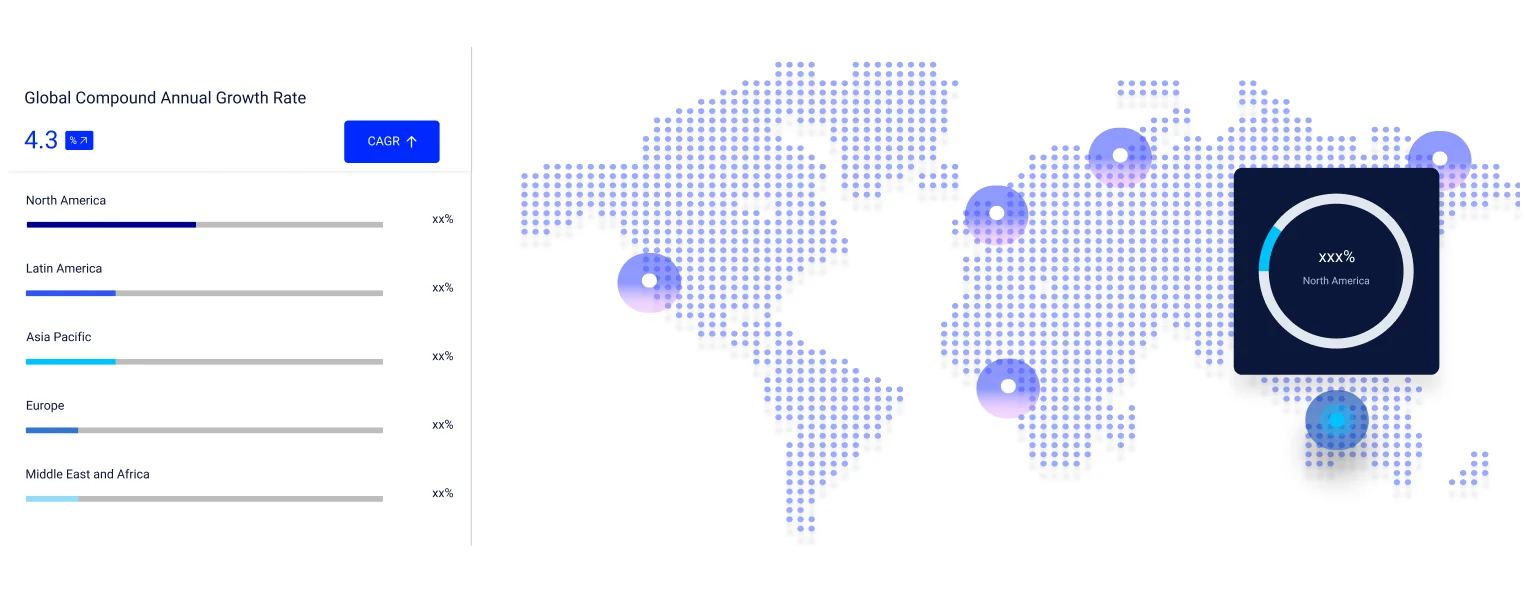
Compound Annual Growth Rate
1.8%
Value in USD Million
2026-2035
Shinagawa developed high-performance refractories tailored for the metal casting industry, aiming to improve durability, thermal resistance, and operational efficiency. This innovation supports enhanced casting quality and aligns with industry demands for longer-lasting, energy-efficient solutions in foundries and metal processing.
Foundation Alloy launched a new series of high-performance molybdenum alloys designed to offer superior strength, thermal stability, and corrosion resistance in demanding industrial applications. The launch reflects the company’s commitment to advanced materials innovation and meeting growing demand for durable, high-temperature metal solutions.
Metalysis scaled up refractory alloy production by acquiring a 40 kW spheroidiser, enhancing its ability to produce spherical metal powders, crucial for aerospace and additive manufacturing. The move supports Metalysis’ strategy to commercialize high-value alloys like tantalum and niobium using its patented solid-state technology.
Holdson and the University of Birmingham partnered to accelerate the use of refractory metals and Nitinol in additive manufacturing. The collaboration focuses on advancing 3D printing processes for high-performance materials, enabling complex, heat-resistant components for aerospace, medical, and energy sectors.
Environmental concerns are driving the refractory metals market toward recycling and sustainable extraction. Efficient reclamation from scrap mitigates reliance on mining, lowers environmental impact, and establishes a more circular supply chain. In April 2025, Continuum Powders recycled over 16,000 kg of nickel scrap from Siemens Energy, promoting sustainability and circularity in metal production. With increasing pressure from governments and industry stakeholders to reduce carbon footprints and conserve resources, companies are investing in advanced recovery technologies.
Refractory metals like molybdenum and tungsten support more energy-efficient and lower-emission industrial processes. They are essential in power generation and steelmaking furnaces, where enhanced thermal performance helps reduce overall energy consumption and carbon emissions, meeting the growing push for sustainable industrial practices. As industries shift toward decarbonization and stricter emissions regulations, the demand for these high-performance materials is increasing.
As renewable energy systems, such as solar, wind, hydrogen proliferate, the refractory metals demand grows for withstanding harsh operational environments. These materials are critical in components for solar receivers, wind turbine systems, and hydrogen-based processes, unlocking new market segments as the world transitions toward clean energy. In January 2024, Vestas launched low-emission steel made from 100% recycled scrap, melted using electric arc furnaces powered entirely by wind energy.
Ongoing research & development in novel refractory-metal alloys, including high-entropy compositions, enhances high-temperature strength and durability. In September 2024, Freemelt secured an order from a top American research institute to advance refractory metal processing using their cutting-edge 3D printing technology. Techniques like machine learning are accelerating discovery of alloys tailored for demanding environments such as turbines, forging a path toward next-generation heat-resistant components.
The adoption of digital monitoring for enhancing performance and safety is accelerating the growth of the refractory metals market. Sensors embedded in furnaces allow real-time tracking of wear and temperature, enabling predictive maintenance and extending service life, especially vital in energy-intensive sectors. Additionally, data analytics help optimize refractory material usage and anticipate failures before they occur, supporting more sustainable and cost-effective industrial processes.
Read more about this report - REQUEST FREE SAMPLE COPY IN PDF
The EMR’s report titled “Refractory Metals Market Report and Forecast 2026-2035” offers a detailed analysis of the market based on the following segments:
Market Breakup by Metal Type
Key Insight: Molybdenum is the most dominant metal due to its excellent strength, corrosion resistance, and high melting point. Molybdenum-enhanced stainless steel is also critical in oil and gas pipelines for its durability under extreme conditions. Additionally, molybdenum’s role in electronics and catalysts drives demand. In July 2025, Air Liquide inaugurated the world's largest molybdenum manufacturing facility in Hwaseong, South Korea to produce ultra-high purity molybdenum molecules and proprietary distribution systems under its Subleem™ brand.
Market Breakup by Application
Key Insight: The steel industry is the largest consumer of the global refractory metals industry. Molybdenum and tungsten are extensively added to steel to improve hardness, corrosion resistance, and high-temperature performance, vital for construction, automotive, and infrastructure projects. As per the World Steel Association, the global steel demand is forecasted to reach 1,772 Mt. This growing demand for steel continues to reinforce the segment’s dominance.
Market Breakup by Region
Key Insight: Asia Pacific is the most dominating region, driven by massive industrialization, urbanization, and infrastructure development in China, India, and South Korea. According to the Asian Development Bank, more than 55% of Asia’s population will be urban by 2030. China, as the world’s largest steel producer, heavily relies on refractory metals like molybdenum and tungsten for steelmaking, electronics, and power generation. Rapid growth in automotive manufacturing, electronics, and renewable energy sectors further fuels demand.
Read more about this report - REQUEST FREE SAMPLE COPY IN PDF
Tungsten & Niobium Metal to Gain Prominence
Tungsten holds a leading position in the refractory metals market due to its extraordinary melting point and density. It is vital in manufacturing cutting tools, electrical contacts, and filaments, notably in the electronics and automotive sectors. Tungsten’s resistance to wear and thermal shock makes it essential for heavy machinery and military applications. Ongoing innovations in tungsten recycling and powder metallurgy sustain its critical market role, especially in industries demanding extreme durability and heat resistance.
Niobium is prized for its superconducting properties and corrosion resistance, as it enhances the strength and weldability of steel alloys used in pipelines, automotive parts, and aerospace components. Niobium’s application in superconducting magnets, such as those in MRI machines and particle accelerators, highlights its technological importance. Brazil is a major niobium supplier, influencing global availability and prices. According to the United States Geological Survey, Brazil accounted for nearly 90% of the global niobium supply in 2023, producing 75,000 tons.
Huge Refractory Metal Adoption in Electrical and Electronics & Power Generation
The electrical and electronics sector is a significant end user of the refractory metals industry due to their excellent conductivity and high melting points. Tantalum capacitors are widely used in smartphones, laptops, and other portable electronics for reliable energy storage. Additionally, molybdenum-based components in semiconductors support high-performance computing and AI applications. Rapid technological advancements and growing demand for consumer electronics sustain this segment’s strong contribution to the market.
Power generation industries rely on refractory metals like molybdenum and tungsten to build components that withstand extreme heat and corrosion. These metals are critical in turbine blades, boilers, and heat exchangers used in fossil fuel, nuclear, and renewable energy plants. In March 2025, United Kingdom fusion reactors deployed super-strong tungsten produced by Plansee and Freemelt’s eMELT device to withstand extreme heat and harsh conditions. As the global energy sector transitions towards cleaner and more efficient technologies, the demand for refractory metals in power generation continues to grow.
North America & Europe to Drive Refractory Metals Demand
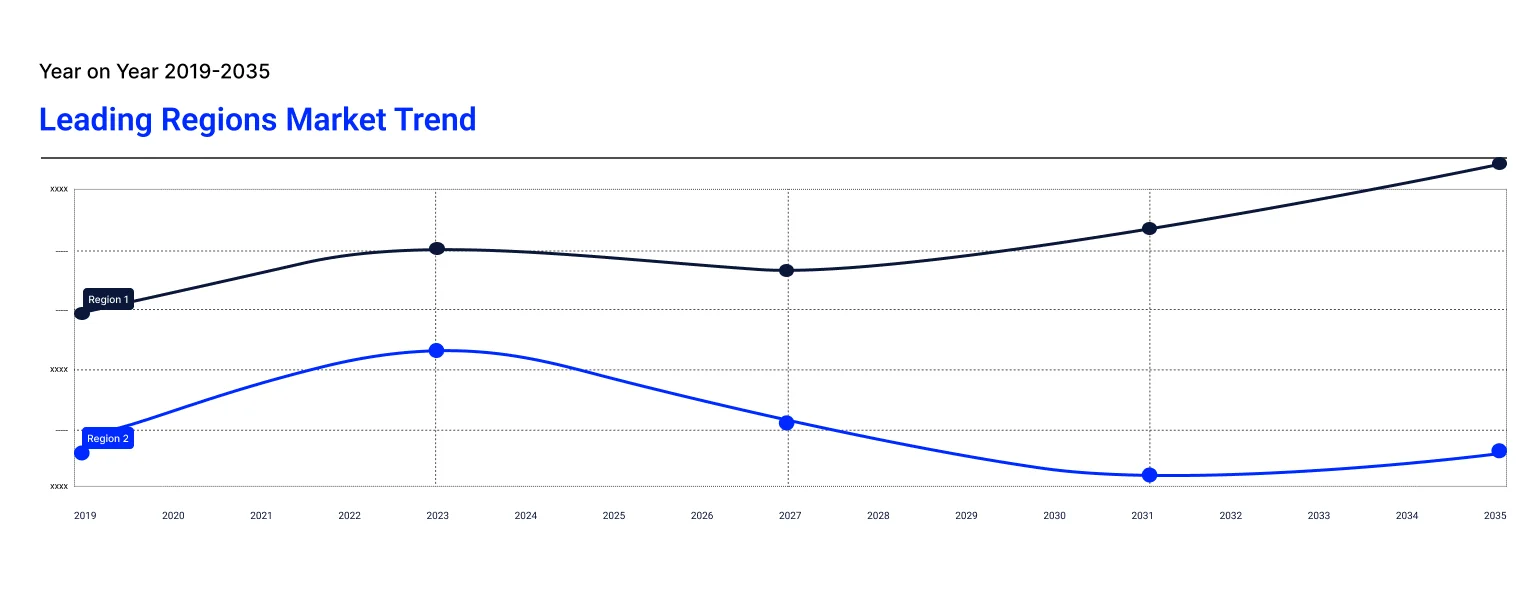
North America holds a strong position in the global refractory metals market, propelled by advanced aerospace, defense, and medical industries requiring high-performance materials like tungsten, niobium, and tantalum. Significant investments in renewable energy infrastructure and power generation create steady demand. Technological advancements and environmental initiatives sustain North America’s strong presence. In April 2025, United States-based Elmet Technologies launched a comprehensive new website focused on its additive manufacturing services and metal powders to cater to several applications.
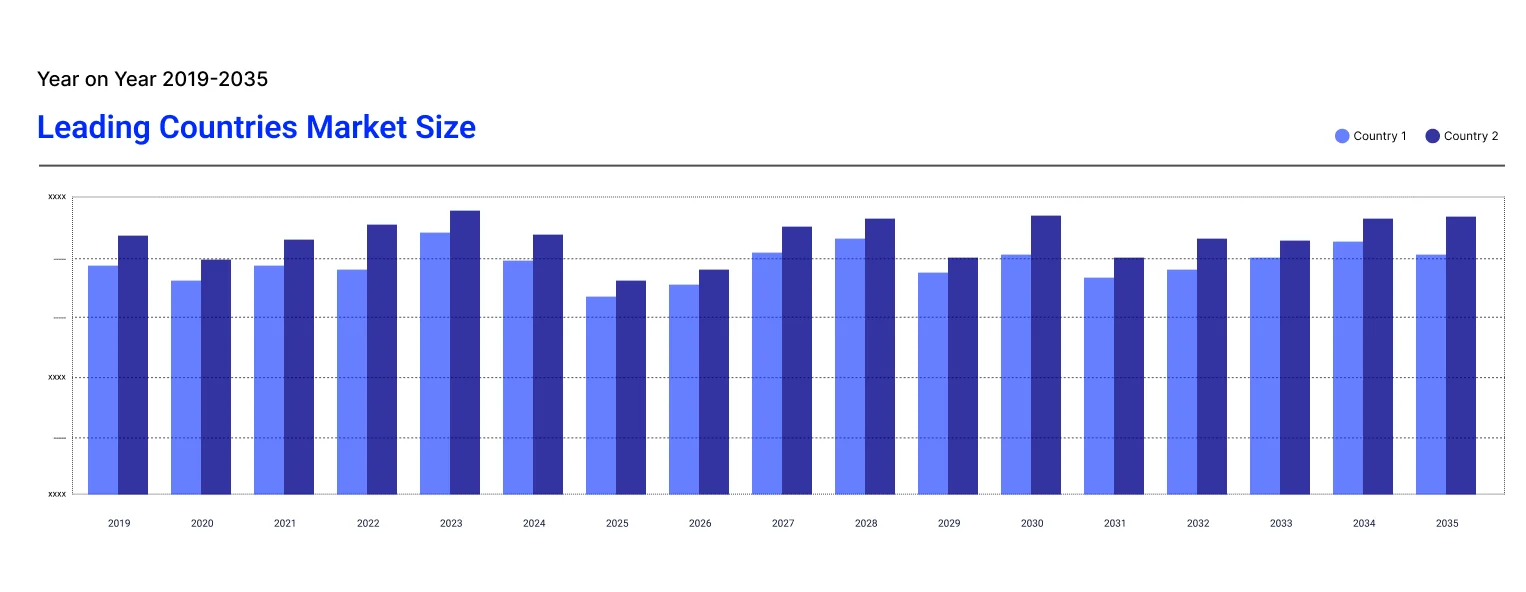
Europe remains vital due to its focus on sustainability, high-tech manufacturing, and stringent environmental regulations. Germany and France lead the demand in automotive, chemical, and power generation segments. In order to meet regulatory criteria, Europe prioritizes recycling and environmentally sustainable refractory metal sources. The region's green energy revolution, which includes wind farm installations and hydrogen-based steel production, increases demand for advanced refractory materials like tungsten and molybdenum. Europe's innovation and circular economy philosophies provide steady market demand and prospects for long-term prosperity.
Leading players in the refractory metals market are focusing their strategies on supply chain protection, innovation, and market expansion. The companies are spending a lot of money on research to create advanced alloys and materials that can withstand high temperatures and corrosive conditions, catering to high-demand sectors like nuclear power, electronics, aerospace, and defense. Programs for recycling and sustainability are also growing in popularity as businesses adopt efficient recovery methods to reduce their dependency on basic raw materials and their environmental impact.
Mergers, acquisitions, and strategic alliances are commonplace and enable businesses to expand their product offerings, improve their market positioning, and reach new markets. Long-term supply agreements with miners or equity investment in upstream operations ensures access to key raw materials such as tungsten, molybdenum, tantalum, niobium, and rhenium, most of which are subject to geopolitical and scarcity risks. Market participants are also concentrating on customization and high-performance solutions that are end-user application specific.
Established in 1928 in Germany, Terubacher Industrie AG is a specialist in tungsten and molybdenum products. The company excels in powder metallurgy innovation and high-end refractory materials, supplying industries, such as aerospace and electronics with superior metal components and alloys.
Founded in 1921 with an Austrian head office, Plansee Group specializes in refractory metals and high-tech materials. They pioneer powder manufacture and additive manufacturing, offering premium tungsten, molybdenum, and tantalum products to industries worldwide in energy, electronics, and medical technology.
Established in 1994 with headquarters in the United States, Rhenium Alloys, Inc. is a rhenium metal and alloy producer for aerospace and industrial applications. Rhenium Alloys, Inc. has a reputation for producing high-purity rhenium products that endure highest temperature and corrosion.
Based in Canada and established in 2002, Admat Inc. specializes in the production of tungsten, molybdenum, and tantalum parts. Renowned for custom solutions and precision machining, Admat supplies aerospace, defense, and medical technology industries with refractory metal items that are strong yet durable.
*Please note that this is only a partial list; the complete list of key players is available in the full report. Additionally, the list of key players can be customized to better suit your needs.*
Download your free sample of the refractory metals market report 2026 today to explore key market trends, growth drivers, and competitive analysis. Stay ahead with expert insights into evolving technologies, sustainability impacts, and regional demand forecasts. Don’t miss the opportunity to leverage data-driven strategies and maximize your market potential in the refractory metals industry.
Niobium Innovations & Market Outlook
Tantalum Applications And Supply Chain
Molybdenum Energy Applications


Upto 15% Off
USD
$2499 $2249
$3999 $3599
$4999 $4249
$5999 $5099


*While we strive to always give you current and accurate information, the numbers depicted on the website are indicative and may differ from the actual numbers in the main report. At Expert Market Research, we aim to bring you the latest insights and trends in the market. Using our analyses and forecasts, stakeholders can understand the market dynamics, navigate challenges, and capitalize on opportunities to make data-driven strategic decisions.*
In 2025, the market reached an approximate value of USD 148.71 Million.
The market is projected to grow at a CAGR of 1.80% between 2026 and 2035.
The market is estimated to witness a healthy growth in the forecast period of 2026-2035 to reach USD 177.75 Million by 2035.
Key strategies driving the market include increasing investment in aerospace and defense, expansion in electronics manufacturing, and demand for high-performance materials in extreme environments. Companies focus on recycling technologies, strategic partnerships, and securing supply chains to ensure availability and innovation in tungsten, molybdenum, tantalum, niobium, and rhenium.
The key industry trends guiding the growth of the market are the growing urbanisation and industrialisation.
The major regions in the industry are North America, Latin America, the Middle East and Africa, Europe, and the Asia Pacific.
The significant metal types are molybdenum metal, tungsten metal, niobium metal, tantalum metal, and rhenium metal, among others.
The significant applications include steel industry, electrical and electronics, power generation, chemical, medical industry, and others.
The key players in the market report include Terubacher Industrie AG, Plansee Group, Rhenium Alloys, Inc., Admat Inc., and others.
Asia Pacific is the most dominating region, driven by massive industrialization, urbanization, and infrastructure development in China, India, and South Korea.
Explore our key highlights of the report and gain a concise overview of key findings, trends, and actionable insights that will empower your strategic decisions.
| REPORT FEATURES | DETAILS |
| Base Year | 2025 |
| Historical Period | 2019-2025 |
| Forecast Period | 2026-2035 |
| Scope of the Report |
Historical and Forecast Trends, Industry Drivers and Constraints, Historical and Forecast Market Analysis by Segment:
|
| Breakup by Metal Type |
|
| Breakup by Application |
|
| Breakup by Region |
|
| Market Dynamics |
|
| Competitive Landscape |
|
| Companies Covered |
|
| Report Price and Purchase Option | Explore our purchase options that are best suited to your resources and industry needs. |
| Delivery Format | Delivered as an attached PDF and Excel through email, with an option of receiving an editable PPT, according to the purchase option. |
Datasheet
One User
USD 2,499
USD 2,249
tax inclusive*
Single User License
One User
USD 3,999
USD 3,599
tax inclusive*
Five User License
Five User
USD 4,999
USD 4,249
tax inclusive*
Corporate License
Unlimited Users
USD 5,999
USD 5,099
tax inclusive*
*Please note that the prices mentioned below are starting prices for each bundle type. Kindly contact our team for further details.*
Flash Bundle
Small Business Bundle
Growth Bundle
Enterprise Bundle
*Please note that the prices mentioned below are starting prices for each bundle type. Kindly contact our team for further details.*
Flash Bundle
Number of Reports: 3
20%
tax inclusive*
Small Business Bundle
Number of Reports: 5
25%
tax inclusive*
Growth Bundle
Number of Reports: 8
30%
tax inclusive*
Enterprise Bundle
Number of Reports: 10
35%
tax inclusive*
How To Order

Select License Type
Choose the right license for your needs and access rights.

Click on ‘Buy Now’
Add the report to your cart with one click and proceed to register.

Select Mode of Payment
Choose a payment option for a secure checkout. You will be redirected accordingly.
Strategic Solutions for Informed Decision-Making
Gain insights to stay ahead and seize opportunities.

Get insights & trends for a competitive edge.

Track prices with detailed trend reports.

Analyse trade data for supply chain insights.

Leverage cost reports for smart savings

Enhance supply chain with partnerships.

Connect For More Information
Our expert team of analysts will offer full support and resolve any queries regarding the report, before and after the purchase.
Our expert team of analysts will offer full support and resolve any queries regarding the report, before and after the purchase.
We employ meticulous research methods, blending advanced analytics and expert insights to deliver accurate, actionable industry intelligence, staying ahead of competitors.
Our skilled analysts offer unparalleled competitive advantage with detailed insights on current and emerging markets, ensuring your strategic edge.
We offer an in-depth yet simplified presentation of industry insights and analysis to meet your specific requirements effectively.




