

Consumer Insights
Uncover trends and behaviors shaping consumer choices today
Procurement Insights
Optimize your sourcing strategy with key market data
Industry Stats
Stay ahead with the latest trends and market analysis.
The global residential energy storage systems market size was valued at USD 1.73 Billion in 2025. The industry is expected to grow at a CAGR of 18.40% during the forecast period of 2026-2035 to reach a value of USD 9.37 Billion by 2035. The market growth is strongly driven by the expansion of dedicated residential ESS product portfolios alongside rising deployment milestones that validate end-user demand.
Optimization of tariff arbitrage and integration of EV charging is augmenting the usage of residential energy storage systems. Time-of-use pricing practices motivate homeowners to utilize low-cost electricity to recharge batteries and then utilize these batteries during peak usage times. While the growing usage of household EV charging stations is increasing electricity consumption, residential energy storage systems are highly advantageous for efficient load management, self-consumption, and residential energy management.
Companies are also launching dedicated solutions in the residential energy storage systems market that include compact designs and scaling capacities to easily integrate with residential settings. For example, in July 2025, Polar ESS unveiled the All-in-One Hybrid Solar and Battery Energy Storage System that supports up to 13.5 kWh of capacity in response to the demand for ease of adoption for residential users. Supplementing this trend are successful large-scale adoption efforts that instill renewed confidence in the product segment as well. For example, in December 2025, BYD Energy Storage claimed to have exceeded 1.5 million residential systems sold worldwide.
Compound Annual Growth Rate
18.4%
Value in USD Billion
2026-2035
Read more about this report - REQUEST FREE SAMPLE COPY IN PDF
|
Global Residential Energy Storage Systems Market Report Summary |
Description |
Value |
|
Base Year |
USD Billion |
2025 |
|
Historical Period |
USD Billion |
2019-2025 |
|
Forecast Period |
USD Billion |
2026-2035 |
|
Market Size 2025 |
USD Billion |
1.73 |
|
Market Size 2035 |
USD Billion |
9.37 |
|
CAGR 2019-2025 |
Percentage |
XX% |
|
CAGR 2026-2035 |
Percentage |
18.40% |
|
CAGR 2026-2035- Market by Region |
Asia Pacific |
24.9% |
|
CAGR 2026-2035 - Market by Country |
India |
42.1% |
|
CAGR 2026-2035 - Market by Country |
China |
24.6% |
|
CAGR 2026-2035 - Market by Technology |
Lithium-ion Batteries |
20.2% |
|
Market Share by Country 2025 |
India |
3.5% |
Tesla announced the commercial release of the Powerwall 3P, a new three-phase energy storage system designed for complex residential roof layouts and high-demand appliances like heat pumps. The system features a 13.4 kWh capacity and integrates a hybrid inverter with four MPPT trackers, delivering up to 15.4 kW of continuous AC power and utilizing local AI-driven processing for cost optimization.
LG Energy Solution finalized a USD 4.3 billion agreement with Tesla to supply lithium iron phosphate (LFP) prismatic battery cells for energy storage systems. To fulfill the contract, LG Energy Solution will establish dedicated production lines at its Lansing, Michigan facility, aiming to support the transition toward high-safety LFP chemistry within the North American residential and utility storage segments.
The U.S. Energy Information Administration (EIA) released projections indicating that developers plan to add a record 24 GW of battery storage capacity to the power grid during 2026. While utility-scale projects dominate the volume, the report highlights that 28% of all new electric generating capacity for the year will stem from battery storage, significantly influencing residential backup and grid-supportive technologies.
A report on home energy storage trends for 2026 detailed a market-wide transition toward LFP chemistry as the primary backbone for residential systems due to its superior cycle life and thermal stability. The analysis noted that system price points have declined to an estimated range of USD 180–200 per kWh, accelerating the integration of batteries with smart meters and EV chargers.
Improvements in battery management and hybrid inverter technology are enabling household energy storage system businesses to become considerably more reliable and efficient, allowing them to penetrate mainstream markets for at-home energy optimization beyond traditional backup applications. For instance, in July 2025, Sungrow launched its next-generation residential ESS featuring improved MG series inverters and fast residential backup switching. Such innovations showcase advancements in technology, maximizing its value within the residential energy storage systems market.
The participation of energy providers who already operate in the residential ESS market ensures that new developments and competition continue to expand possibilities for residential clients. Ola Electric entered the household energy storage market in October 2025 with the Ola Shakti Battery Energy Storage System (BESS), marking a strategic shift from its previous focus on electric transportation solutions.
Partnerships between domestic energy storage system manufacturers, installation companies, and distributors broaden the company's reach in the global residential energy storage systems market while improving customer service. For example, in January 2025, Expion360 Inc. commenced the shipment of its e360 Home Energy Storage products (HESS) in collaboration with Wellspring Solar, leveraging Wellspring Solar's installation capabilities to market its products on a broad scale.
Residential ESS innovation unveilings are an important part of industry trade fairs, as they illustrate how firms are moving forward in terms of enhanced performance, designs, and integration. The all-in-one residential ESS from HYXiPOWER, which combines generating and storage capabilities, drew notice at the RE+ 2025. Product unveilings that take place as part of trade fairs provide corporations with PR benefits while also emphasizing competitive technology trends.
Residential ESS integration is becoming simpler and less expensive as a result of modular and integrated systems. In June 2024, ACE Battery introduced their new all-in-one residential energy storage solution, the PE20-H2, which combines PCS, BMS, and EMS in one unit, simplifying installation and improving performance. All these new and innovative designs of solutions allow consumers to experience the benefits of energy independence with less difficulty.
The EMR’s report titled “Global Residential Energy Storage Systems Market Report and Forecast 2026-2035” offers a detailed analysis of the market based on the following segments:
Market Breakup by Technology Type
Key Insight: Lithium-ion batteries are dominant in the residential energy storage systems market, as key participants such as Tesla, LG Energy Solution, BYD Energy Storage, and Sungrow leverage their high energy density, long cycle life, and decreasing costs through economies of scale. Lead-acid batteries are still used in traditional backup applications, in which traditional companies such as Exide Industries and EnerSys operate, although they trail in terms of lower efficiency and shorter lifespan. Other technologies, such as the latest developments in sodium-ion and flow batteries, are studied and developed in those start-ups and small companies, such as Natron Energy and Redflow, which target niche applications related to safety and long-duration energy storage, ready for future expansion upon improvement in costs and performance.
Market Breakup by Region
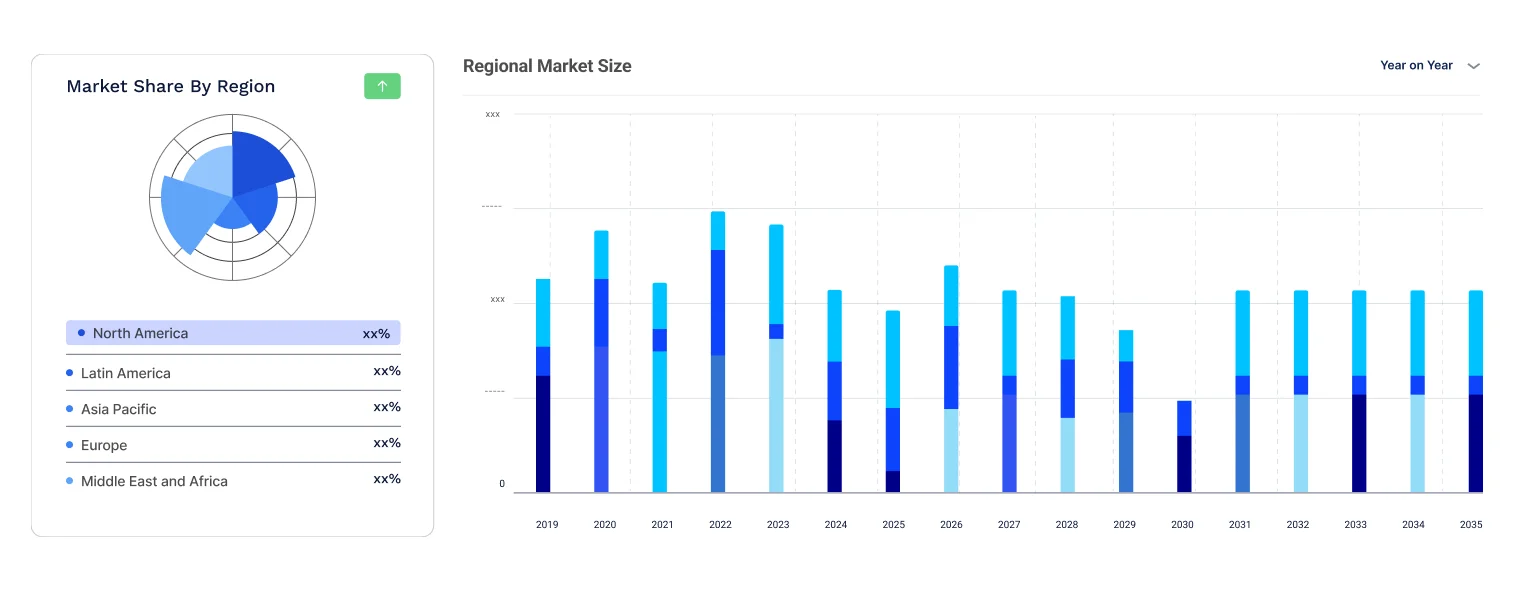
Key Insight: North America accounts for a significant share of the residential energy storage systems market, which has been led mainly by Tesla Powerwall and residential storage solutions offered by Generac, as well as partnerships between solar integrators. The European market has been led mainly by Sonnen and BYD BatteryBox Solution and has been fueled mainly by incentives in Germany and Italy. In the Asia Pacific region, there has been large-scale adoption led by LG, Sungrow, and Huawei. The Latin American market has been growing and has been led mainly by Solax Power, along with other participants aligned to increasing distributed energy projects. The Middle East & Africa market has emerged, mainly led by Schneider Electric, along with regional solar integrators, who have been starting residential ESS pilot projects.
Read more about this report - REQUEST FREE SAMPLE COPY IN PDF
By technology type, lithium-ion batteries witness high demand
Rising adoption of rooftop solar and the need for reliable, low-maintenance home backup are driving demand for lithium-ion batteries in residential ESS due to their high energy density, superior round-trip efficiency, and longer cycle life compared to conventional chemistries. This shift supports greater self-consumption and long-term cost savings for households. Reflecting this trend, in December 2025, Trontek entered the residential energy storage market with its Powercube 1.4 kWh and 2.7 kWh lithium-ion battery systems, designed for both solar and grid charging.
Despite the rise of lithium-ion chemistries, lead-acid batteries continue to witness consistent demand in the residential energy storage systems market, where affordability and proven reliability matter, especially in emerging regions and basic backup applications. Manufacturers are innovating product designs and expanding production to serve cost-conscious homeowners. For example, in February 2025, Luminous Power Technologies announced the establishment of a new production unit for lead-acid batteries in North India, enhancing manufacturing capacity to meet growing residential solar storage demand and supporting more locally supplied backup solutions. This expansion reflects how legacy battery technologies adapt through strategic production investments and continue to play a role where lower upfront costs and established distribution networks drive adoption.
Read more about this report - REQUEST FREE SAMPLE COPY IN PDF
By region, Europe dominates the market with strong policy and incentive frameworks
Europe’s residential energy storage industry is driven by the presence of government regulations favoring renewable energy and product line strategies of organizations that develop local solutions for urban settings. Citizens and companies are embracing modular energy storage systems for increased self-consumption and control of energy bills due to different pricing. The recent launch of a new energy storage system by AlphaESS at the ees Europe & Intersolar Munich conference in 2024 includes the presentation of the VitaPower energy storage system for balconies, known as the VT1000, a plug-and-play system that has a capacity of 1 kW/1 kWh and can be extended to 2 kW/6 kWh.
The North American residential energy storage systems market shows robust growth owing to the presence of regional manufacturing companies and regionally aligned product launches. Companies are customizing their storage offerings as per the regional needs of domestic content and grid resilience. In December 2024, SolarEdge Technologies started delivery of its United States of America Edition SolarEdge Home Battery, which is its 9.7 kWh capacity residential ESS and is domestically manufactured in the United States to be eligible under the Inflation Reduction Act Tax Credits.
|
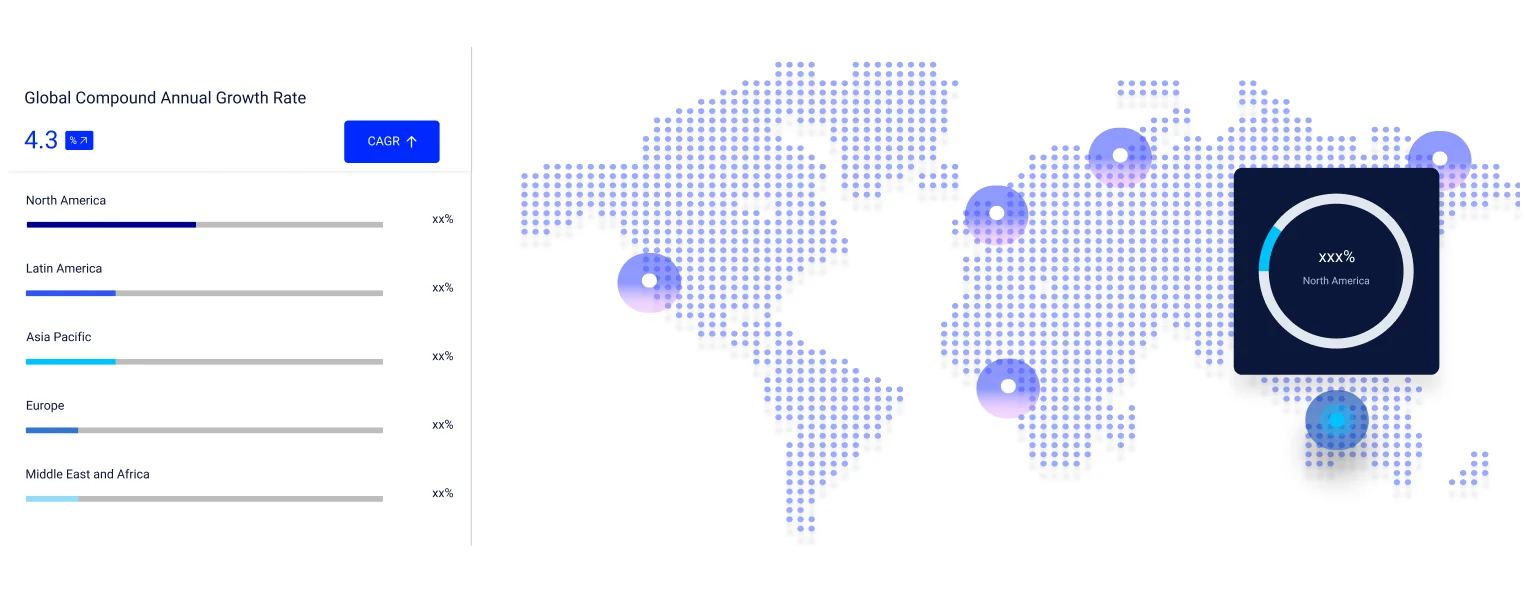
CAGR 2026-2035- Market by |
Region |
|
Asia Pacific |
24.9% |
|
Latin America |
21.5% |
|
Europe |
16.6% |
|
North America |
XX% |
|
Middle East and Africa |
XX% |
Major residential energy storage systems market players are investing in AI-based energy management systems, modular energy storage systems, and VPP solutions to enhance their market presence in the industry. One of the key opportunities in this market is providing integrated energy solutions to customers by incorporating energy solutions of solar energy, energy storage, and smart energy control. Storage solutions are also moving towards subscription-based services.
The trend of integration with vehicle-to-home is propelling residential energy storage systems companies towards collaborating with car brands, thereby unlocking new opportunities in the residential energy storage systems market. Moreover, companies are focused on localizing the manufacturing of batteries as per the developing policy incentives. With the increasing trend of decentralized energy solutions and consumer affinity towards energy independence, key players in the market are competing in developing compact solutions compatible with IoT.
Established in 2020 and headquartered in Seoul, South Korea, LG Energy Solution leads in lithium-ion storage systems tailored for residential use. The company focuses on high-efficiency, modular batteries with advanced thermal safety. Its RESU Prime series integrates seamlessly with rooftop solar setups and offers AI-based smart energy management.
Founded in 2020 and based in Zurich, Switzerland, Hitachi Energy focuses on grid-edge solutions in the global residential energy storage systems market. The company offers hybrid inverter-battery systems that communicate with smart grids to enable dynamic load balancing and VPP participation. Hitachi’s Grid Edge Solutions division works on seamless integration between residential batteries and utility operations, using AI and edge computing.
Headquartered in Osaka, Japan, and established in 1918, Panasonic is a long-standing innovator in battery technology. Its EverVolt residential storage line features expandable lithium-ion systems with AC and DC-coupled configurations. Panasonic focuses on home energy autonomy through solar-plus-storage packages, integrating advanced monitoring via the EverVolt app.
Founded in 1918 and headquartered in Paris, France, Saft, part of TotalEnergies, offers premium lithium-ion systems for residential applications. Saft is known for its high-performance batteries designed for harsh environments, now adapted for smart home use. Saft integrates advanced BMS (battery management systems) for real-time diagnostics and preventive maintenance.
*Please note that this is only a partial list; the complete list of key players is available in the full report. Additionally, the list of key players can be customized to better suit your needs.*
Other key players in the market are sonnenGroup, Tesla Inc., SENEC GmbH, Samsung SDI Co., Ltd., Exide Industries Ltd., and Luminous Power Technologies Private Limited, among others.
Explore the latest trends shaping the Global Residential Energy Storage Systems Market 2026-2035 with our in-depth report. Gain strategic insights, future forecasts, and key market developments that can help you stay competitive. Download a free sample report or contact our team for customized consultation on global residential energy storage systems market trends 2026.


Upto 15% Off
USD
$2499 $2249
$3999 $3599
$4999 $4249
$5999 $5099


*While we strive to always give you current and accurate information, the numbers depicted on the website are indicative and may differ from the actual numbers in the main report. At Expert Market Research, we aim to bring you the latest insights and trends in the market. Using our analyses and forecasts, stakeholders can understand the market dynamics, navigate challenges, and capitalize on opportunities to make data-driven strategic decisions.*
In 2025, the global residential energy storage systems market reached an approximate value of USD 1.73 Billion.
The market is projected to grow at a CAGR of 18.40% between 2026 and 2035.
The key players in the market include LG Energy Solution Ltd., Hitachi Energy Ltd., Panasonic Corporation, Saft Groupe SAS, sonnenGroup, Tesla Inc., SENEC GmbH, Samsung SDI Co., Ltd., Exide Industries Ltd., and Luminous Power Technologies Private Limited, among others.
Key strategies driving the market include product innovation with modular, high-density designs; strategic partnerships and regional distribution, localized manufacturing to reduce costs; and integration with solar and EV systems. Companies also explore emerging battery chemistries to serve niche and cost-sensitive segments.
The global residential energy storage systems market faces challenges such as high upfront system costs, supply constraints for critical battery materials, regulatory and incentive variability across regions, safety and integration complexities, and limited consumer awareness in emerging markets, which can slow adoption despite growing demand.
Explore our key highlights of the report and gain a concise overview of key findings, trends, and actionable insights that will empower your strategic decisions.
| REPORT FEATURES | DETAILS |
| Base Year | 2025 |
| Historical Period | 2019-2025 |
| Forecast Period | 2026-2035 |
| Scope of the Report |
Historical and Forecast Trends, Industry Drivers and Constraints, Historical and Forecast Market Analysis by Segment:
|
| Breakup by Technology Type |
|
| Breakup by Region |
|
| Market Dynamics |
|
| Competitive Landscape |
|
| Companies Covered |
|
Datasheet
One User
USD 2,499
USD 2,249
tax inclusive*
Single User License
One User
USD 3,999
USD 3,599
tax inclusive*
Five User License
Five User
USD 4,999
USD 4,249
tax inclusive*
Corporate License
Unlimited Users
USD 5,999
USD 5,099
tax inclusive*
*Please note that the prices mentioned below are starting prices for each bundle type. Kindly contact our team for further details.*
Flash Bundle
Small Business Bundle
Growth Bundle
Enterprise Bundle
*Please note that the prices mentioned below are starting prices for each bundle type. Kindly contact our team for further details.*
Flash Bundle
Number of Reports: 3
20%
tax inclusive*
Small Business Bundle
Number of Reports: 5
25%
tax inclusive*
Growth Bundle
Number of Reports: 8
30%
tax inclusive*
Enterprise Bundle
Number of Reports: 10
35%
tax inclusive*
How To Order

Select License Type
Choose the right license for your needs and access rights.

Click on ‘Buy Now’
Add the report to your cart with one click and proceed to register.

Select Mode of Payment
Choose a payment option for a secure checkout. You will be redirected accordingly.
Strategic Solutions for Informed Decision-Making
Gain insights to stay ahead and seize opportunities.

Get insights & trends for a competitive edge.

Track prices with detailed trend reports.

Analyse trade data for supply chain insights.

Leverage cost reports for smart savings

Enhance supply chain with partnerships.

Connect For More Information
Our expert team of analysts will offer full support and resolve any queries regarding the report, before and after the purchase.
Our expert team of analysts will offer full support and resolve any queries regarding the report, before and after the purchase.
We employ meticulous research methods, blending advanced analytics and expert insights to deliver accurate, actionable industry intelligence, staying ahead of competitors.
Our skilled analysts offer unparalleled competitive advantage with detailed insights on current and emerging markets, ensuring your strategic edge.
We offer an in-depth yet simplified presentation of industry insights and analysis to meet your specific requirements effectively.




