

Consumer Insights
Uncover trends and behaviors shaping consumer choices today
Procurement Insights
Optimize your sourcing strategy with key market data
Industry Stats
Stay ahead with the latest trends and market analysis.
The Saudi Arabia Consumer Electronics Market reached a value of USD 14.57 Billion at 2025 and is projected to expand at a CAGR of around 7.90% during the forecast period of 2026-2035. With the widespread adoption of AI-integrated devices, a 5G-driven smartphone upgrade cycle gaining pace across major cities, Vision 2030-backed technology localization programs attracting global manufacturers to establish Saudi-based production and headquarters, and rapidly growing e-commerce infrastructure reshaping how consumers discover and purchase electronics, the market is expected to reach USD 31.17 Billion by 2035.
Compound Annual Growth Rate
7.9%
Value in USD Billion
2026-2035
Read more about this report - REQUEST FREE SAMPLE COPY IN PDF
| Saudi Arabia Consumer Electronics Market Report Summary |
Description |
Value |
|
Base Year |
USD Billion |
2025 |
|
Historical Period |
USD Billion |
2019-2025 |
|
Forecast Period |
USD Billion |
2026-2035 |
|
Market Size 2025 |
USD Billion |
14.57 |
|
Market Size 2035 |
USD Billion |
31.17 |
|
CAGR 2019-2025 |
Percentage |
XX% |
|
CAGR 2026-2035 |
Percentage |
7.90% |
|
CAGR 2026-2035 - Market by Product Type |
Electronic Devices |
9.0% |
|
CAGR 2026-2035 - Market by Distribution Channel |
Online |
8.8% |
Saudi Arabia's consumer electronics sector is being reshaped by AI integration, a 5G-enabled upgrade cycle, growing smart home adoption, and a rapidly expanding e-commerce ecosystem that is fundamentally changing how consumers across the Kingdom discover, evaluate, and purchase electronic devices and home appliances.
In November 2025, Lenovo officially began the build-out of its Middle East, Turkiye, and Africa Regional Headquarters at Majdoul Tower in Riyadh, one of the city's most prominent commercial buildings, co-located alongside several Public Investment Fund-affiliated entities and global technology partners. The headquarters is designed to serve as Lenovo's central operational hub for more than six markets across the META region and is expected to be fully operational by early 2026. The move reinforces Lenovo's long-term strategic commitment to Saudi Arabia and positions the Kingdom as its primary regional nerve center for decision-making, R&D partnerships, and talent development.
In September 2025, LG Electronics CEO Cho Joo-wan held a high-level meeting with Saudi Arabia's Investment Minister Khalid Al-Falih to discuss cooperation on next-generation cooling technologies for AI data centers under construction in Neom, the Kingdom's ambitious megacity project. The discussions built upon an existing memorandum of understanding between LG Electronics and DataVolt, a Saudi infrastructure firm developing what is expected to be the Middle East's largest net-zero AI data center. LG's history in Saudi Arabia traces to 1995 through its partnership with the Shaker Group, with a joint venture for local air conditioner manufacturing established in 2006.
In July 2025, Apple officially launched the Apple Store online and Apple Store app in Saudi Arabia, marking the first time the company offered direct customer service and product access in Arabic. Saudi consumers gained the ability to purchase Apple's full product range directly from the company for the first time, bypassing third-party resellers. The launch represented a structural shift in the premium segment of Saudi Arabia's electronics distribution landscape and reinforced a broader market trend toward brand-owned digital channels as primary sales routes in the Kingdom.
In February 2025, Alat (a company owned by Saudi Arabia's Public Investment Fund) and Lenovo completed their USD 2 billion investment deal and officially broke ground on a new 200,000 sqm advanced manufacturing facility within Riyadh's Special Integrated Logistics Zone. The plant is designed to produce millions of Saudi-made laptops, desktops, and servers annually, with commercial output targeted for 2026. The partnership is projected to create up to 15,000 direct and 45,000 indirect jobs and contribute an estimated USD 10 billion to Saudi Arabia's non-oil GDP by 2030, directly reinforcing Vision 2030 industrial diversification goals.
In December 2024, Apple announced a phased retail expansion into Saudi Arabia, beginning with the launch of the Apple Store online in summer 2025, followed by the planned opening of several flagship physical stores from 2026, including a landmark outlet at Diriyah, a UNESCO World Heritage site near Riyadh. Apple CEO Tim Cook confirmed the expansion underlines the company's long-term commitment to the Kingdom, where it had already spent over 10 billion SAR with Saudi-based companies over five years and established the region's first Apple Developer Academy in Riyadh, which has trained nearly 2,000 students.
Artificial intelligence has transitioned from a premium add-on to a core design element in consumer electronics sold across Saudi Arabia. Brands are embedding AI into smartphones, refrigerators, air conditioners, and televisions, delivering features like predictive energy management, personalized content curation, and voice-enabled Arabic-language interfaces. Consumer willingness to pay more for AI-enhanced functionality is rising sharply, especially among the Kingdom's majority under-35 population. This Saudi Arabia consumer electronics market growth trajectory is further supported by the national AI strategy, which actively encourages technology adoption at both consumer and enterprise levels, creating a self-reinforcing demand cycle for smarter devices. In 2024, Samsung introduced AI-enabled smart refrigerators with predictive food management features into the Saudi market. Industry analysis indicates that approximately 70% of Saudi consumers prefer electronics incorporating AI capabilities, confirming that intelligent device features have become a mainstream expectation rather than a luxury differentiator.
Saudi Arabia's Vision 2030 agenda is actively reshaping the consumer electronics supply chain by incentivizing global manufacturers to establish local production, research facilities, and regional headquarters within the Kingdom. Tax incentives, strategic investment vehicles managed by the Public Investment Fund, and the government's Regional Headquarters Programme are drawing major players into Saudi Arabia, reducing import dependency and improving product availability timelines. This localization push is creating thousands of skilled technology jobs, building domestic manufacturing know-how, and increasing product relevance for local consumers through region-specific customization and Arabic-language support, transforming the Kingdom into a growing technology production hub for the wider Middle East and Africa region. In February 2025, Alat and Lenovo broke ground on a 200,000 sqm manufacturing facility in Riyadh's Special Integrated Logistics Zone, backed by a USD 2 billion investment, with the plant designed to produce Saudi-made laptops, desktops, smartphones, and servers at scale beginning in 2026.
Saudi consumers are rapidly adopting integrated smart home ecosystems that connect appliances, climate control, entertainment, and security systems through unified digital interfaces. Rising household incomes, accelerating urbanization, and a population strongly oriented toward convenience-driven lifestyles are the primary demand forces. Younger demographics see smart home technologies as natural extensions of the mobile-first lives they already lead. Energy-saving benefits aligned with the Kingdom's sustainability agenda add further incentive, particularly in the high-demand air conditioning and refrigeration categories. New residential developments across Riyadh and Jeddah are increasingly incorporating smart home readiness as a baseline feature, generating a structural demand base that goes beyond discretionary consumer spending. In 2024, LG launched a comprehensive suite of smart home solutions in Riyadh enabling consumers to manage lighting, temperature, security, and entertainment through a single mobile interface, targeting the Kingdom's rapidly urbanizing household base.
Online channels are gaining significant market share in Saudi Arabia's consumer electronics distribution landscape, driven by the expansion of regional e-commerce platforms, improved same-day delivery logistics, and the landmark entry of major global brands through direct digital storefronts. Saudi consumers exhibit strong digital engagement habits, reinforced by among the highest smartphone penetration rates in the Middle East and a population accustomed to seamless mobile commerce. The combination of exclusive online pricing, loyalty incentives, and broader product availability has made online purchasing increasingly attractive for smartphones, tablets, and audio accessories. In July 2025, Apple launched its Apple Store online in Saudi Arabia, offering direct Arabic-language service and full product access for the first time through a brand-owned digital channel, signaling a fundamental shift in how premium electronics brands engage Saudi consumers.
The Expert Market Research's report titled "Saudi Arabia Consumer Electronics Market Report and Forecast 2026 to 2035" offers a detailed analysis of the market based on the following segments:
Market Breakup by Product Type
Key Insight: Electronic Devices represent the dominant product category in the Saudi Arabia consumer electronics market, with mobile phones alone accounting for the largest revenue share at approximately 55.62% of the overall market in 2025. This dominance is grounded in Saudi Arabia's exceptionally high smartphone penetration, sustained by a population that is over 70% under the age of 35 and deeply reliant on mobile devices for commerce, entertainment, and social connectivity. The nationwide rollout of 5G networks across Riyadh, Jeddah, and the Eastern Province is accelerating upgrade cycles, while flagship retail expansions by Apple and Samsung are reinforcing premium segment growth. Laptops have seen increased uptake driven by hybrid work and digital education trends. Within Home Appliances, air conditioners maintain consistently high replacement demand given the climate, while smart TVs are emerging as a growing share of the television sub-segment, supported by connected entertainment adoption.
Market Breakup by Booking Type
Key Insight: Offline channels have historically held the majority of consumer electronics sales in Saudi Arabia, anchored by branded showrooms, hypermarkets, and specialty electronics chains such as eXtra and Sharaf DG concentrated in major urban centers. These physical touchpoints remain critical for high-consideration purchases including televisions, refrigerators, and air conditioners, where in-person evaluation influences buying decisions. However, the online channel is growing at a significantly faster pace, driven by e-commerce platform expansion, improved last-mile delivery coverage, and the entry of brand-owned digital storefronts. Apple's launch of its direct online store in Saudi Arabia in July 2025, offering full Arabic-language support, marks a structural inflection point in the market's distribution evolution. By the later years of the forecast period, the online channel is expected to close the gap considerably with offline, particularly for mobile phones, tablets, and audio accessories.
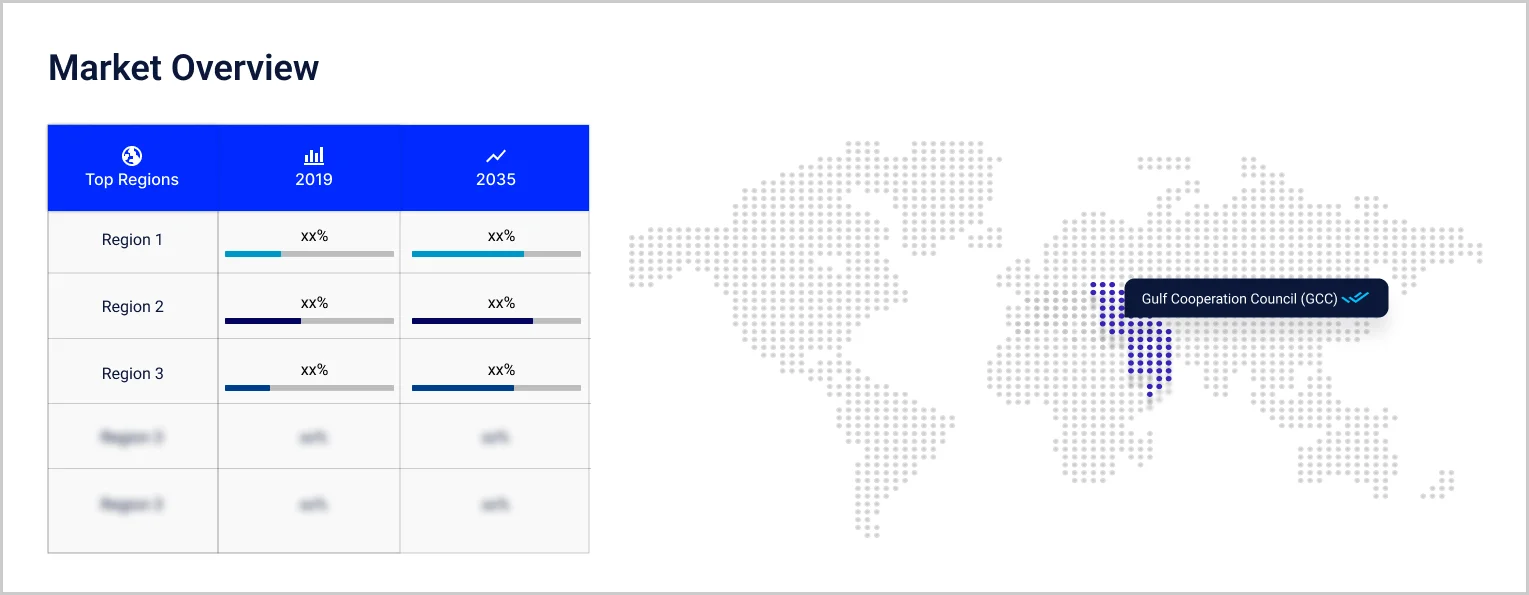
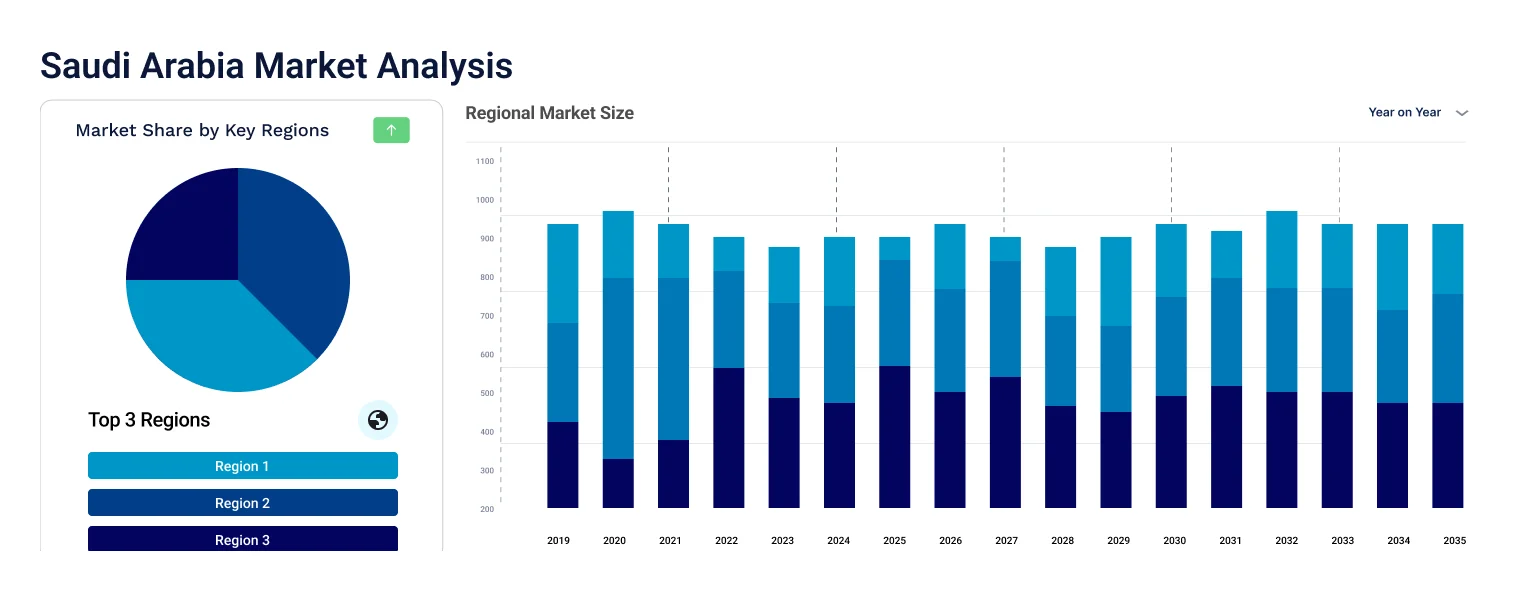
Market Breakdown by Region
Key Insight: Riyadh is the undisputed center of Saudi Arabia's consumer electronics market, housing the highest concentration of middle-to-high-income households, corporate offices, and government entities that generate disproportionately high electronics demand. The city serves as the primary launch market for most global brands, with major companies including Lenovo and Apple establishing direct operations and retail infrastructure there. The Makkah Region, centered on Jeddah, holds the second-largest share, supported by its role as a major commercial port and a historically trade-oriented consumer culture with strong purchasing power. The Eastern Province contributes a sizeable industrial and expatriate consumer base, particularly in laptops, desktops, and air conditioning. Government-led smart city investments and rapid residential development across secondary cities are gradually broadening electronics demand beyond the Kingdom's three main urban hubs through the forecast period.
The Electronic Devices segment holds the dominant share within the Saudi Arabia consumer electronics market by product type, with mobile phones representing the single largest revenue contributor, accounting for approximately 55.62% of the total market in 2025. This dominance reflects Saudi Arabia's status as one of the most smartphone-penetrated markets in the Middle East, with a largely young, digitally native population that upgrades frequently and gravitates toward flagship models from Samsung and Apple. The ongoing 5G network rollout across Riyadh, Jeddah, and the Eastern Province is a key structural driver, encouraging consumers to trade up to 5G-compatible devices. Within the Home Appliances segment, air conditioners maintain sustained and consistent replacement demand given the Kingdom's climate realities, while smart TVs are rapidly gaining share within the television sub-category as connected home entertainment becomes a standard household expectation.
Within the distribution channel segmentation, offline retail retains the larger share of consumer electronics transactions in Saudi Arabia, supported by well-established electronics retail networks, branded showrooms, and hypermarket chains concentrated in major urban areas. Retailers benefit from the strong Saudi consumer preference for hands-on product evaluation, particularly for high-value categories such as televisions, washing machines, and air conditioners. However, the online distribution channel is where the most dynamic structural shift is taking place. Apple's July 2025 launch of its direct online store in Saudi Arabia with full Arabic support marks a defining moment for the segment, establishing a precedent for other global brands to follow. With e-commerce logistics infrastructure improving steadily and platform-based promotions and exclusive online pricing becoming more sophisticated, the online channel's share is projected to expand materially through the forecast period.
Read more about this report - REQUEST FREE SAMPLE COPY IN PDF
The Riyadh Region commands the highest share of consumer electronics sales across Saudi Arabia, driven by its dual role as the Kingdom's political capital and primary commercial hub. The city is home to the largest density of high-income households, multinational corporate offices, and government ministries, all of which generate concentrated electronics demand across both consumer and institutional channels. Lenovo's establishment of its META Regional Headquarters at Majdoul Tower in late 2025 and Apple's commitment to opening its first flagship stores in Riyadh from 2026 reflect the city's strategic centrality to global technology brands entering the Kingdom. Smart city infrastructure investments under Vision 2030, including AI data centers, e-government services, and the metro transit system where Apple Pay's Express Mode launched as the first in the Middle East, are creating an increasingly sophisticated digital environment that reinforces ongoing electronics uptake. Riyadh consistently serves as the primary product launch destination in Saudi Arabia, giving it a first-mover advantage in premium segment adoption across mobile devices, smart home appliances, and connected TVs.
The Jeddah and Makkah Region forms the second major pillar of the Saudi consumer electronics market, drawing on its position as the Kingdom's principal commercial seaport and most trade-oriented metropolitan area. Jeddah benefits from shorter electronics supply chain timelines, a historically commerce-driven population with strong disposable income, and a large and diverse consumer base that includes a significant expatriate community and seasonal visitors linked to religious tourism. Growing residential development in northern Jeddah is generating fresh demand for smart home devices, modern air conditioning systems, and premium televisions. Specialty electronics chains and branded retail outlets are progressively expanding their Jeddah footprints as the city becomes a more explicit secondary priority market for global brands entering the region. Improved e-commerce delivery coverage across the Makkah Region is further extending the reach of online channels into a consumer base that has historically relied heavily on in-person retail.
The Saudi Arabia consumer electronics market is characterized by the commanding presence of a small group of global technology brands that have built significant brand equity, distribution depth, and after-sales infrastructure across the Kingdom over several decades. Samsung Electronics holds the leading overall market position across smartphones, televisions, and home appliances, followed closely by Apple in the premium device segment and Xiaomi among value-oriented consumers. Global appliance specialists including LG, Panasonic, and Daikin maintain strong positions in the home appliances category, particularly in air conditioners and connected home solutions.
The competitive dynamics of the market are undergoing a structural shift as major players move beyond pure distribution models toward local manufacturing, owned retail channels, and regional headquarters in response to Vision 2030 incentives. Strategic priorities across the competitive field include AI-powered product differentiation, omnichannel retail development, Arabic-language digital services, and sustainability credentials. Chinese challengers, led by Xiaomi and complemented by growing brands targeting the mid-range price tier, continue to apply competitive pressure through rapid hardware iteration and aggressive online marketing.
Founded in 1969 and headquartered in Suwon, South Korea, Samsung Electronics is the most recognized and widely distributed consumer electronics brand in Saudi Arabia. The company holds leading market positions across smartphones, smart TVs, home appliances, and audio devices, supported by an extensive network of branded retail outlets and authorized resellers spanning major urban centers and secondary cities across the Kingdom. Samsung was among the first global brands to localize AI-powered appliances for the Saudi market, introducing AI-enabled smart refrigerators with predictive food management features in 2024. Its Galaxy S and Z-series smartphones dominate the premium mobile segment, and its QLED and Neo QLED display lines are the benchmark for smart television sales in Saudi Arabia.
Founded in 1976 and headquartered in Cupertino, California, Apple has pursued an accelerated strategic expansion in Saudi Arabia, announcing in December 2024 its plans to launch the Apple Store online and open several flagship physical stores beginning in 2026, including a planned iconic outlet at Diriyah. The Apple Store online went live in July 2025, offering Arabic-language support for the first time through a brand-owned channel. Apple commands strong premium market share across iPhone, iPad, MacBook, and Apple Watch categories, particularly among urban, high-income Saudi consumers. The company has spent over 10 billion SAR with Saudi businesses over the past five years and operates the region's first Apple Developer Academy in Riyadh, reflecting a long-term institutional commitment to the market.
Founded in 2010 and headquartered in Beijing, China, Xiaomi has secured a significant share of Saudi Arabia's mid-range and value smartphone segment by pairing competitive specifications with accessible pricing. The brand has expanded its offline presence through partnerships with leading regional electronics retailers and has developed a strong online following among younger Saudi consumers drawn to fast product release cycles and digital-native marketing. In 2024, Xiaomi introduced an eco-friendly smartphone series produced with recycled aluminum and biodegradable packaging in Saudi Arabia, resonating particularly with environmentally aware younger buyers. Xiaomi's broad product portfolio, spanning smartphones, wearables, and smart home accessories, positions it well across multiple segments of the Saudi market.
Founded in 1958 and headquartered in Seoul, South Korea, LG Corporation has maintained a deep and longstanding presence in Saudi Arabia dating back to 1995 through its partnership with the Shaker Group, with a joint venture for local air conditioner manufacturing established in 2006. In 2024, LG launched an integrated smart home solutions suite in Riyadh, enabling consumers to manage climate, lighting, security, and entertainment from a unified mobile interface. In September 2025, LG's CEO engaged Saudi Arabia's Investment Minister to explore collaboration on AI data center cooling for the NEOM megacity project, signaling the company's ambition to expand beyond consumer electronics into critical technology infrastructure. LG remains a market leader in home appliances, particularly in the air conditioning and OLED television categories.
Other key players in the market are Lenovo Group Limited, Sony Group Corporation, Dell Technologies Inc., HP Inc., Panasonic Holdings Corporation, Alphabet, Inc., Daikin Industries, Ltd., and Others.
*Please note that this is only a partial list; the complete list of key players is available in the full report. Additionally, the list of key players can be customized to better suit your needs.*
Get ahead of the competition in the dynamic Saudi Arabia Consumer Electronics space with our comprehensive 2026 market report. From AI-powered device trends and the accelerating shift to online sales, to Vision 2030-driven manufacturing investments and the arrival of flagship brand retail across the Kingdom, this report gives you the data and context needed to move with clarity and conviction. Whether you are assessing market entry, planning product localization, or tracking how global players are positioning for growth, this report delivers the intelligence you need. Download your free sample today and uncover the opportunities defining the future of Consumer Electronics in Saudi Arabia.


Upto 15% Off
USD
$2499 $2249
$3999 $3599
$4999 $4249
$5999 $5099


*While we strive to always give you current and accurate information, the numbers depicted on the website are indicative and may differ from the actual numbers in the main report. At Expert Market Research, we aim to bring you the latest insights and trends in the market. Using our analyses and forecasts, stakeholders can understand the market dynamics, navigate challenges, and capitalize on opportunities to make data-driven strategic decisions.*
At 2025, the Saudi Arabia consumer electronics market reached an approximate value of USD 14.57 Billion.
The market is projected to grow at a CAGR of 7.90% between 2026 and 2035.
The key players in the market include Samsung Electronics Co., Ltd., Apple Inc., Xiaomi Corporation, LG Corporation, Lenovo Group Limited, Sony Group Corporation, Dell Technologies Inc., HP Inc., Panasonic Holdings Corporation, Alphabet, Inc., and Daikin Industries, Ltd., among others.
The key trends shaping the market include the broad integration of AI across device categories, transforming consumer expectations around smartphone, television, and home appliance functionality. Vision 2030 is driving significant technology manufacturing localization, with Lenovo, Apple, and other global players establishing Saudi-based production facilities, regional headquarters, and direct retail channels. Smart home adoption is accelerating among urban Saudi households seeking integrated, energy-efficient living environments. The online distribution channel is growing at a meaningfully faster rate than offline retail, with Apple's July 2025 direct online store launch marking a structural turning point in how premium electronics brands reach Saudi consumers.
Explore our key highlights of the report and gain a concise overview of key findings, trends, and actionable insights that will empower your strategic decisions.
| REPORT FEATURES | DETAILS |
| Base Year | 2025 |
| Historical Period | 2019-2025 |
| Forecast Period | 2026-2035 |
| Scope of the Report |
Historical and Forecast Trends, Industry Drivers and Constraints, Historical and Forecast Market Analysis by Segment:
|
| Breakup by Product Type |
|
| Breakup by Distribution Channel |
|
| Market Dynamics |
|
| Competitive Landscape |
|
| Companies Covered |
|
Datasheet
One User
USD 2,499
USD 2,249
tax inclusive*
Single User License
One User
USD 3,999
USD 3,599
tax inclusive*
Five User License
Five User
USD 4,999
USD 4,249
tax inclusive*
Corporate License
Unlimited Users
USD 5,999
USD 5,099
tax inclusive*
*Please note that the prices mentioned below are starting prices for each bundle type. Kindly contact our team for further details.*
Flash Bundle
Small Business Bundle
Growth Bundle
Enterprise Bundle
*Please note that the prices mentioned below are starting prices for each bundle type. Kindly contact our team for further details.*
Flash Bundle
Number of Reports: 3
20%
tax inclusive*
Small Business Bundle
Number of Reports: 5
25%
tax inclusive*
Growth Bundle
Number of Reports: 8
30%
tax inclusive*
Enterprise Bundle
Number of Reports: 10
35%
tax inclusive*
How To Order

Select License Type
Choose the right license for your needs and access rights.

Click on ‘Buy Now’
Add the report to your cart with one click and proceed to register.

Select Mode of Payment
Choose a payment option for a secure checkout. You will be redirected accordingly.
Strategic Solutions for Informed Decision-Making
Gain insights to stay ahead and seize opportunities.

Get insights & trends for a competitive edge.

Track prices with detailed trend reports.

Analyse trade data for supply chain insights.

Leverage cost reports for smart savings

Enhance supply chain with partnerships.

Connect For More Information
Our expert team of analysts will offer full support and resolve any queries regarding the report, before and after the purchase.
Our expert team of analysts will offer full support and resolve any queries regarding the report, before and after the purchase.
We employ meticulous research methods, blending advanced analytics and expert insights to deliver accurate, actionable industry intelligence, staying ahead of competitors.
Our skilled analysts offer unparalleled competitive advantage with detailed insights on current and emerging markets, ensuring your strategic edge.
We offer an in-depth yet simplified presentation of industry insights and analysis to meet your specific requirements effectively.




