

Consumer Insights
Uncover trends and behaviors shaping consumer choices today
Procurement Insights
Optimize your sourcing strategy with key market data
Industry Stats
Stay ahead with the latest trends and market analysis.


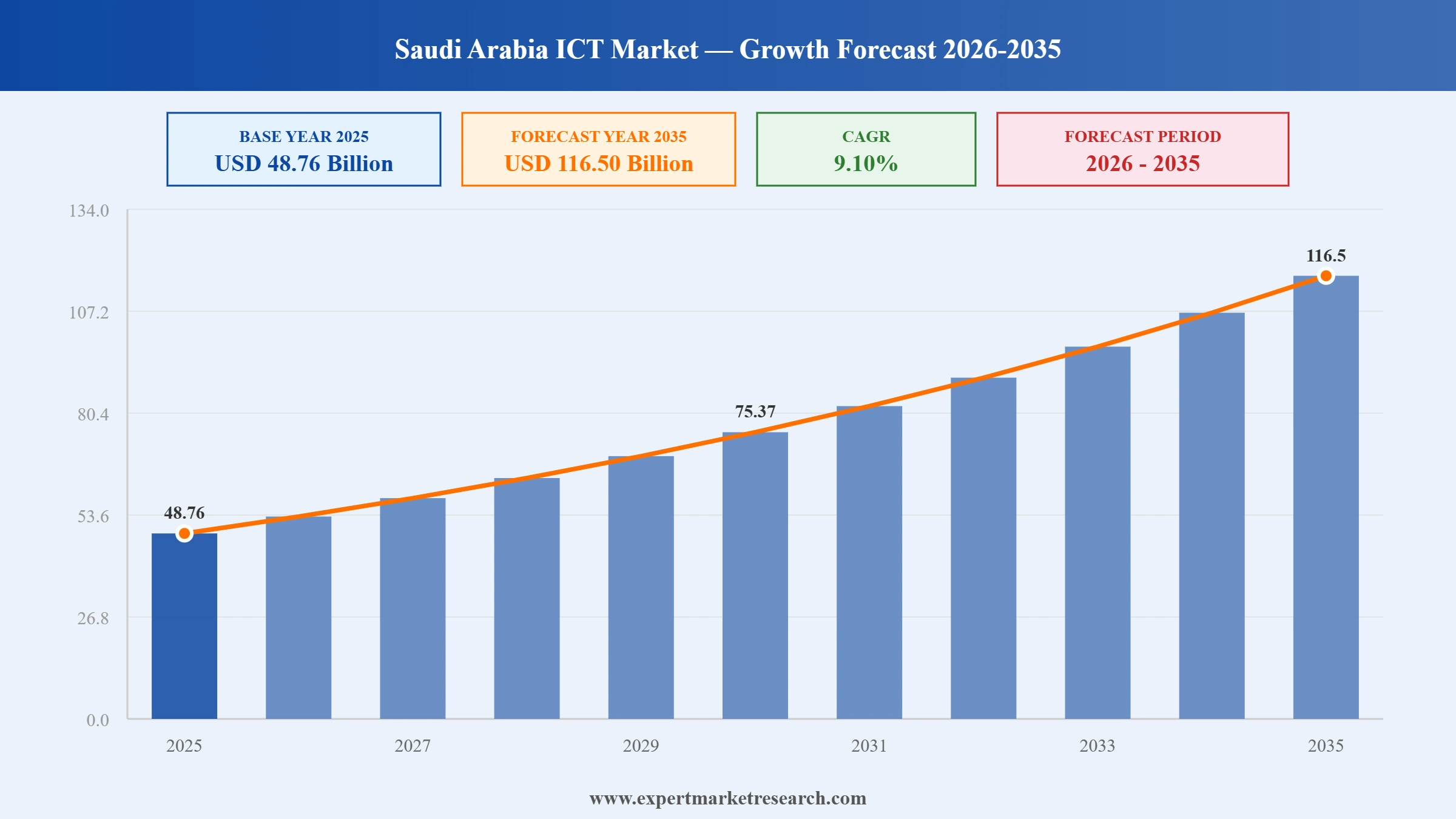
The Saudi Arabia ICT market size was valued at USD 48.76 Billion in 2025. The industry is expected to grow at a CAGR of 9.10% during the forecast period of 2026-2035 to reach a value of USD 116.50 Billion by 2035. The market growth is highly influenced by the increasing adoption of artificial intelligence (AI) and the expansion of high-performance computing infrastructure.
As the Kingdom accelerates its digital transformation under Vision 2030, demand is rising for advanced computing solutions, cloud platforms, and AI-driven analytics across industries such as energy, finance, and smart cities. Leading global and local players in the Saudi Arabia ICT market are actively investing to meet these needs while fostering the capabilities in big data and artificial intelligence sectors of Saudi Arabia.
For instance, in February 2025, Salesforce announced a USD 500 million AI-related investment in Saudi Arabia during LEAP 2025, including the launch of Hyperforce services and Arabic-language AI solutions. Building on this momentum, May 2025 saw Nvidia partnering with the PIF-backed AI company Humain to deliver 18,000 GB300 Blackwell AI chips for a 500 MW data center, enhancing sovereign AI infrastructure. These strategic investments not only strengthen local AI capabilities but also attract global technology partnerships, accelerate innovation, and reinforce Saudi Arabia ICT market value.
Read more about this report - REQUEST FREE SAMPLE COPY IN PDF
| Saudi Arabia ICT Market Report Summary | Description | Value |
| Base Year | USD Billion | 2025 |
| Historical Period | USD Billion | 2019-2025 |
| Forecast Period | USD Billion | 2026-2035 |
| Market Size 2025 | USD Billion | 48.76 |
| Market Size 2035 | USD Billion | 116.50 |
| CAGR 2019-2025 | Percentage | XX% |
| CAGR 2026-2035 | Percentage | 9.10% |
| CAGR 2026-2035 - Market by Enterprise Size | Small and Medium Enterprises | 9.4% |
| CAGR 2026-2035 - Market by Industry Vertical | Retail and E-Commerce | 10.4% |
| CAGR 2026-2035 - Market by Region | Riyadh | 10.3% |
| 2025 Market Share by Region | Riyadh | 24.3% |
Adobe and Qualcomm signed a deal with Humain to develop Arabic AI models for content creation, integrating AMD and Qualcomm chips in Humain’s data centers. They are also setting up a research and development center in Riyadh to design localized generative AI for marketing, video, and design tools. This initiative enhances Saudi Arabia’s ability to build culturally relevant and homegrown AI solutions, boosting the competitiveness of the local ICT ecosystem.
Nvidia revealed that it is shipping 18,000 of its cutting-edge GB300-Blackwell AI chips to Saudi Arabia in partnership with Humain to power a massive 500 MW data center, reinforcing the Kingdom’s cloud and AI infrastructure. This strengthens Saudi Arabia’s computing capabilities, enabling faster deployment of AI applications across enterprise, finance, and public service sectors, accelerating digital innovation in the Saudi Arabia ICT market.
Aramco’s digital arm and LTIMindtree co-founded a next-generation IT services firm named NextEra to accelerate digital transformation across enterprise and public sectors in Saudi Arabia and align with Vision 2030 goals. The partnership expands the availability of high-value IT services locally, reducing reliance on international vendors and driving growth opportunities for the domestic ICT industry.
Telecom provider Zain KSA and Nokia unveiled Saudi Arabia’s first live Cloud RAN deployment, achieving peak 1.5 Gbps speeds. This move is part of a broader MoU signed at LEAP 2025 to upgrade networks using Cloud RAN and AI RAN technologies. Strengthening network performance and efficiency supports emerging use cases such as IoT, smart cities, automation, and high-bandwidth enterprise services, further stimulating ICT market expansion.
The rapidly changing Saudi Arabia ICT market landscape is majorly influenced by the huge government expenditure on the public sector, a trend that has been quite instrumental in the digital transformation of the public sector in accordance with the Vison 2030. With a total of more than SAR 113 billion spent on government ICT over three years, in 2024, this investment has not only been the backbone of the digital government services, with more than 4,500 services provided (over 97% of total services), but also the main factor that pushed the demand for software, cloud, and system integration providers to new heights, while at the same time, the ICT sector is still playing a vital role as an economic enabler at the national level.
The ongoing development of Saudi Arabia ICT market is attributed to the availability of modern digital infrastructure, which, in turn, facilitates higher data utilization and technologically advanced users. The Telecommunications, Space, and Technology Commission (CST) revealed that the telecommunications & technology market reached 180 billion SAR in 2024, mobile subscriptions reached 68.2 million, and the average mobile internet speed was 129 Mbps. In fact, these infrastructure improvements create a strong foundation for new cloud services, IoT implementations, and innovation through telecommunications throughout the country.
The local ICT ecosystem’s consolidation through various mergers and acquisitions is propelling the technological capability in the Saudi Arabia ICT market. Elm announced the signing of a contract to purchase Thiqah Business Services (previously PIF-owned) from PIF for SAR 3.4 billion in January 2025. Elm completed the full acquisition by April 2025. Thus, the significant impact of this move is broadening Elm digital services portfolio, localizing smart-technology, and combining ICT more deeply with the national champion to create a more integrated one.
The adoption of advanced solutions in the Saudi Arabia ICT market is increasing owing to the growing focus on smart city development and digitally enabled infrastructure. As urban expansion continues across new cities, districts, and even rural communities, the demand for sophisticated networking capabilities has surged. This includes the growing deployment of 5G, WiFi 7, data analytics platforms, and interconnected digital systems to support next-generation infrastructure. For instance, in April 2025 KAFD and Huawei unveiled Saudi Arabia's first Smart Wi-Fi 7 network, a giant leap in building a futuristic city infrastructure. Consequently, this is how ICT can support not only the growth of smart cities but also the transition to them.
To support the tech ambitions of the Saudi Arabia ICT industry is focused on the developing the skills required to operate and expand data centers, cloud infrastructures, and complex IT services. For instance, in February 2025, Microsoft Arabia collaborated with the National IT Academy (NITA) to establish the first Microsoft Datacenter Academy in the Middle East, which is in Saudi Arabia. By providing local training and skills development, this project creates a steady flow of local professionals skilled in data center operations. This it is also provide long-term support for the cloud, AI, and large-scale ICT deployments in Saudi Arabia.
The EMR’s report titled “Saudi Arabia ICT Market Report and Forecast 2026-2035” offers a detailed analysis of the market based on the following segments:
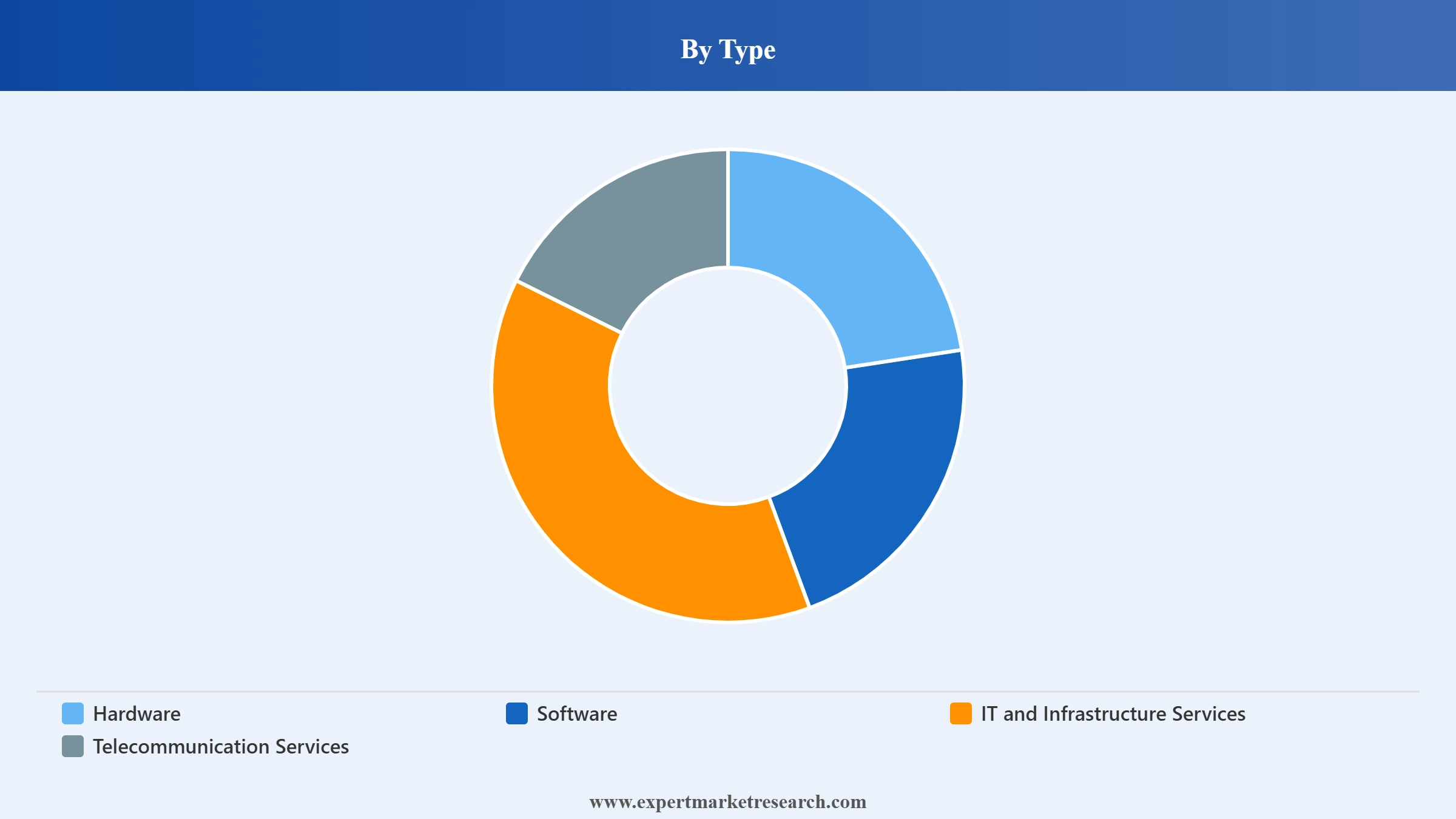
Market Breakup by Type
Key Insights: Saudi Arabia ICT market scope comprises a broad range of different types, including hardware, software, IT and infrastructure services, and telecom services. The demand for hardware is rising sharply because of data center expansions and smart city networking, whereas the growth of software is mainly due to AI, cloud platforms, and analytics. Meanwhile, companies are increasing the use of managed services and rolling out more infrastructure, and telcos are extending 5G and edge network capabilities at a very fast pace. As an example, Tencent Cloud is commencing its activities in Saudi Arabia with a 150 million USD investment in 2025 to construct local cloud infrastructure.
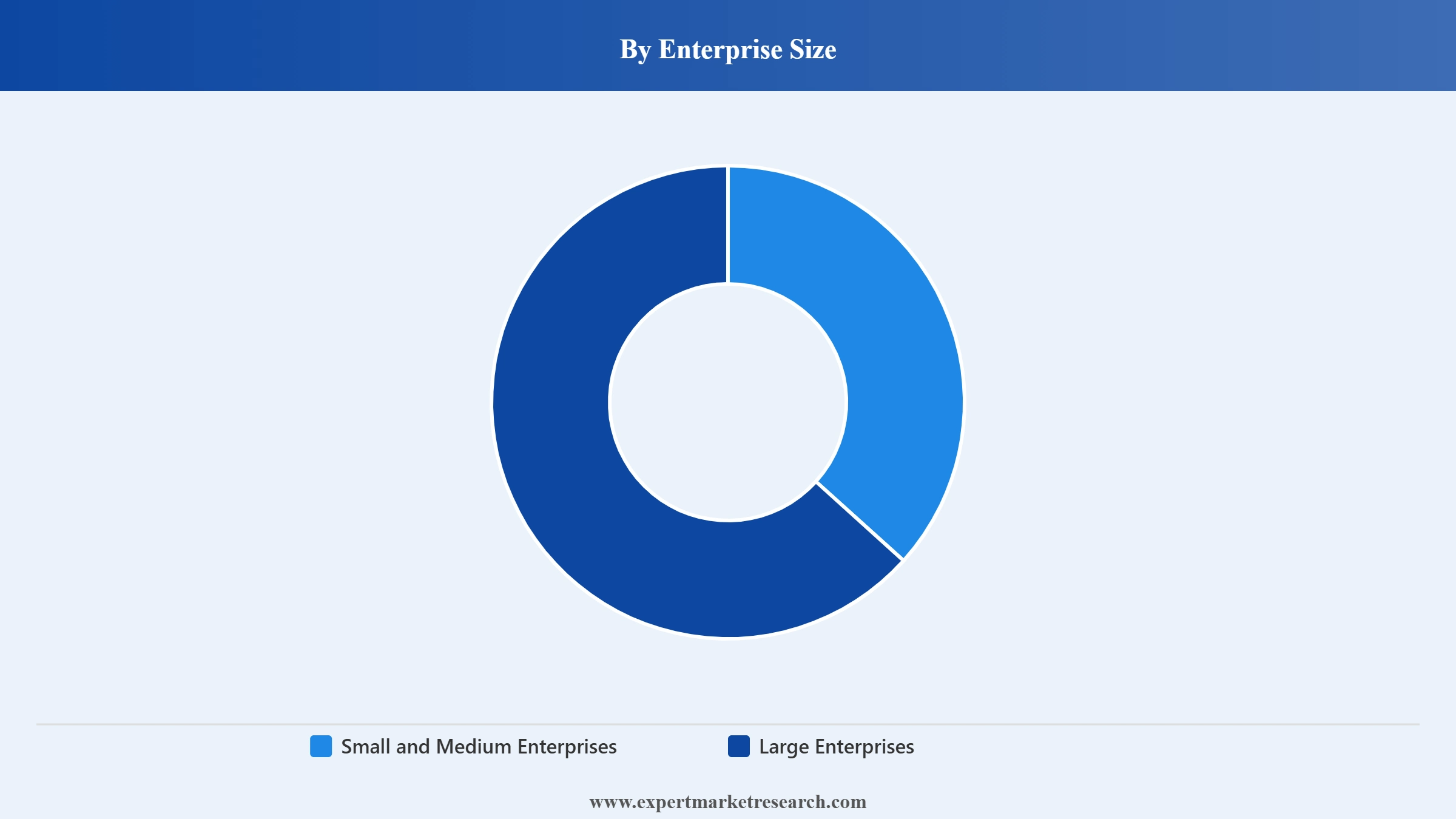
Market Breakup by Enterprise Size
Key Insights: SMEs in Saudi Arabia are significantly contributing to the Saudi Arabia ICT market revenue, as they are progressively adopting cloud, SaaS, and AI-powered ICT solutions such as ICT solutions to digitalize operations, cut down costs, and scale in an efficient manner. The flexible subscription-based offerings facilitate a quicker rollout. Conversely, big corporations are putting their money into high-performance computing, AI platforms, and local data-center infrastructure to not only support their complex operations but also to go through a digital transformation journey. An illustration would be, in March 2025, when Huawei Cloud collaborated with Zain KSA to speed up the process of cloud migration and enterprise AI implementation across various industries.
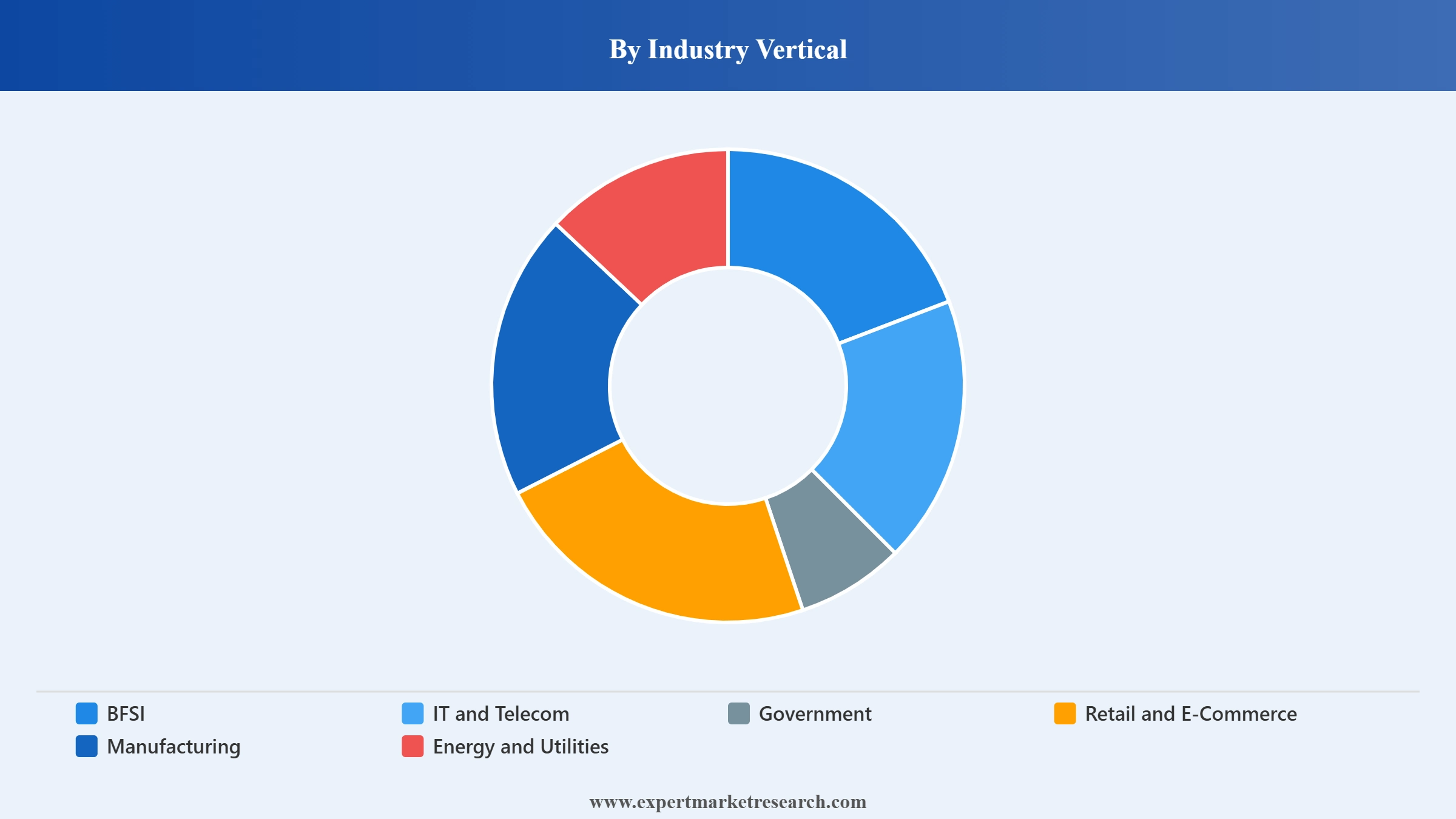
Market Breakup by Industry Vertical
Key Insights: The BFSI sector is becoming increasingly dependent on AI-powered platforms for fraud detection and customer engagement, which is boosting the Saudi Arabia ICT market growth. IT and telecom players are rapidly deploying cloud infrastructure and 5G, and government agencies are reengineering themselves through e-government architectures and secure cloud deployments. Meanwhile, retail & e-commerce companies are using analytics and AI for elevating the shopping experiences, the manufacturing industry is going for IoT-based automation, and the energy & utilities sector is embracing digitization using predictive maintenance systems. To cite an instance, Salesforce declared a USD 500 million investment in Saudi Arabia in February 2025 and launched its AI-driven Hyperforce platform through AWS to be the catalyst for enterprise and public sector transformation.
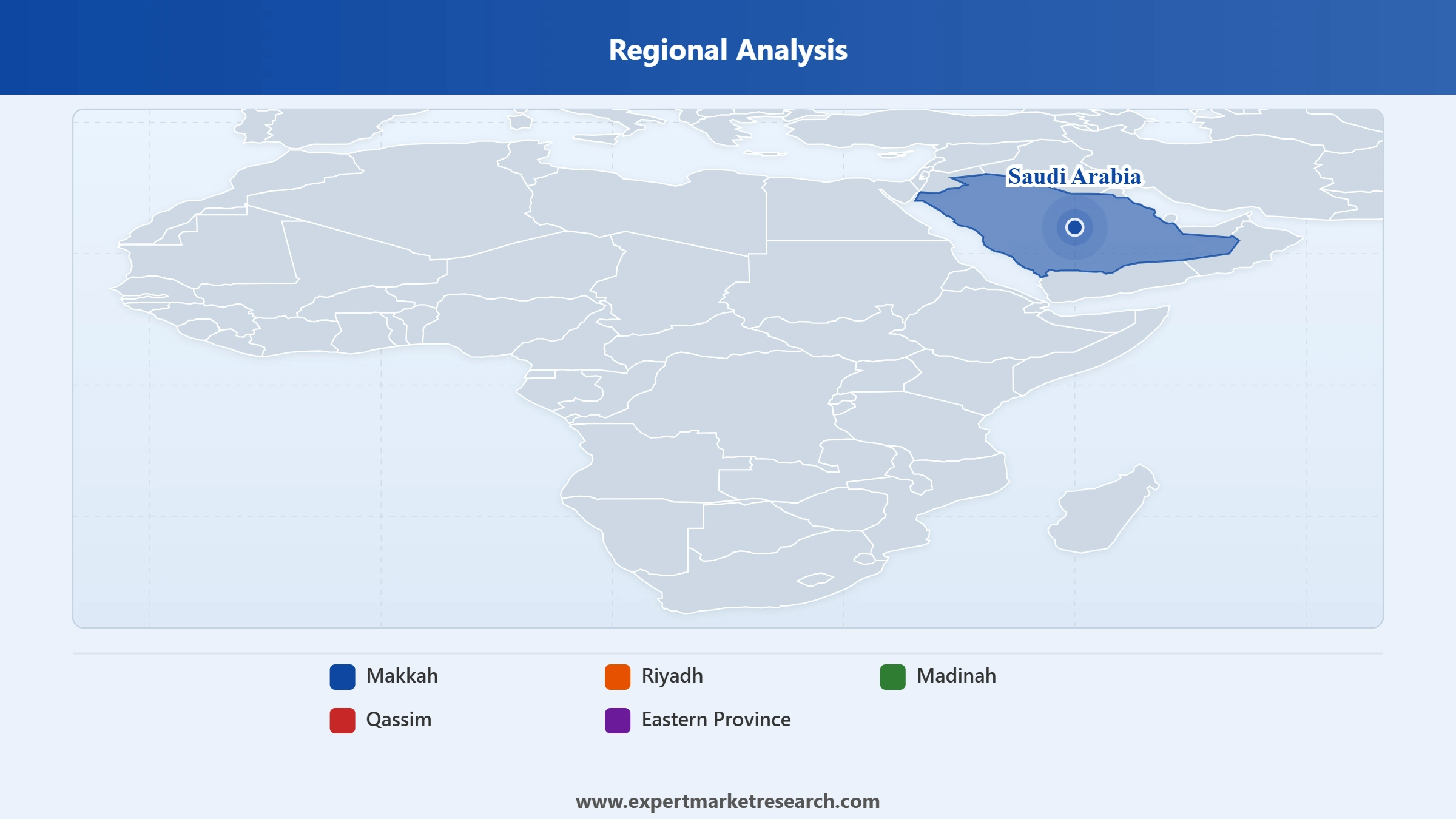
Market Breakup by Region
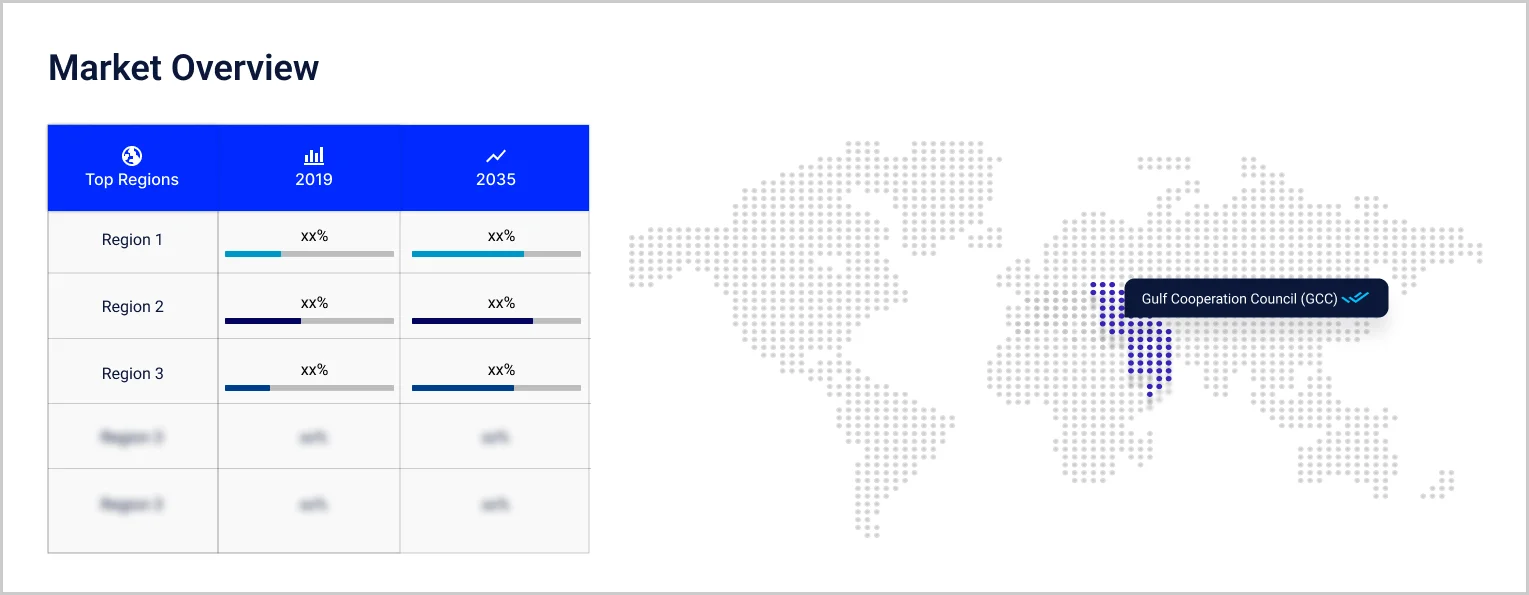
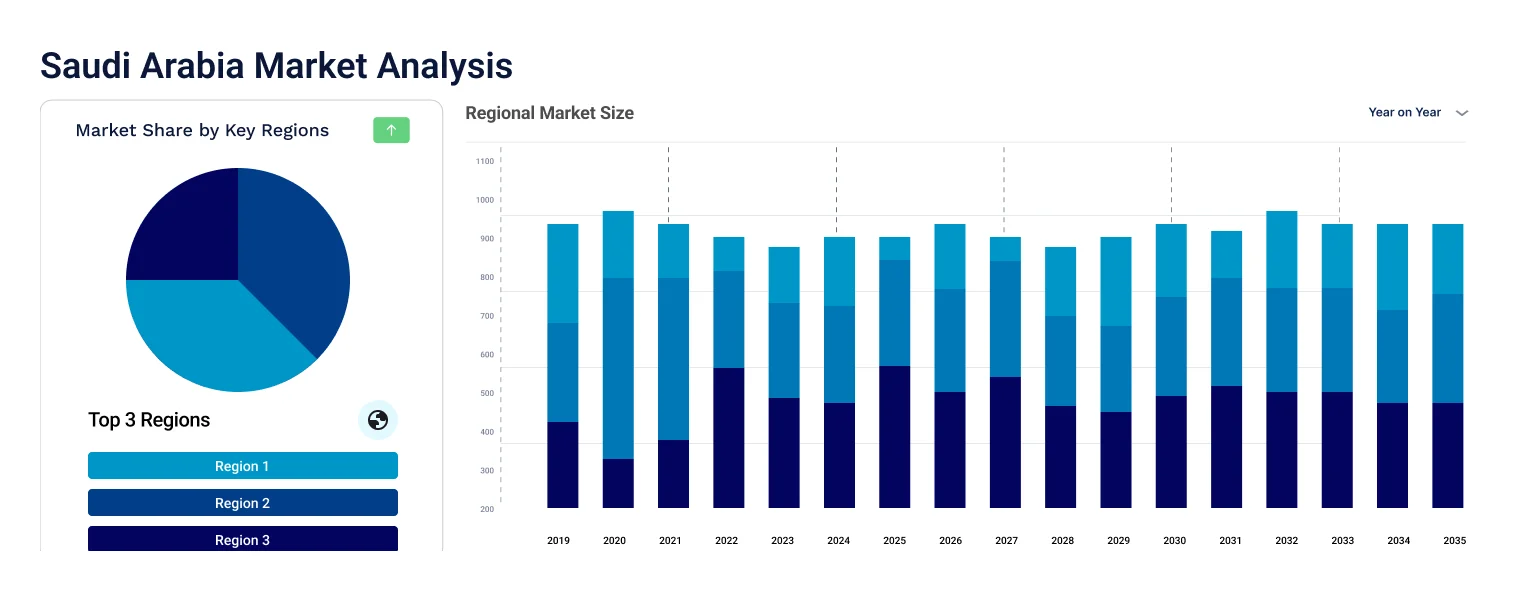
Key Insights: Saudi Arabia’s ICT landscape shows region-specific growth driven by demand from enterprise, government, and industrial sectors. Riyadh is where companies such as STC and Microsoft play the lead role, offering AI, cloud, and analytics solutions to large enterprises and public-sector clients. The Eastern Province is where one can find Aramco Digital and Siemens heading the way for industrial automation and smart factory deployments. Makkah and Madinah are coming up with e-government and smart city projects fueled by the strong engagement of SAP and Oracle, while Qassim is concentrating on SME digitalization with the help of local ICT providers like Zain KSA. These initiatives are collectively paving the way for digital transformation across the country.
Read more about this report - REQUEST FREE SAMPLE COPY IN PDF
By type, software witnesses high demand
Software in Saudi Arabia is becoming faster and more efficient as the demand for cloud-native AI platforms and enterprise analytics is increasing. Companies are now providing software stacks that are scalable and sovereign-ready, which are specifically designed for local regulations and data residency. For instance, SAP launched its Business Technology Platform (BTP) on Google Cloud in Saudi Arabia in January 2025, the platform is designed for regulated customers and combines data analytics, AI, integration, and automation. This action not only supports Vision 2030 but also offers a trusted and compliant environment for government and critical infrastructure entities.
Read more about this report - REQUEST FREE SAMPLE COPY IN PDF
The IT and infrastructure services significantly boosts the demand in the Saudi Arabia ICT market, as the kingdom witnesses several partnerships and service hubs to meet the digital ambitions of the Kingdom. Companies are engaging in managed cloud services, system integration, and local data center capabilities. As an example, Zain KSA and Dell Technologies signed a MoU during LEAP 2025 in February 2025 to facilitate cloud adoption through IaaS, SaaS, and XaaS models. This partnership is a move towards a quicker enterprise cloud migration and a stronger digital infrastructure of Saudi Arabia.
By enterprise size, small and medium enterprises (SMEs) amass substantial revenue
An increasing number of small and medium-sized enterprises (SMEs) in Saudi Arabia are swiftly turning to cloud-native and SaaS-based ICT solutions. They are mainly investing in ERP, collaboration, and the Saudi Arabia cybersecurity industry to digitalize their operations at a low cost. To support agile growth of small businesses, providers are offering flexible, consumption-based models. Citing and instance, SAP enabled the Saudi Industrial Development Company (SIDC) to integrate its ERP into a single private cloud with SAP S/4HANA. This phenomenon reveals how even medium-scale companies are using enterprise-grade software as a tool for their strategic transformation, contributing to the revenue of the Saudi Arabia ICT market.
Read more about this report - REQUEST FREE SAMPLE COPY IN PDF
On the other hand, corporations with a large capital base in the Kingdom of Saudi Arabia are making huge investments in the building AI infrastructure, data centers, and deploying managed IT services with the aim of achieving an enterprise-scale digital transformation. Dell Technologies, as the main enabler, made a significant move in February 2025 which is a clear indication of its role. The company opened a modern merge and fulfilment center in Dammam that has the capability of locally customizing servers for fast delivery. Meanwhile, IT companies are providing specially designed IaaS, multi-cloud, and edge computing solutions to fulfil the sophisticated requirements of these enterprises, which is likely to propel the growth of the Saudi Arabia ICT market.
By industry vertical, BFSI registers robust growth
Saudi Arabia's BFSI sector is fast turning to cloud-native banking, AI-driven analytics, and digitally secure platforms to cut down on costs and increase customer engagement. One such instance is the collaboration in September 2025 between Oracle and Saudi National Bank, where AI-powered fraud detection and real-time analytics solutions were introduced to enhance transaction security and operational agility. The buzzword of innovation is thus leading the way for the banking services of tomorrow, which in turn makes it possible to tailor products, strengthen compliance, and speed up the financial sector's transformation in the Kingdom under Vision 2030.
Read more about this report - REQUEST FREE SAMPLE COPY IN PDF
The retail and e-commerce sectors account for a substantial share of the Saudi Arabia ICT market are transforming with the use of AI, analytics, and cloud platforms to offer better customer experiences, optimize supply chains, and perfect personalization. A case in point is the partnership formed by Amazon Web Services (AWS) and Noon.com in the beginning of 2025 to bring about machine learning-powered recommendation engines and automated inventory management, thus elevating operational efficiency and customer engagement. This trend is indicative of a move towards data-driven retail strategies which are instrumental in scaling businesses digitally and gaining a foothold in the rapidly growing e-commerce market of the region.
By Region, Riyadh offers lucrative growth opportunities
Riyadh continues to be the leading city in Saudi Arabia in the deployment of ICT where enterprises and government agencies are the major contributors of investments in AI, cloud computing, and digital transformation projects. Organizations are constantly seeking scalable, intelligent solutions that will result in improved operational efficiency and service delivery. In this context, Huawei Cloud launched its Enterprise AI Suite in Riyadh in March 2025 providing public-sector clients and large enterprises with predictive analytics, workflow automation, and cloud scalability. Besides helping digital initiatives of Vision 2030, this is a big step towards local AI strength, which is set to transform the Saudi Arabia ICT market outlook.
Read more about this report - REQUEST FREE SAMPLE COPY IN PDF
On the other hand, the Eastern Province is turning into a center of the energy and industrial sectors and is witnessing escalating demand for automation, IoT, and smart manufacturing solutions not only to optimize operations but also to ensure efficiency. Companies are buying technologies that will enable them to have real-time monitoring and predictive maintenance. In response to this need, Siemens unveiled its Digital Industries Suite in Dammam in April 2025 to assist the industrial and energy firms in elevating their operational performance and accelerating their digitalization journey.
Major Saudi Arabia ICT market players are making massive investments to counterbalance their positions through digital infrastructure, cloud platforms, and cybersecurity solutions. This is consistent with the transformation goals of Vision 2030, where top international players like IBM, Microsoft, and Cisco are focusing more on local partnerships, resource allocation for AI-powered services, and network upgrades. Their main goal is to provide integrated ICT solutions that will create new possibilities for innovation and leadership in the market.
Furthermore, companies are taking advantage of the Saudi Arabia ICT market opportunities to solidify their market position through acquisitions, talent development programs, and smart city collaborations. At the same time, while global players such as Amazon Web Services, Palo Alto Networks, and Accenture are excelling in cloud adoption, cybersecurity readiness, and enterprise consulting services, local players like Saudi Telecom Company are also progressing in AI and next-generation connectivity projects. Thus, all these initiatives combined will not only consolidate the firms’ market standing and broaden their service portfolios but also contribute greatly towards the realization of a tech-driven economy for the Kingdom.
IBM Corporation is a landmark company known globally for its reliable IT solutions, cloud computing, and AI technologies. These include hardware, software, and consulting services that are offered to businesses and governments worldwide. IBM was established in 1911, and it is headquartered in Armonk, New York, United States of America.
Microsoft Corporation came into being in 1975, and it mainly deals with technology-related issues through the development of software, cloud services, and AI-based solutions. Some of the key products of the company are Windows OS, Microsoft Office, and the Azure cloud platform, which are widely used by both businesses and individual consumers. The company’s headquarters are in Redmond, Washington, United States of America.
Cisco Systems Inc. is the leading provider of networking equipment, cybersecurity solutions, and IoT technologies. As the most innovative company in the world in the introduction of new technology, it is the one that provides secure and reliable connectivity for enterprises, governments, and service providers all over the globe. The company, which was set up in 1984, is in San Jose, California, United States of America.
Amazon.com Inc., a vertically integrated online retailer turned cloud service provider, was launched in 1994 and is in Seattle, Washington, United States of America. Its cloud business unit, Amazon Web Services (AWS), offers easily scalable infrastructure, AI, and data solutions for businesses of any industry.
*Please note that this is only a partial list; the complete list of key players is available in the full report. Additionally, the list of key players can be customized to better suit your needs.*
Other players in the market include Palo Alto Networks Inc., Accenture Plc, Dell Inc., HP Inc., Trend Micro Inc., and Saudi Telecom Company SJSC, among others.
Explore the latest trends shaping the Saudi Arabia ICT Market 2026-2035 with our in-depth report. Gain strategic insights, future forecasts, and key market developments that can help you stay competitive. Download a free sample report or contact our team for customized consultation on Saudi Arabia ICT market trends 2026.


Upto 15% Off
USD
$3999 $3599
$2499 $2249
$4999 $4249
$5999 $5099


*While we strive to always give you current and accurate information, the numbers depicted on the website are indicative and may differ from the actual numbers in the main report. At Expert Market Research, we aim to bring you the latest insights and trends in the market. Using our analyses and forecasts, stakeholders can understand the market dynamics, navigate challenges, and capitalize on opportunities to make data-driven strategic decisions.*
In 2025, the Saudi Arabia ICT market reached an approximate value of USD 48.76 Billion.
The market is projected to grow at a CAGR of 9.10% between 2026 and 2035.
The market is estimated to witness a healthy growth during 2026-2035 to reach around USD 116.50 Billion by 2035.
Key strategies driving the market include heavy government ICT spending, rapid digital infrastructure expansion, strategic acquisitions and local consolidation, smart-city and next-generation networking deployments, talent development programs, AI and high-performance computing investments, and strategic partnerships for sovereign AI infrastructure.
The key trends aiding the ICT market in Saudi Arabia include the development of smart cities and the rapid adoption of technologies like 5G.
The major regions considered in the market are Makkah, Riyadh, Madinah, Qassim, and Eastern Province.
The key players in the market include IBM Corp., Microsoft Corp., Cisco Systems Inc., Amazon.com Inc. (Amazon Web Services, Inc.), Palo Alto Networks Inc., Accenture Plc, Dell Inc., HP Inc., Trend Micro Inc., Saudi Telecom Company SJSC, and others.
The major challenges that the Saudi Arabia ICT market face include high dependence on foreign technology, talent shortages in advanced ICT and AI skills, cybersecurity threats, regulatory and compliance hurdles, and integration challenges following mergers or large-scale digital deployments.
Explore our key highlights of the report and gain a concise overview of key findings, trends, and actionable insights that will empower your strategic decisions.
| REPORT FEATURES | DETAILS |
| Base Year | 2025 |
| Historical Period | 2019-2025 |
| Forecast Period | 2026-2035 |
| Scope of the Report |
Historical and Forecast Trends, Industry Drivers and Constraints, Historical and Forecast Market Analysis by Segment:
|
| Breakup by Type |
|
| Breakup by Enterprise Size |
|
| Breakup by Industry Vertical |
|
| Breakup by Region |
|
| Market Dynamics |
|
| Competitive Landscape |
|
| Companies Covered |
|
Single User License
One User
USD 3,999
USD 3,599
tax inclusive*
Datasheet
One User
USD 2,499
USD 2,249
tax inclusive*
Five User License
Five User
USD 4,999
USD 4,249
tax inclusive*
Corporate License
Unlimited Users
USD 5,999
USD 5,099
tax inclusive*
*Please note that the prices mentioned below are starting prices for each bundle type. Kindly contact our team for further details.*
Flash Bundle
Small Business Bundle
Growth Bundle
Enterprise Bundle
*Please note that the prices mentioned below are starting prices for each bundle type. Kindly contact our team for further details.*
Flash Bundle
Number of Reports: 3
20%
tax inclusive*
Small Business Bundle
Number of Reports: 5
25%
tax inclusive*
Growth Bundle
Number of Reports: 8
30%
tax inclusive*
Enterprise Bundle
Number of Reports: 10
35%
tax inclusive*
How To Order

Select License Type
Choose the right license for your needs and access rights.

Click on ‘Buy Now’
Add the report to your cart with one click and proceed to register.

Select Mode of Payment
Choose a payment option for a secure checkout. You will be redirected accordingly.
Strategic Solutions for Informed Decision-Making
Gain insights to stay ahead and seize opportunities.

Get insights & trends for a competitive edge.

Track prices with detailed trend reports.

Analyse trade data for supply chain insights.

Leverage cost reports for smart savings

Enhance supply chain with partnerships.

Connect For More Information
Our expert team of analysts will offer full support and resolve any queries regarding the report, before and after the purchase.
Our expert team of analysts will offer full support and resolve any queries regarding the report, before and after the purchase.
We employ meticulous research methods, blending advanced analytics and expert insights to deliver accurate, actionable industry intelligence, staying ahead of competitors.
Our skilled analysts offer unparalleled competitive advantage with detailed insights on current and emerging markets, ensuring your strategic edge.
We offer an in-depth yet simplified presentation of industry insights and analysis to meet your specific requirements effectively.




