

Consumer Insights
Uncover trends and behaviors shaping consumer choices today
Procurement Insights
Optimize your sourcing strategy with key market data
Industry Stats
Stay ahead with the latest trends and market analysis.
The global silane market attained a value of USD 2.19 Billion in 2025 and is projected to expand at a CAGR of 5.20% through 2035. The market is further expected to achieve USD 3.64 Billion by 2035. Rising adoption of silane-modified polymers in electric vehicles accelerates demand as automakers prioritize lightweighting, thermal stability, and bonding reliability across batteries, power electronics, and structural components.
Tire manufacturers are under growing pressure to improve fuel efficiency while meeting tighter emission and durability standards, pushing material suppliers to innovate beyond conventional rubber additives. In August 2023, Evonik Industries expanded its Silane Specialties portfolio with the launch of a low-VOC vinyl silane designed for next-generation tire compounds and durable elastomer applications. The product targets OEMs seeking longer tread life while meeting stricter emission thresholds, accelerating the silane market growth. Silane-treated rubber can improve rolling resistance to a considerable extent, directly supporting fuel efficiency targets for automotive manufacturers.
Growth is also anchored in coupling agents used across rubber, adhesives, sealants, and advanced composites. Construction and automotive buyers increasingly specify silane-modified systems for durability and lifecycle cost control, especially as lightweight materials replace traditional metals in structural and bonding applications. In May 2025, Wacker launched new silane-crosslinking binders for added elasticity in adhesives and sealants. Based on WACKER’s Alpha technology, these novel polymers can be formulated into tin-free sealants and adhesives that are highly elastic and achieve a low modulus of elasticity. In parallel, bio-based silane development is gaining traction within the silane market dynamics as producers respond to Scope 3 pressure from global customers. These moves signal a market shifting from commodity volumes toward performance-led, application-specific silane solutions.
Compound Annual Growth Rate
5.2%
Value in USD Billion
2026-2035
The German chemical firm WACKER and Chinese specialty silane manufacturer and joint-venture associate SICO Performance Material inaugurated a new application development center for organofunctional silanes in Jining, China. This strengthens application-led silane development, accelerating customized organofunctional silane adoption across rubber, coatings, and composites for Asian industrial customers.
Pflaumer Brothers introduced TERASIL 1NS as an advanced single-component hydrogel silane system designed to revolutionize the way formulators tackle adhesion, longevity, and efficiency in contemporary high-performance coatings. This silane market development highlights rising demand for single-component silane systems that simplify formulation while improving adhesion durability.
ACCESS Rudolf Technologies, LP unveiled a revitalized brand identity for its organofunctional silane product range, representing a major achievement in the company's dedication to sourcing, global presence, and customer-centric consistency. This reflects increasing buyer's focus on consistency, traceability, and global sourcing alignment.
Evonik Industries AG launched Smart Effects, a dedicated business unit bringing together its silica and silane operations under one structure. With a workforce of around 3,500 employees, the move aligns material innovation with sustainability goals. By integrating silica and silane development, Evonik strengthens its ability to deliver lightweight, low-emission, and performance-driven material solutions.
High-purity silanes are becoming critical inputs for semiconductor fabrication and photovoltaic encapsulation. Leading suppliers are investing in dedicated purification lines to meet tighter tolerance limits demanded by advanced chips and high-efficiency solar cells. In September 2024, Sila Nanotechnologies, Inc., a next-generation battery materials company, announced a multi-year supply agreement with a wholly owned subsidiary of REC Silicon ASA, a leading innovator in solar-grade silicon and silicon materials. This silane market trend shifts silane procurement from spot buying to long-term qualification contracts.
Electric vehicle battery market growth is reshaping silane demand, especially for usage in lithium-ion battery materials. Silane gases and silane-treated additives are increasingly used to stabilize silicon-based anodes, improving cycle life and thermal performance. Automakers pushing longer range targets expect suppliers to deliver materials that support higher energy density without compromising safety. In December 2024, Sionic Energy announced a robust battery that replaces graphite entirely, with a 100 percent silicon anode. Government EV subsidies and stricter fleet emission standards in Europe, China, and North America reinforce this trend in the silane industry. Battery manufacturers favor silane suppliers who collaborate early during cell design rather than post-commercialization. This dynamic accelerates joint development agreements and locks in volumes before gigafactory projects reach full-scale production.
Global infrastructure investment is driving steady adoption of silane-modified sealants, coatings, and concrete protection systems. Public tenders for bridges, tunnels, and urban retrofits specify materials that resist moisture ingress and chemical attacks. Silanes help extend service life while supporting low-VOC compliance, driving demand in the silane market. In April 2023, Clariant and Omya joined forces on a new project to tackle concerns surrounding the yellowing of the increasingly popular silane modified polymers (SMP) sealants. Manufacturers are responding with application-specific formulations and regional production hubs to serve public works projects faster.
Silanes play a central role in improving adhesion between fibers and resins in lightweight composites. Automotive OEMs rely on silane-treated materials to reduce vehicle mass without sacrificing structural integrity. Wind turbine manufacturers also specify silanes to improve fatigue resistance in blades, especially for offshore installations. For instance, Hesheng Chemical offers Waterborne Epoxy Silane Oligomer that combines the excellent adhesion of epoxy resin with the weather resistance of silane oligomers and has outstanding waterproof and anti-corrosion performance. Renewable energy targets across Europe and Asia ensure a visible project pipeline, creating new silane market opportunities. This predictability allows silane producers to justify R&D spending on customized coupling agents.
Environmental regulation is reshaping silane chemistry as buyers now seek carbon intensity data. European Green Deal policies and emerging Scope-3 reporting rules pressure downstream manufacturers to clean up supply chains. In response, silane producers are piloting bio-based feedstocks and energy-efficient production routes. For example, Gelest, Inc. offers SIVATETM A610 activated amine functional silane, which improves adhesion, speeds reactivity and increases bond strength in packaging, polymer, micro-electronics and curing applications, widening the silane market scope. These initiatives remain niche but commercially relevant. Infrastructure owners, electronics firms, and automotive OEMs increasingly reward suppliers that demonstrate measurable emissions reduction.
Read more about this report - REQUEST FREE SAMPLE COPY IN PDF
The EMR’s report titled “Global Silane Market Report and Forecast 2026-2035” offers a detailed analysis of the market based on the following segments:
Market Breakup by Type
Key Insight: Functional silanes lead the global silane market because they align with many industrial and formulation use cases. Mono and chloro silanes gather momentum as electronics and battery markets scale. Other silane types support niche roles where cost or reactivity matters more than versatility. Buyers select silane types based on processing stability, purity needs, and regulatory exposure.
Market Breakup by Application
Key Insight: Rubber and plastics dominate the market because they consume silanes at scale. Paints and coatings rely on silanes for durability and compliance while adhesive and sealant applications value bonding reliability. Fibre treatment supports composites and insulation. Electronics grow at the fastest pace due to purity-driven demand. Other applications remain specialized but stable, contributing to the overall silane industry value.
Market Breakup by End-Use
Key Insight: Construction leads the market through volume and repeat usage. Oil and gas values chemical resistance. Electronics is rapidly expanding its shares in the silane market due to performance sensitivity. Automotive and aerospace categories focus on lightweighting, while medical and pharmaceutical end uses demand purity. Chemical processing uses silanes as intermediates in various types of manufacturing and chemical synthesis processes, ranging from high-performance materials to pharmaceuticals.
Market Breakup by Region
Key Insight: Asia Pacific accounts for the major share of the market through manufacturing scale and integration depth. On the other hand, the silane market in North America relies on high-performance silanes for automotive, electronics, and industrial upgrades. Europe emphasizes regulatory compliance and durability-driven applications. Latin America grows steadily through construction and industrial recovery. Middle East and Africa expand at the fastest pace due to infrastructure and material localization efforts. Regional demand reflects industrial maturity and procurement priorities. Capacity, logistics, and technical support define competitiveness across regions.
By type, functional silane leads the market due to broad industrial compatibility
Functional silanes currently hold the dominant position in the market because they solve multiple performance problems at once. They improve adhesion, moisture resistance, and mechanical strength across rubber, plastics, coatings, and composites. Manufacturers prefer functional silanes since one formulation can serve several end uses. This reduces inventory complexity. For example, GENIOSIL XL 70 is a water scavenger developed by Munich-based WACKER for silane-curing adhesive and sealant formulations. Automotive, construction, and electronics buyers rely on these silanes to stabilize performance under heat, vibration, and chemical exposure. Functional silanes also integrate easily into existing production lines, limiting retrofit costs, accelerating further growth in the silane market.
Mono and chloro silanes are growing fast due to electronics and battery materials demand. These silanes serve as critical intermediates for high-purity silicon compounds. Semiconductor fabs and battery material suppliers need tighter control over molecular structure. Mono and chloro silanes support that requirement. Capacity expansion near chip manufacturing clusters accelerates adoption. In December 2022, Adani Solar started production of India's 1st large sized monocrystalline silicon ingot at its Mundra facility. These silanes also feed downstream specialty chemistries, widening addressable demand.
By application, rubber and plastics dominate the market due to tire and polymer demand
Rubber and plastics remain the dominant area of application because silanes directly enhance filler bonding. Tire manufacturers depend on silanes to improve rolling resistance and durability, as it directly links to fuel efficiency goals. Plastic compounders also use silanes to improve strength and moisture stability. High-volume demand comes from automotive, industrial goods, and consumer products. Producers focus on application-specific grades, accelerating the silane market revenue.
Electronics and semiconductors observe fast growth due to precision manufacturing needs. Silanes support surface treatment, insulation stability, and silicon-based material synthesis. Silane suppliers respond with higher purity grades and cleaner production. In September 2025, Intel rolled out new fabs in Ohio and expanding in Ireland, relying heavily on United States-based suppliers for high-purity silane.
By end use, the building and construction category leads the market due to durability-focused material demand
Building and construction currently hold the dominant market position because silanes extend material service life. Concrete protection, sealants, and façade coatings rely on silane chemistry. Infrastructure owners prioritize reduced maintenance, and silanes help achieve that. Contractors accept higher material cost for performance certainty. Suppliers focus on regional production to meet logistics needs. For example, PROTECTOSIL BHN, launched by Evonik in December 2025, is a silane-based water-repellent impregnation for mineral surfaces such as concrete, clinker, and ceramic tiles. Technical documentation influences procurement decisions strongly. Once approved, products repeat across projects. This makes construction a volume anchor for the silane market, even during inflation.
Electrical and electronics end use is gaining rapid momentum due to device complexity. Silanes improve insulation reliability and surface stability. Power electronics and high-voltage components raise thermal stress. Silane-treated materials manage that risk. Electronics manufacturers demand long qualification cycles and supplier consistency and hence, they favor established producers. Growth aligns with grid upgrades, EV electronics, and renewable systems. Suppliers invest in controlled environments and technical partnerships to stay competitive in this end-use category.
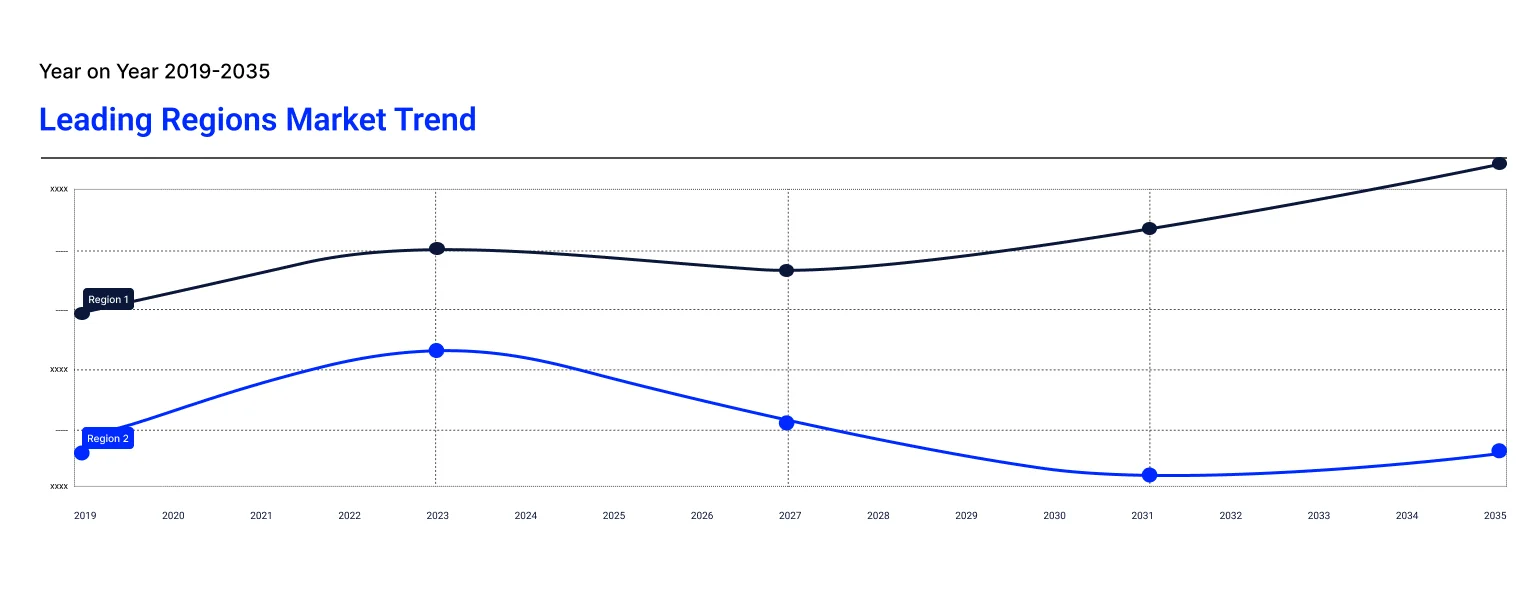
Asia Pacific registers the leading position of the market due to its concentration of downstream manufacturing
Asia Pacific dominates the global silane market due to its concentration of downstream manufacturing. The region hosts large-scale rubber, tire, electronics, and construction material producers. China, Japan, and South Korea consume silanes as routine formulation inputs rather than specialty additives. Buyers value supply reliability and cost efficiency. Silane producers locate capacity close to customers to reduce transport risk. Electronics and EV supply chains further strengthen regional demand. Asia Pacific buyers often qualify suppliers across multiple plants, locking in volume contracts.
The silane market in the Middle East and Africa is observing fast growth due to infrastructure expansion and industrial diversification. Construction activity drives demand for silane-modified sealants, coatings, and concrete protection systems. Oil-producing economies invest in downstream chemical and materials capacity to reduce import reliance. On the other hand, in September 2025, Hanmi Group broadened its international presence beyond China and the Unitednited States States to significant emerging markets like the Middle East and Latin America. Hanmi Science, the parent organization of Hanmi Group, along with Hanmi Pharmaceutical, its primary business unit, is focusing on emerging silane markets by deploying their self-developed products and tailored strategies. African markets demonstrate rising use of durable building materials as urbanization accelerates.
Global silane market players are focusing on application-specific silanes rather than volume expansion alone. High-purity grades for electronics, battery materials, and advanced composites remain a key focus area. Suppliers are investing in cleaner production lines, safer handling systems, and tighter quality control to meet customer qualification standards.
Another focus area for silane companies is sustainability-led chemistry, including low-emission and bio-based silanes, as downstream buyers face Scope 3 pressure. Opportunities are emerging in electric vehicles, renewable energy, and infrastructure retrofits where durability and lifecycle performance matter more than price. Players that offer formulation support and co-development gain an edge. Regional supply proximity is also becoming critical. Customers increasingly prefer suppliers who can support global operations with consistent quality and local technical teams.
Established in 2007 and headquartered in Essen, Germany, Evonik Industries AG is a leading supplier of specialty silanes. The company focuses on functional silanes for tires, construction, and coatings. Evonik supports customers through formulation expertise rather than commodity pricing. Its silane portfolio targets fuel efficiency, durability, and low-VOC compliance. The company also invests in sustainability-driven chemistry to align with customer decarbonization goals.
Founded in 1926 and headquartered in Tokyo, Japan, Shin-Etsu Chemical Co., Ltd is a dominant player offering high-purity silanes. The company serves semiconductors, electronics, and solar industries. Its silane business emphasizes ultra-clean production and tight impurity control. Shin-Etsu works closely with advanced manufacturers during early design stages.
Momentive Performance Materials Inc was established in 1940 and is headquartered in the United States. The company focuses on silanes for adhesives, sealants, and coatings. Momentive supports customers with tailored surface treatment solutions. Its silane offerings address bonding reliability and environmental compliance.
Founded in 1914 and headquartered in Munich, Germany, Wacker Chemie AG has a strong global silane footprint. The company serves the construction, automotive, and electronics sectors. Wacker emphasizes integrated production and supply security. Its silanes support high-performance materials and advanced manufacturing needs. The company also invests in energy-efficient production processes.
*Please note that this is only a partial list; the complete list of key players is available in the full report. Additionally, the list of key players can be customized to better suit your needs.*
Other key players in the market include Gelest, Inc, Entegris, Inc, and BRB International B.V., among others.
Unlock the latest insights with our silane market trends 2026 report. Discover regional growth patterns, consumer preferences, and key industry players. Stay ahead of competition with trusted data and expert analysis. Download your free sample report today and drive informed decisions in the market.


Upto 15% Off
USD
$2499 $2249
$3999 $3599
$4999 $4249
$5999 $5099


*While we strive to always give you current and accurate information, the numbers depicted on the website are indicative and may differ from the actual numbers in the main report. At Expert Market Research, we aim to bring you the latest insights and trends in the market. Using our analyses and forecasts, stakeholders can understand the market dynamics, navigate challenges, and capitalize on opportunities to make data-driven strategic decisions.*
In 2025, the market reached an approximate value of USD 2.19 Billion.
The market is projected to grow at a CAGR of 5.20% between 2026 and 2035.
The market is estimated to witness a healthy growth in the forecast period of 2026-2035 to reach USD 3.64 Billion by 2035.
Stakeholders are prioritizing application-led innovation, expanding regional technical teams, investing in low-emission production, forming early-stage customer partnerships, and strengthening supply reliability to secure long-term contracts.
The key trends fuelling the growth of the market include rising research and development activities, growing demand for lightweight vehicles, and rising applications of silane in various end use industries.
The major regions in the market are North America, Europe, the Asia Pacific, Latin America, and the Middle East and Africa.
The significant types of silanes include functional silanes and mono/chloro silanes.
The key players in the market include Evonik Industries AG, Shin-Etsu Chemical Co., Ltd, Momentive Performance Materials Inc, Wacker Chemie AG, Gelest, Inc, Entegris, Inc, and BRB International B.V., among others.
Companies face rising raw material volatility, stricter environmental regulations, long customer qualification cycles, high purity demands and increasing pressure to demonstrate measurable sustainability performance across global supply chains.
Explore our key highlights of the report and gain a concise overview of key findings, trends, and actionable insights that will empower your strategic decisions.
| REPORT FEATURES | DETAILS |
| Base Year | 2025 |
| Historical Period | 2019-2025 |
| Forecast Period | 2026-2035 |
| Scope of the Report |
Historical and Forecast Trends, Industry Drivers and Constraints, Historical and Forecast Market Analysis by Segment:
|
| Breakup by Type |
|
| Breakup by Application |
|
| Breakup by End-Use |
|
| Breakup by Region |
|
| Market Dynamics |
|
| Competitive Landscape |
|
| Companies Covered |
|
Datasheet
One User
USD 2,499
USD 2,249
tax inclusive*
Single User License
One User
USD 3,999
USD 3,599
tax inclusive*
Five User License
Five User
USD 4,999
USD 4,249
tax inclusive*
Corporate License
Unlimited Users
USD 5,999
USD 5,099
tax inclusive*
*Please note that the prices mentioned below are starting prices for each bundle type. Kindly contact our team for further details.*
Flash Bundle
Small Business Bundle
Growth Bundle
Enterprise Bundle
*Please note that the prices mentioned below are starting prices for each bundle type. Kindly contact our team for further details.*
Flash Bundle
Number of Reports: 3
20%
tax inclusive*
Small Business Bundle
Number of Reports: 5
25%
tax inclusive*
Growth Bundle
Number of Reports: 8
30%
tax inclusive*
Enterprise Bundle
Number of Reports: 10
35%
tax inclusive*
How To Order

Select License Type
Choose the right license for your needs and access rights.

Click on ‘Buy Now’
Add the report to your cart with one click and proceed to register.

Select Mode of Payment
Choose a payment option for a secure checkout. You will be redirected accordingly.
Strategic Solutions for Informed Decision-Making
Gain insights to stay ahead and seize opportunities.

Get insights & trends for a competitive edge.

Track prices with detailed trend reports.

Analyse trade data for supply chain insights.

Leverage cost reports for smart savings

Enhance supply chain with partnerships.

Connect For More Information
Our expert team of analysts will offer full support and resolve any queries regarding the report, before and after the purchase.
Our expert team of analysts will offer full support and resolve any queries regarding the report, before and after the purchase.
We employ meticulous research methods, blending advanced analytics and expert insights to deliver accurate, actionable industry intelligence, staying ahead of competitors.
Our skilled analysts offer unparalleled competitive advantage with detailed insights on current and emerging markets, ensuring your strategic edge.
We offer an in-depth yet simplified presentation of industry insights and analysis to meet your specific requirements effectively.




