

Consumer Insights
Uncover trends and behaviors shaping consumer choices today
Procurement Insights
Optimize your sourcing strategy with key market data
Industry Stats
Stay ahead with the latest trends and market analysis.
The global smart education and learning market attained a value of USD 306.54 Billion in 2025 and is projected to expand at a CAGR of 18.80% through 2035. The market is further expected to reach USD 1716.53 Billion by 2035. Rising demand for personalised learning, growing corporate investment in workforce upskilling, and increasing adoption of cloud based and AI powered learning platforms are pushing academic institutions and enterprises toward smart education technologies across hardware, software and service categories worldwide.
Smart education and learning refer to the use of digital technologies, including hardware, software and services, to deliver personalised and accessible learning experiences across academic institutions and corporate training environments. The market spans learning modes ranging from social and blended learning to simulation-based and adaptive learning, each suited to different learner needs and delivery contexts. Rising demand for personalised learning, growing corporate investment in workforce upskilling, and increasing adoption of cloud-based platforms continue to widen the buyer base for the global smart education and learning market.
Demand is concentrating around platforms able to combine skills intelligence directly with learning delivery, particularly where a provider can demonstrate measurable workforce readiness outcomes to enterprise buyers. In March 2026, Perceptyx acquired Lyceum AI, an AI native learning platform that verifies comprehension and skill development rather than only measuring course completion, aiming to close the long-standing gap between employee experience data and learning and development. Acquisitions of this kind are converting rising enterprise demand for skills-based learning directly into paid platform adoption across the global smart education and learning market.
Providers are converging on a common development direction, widening from single-purpose learning management systems toward integrated platforms that combine content authoring, skills intelligence and analytics in one environment. Providers are also increasingly layering artificial intelligence into content adaptation, learner engagement tracking and assessment, positioning this as a core platform capability rather than an add-on feature. Portfolios across the market are being rebuilt around measurable learning outcomes and workforce readiness rather than a single flagship learning management tool.
Compound Annual Growth Rate
18.8%
Value in USD Billion
2026-2035
Read more about this report - REQUEST FREE SAMPLE COPY IN PDF
| Global Smart Education and Learning Market Report Summary | Description | Value |
| Base Year | USD Billion | 2025 |
| Historical Period | USD Billion | 2019-2025 |
| Forecast Period | USD Billion | 2026-2035 |
| Market Size 2025 | USD Billion | 306.54 |
| Market Size 2035 | USD Billion | 1716.53 |
| CAGR 2019-2025 | Percentage | XX% |
| CAGR 2026-2035 | Percentage | 18.80% |
| CAGR 2026-2035 - Market by Region | Asia Pacific | 20.3% |
| CAGR 2026-2035 - Market by Country | India | 21.6% |
| CAGR 2026-2035 - Market by Country | China | 19.4% |
| CAGR 2026-2035 - Market by Component | Software | 19.5% |
| CAGR 2026-2035 - Market by End-User | Academic | 19.7% |
| Market Share by Country 2025 | UK | 3.8% |
In July 2026, D2L launched Createspace, a course content tool co-developed with the University of Maryland Global Campus, alongside new Lumi Remix and Lumi Learner Mode AI features at its Fusion 2026 conference. This launch points to a wider lesson across the smart education and learning market: co-developing new features with an institutional partner ground a release in a real use case that internal development alone often misses.
In July 2026, higher education platform EdVisorly raised USD 13.3 million in Series A funding to scale its AI native transfer and credential assessment platform, already serving over 100 institutions and 250,000 students. The round reflects a broader pattern worth noting growth capital increasingly follows demonstrated institutional traction rather than preceding it, since investors across the smart education and learning market reward platforms with proven adoption.
In April 2026, Zspace introduced a new augmented and virtual reality platform enabling immersive STEM and career learning without requiring a headset, making hands on education more accessible for schools. The takeaway for other immersive learning providers across the smart education and learning market is straightforward: stripping out hardware friction widens the pool of institutions able to adopt the technology in the first place.
In January 2026, enterprise learning platform Docebo acquired 365Talents, a Lyon, France based AI skills intelligence and workforce analytics company, for approximately USD 55 million, embedding skills intelligence directly into learning workflows. This deal illustrates a route other platform are increasingly following acquiring a missing capability outright, since building comparable technology internally takes considerably longer.
Enterprise learning platforms across the smart education and learning market are increasingly embedding skills intelligence directly into their core product, rather than treating skills mapping as a separate function handled by a different system elsewhere. This reduces the number of separate systems an enterprise buyer must integrate and strengthens renewal conversations considerably. In May 2026, Coursera completed its combination with Udemy, uniting a combined ecosystem of 290 million learners and 18,000 enterprise customers into a single, more comprehensive skills discovery and development platform.
Medical simulation developers across the smart education and learning market are increasingly combining spatial guidance technology with adaptive AI feedback in a single system, rather than treating hands on practice and personalised coaching as two separate tools bolted together. This lets a trainee receive real time correction on technique while an AI layer separately tracks their individual progress and confidence over repeated attempts. In June 2026, researchers at Carle Illinois College of Medicine presented SpatialTutor, a mixed reality simulation system combining spatial guidance with adaptive AI support, tested by more than 100 medical students in the smart education and learning market.
Corporate learning platforms across the smart education and learning market are increasingly building features that convert raw assessment results directly into a specific next training action, rather than leaving that interpretation step to an L&D manager reading a report. This closes the gap between identifying a skill gap and assigning the right course to close it. In May 2026, TalentLMS launched Learning Playground, a new AI powered capability building on its existing course creation tools to help organisations turn assessment data into more targeted training decisions.
Virtual instructor led training providers are increasingly citing independent industry rankings in enterprise and institutional sales conversations, since a third party's evaluation carries more weight with a risk averse buyer than a vendor's own marketing claims. This is particularly valuable in a category where survey data shows most organisations rate their own virtual training programmes as underperforming, making a validated outlier easier to trust. In April 2026, virtual instructor led training provider Class was ranked sixth among TIME's Top 10 EdTech Companies of 2026, recognised for the depth of the live virtual learning problem it addresses.
Corporate learning providers across the smart education and learning market are increasingly building their product positioning around measurable workforce readiness outcomes, such as skill gap closure and time to productivity, rather than around course completion rates alone. This strengthens a vendor's position considerably during competitive enterprise procurement, where buyers increasingly ask for proof rather than a promise. In May 2026, Coty's Supercharge with AI enterprise upskilling programme won a Newsweek AI Impact Award, recognised for tying employee AI literacy training directly to measurable business outcomes rather than completion metrics alone.
The Expert Market Research’s report titled "Global Smart Education and Learning Market Report and Forecast 2026-2035" offers a detailed analysis of the market based on the following segments:
Market Breakup by Component
Key Insight: Software holds the leading component share of the smart education and learning market, reflecting sustained institutional and enterprise demand for learning management systems and adaptive learning platforms. Service forms a significant component share as institutions increasingly rely on implementation, integration and support services to deploy smart learning technology effectively. In June 2026, SMART Technologies launched MultiStylus and SoundLift, two new classroom hardware accessories designed to extend its SMART Board display ecosystem with improved collaboration and accessibility features. Hardware remains an important component for immersive and simulation-based learning specifically, spanning interactive displays, smart boards and virtual and augmented reality devices used across classrooms and training facilities.
Market Breakup by Learning Mode
Key Insight: Blended learning accounts for a leading learning mode share of the smart education and learning market, reflecting sustained institutional preference for combining in-person and digital instruction rather than shifting entirely online. Adaptive learning forms the fastest-growing learning mode as artificial intelligence increasingly personalises content and pacing to individual learner needs. In April 2026, Korean startup EduSync raised a seed funding round to advance KlassMate, a collaborative learning platform that synchronises interactive whiteboards, teacher devices and student tablets into one connected classroom environment. Virtual instructor led training remains important for corporate and academic environments requiring live interaction, while social learning and simulation-based learning continue to gain adoption for peer engagement and hands-on skill practice respectively.
Market Breakup by End-User
Key Insight: Academic institutions account for the leading end-user share of the smart education and learning market, reflecting the sheer scale of schools, colleges and universities adopting smart learning technology globally. Corporate end-users form the fastest-growing segment as enterprises continue to increase spending on workforce upskilling, reskilling and compliance training programmes. This corporate growth is increasingly driven by a need to close specific skill gaps quickly, rather than by broad, generic training programmes alone.
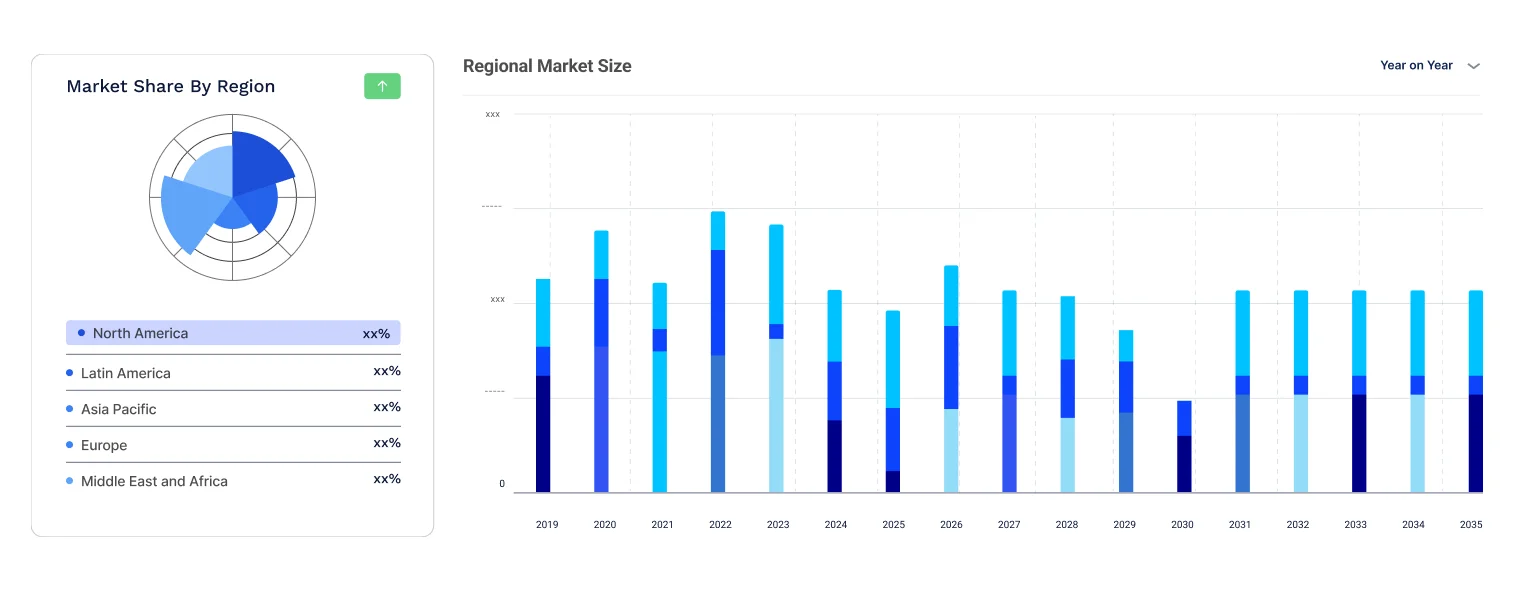
Market Breakup by Region
Key Insight: Regional dynamics in the smart education and learning market continue to shape provider strategies. North America leads on a mature institutional and enterprise technology adoption base, along with sustained corporate investment in workforce training. Europe combines strong institutional demand with increasingly strict regulation around data privacy for younger learners. Asia Pacific grows fastest as expanding internet penetration and government backed digital education initiatives widen the addressable learner base, while Latin America and the Middle East and Africa build on expanding technology infrastructure and rising investment in digital education.
By component, software dominates the market through platform demand while hardware grows fastest on immersive learning adoption
Software holds the largest component share of the smart education and learning market because institutions and enterprises increasingly prioritise learning management systems and adaptive learning platforms as the core of their technology investment, rather than treating software as a secondary purchase alongside hardware. In November 2025, Sensei Harbor acquired Viducate, an online corporate learning and training management platform, adding course creation, enrolment tracking and AI based evaluation capability to its own software portfolio. Providers building recurring subscription revenue prioritise software development accordingly, since a platform subscription is far easier to forecast and retain than a one-time hardware purchase.
Hardware is the fastest-growing component as institutions increasingly invest in interactive displays, smart boards and immersive learning devices to support simulation-based and blended learning modes. This growth is increasingly driven by devices designed to lower the cost and complexity of adoption, since a hardware requirement that once limited adoption is now less of a barrier as device costs continue to fall and headset free alternatives reach the market at a fraction of earlier prices.
By learning mode, blended learning leads the market on institutional preference while adaptive learning grows fastest on AI personalisation
Blended learning accounts for the largest learning mode share of the smart education and learning market because institutions continue to prefer combining in-person and digital instruction rather than shifting entirely online, preserving direct instructor interaction while gaining the flexibility digital tools provide. Institutions building long-term technology investment plans prioritise blended learning infrastructure accordingly, since this combined approach serves the widest range of learner preferences and institutional constraints simultaneously, without forcing a choice between the two delivery formats.
Adaptive learning is the fastest-growing learning mode as artificial intelligence increasingly personalises content and pacing to individual learner needs, moving beyond a fixed curriculum toward a continuously adjusting learning path shaped by each learner's own progress. In March 2026, people platform Lattice acquired Mandala's AI native coaching technology together with its founder, Tarun Galagali, bringing in the neuroscience expertise behind the technology rather than the software alone. Providers pursuing this kind of talent led acquisition are finding it secures the specific know-how needed to keep advancing a personalisation engine well beyond the initial deal itself across the smart education and learning market.
By end-user, academic institutions dominate the market through scale while corporate learning grows fastest on upskilling demand
Academic institutions account for the largest end-user share of the smart education and learning market because the sheer scale of schools, colleges and universities adopting smart learning technology globally generates a far larger base of potential customers than the corporate segment commands on its own. Providers serving academic institutions continue to prioritise multi-year institutional contracts accordingly, since these agreements typically renew alongside an institution's broader technology infrastructure cycle.
Corporate end-users are the fastest-growing segment across the smart education and learning market as enterprises continue to increase spending on workforce upskilling, reskilling and compliance training programmes, driven by a need to close specific skill gaps quickly rather than through broad, generic training alone. In January 2026, NIIT Learning Systems acquired SweetRush for approximately USD 26 million, expanding its managed learning services portfolio with SweetRush's AI enabled custom learning experience design for Fortune 1000 enterprises. Providers serving this segment are increasingly building dedicated enterprise sales teams, since corporate buyers require outcome measurement and integration capability a standard academic contract rarely provides.

Read more about this report - REQUEST FREE SAMPLE COPY IN PDF
North America leads the market through mature technology adoption while Asia Pacific grows fastest on digital education initiatives
North America commands the largest share of the smart education and learning market, supported by a mature institutional and enterprise technology adoption base, established corporate training budgets, and sustained investment in learning platform infrastructure. In June 2026, MagicSchool released its inaugural Districts Leading the Way report, recognising nine US school districts, including Atlanta Public Schools and Buffalo Public Schools, for intentional AI adoption that kept teachers at the centre of implementation. Providers serving this region continue to benefit from an established sales channel into both academic institution budgets and enterprise learning and development departments.
Asia Pacific is the fastest-growing regional smart education and learning market as expanding internet penetration and government backed digital education initiatives widen the addressable learner base faster than in more mature markets. In February 2026, Microsoft launched Elevate for Educators in India, building AI Ambassadors, Educator Academies and Centers of Excellence across 25,000 institutions in partnership with government platforms including DIKSHA and the Skill India Digital Hub. Providers entering the region are increasingly building local-language content and region-specific curriculum alignment from the outset, recognising that a directly translated version of a Western-market platform rarely matches the specific academic standards driving demand here.
The global industry is consolidating around integrated learning platforms as leading smart education and learning companies invest in skills intelligence, adaptive content and enterprise analytics capability to defend both academic and corporate accounts. Providers are prioritising measurable learning outcomes, data privacy compliance and platform integration breadth to differentiate offerings in a segment where the underlying learning management functionality is broadly comparable across suppliers. Deep institutional and enterprise relationships remain a decisive advantage, since a multi-year technology contract typically renews with the incumbent provider rather than being rebid to a competitor.
Major smart education and learning market players are also competing on AI capability, since a platform's ability to personalise content and demonstrate measurable learning outcomes increasingly determines which vendor wins a competitive academic or enterprise procurement process. Opportunities are emerging in skills intelligence integration, in headset free immersive learning hardware, and in corporate upskilling platforms addressing specific workforce skill gaps. Providers combining strong AI-driven personalisation with defensible institutional and enterprise relationships are positioned to strengthen their standing as buyers continue prioritising proven outcomes over platform breadth alone.
Founded in 1982 and headquartered in San Jose, California, United States, the company supplies content creation and digital learning tools through its Creative Cloud and Document Cloud platforms, serving academic institutions and enterprise learning teams worldwide. Its learning-related offering draws on the company's broader creative software expertise, positioning Adobe among the established technology suppliers to the market.
Founded in 1984 and headquartered in San Jose, California, United States, the company supplies networking infrastructure and video collaboration tools that underpin virtual instructor led training and remote learning delivery for institutions and enterprises globally. Its learning-related offering draws on the company's broader networking and collaboration technology, positioning Cisco among the established infrastructure suppliers to the market.
Founded in 1968 and headquartered in Reston, Virginia, United States, the company supplies higher education technology solutions spanning student information systems, enterprise resource planning and learning administration, serving colleges and universities worldwide. Its offering draws on decades of higher education-specific technology expertise, positioning Ellucian among the largest established providers serving the academic end-user segment of the market.
Founded in 1888 and headquartered in Columbus, Ohio, United States, the company supplies digital learning platforms, adaptive courseware and educational content spanning preK-12, higher education and professional learning, serving educators and students worldwide. Its offering draws on more than a century of educational publishing expertise now delivered through digital platforms, positioning McGraw Hill among the largest established content providers in the market.
Other key players in the market include Blackboard Inc. and MPS Interactive Systems Limited, among others.
*Please note that this is only a partial list; the complete list of key players is available in the full report. Additionally, the list of key players can be customized to better suit your needs.*
Unlock the latest insights with our smart education and learning market trends 2026 report. Discover regional growth patterns, platform economics, and key industry players. Stay ahead of competition with trusted data and expert analysis. Download your free sample report today and drive informed decisions in the market.


Upto 15% Off
USD
$2499 $2249
$3999 $3599
$4999 $4249
$5999 $5099


*While we strive to always give you current and accurate information, the numbers depicted on the website are indicative and may differ from the actual numbers in the main report. At Expert Market Research, we aim to bring you the latest insights and trends in the market. Using our analyses and forecasts, stakeholders can understand the market dynamics, navigate challenges, and capitalize on opportunities to make data-driven strategic decisions.*
The market is projected to grow at a CAGR of 18.80% between 2026 and 2035.
The market is estimated to witness a healthy growth in the forecast period of 2026-2035 to reach a value of USD 1716.53 Billion by 2035.
Acquiring or building skills intelligence capability directly into learning platforms, developing headset free immersive learning hardware, co-developing new features with institutional launch partners, and prioritising measurable learning and workforce readiness outcomes over catalogue breadth.
The key trends in the market include the rapid adoption of internet enabled devices such as smartphones and laptops, explosive emergence of software as a service (SaaS), increasing adoption of cloud-based e-learning software across educational institutes, growing acceptance of digital modes of education across schools and universities, and favourable policies of various governments encouraging digitalisation.
Hardware, software, and service are the major components of smart education and learning in the market.
Social learning, blended learning, virtual instructor led training, collaborative learning, simulation-based learning, and adaptive learning, among others, are the different learning modes of smart education and learning in the market.
Corporate and academic are the primary end users of smart education and learning.
The key players in the market include Adobe Inc., Blackboard Inc., Cisco Systems, Inc., Ellucian Company L.P., McGraw Hill, and MPS Interactive Systems Limited, among others.
In 2025, the market reached an approximate value of USD 306.54 Billion.
Providers face tightening data privacy regulation for younger learners, rising costs of building AI-driven personalisation capability, growing price competition among adaptive learning platforms, and the technical complexity of integrating skills intelligence with existing learning management systems.
Explore our key highlights of the report and gain a concise overview of key findings, trends, and actionable insights that will empower your strategic decisions.
| REPORT FEATURES | DETAILS |
| Base Year | 2025 |
| Historical Period | 2019-2025 |
| Forecast Period | 2026-2035 |
| Scope of the Report |
Historical and Forecast Trends, Industry Drivers and Constraints, Historical and Forecast Market Analysis by Segment:
|
| Breakup by Component |
|
| Breakup by Learning Mode |
|
| Breakup by End-User |
|
| Breakup by Region |
|
| Market Dynamics |
|
| Competitive Landscape |
|
| Companies Covered |
|
Datasheet
One User
USD 2,499
USD 2,249
tax inclusive*
Single User License
One User
USD 3,999
USD 3,599
tax inclusive*
Five User License
Five User
USD 4,999
USD 4,249
tax inclusive*
Corporate License
Unlimited Users
USD 5,999
USD 5,099
tax inclusive*
*Please note that the prices mentioned below are starting prices for each bundle type. Kindly contact our team for further details.*
Flash Bundle
Small Business Bundle
Growth Bundle
Enterprise Bundle
*Please note that the prices mentioned below are starting prices for each bundle type. Kindly contact our team for further details.*
Flash Bundle
Number of Reports: 3
20%
tax inclusive*
Small Business Bundle
Number of Reports: 5
25%
tax inclusive*
Growth Bundle
Number of Reports: 8
30%
tax inclusive*
Enterprise Bundle
Number of Reports: 10
35%
tax inclusive*
How To Order

Select License Type
Choose the right license for your needs and access rights.

Click on ‘Buy Now’
Add the report to your cart with one click and proceed to register.

Select Mode of Payment
Choose a payment option for a secure checkout. You will be redirected accordingly.
Strategic Solutions for Informed Decision-Making
Gain insights to stay ahead and seize opportunities.

Get insights & trends for a competitive edge.

Track prices with detailed trend reports.

Analyse trade data for supply chain insights.

Leverage cost reports for smart savings

Enhance supply chain with partnerships.

Connect For More Information
Our expert team of analysts will offer full support and resolve any queries regarding the report, before and after the purchase.
Our expert team of analysts will offer full support and resolve any queries regarding the report, before and after the purchase.
We employ meticulous research methods, blending advanced analytics and expert insights to deliver accurate, actionable industry intelligence, staying ahead of competitors.
Our skilled analysts offer unparalleled competitive advantage with detailed insights on current and emerging markets, ensuring your strategic edge.
We offer an in-depth yet simplified presentation of industry insights and analysis to meet your specific requirements effectively.




