

Consumer Insights
Uncover trends and behaviors shaping consumer choices today
Procurement Insights
Optimize your sourcing strategy with key market data
Industry Stats
Stay ahead with the latest trends and market analysis.
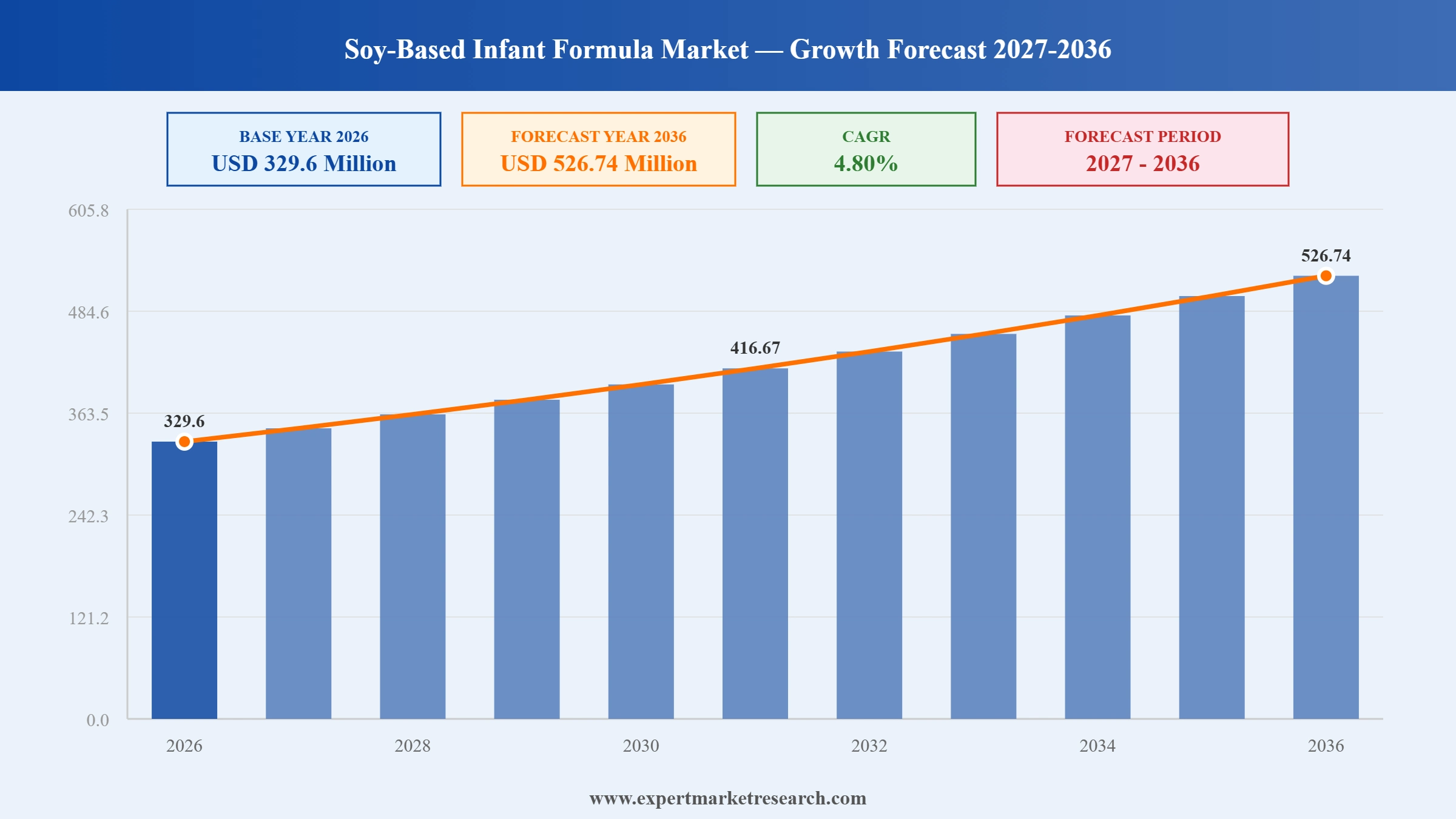
The global soy-based infant formula market attained a value of USD 314.50 Million in 2025 and is projected to expand at a CAGR of 4.80% through 2035. The market is further expected to achieve USD 502.61 Million by 2035. Demand for products that are lactose free and cow’s milk protein free is leading manufacturers to improve the performance of soy-based products in terms of clinical tolerance and specialty infant nutrition requirements in developed and developing countries.
There are two key developments that present targeted opportunities for soy-based infant formula market companies. First, functional ingredients like DHA, lutein, nucleotides, and prebiotics are being added by developers to take the performance from just being lactose free. Moreover, there is a trend towards ready-to-drink and concentrated liquid formats which opens up procurement possibilities for hospitals, pharmacies, and retail customers. This will benefit manufacturers that have flexible fill technologies and consistent formulations.
There is currently a trend among soy-based infant formula market companies to use both traditional and plant-based ingredients in their products to meet the needs of a wider range of consumers and to be sustainable. The Dairy & Plants initiative by Danone is expanding the use of soy-based nutrition beyond the typical lactose-free category. It consists of 60% of non-GMO soy protein and 40% of dairy protein in order to offer a hybrid alternative for vegetarians and flexitarians but continues to include dairy proteins. Danone claims that it reduces carbon emission per pack by 30% compared to its competitive powdered formulas. On the other hand, in April 2025, Else Nutrition launched its Formula for Change campaign, building on Operation Stork to expand infant formula access and consumer choice.
On the other hand, Abbott is enhancing its portfolio in the soy segment through the Similac Soy Isomil, which is positioned on lactose-free nutrition, cow's milk protein sensitivity, digestion tolerance, and infant growth. Its formula consists of soy protein isolate along with DHA, lutein, vitamin E, nucleotides, and prebiotics, and its dual carbohydrate system helps with absorption, thereby strengthening demand in the soy-based infant formula market. Similarly, in September 2024, Perrigo partnered with Dr. Brown’s to launch Good Start infant formula products, expanding its pediatric nutrition portfolio across retail channels.
Read more about this report - REQUEST FREE SAMPLE COPY IN PDF
| Global Soy-Based Infant Formula Market Report Summary | Description | Value |
| Base Year | USD Million | 2025 |
| Historical Period | USD Million | 2019-2025 |
| Forecast Period | USD Million | 2026-2035 |
| Market Size 2025 | USD Million | 314.50 |
| Market Size 2035 | USD Million | 502.61 |
| CAGR 2019-2025 | Percentage | XX% |
| CAGR 2026-2035 | Percentage | 4.80% |
| CAGR 2026-2035 - Market by Region | Asia Pacific | 3.9% |
| CAGR 2026-2035 - Market by Country | Brazil | 4.1% |
| CAGR 2026-2035 - Market by Country | China | 3.8% |
| CAGR 2026-2035 - Market by Application | 12-36 months | 4.2% |
| Market Share by Country 2025 | India | 5.9% |
Abbott introduced its Similac 360 Total Care Made with Whole Milk product, which offers a ready-to-feed infant formula using whole milk. Soy formula companies can therefore look at other packaging possibilities and protein mixes without compromising their nutritional position.
Nutritional Growth Solutions acquired Sprout Organic, thereby entering into the plant-based infant nutrition market. Firms could look to making acquisitions and partnerships to diversify their plant-based formulas and enhance retail presence, boosting growth in the soy-based infant formula market.
Good Start and Dr. Brown’s infant formula brands received the Baby Food Product of the Year award due to their tolerance formula that is developed for babies’ digestive system sensitivity. Producers may gain an edge by offering products that are formulated for healthy digestion and probiotic and protein technologies addressing different infants’ feeding concerns, accelerating the overall soy-based infant formula market value.
Little Spoon introduced its Organic Grass-Fed Whole Milk Infant Formula that has been tested independently for over 500 toxins and contaminants. Soy-based formula producers may enhance consumer confidence by performing batch testing of their products, using clear ingredient sources, and having safety data publicly available.
Manufacturers are no longer focused on single soy protein but moving towards the blends that contain both plant and dairy proteins. In August 2024, Else Nutrition launched plant-powered ready-to-drink kids’ shakes, expanding convenient plant-based nutrition options through premium grocery retail channels. Such products provide a soy-based infant formula market opportunity for the suppliers to focus on the families looking for plant-based formulas without totally excluding the dairy components.
Lactose-free nutrition is one of the areas where soy formulas have wide applications. There is a need for manufacturers to make efforts in developing carbohydrates and soy protein isolates. According to the American Academy of Pediatrics, soy formulas may be used in certain cases like galactosemia and hereditary lactase deficiency, which is not common. Aligning with such trends in the soy-based infant formula market, in July 2026, Nara Organics introduced clean-label infant formula and baby nutrition products, emphasizing ingredient transparency and simplified formulations for modern parents.
Companies are including functional nutrients in their products to make them nutritionally competitive to regular products, thus widening the soy-based infant formula market scope. Modern soy-based formulas typically contain nutrients like DHA, arachidonic acid, iron, zinc, taurine, and L-carnitine, indicating the trend towards more complete nutritional offerings. According to the AAP, current soy protein isolate formulas contain L-methionine, L-carnitine, and taurine. DHA and arachidonic acid are also common ingredients. However, the FDA requires that infant formulas have 30 different nutrients for proper growth. In March 2026, Else Nutrition anticipated regulatory progress could support broader acceptance of plant-based infant formulas by enabling clearer protein standards for manufacturers.
As there is growing concern about the safety of infant nutrition, the soy-based infant formula market observes an increase in the level of quality assurance and ingredient traceability that soy formula makers are expected to practice. In the United States, the FDA regulates the content, production and distribution of infant formulas, which makes regulatory compliance a key element of competition in this area. Moreover, the AAP notes that soy formulas must have the right amounts of vitamins, minerals, and electrolytes and must also contain iron and zinc. In December 2025, Harmony Baby Nutrition secured BRL 5.8 million to develop human-milk-inspired infant formulas using fermentation and establish a new R&D center.
Sustainability seems to be gaining traction as a lever in the development of products, especially in infant nutrition where soy-based infant formula market companies are looking for ways to cut back on environmental impacts while maintaining quality of formulation. For instance, Danone’s Dairy & Plants Blend formula reflects this trend through the incorporation of non-GMO soy, which makes up most of the protein sources in the formula, and recyclable packaging. This illustrates how soy products can be used to build nutritional and environmental stories within the product range. In December 2024, Earth’s Best restored nationwide supply, strengthening availability of organic infant formula through enhanced production and distribution capabilities.
The Expert Market Research's report titled “Soy-Based Infant Formula Market Report and Forecast 2026-2035” offers a detailed analysis of the market based on the following segments:
Market Breakup by Applications
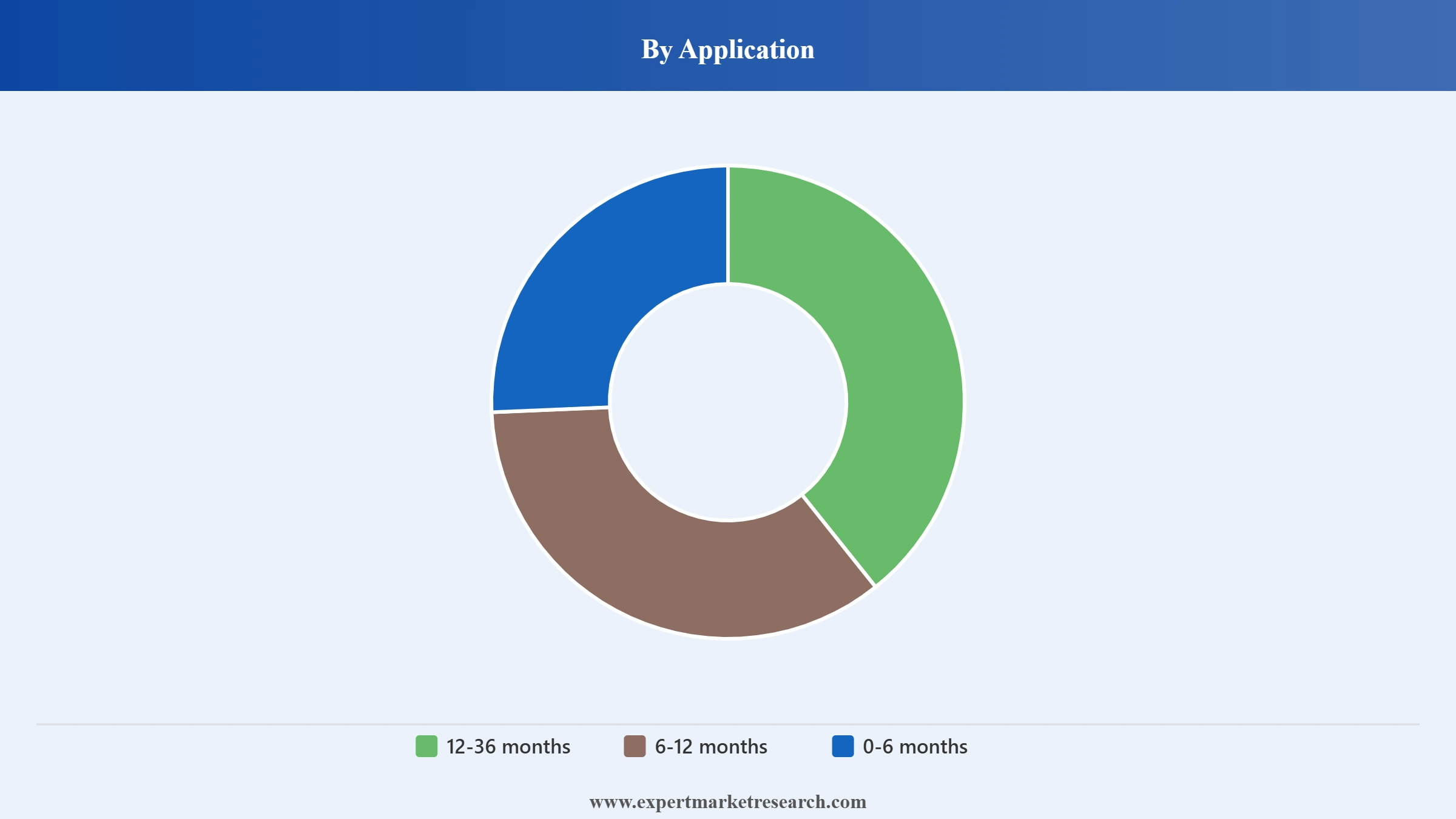
Key Insight: Growth in the 0-6 months segment is based mainly on the nutritional requirements of nutritionally adequate formula as an alternative to breast milk, with a focus on protein quality and nutrient supplementation. On the other hand, the 6-12 months category’s growth is driven by formula feeding, which together with complementary feeding requires formulation which ensures sufficient intake of iron, zinc, and essential fatty acids. In turn, the 12-36 months segment is driven more by transition nutrition and desire for non-dairy alternatives. But according to AAP guidelines, toddler beverages are differentiated from infant formulas.
Market Breakup by Region
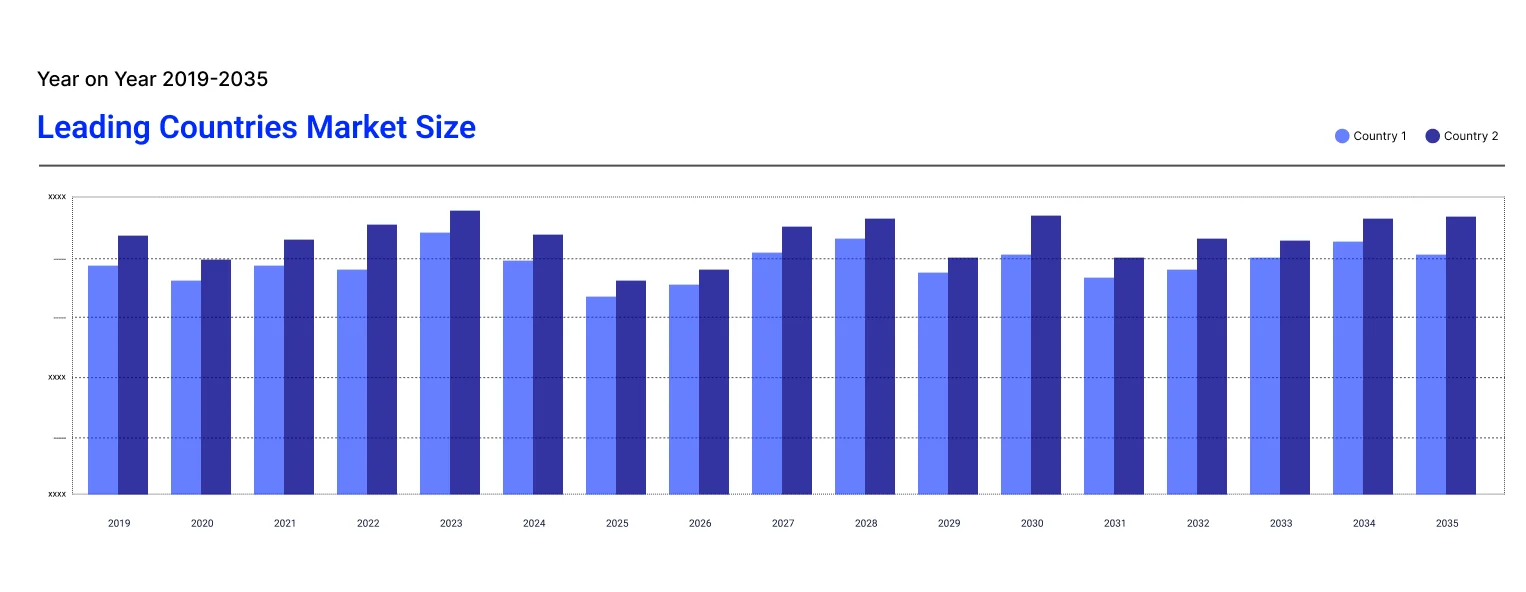
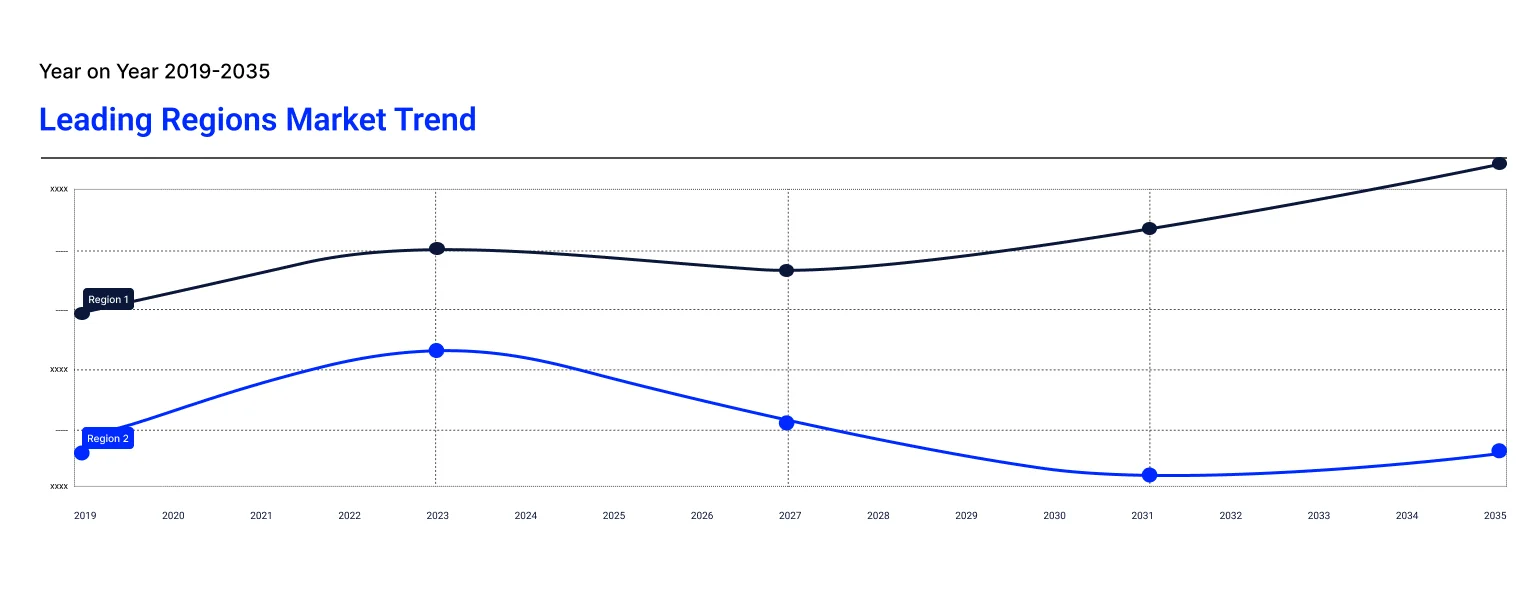
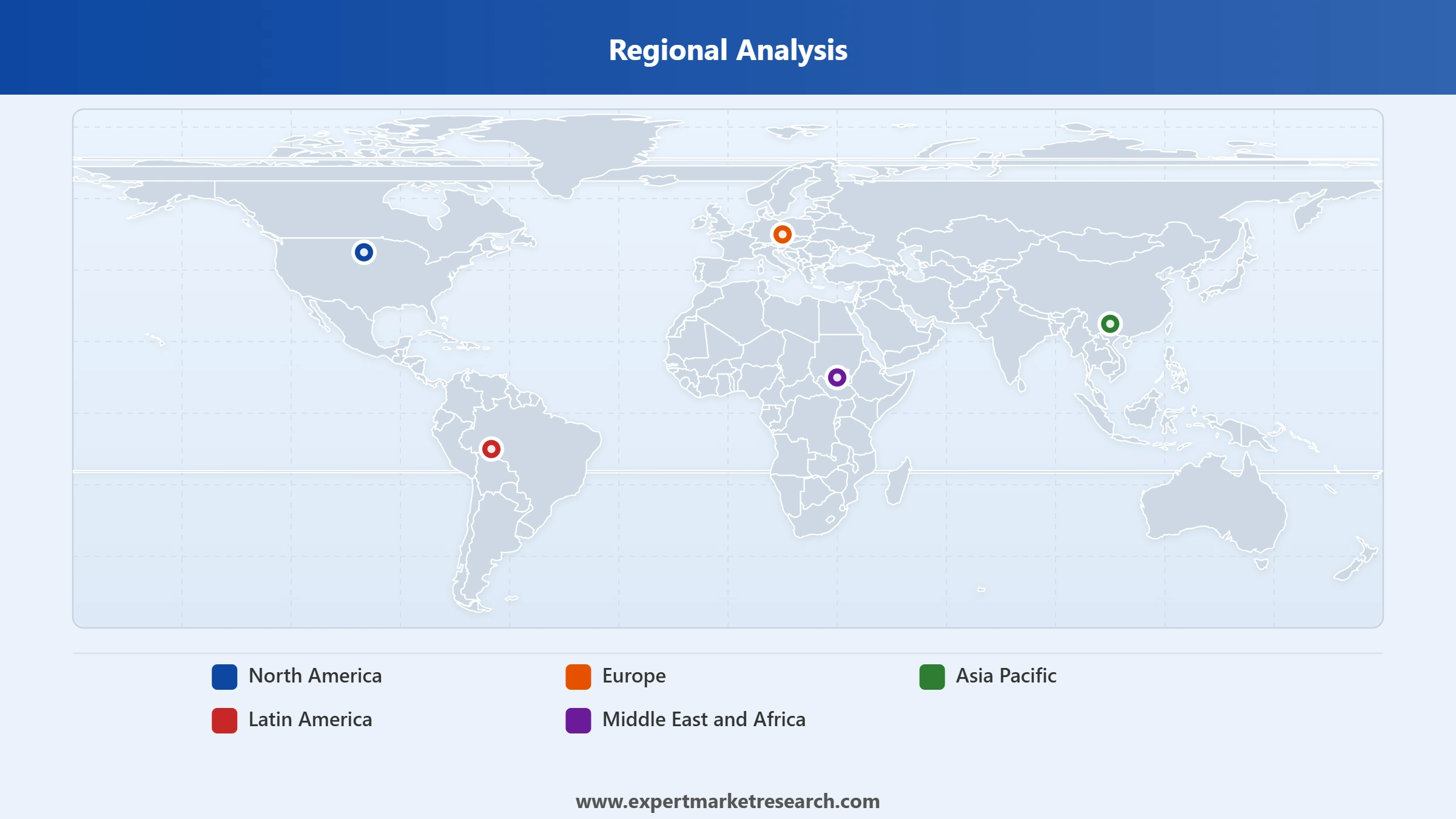
Key Insight: Growth of the soy-based infant formula market in North America is driven by the fact that there are already existing products available on the market, specialized applications and regulatory framework in place. Europe, on the other hand, is governed by tough norms with regards to infant nutrition and strict regulations governing marketing of products, which compels companies to be more scientific in their formulations and label information. Asia Pacific provides better scope for growth due to changing trends with respect to feeding patterns and greater availability of specialized formulas.
By application, the 0-6 months group emerges as the dominant segment, supported by complete nutritional requirements and medically guided formula use
The 0-6 months category continues to dominate the soy-based infant formula market since formula becomes the main nutrient in case breastfeeding is not practiced during this critical period of development. Soy-based infant formulas tend to cater to lactose intolerance feeding and certain dietary requirements. However, the clinical uses of soy-based infant formulas continue to remain restricted. In this regard, all the emphasis of the manufacturers tends to lie on micronutrients fortification and protein. In February 2025, Agrana launched a vegan organic toddler drink powder combining pumpkin or faba bean protein with buckwheat for balanced nutrition and sustainability.
Read more about this report - REQUEST FREE SAMPLE COPY IN PDF
The 6-12 months category is gaining momentum across the soy-based infant formula market scope due to the fact that infants need to start consuming complementary foods while being dependent on breast milk or complete nutritionally infant formula at the same time. In order to ensure adequate nutrition, soy-based infant formulas manufacturers tend to improve protein, iron, zinc, and essential fatty acid composition.
Read more about this report - REQUEST FREE SAMPLE COPY IN PDF
North America clocks in the leading market position, supported by established soy-formula adoption and specialized nutritional applications
The dominance of the North America soy-based infant formula market arises from the presence of well-established infrastructure for production of infant-formula with an emphasis on soy-protein formula. The United States has infant-formulas that cater for lactose-free, vegetarian feeding practices and carbohydrate metabolism. The regulatory framework plays a critical role in ensuring consistency in the composition and quality of the products. Requirements for manufacture of infant-formulas by the FDA create a structured framework for existing manufacturers. In May 2025, Danone acquired a majority stake in Kate Farms, expanding its plant-based specialized nutrition portfolio and strengthening access to alternative nutritional products.
Asia Pacific is the fastest growing regional soy-based infant formula market as infant nutrition companies are looking for growth through developing specialized infant nutrition product lines catering for diverse dietary and feeding preferences. The products will be able to meet the growing demand for soy-based, lactose-free and non-dairy formulations while at the same time offering localization of the ingredients and positioning of the products. Competition among the regional firms revolves around age-specific formulations, fortified nutritional and packaging of the infant nutrition products.
Read more about this report - REQUEST FREE SAMPLE COPY IN PDF
The market is developing based on nutrition companies with long-standing expertise competing through their unique formulations, advanced science of ingredients, regulatory compliance, and brand trust. Leading soy-based infant formula market players like Abbott, Nestlé and Reckitt are expanding their baby food lines with specific product formulations, plant-based protein application and better delivery mechanisms of nutrients. Companies are investigating ways to enhance the quality of soy protein and incorporate functional ingredients like prebiotics and DHA.
Soy-based infant formula companies are also investing in ingredient purity, sustainable manufacturing processes, and ready-to-feed baby food products. Building a resilient supply chain emerges as another key strategy due to recent shortages of infant formula products. Hence, companies are enhancing their manufacturing, ingredient sourcing, and inventory management capabilities. Competitive advantage currently lies in robust clinical testing, quality control of formulation, and ingredient traceability.
Abbott Laboratories was founded in 1888 and the headquarters is located in Abbott Park, Illinois, United States. The company targets the soy-based infant formula market with Similac Soy Isomil where the product is marketed with lactose free and soy protein isolate. Abbott Laboratories distinguishes its product with nutrients such as DHA, lutein, vitamin E, nucleotides and prebiotics.
Nestlé SA was founded in 1866 and has its headquarters located in Vevey, Switzerland. Nestlé targets the infant nutrition market with its wide range of formulas and robust nutrition research networks. Nestlé concentrates on formulation science, age specific nutrition, and optimal ingredients and hence there is a chance for customization of plant based and special nutrition solutions in varied regions.
Reckitt Benckiser Group Plc was founded in 1823. It has its headquarters in Slough, United Kingdom. The company is active in specialized infant nutrition through the use of Mead Johnson Nutrition brands including Enfamil. It operates under the philosophy of science-based formulas for targeted nutritional needs and global distribution of healthcare products.
*Please note that this is only a partial list; the complete list of key players is available in the full report. Additionally, the list of key players can be customized to better suit your needs.*
Unlock the latest insights with our soy-based infant formula market trends 2026 report. Discover regional growth patterns, consumer preferences, and key industry players. Stay ahead of competition with trusted data and expert analysis. Download your free sample report today and drive informed decisions in the market.


Upto 15% Off
USD
$2499 $2249
$3999 $3599
$4999 $4249
$5999 $5099


*While we strive to always give you current and accurate information, the numbers depicted on the website are indicative and may differ from the actual numbers in the main report. At Expert Market Research, we aim to bring you the latest insights and trends in the market. Using our analyses and forecasts, stakeholders can understand the market dynamics, navigate challenges, and capitalize on opportunities to make data-driven strategic decisions.*
The market is projected to grow at a CAGR of 4.80% between 2026 and 2035.
Companies face stringent infant-formula regulations, soy ingredient quality variability, consumer concerns over plant proteins, supply-chain disruptions, clinical-claim requirements and intense competition from dairy-based and specialty formulas.
The key trends augmenting the market’s expansion are the increased parental concerns about the harmful chemical additions in store-bought infant meals and the rising demand for organic infant formulas.
The major regions in the industry are North America, Latin America, Europe, the Middle East and Africa, and the Asia Pacific.
The market is segmented on the basis of applications into 12-36 months, 6-12 months, and 0-6 months.
The key players in the market include Abbott Laboratories, Nestlé SA, and Reckitt Benckiser Group Plc, among others.
In 2025, the market reached an approximate value of USD 314.50 Million.
The market is expected to experience steady, non-volatile growth, reaching USD 502.61 Million by 2035.
Manufacturers are strengthening soy sourcing, developing targeted formulations, expanding ready-to-feed formats, improving traceability, validating nutritional claims and building flexible production capabilities for specialized demand.
Explore our key highlights of the report and gain a concise overview of key findings, trends, and actionable insights that will empower your strategic decisions.
| REPORT FEATURES | DETAILS |
| Base Year | 2025 |
| Historical Period | 2019-2025 |
| Forecast Period | 2026-2035 |
| Scope of the Report |
Historical and Forecast Trends, Industry Drivers and Constraints, Historical and Forecast Market Analysis by Segment:
|
| Breakup by Application |
|
| Breakup by Region |
|
| Market Dynamics |
|
| Competitive Landscape |
|
| Companies Covered |
|
| Report Price and Purchase Option | Explore our purchase options that are best suited to your resources and industry needs. |
| Delivery Format | Delivered as an attached PDF and Excel through email, with an option of receiving an editable PPT, according to the purchase option. |
Datasheet
One User
USD 2,499
USD 2,249
tax inclusive*
Single User License
One User
USD 3,999
USD 3,599
tax inclusive*
Five User License
Five User
USD 4,999
USD 4,249
tax inclusive*
Corporate License
Unlimited Users
USD 5,999
USD 5,099
tax inclusive*
*Please note that the prices mentioned below are starting prices for each bundle type. Kindly contact our team for further details.*
Flash Bundle
Small Business Bundle
Growth Bundle
Enterprise Bundle
*Please note that the prices mentioned below are starting prices for each bundle type. Kindly contact our team for further details.*
Flash Bundle
Number of Reports: 3
20%
tax inclusive*
Small Business Bundle
Number of Reports: 5
25%
tax inclusive*
Growth Bundle
Number of Reports: 8
30%
tax inclusive*
Enterprise Bundle
Number of Reports: 10
35%
tax inclusive*
How To Order

Select License Type
Choose the right license for your needs and access rights.

Click on ‘Buy Now’
Add the report to your cart with one click and proceed to register.

Select Mode of Payment
Choose a payment option for a secure checkout. You will be redirected accordingly.
Strategic Solutions for Informed Decision-Making
Gain insights to stay ahead and seize opportunities.

Get insights & trends for a competitive edge.

Track prices with detailed trend reports.

Analyse trade data for supply chain insights.

Leverage cost reports for smart savings

Enhance supply chain with partnerships.

Connect For More Information
Our expert team of analysts will offer full support and resolve any queries regarding the report, before and after the purchase.
Our expert team of analysts will offer full support and resolve any queries regarding the report, before and after the purchase.
We employ meticulous research methods, blending advanced analytics and expert insights to deliver accurate, actionable industry intelligence, staying ahead of competitors.
Our skilled analysts offer unparalleled competitive advantage with detailed insights on current and emerging markets, ensuring your strategic edge.
We offer an in-depth yet simplified presentation of industry insights and analysis to meet your specific requirements effectively.




