

Consumer Insights
Uncover trends and behaviors shaping consumer choices today
Procurement Insights
Optimize your sourcing strategy with key market data
Industry Stats
Stay ahead with the latest trends and market analysis.
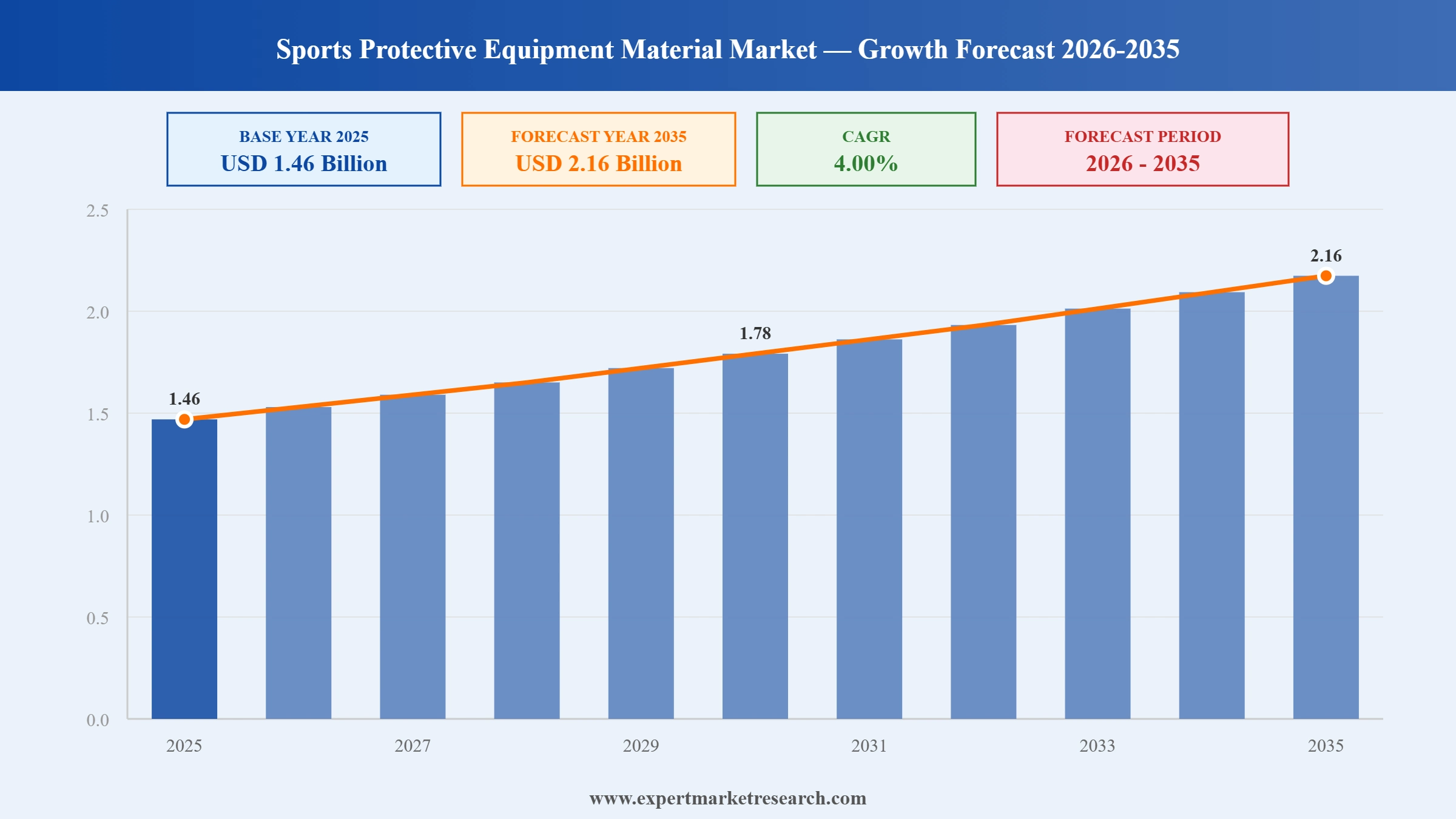
The global sports protective equipment material market attained a value of USD 1.46 Billion in 2025 and is projected to expand at a CAGR of 4.00% through 2035. The market is further expected to achieve USD 2.16 Billion by 2035. Rising adoption of lightweight composite materials and smart impact-absorbing technologies is encouraging equipment manufacturers to redesign protective gear, improving athlete safety, comfort, durability, and regulatory compliance.
The market is being driven by two major factors that are accelerating innovation trends for material development. First, growing concerns regarding sports-related concussions are encouraging manufacturers to develop advanced materials that can effectively minimize both rotational and linear impact forces. This is increasing investments in engineered foams, non-Newtonian materials, and next-generation protective technologies. On the other hand, sustainability objectives are influencing procurement strategies across the sports protective equipment material market. Material suppliers are introducing recyclable thermoplastics and bio-based polymers that can help manufacturers achieve environmental targets. These materials also help in maintaining durability, comfort, and impact protection required for both professional and recreational sports applications.
The sports protective equipment material market is observing rapid innovations as makers go beyond the use of traditional foam and plastic. For instance, in March 2024, Dow upgraded ENGAGE polyolefin elastomer solutions. These are ideal materials for helmets and other protective wear. With this development, the company highlighted the focus on flexibility, better absorbance capabilities, and durability.
According to the sports protective equipment material market analysis, around 8 million students play high school sports in the United States, hence there is a steady need for these advanced materials. Suppliers and gear makers are increasingly engaging in collaborations to churn out custom designs to handle sport-specific gear materials. Product differentiation is becoming a key competitive strategy as brands seek to reduce equipment weight without compromising protective performance. For example, in March 2025, Adept Armor unveiled Ivoryguard foam delivering ultra-lightweight ballistic protection with superior energy absorption and durability.
Read more about this report - REQUEST FREE SAMPLE COPY IN PDF
In order to enhance athlete safety performance, impact control, and fit consistency, Guardian Sports unveiled a cutting-edge helmet chinstrap. Such developments encourage other businesses to create smart protective materials and integrated retention systems and improve helmet stability and injury prevention results.
Stryker introduced the Steri-Shield 8 system, which uses cutting-edge protective materials designed to increase user comfort, durability, and safety. Manufacturers in the sports protective equipment material market can hence make investments in multi-layer protection materials and lightweight, high-performance polymers that cater to the sports and occupational safety industries.
In order to incorporate specialized 3D-printed protective solutions that are suited to each athlete's unique protection needs, Certor Sports worked with XO Armor. For premium categories in the sports protective equipment material market, businesses can use additive manufacturing and athlete-specific material engineering technologies to expand customizable equipment platforms.
NEOLAST fiber technology, developed by Celanese and Under Armour, supports sustainability and material circularity objectives while providing stretch performance. In order to meet the increasing demands for sustainability in sports equipment applications, material suppliers can expedite the development of bio-based elastomers and recyclable performance fibers.
Manufacturers are ramping up the use of advanced impact-absorbing materials to protect athletes while making equipment lighter. They are introducing products like thermoplastic elastomers, engineered foams, and non-Newtonian compounds that respond dynamically, boosting the sports protective equipment material market value. These new materials help equipment makers meet stricter safety standards in sports like football, hockey, cycling, and motorsports. For instance, in May 2025, D3O unveiled non-Newtonian helmet liners offering flexible comfort, enhanced low-impact protection, and improved energy absorption. At the same time, the United States Consumer Product Safety Commission keeps highlighting the importance of preventing injuries, pushing manufacturers to invest in materials that absorb impacts better.
Sustainability is now becoming a huge priority for suppliers in the sports protective equipment material market. Companies are working on recyclable thermoplastics, bio-based polymers, and greener manufacturing methods to fit in with the environmental aims of sporting goods brands. Gear makers want material suppliers who can back circular economy plans without compromising protection. Covestro, for example, is focusing on recycled-content polycarbonate solutions for protective equipment and other uses. The European Commission’s plan for a circular economy is spurring material advancements and smarter use of resources in manufacturing. On the other hand, in December 2025, EVS Sports and RE ZRO partnered to develop recyclable, biodegradable impact-protection materials for sustainable sports gear.
Growing awareness of sports-related brain injuries is driving strong demand for advanced protective equipment and impact-absorbing materials. Companies making these materials are focusing on reducing the effects of hits that can cause concussions. Collaboration is increasing across the sports protective equipment material market, with companies partnering with schools, research institutions, and equipment manufacturers to develop innovative protective solutions. For example, in June 2025, researchers developed a lightweight, low-cost anti-concussion material enhancing impact protection while reducing equipment weight.
Women's and kids' sports equipment are gaining major traction within the sports protective equipment material market scope, which entails that there is a significant need for protective equipment appropriate for them. Developing materials that balance comfort, mobility, and protection remains challenging, yet manufacturers continue investing heavily in innovation. Rising participation in high school sports is further strengthening demand for advanced protective equipment materials and technologies. For example, in June 2026, Fanatyco launched premium activewear and streetwear collections combining performance fabrics, comfort-focused design, and modern athletic aesthetics.
Digital simulation and material engineering technology are reshaping the entire sports protective equipment material market trends and dynamics. Companies use AI, predictive models, and virtual tests to speed up innovation while cutting costs. This way, firms can boost protection even before making physical prototypes. Leading polymer and composite suppliers are now using these digital tools to create next-gen designs for helmets and body armor. For example, in June 2026, Cambium launched ApexShield 3000 protective coating delivering high-temperature resistance, durability, and advanced shielding performance.
The EMR’s report titled “Global Sports Protective Equipment Material Market Report and Forecast 2026-2035” offers a detailed analysis of the market based on the following segments:
Market Breakup by Product Type
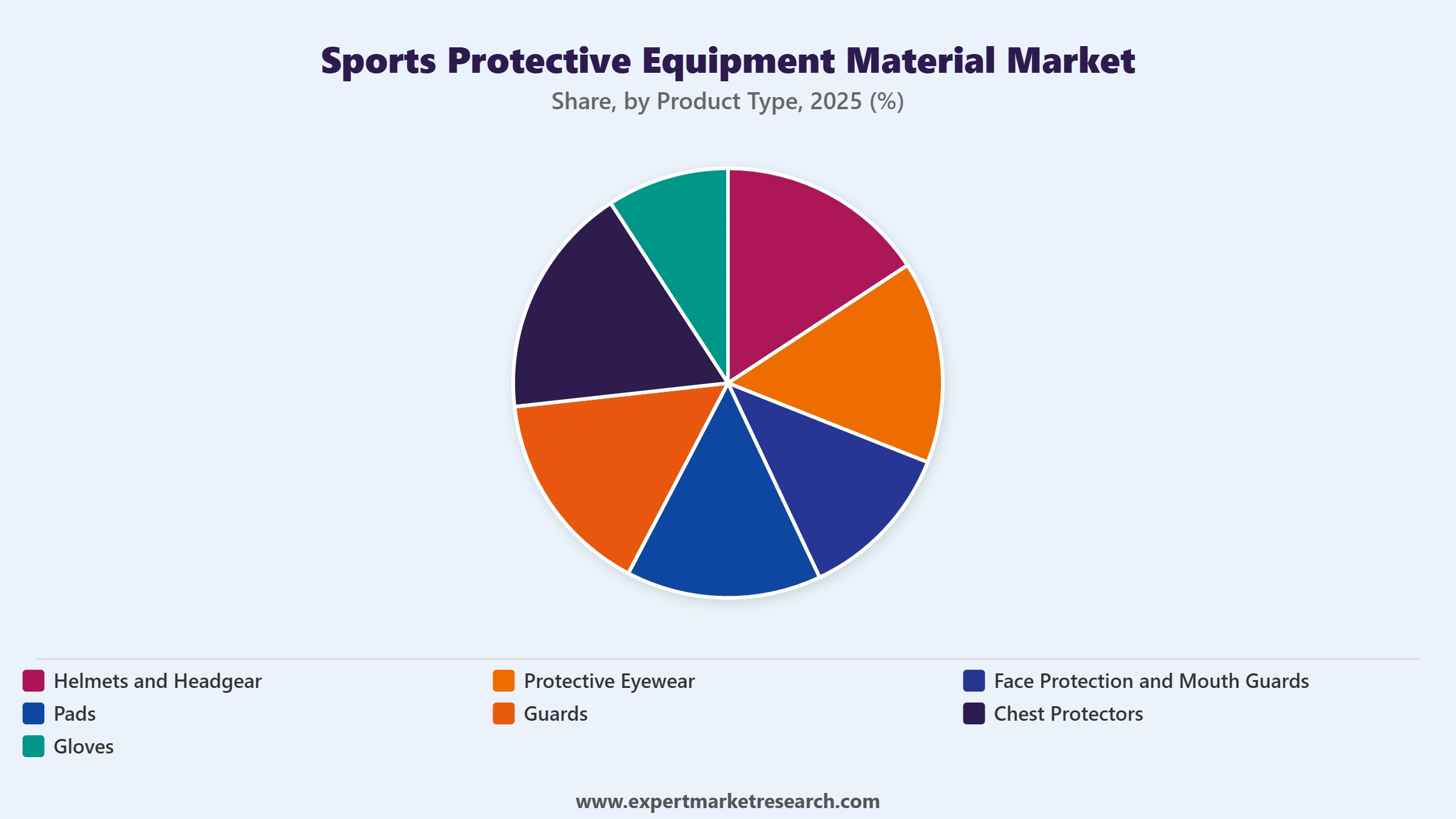
Key Insight: The product landscape reflects varying protection requirements across sports disciplines. Helmets and headgear maintain their leadership in the sports protective equipment material market due to their critical role in managing high-impact injuries. Protective eyewear benefits from increasing awareness of vision-related safety risks. Face protection and mouth guards continue gaining traction through enhanced facial injury prevention and athlete comfort improvements. Pads, guards, chest protectors, and gloves remain essential across contact sports where impact resistance, flexibility, and lightweight construction directly influence player performance. Material innovation across all product categories increasingly focuses on balancing protection, mobility, durability, and user comfort to meet evolving athlete expectations.
Market Breakup by Material
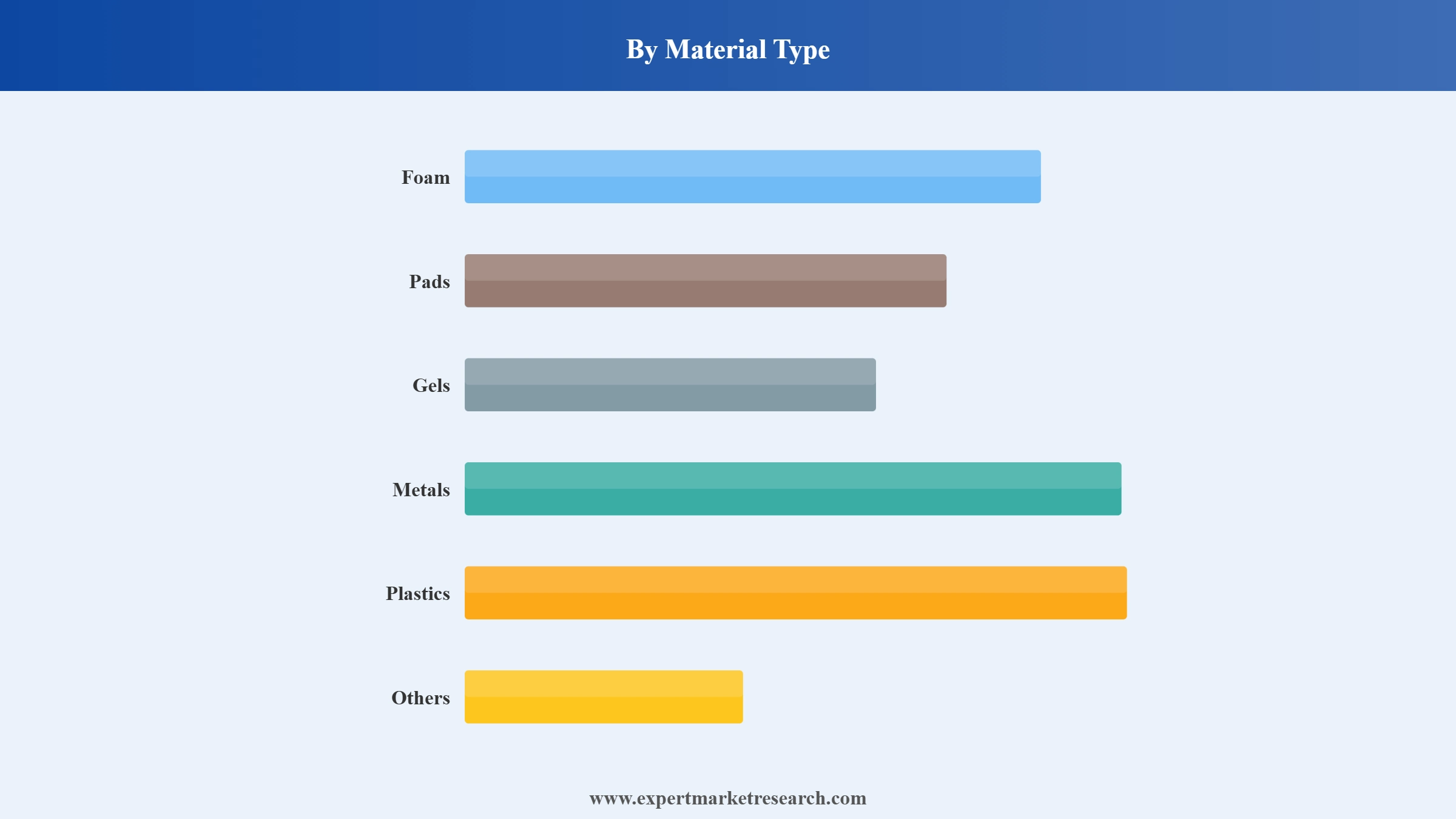
Key Insight: As per the sports protective equipment material market report, foam continues to be the top choice because it strikes a great balance between protection and comfort while being cost-effective. Pads help reinforce protective structures and distribute impact forces evenly throughout the equipment. Gels are becoming more popular owing to their advanced shock absorption and their use in high-end products. Metals continue to be important as they offer strength and durability. Plastics are widely used for outer-shell protection due to their lightweight nature, durability, and design flexibility. Meanwhile, composites and hybrid materials are gaining traction as manufacturers seek specialized performance characteristics and sport-specific protection solutions.
Market Breakup by Region
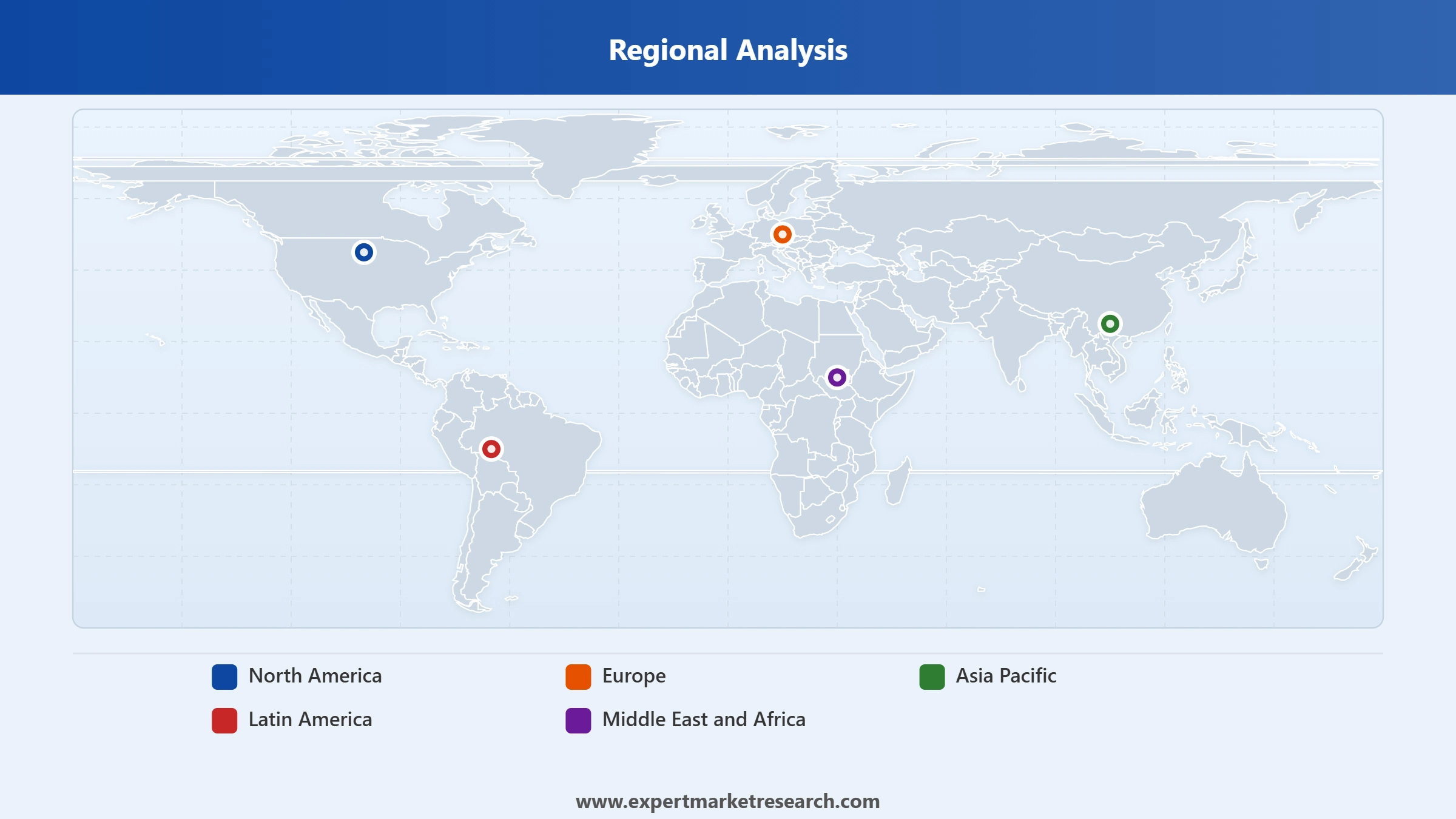
Key Insight: Regional sports protective equipment material market dynamics are influenced by various factors like sports culture, regulations, and so forth. North America dominates the market with an established mature sports industry and strict safety rules. Europe focuses on being innovative, sustainable, and using high-end gear. In Asia Pacific, rising sports participation and infrastructure development are driving market growth. Latin America is benefiting from increasing interest in organized sports programs, while the Middle East and Africa are experiencing growth through greater investments in sports facilities, athlete development initiatives, and international sporting events. This also boosts athlete training, creating opportunities for companies that make top-grade protective gear.
Read more about this report - REQUEST FREE SAMPLE COPY IN PDF
By product type, helmets and headgear register the largest share of the market due to increasing concussion prevention requirements
Helmets and headgear dominate the sports protective equipment material market since they are widely used during football, cycling, hockey, baseball, motorsports, and skiing. To boost impact management, manufacturers are using advanced foams, thermoplastic composites, and energy-efficient materials. Equipment makers continue investing in rotational impact protection and making helmets lighter, which is further accelerating growth in the segment. Sports groups and schools are increasingly adopting top-tier gear, which keeps the demand for cutting-edge materials quite strong. In June 2026, MSA Safety debuted next-generation firefighter technologies featuring connected protection, advanced helmets, and integrated safety solutions.
Read more about this report - REQUEST FREE SAMPLE COPY IN PDF
The eye protection category is experiencing exponential growth in the sports protective equipment material market. Polycarbonate lenses, anti-fog technology, scratch resistance, and clear vision enhancements are key trends that manufacturers are currently focusing on. Increasing participation in racquet sports, cycling, field sports, and adventure activities is driving product demand. Manufacturers are also focusing on customizable eyewear designs that are able to improve comfort and the overall fit, enabling broader adoption among professional athletes, young participants, and recreational sports enthusiasts seeking advanced protection. For example, in May 2025, Bollé Safety launched MY6 ballistic goggles featuring advanced protection, anti-fog coatings, and enhanced visibility.
Foam materials account for the largest share of the market due to superior impact absorption
Foam materials continue to sustain their relevance within the sports protective equipment material market scope due to its advanced energy-absorbing traits, lightness, and flexible uses. Companies are developing advanced polyurethane, expanded polypropylene, and engineered foam technologies that provide superior impact protection while remaining lightweight. Their excellent force-dispersing properties make them widely used in helmets, pads, guards, and chest protectors. Moreover, manufacturers’ constant drive for top-notch protection and comfort is resulting in continuous advancements in foam designs and special cushioning. For example, in April 2025, Covestro launched Desmopan FLY TPU delivering lightweight cushioning, durability, recyclability, and efficient foam-processing performance.
Read more about this report - REQUEST FREE SAMPLE COPY IN PDF
On the other hand, gel materials are significantly contributing to the sports protective equipment material market revenue as suppliers seek next-level impact-control technology. Gel materials offer superior shock absorption, pressure reduction, and flexibility compared to traditional protective materials. Businesses are embedding gels into all sorts of protection gear, from helmets to gloves. Growing adoption among professional athletes and premium brands is also accelerating demand. Additionally, advanced lightweight gel formulations provide effective impact protection while preserving mobility in high-contact sports.
North America clocks in the leading market position due to stringent safety standards
North America retains its dominance in the sports protective equipment material market owing to its solid sports ecosystem, strict safety rules, and use of advanced protective gear. Material suppliers leverage the high demand in sports like football, hockey, baseball, and cycling, as well as in recreational activities in the region. They are investing in new impact-managing materials and technology that can boost athlete safety. The presence of leading sporting goods companies, extensive schools and collegiate sports programs, and continuous safety research contributes significantly to the region's strong demand for sports protective equipment materials. In March 2026, Active Cleaners launched Grip Cleaner Spray enhancing athletic equipment hygiene, grip performance, and long-term durability.
Read more about this report - REQUEST FREE SAMPLE COPY IN PDF
Asia Pacific is emerging as a high-potential sports protective equipment material market due to increasing participation in both professional and recreational sports. Rising investments in sports infrastructure, expanding youth engagement programs, and growing spending on sporting goods are creating significant opportunities for material suppliers. Manufacturers are strengthening regional production capabilities and introducing cost-effective advanced protective materials tailored to local requirements. Countries such as China, India, Japan, South Korea, and Australia are witnessing rising demand for modern sports equipment, encouraging broader adoption of advanced protective technologies across diverse sporting activities.
The market is getting more competitive as sports protective equipment material companies are developing advanced impact-management technology, lightweight composites, and eco-friendly materials. Leading players are investing in research and athlete testing programs to enhance protection and boost comfort and durability. Growing participation in contact sports and increasingly stringent safety regulations are creating new growth opportunities. Demand for high-performance protective equipment is also rising among both professional and amateur athletes.
Sports protective equipment material market players are now aiming for recyclable polymers and custom protection systems for product differentiation. Digital tools help accelerate product development and boost material performance. These firms are partnering with material suppliers, sports brands, and researchers for quicker progress. As athlete safety gains greater attention, companies offering high-performance, lightweight, and sustainable material solutions are expected to strengthen their positions across global supply chains.
Adidas AG, which was founded in 1920 in Herzogenaurach, Germany, supports the sports protective equipment material industry by investing in performance technologies and sustainable materials. The company is aiming to introduce designs that are light, comfortable, and made with recycled materials. In addition, they are researching into making sports gear that last longer and feel better.
Founded in Helsinki, Finland and founded in 1950, Amer Sports Corporation offers a wide range of products focusing on protective sports equipment and performance wear. They are working on high-tech materials that can effectively protect athletes from adverse impacts. By leveraging athlete feedback and continuous innovation initiatives, the company is also enhancing protective equipment performance, comfort, and reliability.
ASICS Corporation, founded in 1949 in Japan, leverages biomechanics research and material science knowledge to improve their products’ performance. The company is developing better cushioning, using lighter materials, and designing products that fit well. Their main goal is to ensure athletes’ safety while boosting comfort, stability, and performance in all types of sports.
Nike, Inc. was set up in 1964 in Oregon, United States. The company focuses on material innovation, extensive athlete testing, and sustainable manufacturing initiatives. It develops lightweight performance materials and durable protective solutions that are designed to enhance comfort, mobility, and durability. Through ongoing investments in technology, digital product development, and material optimization, the company continues improving athletic performance and protection across a wide range of sports applications.
Other key players in the market include Puma SE, among others.
*Please note that this is only a partial list; the complete list of key players is available in the full report. Additionally, the list of key players can be customized to better suit your needs.*
Unlock the latest insights with our sports protective equipment material market trends 2026 report. Discover regional growth patterns, consumer preferences, and key industry players. Stay ahead of competition with trusted data and expert analysis. Download your free sample report today and drive informed decisions in the market.


Upto 15% Off
USD
$2499 $2249
$3999 $3599
$4999 $4249
$5999 $5099


*While we strive to always give you current and accurate information, the numbers depicted on the website are indicative and may differ from the actual numbers in the main report. At Expert Market Research, we aim to bring you the latest insights and trends in the market. Using our analyses and forecasts, stakeholders can understand the market dynamics, navigate challenges, and capitalize on opportunities to make data-driven strategic decisions.*
In 2025, the global sports protective equipment material market attained a value of nearly USD 1.46 Billion.
The market is projected to grow at a CAGR of 4.00% between 2026 and 2035.
The market is estimated to witness a healthy growth in the forecast period of 2026-2035 to reach USD 2.16 Billion by 2035.
The major drivers of the market include increasing popularity of national and regional athletic activities and growing engagement in sports.
The increasing engagement of students and youth in sports is likely to be a key trend for the market.
The major regions in the market are North America, Latin America, the Middle East and Africa, Europe, and the Asia Pacific, with North America accounting for the largest share in the market.
The types of sports protective equipment material available are helmets and other headgear, protective eyewear, face protection and mouth guards, and pads, guards, chest protectors, and gloves.
Sports protective equipment material are made from materials like foam, pads, gels, metals, and plastics, amongst others.
The leading players in this market include Adidas AG (Adidas), Amer Sports Corporation, ASICS Corporation, Nike, Inc., and PUMA SE, among others.
Explore our key highlights of the report and gain a concise overview of key findings, trends, and actionable insights that will empower your strategic decisions.
| REPORT FEATURES | DETAILS |
| Base Year | 2025 |
| Historical Period | 2019-2025 |
| Forecast Period | 2026-2035 |
| Scope of the Report |
Historical and Forecast Trends, Industry Drivers and Constraints, Historical and Forecast Market Analysis by Segment:
|
| Breakup by Product Type |
|
| Breakup by Material Type |
|
| Breakup by Region |
|
| Market Dynamics |
|
| Competitive Landscape |
|
| Companies Covered |
|
| Report Price and Purchase Option | Explore our purchase options that are best suited to your resources and industry needs. |
| Delivery Format | Delivered as an attached PDF and Excel through email, with an option of receiving an editable PPT, according to the purchase option. |
Datasheet
One User
USD 2,499
USD 2,249
tax inclusive*
Single User License
One User
USD 3,999
USD 3,599
tax inclusive*
Five User License
Five User
USD 4,999
USD 4,249
tax inclusive*
Corporate License
Unlimited Users
USD 5,999
USD 5,099
tax inclusive*
*Please note that the prices mentioned below are starting prices for each bundle type. Kindly contact our team for further details.*
Flash Bundle
Small Business Bundle
Growth Bundle
Enterprise Bundle
*Please note that the prices mentioned below are starting prices for each bundle type. Kindly contact our team for further details.*
Flash Bundle
Number of Reports: 3
20%
tax inclusive*
Small Business Bundle
Number of Reports: 5
25%
tax inclusive*
Growth Bundle
Number of Reports: 8
30%
tax inclusive*
Enterprise Bundle
Number of Reports: 10
35%
tax inclusive*
How To Order

Select License Type
Choose the right license for your needs and access rights.

Click on ‘Buy Now’
Add the report to your cart with one click and proceed to register.

Select Mode of Payment
Choose a payment option for a secure checkout. You will be redirected accordingly.
Strategic Solutions for Informed Decision-Making
Gain insights to stay ahead and seize opportunities.

Get insights & trends for a competitive edge.

Track prices with detailed trend reports.

Analyse trade data for supply chain insights.

Leverage cost reports for smart savings

Enhance supply chain with partnerships.

Connect For More Information
Our expert team of analysts will offer full support and resolve any queries regarding the report, before and after the purchase.
Our expert team of analysts will offer full support and resolve any queries regarding the report, before and after the purchase.
We employ meticulous research methods, blending advanced analytics and expert insights to deliver accurate, actionable industry intelligence, staying ahead of competitors.
Our skilled analysts offer unparalleled competitive advantage with detailed insights on current and emerging markets, ensuring your strategic edge.
We offer an in-depth yet simplified presentation of industry insights and analysis to meet your specific requirements effectively.




