

Consumer Insights
Uncover trends and behaviors shaping consumer choices today
Procurement Insights
Optimize your sourcing strategy with key market data
Industry Stats
Stay ahead with the latest trends and market analysis.
The global starch blended biodegradable polymers market attained a value of USD 1.38 Billion in 2025 and is projected to grow at a CAGR of 6.10% through 2035. The market is further expected to reach USD 2.49 Billion by 2035, driven by tightening single-use plastics regulation, rising compostable-packaging mandates, and the steady replacement of conventional polyolefins in flexible packaging and agricultural film with starch-based formulations.
Growth through the forecast period rests on tightening single-use plastics regulation and expanding compostable-packaging mandates across major economies. The European Union's Packaging and Packaging Waste Regulation, which phases in extended compostability and recyclability requirements for flexible formats, is steering converters toward starch-based resins as a lower-carbon substitute for conventional polyolefins, reinforcing demand across food-service, agricultural-film, and consumer-goods applications worldwide as manufacturers plan capacity around the new compliance timeline. Converters serving export-oriented supply chains are tracking the regulation's phased deadlines particularly closely, since compliance dates and compostability thresholds differ by packaging format and member state.
Functional-performance gains are also widening addressable demand beyond compostable packaging alone. In June 2025, Roquette disclosed its Stabilys BA 25 starch-based coating, an alternative to fluoropolymer treatments that delivers oil- and grease-resistance without PFAS chemistry, a development trade coverage linked directly to the wave of state-level PFAS-in-packaging bans moving through the United States and prompting converters to re-formulate food-contact papers and molded-fibre trays around starch-based barrier systems. Packaging buyers evaluating fluoropolymer alternatives increasingly treat such functional starch coatings as a drop-in option that avoids reformulating the underlying paper substrate, a factor that is shortening supplier-qualification cycles across the segment.
Barrier-grade innovation is following a similar path in Asia. Kuraray Co., Ltd. continued building out its Plantic-brand, starch-derived Plantic EP resin line through June 2025 trade coverage, widening paper- and film-based gas- and aroma-barrier applications for pet food, personal care, and dry-goods customers, and signalling a broader move among barrier-resin suppliers toward paper-compatible, starch-derived formats as brand owners phase out multi-layer plastic laminates. The pattern mirrors a wider trend among barrier-resin suppliers, who are increasingly pairing starch-derived chemistries with paper substrates to meet recyclability commitments without sacrificing shelf-life performance for packaged goods.
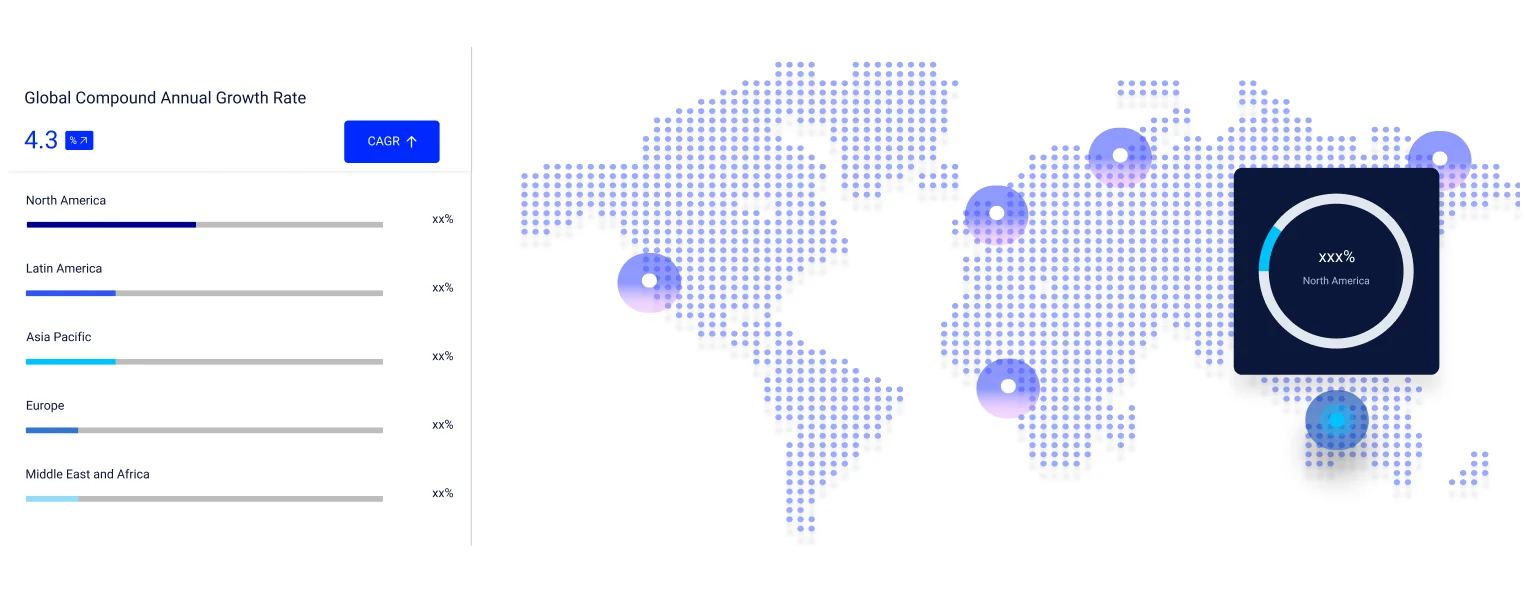
Compound Annual Growth Rate
6.1%
Value in USD Billion
2026-2035
Read more about this report - REQUEST FREE SAMPLE COPY IN PDF
On September 4, 2026, BioLogiQ and Reifenhauser Group's blown-film unit completed production-scale trials showing that converters can dry-blend BioLogiQ's starch-based NuPlastiQ resin directly with LLDPE and a compatibilizer on an unmodified Reifenhauser EVO Fusion five-layer line, matching benchmark pre-compounded film performance while achieving over 26% bio-based content in the core layer. The result gives flexible-packaging processors a lower-risk entry point into starch-blend formulations, since existing blown-film assets can be requalified without new capital equipment. Companies can leverage direct dry-blending to cut compounding costs and logistics while scaling starch-based film formulations faster.
On April 29, 2026, BASF SE expanded its ecovio compostable-biopolymer range with new grades for flexible barrier packaging, offering multiple barrier options against grease, liquids, oxygen, and moisture across extrusion coating, film and sheet extrusion, and lamination on paper or plastic substrates, with bio-based content of up to 80% and food-contact approval for ultra-thin biaxially stretched films. Companies can leverage the expanded grade range to secure both paper- and organic-recycling end-of-life routes within a single packaging format.
In March 2026, Rodenburg Biopolymers confirmed a joint development with foodware specialist Ubite to qualify its potato-starch-derived Solanyl bioplastic for oven-safe tableware applications, extending the resin's established compost-grade credentials into a heat-resistant format suited to ready-meal and bakery packaging. The qualification work builds on Solanyl's existing compost-grade certifications, extending the same base resin chemistry into a higher-temperature performance envelope rather than requiring an entirely new formulation. Companies can leverage oven-stable starch-based formulations to expand into food-service categories that conventional compostable resins have struggled to serve.
On January 15, 2026, Novamont previewed an updated visual identity and communication campaign for its Mater-Bi compostable bioplastic range at the Marca 2026 branding event, repositioning the starch-blend portfolio to emphasise its circular-economy credentials to downstream brand owners and retailers. The refreshed positioning follows Novamont's broader push to differentiate certified-compostable starch blends from petroleum-based alternatives as retailers tighten their own packaging-sustainability procurement criteria. Companies can leverage refreshed, customer-facing branding of certified compostable resins to accelerate adoption among consumer-goods buyers weighing sustainability claims.
Rodenburg Biopolymers announced in March 2026 that it had taken a stake in PolyBiotic, a venture developing biodegradable solutions broken down directly by micro-organisms rather than relying solely on industrial composting infrastructure, extending the Dutch producer's starch-based Solanyl platform toward soil- and marine-degradable end-of-life pathways. The investment complements Rodenburg's existing compost-grade certifications, giving the producer degradation routes for both industrial composting facilities and open environments where such infrastructure is unavailable. Companies can leverage micro-organism-based degradation research to widen end-of-life options for starch-blend products used outside controlled composting systems.
In November 2025, Novamont obtained certification under European Union regulation for its Mater-Bi mulch film as an inorganic soil improver, a designation that recognises the compostable starch-blend film's safe soil breakdown and reinforces its role in regenerative farming practices across European row-crop operations. The certification gives European distributors a regulator-backed basis for marketing Mater-Bi mulch film specifically as a soil-safe agricultural input, rather than only as a compostable packaging material. Companies can leverage this regulatory recognition to expand mulch-film adoption among sustainability-focused growers seeking to exit conventional polyethylene sheeting.
Rodenburg Biopolymers was named winner of the Antea Group Sustainability Award in October 2025, recognition given for the Dutch producer's work converting potato by-products from the regional food-processing chain into starch-based bioplastics rather than treating them as waste streams. The award adds to a run of sustainability recognitions the Dutch producer has received as food and beverage processors look for verified circular-economy partners to handle by-product valorisation. Companies can leverage recognised by-product-to-bioplastic conversion models to strengthen sustainability narratives tied to regional agricultural supply chains.
Ingredion disclosed a USD 50 million investment in June 2025 to expand specialty industrial starch capacity at its Cedar Rapids, Iowa facility, with groundbreaking expected in July 2025 and company representatives pointing to e-commerce and food-service packaging as the two biggest demand drivers behind the expansion. The added capacity is expected to shorten lead times for converters in flexible-packaging and food-service channels that have faced tight specialty-starch allocation as demand for compostable formats has grown. Companies can leverage expanded specialty starch feedstock capacity to secure more reliable, domestically sourced input supply for starch-blend compounding.
This Expert Market Research Report titled "Global Starch Blended Biodegradable Polymers Market Report and Forecast 2026-2035" offers a detailed analysis of the market based on the following segments:
Market Breakup by Polymers Type
Key Insight: Biodegradable Starch is the leading polymer type, a position reinforced by incumbents such as BASF SE, which expanded its starch-blend-based ecovio range for flexible barrier packaging in April 2026, underscoring how compostability credentials keep this sub-segment ahead on volume. Durable Starch is the faster-growing of the two, a smaller but scaling niche as functional, technical-grade starch chemistries such as Kuraray Co., Ltd.'s Plantic EP resin, built out through June 2025 trade coverage, find use in higher-barrier applications where biodegradable grades alone fall short.
Market Breakup by End Use
Key Insight: Flexible Packaging is the leading end use, with Ingredion's June 2025 announcement of a USD 50 million specialty-starch capacity expansion at its Cedar Rapids, Iowa facility pointing to e-commerce and food-service flexible formats as the strongest pull on volume. Agriculture and Horticulture is the fastest-growing end use as micro-organism-degradable technologies, such as the PolyBiotic platform Rodenburg Biopolymers backed in March 2026, extend compostable film and container use beyond controlled composting infrastructure into open-field settings. Rigid Packaging and Consumer Goods add steady, if smaller, volumes in molded trays, cutlery, and household items, while Others captures niche uses such as starch-based loose-fill and horticultural clips.
Market Breakup by Region
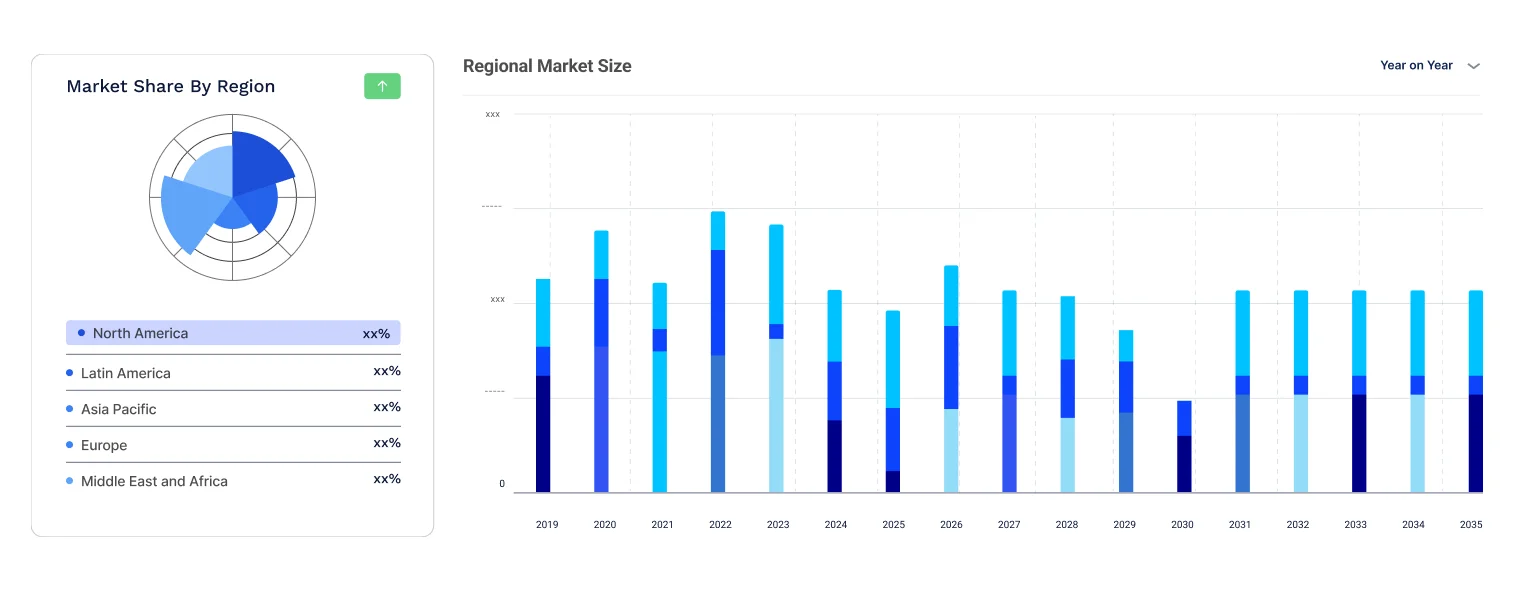
Key Insight: Asia Pacific, North America, Europe, Latin America, and the Middle East and Africa each contribute to global demand. Asia Pacific leads on manufacturing and consumption scale, anchored by starch-resin producers such as Japan-headquartered Kuraray Co., Ltd.; Europe is the fastest-growing region as packaging-waste regulation accelerates conversion to starch-based formats; and North America, Latin America, and the Middle East and Africa continue to add steadier, policy- and agriculture-linked volumes as compostable-packaging mandates spread beyond their earliest-adopter markets.
Read more about this report - REQUEST FREE SAMPLE COPY IN PDF
By Polymers Type, Biodegradable Starch leads the market while Durable Starch grows fastest because technical, higher-barrier starch chemistries are scaling quickly from a smaller base
Biodegradable Starch's lead rests on its fit with composting-driven packaging rules and the continued investment of large incumbents; Novamont previewed a refreshed Mater-Bi brand identity in January 2026 to sharpen the compostable starch-blend range's positioning with downstream brand owners and retailers weighing circular-economy claims, reinforcing demand from converters that already specify the material for certified-compostable packaging runs across food-service and retail channels. The segment's lead is reinforced further by converters that have already qualified compostable starch blends for certified-compostable packaging runs, making switching costs to alternative chemistries comparatively high.
Durable Starch is scaling faster off its smaller base as functional, technical-grade chemistries win new barrier applications; Roquette's June 2025 disclosure of its Stabilys BA 25 starch-based coating, developed as an oil- and grease-resistant alternative to fluoropolymer treatments, illustrates how starch chemistries built for durability and performance rather than compostability alone are opening fresh demand in food-contact paper and molded-fibre formats. Because durable-starch grades target functional performance rather than compostability certification alone, qualification cycles with food-contact paper converters tend to move faster than for fully compostable formulations.
By End Use, Flexible Packaging leads the market while Agriculture and Horticulture grows fastest because compostable mulch films are displacing conventional polyethylene sheeting at an accelerating pace
Flexible Packaging's lead reflects the scale of pouches, wraps, and films converters are reformulating around starch-based resins; BioLogiQ and Reifenhauser's September 2026 production trials demonstrated direct dry-blending of starch-based NuPlastiQ resin with LLDPE on an unmodified five-layer blown-film line, a processing simplification that lets flexible-packaging converters raise bio-based content without adding a separate compounding step or new capital equipment. Because the trial required no hardware changes to the Reifenhauser line, converters already running conventional blown-film assets can evaluate starch-blend formulations with minimal capital risk.
Agriculture and Horticulture is growing fastest as compostable mulch film adoption accelerates; Novamont's November 2025 certification of Mater-Bi mulch film as an inorganic soil improver under European Union regulation gave growers a regulator-recognised, soil-safe alternative to polyethylene sheeting, a milestone trade coverage linked directly to accelerating mulch-film conversion among sustainability-focused row-crop and horticultural operations across Europe. The certification is expected to influence purchasing decisions among distributors supplying row-crop and horticultural operations across the broader European market, not just Novamont's own direct customers.
Asia Pacific commands the largest share of the starch blended biodegradable polymers market at approximately 38.6% in 2025, underpinned by the region's scale in starch-resin manufacturing and its high-volume use of compostable and barrier-grade films across food packaging and farming
This is supported by Kuraray Co., Ltd., whose Japan-headquartered operations continued widening the Plantic-brand, starch-derived barrier resin line through June 2025 trade coverage, anchoring a regional manufacturing and export base that supplies starch-derived barrier materials to pet food, personal care, and dry-goods customers across the broader Asia-Pacific packaging trade.
Europe is the fastest-growing region, with growth reinforced by tightening packaging-waste rules; Rodenburg Biopolymers' March 2026 investment in the PolyBiotic micro-organism-based biodegradation venture illustrates the kind of European capability build-out underpinning this pace. North America, Latin America, and the Middle East and Africa continue to add smaller but steadily rising volumes as compostable-packaging mandates spread beyond their earliest-adopter markets.
The starch blended biodegradable polymers market remains moderately fragmented, spanning large diversified chemical producers, specialised bioplastics manufacturers, and regional starch processors, none of which commands a dominant global share across every polymer type and end use simultaneously.
Competitive dynamics are increasingly shaped by depth of compostability certification, breadth of barrier-performance grades, and scale of feedstock integration, as producers invest in both regulatory compliance and processing innovations that let converters adopt starch-based resins on existing equipment rather than requiring costly line changes.
Founded in 1991 and headquartered in Novara, Italy, Novamont produces the Mater-Bi family of starch-blend compostable bioplastics alongside its Origo-Bi biopolyester range, supplying flexible packaging, mulch film, and food-service applications. In January 2026, the company previewed a rebranding and communication campaign for Mater-Bi aimed at sharpening its circular-economy positioning with downstream brand owners.
Headquartered in Oosterhout, the Netherlands, Rodenburg BioPolymers converts potato by-products from the regional food-processing chain into Solanyl starch-blend bioplastics and related starch ingredients. In March 2026, the company took a stake in PolyBiotic, a venture developing biodegradable solutions broken down directly by micro-organisms, extending its degradation options beyond industrial composting.
Guangzhou Zeesan Biotechnology Co. Ltd. is a China-based producer of starch-blended biodegradable resins supplying the packaging and agricultural-film trade, operating within Guangdong's broader cluster of biodegradable-materials manufacturers that has grown alongside the province's biobased-materials exhibitions and industrial parks.
Founded in 1865 and headquartered in Ludwigshafen, Germany, BASF SE produces the ecovio and ecoflex families of compostable and biodegradable polymers within its broader chemicals portfolio. In April 2026, the company expanded its ecovio range with new grades for flexible barrier packaging, offering bio-based content of up to 80% across extrusion coating, film and sheet extrusion, and lamination formats.
Other key players in the starch blended biodegradable polymers market include a range of regional and specialised biodegradable-polymer producers, among others.
*Please note that this is only a partial list; the complete list of key players is available in the full report. Additionally, the list of key players can be customized to better suit your needs.*
Stakeholders across the starch-based polymers value chain can use this report to align product-development and capacity plans with the regulatory and technology shifts expected to shape demand from 2026 onward, positioning themselves ahead of competitors still relying on conventional, non-compostable formats.


Upto 15% Off
USD
$2499 $2249
$3999 $3599
$4999 $4249
$5999 $5099


*While we strive to always give you current and accurate information, the numbers depicted on the website are indicative and may differ from the actual numbers in the main report. At Expert Market Research, we aim to bring you the latest insights and trends in the market. Using our analyses and forecasts, stakeholders can understand the market dynamics, navigate challenges, and capitalize on opportunities to make data-driven strategic decisions.*
The market was valued at USD 1.38 Billion in 2025.
The market is expected to grow at a CAGR of 6.10% between 2026 and 2035.
The market is estimated to witness a healthy growth in the forecast period of 2026-2035 to reach about USD 2.49 Billion by 2035.
Key players are adopting strategies such as expanding barrier-grade and functional starch chemistries, securing regulatory certifications for agricultural and food-contact applications, investing in alternative biodegradation pathways beyond industrial composting, and simplifying processing so converters can adopt starch-blend resins without new capital equipment.
The rising awareness about the sustainability of the product and its environment-friendly nature acts as a key trend for the market.
North America, Europe, the Asia Pacific, Latin America, the Middle East and Africa are the major regional markets covered in the report, with Europe leading the global market.
The major types in the market are biodegradable starch and durable starch.
The leading end-use segments in the market are flexible packaging, agriculture and horticulture, rigid packaging, and consumer goods, among others.
The key players in the market are Novamont S.p.A., Rodenburg BioPolymers, Guangzhou Zeesan Biotechnology Co. Ltd., and BASF SE, alongside a broader pool of other biodegradable-polymer producers.
Key challenges include the higher cost of starch-blend resins relative to conventional polyolefins, inconsistent composting and collection infrastructure across regions, and the need for converters to validate processing performance on existing equipment before switching formulations.
Explore our key highlights of the report and gain a concise overview of key findings, trends, and actionable insights that will empower your strategic decisions.
| REPORT FEATURES | DETAILS |
| Base Year | 2025 |
| Historical Period | 2019-2025 |
| Forecast Period | 2026-2035 |
| Scope of the Report |
Historical and Forecast Trends, Industry Drivers and Constraints, Historical and Forecast Market Analysis by Segment:
|
| Breakup by Polymers Type |
|
| Breakup by End Use |
|
| Breakup by Region |
|
| Market Dynamics |
|
| Competitive Landscape |
|
| Companies Covered |
|
| Report Price and Purchase Option | Explore our purchase options that are best suited to your resources and industry needs. |
| Delivery Format | Delivered as an attached PDF and Excel through email, with an option of receiving an editable PPT, according to the purchase option. |
Datasheet
One User
USD 2,499
USD 2,249
tax inclusive*
Single User License
One User
USD 3,999
USD 3,599
tax inclusive*
Five User License
Five User
USD 4,999
USD 4,249
tax inclusive*
Corporate License
Unlimited Users
USD 5,999
USD 5,099
tax inclusive*
*Please note that the prices mentioned below are starting prices for each bundle type. Kindly contact our team for further details.*
Flash Bundle
Small Business Bundle
Growth Bundle
Enterprise Bundle
*Please note that the prices mentioned below are starting prices for each bundle type. Kindly contact our team for further details.*
Flash Bundle
Number of Reports: 3
20%
tax inclusive*
Small Business Bundle
Number of Reports: 5
25%
tax inclusive*
Growth Bundle
Number of Reports: 8
30%
tax inclusive*
Enterprise Bundle
Number of Reports: 10
35%
tax inclusive*
How To Order

Select License Type
Choose the right license for your needs and access rights.

Click on ‘Buy Now’
Add the report to your cart with one click and proceed to register.

Select Mode of Payment
Choose a payment option for a secure checkout. You will be redirected accordingly.
Strategic Solutions for Informed Decision-Making
Gain insights to stay ahead and seize opportunities.

Get insights & trends for a competitive edge.

Track prices with detailed trend reports.

Analyse trade data for supply chain insights.

Leverage cost reports for smart savings

Enhance supply chain with partnerships.

Connect For More Information
Our expert team of analysts will offer full support and resolve any queries regarding the report, before and after the purchase.
Our expert team of analysts will offer full support and resolve any queries regarding the report, before and after the purchase.
We employ meticulous research methods, blending advanced analytics and expert insights to deliver accurate, actionable industry intelligence, staying ahead of competitors.
Our skilled analysts offer unparalleled competitive advantage with detailed insights on current and emerging markets, ensuring your strategic edge.
We offer an in-depth yet simplified presentation of industry insights and analysis to meet your specific requirements effectively.




