

Consumer Insights
Uncover trends and behaviors shaping consumer choices today
Procurement Insights
Optimize your sourcing strategy with key market data
Industry Stats
Stay ahead with the latest trends and market analysis.
The global termite control market attained a value of USD 4.76 Billion in 2025 and is projected to expand at a CAGR of 5.60% through 2035. The market is further expected to reach USD 8.21 Billion by 2035. Rising construction activity, growing awareness of termite-related structural damage, and increasing regulatory focus on pesticide safety are pushing property owners and pest management professionals toward chemical, physical and biological control methods across residential, commercial and agricultural settings worldwide.
Termite control refers to the processes aimed at preventing and treating infestations of termites in or around structures, spanning chemical, physical and mechanical, and biological methods. Species covered include dampwood, subterranean and drywood termites, each requiring a different treatment approach depending on the structure and environment involved. Rising construction activity, growing awareness of termite-related structural damage, and increasing regulatory focus on pesticide safety continue to widen the buyer base for the global termite control market.
Demand is concentrating around pest management companies able to convert local market density directly into recurring service contracts, particularly where a provider can demonstrate a long operating history and established customer trust in a specific region. In April 2026, Arrow Termite and Pest Control acquired Ark-La-Tex Exterminators, a Shreveport, Louisiana operator founded in 1978 serving more than 1,000 customers, retaining its existing technicians to preserve the local relationships built over nearly five decades. Acquisitions of this kind are converting fragmented local markets directly into larger, better-resourced regional providers across the global termite control market.
Manufacturers and service providers are converging on a common development direction, widening from standard liquid soil treatments toward bait station systems and biological control methods that reduce pesticide load. Providers are also increasingly bundling termite protection with broader pest management contracts, positioning termite-specific treatment as one component of a wider service relationship rather than a standalone offering. Portfolios across the market are being rebuilt around integrated pest management and long-term structural protection rather than a single flagship treatment.
Compound Annual Growth Rate
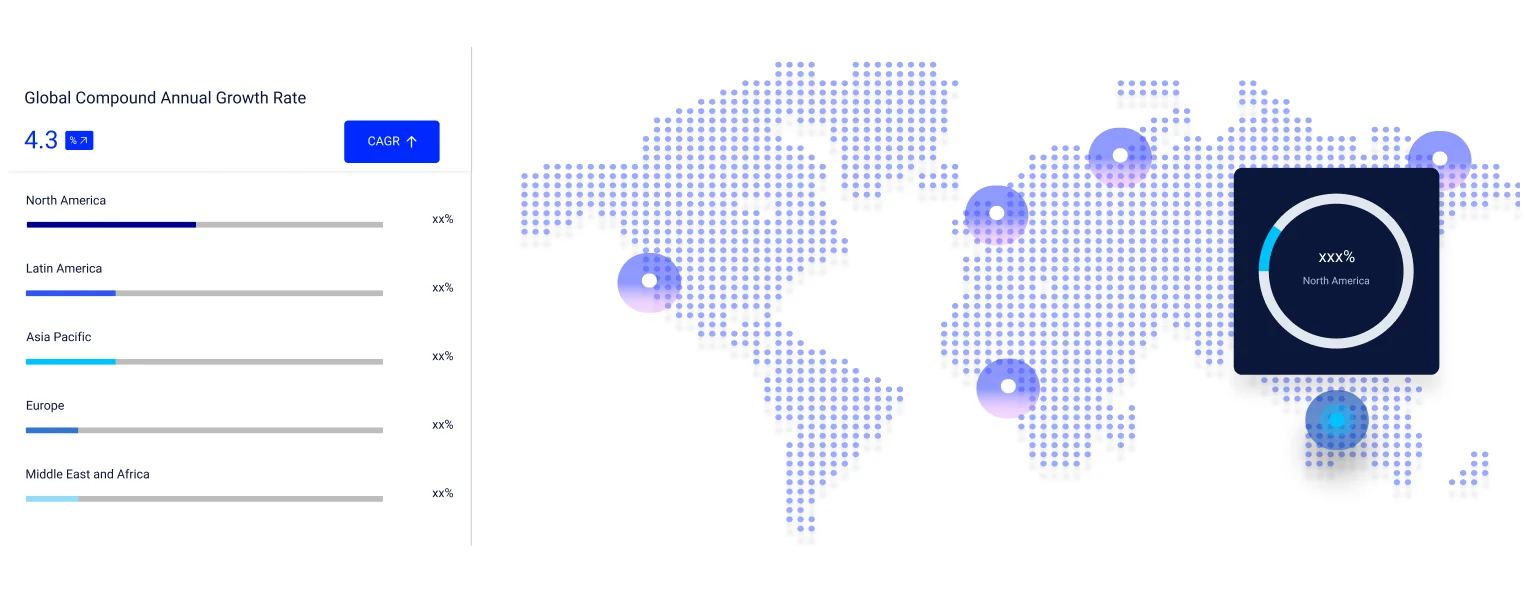
5.6%
Value in USD Billion
2026-2035
Read more about this report - REQUEST FREE SAMPLE COPY IN PDF
In May 2026, GAF Partners completed the acquisition of Hydrex Pest Control, a San Diego and Imperial County pest and termite control company founded in 1921 with more than a century of operating history in the region. The lesson for other acquirers across the termite control market is straightforward: buying a long-established local operator captures customer loyalty that organic growth alone would take years to replicate.
In April 2026, Target Specialty Products launched a new termite product series developed in partnership with BASF, introduced to pest management professionals through a dedicated webinar series covering application and best practices. This launch strategy offers a wider takeaway: pairing a new product with direct professional education speeds adoption, since pest management professionals across the termite control market commit to a new treatment method more readily once they have seen it demonstrated firsthand.
In March 2026, Turner Pest Control acquired Pest Eliminators, a family-owned termite and pest control company serving eight counties across southwest Florida, combining local expertise with Turner's broader operational resources. The broader principle here is that geographic infill acquisitions in adjacent counties build density faster than an established customer base or a larger provider's resources could deliver on their own.
In February 2026, private equity-backed roll-up platform Rockit acquired Green Solutions Lawn and Pest Control in Tampa, Florida, extending its Southeastern United States pest control consolidation strategy. This deal illustrates a wider lesson for acquirers across the termite control market: an operator-friendly structure that preserves a target's existing name and team cuts customer attrition during the transition far more than a full rebrand would.
Some acquirers across the termite control market are deliberately completing several separate deals inside a single state before moving into a new one, rather than spreading acquisitions thinly across many states at once. This is reshaping how these acquirers sequence their own growth plans, prioritising density within a state's existing branches, technician pool and supplier relationships before the overhead of entering an unfamiliar state is justified. In May 2026, PestCo Holdings acquired University Termite and Pest Control, a Tucson, Arizona operator, marking the platform's third acquisition within Arizona alone.
Pest control companies across the termite control market are increasingly integrating remote monitoring technology into their bait station networks, connecting field data directly to cloud-based reporting dashboards rather than relying on manual station checks alone. In March 2025, Rentokil Initial expanded its PestConnect internet of things enabled monitoring platform across additional Asia Pacific markets, integrating connected bait stations with cloud-based reporting for technicians and customers. Providers investing in this kind of connected monitoring are finding it reduces the number of physical site visits needed to confirm a station remains active.
Platforms built primarily around lawn care are increasingly acquiring standalone pest and termite operators, adding a service line their existing customers already tend to ask for rather than referring that work to a separate company. This is reshaping how these platforms pitch their combined offering, positioning a single provider for lawn and pest needs as a convenience customers previously managed through two separate vendors. In January 2026, Senske Family of Companies acquired Greenup Lawn and Shrub Care, adding pest control to Senske's Houston-area lawn care operations.
Several acquisition platforms across the termite control market are increasingly targeting the same fast-growing metro markets, competing directly for the same pool of sellable local operators rather than each claiming a distinct territory. This is pushing up the price acquirers are willing to pay for an attractive target, since a seller receiving interest from more than one platform holds a stronger negotiating position than in a market with a single active buyer. In March 2026, Certus Pest acquired Termio Pest Control, extending its Southwestern United States presence in a metro area where competing platforms are also actively acquiring.
Pest control operators across the termite control market are increasingly adopting field service management software to coordinate technician scheduling and route planning, rather than relying on manual dispatch methods alone. In October 2025, ACTION Termite and Pest Control and Newtown Termite and Pest Control shared their experience using FieldRoutes Operations Suite in a joint industry webinar, discussing how the platform streamlined operations and reduced costs. Operators adopting this kind of software are finding it easier to scale technician routes as acquisition-led growth adds new territory.
The Expert Market Research’s report titled "Global Termite Control Market Report and Forecast 2026-2035" offers a detailed analysis of the market based on the following segments:
Market Breakup by Species Type
Key Insight: Subterranean termites account for the leading species type share of the termite control market, reflecting their widespread distribution and the extensive structural damage they cause to wood-framed buildings globally. Drywood termites form a significant share concentrated in warmer coastal and subtropical regions, requiring fumigation or localised treatment rather than soil-based barriers. Dampwood termites are typically confined to areas with persistent moisture problems, while the others category spans less common regional species that still require tailored treatment approaches.
Market Breakup by Control Method
Key Insight: Chemical control methods hold the leading share of the termite control market, supported by decades of established efficacy data and broad regulatory approval across major markets. Biological control methods form the fastest-growing category as regulatory pressure against toxic treatments and rising consumer preference for eco-friendly solutions expand adoption of natural predators, parasites and pathogens. In March 2026, BASF Agricultural Solutions finalised its acquisition of AgBiTech, a move intended to accelerate the scaling and wider adoption of biological pest control alternatives. Physical and mechanical methods, including barriers and mechanical exclusion, remain important for new construction, while the others category spans emerging integrated approaches still gaining commercial traction.
Market Breakup by Application
Key Insight: The residential sector accounts for the leading application share of the termite control market, reflecting the high prevalence of wood-framed housing and sustained homeowner demand for structural protection. The commercial and industrial sector is the fastest-growing application as stricter compliance requirements across food processing, hospitality and retail facilities drive sustained demand for professional treatment contracts. Agriculture and livestock farms rely on termite control to protect wooden structures and stored feed, while the others category spans heritage buildings and public infrastructure requiring specialised treatment.
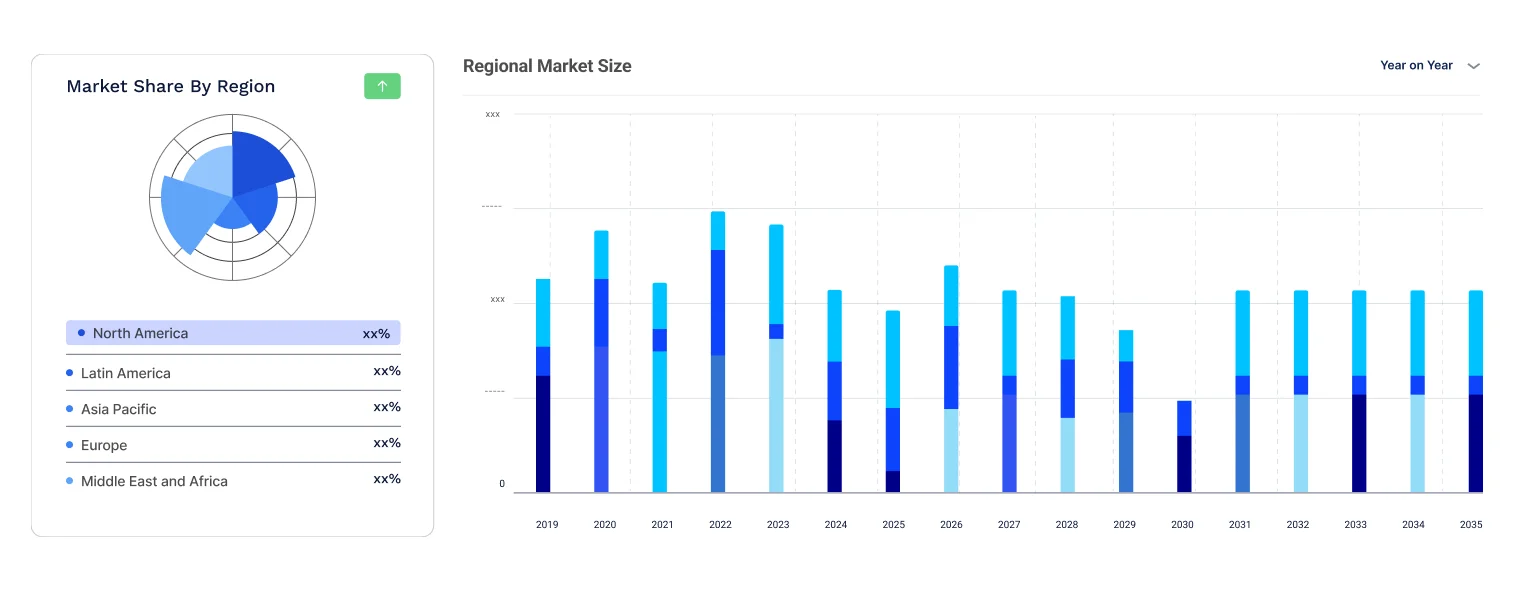
Market Breakup by Region
Key Insight: Regional dynamics in the termite control market continue to shape provider strategies. North America leads on a large installed base of wood-framed housing, an established pest management service industry, and consistent demand for professional treatment contracts. In April 2026, Rollins acquired Romex Pest Control, a top 40 ranked provider with over 200 employees, immediately adding one of the industry's larger independent operators to its network rather than a smaller local business. Europe combines steady residential demand with increasingly strict regulation around chemical treatment methods. Asia Pacific grows fastest as rapid urbanisation and construction activity across the region's largest economies expand the addressable customer base, while Latin America and the Middle East and Africa build on expanding construction activity and rising awareness of structural protection.
By species type, subterranean termites dominate the market through widespread distribution while drywood termites grow fastest on coastal construction
Subterranean termites account for the largest species type share of the termite control market because their widespread global distribution and colony-based feeding behaviour cause the most extensive structural damage of any termite species, making them the primary target of most professional treatment programmes worldwide. Pest management professionals prioritise subterranean-specific soil treatments and bait systems accordingly, since this species drives most insurance claims and structural repair costs across most markets, particularly in regions with wood-framed housing built directly on or near grade.
Drywood termites are the fastest-growing species type segment as construction activity expands in warmer coastal and subtropical regions where this species thrives, requiring fumigation or localised spot treatment rather than soil-based barriers. In November 2025, Massey Services acquired Cloud Termite and Pest Control, adding dedicated termite treatment capability to its existing service network. Providers serving these regions are increasingly building this kind of fumigation capability, since drywood infestations require a fundamentally different treatment approach than the industry's traditional subterranean-focused model.
By control method, chemical treatments lead the market on established efficacy while biological methods grow fastest on regulatory pressure
Chemical control methods hold the largest share of the termite control market, supported by decades of established efficacy data and broad regulatory approval. In November 2025, the US Environmental Protection Agency registered isocycloseram, a new broad spectrum contact insecticide approved for structural pest control use against termites, cockroaches and bed bugs. Providers continue to specify chemical soil treatments and termiticides as a default recommendation, particularly for new construction where a proven barrier method carries lower liability risk.
Biological control methods are the fastest-growing control category across the termite control market as regulatory pressure against toxic chemical treatments and rising consumer preference for eco-friendly solutions expand adoption of natural predators, parasites and pathogens as termite control agents. Providers are increasingly training technicians on biological application techniques specifically to meet this demand, since customers seeking a lower-toxicity alternative are rarely satisfied with a conventional chemical recommendation offered as the only option available to them at the time of quote.
By application, the residential sector dominates the market through housing prevalence while commercial and industrial grows fastest on compliance requirements
The residential sector accounts for the largest application share of the termite control market because the sheer prevalence of wood-framed housing across most major markets generates a far larger base of potential customers than any single commercial category commands on its own. Providers serving homeowners directly continue to prioritise residential service contracts accordingly, since recurring annual inspection and treatment renewal delivers more predictable revenue than one-off commercial projects booked only once a problem is already visible to the homeowner.
The commercial and industrial sector is the fastest-growing application across the termite control market as stricter compliance requirements across food processing, hospitality and retail drive sustained demand for professionally administered treatment programmes. In March 2026, the National Pest Management Association ran its annual Termite Awareness Week, urging commercial property owners and facility managers specifically to inspect for termite risk ahead of peak spring activity. Providers serving this sector are increasingly building specialised commercial account teams, since facility managers require documentation, a standard residential contract rarely provides.
Read more about this report - REQUEST FREE SAMPLE COPY IN PDF
North America leads the market through an established service industry while Asia Pacific grows fastest on rapid construction activity
North America commands the largest share of the termite control market, supported by a large installed base of wood-framed housing, an established pest management service industry, and consistent consumer demand for professional treatment contracts. In June 2025, Anticimex entered the Texas market through the acquisition of SafeHaven Pest Control, Abby's Pest and Termite Services, and Metro Guard Termite and Pest Control, three long-standing local operators. Providers serving this region continue to benefit from a mature acquisition market that lets larger platforms build density by absorbing established local operators.
Asia Pacific is the fastest-growing regional termite control market as rapid urbanisation and construction activity across the region's largest economies expand the addressable customer base faster than in more mature markets. In February 2025, Flick Anticimex acquired Aussie Professional Pest Control, a Maroochydore, Australia operator founded in 1987, strengthening its presence in the Queensland market. Providers entering the region are increasingly partnering with local pest management operators, recognising that termite species and treatment regulations vary considerably from market to market.
The global industry is consolidating around integrated pest management companies as leading termite control companies invest in acquisition-led route density, bait station technology and biological control capability to defend both residential and commercial accounts. Providers are prioritising treatment efficacy, regulatory compliance and service network breadth to differentiate offerings in a segment where the underlying chemical and biological control principles are broadly comparable across suppliers. Deep local customer relationships remain a decisive advantage, since a termite service contract built on decades of trust typically renews with the incumbent provider rather than being rebid to a competitor.
Major termite control market players are also competing on treatment technology, since a provider's ability to offer bait station and biological alternatives alongside conventional chemical treatment increasingly determines which company wins a customer seeking a lower-toxicity option. Opportunities are emerging in acquisition of long-established family-owned operators, in commercial account development tied to compliance requirements, and in biological control capability as regulatory pressure against toxic chemicals continues to build. Providers combining acquisition-led scale with treatment technology breadth are positioned to strengthen their standing as customers continue prioritising proven local trust alongside modern, lower-toxicity treatment options.
Founded in 1865 and headquartered in Ludwigshafen, Germany, the company supplies termiticides and bait system active ingredients through its agricultural solutions division, serving pest management professionals and distributors worldwide. Its termite control portfolio draws on the company's broader crop protection chemistry expertise, positioning BASF among the largest established chemical suppliers to the market.
Founded in 2000 and headquartered in Basel, Switzerland, the company supplies termiticides and structural pest control products through its crop protection division, serving professional pest management customers across residential and commercial markets. Its termite control offering draws on the company's broader agrochemical research capability, positioning Syngenta among the established chemical suppliers to the market.
Founded in 1928 and headquartered in Philadelphia, Pennsylvania, United States, the company supplies termiticides and bait system technology through its agricultural solutions business, serving pest management professionals across residential, commercial and agricultural markets. Its termite control product range spans both liquid soil treatments and bait station systems, positioning FMC among the established suppliers to the market.
Founded in 2019 and headquartered in Indianapolis, Indiana, United States, the company supplies termiticides and structural pest control chemistry through its agricultural solutions portfolio, serving pest management professionals and distributors globally. Its termite control offering draws on research capability inherited from its predecessor agricultural businesses, positioning Corteva among the established chemical suppliers to the market.
Other key players in the market include Sumitomo Chemical Co., Ltd., UPL Limited, ADAMA Agricultural Solutions Limited, Nufarm, and Ensystex, Inc, among others.
*Please note that this is only a partial list; the complete list of key players is available in the full report. Additionally, the list of key players can be customized to better suit your needs.*
Unlock the latest insights with our termite control market trends 2026 report. Discover regional growth patterns, treatment economics, and key industry players. Stay ahead of competition with trusted data and expert analysis. Download your free sample report today and drive informed decisions in the market.


Upto 15% Off
USD
$2499 $2249
$3999 $3599
$4999 $4249
$5999 $5099


*While we strive to always give you current and accurate information, the numbers depicted on the website are indicative and may differ from the actual numbers in the main report. At Expert Market Research, we aim to bring you the latest insights and trends in the market. Using our analyses and forecasts, stakeholders can understand the market dynamics, navigate challenges, and capitalize on opportunities to make data-driven strategic decisions.*
In 2025, the market reached an approximate value of USD 4.76 Billion.
The market is projected to grow at a CAGR of 5.60% between 2026 and 2035.
The market is estimated to witness a healthy growth in the forecast period of 2026-2035 to reach a value of USD 8.21 Billion by 2035.
Pursuing acquisition-led consolidation of family-owned local operators, expanding bait station and biological control capability, building specialised commercial account teams, and partnering with distributors to accelerate professional adoption of new treatment products.
The key termite control market trends include the employment of advanced technologies in termite control processes, efforts being made by leading market players to develop eco-friendly termite control products, and emergence of customised termite control services.
Dampwood termites, subterranean termites, and drywood termites, among others, are the different species types in the market for termite control.
Chemical, physical and mechanical, and biological, among others, are the major control methods of termite control in the market.
The key players in the market include BASF SE, Syngenta AG, Corteva Agriscience, Sumitomo Chemical Co., Ltd., FMC Corporation, UPL Limited, ADAMA Agricultural Solutions Limited, Nufarm, and Ensystex, Inc, among others.
Providers face tightening regulation around chemical treatment methods, rising costs of acquiring and integrating local operators, growing consumer resistance to high-toxicity treatments, and the technical complexity of adapting service models to species that vary considerably by region.
Explore our key highlights of the report and gain a concise overview of key findings, trends, and actionable insights that will empower your strategic decisions.
| REPORT FEATURES | DETAILS |
| Base Year | 2025 |
| Historical Period | 2019-2025 |
| Forecast Period | 2026-2035 |
| Scope of the Report |
Historical and Forecast Trends, Industry Drivers and Constraints, Historical and Forecast Market Analysis by Segment:
|
| Breakup by Species Type |
|
| Breakup by Control Method |
|
| Breakup by Application |
|
| Breakup by Region |
|
| Market Dynamics |
|
| Competitive Landscape |
|
| Companies Covered |
|
Datasheet
One User
USD 2,499
USD 2,249
tax inclusive*
Single User License
One User
USD 3,999
USD 3,599
tax inclusive*
Five User License
Five User
USD 4,999
USD 4,249
tax inclusive*
Corporate License
Unlimited Users
USD 5,999
USD 5,099
tax inclusive*
*Please note that the prices mentioned below are starting prices for each bundle type. Kindly contact our team for further details.*
Flash Bundle
Small Business Bundle
Growth Bundle
Enterprise Bundle
*Please note that the prices mentioned below are starting prices for each bundle type. Kindly contact our team for further details.*
Flash Bundle
Number of Reports: 3
20%
tax inclusive*
Small Business Bundle
Number of Reports: 5
25%
tax inclusive*
Growth Bundle
Number of Reports: 8
30%
tax inclusive*
Enterprise Bundle
Number of Reports: 10
35%
tax inclusive*
How To Order

Select License Type
Choose the right license for your needs and access rights.

Click on ‘Buy Now’
Add the report to your cart with one click and proceed to register.

Select Mode of Payment
Choose a payment option for a secure checkout. You will be redirected accordingly.
Strategic Solutions for Informed Decision-Making
Gain insights to stay ahead and seize opportunities.

Get insights & trends for a competitive edge.

Track prices with detailed trend reports.

Analyse trade data for supply chain insights.

Leverage cost reports for smart savings

Enhance supply chain with partnerships.

Connect For More Information
Our expert team of analysts will offer full support and resolve any queries regarding the report, before and after the purchase.
Our expert team of analysts will offer full support and resolve any queries regarding the report, before and after the purchase.
We employ meticulous research methods, blending advanced analytics and expert insights to deliver accurate, actionable industry intelligence, staying ahead of competitors.
Our skilled analysts offer unparalleled competitive advantage with detailed insights on current and emerging markets, ensuring your strategic edge.
We offer an in-depth yet simplified presentation of industry insights and analysis to meet your specific requirements effectively.




