

Consumer Insights
Uncover trends and behaviors shaping consumer choices today
Procurement Insights
Optimize your sourcing strategy with key market data
Industry Stats
Stay ahead with the latest trends and market analysis.
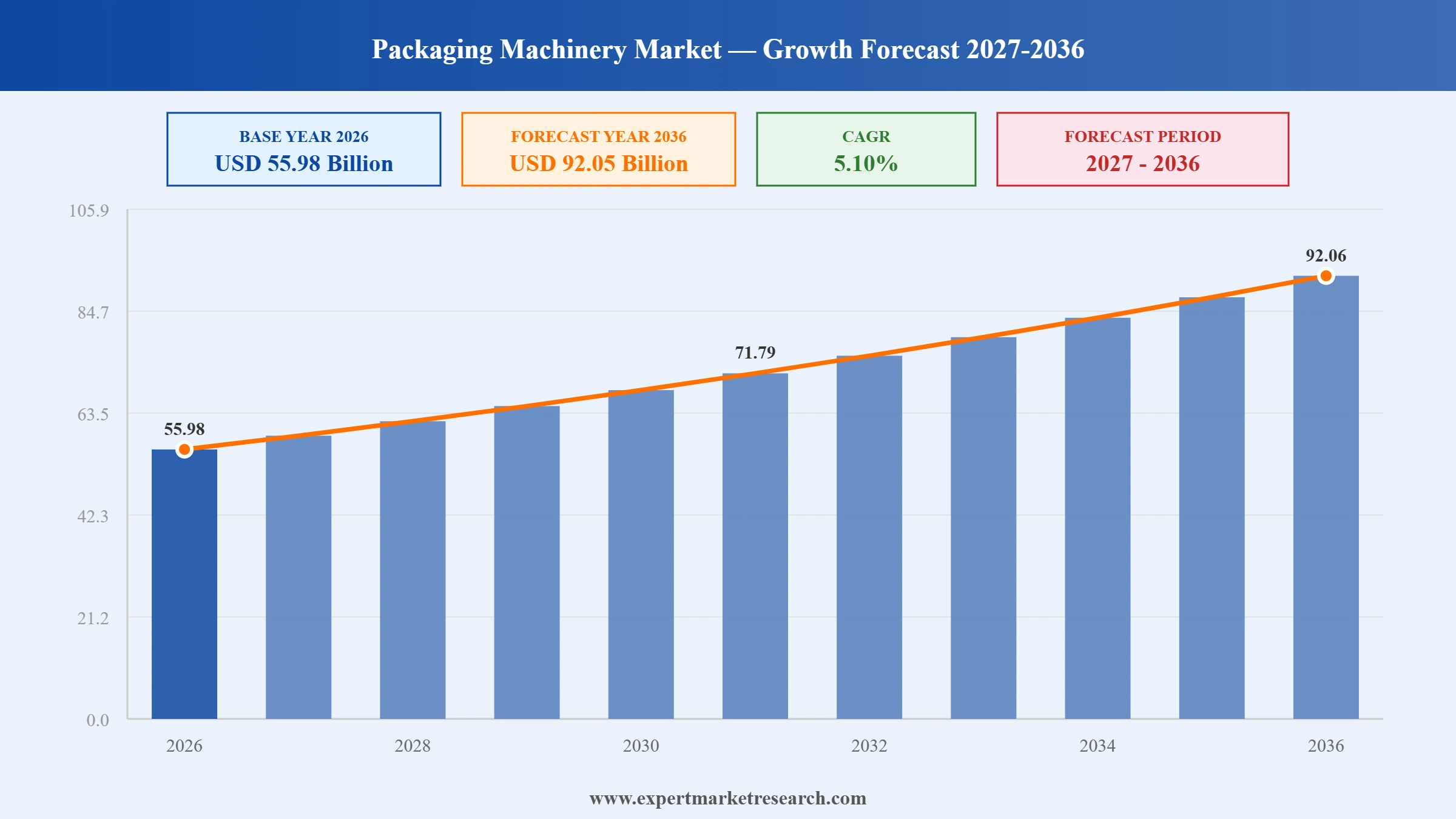
The packaging machinery market was valued at USD 53.26 Billion in 2025. The market is expected to grow at a CAGR of 5.10% during the forecast period of 2026-2035 to reach a value of USD 87.58 Billion by 2035. Rising demand for automated packaging lines, growth in pharmaceutical and beverage production, and tightening sustainability regulations are collectively driving the market growth.
The current packaging machinery market dynamics reflect resilient output from established manufacturing hubs and rising demand for automated, sustainable lines that help producers cut waste, labor, and energy use. In May 2026, the VDMA reported that German packaging machinery production rose 8% to EUR 9 billion in 2025, while exports across the wider food processing and packaging machinery sector reached EUR 11 billion. This performance underlines global reliance on engineered packaging equipment and encourages manufacturers to expand capacity, strengthen service networks, and invest in digital and robotic technologies, while responding to tightening sustainability and trade requirements across export markets and increasingly diverse customer needs. Strong demand from food, beverage, and pharmaceutical producers continues to support steady equipment replacement and upgrade cycles worldwide.
The overall packaging machinery industry dynamics through 2025 and 2026 are also being shaped by strong customer appetite for new technology and flexible production. In May 2026, interpack in Duesseldorf drew 127,000 trade visitors from 161 countries and 2,804 exhibitors from 65 countries, with smart manufacturing, sustainable packaging materials, and regulatory compliance as central themes. Such momentum signals sustained investment intent among packers and is steering machine builders toward flexible, data enabled platforms across regions. It also reflects growing pressure to prepare for upcoming recyclability rules, rising labor costs, and the need for faster changeovers that support shorter product runs.
Read more about this report - REQUEST FREE SAMPLE COPY IN PDF
|
Packaging Machinery Market Report Summary |
Description |
Value |
|
Base Year |
USD Billion |
2025 |
|
Historical Period |
USD Billion |
2019-2025 |
|
Forecast Period |
USD Billion |
2026-2035 |
|
Market Size 2025 |
USD Billion |
53.26 |
|
Market Size 2035 |
USD Billion |
87.58 |
|
CAGR 2019-2025 |
Percentage |
XX% |
|
CAGR 2026-2035 |
Percentage |
5.10% |
|
CAGR 2026-2035 - Market by Region |
Asia Pacific |
6.2% |
|
CAGR 2026-2035 - Market by Machine Type |
Cartoning Machines |
6.8% |
|
CAGR 2026-2035 - Market by End Use |
Pharmaceuticals and Healthcare |
6.9% |
|
2025 Market Share by Region |
Asia Pacific |
38.4% |
The packaging machinery market is being reshaped by regional manufacturing expansion, growing adoption of artificial intelligence and robotics, and machine redesign for recyclable and fiber-based formats. Expanding pharmaceutical and beverage investment across Asia Pacific and rising regulatory pressure in Europe are further reshaping the competitive landscape.
Krones opened a new manufacturing plant in Vemagal, near Bangalore, extending an Indian footprint including Krones India, Krones Digital Solutions India, Krones Processing India in Hyderabad, and System Logistics India in Mumbai. The expansion places machine production closer to growing beverage and food customers. Other machinery makers can leverage this by localizing assembly and service in high growth Asian markets.
Tetra Pak committed EUR 60 million to an owned pilot plant in Lund, Sweden, for paper-based barrier technology for aseptic cartons, replacing aluminum foil and lifting paper content to about 80%. Production was expected to begin in the first quarter of 2027. Machinery makers can leverage this by designing filling lines that handle foil free, fiber-based packaging formats.
ProMach acquired American Holt, DMA Solution, and Pride Engineering from Arcline Investment Management, adding packaging components for beverage, food, protein, and home care, plus precision components for aluminum can production, across sites in Massachusetts, Quebec, and Minnesota. The businesses joined its Primary Packaging unit. Other competitors can leverage this by acquiring component specialists that deepen recurring revenue alongside machine sales.
Marchesini Group opened its new Neri building at Barberino di Mugello, Italy, covering 4,300 square meters with about EUR 12 million invested and powered by renewable energy. The site builds labeling machines for pharmaceutical and cosmetic customers and plans about 20% workforce growth. Manufacturers can leverage this by expanding dedicated brand factories to shorten delivery times for specialized labeling equipment.
Packaging lines are increasingly using artificial intelligence to identify products, generate labels, and adjust settings automatically, reducing changeover time, film waste, and operator dependence. Vision based controls are moving from inspection stations into core machine logic across food and pharmaceutical lines. For example, in May 2026, at interpack, MULTIVAC showed a tray sealer paired with a labeler where AI identifies each packed product and creates the correct label, while a close-cut tool reduces film waste by up to 30%.
Regulation is reshaping machine specifications as packaging owners prepare for recyclability, recycled content, and labeling rules. Equipment suppliers are redesigning sealing, forming, and handling modules to process mono-material films, paper-based formats, and recycled content without losing speed. Compliance deadlines are encouraging early retrofits and purchases favoring adaptable platforms. For example, in August 2026, the European Union Packaging and Packaging Waste Regulation began applying across member states, with most recyclability and recycled content obligations phasing in from 2028 to 2030.
Pharmaceutical manufacturers are building sterile injectable capacity, creating strong demand for isolator-based filling, inspection, and packaging lines with high containment and traceability. Contract manufacturers are adding multiple parallel lines to serve biologic and injectable programs and rising specialty drug volumes across major markets. For example, in September 2026, CordenPharma committed EUR 80 million at Caponago, Italy, for at least four aseptic isolator filling lines, four visual inspection lines, and four packaging lines, targeting up to 500 million units annually.
Beverage and food producers are commissioning large greenfield plants in emerging markets, pulling filling, packing, and palletizing orders toward suppliers with strong regional service networks. These investments favor flexible lines that can switch formats quickly and reduce downtime during new product launches across plants. For example, in July 2026, Suntory PepsiCo inaugurated a USD 300 million beverage plant in Tay Ninh, Vietnam, its sixth in the country, with annual capacity of about 1.244 billion liters and roughly 3,000 supported jobs.
Machine builders are embedding artificial intelligence in robot motion and modular cells to lift throughput and simplify format changes for packers handling mixed products. Stiffer frames and standardized ranges are also shortening delivery times and lowering maintenance requirements for busy production sites worldwide. For example, in May 2026, Schubert launched a new top loading machine generation with a frame four times stiffer and AI based robot motion delivering a 20% performance increase, while also handling paper-based foils and cartons.
The Expert Market Research's report titled "Packaging Machinery Market Report and Forecast 2026-2035" offers a detailed analysis of the market based on the following segments:
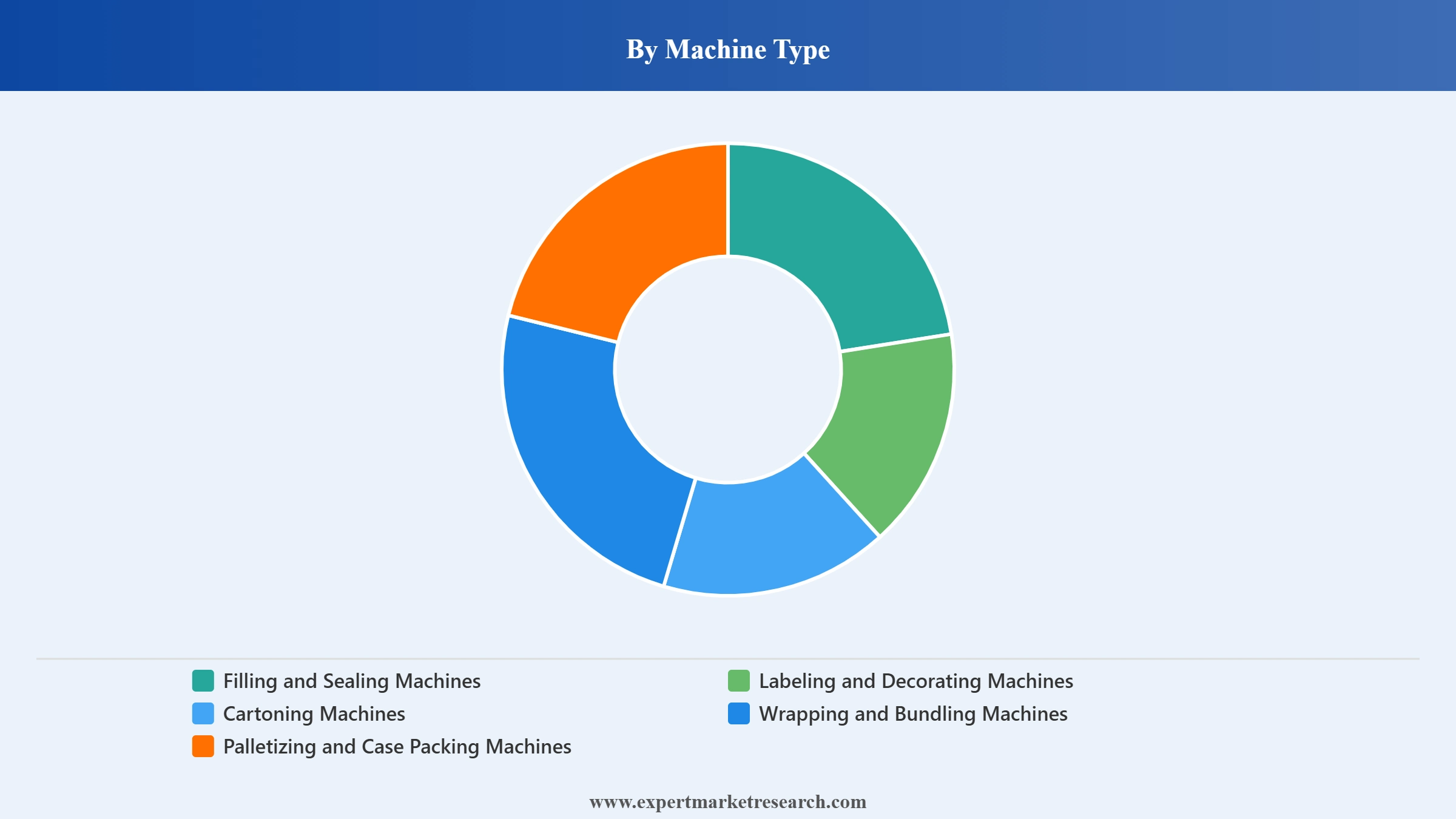
Market Breakup by Machine Type
Key Insight: Filling and sealing machines account for the largest share of the packaging machinery market by machine type, reflecting their essential role in dosing and closing nearly every packaged product, while labeling and decorating, wrapping and bundling, and palletizing and case packing machines serve downstream line needs. Cartoning machines are the fastest-growing machine type, and other equipment such as inspection and coding systems complements full lines. Demonstrating this breadth, in March 2026, BW Packaging announced for interpack the Angelus 12V seamer, running 400 to 1,800 cans per minute.
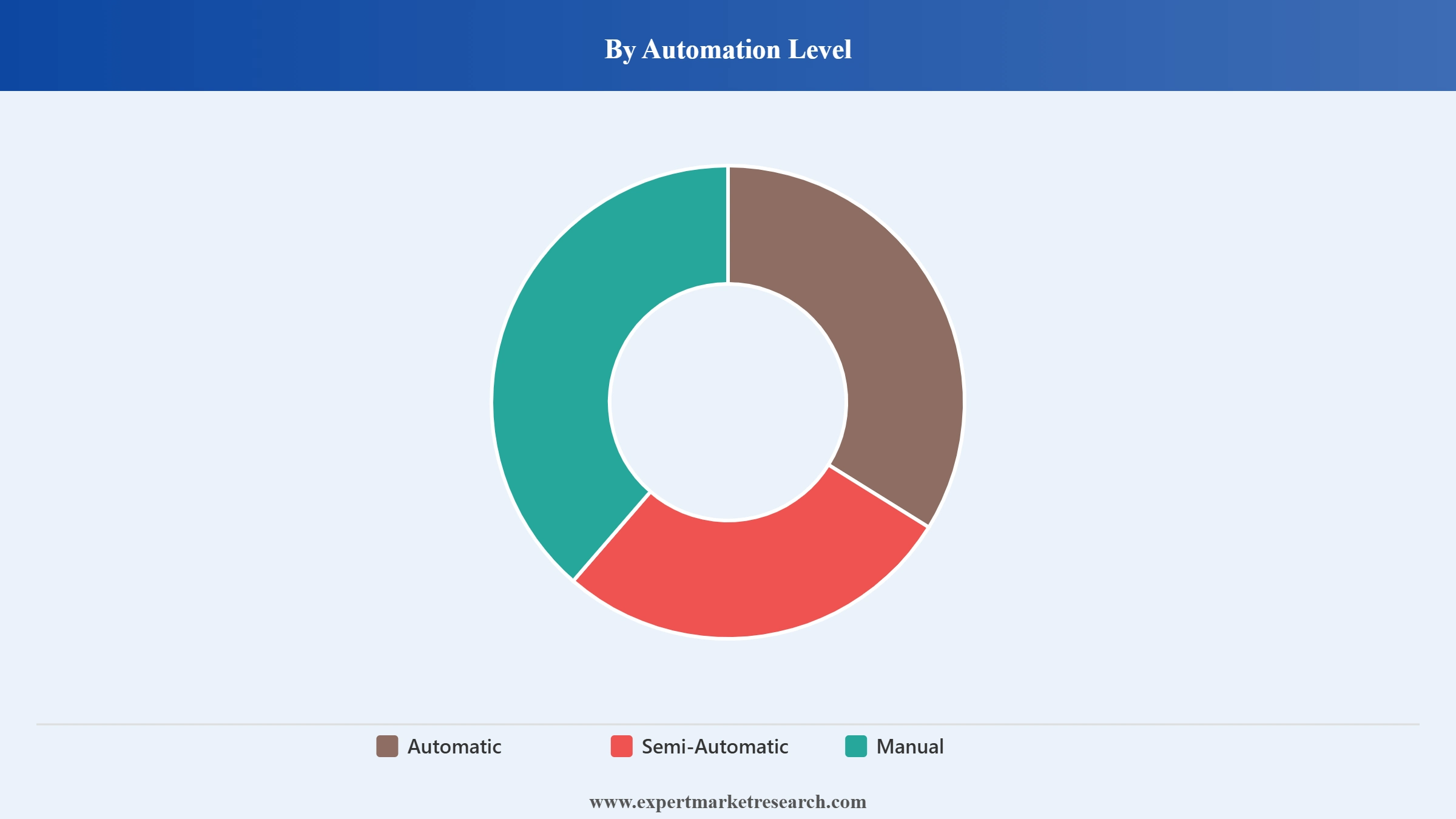
Market Breakup by Automation Level
Key Insight: Automatic machines dominate the packaging machinery market by automation level, supported by labor savings, consistent output, and integration with inspection and data systems. Semi-automatic machines remain relevant for mid-sized producers balancing flexibility and cost, while manual machines serve small batches and startups with limited investment capacity. Reflecting the shift to advanced automation, in April 2026, Syntegon reported 2025 revenue of EUR 1.75 billion, up 10%, with pharma sales rising 22%, citing its gloveless high speed liquid filling line.
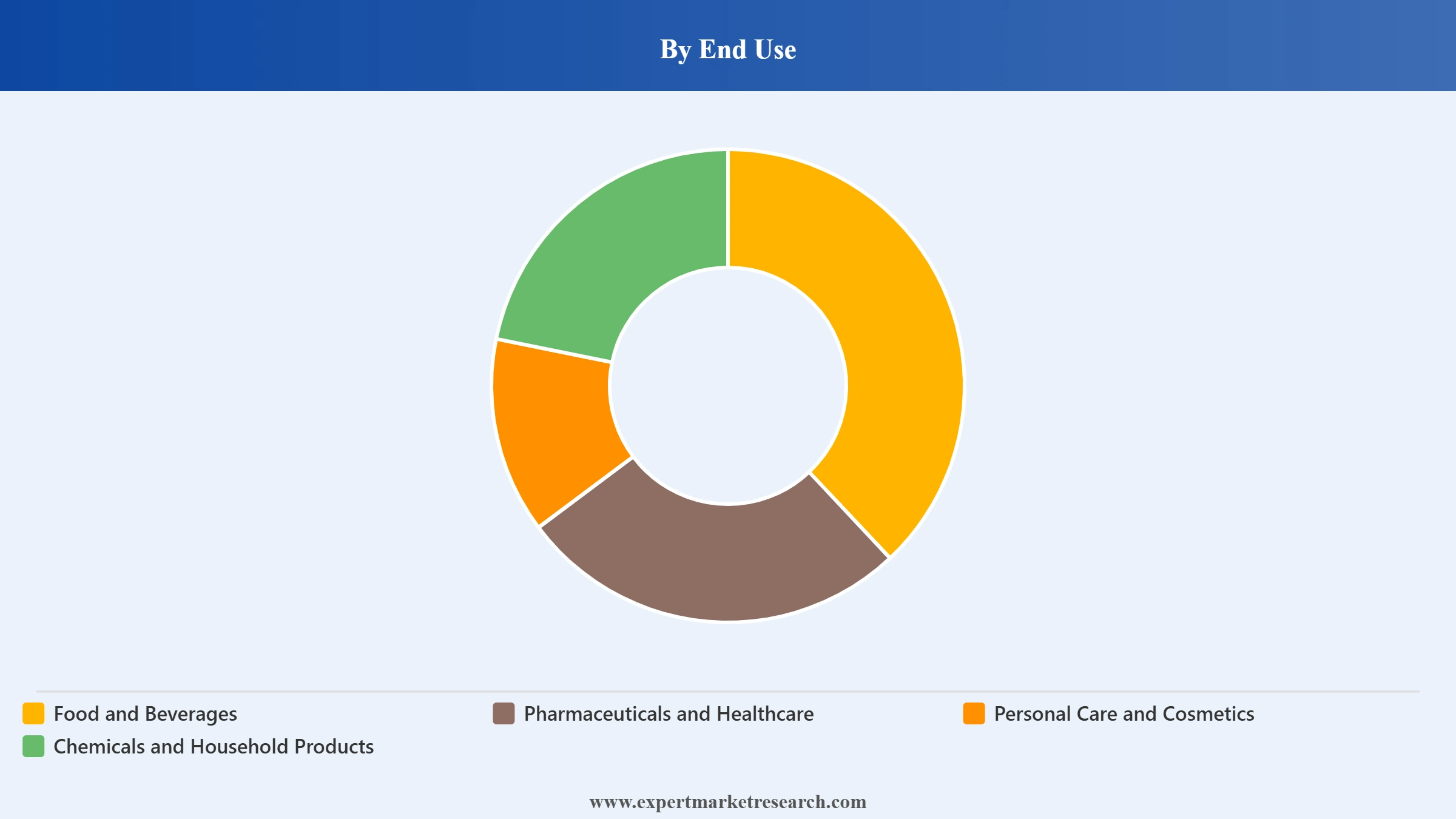
Market Breakup by End Use
Key Insight: Food and beverages dominate the packaging machinery market by end use, driven by large, packaged product volumes and frequent line upgrades, while pharmaceuticals and healthcare is the fastest-growing end use. Personal care and cosmetics, chemicals and household products, and other industries contribute steady demand for flexible, format changing equipment. Illustrating sector reliance, in July 2026, Italian machinery makers reported that food and beverage customers took 55.4% of their 2025 sales, which totaled EUR 10.46 billion.
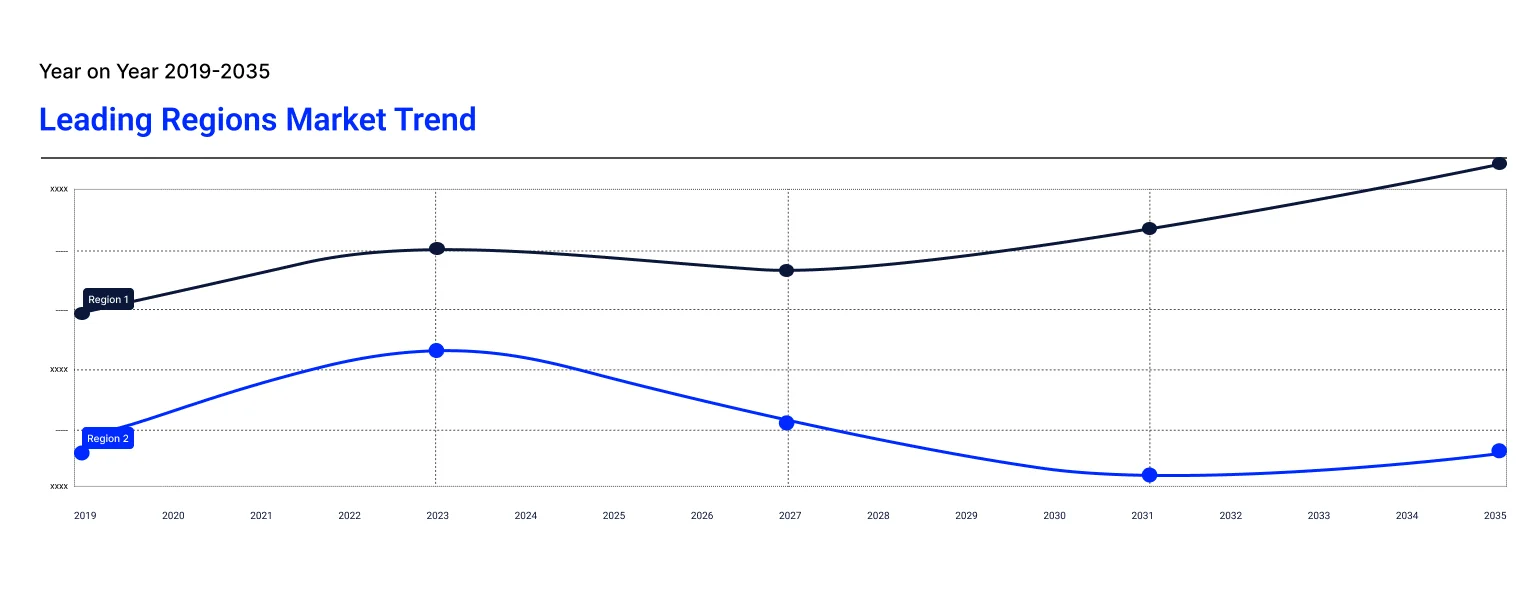
Market Breakup by Region
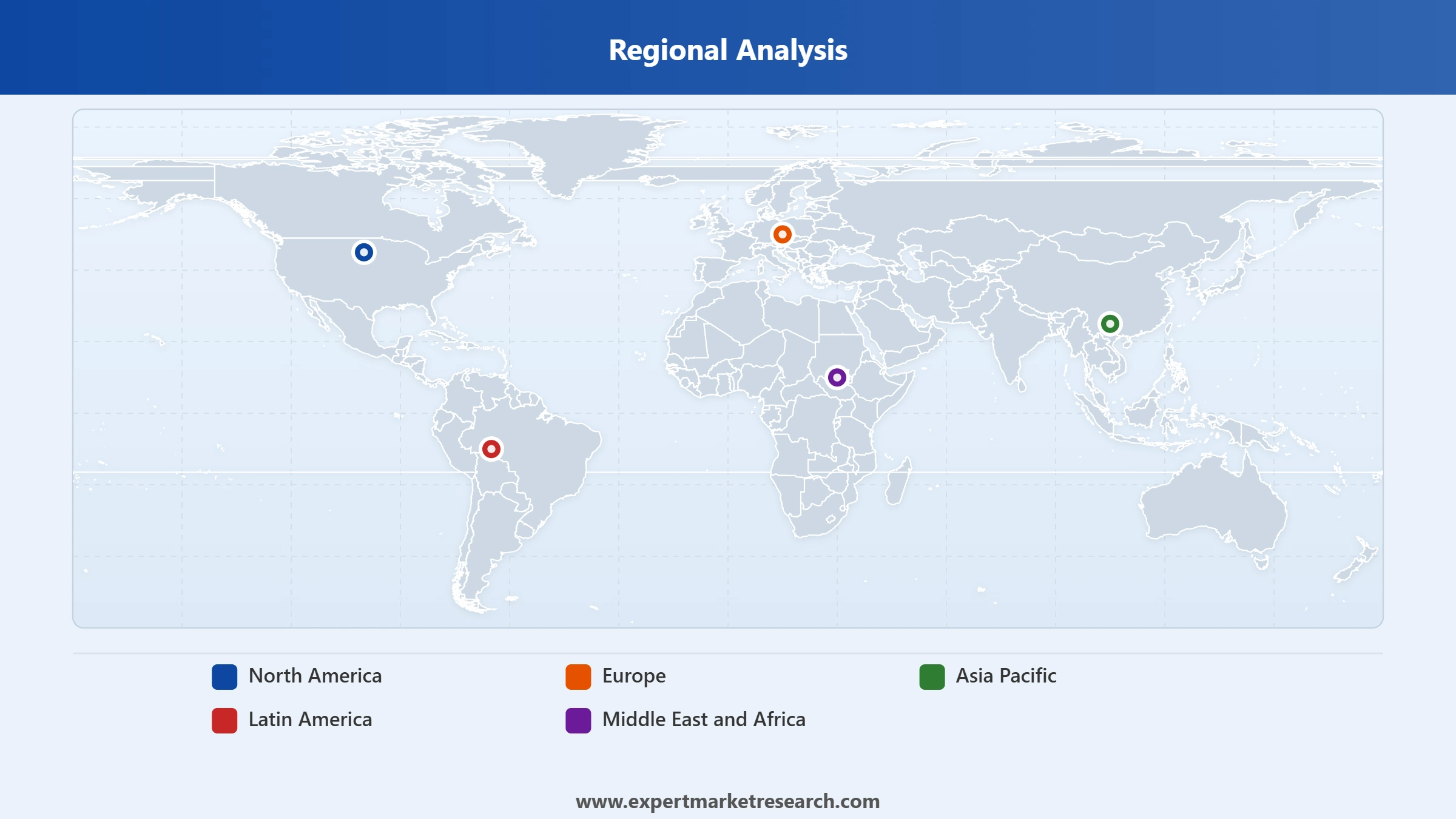
Key Insight: Asia Pacific dominates the packaging machinery market, supported by China's vast manufacturing base and rising production across India and Southeast Asia, and it is also the fastest-growing region. Europe is a mature, technology leading market with strong machine builders and regulation driven upgrades. North America is supported by automation and reshoring investment, Latin America by food and beverage expansion in Brazil and Mexico, and the Middle East and Africa by growing local manufacturing and pharmaceutical investment.
Read more about this report - REQUEST FREE SAMPLE COPY IN PDF
By machine type, filling and sealing machines dominate the market due to their central role in every packaging line
Filling and sealing machines account for the largest share of the packaging machinery market, as every packaged food, beverage, pharmaceutical, and personal care product requires accurate dosing and secure closure. For example, in May 2026, at interpack, IMA showed its INJECTA 36 and DETECTA pre-filled syringe fill-finish line, illustrating how filling technology is advancing toward higher containment, precision, and inspection integration for sensitive pharmaceutical products. Continued innovation in dosing accuracy and closure integrity keeps this segment central to purchasing decisions.
Read more about this report - REQUEST FREE SAMPLE COPY IN PDF
Cartoning machines are the fastest-growing machine type as e-commerce, pharmaceutical serialization, and retail ready packaging raise demand for efficient secondary packaging. Robotic pick and place, servo driven motion, and quick format change systems are enabling cartoners to handle smaller batches and more stock keeping units. Brand owners are also shifting to fiber based cartons to replace plastic, which increases demand for machines that can erect and close recyclable board reliably at speed. Consequently, cartoning equipment demand is rising across regions.
By automation level, automatic machines lead the market due to labor savings and consistent high speed output
Automatic machines account for the largest share of the packaging machinery market, as producers seek consistent speed, lower labor dependence, and reliable quality across high volume lines. For example, in May 2026, at interpack, Optima showed machines with built in AI assistance and analytics, digital twin process mapping, and a cosmetics line reaching up to 240 products per minute, reflecting demand for intelligent, fully automated packaging equipment. Such launches reinforce the dominance of automated equipment in modern production facilities worldwide.
Read more about this report - REQUEST FREE SAMPLE COPY IN PDF
Within this category, AI enabled and connected lines are expanding fastest, as manufacturers seek predictive maintenance, remote diagnostics, and faster changeovers to offset labor shortages and rising wage costs. Digital twins, integrated inspection, and data platforms allow producers to optimize overall equipment effectiveness across multiple plants. Semi-automatic and manual machines continue to serve small producers and startups, but the premium economics of connected automation are lifting automatic segment revenue faster. Service contracts are also generating recurring revenue for vendors.
By end use, food and beverages lead the market due to high packaged product volumes and frequent line upgrades
Food and beverages hold the largest share of the market, reflecting enormous, packaged product volumes, short product lifecycles, and continuous investment in faster filling, wrapping, and palletizing lines. For example, in August 2026, the PMMI 2026 State of the Industry report put United States packaging machinery shipments at USD 11.7 billion in 2025, with food accounting for about 44%, confirming the sector's central position in equipment demand. Producers continue upgrading lines to improve efficiency, reduce waste, and meet retail requirements.
Read more about this report - REQUEST FREE SAMPLE COPY IN PDF
Pharmaceuticals and healthcare is the fastest-growing end use as injectable, biologic, and specialty drug volumes expand and regulators demand serialization, aseptic handling, and tamper evidence. Pharmaceutical machinery commands higher prices because of validation, containment, and documentation requirements, which lifts segment revenue faster than volume. Growth in contract manufacturing and expanding generic production in Asia and the Middle East are also widening the installed base for specialized filling, inspection, and packaging equipment. Supportive regulation continues strengthening the segment's long-term outlook.
Asia Pacific dominates the market due to large manufacturing bases and rapid expansion of packaged goods production
Asia Pacific dominates the packaging machinery market, anchored by China's vast manufacturing base and a dense supplier network serving food, beverage, pharmaceutical, and consumer goods producers. For example, in April 2026, trade data showed China's packaging machinery exports reached nearly EUR 3.9 billion in 2025, up from EUR 2 billion in 2020, while its domestic market was estimated at EUR 8.2 billion in 2026. Competitive pricing, expanding domestic demand, and government manufacturing support further reinforce the region's leading position globally.
Read more about this report - REQUEST FREE SAMPLE COPY IN PDF
India and Southeast Asian economies are accelerating growth as rising incomes, organized retail, and government manufacturing incentives raise packaged food, beverage, and pharmaceutical output. Global machine builders are opening regional plants and service centers, while local suppliers are scaling lower cost equipment for domestic producers. As a result, the region is expected to post the fastest growth through the forecast period, supported by expanding e-commerce and export-oriented manufacturing clusters. Investment in cold chain and pharmaceutical facilities supports this trajectory.
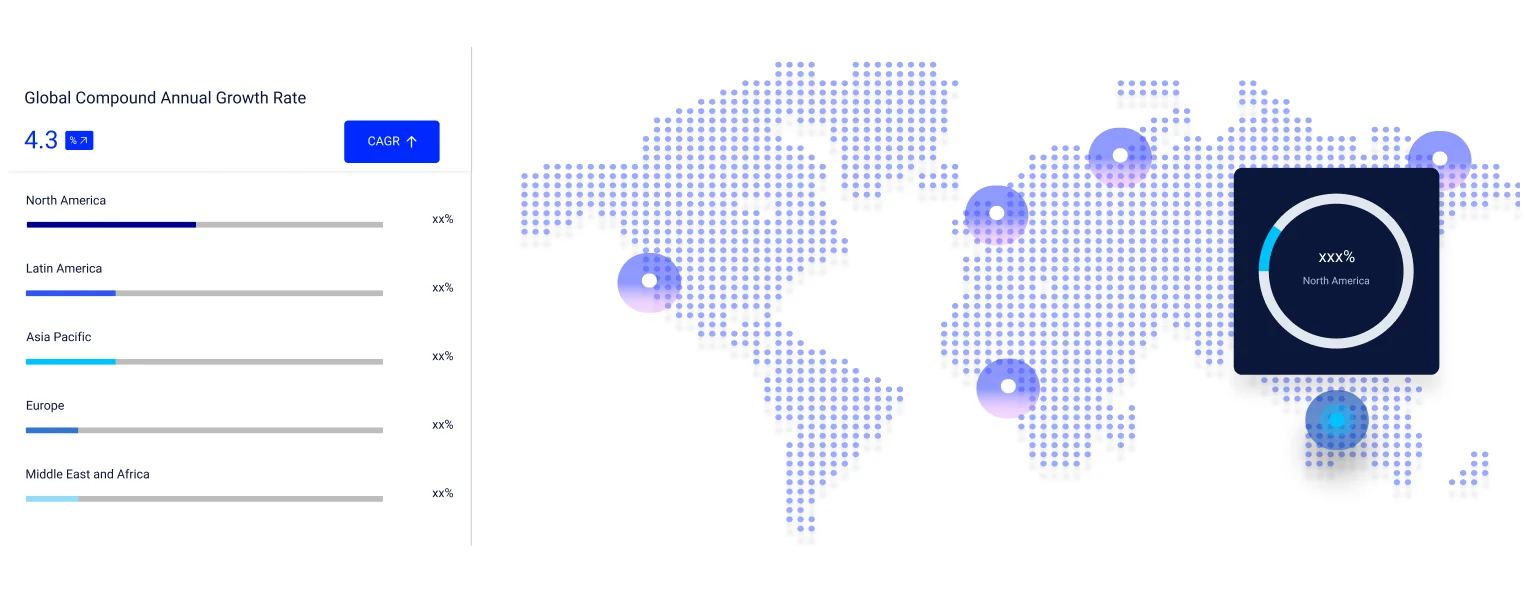
|
CAGR 2026-2035 - Market by |
Region |
|
North America |
4.4% |
|
Europe |
4.1% |
|
Asia Pacific |
6.2% |
|
Latin America |
5.3% |
|
Middle East and Africa |
6.0% |
The global packaging machinery companies are moderately fragmented, with large multinational machine builders and specialized equipment makers competing on technology breadth, line integration, service networks, and sustainability capabilities. Packaging machinery companies like Tetra Laval International, Krones, Syntegon Technology, and IMA Group compete through broad portfolios and global service reach, while Barry-Wehmiller, Coesia, ProMach, Marchesini Group, and MULTIVAC strengthen positions through focused brands and regional manufacturing.z
Leading packaging machinery market players are focusing on artificial intelligence enabled controls, robotics, recyclable material compatibility, and digital service platforms to strengthen their competitive position. Increasing emphasis on modular designs, remote diagnostics, and strategic acquisitions is also enabling manufacturers to broaden portfolios, shorten delivery times, and build recurring service revenue while supporting sustained long term market growth across global manufacturing networks.
Tetra Laval, headquartered in Pully, Switzerland, was founded in 1993 after Tetra Pak's acquisition of Alfa Laval and is a privately held group. Its Tetra Pak and Sidel businesses supply food processing, carton filling, and beverage packaging systems, supporting dairy, juice, and beverage producers worldwide through integrated filling lines, packaging materials, and long-term service partnerships.
Krones AG, headquartered in Neutraubling, Germany, was founded in 1951 and is listed on the Frankfurt Stock Exchange. The company designs and builds filling, packaging, process, and intralogistics systems for beverage and liquid food producers, offering complete lines, digital solutions, and service through subsidiaries and production sites across Europe, the Americas, and Asia.
Syntegon Technology, headquartered in Waiblingen, Germany, traces its origin to the 1969 founding of Robert Bosch Apparatebau and operated as Bosch Packaging Technology until its 2020 rebranding. It supplies process and packaging technology for pharmaceutical and food industries, including aseptic liquid filling, tablet processing, and cartoning systems, through global production sites and service centers.
IMA Group, headquartered in Ozzano dell'Emilia near Bologna, Italy, was founded in 1961 and designs automatic machines for processing and packaging pharmaceuticals, tea, coffee, and cosmetics. The group serves customers worldwide through numerous production sites and subsidiaries, with strength in blister packing, capsule filling, and aseptic filling technologies for the pharmaceutical sector.
Other key players in the market report include Barry-Wehmiller Companies, Inc., Coesia S.p.A., ProMach, Inc., Marchesini Group S.p.A., and MULTIVAC Group, among others.
*Please note that this is only a partial list; the complete list of key players is available in the full report. Additionally, the list of key players can be customized to better suit your needs.*
Explore the latest trends shaping the packaging machinery market 2026-2035 with our in-depth report. Gain strategic insights to support your business decisions. Get in touch with our analysts today.


Upto 15% Off
USD
$2499 $2249
$3999 $3599
$4999 $4249
$5999 $5099


*While we strive to always give you current and accurate information, the numbers depicted on the website are indicative and may differ from the actual numbers in the main report. At Expert Market Research, we aim to bring you the latest insights and trends in the market. Using our analyses and forecasts, stakeholders can understand the market dynamics, navigate challenges, and capitalize on opportunities to make data-driven strategic decisions.*
In 2025, the packaging machinery market reached an approximate value of USD 53.26 Billion.
The market is projected to grow at a CAGR of 5.10% between 2026 and 2035.
The key players in the market include Tetra Laval International S.A., Krones AG, Syntegon Technology GmbH, IMA Group, Barry-Wehmiller Companies, Inc., Coesia S.p.A., ProMach, Inc., Marchesini Group S.p.A., and MULTIVAC Group, among others.
Leading manufacturers are pursuing artificial intelligence enabled controls, robotics integration, recyclable material compatibility, and regional factory expansion close to key customers.
Key challenges include high upfront equipment costs, skilled labor shortages, trade and tariff uncertainty, and the need to retrofit machines for changing sustainability regulations.
Explore our key highlights of the report and gain a concise overview of key findings, trends, and actionable insights that will empower your strategic decisions.
|
Report Features |
Details |
|
Base Year |
2025 |
|
Historical Period |
2019-2025 |
|
Forecast Period |
2026-2035 |
|
Scope of the Report |
Historical and Forecast Trends, Industry Drivers and Constraints, Historical and Forecast Market Analysis by Segment:
|
|
Breakup by Machine Type |
|
|
Breakup by Automation Level |
|
|
Breakup by End Use |
|
|
Breakup by Region |
|
|
Market Dynamics |
|
|
Competitive Landscape |
|
|
Companies Covered |
|
Datasheet
One User
USD 2,499
USD 2,249
tax inclusive*
Single User License
One User
USD 3,999
USD 3,599
tax inclusive*
Five User License
Five User
USD 4,999
USD 4,249
tax inclusive*
Corporate License
Unlimited Users
USD 5,999
USD 5,099
tax inclusive*
*Please note that the prices mentioned below are starting prices for each bundle type. Kindly contact our team for further details.*
Flash Bundle
Small Business Bundle
Growth Bundle
Enterprise Bundle
*Please note that the prices mentioned below are starting prices for each bundle type. Kindly contact our team for further details.*
Flash Bundle
Number of Reports: 3
20%
tax inclusive*
Small Business Bundle
Number of Reports: 5
25%
tax inclusive*
Growth Bundle
Number of Reports: 8
30%
tax inclusive*
Enterprise Bundle
Number of Reports: 10
35%
tax inclusive*
How To Order

Select License Type
Choose the right license for your needs and access rights.

Click on ‘Buy Now’
Add the report to your cart with one click and proceed to register.

Select Mode of Payment
Choose a payment option for a secure checkout. You will be redirected accordingly.
Strategic Solutions for Informed Decision-Making
Gain insights to stay ahead and seize opportunities.

Get insights & trends for a competitive edge.

Track prices with detailed trend reports.

Analyse trade data for supply chain insights.

Leverage cost reports for smart savings

Enhance supply chain with partnerships.

Connect For More Information
Our expert team of analysts will offer full support and resolve any queries regarding the report, before and after the purchase.
Our expert team of analysts will offer full support and resolve any queries regarding the report, before and after the purchase.
We employ meticulous research methods, blending advanced analytics and expert insights to deliver accurate, actionable industry intelligence, staying ahead of competitors.
Our skilled analysts offer unparalleled competitive advantage with detailed insights on current and emerging markets, ensuring your strategic edge.
We offer an in-depth yet simplified presentation of industry insights and analysis to meet your specific requirements effectively.




