

Consumer Insights
Uncover trends and behaviors shaping consumer choices today
Procurement Insights
Optimize your sourcing strategy with key market data
Industry Stats
Stay ahead with the latest trends and market analysis.
The global smart clothing market attained a value of USD 6.47 Billion in 2025 and is projected to expand at a CAGR of 27.50% through 2035. The market is further expected to achieve USD 73.45 Billion by 2035. Defense modernization programs are actively procuring biometric smart uniforms capable of monitoring soldiers’ vital signs in real time. Initial deployments are targeting troops, with phased expansion toward full service-wide integration under multi-billion-dollar government budgets.
The increasing focus on workforce safety compliance is adding a significant impetus to the smart clothing market growth. Regulations of occupational health are pushing companies to assess the risk of heat stress and the levels of fatigue of their employees. In addition, sports performance analytics is no longer limited to elite athletes. Professional clubs have previously used smart compression garments to support recovery and reduce injury risk, but currently the model is expanding. Advanced performance tracking is gradually entering the mass market, as semi-professional teams, training academies, and even serious amateurs begin adopting data-driven smart apparel solutions.
Reimbursements by the United States Centers for Medicare & Medicaid Services for remote patient monitoring services have been gradually extended since 2018, thus, hospitals are being encouraged to use connected biosensor wearables. In November 2025, Hexoskin’s smart garments received FDA clearance for long-term ECG and respiratory monitoring, accelerating clinical adoption of wearable textile diagnostics, focusing on clinical trials and remote patient monitoring programs. Such smart clothing market expansion opportunities are in line with the rapidly increasing digital health investments. These trends are directly impacting the purchase decisions for healthcare providers and research institutions who are continuously looking for biometric analytics.
The smart clothing market is moving away from novelty-driven wearables to performance-critical materials containing washable sensors and edge computing units. Brands are creating conductive yarns and flexible microelectronics that are a part of the fabrics, reducing the need for detachable hardware modules. In February 2025, Active Clothing Co. signed with Ningbo Cixing to build India’s first futuristic smart knitting facility, enhancing automated, sensor-ready textile production. Defense agencies and sports science laboratories are setting requirements for better durability and thus they secure data transmission standards. In response, companies are equipping their products with encrypted Bluetooth modules and AI-powered analytics dashboards.
Compound Annual Growth Rate
27.5%
Value in USD Billion
2026-2035
Read more about this report - REQUEST FREE SAMPLE COPY IN PDF
Myant integrated AiQ Smart Clothing through a strategic joint venture to industrialize conductive yarn platforms and accelerate medical-grade smart textile commercialization. Other companies can pursue textile-electronics alliances to scale washable sensor integration and secure healthcare and defense supply contracts, leveraging such smart clothing market opportunities.
Toyota unveiled smart garments embedded with flexible perovskite solar cells, enabling on-fabric energy harvesting for wearable electronics and mobility-linked applications. Competitors can explore energy-generating textiles to reduce battery dependency and target industrial, automotive, and outdoor workforce segments.
Interlink Electronics announced the acquisition of Conductive Transfers to strengthen printed electronics and flexible sensor integration capabilities. Such developments in the smart clothing market encourage other firms to acquire niche conductive technology specialists to vertically integrate sensor manufacturing and improve margin control.
Spain’s PYKRS introduced the X-Treme Parka smart jacket integrating biometric tracking and adaptive insulation for extreme weather environments. Brands can develop climate-adaptive garments targeting industrial safety and high-altitude workforce operations for differentiated positioning.
Healthcare is one of the main contributors for the overall growth in the smart clothing market. Companies like Myant Inc. are launching ECG-grade sensors in everyday clothes for continuous health monitoring. Besides, hospitals are experimenting with textile-based diagnostics for the management of chronic diseases. On one hand, smart garments reduce the need for adhesive patches; on the other hand, they increase patient comfort during extended trials. Therefore, suppliers’ emphasis is on improving the accuracy of data and its integration into the cloud. Moreover, collaborations with telehealth companies are paving the way for recurring subscription models. In February 2026, United Imaging highlighted collaborative innovations and global partnerships at WHX 2026, advancing integrated healthcare imaging and wearable diagnostic technologies.
Since defense agencies use connected uniforms to track soldiers' biometrics, governments across the world are widely supporting wearable sensor research as part of modernization initiatives. As companies are launching sensors for temperature, hydration, and fatigue monitoring, tactical garments are becoming more sophisticated. To secure the transmitted data, encryption protocols are being upgraded, creating new smart clothing market opportunities. At the same time, textile manufacturers are changing the characteristics of their products to comply with ballistic and environmental resistance standards. For example, in November 2025, the Indian Army rolled out a domestically developed extreme-altitude clothing range designed for high-mountain deployments.
Industrial safety is one of the main reasons behind the development of smart vests and jackets. Construction and mining companies are trialing garments that can notify supervisors in case of workers' body overheating or when heart rates exceed the normal range. Real-time monitoring enables compliance reporting, redefining the smart clothing market dynamics. Some companies are also including GPS in reflective safety attire to keep track of workers' locations. In November 2025, Neo Kavach launched a wearable airbag safety vest protecting riders in crashes, integrating sensor-triggered inflation technology for enhanced road safety.
International sports teams use sensor-based compression garments for biomechanical analysis. Teams like Athos concentrate on muscle activation tracking, while the information recorded during workouts is used to create programs that help reduce injuries. Sports authorities in some countries are partnering with analytics firms and funding technology research through sports councils, accelerating demand in the smart clothing market. In October 2025, DRX Wear launched a line of innovative smart sportswear that uses integrated health monitoring features to enhance athlete performance and wellbeing.
Progress in conductive yarns as well as printed sensors is revolutionizing the way products are made. Businesses are cutting down on stiff components by incorporating tiny, sensors woven into the fabric. Research funding coming from organizations such as the National Science Foundation is supporting the development of flexible electronics, propelling the smart clothing market growth. Cleaning resistance gets better owing to the use of encapsulated circuit methods. This not only lengthens the wear of the garment but also makes it more attractive commercially. In February 2025, NTU researchers unveiled washable, touchless electronic textile technology that enhances durability and user comfort for next-gen smart clothing applications.
Read more about this report - REQUEST FREE SAMPLE COPY IN PDF
The EMR’s report titled “Global Smart Clothing Market Report and Forecast 2026-2035” offers a detailed analysis of the market based on the following segments:
Market Breakup by Fabric Type
Key Insight: Active smart fabrics lead due to reliable biometric data transmission and enterprise deployment across healthcare and sports. Passive smart textiles serve niche roles in moisture and temperature sensing without embedded electronics. Ultra-smart fabrics grow at the fastest pace through AI-driven adaptability and intelligent response capabilities, accelerating the smart clothing market penetration. For instance, Actile Technologies' fabrics send information through touch, letting users receive cues without screens or sound. Buyers evaluate durability, wash resistance, and data accuracy before procurement.
Market Breakup by Product
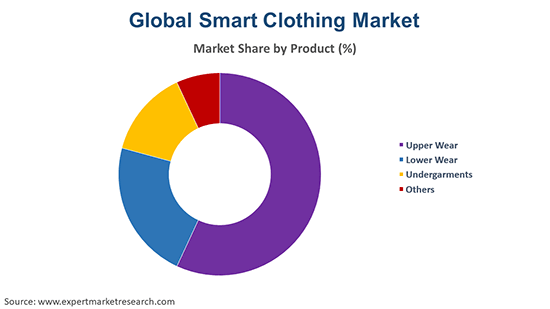
Key Insight: As per the smart clothing market report, upper wear leads the global industry because it accommodates diverse sensors and power modules effectively. Undergarments grow through medical precision and discreet monitoring benefits. Lower wear serves biomechanics tracking in sports applications, while other smart accessories contribute niche use cases. Product selection reflects biometric measurement needs and comfort expectations. Manufacturers aligning design with ergonomic and data accuracy requirements are strengthening enterprise contracts.
Market Breakup by Application
Key Insight: The domain of healthcare continues to lead the market through reimbursement schemes and established validation processes. The military and defense sectors are seeing increased adoption due to modernization initiatives and biometric performance tracking, creating new smart clothing market opportunities. The sports and fitness industries are moving forward through data-driven training solutions. The industrial sector is focused on safety and real-time risk management. The entertainment and associated industries are exploring interactive textiles.
Market Breakup by Region
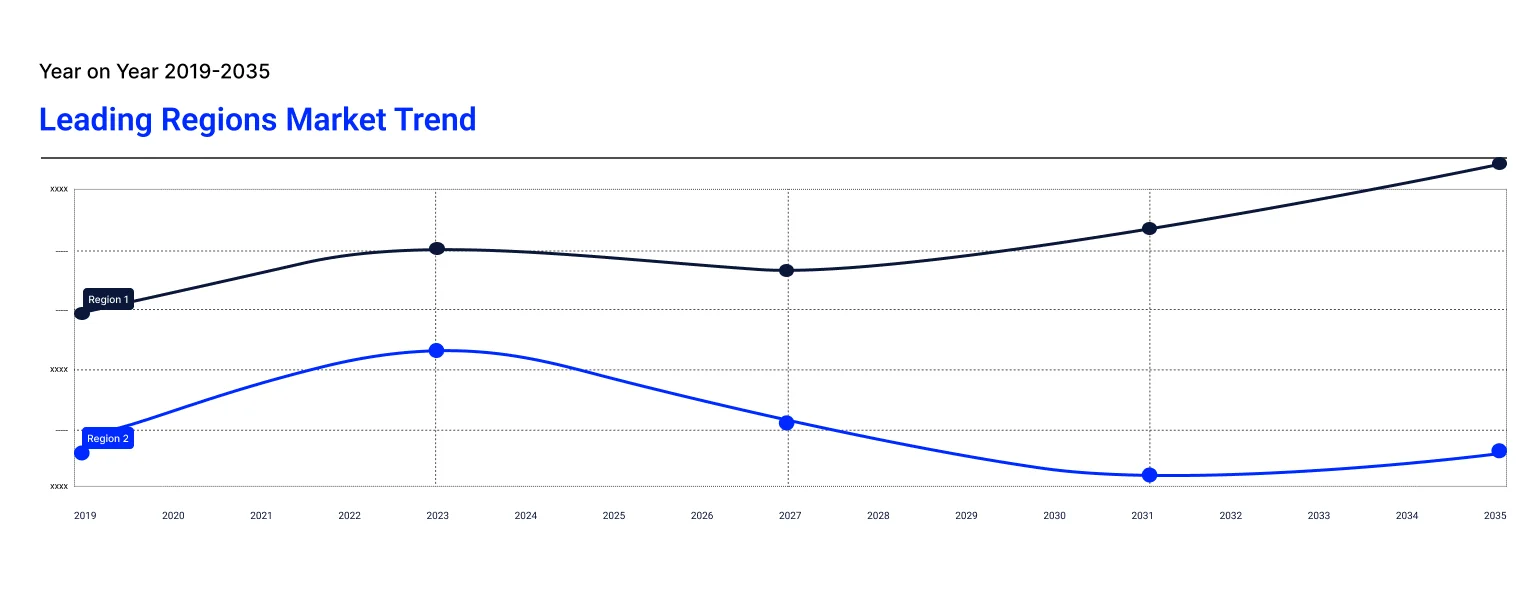
Key Insight: North America stands out through reimbursement support and defense modernization. Asia Pacific maintains its growth trajectory through manufacturing integration and innovation funding. The European smart clothing market players direct their attention mainly on industrial safety and sustainability compliance. Latin America and Middle East markets are developing at a slow pace. The way forward for regions depends on research funding, regulatory clarity, and institutional adoption speed. Organizations that align their regional strategies with the ecosystems of local policy frameworks obtain stronger traction.
By fabric type, active smart fabrics, driven by real-time monitoring, continue to dominate the market
Active smart fabrics remain the frontrunners in accelerating the smart clothing market growth because they can sense, react, and communicate data in real time. Such textiles combine conductive yarns, embedded microcontrollers, and wireless communication modules that are directly integrated into the garments. Healthcare professionals find active systems ideal for monitoring continuous ECG and respiration. Brands that develop sports performance gear use them to measure muscle activation and fatigue. Military contractors are incorporating thermal and hydration sensors in uniforms designed for field operations. In July 2024, researchers announced the development of advanced smart textiles featuring embedded sensing and adaptive response capabilities for future healthcare, sports, and industrial applications.
Ultra-smart fabrics are getting increasingly popular due to the features that include AI-enabled analytics and adaptive response. Such textiles not only monitor biometrics but also adjust the levels of compression, insulation, or stimulation without any human intervention. Various research laboratories are experimenting with garments that offer haptic feedback which helps in rehabilitating patients. Military projects are looking into the possibility of uniforms changing their thermal insulation property depending on the climate.
By product, upper wear clocks in the largest share of the market due to sensor integration flexibility
Upper wear dominates the market because shirts and jackets allow larger sensor surface area. ECG sensors, respiration bands, and temperature monitors integrate naturally into chest zones. Healthcare and sports segments prioritize upper-body biometric accuracy. Manufacturers are embedding multi-channel sensors into compression tops. Defense suppliers design tactical shirts with concealed wiring paths. Upper garments also allow battery modules to be positioned discreetly to improve user comfort. Companies are focusing on ergonomic seam placement to avoid skin irritation. In February 2023, Carhartt introduced an AI-enabled heated vest with intelligent temperature control for adaptive warmth in cold conditions, blending comfort with smart functionality.
Undergarments are also contributing to the smart clothing market revenue through medical and performance monitoring. Close skin contact enhances signal precision for heart rate and muscle activity tracking. Sports brands are launching compression underlayers that analyze muscle symmetry. These garments provide discreet monitoring without external visibility. Manufacturers are improving moisture resistance and antibacterial coatings to enhance comfort. In February 2026, University of Maryland unveiled “smart underwear” sensor for digestive health.
By application, the healthcare category leads the market, supported by remote monitoring adoption
Healthcare sustains its dominance across the smart clothing industry scope as remote monitoring and chronic disease management expand. Hospitals are adopting smart garments to reduce inpatient stays as textile-based ECG and respiration monitoring support home-based care programs. Medical device firms are partnering with textile innovators for certified solutions. Data encryption and HIPAA compliance are becoming standard design features. For example, Smart Shirt developed by Myant under its SKIIN range monitors blood pressure. Garments that reduce adhesive patch discomfort are gaining physician acceptance. Subscription-based monitoring services are increasing recurring revenue potential.
Military and defense are also areas where applications are expanding through modernization projects. Governments play a leading role in financing research on wearable sensors for soldiers' health monitoring. Smart wearable clothing can measure the wearer's fatigue and hydration levels while on missions. Manufacturers are embedding secure communication protocols as an additional measure of security of sensitive data. Climatic conditions resistant tactical clothing is the focus of the latest designs in this particular segment.
Read more about this report - REQUEST FREE SAMPLE COPY IN PDF
North America dominates the global industry through defense and digital health
The smart clothing market in North America leads due to strong digital health adoption and defense investment. The United States supports remote monitoring reimbursement frameworks. Defense agencies allocate funding for wearable research programs. Technology startups collaborate with textile manufacturers to accelerate innovation. Hospitals adopt pilot programs for chronic disease monitoring garments. In October 2025, Zelus introduced advanced weighted apparel designed to enhance strength training efficacy, incorporating ergonomic sensor placement for performance optimization.
The Asia Pacific smart clothing market’s growth is continuously powered by the region’s textile manufacturing strength and sports technology demand. Countries such as Japan and South Korea are heavily investing in material science research at the most advanced level. Local electronics manufacturers regularly work with fashion brands. Numerous government innovation grants are issued for the development of smart fabrics. Sports leagues are trialing biometric training garments, while healthcare digitization is going on as well. The region leverages integrated supply chains for semiconductors and textiles.
The market witnesses an increasing number of joint ventures of textile engineers and electronics companies. The emphasis of smart clothing companies is on washable circuitry, AI analytics integration, and secure cloud platforms. Product development is being influenced through strategic partnerships with healthcare providers and defense contractors. Owning the rights to conductive yarns and flexible sensors is becoming a competitive advantage in the industry.
Most of the smart clothing market players are also investing in subscription-based analytics ecosystems. Potential opportunities for growth can be found in clinical-grade monitoring, industrial worker safety, and high-performance sports analytics. Those who can combine certified hardware with scalable software platforms are creating stronger enterprise value propositions.
Founded in 2014 and with its head office in Taiwan, AiQ Smart Clothing is a company that mainly deals with conductive yarn technology and the integration of textiles. It focuses on washable sensor fabrics for healthcare and sports use. AiQ works with electronics companies to embed signal transmission pathways into clothing.
DuPont de Nemours is a leading material science company that was established in 1802 and has its main office in Delaware, United States. The firm manufactures innovative fibers and conductive materials that can be used for smart textile integration. DuPont is a supplier of high-performance fabrics to military and industrial clients.
Founded in 1984 and located in the United States, Carré Technologies Inc. is a company that sells products under the brand name Hexoskin. It makes biometric smart shirts that are aimed at the healthcare and research markets. Hexoskin wearables track cardiac and respiratory data. Carr Technologies is focused on obtaining and validating medical-grade data and integrating cloud analytics.
Toray Industries, headquartered in Tokyo, Japan, is a fiber and composite materials manufacturer that was founded in 1926. Besides traditional textile products, the company is engaged in the development of nanofiber and conductive textile materials. Toray provides manufacturers of wearable technology with fabric platforms that are light in weight and have enhanced durability.
*Please note that this is only a partial list; the complete list of key players is available in the full report. Additionally, the list of key players can be customized to better suit your needs.*
Other key players in the market include Vulpes Electronics, among others.
Unlock the latest insights with our smart clothing market trends 2026 report. Discover regional growth patterns, consumer preferences, and key industry players. Stay ahead of competition with trusted data and expert analysis. Download your free sample report today and drive informed decisions in the market.


Upto 15% Off
USD
$2499 $2249
$3999 $3599
$4999 $4249
$5999 $5099


*While we strive to always give you current and accurate information, the numbers depicted on the website are indicative and may differ from the actual numbers in the main report. At Expert Market Research, we aim to bring you the latest insights and trends in the market. Using our analyses and forecasts, stakeholders can understand the market dynamics, navigate challenges, and capitalize on opportunities to make data-driven strategic decisions.*
The market is projected to grow at a CAGR of 27.50% between 2026 and 2035.
The market is estimated to witness a healthy growth in the forecast period of 2026-2035 to reach USD 31.08 Billion by 2035.
Building textile-electronics partnerships, securing medical certifications, enhancing washable circuitry, integrating AI analytics, and targeting defense contracts are strengthening long-term enterprise positioning globally.
The key trends guiding the market growth include the growing adoption of smart clothing in the healthcare sector and surging investments in the defence sector.
The major regions in the market are North America, Latin America, the Middle East and Africa, Europe, and the Asia Pacific.
The major fabric types considered in the market report are active smart, passive smart, and ultra-smart.
The various products of smart clothing considered in the market report are upper wear, lower wear, and undergarments, among others.
The significant applications of smart clothing are sports and fitness, healthcare, military, and defence, industrial and mining, and entertainment, among others.
The key players in the market include AiQ Smart Clothing, DuPont de Nemours, Inc., Carré Technologies Inc., Toray Industries, Inc., and Vulpes Electronics, among others.
In 2025, the market reached an approximate value of USD 6.47 Billion.
Ensuring wash durability, managing battery integration, meeting medical certifications, protecting sensitive biometric data, and balancing comfort with embedded electronics remain persistent technical and regulatory challenges for manufacturers.
Explore our key highlights of the report and gain a concise overview of key findings, trends, and actionable insights that will empower your strategic decisions.
| REPORT FEATURES | DETAILS |
| Base Year | 2025 |
| Historical Period | 2019-2025 |
| Forecast Period | 2026-2035 |
| Scope of the Report |
Historical and Forecast Trends, Industry Drivers and Constraints, Historical and Forecast Market Analysis by Segment:
|
| Breakup by Fabric Type |
|
| Breakup by Product |
|
| Breakup by Application |
|
| Breakup by Region |
|
| Market Dynamics |
|
| Competitive Landscape |
|
| Companies Covered |
|
| Report Price and Purchase Option | Explore our purchase options that are best suited to your resources and industry needs. |
| Delivery Format | Delivered as an attached PDF and Excel through email, with an option of receiving an editable PPT, according to the purchase option. |
Datasheet
One User
USD 2,499
USD 2,249
tax inclusive*
Single User License
One User
USD 3,999
USD 3,599
tax inclusive*
Five User License
Five User
USD 4,999
USD 4,249
tax inclusive*
Corporate License
Unlimited Users
USD 5,999
USD 5,099
tax inclusive*
*Please note that the prices mentioned below are starting prices for each bundle type. Kindly contact our team for further details.*
Flash Bundle
Small Business Bundle
Growth Bundle
Enterprise Bundle
*Please note that the prices mentioned below are starting prices for each bundle type. Kindly contact our team for further details.*
Flash Bundle
Number of Reports: 3
20%
tax inclusive*
Small Business Bundle
Number of Reports: 5
25%
tax inclusive*
Growth Bundle
Number of Reports: 8
30%
tax inclusive*
Enterprise Bundle
Number of Reports: 10
35%
tax inclusive*
How To Order

Select License Type
Choose the right license for your needs and access rights.

Click on ‘Buy Now’
Add the report to your cart with one click and proceed to register.

Select Mode of Payment
Choose a payment option for a secure checkout. You will be redirected accordingly.
Strategic Solutions for Informed Decision-Making
Gain insights to stay ahead and seize opportunities.

Get insights & trends for a competitive edge.

Track prices with detailed trend reports.

Analyse trade data for supply chain insights.

Leverage cost reports for smart savings

Enhance supply chain with partnerships.

Connect For More Information
Our expert team of analysts will offer full support and resolve any queries regarding the report, before and after the purchase.
Our expert team of analysts will offer full support and resolve any queries regarding the report, before and after the purchase.
We employ meticulous research methods, blending advanced analytics and expert insights to deliver accurate, actionable industry intelligence, staying ahead of competitors.
Our skilled analysts offer unparalleled competitive advantage with detailed insights on current and emerging markets, ensuring your strategic edge.
We offer an in-depth yet simplified presentation of industry insights and analysis to meet your specific requirements effectively.




