

Consumer Insights
Uncover trends and behaviors shaping consumer choices today
Procurement Insights
Optimize your sourcing strategy with key market data
Industry Stats
Stay ahead with the latest trends and market analysis.
The global unified threat management market attained a value of USD 7.77 Billion in 2025 and is projected to expand at a CAGR of 13.90% through 2035. The market is further expected to achieve USD 28.55 Billion by 2035. Growing usage of connected devices in factories and branch locations is driving the demand for gateways to segment networks, monitor traffic and quarantine threats before they cause problems in the organization and reveal sensitive information.
The release of the FortiGate 700G by Fortinet reflects the shift of the unified threat management market players from periphery filtering to high-performance, AI-enabled network protection. Released in May 2025, the platform integrates Fortinet’s NP7 and SP5 processors, AI-enabled security services, post-quantum cryptography compatibility and GenAI risk assessment services and claims 7 times higher firewall throughput compared to competitive products. The introduction of such a product helps to cover the weak point of Fortinet’s portfolio.
The unified threat management market scenario is further changing owing to the need for the consolidation of protection in branch office, cloud connectivity, remote access and OT networks. Buyers are considering the options of platforms that integrate such capabilities as firewall, IPS, secure web gateway, VPN, application control and threat intelligence without any additional management efforts. The response of vendors to such needs can be seen in modular appliances, cloud administration, security subscription integration and software updates that extend the protection until hardware refresh. As an example, Sophos introduced support for third-party threat feeds for Firewall OS v21 in September 2024.
There are two other reasons why gateways are becoming increasingly popular across the unified threat management market scope. The rising volume of encrypted application traffic is causing demand for gateways that analyze network activities without hindering business-critical applications. At the same time, third party exposure is causing organizations to have standardized controls throughout their third parties, remote and branch locations. Verizon discovered that third parties were involved in 30% of breaches in the 2025 DBIR report from Verizon.
Compound Annual Growth Rate
13.9%
Value in USD Billion
2026-2035
Read more about this report - REQUEST FREE SAMPLE COPY IN PDF
Fortinet launched FortiGuard Inline AI Security, allowing real-time AI scanning, security guardrails, data loss prevention, and compliance controls for FortiGate customers. Vendors can therefore develop AI traffic scanning, data loss prevention, and compliance control capabilities in their products to improve enterprise network security.
Dimension was released by ThreatAware, allowing security professionals to develop their own applications, access control, and compliance management through governed application development. Firms in the unified threat management market can create customizable security applications offering access control and compliance management.
Check Point announced MHO 200, increasing its hyperscale capability from 3.2 Tbps to 12.8 Tbps and threat prevention to 4.5 Tbps per system. UTM vendors can create firewall solutions that have higher throughput capabilities for ensuring AI infrastructure, hyperscale data centers, and enterprise networks.
The release of the Hybrid Mesh SSE solution was announced by Skyhigh Security, which provides Zero Trust architecture, AI protection and control over data with up to 50% savings. Companies can integrate these features into their offerings to cater to distributed enterprise security needs, widening the unified threat management market scope.
Companies are implementing machine learning to spot malicious activities, prioritize notifications, and automate responses within different network layers. Fortinet's FortiAI implementation throughout its Security Fabric included features that enable identifying the activities associated with more than 6,500 AI-related URLs, allowing administrators to spot any unauthorized usage of shadow AI and implement access policies. Similarly, in April 2026, ServiceNow introduced six AI-powered security solutions, automating vulnerability detection, incident response and compliance monitoring across enterprise environments. These features are becoming essential, considering the increasing connection of external AI services to corporate data by employees, boosting demand in the unified threat management market.
As hybrid work, branch growth and cloud computing become prevalent, there is an increased need to ensure consistent protection of network edges. Vendors are introducing solutions that help manage policies centrally, provide secure remote access via a virtual private network, integrate SD-WAN and offer cloud-based firewall services. Aligning with this trend in the unified threat management market, in August 2026, Tufin upgraded its Orchestration Suite 5.3, introducing AI-powered security intelligence and automated policy management across hybrid, multi-vendor enterprise networks.
Small and midsize businesses require enterprise-level security but do not have the budgets and staff for elaborate security stacks. This trend in the unified threat management market is leading to differentiation among vendors through the use of small devices, bundled subscriptions, simple dashboards, and lower energy consumption. For example, Sophos offers nine next-generation XGS desktop firewalls claiming double performance of their predecessors and 50% less energy consumption; four of the models are fanless to ensure silent operation at branches. On the other hand, in October 2026, Zyxel introduced a five-minute cloud-based deployment campaign, combining AI-driven security, USG FLEX H firewalls, and Nebula management. This creates opportunities for UTM providers to offer affordable, remotely managed cybersecurity solutions to smaller businesses.
Regulatory compliance considerations are making network security board-level procurement concern in critical industries, accelerating the overall unified threat management market expansion. The NIS2 directive from the European Union is expanding cybersecurity regulations to include industries such as energy, healthcare, transport, manufacturing, digital infrastructure, and public administration. Companies can therefore cater to this need through access control, intrusion prevention, secure access for remote users, centralized logging, and reporting supporting risk management processes. In India, CERT-In advisory of May 2025 recommended MSMEs implement cost-efficient measures to guard against ransomware, DDoS attacks, website defacement, data breach, and malware.
Static signature databases are inadequate when the attackers leverage fresh vulnerabilities in perimeter appliances and remote-access systems, reshaping the overall unified threat management market dynamics. Companies are enhancing their third-party intelligence feeds, automatic updates, and risk-based blocking to minimize the time gap between identifying a threat and safeguarding against it. The Sophos Firewall OS version 21 introduced the third-party threat feeds feature which allows enterprises to use regional or industry-related indicators in the Active Threat Response. Similarly, in October 2026, Rapid7 introduced Rapid7 Intelligence, combining AI-powered threat intelligence, vulnerability research, and real-time monitoring to enable proactive enterprise cyberattack prevention.
The Expert Market Research's report titled “Unified Threat Management Market Report and Forecast 2026-2035” offers a detailed analysis of the market based on the following segments:
Market Breakup by Component
Key Insight: The hardware category in the unified threat management market caters to the needs of firms that require specialized devices, local network inspection, and consistent performance in branch locations and critical installations. Software assists users in configuring policies, threat intelligence, analysis, and integration with security devices. Virtual technology enhances the capabilities of gateways in cloud-based workloads and software-defined networks, which require rapid deployment and scalability. This combination helps customers strike a balance between all three aspects.
Market Breakup by Service
Key Insight: Consulting can assist in identifying exposure, segmentation, platform selection, and integration of UTM into existing infrastructures, propelling growth in the unified threat management market. Maintenance provides for the smooth functioning of appliances by way of troubleshooting, updating firmware, signature refreshing, and life cycle management. Managed UTM services cater to businesses that outsource configuration, monitoring, alert filtering, and response handling to specialized providers.
Market Breakup by Deployment Mode
Key Insight: Cloud-based deployment is favored by those who prefer centralized management, scalability, and security of their distributed load without having hardware in each location, adding to the unified threat management market value. On-premise deployments are important for those who must manage their infrastructure, process data locally, reduce latency, and so on. Growth of this category depends on workload location, network architecture, security needs, network reliability, IT operation methods, and so forth. Customers are increasingly favoring hybrid strategies that leverage physical gateways for core locations and virtual/managed from cloud gateways for their remote and cloud-based workloads.
Market Breakup by Company Size
Key Insight: Large-scale businesses need policy consistency, high availability, advanced inspection, and integration among business divisions, data centers, and international branches, expanding the unified threat management market scope. The main concerns of SMEs include low-cost protection, simplicity of configuration, subscription predictability, and expert support which they cannot afford within the company. These factors affect their decision-making process due to budget restrictions, staffing issues, customer security needs, and usage of cloud applications. In April 2026, Splashtop introduced an AI-assisted platform integrating endpoint management, security monitoring, remote support, and automated vulnerability remediation.
Market Breakup by Region
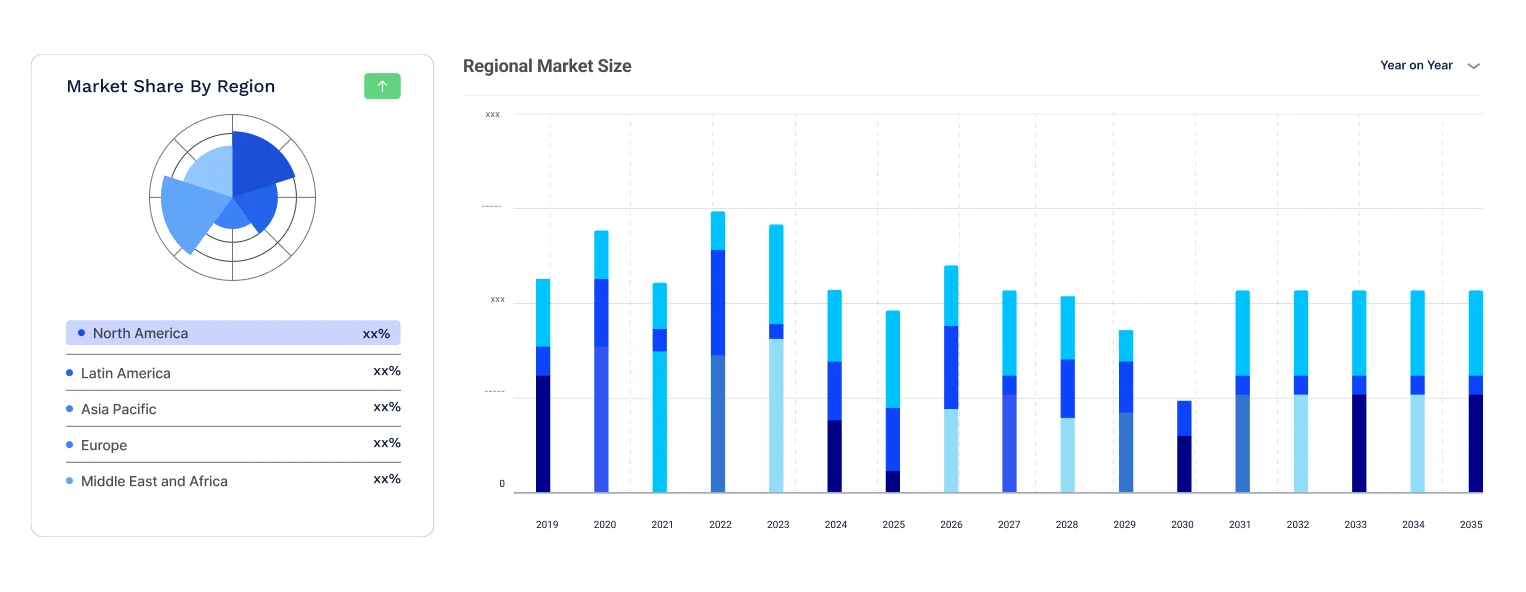
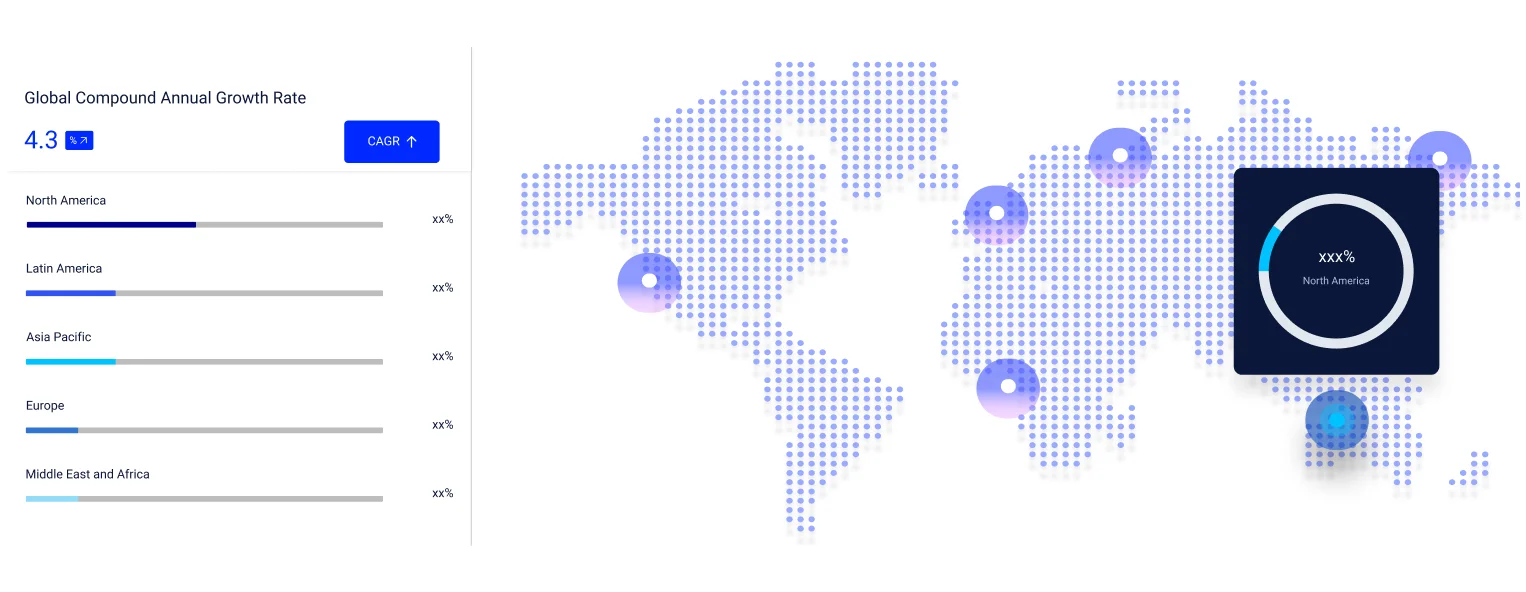
Key Insight: North America enjoys the advantage of having a well-established cyber security budget, established vendor network, and adoption in regulated sectors. The European unified threat management market is influenced by the aspect of data protection, NIS2 Directive requirements, and control within key organizations. The APAC region is driven by the digitization process, expansion of the cloud, and connectivity within business and public infrastructures. Latin America offers opportunities owing to the modernization of networks in firms and mitigating ransomware threats, while managed service solutions assist in overcoming skill shortages.
Read more about this report - REQUEST FREE SAMPLE COPY IN PDF
Hardware components continue to lead the market owing to dedicated appliances and reliable network protection
Hardware continues to be the leading component in the unified threat management market. This is because companies require specialized hardware to implement their perimeter security policies, analyze traffic at wire speeds, and ensure high availability of connections among headquarters, branch offices, and manufacturing facilities. Physical gateways also offer predictable performance for intrusion prevention, VPN termination, and encryption analysis. Companies with outdated systems also opt for appliance-based security updates to match their existing systems and acquisition cycles. For example, in March 2026, HPE introduced SRX400 firewalls and hybrid mesh security enhancements, strengthening AI governance, threat protection, and enterprise resilience.
Virtual UTM is the highest growing segment in the unified threat management market since companies continue to expand their security coverage to cloud computing environments, virtual networks, and software-defined networks. Virtual systems provide flexibility in terms of provisioning as well as scalability based on traffic patterns. They target companies with hybrid IT infrastructure, multi-clouds environments, and temporary workloads.
Consulting services boost demand in the market owing to deployment planning and technical expertise
Consulting is a dominant service as UTM implementations demand evaluation of network topology, risks, compliance requirements, and existing security solutions. Consulting experts enable companies to choose appropriate hardware or software, implement segmentation rules, organize migration processes, and deploy gateway services within identity, endpoints, and monitoring solutions. Such initiatives are vital for highly regulated organizations and large multi-branch companies where wrong policy settings may disrupt operations or create vulnerabilities. In November 2023, Marlink launched CyberGuard UTM, integrating firewall protection, intrusion prevention, antivirus, and web filtering for maritime networks.
Managed UTM is one of the fastest-growing services for companies with limited IT staff, who need always-on protection but do not want to create their own security operation center from scratch. In this unified threat management market scenario, service providers configure gateways, monitor notifications, manage threat signatures, tune policies, and respond to incidents at customer locations.
On-premise deployment leads adoption due to control and compliance requirements, supporting growth in the market
On-premise deployment in the unified threat management industry remains popular where there is a need for direct control of security infrastructure, traffic management, and data. Appliances deliver consistent inspection performance and serve networks that have constraints on latency, availability, or data processing. Financial institutions, manufacturing companies, government departments, and other large corporations might want to deploy gateways within their current network and internal monitoring framework. In October 2026, Strike48 launched an autonomous security appliance supporting on-premises and air-gapped deployments, protecting sensitive data while reducing AI operational costs.
The most rapidly growing deployment model is cloud-based due to distributed applications, users, and data hosted on public clouds and in hybrid environments, further stimulating the overall unified threat management market development. Cloud-managed UTM allows configuring security policies centrally and scaling up the capacity without deploying appliances everywhere. For example, in November 2026, Palo Alto Networks introduced unified SaaS and cloud security, covering 100 applications with AI-powered risk detection and remediation.
Large enterprises account for the dominant market share since complex networks require coordinated security
Large enterprises are the most prevalent company-size segment since extensive networks, many business units, and scattered sites make huge demands for coordinated security management, further contributing to the unified threat management market revenue. Such companies require advanced firewalling, intrusion prevention, application control, remote VPN access, and centralized policy management. The presence of sophisticated cyber threats and third-party interactions necessitates the implementation of integrated security solutions. In November 2026, Check Point introduced subscription-based firewalls featuring AI-powered threat prevention, agentic management, and scalable security without upfront hardware investments.
Small and medium businesses are the fastest growing company-size segment in the unified threat management market owing to expanding exposure caused by cloud services, electronic payment systems, remote access capabilities, and interconnected applications. These businesses often lack specialized cybersecurity employees. Therefore, bundled UTM appliances are becoming viable options to standalone security solutions. The vendors of security products focus on serving this particular market segment.
North America continues to dominate the market owing to increasing cybersecurity spending
The North American unified threat management industry continues to lead in terms of share on account of the large-scale enterprise IT infrastructure, robust cybersecurity investments, and an advanced security vendor ecosystem. Businesses from financial services, healthcare, government, retail, and technology require comprehensive protection for their distributed networks and cloud-based activities. In August 2025, SonicWall introduced nine next-generation firewalls featuring unified management, integrated Zero Trust access, and co-managed security services.
The Asia Pacific region represents the fastest growing regional unified threat management market as organizations move forward with cloud computing and automation and connect their branch offices, manufacturing units, and even government services. Digital growth in India, China, Japan, South Korea, and Southeast Asia calls for greater network and customer platform protection. SMBs are increasingly turning to managed security offerings due to the uneven distribution of specialized skills. National government cybersecurity policies and investments in telecommunications and critical infrastructure drive the adoption of perimeter security solutions.
The competition in the market currently focuses mainly on integration of platforms, accuracy of threat prevention, performance, and simplification of security management. Unified threat management market players are working on AI-driven threat detection, inspection of encrypted traffic, cloud-enabled gateways and security platforms to cater to the challenges posed by ever-growing complexity and distribution of corporate networks. Another key trend is the development of power efficient appliances that offer better performance and do not involve additional expenditures for the expansion of the IT infrastructure.
Unified threat management companies are also aiming at managed service providers via multi-tenant interfaces, automation of policy management and security as a service models. There are opportunities in the areas of industrial cybersecurity, protection of small businesses, and hybrid clouds where firms need uniform security solutions in both physical and virtual networks. Companies are building alliances with telecom operators, cloud providers, and security consulting firms to diversify their distribution channels. Differentiation can be based on quality of threat intelligence, fast response to the new vulnerabilities, compatibility, and reduction of false positives.
WatchGuard Technologies, based in the United States, was founded in 1996. The company delivers a variety of cybersecurity solutions which are tailored for managed service providers and small and medium enterprises. WatchGuard products include Firebox Network Security appliances, intrusion prevention, secure WiFi, multi-factor authentication, and endpoint protection.
Founded in California, United States, Check Point Software Technologies was established in 1993, and it delivers network, cloud, and endpoint security solutions via its Infinity Platform. The products it offers include Quantum Security Gateways, intrusion prevention, application control, and advanced threat prevention.
Founded in 1996 Juniper Networks is headquartered in the United States. It designs, develops, and supplies networking and security technology to enterprises, service providers, and cloud operators. The SRX Series Services Gateways by Juniper Networks offer services such as firewalling, intrusion prevention, VPN, and application security.
Fortinet is an organization that was founded in 2000 and is based in California, United States, and offers cybersecurity and networking technology through its Fortinet Security Fabric. It provides services using next-generation firewalls such as intrusion prevention, application control, VPN, and AI-based threat intelligence.
Other key players in the market include Huawei Technologies Co., Ltd., Untangle, Inc., Cisco Systems, Inc., and Barracuda Networks, Inc., among others.
*Please note that this is only a partial list; the complete list of key players is available in the full report. Additionally, the list of key players can be customized to better suit your needs.*
Unlock the latest insights with our unified threat management market trends 2026 report. Discover regional growth patterns, consumer preferences, and key industry players. Stay ahead of competition with trusted data and expert analysis. Download your free sample report today and drive informed decisions in the market.


Upto 15% Off
USD
$2499 $2249
$3999 $3599
$4999 $4249
$5999 $5099


*While we strive to always give you current and accurate information, the numbers depicted on the website are indicative and may differ from the actual numbers in the main report. At Expert Market Research, we aim to bring you the latest insights and trends in the market. Using our analyses and forecasts, stakeholders can understand the market dynamics, navigate challenges, and capitalize on opportunities to make data-driven strategic decisions.*
In 2025, the market reached an approximate value of USD 7.77 Billion.
The market is projected to grow at a CAGR of 13.90% between 2026 and 2035.
The major market drivers include the frequent incidences of cyberattacks, adoption of advanced security solutions to combat cybercrime, and advancements in technology.
The key market trends include rising adoption of cloud security, increasing internet penetration, and growing usage of web applications.
The major regions in the market are North America, Latin America, Europe, Middle East and Africa, and the Asia Pacific, with North America accounting for the largest share in the market.
The major components in the global unified threat management market are hardware, software, and virtual.
The various services in the market are consulting, support and maintenance, and managed UTM.
The deployment modes for unified threat management in the market are cloud and on-premises.
The various company sizes include large enterprise and small and medium enterprise.
The key players in the market include WatchGuard Technologies, Inc., Check Point Software Technologies Ltd., Juniper Networks, Inc., Fortinet, Inc., Huawei Technologies Co., Ltd., Untangle, Inc., Cisco Systems, Inc., and Barracuda Networks, Inc., among others.
Companies are facing rising development costs, sophisticated zero-day attacks, encrypted traffic inspection complexity, cybersecurity talent shortages, hardware performance limitations, and pricing pressure while maintaining interoperability across diverse enterprise networks.
Stakeholders are expanding AI-powered capabilities, strengthening MSP partnerships, developing scalable virtual appliances, improving encrypted traffic inspection, and targeting underserved SMEs through flexible subscription-based security offerings.
Explore our key highlights of the report and gain a concise overview of key findings, trends, and actionable insights that will empower your strategic decisions.
| REPORT FEATURES | DETAILS |
| Base Year | 2025 |
| Historical Period | 2019-2025 |
| Forecast Period | 2026-2035 |
| Scope of the Report |
Historical and Forecast Trends, Industry Drivers and Constraints, Historical and Forecast Market Analysis by Segment:
|
| Breakup by Component |
|
| Breakup by Service |
|
| Breakup by Deployment Mode |
|
| Breakup by Company Size |
|
| Breakup by Region |
|
| Market Dynamics |
|
| Competitive Landscape |
|
| Companies Covered |
|
| Report Price and Purchase Option | Explore our purchase options that are best suited to your resources and industry needs. |
| Delivery Format | Delivered as an attached PDF and Excel through email, with an option of receiving an editable PPT, according to the purchase option. |
Datasheet
One User
USD 2,499
USD 2,249
tax inclusive*
Single User License
One User
USD 3,999
USD 3,599
tax inclusive*
Five User License
Five User
USD 4,999
USD 4,249
tax inclusive*
Corporate License
Unlimited Users
USD 5,999
USD 5,099
tax inclusive*
*Please note that the prices mentioned below are starting prices for each bundle type. Kindly contact our team for further details.*
Flash Bundle
Small Business Bundle
Growth Bundle
Enterprise Bundle
*Please note that the prices mentioned below are starting prices for each bundle type. Kindly contact our team for further details.*
Flash Bundle
Number of Reports: 3
20%
tax inclusive*
Small Business Bundle
Number of Reports: 5
25%
tax inclusive*
Growth Bundle
Number of Reports: 8
30%
tax inclusive*
Enterprise Bundle
Number of Reports: 10
35%
tax inclusive*
How To Order

Select License Type
Choose the right license for your needs and access rights.

Click on ‘Buy Now’
Add the report to your cart with one click and proceed to register.

Select Mode of Payment
Choose a payment option for a secure checkout. You will be redirected accordingly.
Strategic Solutions for Informed Decision-Making
Gain insights to stay ahead and seize opportunities.

Get insights & trends for a competitive edge.

Track prices with detailed trend reports.

Analyse trade data for supply chain insights.

Leverage cost reports for smart savings

Enhance supply chain with partnerships.

Connect For More Information
Our expert team of analysts will offer full support and resolve any queries regarding the report, before and after the purchase.
Our expert team of analysts will offer full support and resolve any queries regarding the report, before and after the purchase.
We employ meticulous research methods, blending advanced analytics and expert insights to deliver accurate, actionable industry intelligence, staying ahead of competitors.
Our skilled analysts offer unparalleled competitive advantage with detailed insights on current and emerging markets, ensuring your strategic edge.
We offer an in-depth yet simplified presentation of industry insights and analysis to meet your specific requirements effectively.




