

Consumer Insights
Uncover trends and behaviors shaping consumer choices today
Procurement Insights
Optimize your sourcing strategy with key market data
Industry Stats
Stay ahead with the latest trends and market analysis.

The United States edtech market size was valued at USD 100.81 Billion in 2025. The industry is expected to grow at a CAGR of 5.00% during the forecast period of 2026-2035 to reach a value of USD 164.21 Billion by 2035. The market is increasingly propelled by the convergence of AI-driven personalized learning and human-AI hybrid instructional models.
Different educational institutions are increasingly using different educational platforms that judiciously allocate children's lessons, tests, and contents according to the ability of the student, thus enabling differentiated learning at scale. At the same time, hybrid systems, as it were, are still giving more power to teachers and tutors by offering AI guidance that is available in real-time, thus leading to an increase in the quality of instructional and a reduction in workload.
One of the leading examples of this is the acquisition of Pango Education by Imagine Learning in December 2024, which, by shortening the distance of its AI-powered K-12 solutions, allows educators to produce custom lesson plans and assessments in a very efficient manner. In addition to that, research on Tutor CoPilot (2024–2025) found that AI-assisted hybrid tutoring has a great potential in substantially improving student learning outcomes. Together these changes create a more personalized approach to learning, raise the teacher's ability level, and set the integration of AI as a major driver of the United Stated edtech market development.
Base Year
Historical Period
Forecast Period
Compound Annual Growth Rate
5%
Value in USD Billion
2026-2035
*this image is indicative*
| United States EdTech Market Report Summary | Description | Value |
| Base Year | USD Billion | 2025 |
| Historical Period | USD Billion | 2019-2025 |
| Forecast Period | USD Billion | 2026-2035 |
| Market Size 2025 | USD Billion | 100.81 |
| Market Size 2035 | USD Billion | 164.21 |
| CAGR 2019-2025 | Percentage | XX% |
| CAGR 2026-2035 | Percentage | 5.00% |
| CAGR 2026-2035 - Market by Region | Southeast | 14.7% |
| CAGR 2026-2035 - Market by Region | New England | 13.8% |
| CAGR 2026-2035 - Market by Product Type | Hardware | 16.9% |
| CAGR 2026-2035 - Market by Application | K-12 Education | 16.7% |
| Market Share by Region | Southwest | 9.4% |
The growth of United States edtech market is attributed to the merger and acquisition activities that is popularly being used as an effective strategy among the firms to expand the coverage of their products and extend their market scope. For instance, in July 2024, KKR in conjunction with Dragoneer took over Instructure Holdings (Canvas) with USD 4.8 billion. The move consolidated the resource pool for product innovation and further scalability. These kinds of deals empower edtech providers with several benefits such as the integration of complementary solutions, the extension of customer bases, and accelerate their development.
In recent years, the growing implementation of technology in the United States education industry has emerged as the rising trend in the United States edtech market. Support for students with learning difficulties is accelerating the adoption of new technologies in education. Schools are using digital correction tools and adaptive learning platforms to better assist these learners. This shift is transforming the day-to-day learning experience for K–12 students with special needs. For instance, in February 2023, leading edtech firm Imagine Learning, with the acquisition of Winsor Learning, launched Imagine Ascend, a digital environment to provide solutions for structured literacy and intervention in special education. These efforts offer schools with evidence-based interventions en masse, which leads to learner diversity and pace of EdTech integration in different school districts.
Major organizations in the United States edtech market landscape are broadening their horizons beyond the national borders and are adapting their products to various learner groups. In April 2025, Seesaw purchased Little Thinking Minds, a startup in MENA producing Arabic literacy content, with the purpose of enriching the multilingual region with new offerings. These expansion plans allow markets to have culturally relevant instructional content, and thus they can become stronger players in the foreign market. Taking the global demand into consideration, they can add foreign revenue streams and still be able to provide educational solutions to an even bigger audience, positioning internationalization as a leading growth factor.
The United States edtech market is experiencing a surging demand for experiential learning solutions, which has led to the use of AR/VR platforms in the hands-on STEM and vocational training fields. Exemplifying this trend, in March 2025, zSpace expanded its immersive products by acquiring Blockscad, a 3D design and coding platform for K–12 STEM curricula. With the help of AR/VR technology and by using coding and design tools, zSpace offers students interactive and practical learning experiences. The growing adoption of this next-generation educational technology trend across schools results in higher engagement, deeper understanding, and more schools making use of it, which is likely to support market growth.
The United States EdTech market is heavily influenced by the commitment to the teacher AI-training programs focused on integrating technology in the classrooms. To increase AI literacy, cut digital divides, and allow teachers to use AI tools in a responsible way for personalized learning, school districts are spending money on educator upskilling. To cite and instance, the National Academy for AI Instruction was launched by the American Federation of Teachers (AFT), in partnership with Microsoft, OpenAI, and other stakeholders, in July 2025 to train K–12 educators across the United States on how to integrate AI tools effectively into teaching practice. This movement towards teacher professional development and AI fluency is boosting AI adoption.
The EMR’s report titled “United States Edtech Market Report and Forecast 2026-2035” offers a detailed analysis of the market based on the following segments:
Market Breakup by Product
Key Insights: The United States edtech market scope comprises hardware, software, content, services, and hybrid models to cater to the diverse educational needs. On one hand, hardware manufacturers are launching AR/VR gadgets and interactive displays to facilitate the interaction of students with the content, and, on the other hand, software developers are upgrading LMS, AI-driven analytics, and adaptive platforms. In case of content, companies focus on interactive, standards-aligned curricula; as an instance, Newsela made an acquisition of Generation Genius in February 2025, thus adding video-based math and science resources to its K–12 portfolio. Service providers facilitate professional development and offer tutoring services, whereas hybrid models utilize AI-driven instruction combined with human teaching, thereby allowing scalable and personalized learning solutions.
Market Breakup by Application
Key Insights: The United States edtech market encompasses K–12, Higher Education, Corporate Training, Lifelong Learning, and other segments, with the company in each segment actively involved in expansion of offerings and innovation. Khan Academy and Newsela are engaging in the creation of interactive, personalized educational content for K–12, whereas Coursera Inc. and 2U, Inc. are working on enhancement of LMS platforms and virtual labs for the Higher Education sector. BYJU'S and Udacity, Inc. concentrate on the provision of skill upgrade and professional development courses. Instructure, Inc. is moving forward with AI tutoring and analytics integration. Present and future trends supported by technology include AI-driven personalization, hybrid learning, immersive AR/VR, and adaptive content, all of which collectively allow implementation of flexible, scalable, and technology-driven learning across all segments.
Market Breakup by Region
Key Insights: Regionally, New England and the Far West contribute significantly to the United States edtech market value, as companies such as Coursera Inc. and 2U, Inc. are engaged in amplifying LMS platforms and virtual degree programs. Southeast and Southwest K–12 schools are beneficiaries of the efforts of Khan Academy and Newsela, who were instrumental in these regions with their interactive content. Mideast and Great Lakes are the regions where Udacity, Inc. pays attention to corporate training and upskilling, while Philosopher's Stone and BYJU'S help with AI-driven tutoring and analytics in the Plains and Rocky Mountain regions. There is a consistent use of the strategy by all these regions to deploy hybrid learning, immersive AR/VR instruments, and adaptive content to elevate the level of engagement and to scale the personalization of learning.
By product, hardware is witnessing high demand
Demand for hardware in United States edtech sector is growing as schools purchase more AR/VR devices to offer immersive, interactive learning. As a result, zSpace caught the attention of investors in 2025 with its headset-free AR/VR laptop system designed for elementary education, emphasizing the transition to experiential hardware tools. Such devices enable engaging STEM simulations, design thinking, and career readiness. Additionally, widespread availability of these devices at affordable prices is boosting its rate of adoption, thus making hardware a strategic growth lever in future classrooms.
Software solutions account for a substantial share of the United States edtech market revenue owing to the increasing more emphasis on the support they provide to the back official activities in terms of insights and financial planning rather than only classroom instruction. For instance, in January 2024, PowerSchool acquired Allovue, a K-12 platform for financial planning and analytics, to offer local districts real-time budgeting, resource allocation, and transparency through its suite. By merging student data systems with budgeting analytics, vendors empower districts to be data-driven in decision-making. It also promotes fiscal equity, and maximize resource use, thereby deepening software engagement.
By application, corporate training registers notable growth
As corporations look for digital upskilling and reskilling solutions, corporate training has become a key application driving growth in the United States edtech market. To train a large number of employees in a short period, companies are investing in scalable, AI-driven learning solutions. Citing an instance, the university-partner Eruditus raised USD 150 million in refinancing in September 2025 to extend its enterprise learning programs and to increase the professional education offerings. It is indicative of a wider trend where edtech companies are heavily investing in executive education sector of the United States as a solution for the corporate staff.
The lifelong learning application of the educational technology market in the United States is mainly dependent on the platforms that prioritize upskilling, skill-based micro-credentials, and AI-enhanced content. New professional certificates are being introduced by companies in collaboration with industry leaders, and they are integrating these certificates into AI chatbots and career tools. To give an example, in October 2025, Coursera collaborated with OpenAI to embed learning features directly into ChatGPT, which made it possible for professionals to get access to reliable, quick, educational content in their routine conversations.
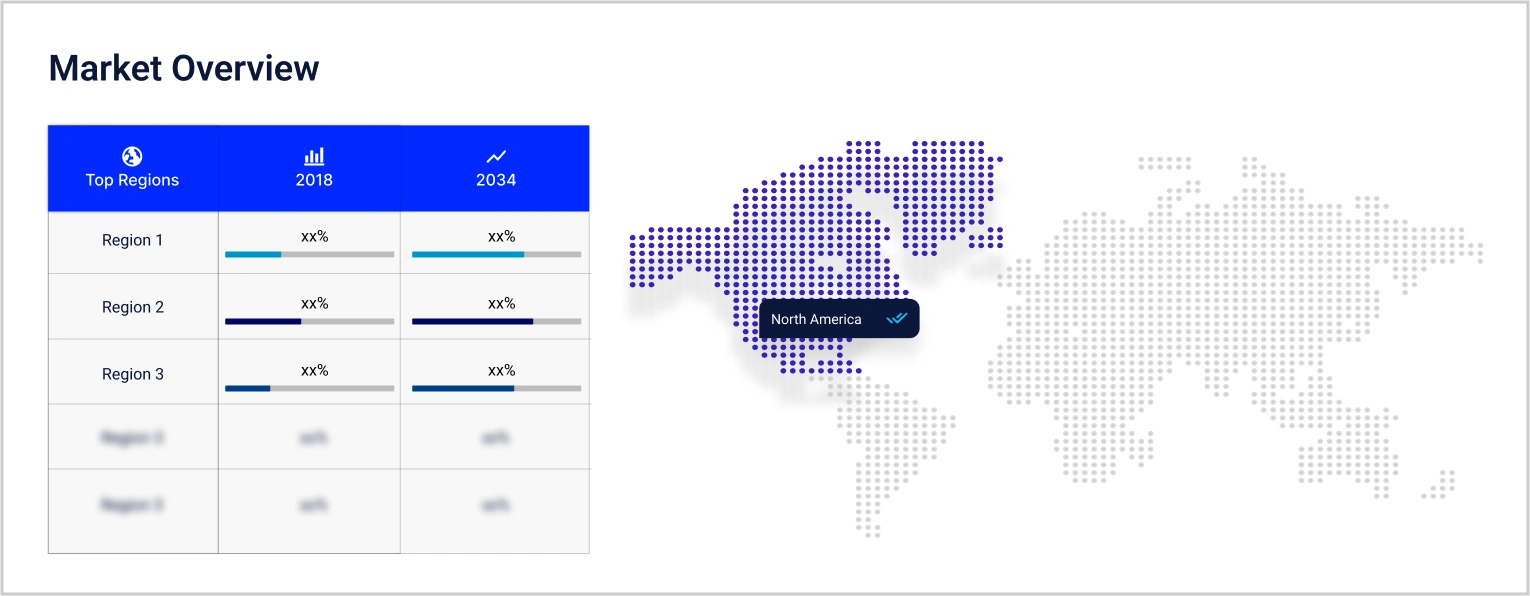
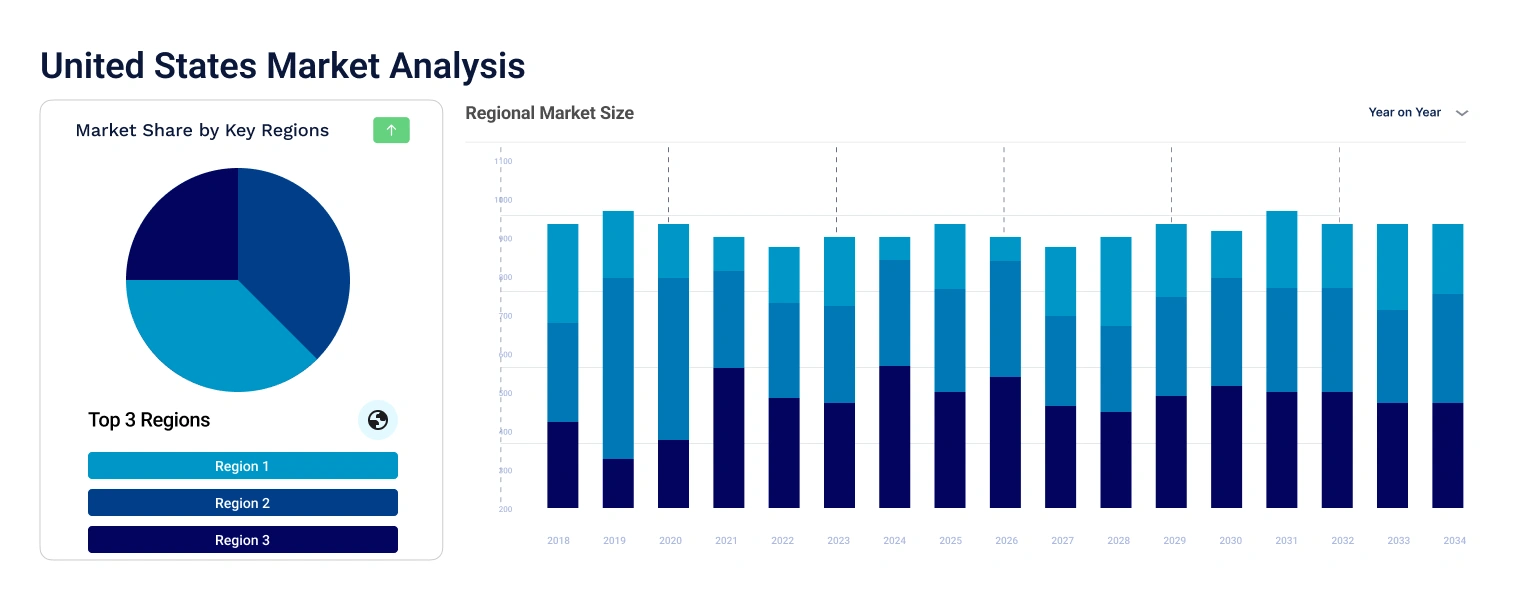
By region, New England is emerging as a hotspot
New England is rapidly becoming a center of innovation in the United States edtech market. The region's universities and tech-savvy districts are actively expanding digital learning. Several platforms providing flexible degree models, analytics, and online delivery are prospering in the area, which is a direct reflection of the strong institutional ecosystem and high level of digital readiness. As an illustration, in November 2023, 2U, Inc. entered into agreements with six universities to introduce 50 new online degree programs under its "flex" model. This move not only positions New England as a key player in the expansion of online education but also is indicative of a wider use of sophisticated EdTech solutions.
Meanwhile, the United States edtech market growth in the region of Southeast is following a steep upward trend. K-12 school districts in the Southeast are immersing themselves increasingly in the use of experiential and immersive technologies with the aim of attracting students and customizing their learning paths. The area's focus on STEM, literacy, and engaging content is turning it into a testing ground for the next innovations in the classroom. For instance, Cobb County School District in Georgia launched VR headsets along with the Prisms of Reality platform in 20 middle and high schools to raise student interest in maths and science in August 2024. Such a trend that uncovers the Southeast's strategic shift towards education by direct experience and tech-heavy education contributes to the market growth.
| CAGR 2026-2035 - Market by | Region |
| Southeast | 14.7% |
| New England | 13.8% |
| Mideast | 12.7% |
| Plains | 11.8% |
| Great Lakes | XX% |
| Southwest | XX% |
| Rocky Mountain | XX% |
| Far West | XX% |
The top United States edtech market players are upgrading their platforms in a strategic manner by utilizing acquisitions, partnerships, and AI integration. Imagine Learning and Instructure are broadening their product portfolios while AI-powered personalization tools are being implemented to assist student outcomes. By embracing adaptive learning, immersive technologies, and global expansion, these players are not only committed to meeting the educational demands of the diverse but also to increase their market presence and keep their competitive advantage.
Following the latest trends in the United States edtech market, the support of teachers and the operational efficiency are the other main concerns of the eLearning companies. Seesaw and zSpace as two representatives of such platforms, are launching multilingual content, AR/VR experiences, and hybrid learning models. These changes allow the deployment of scalable solutions for K–12 and higher education while at the same time solving the problems of accessibility, engagement, and workforce readiness. The continuous innovation, which is funded by investments and partnerships, gives these companies the chance to achieve the sustained adoption they want, both in the domestic and international markets.
Coursera Inc. is a premier online learning platform that was created in 2012 and is situated in Mountain View, California. It offers courses, certifications, and degree programs from the best universities globally. The company aims to give education that is affordable and skill-focused across different domains, thus making it suitable for learners anywhere in the world.
Udacity, Inc. came into being in 2011 and is a company located in Mountain View, California. The company's main emphasis is on "Nanodegree" programs that provide hands-on skills mainly in the fields of technology, AI, and data science. To make career-oriented courses that serve as the link between education and employment, the platform invites market leaders from the United States edtech industry as partners.
Khan Academy was established in 2008 and is a company based in Mountain View, California. It is a non-profit educational organization that provides free, high-quality online tutorials for K–12 subjects. The platform's main point is personalized learning where students can move ahead according to their own abilities through interactive exercises and instructional videos.
Instructure, Inc. came into being in 2008 and is situated in Salt Lake City, Utah. The company is known mostly for its Canvas learning management system (LMS). It develops digital tools that can be used in K–12 and higher education institutions to help teaching, learning, and administrative activities become more efficient through the use of technology.
*Please note that this is only a partial list; the complete list of key players is available in the full report. Additionally, the list of key players can be customized to better suit your needs.*
Other players in the market include 2U, Inc., and BYJU'S, among others.
Explore the latest trends shaping the United States Edtech Market 2026-2035 with our in-depth report. Gain strategic insights, future forecasts, and key market developments that can help you stay competitive. Download a free sample report or contact our team for customized consultation on United States edtech market trends 2026.


Upto 15% Off
USD
$2499 $2249
$3999 $3599
$4999 $4249
$5999 $5099


*While we strive to always give you current and accurate information, the numbers depicted on the website are indicative and may differ from the actual numbers in the main report. At Expert Market Research, we aim to bring you the latest insights and trends in the market. Using our analyses and forecasts, stakeholders can understand the market dynamics, navigate challenges, and capitalize on opportunities to make data-driven strategic decisions.*
Get in touch with us for a customized solution tailored to your unique requirements and save upto 35%!
In 2025, the United States edtech market reached an approximate value of USD 100.81 Billion.
The market is projected to grow at a CAGR of 5.00% between 2026 and 2035.
The key players in the market include Coursera Inc., Udacity, Inc., Khan Academy, Instructure, Inc., 2U, Inc., BYJU'S, and other companies.
The significant strategies fueling the growth of the market include M&A to broaden product portfolios, AI-powered personalization, hybrid learning, adoption of AR/VR and immersive technologies, global expansion, and partnership formation to improve platform offerings and customer base.
Some of the important issues confronting the EdTech market in the US are concerns about privacy and data security, the high cost of implementation, lack of digital infrastructure, content localization for diverse learners, educators' resistance to technology, and compliance with regulations across states.
Explore our key highlights of the report and gain a concise overview of key findings, trends, and actionable insights that will empower your strategic decisions.
| REPORT FEATURES | DETAILS |
| Base Year | 2025 |
| Historical Period | 2019-2025 |
| Forecast Period | 2026-2035 |
| Scope of the Report |
Historical and Forecast Trends, Industry Drivers and Constraints, Historical and Forecast Market Analysis by Segment:
|
| Breakup by Product Type |
|
| Breakup by Application |
|
| Breakup by Region |
|
| Market Dynamics |
|
| Competitive Landscape |
|
| Companies Covered |
|
Datasheet
One User
USD 2,499
USD 2,249
tax inclusive*
Single User License
One User
USD 3,999
USD 3,599
tax inclusive*
Five User License
Five User
USD 4,999
USD 4,249
tax inclusive*
Corporate License
Unlimited Users
USD 5,999
USD 5,099
tax inclusive*
*Please note that the prices mentioned below are starting prices for each bundle type. Kindly contact our team for further details.*
Flash Bundle
Small Business Bundle
Growth Bundle
Enterprise Bundle
*Please note that the prices mentioned below are starting prices for each bundle type. Kindly contact our team for further details.*
Flash Bundle
Number of Reports: 3
20%
tax inclusive*
Small Business Bundle
Number of Reports: 5
25%
tax inclusive*
Growth Bundle
Number of Reports: 8
30%
tax inclusive*
Enterprise Bundle
Number of Reports: 10
35%
tax inclusive*
How To Order

Select License Type
Choose the right license for your needs and access rights.

Click on ‘Buy Now’
Add the report to your cart with one click and proceed to register.

Select Mode of Payment
Choose a payment option for a secure checkout. You will be redirected accordingly.
Gain insights to stay ahead and seize opportunities.

Get insights & trends for a competitive edge.

Track prices with detailed trend reports.

Analyse trade data for supply chain insights.

Leverage cost reports for smart savings

Enhance supply chain with partnerships.

Connect For More Information
Our expert team of analysts will offer full support and resolve any queries regarding the report, before and after the purchase.
Our expert team of analysts will offer full support and resolve any queries regarding the report, before and after the purchase.
We employ meticulous research methods, blending advanced analytics and expert insights to deliver accurate, actionable industry intelligence, staying ahead of competitors.
Our skilled analysts offer unparalleled competitive advantage with detailed insights on current and emerging markets, ensuring your strategic edge.
We offer an in-depth yet simplified presentation of industry insights and analysis to meet your specific requirements effectively.





Share