

Consumer Insights
Uncover trends and behaviors shaping consumer choices today
Procurement Insights
Optimize your sourcing strategy with key market data
Industry Stats
Stay ahead with the latest trends and market analysis.
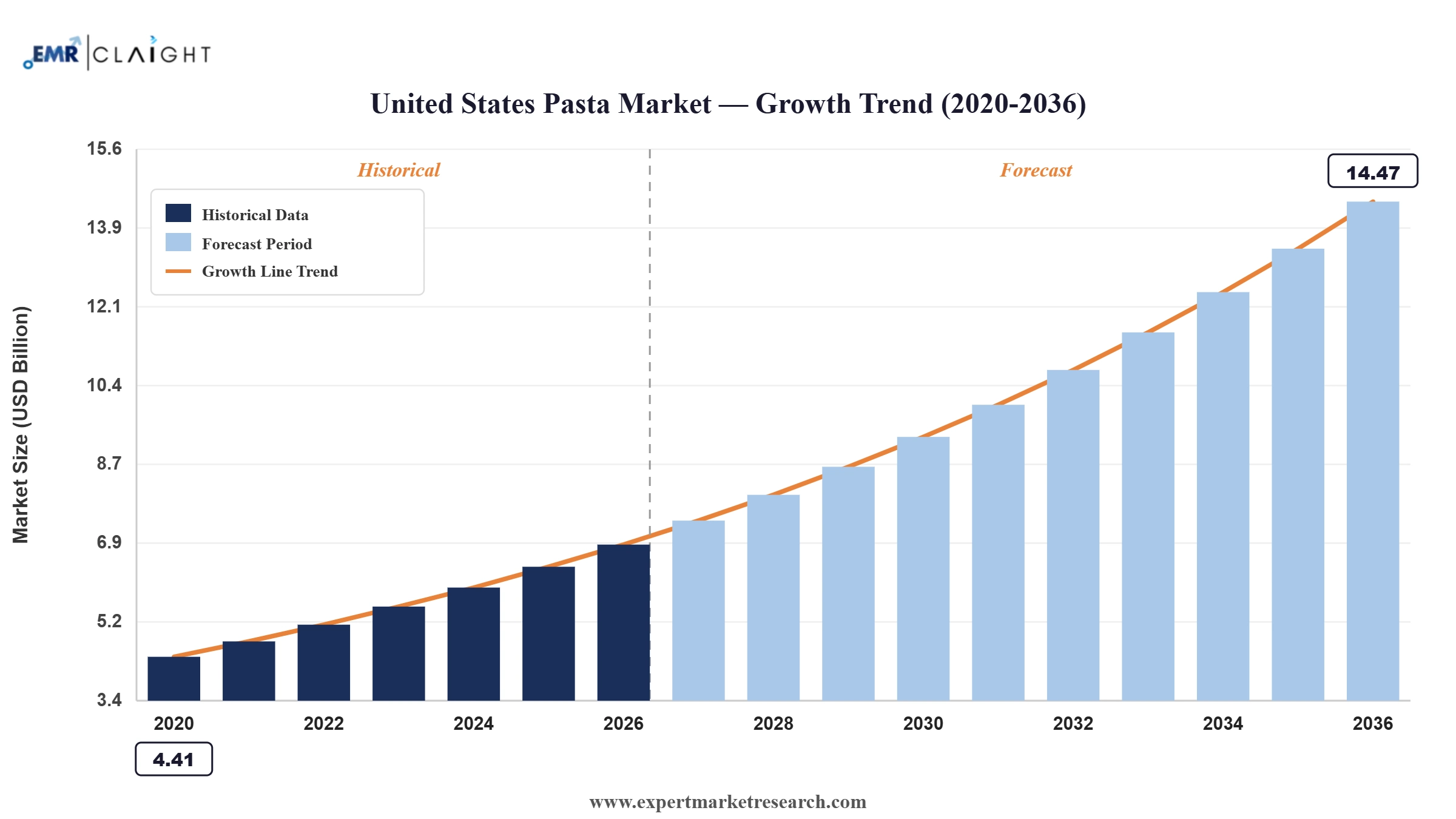
The United States pasta market attained a value of USD 6.40 Billion in 2025 and is projected to expand at a CAGR of 7.70% through 2035. The market is further expected to achieve USD 13.44 Billion by 2035. The growing interest in protein-enhanced comfort food solutions is inspiring companies to create new formulas for familiar pasta categories while ensuring performance, textures, and eating habits of consumers are not compromised.
The United States pasta market is shifting from the typical wheat-based products as the industry players seek to innovate around protein, fiber, low-carbohydrates, gluten-free options, and unique sensory profiles of foods. General Mills has taken advantage of its 'better for you' pasta offerings through a new product called Carbe Diem which is a wheat-based pasta product and has 55% fewer net carbs as well as 24 grams of fiber in every serving. This brand was designed for distribution across 3,000 retail outlets by the year 2025 indicating how traditional food firms are applying venture-backed product development to meet the nutritionally focused consumers without compromising on the classic pasta texture.
Another area of innovation in the United States pasta market is ingredients. For instance, Banza introduced a new product in April 2026 named Wheat Protein Pasta which is a blend of semolina wheat and chickpeas offering 22 grams of protein as well as 7 grams of fiber in each serving. Raw materials and pasta makers are concurrently prioritizing reliability of supply and formulation differentiation. According to the USDA, United States and Canadian durum wheat milling for flour and semolina was at 76.6 million bushels in 2025, up 4% compared to 2024. This is important for companies since durum supplies have significant linkages with quality and efficiency of semolina products.
Companies in the United States pasta market are developing formulas featuring the well-known properties of wheat combined with legumes, fiber, or protein ingredients to offer wellness solutions without making their offerings substitutes. In addition, retailers are allocating additional shelf space for differentiated pastas especially those with health benefits, unique shapes, free-from or easy-preparation options, making it easier for innovating brands.
Read more about this report - REQUEST FREE SAMPLE COPY IN PDF
Three traditional Italian pasta shapes were released by Pasta Rummo in honor of National Pasta Month. It allows expanding premium pasta types and adding diversity to American customers. United States pasta market companies have options for differentiation with unique regional pasta shapes, premium ingredients, and limited releases aimed at consumers who want to have better dining experience at home.
Rutter’s released its pasta menu adding new prepared food items tailored to quick-service and convenience store consumers. Companies have an opportunity to produce ready-to-cook, portion-controlled, and foodservice specific pasta products, supporting growth in the United States pasta market.
Ebro Foods made an announcement concerning the purchase of a United States-based pasta company, which would enhance its presence and increase manufacturing capabilities in the pasta category. Pasta firms can focus on acquisitions and establish partnerships in order to increase manufacturing capabilities, regional distribution, and category presence.
Barilla increased the size of its United States pasta factory by increasing its manufacturing capabilities in America. This would allow ingredient suppliers and equipment manufacturers to focus on expanding pasta factories in terms of processing and packaging systems.
Increased protein content is shaping up to be one of the most commercially viable innovation paths for American pasta. In July 2026, Chef Boyardee introduced high-protein canned pasta varieties, delivering at least 25g protein per serving nationwide. Barilla is further developing its Protein+ concept with such variants as Protein+ Stars that seek to offer a traditional pasta experience with additional protein positioning. This trend in the United States pasta market means that food brands are not replacing wheat with other products but adjusting formulas to increase nutritional values while keeping the pasta usage intact.
The United States pasta market is increasingly favoring nutritionally improved products that maintain familiar cooking methods and eating experiences. In May 2026, Felicia expanded better-for-you pasta distribution, combining clean-label ingredients, gluten-free options, and nutritional value with authentic Italian taste and texture. Moreover, in September 2025, Cizzle Brands launched HappiEats Sport Pasta, delivering 18 grams protein and 10 grams fiber per serving for sustained energy.
Legumes and chickpeas are becoming increasingly commercially viable raw material sources as pasta manufacturers seek protein-enriched and fiber-based alternatives. In September 2025, Brami scaled its lupini-based protein pasta into mass and club retail channels, expanding access to alternative-protein pasta products. This trend in the United States pasta market allows ingredient processors and agriculturists to provide reliable pulse-based materials for pasta manufacturers to use in their large-scale extrusion production. Manufacturers also need reliable colors, flavors, hydration, and textures as these are the elements that determine whether or not alternative-ingredient pasta can compete with traditional pasta.
Gluten-free pasta continues to be a major area of innovation, but the competitive landscape in the United States pasta market is evolving to reflect an increased focus on improved texture, formability, and cook quality over a mere gluten-free declaration. In August 2026, Giada De Laurentiis expanded Giadzy’s gluten-free pasta business, combining Italian ingredients, artisan shapes, and consumer-focused education. The Banza chickpea pasta portfolio highlights the current approach by food manufacturers to develop gluten-free pasta made of legumes and starch systems.
Shape engineering and premiumization strategies are currently being adopted by companies in the United States pasta market. They are developing their products on the basis of their eating experience. For instance, Banza's Cascatelli, which was developed by The Sporkful's Dan Pashman, is an example of the way a unique shape may be used as the basis for product development with reference to aspects such as sauceability, forkability, and texture. Similarly, the launch of Barilla's Al Bronzo line in May 2026 allows the producer to enter the premium segment while complementing its existing classic, gluten-free, chickpea, red lentil, Protein+, ready pasta, and wholegrain product lines.
The Expert Market Research's report titled “United States Pasta Market Report and Forecast 2026-2035” offers a detailed analysis of the market based on the following segments:
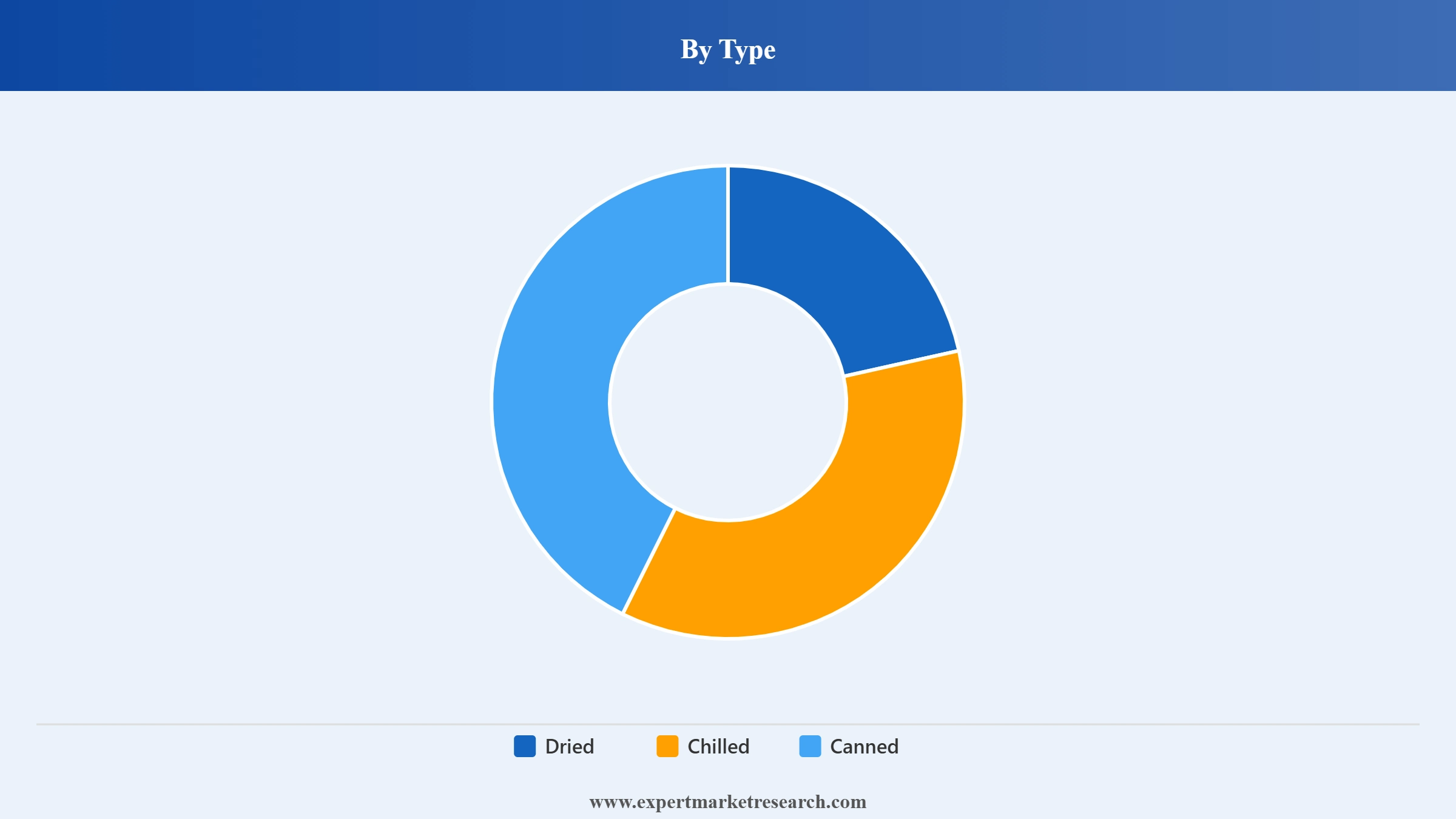
Market Breakup by Type
Key Insight: The dried pasta segment continues to hold its importance in the United States pasta market since producers can produce and sell this variant on a large scale. The chilled pasta category is important due to the need for fresher meals and faster preparation among consumers. In October 2026, Wildgrain partnered with Grip to optimize frozen pasta logistics using temperature-controlled warehouses, packaging algorithms, carrier selection, and weather-based shipping decisions. The canned pasta category drives demand through its longer shelf-life, convenience, and pre-prepared meals. Dried pastas are being differentiated by producers on account of proteins, fibers, whole grains, and alternative grains, whereas, on the other hand, the chilled pasta is about premium filling and fresh quality.
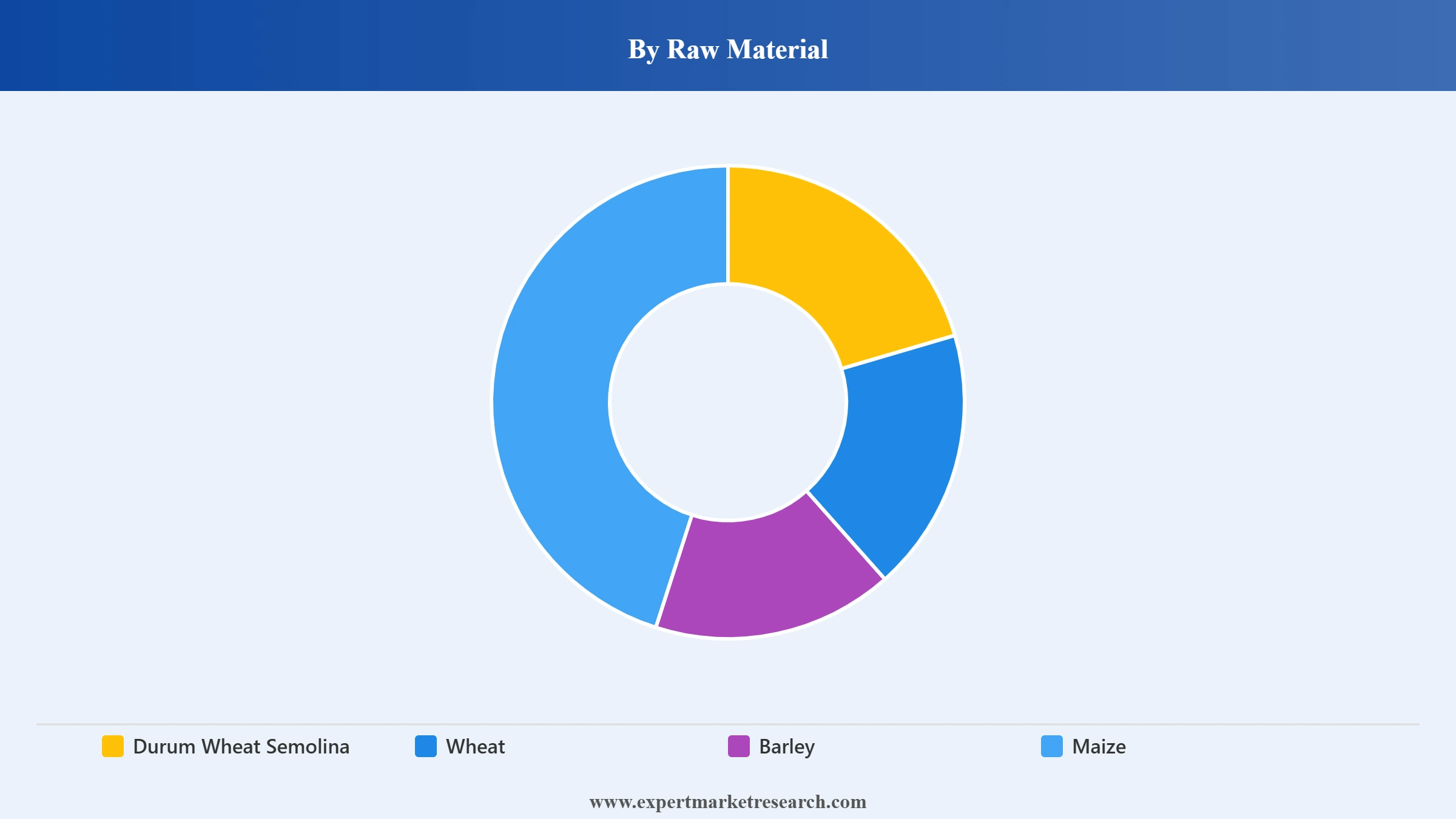
Market Breakup by Raw Material
Key Insight: As per the United States pasta market report, the durum wheat semolina continues to be a staple for traditional pastas since it brings about a dependable consistency along with well-known cookability. Wheat helps with extended formulas when manufacturers are aiming at normal flavor and cost efficiency. Barley opens up some possibilities with fiber-containing formulas and mixes, but there are limitations due to the gluten content. In September 2026, Barilla restructured United States pasta production, investing in efficiency and capacity while adapting operations to remain competitive amid challenging market conditions. There are other raw materials such as chickpeas, lentils, and peas that gain relevance as well.
Market Breakup by Distribution Channel
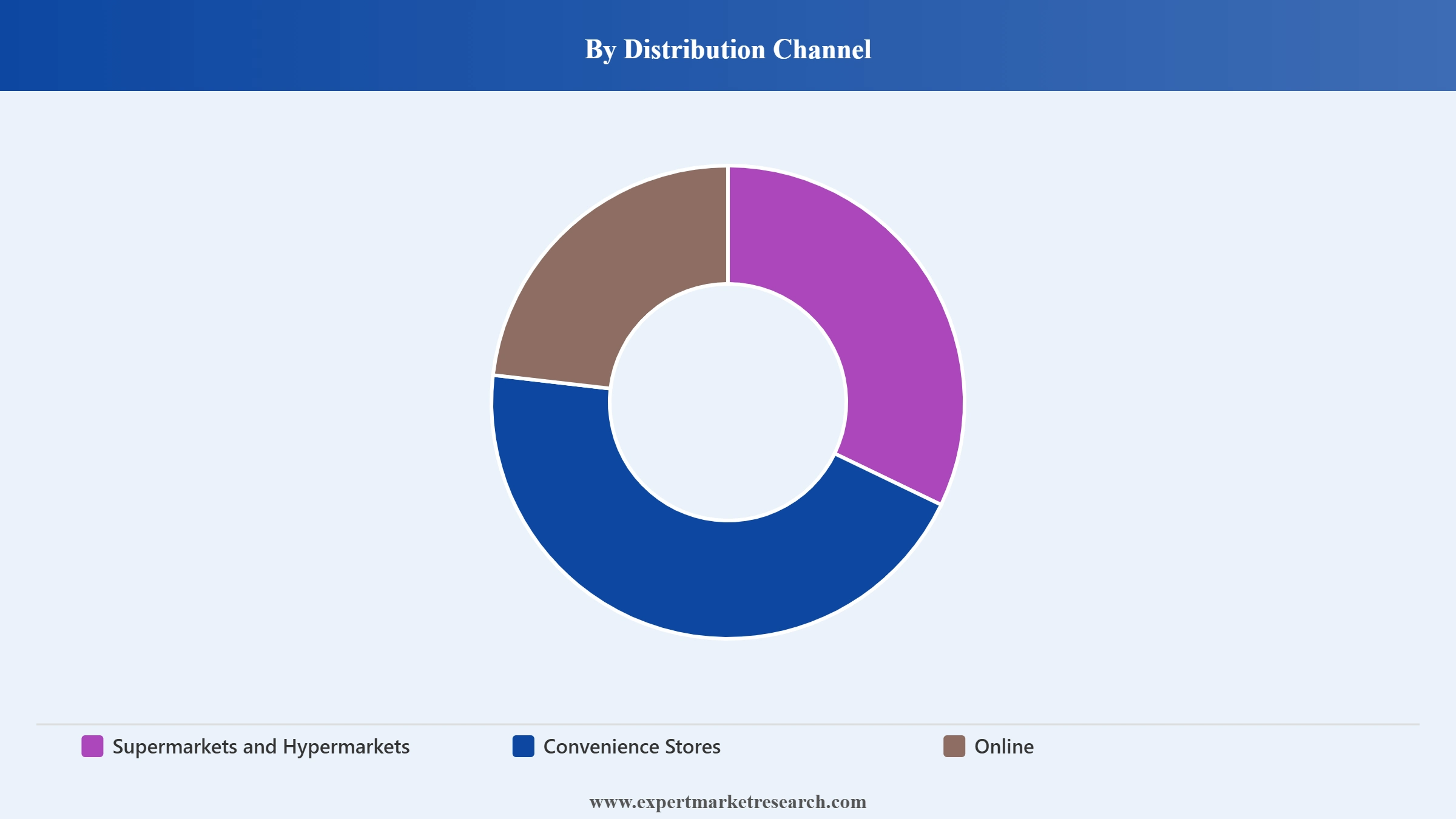
Key Insight: Supermarkets and hypermarkets continue to be vital since they offer extensive assortments and large customer traffic, boosting the overall United States pasta market revenue. Convenience stores assist in impulse shopping and small pack offerings, which is relevant in case of ready-to-eat and portable foods. The online channel becomes more important in case of specialty pasta since customers can find products according to nutritional value, dietary needs, or certain particular ingredients. Some other channels, such as clubs and foodservice, along with specialty grocery retailers, create additional possibilities for bulk sales and premium offering.
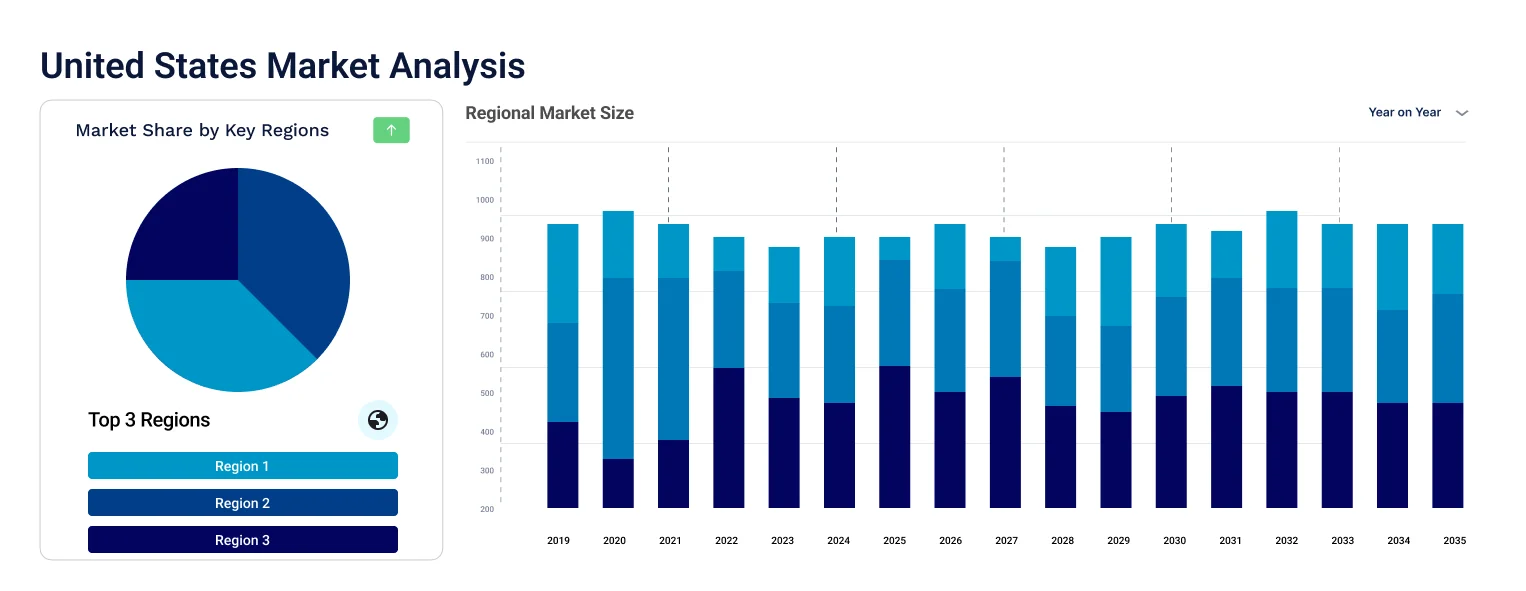
Market Breakup by Region
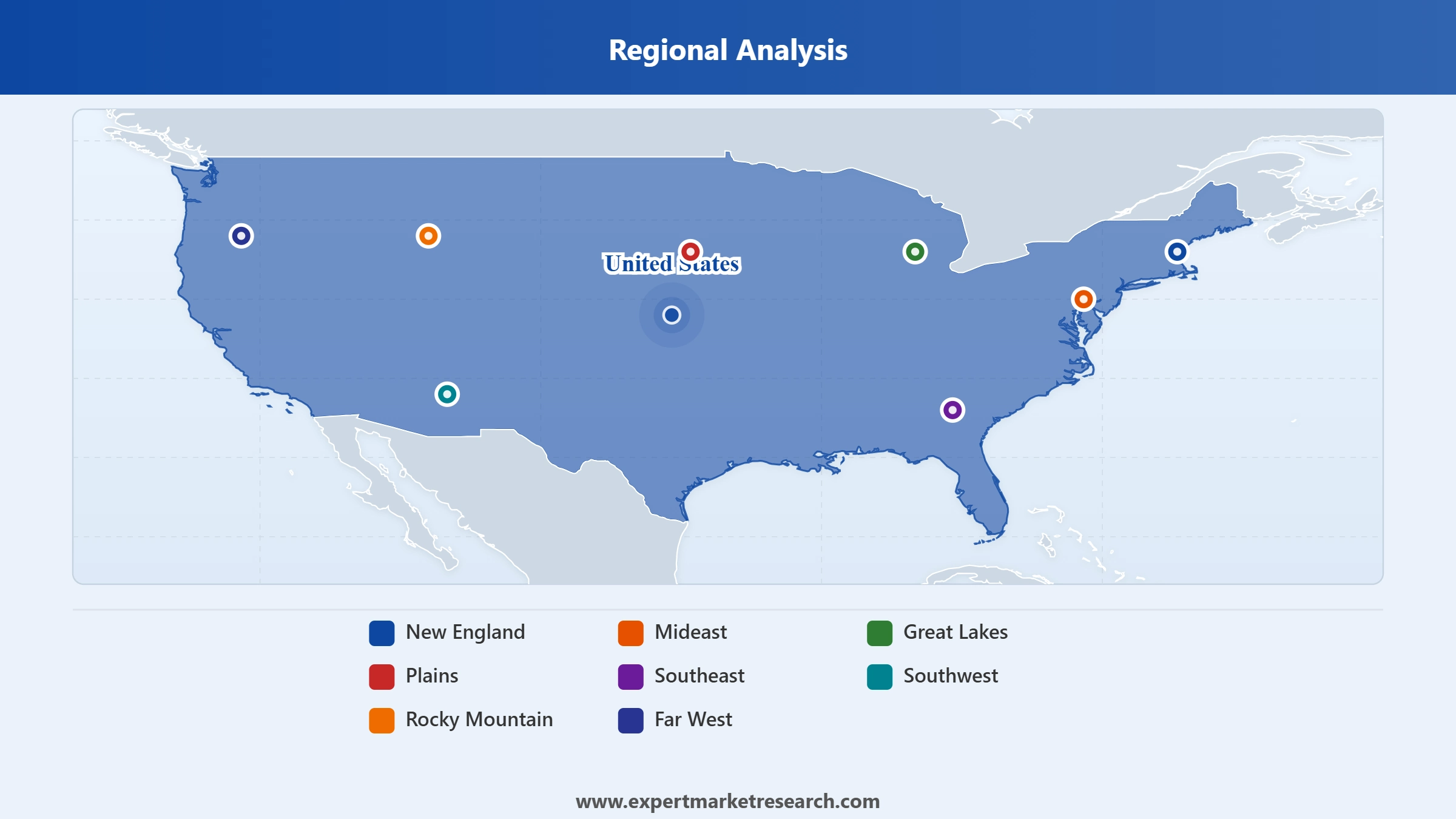
Key Insight: The South gets advantages out of population size, widespread retail presence, and strong demand for convenient pantry items. The Western region is motivated by product development, specialty food retailers, and the need for nutritious alternatives to traditional ingredients. The Midwest holds strategic importance due to its linkages with grain cultivation, food processing facilities, and efficient distribution channels, shaping the United States pasta market dynamics. The Northeast has possibilities for expensive, imported, and healthy pasta products facilitated by the presence of urban retail centers. Other regional markets can be explored through value packs and convenience products.

Read more about this report - REQUEST FREE SAMPLE COPY IN PDF
By type, dried pasta remains dominant in the market due to shelf stability, manufacturing efficiency, broad household usage, and extensive retail distribution
The dried pasta category retains its dominance in the United States pasta market due to the fact that the companies can make huge amounts of pasta effectively while the retailers have advantages associated with long-term shelf life and simpler product management. In addition, national brands can offer various types of pasta like traditional semolina pasta, whole grain pasta, protein enriched pasta, gluten free pasta and legume pasta without any change in consumer's cooking habits. In October 2025, Pasta Garofalo launched five frozen pasta varieties in America, combining Italian recipes, convenience, and premium ingredients for consumers.
Read more about this report - REQUEST FREE SAMPLE COPY IN PDF
The chilled category is expanding its share in the United States pasta market due to the demand for meals with restaurant-like quality which requires minimal efforts to cook. Companies are making filled pastas, fresh cut pastas and combination meals which can be an option besides the traditional dry pantry category. Moreover, it gives more opportunity to develop new premium fillings, sauces, vegetables, cheeses and regional culinary ideas.
By raw material, durum wheat semolina dominates the market due to established processing infrastructure, familiar texture, and strong suitability for premium pasta manufacturing
Durum wheat semolina continues to be viewed as the ideal choice of ingredient in the production of pasta due to its characteristics such as stiffness, color, and cooking properties. The use of this ingredient in the manufacture of pasta facilitates the establishment of supplier relationships between millers and brands. Manufacturers are testing ways of mixing the ingredient with legumes and others in an effort to add nutrients without affecting semolina pasta attributes, widening the United States pasta market scope for expansion. In October 2026, AWG expanded its Imported From Italy line with bronze-cut pastas and authentic sauces, strengthening premium Italian offerings for American retailers.
Read more about this report - REQUEST FREE SAMPLE COPY IN PDF
Pasta produced using maize is receiving major momentum as an option in the production of gluten-free and alternative grain pasta. Maize, as an ingredient, makes it possible for manufacturers to produce different types of pastas which suit consumers who prefer avoiding products containing wheat. The ingredient becomes especially relevant when manufacturers are looking for an ingredient that is widely available and adaptable in extrusion equipment. Nevertheless, most of the United States pasta market players are focusing to ensure that the pasta does not become inferior in texture and cooking stability.
Supermarkets and hypermarkets remain dominant due to extensive assortment, national brand visibility, promotions, and high household purchasing frequency
Supermarkets and hypermarkets continue to be the main route-to-market for pasta products since they provide the opportunity for a broad range of pasta products such as mainstream, premium, organic, gluten-free, whole grain, protein, and specialty pastas to be marketed. These routes also make it possible to develop new formulations and conduct marketing research by way of promotion, and end-of-aisle displays, creating United States pasta market opportunities. In September 2025, Brami launched Italian protein pasta across six Costco regions, offering higher protein, fewer net carbs, and more fiber than traditional pasta.
Read more about this report - REQUEST FREE SAMPLE COPY IN PDF
Online channels play a significant role in reaching consumers for pasta products that have specific brand positioning strategies, and which would be difficult to display physically on the retailer's shelves. Protein, gluten-free, organic, imported, and alternative grain pasta products can easily be sold using online marketing and direct selling methods. This type of distribution mode in the United States pasta market also provides an opportunity for the sale of multi-packs and subscription orders for better consumer insights.
The South leads through population scale, broad retail infrastructure, and strong demand for affordable pantry staples across household segments.
The Southern part of the country offers significant opportunities in the United States pasta market due to its sizable population base, robust supermarket presence, and different consumption habits among households. It is possible to attract consumers through the promotion of family packs, value products, high protein content pasta, and culturally significant flavors. Retailers in this market offer good distribution channels for both established brands and new players who aim at expansion.
Read more about this report - REQUEST FREE SAMPLE COPY IN PDF
The Far West region of the United States pasta industry favors innovative products since consumers and retailers tend to have an interest in organic, high protein, gluten-free, and premium food concepts. Companies could experiment with various types of pasta made from alternative ingredients and sustainable packaging in this region before promoting them across the country. For example, in August 2026, Pasta Supply Co. planned its third San Francisco location, using a compact counter-service format and community-funded subscriptions to support expansion.
Competition within the industry is becoming based on differentiating product architecture as opposed to extending existing shapes. Leading United States pasta market players are increasingly looking at protein-rich products, fiber-added products, gluten-free products, premium Italian products, alternative grain products, distinct shapes, and convenient forms. There is a huge gap in producing products that offer improved nutrition without compromising taste and cooking behavior.
Raw material suppliers have an opportunity to improve their role through providing functional pulse flour, protein systems, and texture systems. Packaging companies can provide assistance to help with premiumization, portion control, recyclable packaging, and improving e-commerce capabilities. Retailers prefer those United States pasta companies that are able to offer clear shelf distinction, while the foodservice customers are interested in reliable cooking and scalable production.
Barilla is an organization that was founded in 1877 and is headquartered in Italy. The organization conducts extensive operations in the manufacture and distribution of pasta internationally through the operation of two pasta plants in the United States. These plants produce such types of pasta as conventional, organic, gluten-free, chickpea and red lentil, Protein+, ready pasta, and whole grain pasta.
General Mills Inc. was founded in 1928 and is headquartered in Minneapolis, Minnesota, United States. Using the extensive product lines and venture capabilities, General Mills develops innovative propositions for consumers by introducing the Carbe Diem. The Carbe Diem brings together the qualities of traditional wheat pasta with low net carbohydrates and fiber content.
Since its foundation in 1896, Borges International Group operates in Reus and Tàrrega, Spain. It is active in the marketing of Mediterranean food products in international markets. The company’s approach to sustainability involves responsible agricultural practices and healthy/sustainable products, which help the company promote premium-quality Mediterranean products in international markets.
Based in Fara San Martino, Italy, De Cecco is a renowned name in premium-quality pasta, founded in 1886. It is a well-established brand that enjoys a solid reputation for its premium pasta products and traditional manufacturing experience with a combination of historical and industrial processes of pasta making.
Other key players in the market include Kraft Heinz Company, Armanino Foods of Distinction, Inc., Winland Foods, Inc., 8th Avenue Food & Provisions (Ronzoni), Rummo S.p.A., La Molisana S.p.A, and Philadelphia Macaroni Company, among others.
*Please note that this is only a partial list; the complete list of key players is available in the full report. Additionally, the list of key players can be customized to better suit your needs.*
Unlock the latest insights with our United States pasta market trends 2026 report. Discover regional growth patterns, consumer preferences, and key industry players. Stay ahead of competition with trusted data and expert analysis. Download your free sample report today and drive informed decisions in the market.


Upto 15% Off
USD
$2499 $2249
$3999 $3599
$4999 $4249
$5999 $5099


*While we strive to always give you current and accurate information, the numbers depicted on the website are indicative and may differ from the actual numbers in the main report. At Expert Market Research, we aim to bring you the latest insights and trends in the market. Using our analyses and forecasts, stakeholders can understand the market dynamics, navigate challenges, and capitalize on opportunities to make data-driven strategic decisions.*
The market is projected to grow at a CAGR of 7.70% between 2026 and 2035.
The different distribution channels in the market are supermarkets and hypermarkets, convenience stores, and online, among others.
The major types of pasta in the market are dried, canned, and chilled.
The different raw materials used to make pasta include durum wheat semolina, wheat, barley, and maize, among others.
The major regions in the market include New England, Mideast, Great Lakes, Plains, Southeast, Southwest, Rocky Mountain, and Far West.
The key players in the market include Barilla G. e R. Fratelli S.p.A, General Mills Inc., Borges International Group, S.L.U, F.lli De Cecco di Filippo S.p.A, Kraft Heinz Company, Armanino Foods of Distinction, Inc., Winland Foods, Inc., 8th Avenue Food & Provisions (Ronzoni), Rummo S.p.A., La Molisana S.p.A, and Philadelphia Macaroni Company, among others.
In 2025, the market reached an approximate value of USD 6.40 Billion.
Companies face volatile wheat and ingredient costs, intense shelf competition, formulation complexity, gluten-free compliance, supply-chain pressure, retailer bargaining power, and the challenge of improving nutrition without compromising taste.
Manufacturers are developing higher-protein formulations, strengthening pulse supply chains, expanding specialty distribution, improving extrusion performance, optimizing packaging, and using regional launches to validate innovations.
Explore our key highlights of the report and gain a concise overview of key findings, trends, and actionable insights that will empower your strategic decisions.
| REPORT FEATURES | DETAILS |
| Base Year | 2025 |
| Historical Period | 2019-2025 |
| Forecast Period | 2026-2035 |
| Scope of the Report |
Historical and Forecast Trends, Industry Drivers and Constraints, Historical and Forecast Market Analysis by Segment:
|
| Breakup by Type |
|
| Breakup by Raw Material |
|
| Breakup by Distribution Channel |
|
| Breakup by Region |
|
| Market Dynamics |
|
| Competitive Landscape |
|
| Companies Covered |
|
Datasheet
One User
USD 2,499
USD 2,249
tax inclusive*
Single User License
One User
USD 3,999
USD 3,599
tax inclusive*
Five User License
Five User
USD 4,999
USD 4,249
tax inclusive*
Corporate License
Unlimited Users
USD 5,999
USD 5,099
tax inclusive*
*Please note that the prices mentioned below are starting prices for each bundle type. Kindly contact our team for further details.*
Flash Bundle
Small Business Bundle
Growth Bundle
Enterprise Bundle
*Please note that the prices mentioned below are starting prices for each bundle type. Kindly contact our team for further details.*
Flash Bundle
Number of Reports: 3
20%
tax inclusive*
Small Business Bundle
Number of Reports: 5
25%
tax inclusive*
Growth Bundle
Number of Reports: 8
30%
tax inclusive*
Enterprise Bundle
Number of Reports: 10
35%
tax inclusive*
How To Order

Select License Type
Choose the right license for your needs and access rights.

Click on ‘Buy Now’
Add the report to your cart with one click and proceed to register.

Select Mode of Payment
Choose a payment option for a secure checkout. You will be redirected accordingly.
Strategic Solutions for Informed Decision-Making
Gain insights to stay ahead and seize opportunities.

Get insights & trends for a competitive edge.

Track prices with detailed trend reports.

Analyse trade data for supply chain insights.

Leverage cost reports for smart savings

Enhance supply chain with partnerships.

Connect For More Information
Our expert team of analysts will offer full support and resolve any queries regarding the report, before and after the purchase.
Our expert team of analysts will offer full support and resolve any queries regarding the report, before and after the purchase.
We employ meticulous research methods, blending advanced analytics and expert insights to deliver accurate, actionable industry intelligence, staying ahead of competitors.
Our skilled analysts offer unparalleled competitive advantage with detailed insights on current and emerging markets, ensuring your strategic edge.
We offer an in-depth yet simplified presentation of industry insights and analysis to meet your specific requirements effectively.




