

Consumer Insights
Uncover trends and behaviors shaping consumer choices today
Procurement Insights
Optimize your sourcing strategy with key market data
Industry Stats
Stay ahead with the latest trends and market analysis.

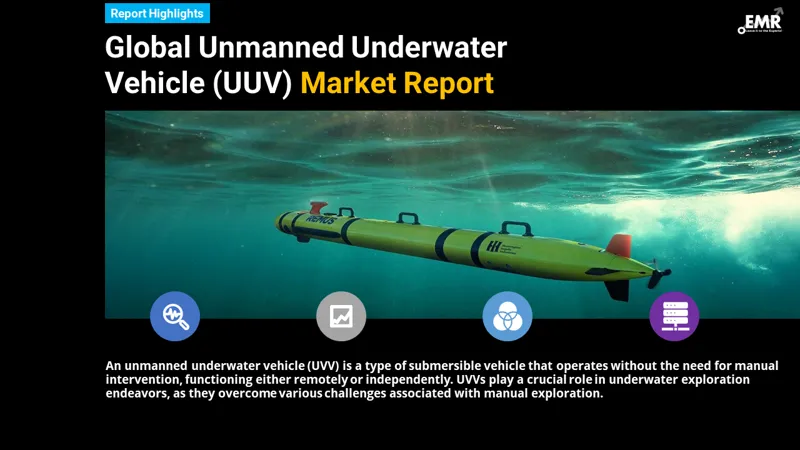
The global unmanned underwater vehicle (UUV) market was valued at USD 5.85 Billion in 2025. The industry is expected to grow at a CAGR of 14.50% during the forecast period of 2026-2035 to reach a value of USD 22.66 Billion by 2035. This market growth is mainly attributed to an increasing number of research and development (R&D) initiatives and facility expansion globally.
As demand for advanced underwater systems rises, companies are prioritizing large-scale development centers to accelerate innovation, enhance testing, and scale production. For instance, VATN Systems’ facility in Bristol, Rhode Island, opened in May 2025, enables production of up to 2,000 units annually, supporting rapid prototyping and the integration of next-generation technologies.
Besides, to meet growing operational needs, manufacturers are also localizing production closer to key markets. Kongsberg Discovery plans to start production of its HUGIN autonomous underwater vehicle in the United States in July 2025, reflecting a strategic effort to strengthen domestic supply chains and enhance responsiveness to defense and commercial clients. HUGIN has already been deployed by 12 navies for tasks such as mine countermeasures, seabed mapping, and intelligence preparation, illustrating the practical applications of these advanced systems.
Innovation in modular design further exemplifies the market’s R&D focus. DARPA’s Manta Ray program completed full-scale in-water testing off Southern California in February–March 2024, validating cross-country transport, rapid field assembly, and deployment of an extra-large UUV. This first-of-its-kind capability demonstrates how modularity can improve operational flexibility and readiness for complex missions.
Collectively, these efforts in R&D, facility expansion, and modular innovation are enabling the global UUV market to deliver reliable, high-performance, and cost-effective systems. Companies are developing versatile platforms that meet evolving naval, commercial, and research requirements, strengthening the market’s growth trajectory and expanding the role of UUVs in underwater operations worldwide.
Base Year
Historical Period
Forecast Period
Compound Annual Growth Rate
14.5%
Value in USD Billion
2026-2035
*this image is indicative*
The ongoing development of submarine-deployable UUVs is driving growth in the global Unmanned Underwater Vehicle (UUV) market as navies integrate autonomous systems with existing platforms. These systems enable submarines to conduct reconnaissance, mine countermeasures, and seabed mapping with enhanced stealth, operational flexibility, and safety while reducing reliance on manned missions. For example, on May 7, 2025, the U.S. Navy successfully deployed and recovered the Yellow Moray UUV through a standard torpedo tube aboard the USS Delaware, showcasing the strategic potential of such robotic systems.
Innovations in portable and flexible UUVs are expanding the global Unmanned Underwater Vehicle (UUV) market as militaries and commercial operators seek efficient underwater solutions. The REMUS 300 from Huntington Ingalls Industries introduced in June 2023, demonstrates this trend with its swappable battery modules and open platform capable of supporting multiple sensor types. Its use in mine countermeasures, environmental surveys, and seabed mapping by the U.S. Navy and international forces highlights how adaptable, high-endurance UUVs are becoming essential for modern underwater operations.
Geopolitical tensions are increasing the demand for underwater defense systems, driving growth in the global Unmanned Underwater Vehicle (UUV) market. Countries are investing in advanced unmanned underwater vehicles that can carry heavier payloads, travel longer distances, and operate on their own in dangerous areas. In April 2025, the Defense Innovation Unit released a request for the Combat Autonomous Maritime Platform (CAMP), a large UUV designed to carry out multiple missions and deploy equipment safely in contested and GPS-denied waters. These developments highlight how rising security concerns are shaping the future of underwater defense technology.
Counter-mine and survey missions are enhancing maritime safety, driving growth in the global Unmanned Underwater Vehicle (UUV) market. Increasing threats from underwater mines and the need for precise seabed mapping are encouraging navies to use unmanned underwater vehicles, which provide a safer and more cost-effective alternative to manned operations. In April 2025, the Sea Dart UUV was launched for counter-mine and survey missions, demonstrating how UUVs improve naval operational efficiency and support broader maritime security initiatives worldwide.
Commercial applications in oil and gas are driving growth in the global unmanned underwater vehicle (UUV) market. As offshore operations become more complex, industries are adopting unmanned underwater vehicles for pipeline inspections, seabed mapping, and drilling support, providing safer, cost-effective, and efficient solutions. On October 2024, UK-based HonuWorx deployed a remotely operated vehicle from a fully autonomous mothership submarine and announced plans for 50 Loggerhead submersibles by 2030. Such initiatives demonstrate how commercial innovation is expanding the market scope.
Read more about this report - REQUEST FREE SAMPLE COPY IN PDF
The EMR’s report titled “Global Unmanned Underwater Vehicle (UUV) Market Report and Forecast 2026-2035” offers a detailed analysis of the market based on the following segments:
Market Breakup by Type
Key Insight: Remotely Operated Vehicles (ROVs) dominate the global Unmanned Underwater Vehicle (UUV) market, widely deployed for deep-sea exploration, subsea inspections, and industrial tasks. Autonomous Underwater Vehicles (AUVs) are the fastest-growing segment, driven by advances in artificial intelligence, long-endurance batteries, and modular payloads that enable reconnaissance, seabed mapping, and counter-mine operations. Hybrid Underwater Vehicles (HUVs) are gaining traction for specialized missions requiring both remote operation and autonomous functionality in complex underwater environments.
Market Breakup by Application
Key Insight: Defence is the largest application in the global Unmanned Underwater Vehicle (UUV) market, driven by navies using UUVs for reconnaissance, surveillance, and mine countermeasure operations. Scientific Research is the fastest-growing segment, supported by seabed mapping, oceanographic studies, and environmental monitoring. Commercial exploration is expanding due to offshore resource surveys and underwater inspections, while other applications such as port security and infrastructure monitoring are steadily gaining adoption, reflecting the increasing versatility and demand for UUVs across military and civilian sectors.
Market Breakup by Payload
Key Insight: Sensors account for the largest share in the global Unmanned Underwater Vehicle (UUV) market, providing essential support for navigation, environmental monitoring, and threat detection. Synthetic Aperture Sonar (SAS) is the fastest-growing technology, driven by high-resolution imaging for seabed mapping, surveillance, and mine countermeasures. Cameras enable real-time inspections, while Inertial Navigation Systems (INS) ensure precise underwater positioning. Other payloads, including acoustic and chemical modules, are increasingly integrated to enhance versatility across military, commercial, and research operations.
Market Breakup by Propulsion System
Key Insight: Mechanical propulsion represents the biggest portion of the global unmanned underwater vehicle (UUV) market, valued for its reliability and high thrust in deep-sea and industrial operations. Electric propulsion is the fastest-growing technology, driven by improvements in battery efficiency, quieter operation, and lower maintenance requirements. Hybrid systems combine the strengths of both mechanical and electric types, while other propulsion methods, including fuel cells and advanced energy solutions, are increasingly adopted for specialized and long-endurance underwater missions.
Market Breakup by Product Type
Key Insight: Small vehicles witness the highest demand the in the global unmanned underwater vehicle (UUV) market, widely preferred for their portability, ease of deployment, and operational flexibility in reconnaissance, inspection, and survey missions. Work class vehicles are the fastest-growing category, driven by increased demand for high-thrust, long-endurance systems capable of subsea construction, heavy-duty inspections, and offshore industrial operations. Other types, including man-portable, lightweight, heavy-weight, and large vehicles, are also witnessing steady adoption for specialized underwater tasks.
Market Breakup by Region
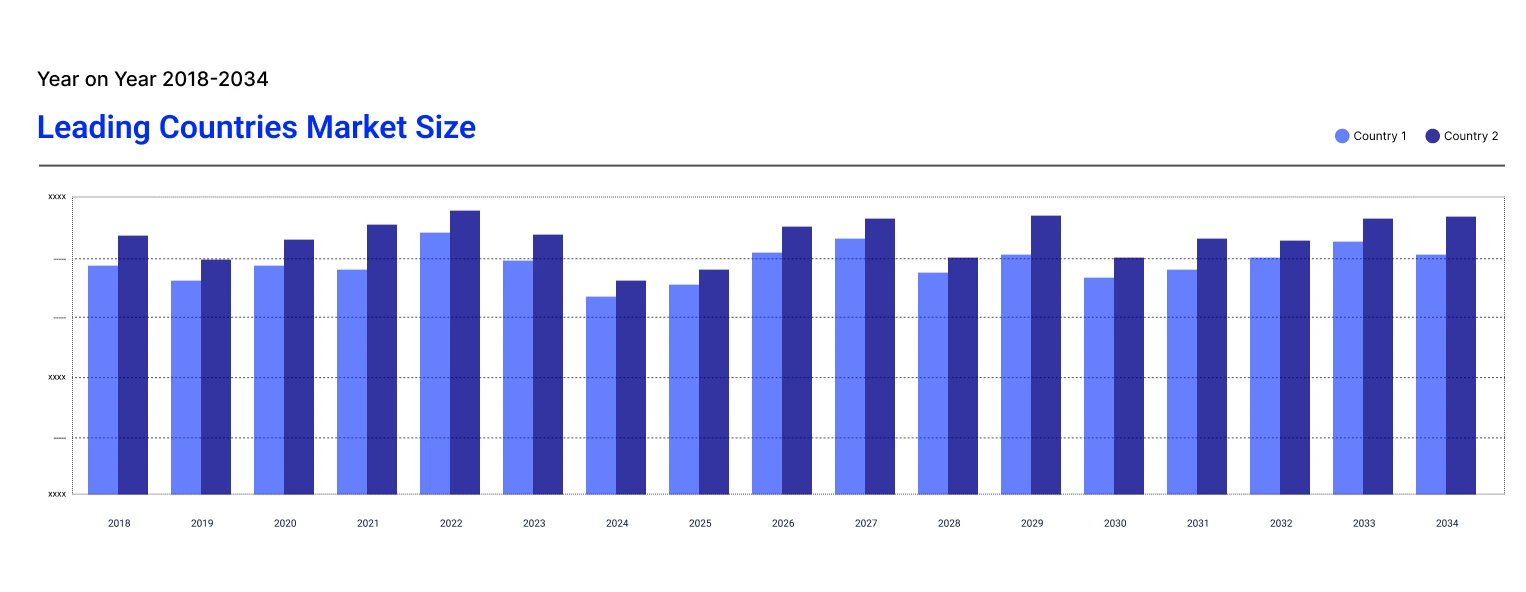
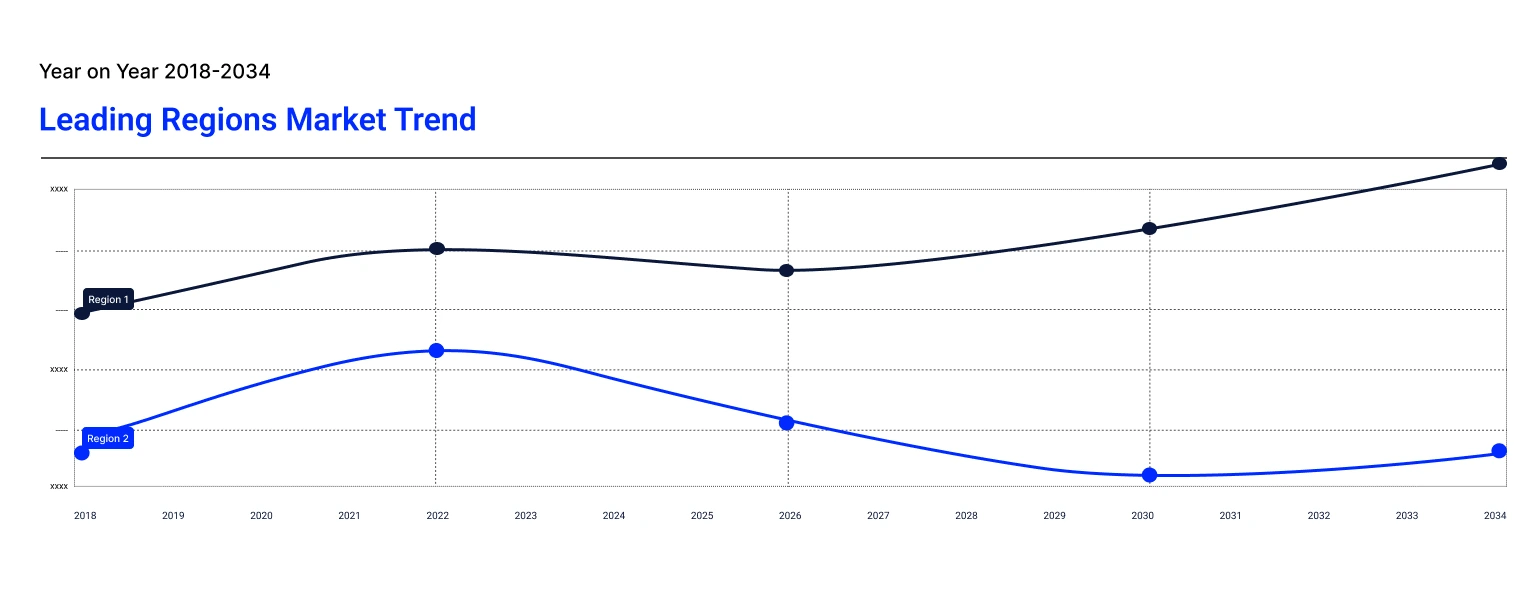
Key Insight: North America represents the biggest portion of the global Unmanned Underwater Vehicle (UUV) market, supported by strong naval programs, advanced technology development, and high defense budgets. Asia Pacific is the fastest-growing region, driven by expanding naval modernization, offshore resource exploration, and increased commercial and research adoption. Europe benefits from investments in maritime security and subsea infrastructure, while Latin America and the Middle East and Africa are witnessing steady growth due to port monitoring, oil and gas exploration, and underwater inspection initiatives.
Read more about this report - REQUEST FREE SAMPLE COPY IN PDF
By type, Remotely Operated Vehicles (ROVs) are in high demand
Remotely Operated Vehicles (ROVs) represent the largest portion of the global unmanned underwater vehicle (UUV) market because they offer precise real-time control for complex underwater operations. Their reliability makes them ideal for deep-sea exploration, subsea inspections, and industrial tasks where constant supervision is needed. These capabilities keep ROVs widely used across defense, commercial, and research missions, making them a staple in underwater operations.
Autonomous Underwater Vehicles (AUVs) are expanding rapidly due to their ability to operate independently over long durations. With advanced navigation systems, long-endurance batteries, and modular payloads, AUVs handle reconnaissance, seabed mapping, and survey missions without constant human intervention. In August 2025, Gabler and FLANQ announced a partnership to develop uncrewed vessels for submarine torpedo tube launch, highlighting the push for efficient and flexible underwater operations across defense, research, and commercial applications.
Defense takes the lead as the largest application in the global unmanned underwater vehicle market, with navies relying on UUVs for surveillance, reconnaissance, and mine countermeasure operations. Operating in coastal and offshore zones where safety and precision are critical, defense missions demand reliable performance. The focus on underwater security and tactical operations keeps military adoption of UUVs high, making defense the dominant application area.
Scientific research applications are amassing significant revenue in the global unmanned underwater vehicle market, driven by the need to monitor the environment, study oceans, and map seabeds. Researchers are increasingly relying on UUVs for precise, autonomous data collection in remote or deep-sea locations. The rising interest in understanding marine ecosystems and ocean conditions is fueling adoption, making research one of the fastest-expanding applications for underwater vehicles.
By payload, sensors account for the largest market share
Sensors account for the largest portion of the global unmanned underwater vehicle market, as they are crucial for accurate navigation, environmental monitoring, and threat detection. They allow UUVs to operate safely and collect reliable data during inspections, reconnaissance, and mapping. The widespread reliance on sensors across military, commercial, and research applications keeps them at the core of payload configurations.
Synthetic Aperture Sonar (SAS) is gaining ground rapidly because of its high-resolution imaging for seabed mapping, mine detection, and underwater surveys. SAS improves situational awareness and mission accuracy, making it essential for complex operations. The increasing need for detailed underwater intelligence is driving its adoption across defense, research, and commercial uses, thereby boosting global unmanned underwater vehicle (UUV) market expansion.
By propulsion, mechanical propulsion holds the biggest portion
Mechanical propulsion represents the biggest portion of the global Unmanned Underwater Vehicle (UUV) market because it provides high thrust and reliable performance for deep-sea and industrial operations. Its durability and proven efficiency make it ideal for long missions in challenging underwater conditions, allowing vehicles to maintain operational stability and handle heavy loads, which keeps mechanical systems widely used across defense, research, and commercial underwater applications.
Meanwhile, electric propulsion is expanding rapidly, driven by advancements in battery efficiency, quieter operation, and lower maintenance needs. The demand for more energy-efficient and environmentally friendly propulsion allows electric systems to handle extended missions with minimal noise, making them suitable for reconnaissance, survey, and scientific operations. The push for sustainable, flexible, and low-maintenance underwater propulsion is accelerating their adoption.
By product type, small vehicles witness the highest demand
Small vehicles account for the largest share of the global Unmanned Underwater Vehicle (UUV) market due to their portability, ease of deployment, and operational flexibility. They are widely used for reconnaissance, inspections, and survey missions where maneuverability and quick deployment are critical. The ability to operate efficiently in confined or complex underwater environments keeps small vehicles in high demand across defense, commercial, and research applications.
Work class vehicles are experiencing growth at the fastest CAGR because of the rising need for high-thrust, long-endurance systems capable of subsea construction, heavy-duty inspections, and offshore industrial operations. Their ability to handle larger payloads and perform complex underwater tasks makes them increasingly popular, especially in industrial and commercial sectors where operational efficiency and heavy-duty performance are essential.
By region, North America dominates the market
North America amasses highest revenue in the global unmanned underwater vehicle (UUV) market, driven by advanced naval programs and strong defense investment. The widespread adoption of autonomous and remotely operated systems enhances operational efficiency, situational awareness, and maritime security. As of March 2025, HII has sold over 700 REMUS UUVs globally, supporting intelligence, surveillance, reconnaissance, and mine countermeasures, highlighting the region’s leadership in deploying reliable and versatile underwater technologies.
Asia Pacific is the fastest-growing region, fueled by expanding naval modernization in addition to the rising need for underwater mine detection is driving growth the global unmanned underwater vehicle (UUV) market. Unmanned underwater vehicles are increasingly used to detect and neutralize naval mines, providing safer, faster, and more cost-effective alternatives to manned operations. In July 2023, India launched its first indigenous autonomous underwater vehicle (AUV), Neerakshi, developed by GRSE and AEPL. Designed for mine detection, disposal, and underwater surveys, it demonstrates how UUVs are enhancing maritime safety and supporting defense operations worldwide.
Major unmanned underwater vehicle (UUV) companies operating in the market are focusing on innovation and technological advancement to strengthen their competitive positions. Besides this, several global unmanned underwater vehicle (UUV) market players are investing in autonomous and modular designs, enhancing battery efficiency, sensor integration, and operational endurance. These efforts aim to address diverse mission requirements, from mine countermeasures and reconnaissance to environmental monitoring, while ensuring reliability, flexibility, and ease of deployment across military and commercial applications worldwide.
To sustain growth, industry participants are pursuing strategic collaborations, partnerships, and international deployments. Leading firms in the global unmanned underwater vehicle (UUV) market are emphasizing scalable production capabilities, standardization of platforms, and development of cost-effective solutions to meet rising demand. Forward-looking plans include integrating artificial intelligence, advanced communication systems, and multi-mission adaptability into UUVs, enabling efficient underwater operations and strengthening operational readiness for defense, research, and industrial sectors globally.
Oceaneering International Inc. is a U.S.-based company founded in 1964, specializing in subsea engineering and unmanned underwater vehicle solutions. It provides advanced technologies for defense, oil and gas, and scientific applications. The company is recognized for its innovative approach to autonomous underwater systems.
General Dynamics Mission Systems, Inc. operates from Virginia, USA, and was established in 1952. It develops defense and security technologies, including sophisticated UUVs for naval operations. The company is known for its focus on reliable and high-performance solutions.
TechnipFMC plc is headquartered in London, UK, and was formed in 2017 through a merger. It delivers integrated subsea and offshore engineering services, including autonomous underwater systems. Its technologies support both energy and naval applications worldwide.
Saab AB is based in Stockholm, Sweden, and has been in operation since 1937. The company develops defense and aerospace technologies, including advanced UUVs for military and research missions. Saab is renowned for combining innovation with operational reliability.
*Please note that this is only a partial list; the complete list of key players is available in the full report. Additionally, the list of key players can be customized to better suit your needs.*
Other prominent global unmanned underwater vehicle (UUV) market players include Boston Engineering Corporation, BaltRobotics Sp.z.o.o., among others.
Explore the latest trends shaping the Global Unmanned Underwater Vehicle (UUV) Market 2026-2035 with our in-depth report. Gain strategic insights, future forecasts, and key market developments that can help you stay competitive. Download a free sample report or contact our team for customized consultation on the Global Unmanned Underwater Vehicle (UUV) Market Trends 2026.


Upto 15% Off
USD
$3999 $3599
$2499 $2249
$4999 $4249
$5999 $5099


*While we strive to always give you current and accurate information, the numbers depicted on the website are indicative and may differ from the actual numbers in the main report. At Expert Market Research, we aim to bring you the latest insights and trends in the market. Using our analyses and forecasts, stakeholders can understand the market dynamics, navigate challenges, and capitalize on opportunities to make data-driven strategic decisions.*
Get in touch with us for a customized solution tailored to your unique requirements and save upto 35%!
In 2025, the global unmanned underwater vehicle (UUV) market reached an approximate value of USD 5.85 Billion.
The market is projected to grow at a CAGR of 14.50% between 2026 and 2035.
The market is estimated to witness a healthy growth in the forecast period of 2026-2035 to reach USD 22.66 Billion by 2035.
Key strategies driving the market include investment in R&D and large-scale production facilities, adoption of modular and autonomous designs, strategic collaborations, and expansion into defense, commercial, and research sectors to enhance operational efficiency and market reach.
The key market trends guiding the growth of the industry include the increased demand in the oil and gas industry.
The major regions in the industry are North America, Latin America, the Middle East and Africa, Europe, and the Asia Pacific.
The significant types include remotely operated vehicle (ROV), autonomous underwater vehicle (AUV), and hybrid underwater vehicle (HUV).
The significant applications include commercial exploration, defence, scientific research, and others.
The significant payloads include sensors, synthetic aperture sonar, cameras, inertial navigation systems, and others.
The different propulsion systems include mechanical, electric, hybrid, and others.
The major product types, include small vehicles, high-capacity electric vehicles, work class vehicles, heavy work class vehicles, man portable, light weight vehicles, heavy weight vehicles, and large vehicles.
The key players in the market include Oceaneering International Inc., General Dynamics Mission Systems, Inc., TechnipFMC plc, Boston Engineering Corporation, BaltRobotics Sp.z.o.o., Saab AB, and other prominent companies.
North America dominates the global unmanned underwater vehicle (UUV) market, supported by strong naval programs, advanced technology development, and high defense spending.
Explore our key highlights of the report and gain a concise overview of key findings, trends, and actionable insights that will empower your strategic decisions.
| REPORT FEATURES | DETAILS |
| Base Year | 2025 |
| Historical Period | 2019-2025 |
| Forecast Period | 2026-2035 |
| Scope of the Report |
Historical and Forecast Trends, Industry Drivers and Constraints, Historical and Forecast Market Analysis by Segment:
|
| Breakup by Type |
|
| Breakup by Application |
|
| Breakup by Payload |
|
| Breakup by Propulsion System |
|
| Breakup by Product Type |
|
| Breakup by Region |
|
| Market Dynamics |
|
| Competitive Landscape |
|
| Companies Covered |
|
| Report Price and Purchase Option | Explore our purchase options that are best suited to your resources and industry needs. |
| Delivery Format | Delivered as an attached PDF and Excel through email, with an option of receiving an editable PPT, according to the purchase option. |
Single User License
One User
USD 3,999
USD 3,599
tax inclusive*
Datasheet
One User
USD 2,499
USD 2,249
tax inclusive*
Five User License
Five User
USD 4,999
USD 4,249
tax inclusive*
Corporate License
Unlimited Users
USD 5,999
USD 5,099
tax inclusive*
*Please note that the prices mentioned below are starting prices for each bundle type. Kindly contact our team for further details.*
Flash Bundle
Small Business Bundle
Growth Bundle
Enterprise Bundle
*Please note that the prices mentioned below are starting prices for each bundle type. Kindly contact our team for further details.*
Flash Bundle
Number of Reports: 3
20%
tax inclusive*
Small Business Bundle
Number of Reports: 5
25%
tax inclusive*
Growth Bundle
Number of Reports: 8
30%
tax inclusive*
Enterprise Bundle
Number of Reports: 10
35%
tax inclusive*
How To Order

Select License Type
Choose the right license for your needs and access rights.

Click on ‘Buy Now’
Add the report to your cart with one click and proceed to register.

Select Mode of Payment
Choose a payment option for a secure checkout. You will be redirected accordingly.
Gain insights to stay ahead and seize opportunities.

Get insights & trends for a competitive edge.

Track prices with detailed trend reports.

Analyse trade data for supply chain insights.

Leverage cost reports for smart savings

Enhance supply chain with partnerships.

Connect For More Information
Our expert team of analysts will offer full support and resolve any queries regarding the report, before and after the purchase.
Our expert team of analysts will offer full support and resolve any queries regarding the report, before and after the purchase.
We employ meticulous research methods, blending advanced analytics and expert insights to deliver accurate, actionable industry intelligence, staying ahead of competitors.
Our skilled analysts offer unparalleled competitive advantage with detailed insights on current and emerging markets, ensuring your strategic edge.
We offer an in-depth yet simplified presentation of industry insights and analysis to meet your specific requirements effectively.





Share