

Consumer Insights
Uncover trends and behaviors shaping consumer choices today
Procurement Insights
Optimize your sourcing strategy with key market data
Industry Stats
Stay ahead with the latest trends and market analysis.
The urinary incontinence market was valued at USD 13.62 Billion in 2025, driven by the increasing prevalence of urinary incontinence and rising awareness about available treatments across 8 major markets. The market is anticipated to grow at a CAGR of 6.40% during the forecast period of 2026-2035, with the values likely to reach USD 25.33 Billion by 2035.
The growing elderly population and rising prevalence of stress incontinence are expected to sustain strong demand for therapeutics and devices.
Advancements in wearable and discreet absorbent technologies are redefining user expectations, fueling innovation across the global incontinence product market.
Collaborations between healthcare providers and medtech companies are accelerating first-line care adoption, especially for female urinary incontinence in developed markets.
Compound Annual Growth Rate
6.4%
Value in USD Billion
2026-2035
Urinary incontinence refers to the unintentional leakage of urine, often resulting from weakened pelvic floor muscles, hormonal changes, or neurological conditions. According to Johns Hopkins Medicine, over 25 million adult Americans experience temporary or chronic urinary incontinence, with women twice as likely as men to be affected. Among women, stress incontinence and urge incontinence are the most common types, especially after childbirth or menopause. The condition impacts daily activities and emotional well-being, making early diagnosis and access to appropriate therapies essential for improving patient outcomes and quality of life.
Clinician-Led Collaborations to Fuel Market Growth
In March 2025, Convatec announced an exclusive collaboration with the world’s largest wound, ostomy, and continence nursing organization. This partnership aims to advance clinical training, improve patient outcomes, and standardize incontinence care practices. As more clinicians adopt evidence-based protocols and rely on trusted brands, therapeutic device demand is poised to rise. By integrating specialist insights into product development and distribution, Convatec enhances provider trust and accelerates device adoption. These advancements are expected to drive robust growth in the urinary incontinence care market, particularly across institutional and homecare settings.
Emphasis on Early Detection to Boost Urinary Incontinence Market Value
In February 2025, Axena Health partnered with Mayo Clinic to improve early detection and treatment of female urinary incontinence through primary care education. This collaboration aims to provide digital learning modules and tools to support timely screening and treatment. As more primary care physicians become equipped to recognize symptoms early, treatment rates are projected to increase. This growing focus on first-line care is expected to expand product usage across devices, pharmaceuticals, and digital health platforms, driving long-term market development through enhanced access and improved patient outcomes.
Major market trends include increasing preference on making products with discreet designs, surge in product launches with improved efficacy, and rising adoption of wearables and digital health, among others.
Discreet Designs and Patient Comfort Elevate Consumables Market Value
For instance, in June 2025, Ontex launched a new line of discreet incontinence products across Europe, offering slim pad profiles, odor control, and soft materials. These consumer-centric features cater to the growing demand for dignity-preserving, comfortable solutions for daily use. As aging populations seek lifestyle-aligned care, discreet consumables are gaining traction in both hospital and homecare settings. This trend underscores a shift from clinical utility to quality-of-life enhancement, contributing significantly to rising market value and competitive product differentiation across the global incontinence consumables landscape.
New Products with Enhanced Efficacy to Boost Urinary Incontinence Market Demand
In February 2025, Price Hanna Consultants released an independent study assessing leading absorbent incontinence products based on leakage protection, fluid retention, and skin safety. This transparency empowers both institutional buyers and consumers to make data-driven decisions. Brands that perform well in such third-party evaluations are gaining competitive advantage and trust, encouraging increased adoption across retail and clinical channels. This trend is accelerating product innovation and supporting long-term differentiation in the increasingly competitive urinary incontinence products market.
Rise in Wearables Adoption to Propel Urinary Incontinence Market Growth
In September 2022, Attindas Hygiene Partners introduced its new line of invisible disposable incontinence underwear designed for both men and women. These products feature ultra-thin absorbent cores and body-contouring designs that offer maximum discretion under clothing, directly addressing consumer demand for comfort, dignity, and normalcy in daily life. As patient preferences shift toward wearable, non-intrusive incontinence solutions, this launch reflects how innovation in design and material science is redefining consumer standards and significantly contributing to the growth and evolution of the global incontinence product market.
Digital Health Integration to Accelerate Innovation and Boost Urinary Incontinence Market Value
In October 2020, Essity introduced a comprehensive digital incontinence care solution combining wearable sensors, mobile analytics, and remote clinician engagement. This system enables real-time monitoring of wetness events, automated caregiver alerts, and personalized care feedback. As digital transformation reshapes healthcare delivery, such integrated solutions are revolutionizing incontinence care by promoting self-management and reducing caregiver burden. This trend reflects growing investment in smart health technologies, creating new value streams and strengthening innovation in the urinary incontinence management market.
Stress Incontinence to Lead the Market Share by Incontinence Type
The stress incontinence segment held the largest share in the market by incontinence type, accounting for 30%. This dominance is driven by the growing elderly population and the high prevalence of stress-related bladder issues, especially among postmenopausal women and individuals undergoing pelvic surgeries. Its commonality and early onset compared to other incontinence types contribute to higher diagnosis and treatment rates, further solidifying its position as the leading segment in terms of demand and revenue generation.
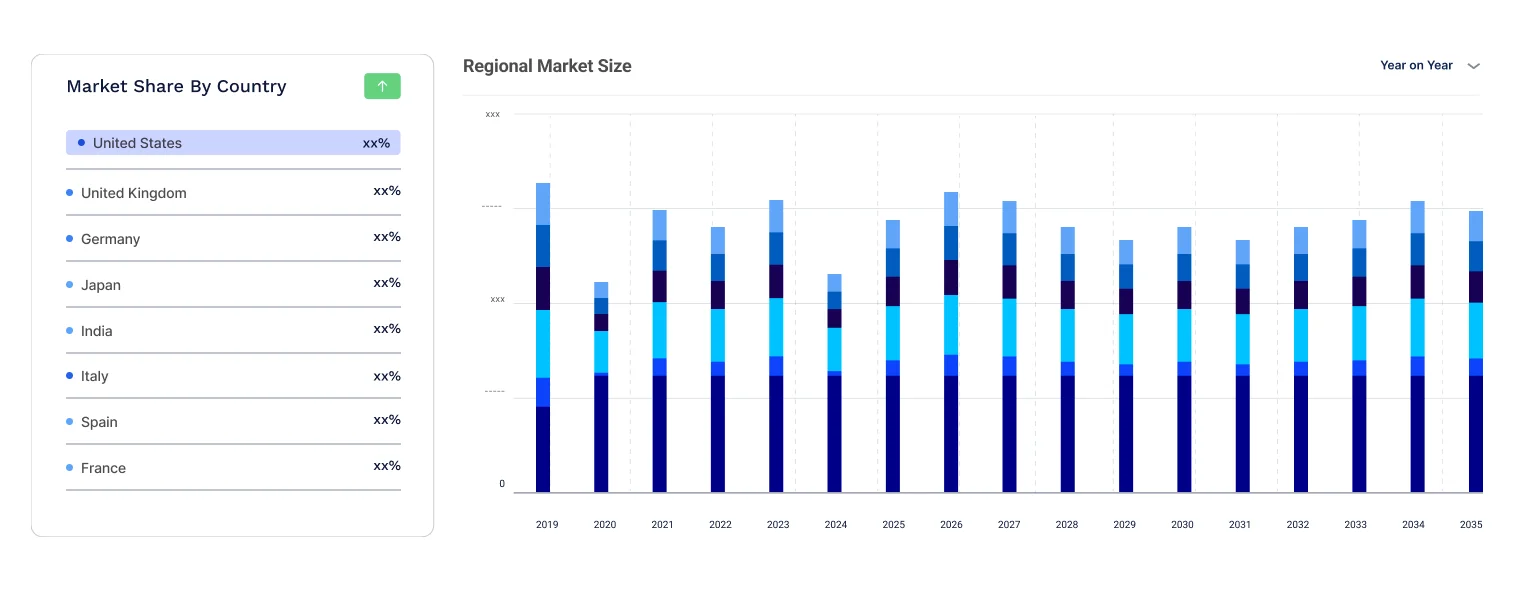
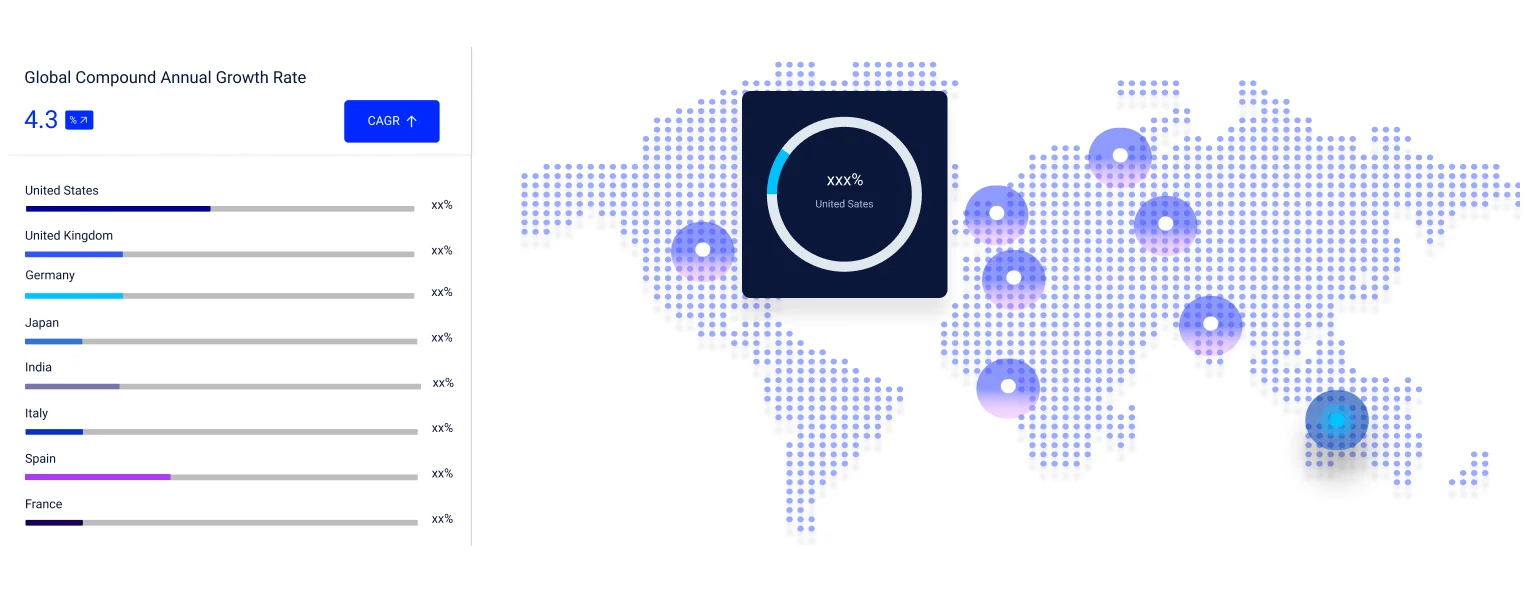
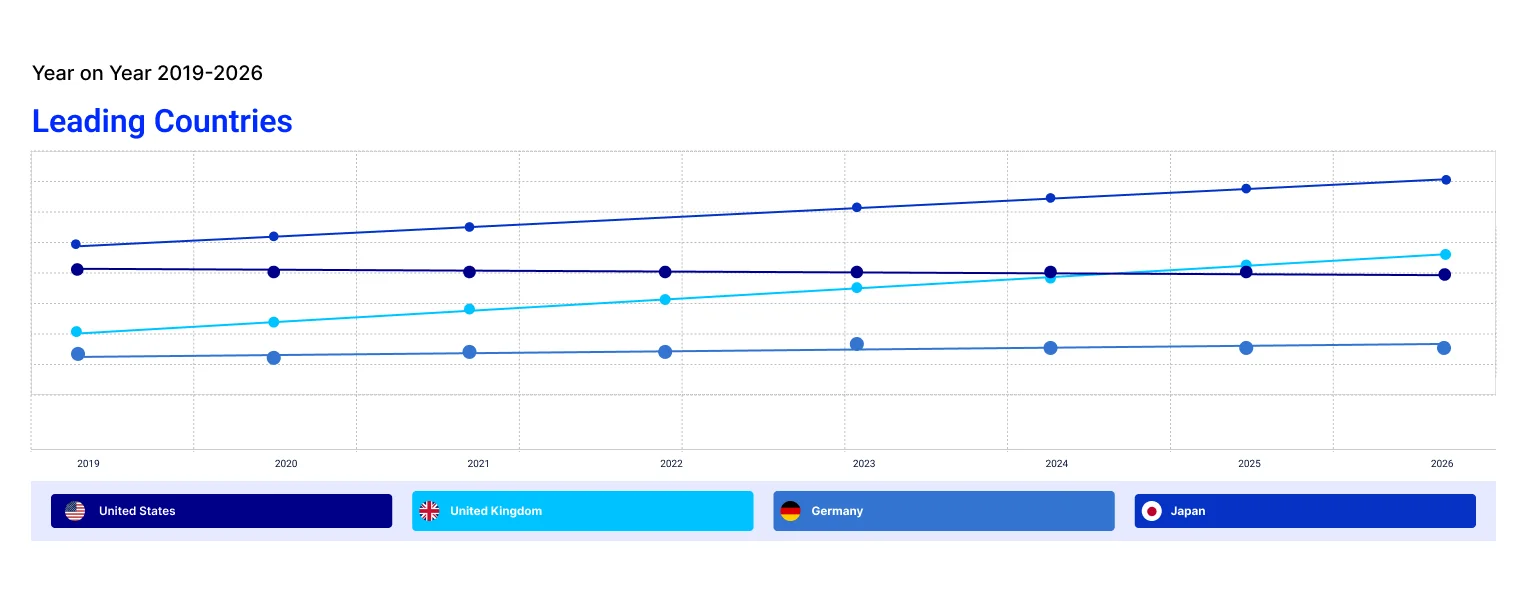
The United States leads the market due to the high prevalence among women and the elderly, supported by advanced diagnostics and widespread treatment access. According to Johns Hopkins Medicine, one in four adult women in the U.S. experiences urinary leakage, creating strong demand for both pharmaceutical and device-based interventions. Japan ranks second, driven by its aging population and national long-term care insurance program, which subsidizes incontinence-related care and products, boosting demand across both institutional and home-based settings.
The key features of the market report comprise clinical trials analysis, patent analysis, grants analysis, funding and investment analysis, and strategic initiatives by the leading players. The major companies in the market are as follows:
Headquartered in New York and established in 1849, Pfizer Inc. is one of the world’s leading pharmaceutical companies. In the urinary incontinence market, Pfizer played a key role with its co-development of the anticholinergic drug tolterodine (Detrol), which was widely used to manage overactive bladder symptoms. Although Detrol is now off-patent, Pfizer continues to contribute to urology research, leveraging its expertise in neuroscience and genitourinary conditions through strategic collaborations and innovation platforms.
Astellas Pharma, founded in 2005 and based in Tokyo, Japan, has established a robust presence in the urology space. Its flagship product, mirabegron (marketed as Myrbetriq), is a beta-3 adrenergic agonist widely prescribed for overactive bladder. The company has also invested in next-generation urology therapies, including fixed-dose combinations and gene therapies. Astellas continues to expand its footprint in the urinary incontinence market through targeted R&D and a commitment to improving patient outcomes in functional urology.
AbbVie, headquartered in North Chicago and spun off from Abbott Laboratories in 2013, is a prominent biopharmaceutical company. In the urinary incontinence market, AbbVie has gained traction through its collaboration with Medtronic and research in neurotoxins. The company’s interest in botulinum toxin-based therapies for overactive bladder and related conditions reflects its broader portfolio in neuroscience and chronic disease management. AbbVie continues to explore minimally invasive and long-acting therapies that address unmet needs in urological care.
Founded in 1668 and based in Darmstadt, Germany, Merck KGaA is a global science and technology company active in healthcare, life sciences, and performance materials. In the urinary incontinence space, Merck has contributed through its research in neuromodulation and bladder control mechanisms, as well as partnerships focused on digital health solutions. While not a primary player in anticholinergic drugs, the company’s innovation in precision medicine and drug delivery platforms supports advancements in incontinence and overactive bladder treatment.
*Please note that this is only a partial list; the complete list of key players is available in the full report. Additionally, the list of key players can be customized to better suit your needs.*
Other players in the market include Sanofi S.A., Kissei Pharmaceutical, Kyorin Holding, Urovant Sciences, Teva Pharmaceutical Industries Ltd., Eli Lilly and Company, Ferring Pharmaceuticals, Coloplast Corp, B. Braun SE, Johnson & Johnson Medtech, Boston Scientific Corporation, and BD.
The report offers a detailed analysis of the market based on the following segments:
Market Breakup by Incontinence Type
Market Breakup by Treatment Type
Market Breakup by Gender
Market Breakup by End User
Market Breakup by Region


Upto 15% Off
USD
$3299 $2969
$5499 $4949
$6999 $5949
$8199 $6969


*While we strive to always give you current and accurate information, the numbers depicted on the website are indicative and may differ from the actual numbers in the main report. At Expert Market Research, we aim to bring you the latest insights and trends in the market. Using our analyses and forecasts, stakeholders can understand the market dynamics, navigate challenges, and capitalize on opportunities to make data-driven strategic decisions.*
Explore our key highlights of the report and gain a concise overview of key findings, trends, and actionable insights that will empower your strategic decisions.
| REPORT FEATURES | DETAILS |
| Base Year | 2025 |
| Historical Period | 2019-2025 |
| Forecast Period | 2026-2035 |
| Scope of the Report |
Historical and Forecast Trends, Industry Drivers and Constraints, Historical and Forecast Market Analysis by Segment:
|
| Breakup by Incontinence Type |
|
| Breakup by Treatment Type |
|
| Breakup by Gender |
|
| Breakup by End User |
|
| Breakup by Region |
|
| Market Dynamics |
|
| Supplier Landscape |
|
| Companies Covered |
|
Datasheet
One User
USD 3,299
USD 2,969
tax inclusive*
Single User License
One User
USD 5,499
USD 4,949
tax inclusive*
Five User License
Five User
USD 6,999
USD 5,949
tax inclusive*
Corporate License
Unlimited Users
USD 8,199
USD 6,969
tax inclusive*
*Please note that the prices mentioned below are starting prices for each bundle type. Kindly contact our team for further details.*
Flash Bundle
Small Business Bundle
Growth Bundle
Enterprise Bundle
*Please note that the prices mentioned below are starting prices for each bundle type. Kindly contact our team for further details.*
Flash Bundle
Number of Reports: 3
20%
tax inclusive*
Small Business Bundle
Number of Reports: 5
25%
tax inclusive*
Growth Bundle
Number of Reports: 8
30%
tax inclusive*
Enterprise Bundle
Number of Reports: 10
35%
tax inclusive*
How To Order

Select License Type
Choose the right license for your needs and access rights.

Click on ‘Buy Now’
Add the report to your cart with one click and proceed to register.

Select Mode of Payment
Choose a payment option for a secure checkout. You will be redirected accordingly.
Strategic Solutions for Informed Decision-Making
Gain insights to stay ahead and seize opportunities.

Get insights & trends for a competitive edge.

Track prices with detailed trend reports.

Analyse trade data for supply chain insights.

Leverage cost reports for smart savings

Enhance supply chain with partnerships.

Connect For More Information
Our expert team of analysts will offer full support and resolve any queries regarding the report, before and after the purchase.
Our expert team of analysts will offer full support and resolve any queries regarding the report, before and after the purchase.
We employ meticulous research methods, blending advanced analytics and expert insights to deliver accurate, actionable industry intelligence, staying ahead of competitors.
Our skilled analysts offer unparalleled competitive advantage with detailed insights on current and emerging markets, ensuring your strategic edge.
We offer an in-depth yet simplified presentation of industry insights and analysis to meet your specific requirements effectively.




