

Consumer Insights
Uncover trends and behaviors shaping consumer choices today
Procurement Insights
Optimize your sourcing strategy with key market data
Industry Stats
Stay ahead with the latest trends and market analysis.
The vehicle ignition coil market stood at approximately USD 6.29 Billion in 2025 and is projected to reach around USD 9.40 Billion by 2035, expanding at a compound annual growth rate (CAGR) of 4.10% over the 2026 and 2035 forecast period. The ignition coil, also referred to as a spark coil, is a critical induction component within a vehicle's ignition system, responsible for transforming the vehicle battery's low voltage into the high voltage required to generate the electric spark that ignites the air-fuel mixture inside the combustion chamber. Every gasoline-powered passenger car, light commercial vehicle, and heavy commercial vehicle relies on a functioning ignition coil assembly for smooth engine starts, stable idling, and efficient combustion.
Demand for ignition coils is closely tied to two structural forces: global vehicle production and the size of the existing on-road vehicle parc that requires periodic component replacement. As automakers continue to manufacture internal combustion engine (ICE) and hybrid vehicles at scale even as electrification accelerates in parallel original equipment manufacturers (OEMs) and aftermarket suppliers alike continue to see consistent order volumes for coil-on-plug, distributor-based, and distributor-less ignition coil systems. This dual demand base, spanning both new-vehicle assembly lines and the replacement parts channel, underpins the steady, low-double-digit-billion valuation of this market and its continued expansion through the coming decade.
From an industry-structure standpoint, the vehicle ignition coil market sits at the intersection of automotive electronics, precision manufacturing, and aftermarket parts distribution. Component suppliers must simultaneously satisfy the exacting quality, durability, and cost requirements of OEM sourcing programs while also serving a highly fragmented global aftermarket populated by independent repair shops, franchised service centers, and online parts retailers. This dual-channel dynamic makes the ignition coil category somewhat distinct from more disruption-prone automotive electronics segments: even as vehicle architectures evolve, the core physics of spark-ignition combustion, and therefore the functional need for a reliable ignition coil, remains constant across the vast majority of the world's existing gasoline and hybrid vehicle fleet. This report examines the market's current scale, its segment-level composition, the regional forces shaping demand, and the competitive dynamics among the world's leading ignition coil manufacturers.
Compound Annual Growth Rate
4.1%
Value in USD Billion
2026-2035
Read more about this report - REQUEST FREE SAMPLE COPY IN PDF
| Vehicle Ignition Coil Market Report Summary | Description | Value |
| Base Year | USD Billion | 2025 |
| Historical Period | USD Billion | 2019-2025 |
| Forecast Period | USD Billion | 2026-2035 |
| Market Size 2025 | USD Billion | 6.29 |
| Market Size 2035 | USD Billion | 9.40 |
| CAGR 2019-2025 | Percentage | XX% |
| CAGR 2026-2035 | Percentage | 4.10% |
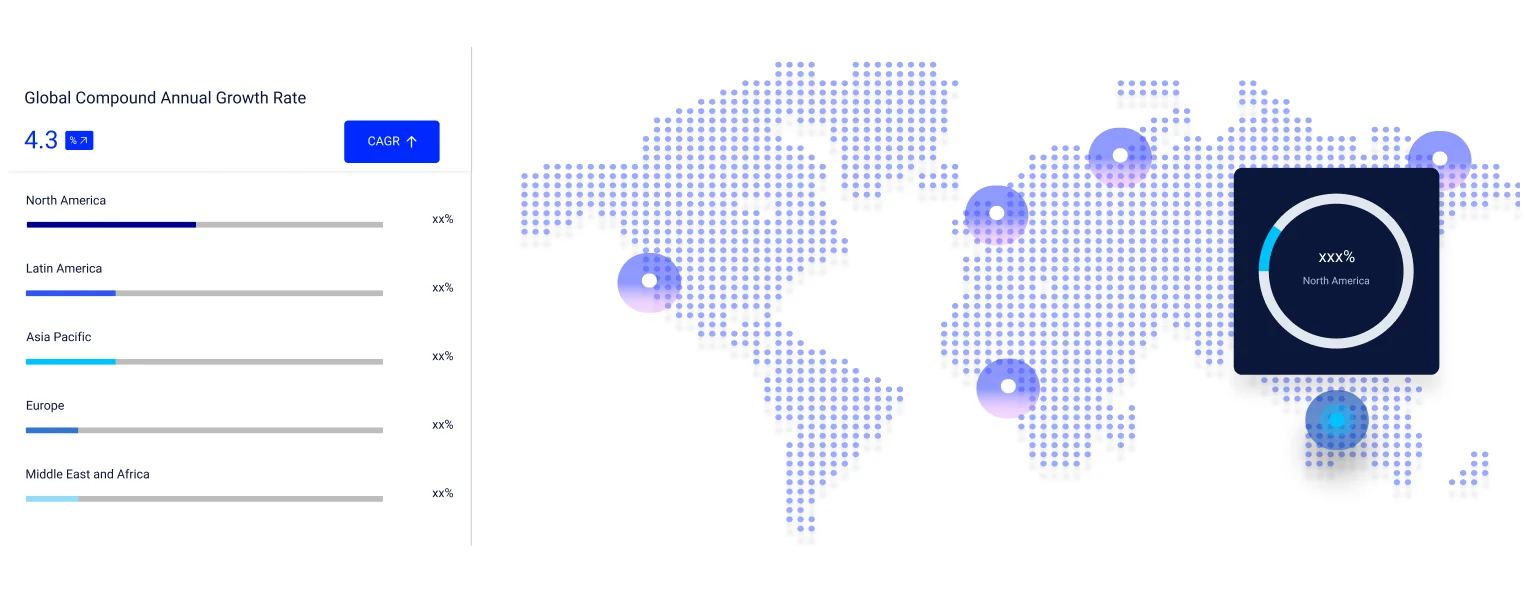
| CAGR 2026-2035 - Market by Region | North America | 4.3% |
| CAGR 2026-2035 - Market by Country | India | 5.0% |
| CAGR 2026-2035 - Market by Country | Canada | 4.7% |
| CAGR 2026-2035 - Market by Type | Coil-on-Plug | 4.9% |
| CAGR 2026-2035 - Market by Technology | Double Spark Technology | 5.3% |
| Market Share by Country 2025 | France | 3.6% |
Several converging factors are shaping demand and innovation across the vehicle ignition coil industry.
Global automotive production, led by Asia Pacific manufacturing hubs, continues to generate consistent baseline demand for ignition coils as a standard-fit OEM component. Every new gasoline or hybrid vehicle that rolls off an assembly line requires a full ignition coil set, directly linking coil demand to broader automotive industry production cycles, particularly in high-volume markets such as China, India, and Japan.
Tightening emission regulations across North America, Europe, and Asia Pacific are pushing automakers toward more precise, cylinder-specific ignition control to optimize combustion efficiency and reduce tailpipe emissions. This regulatory pressure is accelerating the shift toward coil-on-plug and dual-spark ignition architectures, which offer finer control over spark timing than legacy distributor-based systems and directly support compliance with modern emission standards.
Manufacturers are increasingly incorporating high-performance ceramic and epoxy-resin insulation materials into ignition coil design to improve heat resistance, durability, and overall product lifespan. In parallel, the adoption of additive manufacturing (3D printing) in coil production is helping suppliers reduce tooling costs, shorten development cycles, and improve dimensional precision a trend that is expected to strengthen further as engine bays become more compact under continued vehicle downsizing initiatives.
Growing Aftermarket Replacement Demand
Ignition coils are a wear-and-replace component, and a growing base of vehicles beyond their original warranty period is fueling steady aftermarket demand. Repair shops, garages, and parts distributors represent an important and growing end-user category alongside OEM channels, particularly in regions where vehicle ownership periods are lengthening and consumers are prioritizing cost-effective maintenance over new-vehicle purchases.
The vehicle ignition coil market is segmented on the basis of type, operating principle, vehicle type, distribution channel, and region, offering a comprehensive view of demand across product categories and geographies. Each of these segmentation lenses reveals distinct growth dynamics: product-type segmentation highlights the ongoing technology shift toward compact, high-precision coil architectures; vehicle-type segmentation reflects underlying automotive production mix; and channel segmentation captures the balance between new-vehicle assembly demand and the large, recurring replacement-parts opportunity. Together, these dimensions give component manufacturers, investors, and procurement teams a granular basis for identifying where future demand growth is most concentrated.
Market Breakup by Type
Key Insights: Coil-on-plug (COP) ignition coils, mounted directly above each spark plug, represent the leading and fastest-modernizing product type, favored by OEMs for their compact footprint, reduced energy loss, and elimination of spark plug wires. Distributor-based systems, once the industry standard, continue to see use in older vehicle platforms and specific commercial vehicle applications, while distributor-less ignition (DLI) systems bridge the two, using individual or paired coils without a mechanical distributor to improve reliability and reduce maintenance requirements.
Market Breakup by Technology
Key Insights: Single-spark ignition coils, which fire one spark plug per combustion event, remain the dominant technology given their lower cost and broad compatibility across mainstream passenger vehicle platforms. Dual-spark ignition coils, capable of firing two spark plugs simultaneously, are gaining traction in performance-oriented and select emission-optimized applications where more complete combustion and reduced misfire risk are priorities.
Market Breakup by Vehicle Type
Key Insights: Passenger cars account for the largest share of ignition coil demand, reflecting their dominant share of global vehicle production and the sheer scale of the passenger vehicle parc requiring both OEM and replacement coils. Light commercial vehicles (LCVs) represent a steadily growing segment tied to e-commerce-driven logistics and last-mile delivery fleets, while heavy commercial vehicles (HCVs) contribute a smaller but resilient share, with coil durability and thermal performance being especially critical given demanding duty cycles.
Market Breakup by Sales Channel
Key Insights: The OEM channel captures the bulk of unit volume tied directly to new vehicle assembly, supported by long-standing supplier relationships between component manufacturers and automakers. The aftermarket channel, however, is an increasingly strategic growth avenue, addressed by both original equipment suppliers and independent parts manufacturers, and is expected to benefit disproportionately from the aging vehicle fleet dynamic described earlier in this report.
Market Breakup by Region
Read more about this report - REQUEST FREE SAMPLE COPY IN PDF
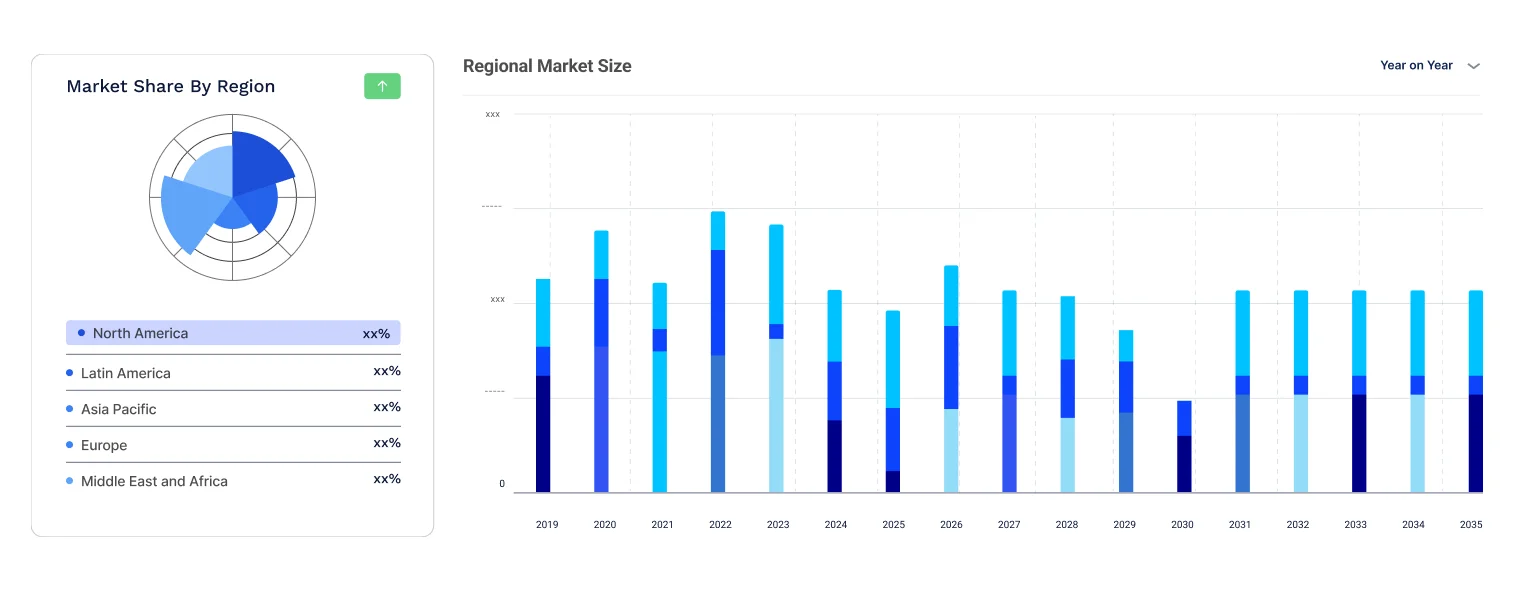
The vehicle ignition coil market varies significantly by region, shaped by differences in vehicle production, regulation, aftermarket infrastructure, and the pace of electrification. Mature markets like North America and Europe are driven largely by replacement demand and emissions compliance, while Asia Pacific leads in both production and consumption growth, and LAMEA is emerging as a smaller but steadily expanding market.
North America is a mature, replacement-driven market, supported by a large, aging vehicle fleet and well-established aftermarket distribution networks across the US and Canada. High average vehicle age keeps demand for ignition coil replacements steady, aided by widespread access to OEM-quality and aftermarket parts through national retailers and independent repair shops. However, growing EV adoption, tightening fuel-economy standards, and rising concerns over counterfeit components pose ongoing challenges.
Europe's market is shaped strongly by stringent EU emission standards, pushing OEMs toward more advanced coil-on-plug and dual-spark systems for tighter combustion control and improved efficiency. A well-developed independent aftermarket ecosystem, particularly in Germany, France, Italy, and the UK, supports consistent replacement demand. At the same time, aggressive EV targets and internal combustion phase-out timelines introduce long-term uncertainty, though hybrids continue to offer suppliers a transitional buffer.
Asia Pacific is the largest and fastest-growing regional market, powered by high-volume vehicle manufacturing in China, India, Japan, and South Korea. Continued strength in ICE and hybrid vehicle production, alongside expanding local component-manufacturing capacity, sustains robust OEM and aftermarket demand. Rising passenger vehicle ownership across urbanizing economies, including parts of Southeast Asia, adds further momentum as new vehicle owners create long-term maintenance and replacement demand.
LAMEA represents an emerging growth pocket, supported by gradually rising vehicle sales and government initiatives to strengthen domestic automotive manufacturing. Countries like Brazil, Mexico, and South Africa are increasingly localizing component production to serve both domestic demand and export markets. Still, lower vehicle ownership rates, uneven distribution infrastructure, and economic volatility keep the region's overall market size comparatively modest.
The vehicle ignition coil industry faces a meaningful set of operational and structural challenges as it navigates the current decade. Chief among these is the accelerating global shift toward electric vehicle (EV) powertrains, which, by design, eliminate the need for spark-ignition components altogether. As automakers and governments across Europe, China, and North America continue to advance electrification targets, component suppliers face growing pressure to diversify their product portfolios and manufacturing capabilities beyond traditional ICE ignition systems. Compounding this is intensifying price competition among a fragmented base of OEM-tier suppliers and lower-cost regional manufacturers, particularly across price-sensitive aftermarket segments in Asia Pacific and LAMEA, which continues to compress margins even as unit demand holds steady.
Beyond these challenges, several structural restraints continue to shape supplier strategy. Volatility in raw material costs, particularly for copper windings and specialty ceramic or epoxy-resin insulation materials, directly affects manufacturing economics and can compress profitability during periods of commodity price inflation. Additionally, the increasing complexity of modern engine bays, driven by continued vehicle downsizing and the integration of onboard diagnostics and sensor electronics, raises the technical and capital investment bar for suppliers seeking to remain OEM-qualified, creating a barrier for smaller manufacturers attempting to scale. Extended new-vehicle replacement cycles in mature markets can also moderate near-term aftermarket volume growth, even as the installed base continues to expand.
These pressures are counterbalanced by substantial opportunity. The large and aging global vehicle fleet, particularly across North America, Europe, and increasingly Asia Pacific, ensures a durable, multi-decade aftermarket replacement demand base that is largely insulated from near-term shifts in new-vehicle technology. Hybrid vehicles, which still rely on internal combustion engines and therefore on ignition coils, represent a meaningful bridge segment as full battery-electric adoption scales gradually rather than overnight. Suppliers investing early in advanced materials, 3D-printed manufacturing efficiencies, and dual-spark or high-precision coil technologies are well positioned to capture premium-segment share and strengthen OEM partnerships. For stakeholders evaluating where to allocate investment, R&D, or supply-chain resources across this evolving landscape, the full Expert Market Research report offers granular, segment-level forecasts and competitive benchmarking to support that decision-making.
The comprehensive Expert Market Research report provides an in-depth assessment of the market based on the Porter’s five forces model along with giving a SWOT analysis. The report gives a detailed analysis of the following key players in the global vehicle ignition coil market, covering their competitive landscape and the latest developments like mergers, acquisitions, investments, and expansion plans.
Robert Bosch GmbH, established in 1886, is a prominent technology and service provider across multiple sectors, including mobility solutions, industrial technology, consumer goods, and energy/building technology. Renowned for its Internet of Things (IoT) solutions, Bosch serves smart homes, Industry 4.0, and connected mobility. The Bosch Group comprises Robert Bosch GmbH and about 470 subsidiary and regional firms in 60 countries, boasting a vast global presence.
DENSO Corporation, established in 1949, is a leading manufacturer and supplier of a wide range of components used in vehicles worldwide, including top brands like Toyota, Honda, FCA, General Motors, Ford, Volvo, and Mercedes-Benz. With operations in 35 countries and regions, the company maintains a strong global presence. DENSO has a workforce of 164,572 skilled employees and an extensive network of 190 consolidated subsidiaries worldwide.
Valeo Group, founded in 1923, is a leading technology company and automotive partner that focuses on innovation to improve the cleanliness, safety, and intelligence of mobility. Its strengths lie in electrification, driving assistance systems, interior design, and advanced lighting solutions, making it a leader in transforming mobility. Employing over 109,900 people across 29 countries, Valeo operates multiple facilities, research centres, development hubs, and distribution platforms. The company is publicly traded on the Paris Stock Exchange.
Others market players include HELLA GmbH & Co. KgaA, BorgWarner Inc., Mitsubishi Electric Corporation, Hitachi, Ltd., Niterra Co., Ltd., Diamond Electric Mfg. Corporation, and Eldor Corporation S.P.A., among others.
Competition across this landscape centers on a combination of product reliability, thermal and electrical performance, pricing discipline, and the strength of global distribution networks spanning both OEM and aftermarket channels. Leading suppliers continue to differentiate through investment in advanced insulation materials, compact coil-on-plug architectures, and expanding regional manufacturing capacity to serve fast-growing Asia Pacific demand more cost-effectively. Long-standing OEM partnerships remain a significant competitive moat, as automakers typically favor suppliers with proven quality track records and the scale to support multi-year, multi-platform sourcing agreements.
Mid-sized and regional manufacturers, meanwhile, are carving out share by focusing on aftermarket-specific product lines, competitive pricing for high-volume replacement categories, and faster localized delivery through regional distribution hubs. This bifurcation between global OEM-focused suppliers and more nimble aftermarket specialists is expected to persist through the forecast period, with consolidation activity likely concentrated among mid-tier players seeking the scale needed to compete for large OEM contracts.
*Please note that this is only a partial list; the complete list of key players is available in the full report. Additionally, the list of key players can be customized to better suit your needs.*


Upto 15% Off
USD
$2499 $2249
$3999 $3599
$4999 $4249
$5999 $5099


*While we strive to always give you current and accurate information, the numbers depicted on the website are indicative and may differ from the actual numbers in the main report. At Expert Market Research, we aim to bring you the latest insights and trends in the market. Using our analyses and forecasts, stakeholders can understand the market dynamics, navigate challenges, and capitalize on opportunities to make data-driven strategic decisions.*
In 2025, the market reached an approximate value of USD 6.29 Billion.
The market is assessed to grow at a CAGR of 4.10% between 2026 and 2035.
The market is estimated to witness a healthy growth in the forecast period of 2026-2035 to reach around USD 9.40 Billion by 2035.
The major market drivers include increased vehicle production and sales, rapid urbanisation, improved living standards, growing sales of luxury vehicles in developing nations, and the rising demand for electric vehicles.
The global rise in automotive demand is poised to boost the need for ignition systems. Extended vehicle lifespans have accelerated maintenance, including ignition coil replacements, among others are acting as key industry trends.
North America, the Asia Pacific, Europe, Latin America, and the Middle East and Africa are the major regional markets for vehicle ignition coil.
The different types of vehicle ignition coil are into coil-on-plug, distributor-based, and distributor less, among others.
The key players in the market are Denso Corporation, Robert Bosch GmbH, Valeo Group, HELLA GmbH & Co. KGaA, BorgWarner Inc., Mitsubishi Electric Corporation, Valeo Group, Hitachi, Ltd., Niterra Co., Ltd., Diamond Electric Mfg. Corporation, and Eldor Corporation S.P.A., among others.
Explore our key highlights of the report and gain a concise overview of key findings, trends, and actionable insights that will empower your strategic decisions.
| REPORT FEATURES | DETAILS |
| Base Year | 2025 |
| Historical Period | 2019-2025 |
| Forecast Period | 2026-2035 |
| Scope of the Report |
Historical and Forecast Trends, Industry Drivers and Constraints, Historical and Forecast Market Analysis by Segment:
|
| Breakup by Type |
|
| Breakup by Technology |
|
| Breakup by Vehicle Type |
|
| Breakup by Sales Channel |
|
| Breakup by Region |
|
| Market Dynamics |
|
| Competitive Landscape |
|
| Companies Covered |
|
Datasheet
One User
USD 2,499
USD 2,249
tax inclusive*
Single User License
One User
USD 3,999
USD 3,599
tax inclusive*
Five User License
Five User
USD 4,999
USD 4,249
tax inclusive*
Corporate License
Unlimited Users
USD 5,999
USD 5,099
tax inclusive*
*Please note that the prices mentioned below are starting prices for each bundle type. Kindly contact our team for further details.*
Flash Bundle
Small Business Bundle
Growth Bundle
Enterprise Bundle
*Please note that the prices mentioned below are starting prices for each bundle type. Kindly contact our team for further details.*
Flash Bundle
Number of Reports: 3
20%
tax inclusive*
Small Business Bundle
Number of Reports: 5
25%
tax inclusive*
Growth Bundle
Number of Reports: 8
30%
tax inclusive*
Enterprise Bundle
Number of Reports: 10
35%
tax inclusive*
How To Order

Select License Type
Choose the right license for your needs and access rights.

Click on ‘Buy Now’
Add the report to your cart with one click and proceed to register.

Select Mode of Payment
Choose a payment option for a secure checkout. You will be redirected accordingly.
Strategic Solutions for Informed Decision-Making
Gain insights to stay ahead and seize opportunities.

Get insights & trends for a competitive edge.

Track prices with detailed trend reports.

Analyse trade data for supply chain insights.

Leverage cost reports for smart savings

Enhance supply chain with partnerships.

Connect For More Information
Our expert team of analysts will offer full support and resolve any queries regarding the report, before and after the purchase.
Our expert team of analysts will offer full support and resolve any queries regarding the report, before and after the purchase.
We employ meticulous research methods, blending advanced analytics and expert insights to deliver accurate, actionable industry intelligence, staying ahead of competitors.
Our skilled analysts offer unparalleled competitive advantage with detailed insights on current and emerging markets, ensuring your strategic edge.
We offer an in-depth yet simplified presentation of industry insights and analysis to meet your specific requirements effectively.




