

Consumer Insights
Uncover trends and behaviors shaping consumer choices today
Procurement Insights
Optimize your sourcing strategy with key market data
Industry Stats
Stay ahead with the latest trends and market analysis.
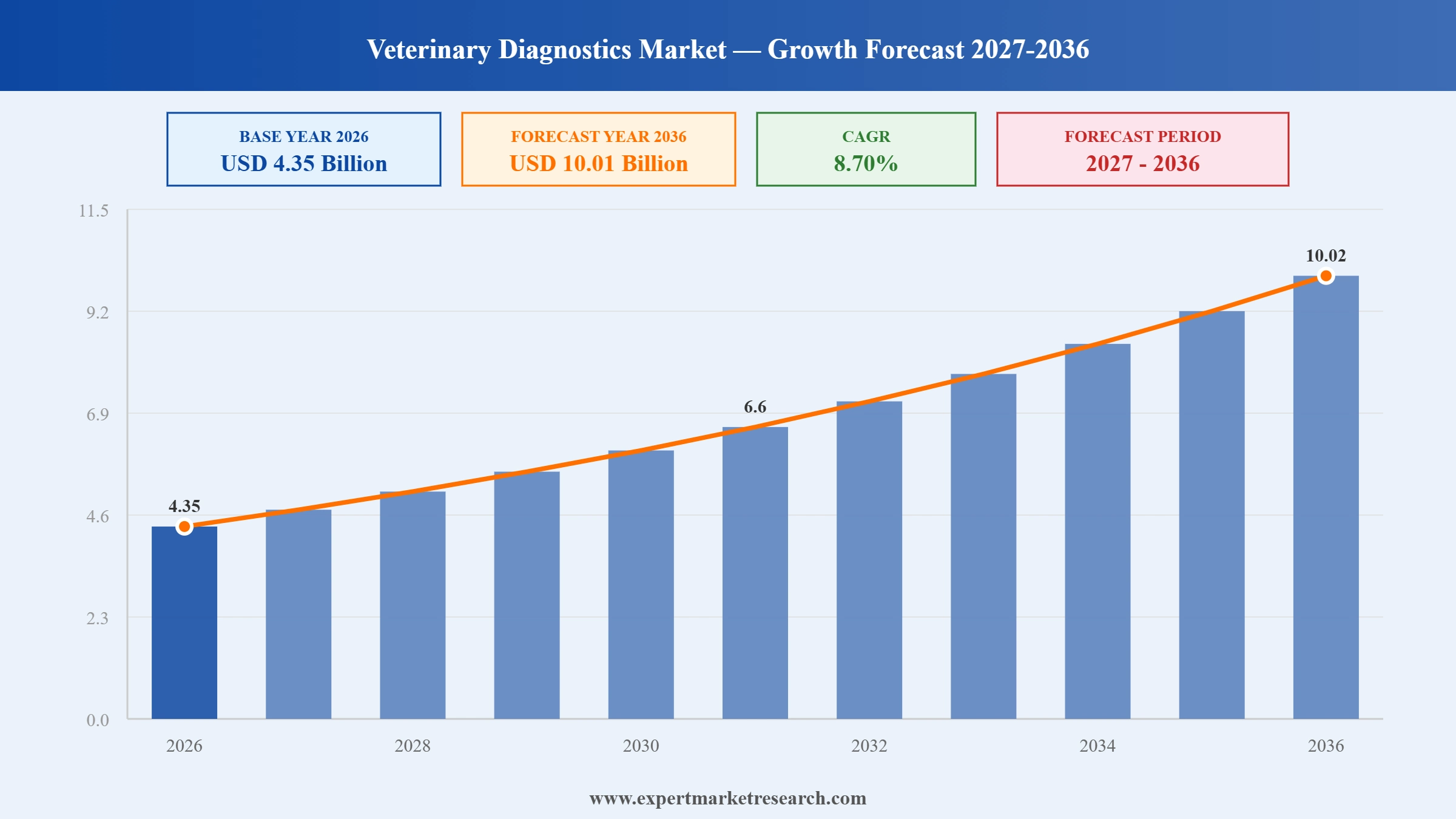
The global veterinary diagnostics market attained a value of USD 4.00 Billion in 2025 and is projected to grow at a CAGR of 8.70% through 2035. The market is further expected to reach USD 9.21 Billion by 2035. Rising pet ownership, growing livestock disease surveillance, and wider use of point of care and molecular testing are supporting strong growth in the global veterinary diagnostics market.
Demand for animal testing rests on the need to detect disease early in pets, protect herd health, and secure food supply chains. Rising pet humanisation, stronger veterinary spending, and growing awareness of zoonotic disease are expanding the number of tests ordered, while analyzers that deliver results during the clinic visit are moving diagnostics closer to the patient.
At the same time, governments are building surveillance programs that depend on large scale testing. In January 2025, the United States Department of Agriculture brought 15 more states into its National Milk Testing Strategy, raising participation to 28 states covering about 65% of national milk production, with more than 110,000 samples tested, which shows how disease control creates sustained laboratory demand. Each new outbreak also increases orders for kits, reagents, and laboratory services, because authorities need repeat sampling to confirm that herds are free of infection.
Leading diagnostics and animal health companies are directing growth capital toward broader test menus, in house reference laboratories, and connected analyzers rather than single products. Portfolio expansion into genomics and cancer screening, acquisitions of regional laboratory operators, and new launches for livestock and companion animals are now central to competitive positioning in the global veterinary diagnostics market.
Read more about this report - REQUEST FREE SAMPLE COPY IN PDF
| Global Veterinary Diagnostics Market Report Summary | Description | Value |
| Base Year | USD Billion | 2025 |
| Historical Period | USD Billion | 2019-2025 |
| Forecast Period | USD Billion | 2026-2035 |
| Market Size 2025 | USD Billion | 4.00 |
| Market Size 2035 | USD Billion | 9.21 |
| CAGR 2019-2025 | Percentage | XX% |
| CAGR 2026-2035 | Percentage | 8.70% |
| CAGR 2026-2035 - Market by Region | Asia Pacific | 10.0% |
| CAGR 2026-2035 - Market by Country | India | 11.5% |
| CAGR 2026-2035 - Market by Country | China | 9.6% |
| CAGR 2026-2035 - Market by Technology | Molecular Diagnostics | 9.9% |
| CAGR 2026-2035 - Market by Animal Type | Companion Animals | 9.5% |
| Market Share by Country 2025 | India | 3.6% |
Zoetis launched an equine complete blood count test on its Vetscan OptiCell analyzer, extending in clinic hematology to horses. Companies can leverage this trend by adding species specific tests to existing analyzers, which raises test volumes per instrument, deepens the installed base, and strengthens loyalty among equine practices that prefer a single supplier for diagnostics and consumables.
MiDOG launched a parasite test using next generation sequencing, built to identify several organisms in one sample. Companies across the veterinary diagnostics market can leverage this trend by offering broad molecular panels through reference laboratories, which reduces repeat sampling, supports earlier treatment decisions, and gives clinics a single result covering parasites that traditional microscopy and rapid tests often miss or mix up.
Thermo Fisher Scientific introduced the VetMAX Influenza A Virus Detection Kit 2.0, built from about 45,000 avian sequences and detecting H5, H7, and H9 subtypes. Companies across the veterinary diagnostics market can leverage this trend by updating assays as viruses evolve, which keeps surveillance accurate, supports government laboratory contracts, and builds trust with poultry and dairy producers facing frequent outbreaks and restrictions.
IDEXX launched a Cancer Dx test for canine mast cell tumours, adding to its early cancer detection menu. Companies across the veterinary diagnostics market can leverage this trend by building oncology panels on existing reference laboratory networks, which increases revenue per patient, encourages routine screening, and helps clinics offer affordable early detection to dog owners who want clear answers sooner and earlier.
Governments and universities across the veterinary diagnostics market are building new facilities to handle rising sample volumes from poultry, swine, and dairy surveillance. In April 2026, Penn State and the Pennsylvania Animal Diagnostic Laboratory System opened the USD 6 million Keystone Animal Diagnostics Center in Monaca, able to process 400 avian influenza samples a day. New capacity shortens response time during outbreaks, supports regional producers, and gives state veterinarians more testing options when several diseases circulate together across farms, processing plants, wildlife, and border areas.
Animal health groups across the veterinary diagnostics market are acquiring diagnostics specialists to broaden test menus and reach more clinics. In December 2025, Vimian acquired I-Vet, an Italian companion animal diagnostics company with about EUR 5.6 million of revenue, 75 staff, and 5,000 clinic customers. Such deals give buyers established customers, local sales teams, and complementary instruments without years of organic development, while shared logistics, purchasing, and service teams lower costs and let combined groups market broader packages of instruments, tests, and software to clinics.
Commercial laboratory chains across the veterinary diagnostics market are adding units to serve more clinics and shorten delivery times for samples. In January 2025, Vetex opened its first Brasilia unit, taking Brazil's largest veterinary laboratory network to nine units across six states after more than 2 million exams in 2024. Closer laboratories improve turnaround for clinics, widen access in regional cities, and let networks offer same day pickup, tailored panels, and local specialist support to practices that previously depended on distant facilities and slower couriers.
Public agencies across the veterinary diagnostics market are backing portable and rapid tools that detect disease on the farm instead of waiting for central laboratory results. In September 2025, the Philippines Department of Science and Technology and BioAssets Corporation unveiled a rapid DNA extraction kit, a real time African swine fever detection kit, and a mobile biocontainment laboratory. Faster detection limits spread, protects pork supply, helps small farmers receive results quickly, and reduces the cost and delay of sending samples to a central laboratory today.
Accreditation and proficiency programs are strengthening trust in animal disease testing, particularly in regions where specialist species receive less attention. In July 2025, the Abu Dhabi Agriculture and Food Safety Authority became the first body globally accredited for camel disease testing, launching a proficiency program for peste des petits ruminants’ antibodies in camels. Accredited results support trade, breeding, and herd health decisions, and they give owners, racing bodies, and regulators greater confidence that laboratory data can be compared across borders.
The Expert Market Research's report titled "Global Veterinary Diagnostics Market Report and Forecast 2026-2035" offers a detailed analysis of the veterinary diagnostics market based on the following segments:
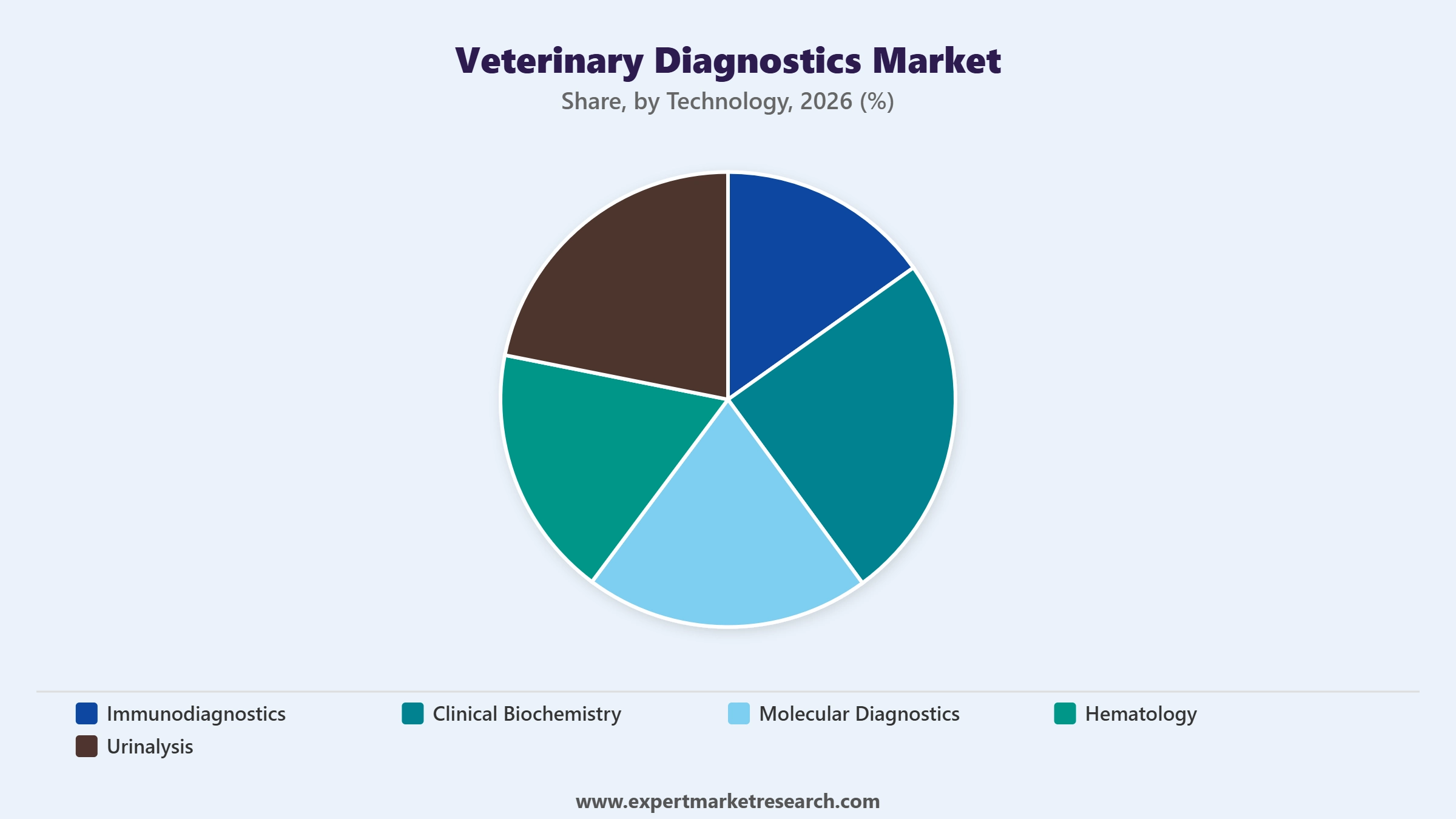
Market Breakup by Technology
Key Insight: Immunodiagnostics holds the largest share of the technology segment, as ELISA and lateral flow tests give fast, low-cost answers in clinics and on farms. Clinical biochemistry, hematology, and urinalysis remain routine, high-volume tests in every practice. Molecular diagnostics is the fastest growing technology at 9.9% as PCR and sequencing identify pathogens with greater precision. In March 2026, Volition and Fujifilm Vet Systems launched the first automated Nu.Q Vet Cancer Test on the IDS i10 analyzer in Japan. In July 2025, Washington State University developed FAIM, a cheek swab test using droplet digital PCR to flag cats at risk of chronic kidney disease.
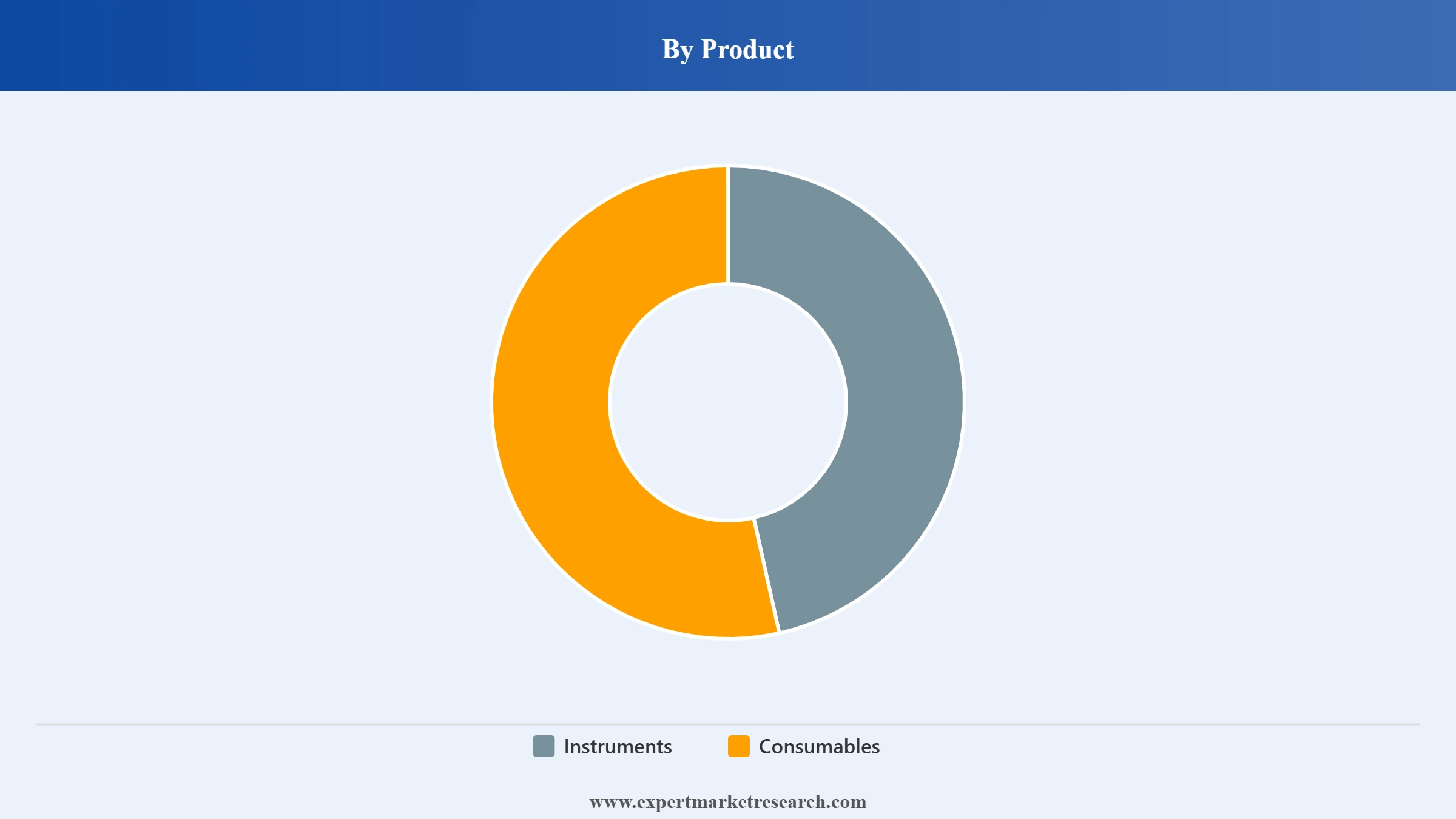
Market Breakup by Product
Key Insight: Consumables hold the largest share of the product segment, as test kits, reagents, and cartridges are bought repeatedly with every sample run. Instruments are the fastest growing product as clinics and farms invest in analyzers and portable platforms that deliver results on site. In December 2025, KVP International acquired SafePath-IVD of Carlsbad, California, as its diagnostics research and manufacturing arm. In September 2025, Zomedica launched feline cobalamin and folate tests on its Truforma platform for gastrointestinal disease in cats.
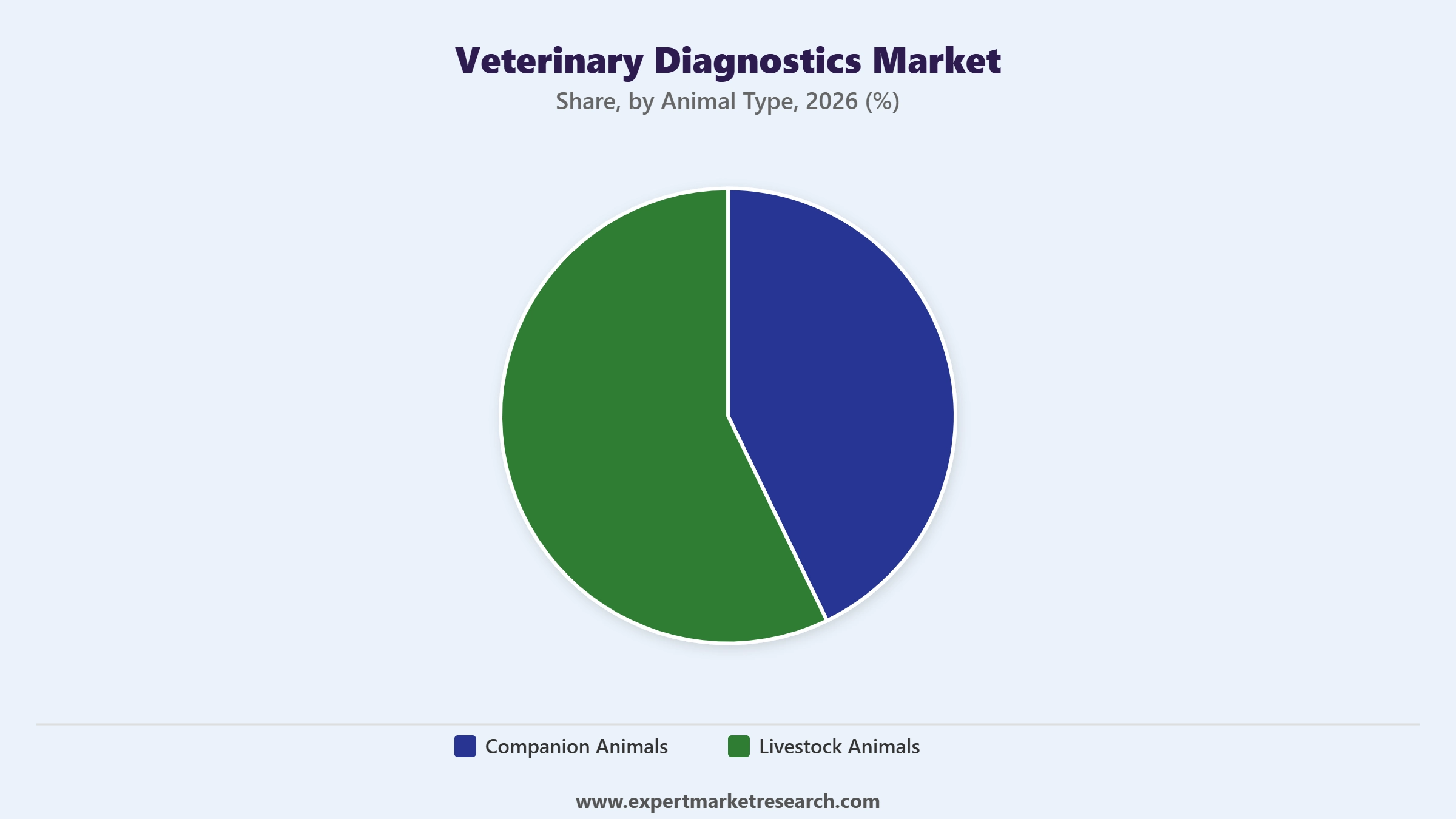
Market Breakup by Animal Type
Key Insight: Companion animals hold the largest share of the animal type segment, as pet owners pay for wellness screening, chronic disease monitoring, and cancer tests. Dogs and cats account for most test volumes. Livestock animals, led by cattle, pigs, and poultry, are the fastest growing group as producers invest in herd surveillance and disease control. In August 2026, the Council on Dairy Cattle Breeding added three calf health traits to its genetic evaluation. In July 2026, dsm-firmenich reported that 85% of 10,410 feed samples from 78 countries held multiple mycotoxins.
Market Breakup by Region
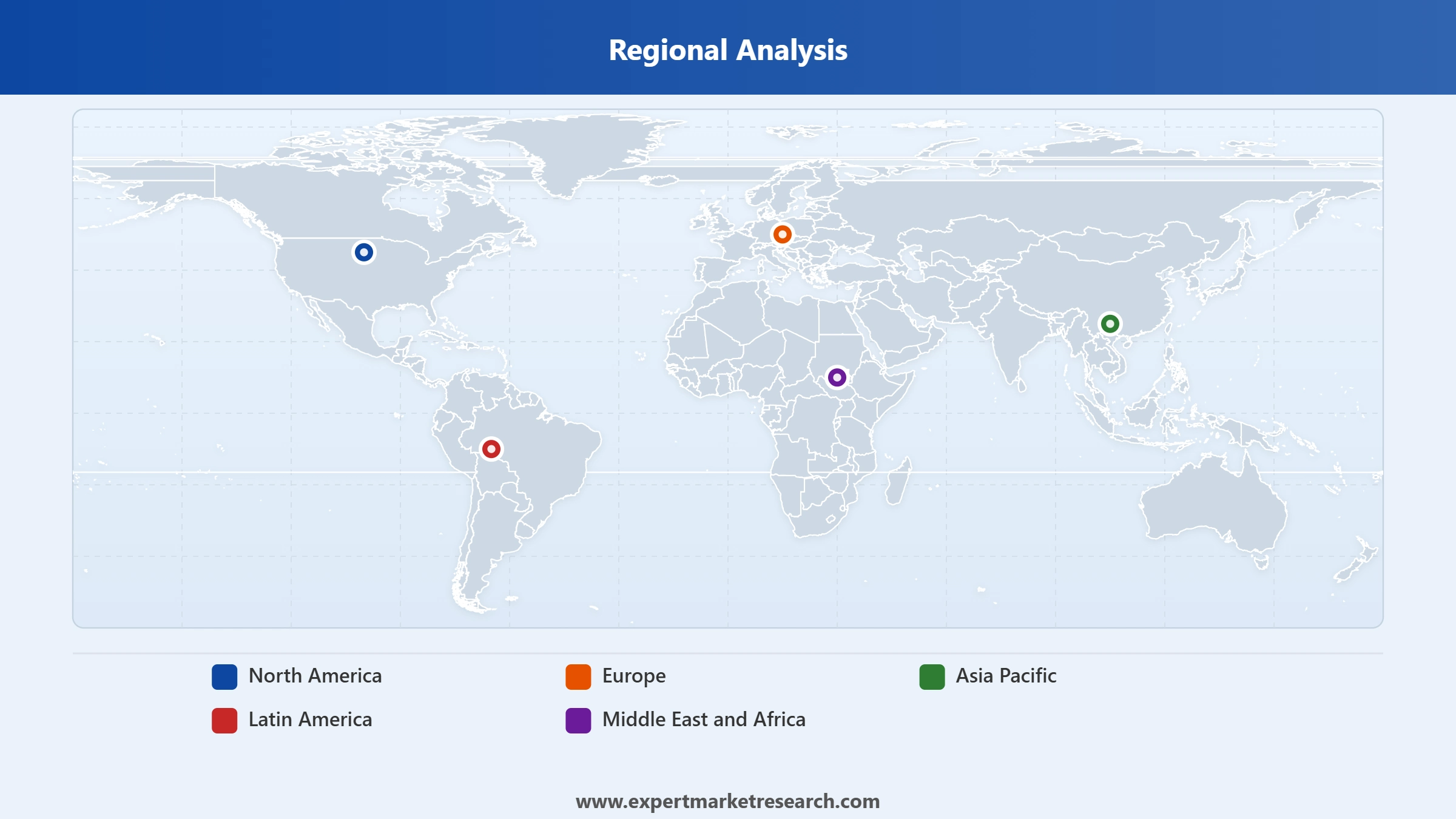
Key Insight: North America holds the largest regional share, supported by high pet ownership, strong veterinary spending, and a dense laboratory network. Europe follows with established clinic networks and strict disease control rules. Asia Pacific is the fastest growing region at 10.0%, led by India at 11.5% and China at 9.6%. Latin America and Middle East and Africa are expanding from smaller bases. In August 2026, bluetongue serotype 3 outbreaks in the United Kingdom and France increased demand for ruminant testing across Europe. In August 2025, the Pan American Health Organization trained laboratories from 19 countries in Rio de Janeiro in real time PCR and sequencing for avian influenza. In June 2026, the Kenya Wildlife Service opened the Northern Kenya Veterinary Laboratory at Lewa Conservancy for wildlife and livestock diagnostics.
Read more about this report - REQUEST FREE SAMPLE COPY IN PDF
By technology, immunodiagnostics dominates the global veterinary diagnostics market owing to fast, low-cost ELISA and lateral flow testing
Immunodiagnostics holds the largest share of the technology segment, because ELISA and lateral flow tests deliver quick, affordable results that clinics and farms can run with limited training. In July 2026, Brazilian researchers backed by FAPESP reported an electronic tongue sensor that detects H5N1 antibodies in about 6 minutes with 99% accuracy. Test kits for heartworm, parvovirus, and brucellosis keep repeat purchasing steady across small practices and farms, where staff time is quite limited and simple tests are highly valued.
Read more about this report - REQUEST FREE SAMPLE COPY IN PDF
Molecular diagnostics is registering the fastest growth within the technology segment at 9.9%, as PCR and sequencing improve pathogen detection. In June 2026, the World Organisation for Animal Health reported Australia's first detection of H5N1 high pathogenicity avian influenza in a brown skua. Surveillance events like this keep producers and regulators investing in dependable sampling programs and rapid confirmatory laboratories that can scale very quickly when new cases appear in poultry flocks, swine herds, or dairy herds across several regions.
By product, consumables dominate the global veterinary diagnostics market owing to repeat purchases with every sample run
Consumables hold the largest share of the product segment, because test kits, reagents, and cartridges are used up with each sample and reordered often. In July 2026, Virbac reported first half revenue growth of 7.4% at constant exchange rates and scope, helped by its Supercharge platforms. Recurring purchases give suppliers steady revenue and clinics predictable costs. Suppliers also bundle reagents with service contracts, which keeps customers loyal and makes switching between brands harder for busy practices and many smaller clinics.
Read more about this report - REQUEST FREE SAMPLE COPY IN PDF
Instruments are registering the fastest growth within the product segment, as clinics and farms invest in analyzers and portable platforms that deliver results on site. In December 2025, ProtonDx introduced its Dragonfly portable platform to detect porcine reproductive and respiratory syndrome and swine influenza on farm in about 25 minutes. Each installed instrument also creates future demand for its consumables. Portable units also let veterinarians test during farm visits, avoiding delays from sending samples to distant external laboratories for testing.
By animal type, companion animals dominate the global veterinary diagnostics market owing to rising pet ownership and preventive care spending
Companion animals hold the largest share of the animal type segment, because dog and cat owners increasingly treat pets as family members and pay for screening, monitoring, and early disease detection. In January 2026, Antech added symmetric dimethylarginine testing on its Element i plus analyzer for early kidney disease detection. Senior panels and chronic disease monitoring create recurring demand. Insurance coverage, wellness plans, and longer pet lifespans also raise testing frequency, while owners ask for earlier answers about kidney conditions.
Read more about this report - REQUEST FREE SAMPLE COPY IN PDF
Livestock animals are registering the fastest growth within the animal type segment, as outbreaks of African swine fever, avian influenza, and bluetongue make herd testing essential. In August 2026, Elanco reported second quarter revenue of USD 1,368 million, with Farm Animal revenue of USD 633 million alongside Pet Health at USD 718 million. Producers value rapid tests that protect output and trade. They increasingly pair results with herd monitoring software and advice, which encourages regular screening and early disease prevention.
North America commands the largest regional share of the global veterinary diagnostics market, supported by high pet ownership and dense laboratory networks
North America commands the largest regional share of the global veterinary diagnostics market, supported by high pet ownership, strong veterinary spending, and a dense network of clinics and reference laboratories nationwide. In October 2025, Neogen reported first quarter fiscal 2026 revenue of USD 209.2 million, with core organic growth of 0.3% after divesting its cleaners and disinfectants business. Insurance uptake and specialty hospitals also lift spending per visit and make new tests available to pet owners much sooner than before.
Read more about this report - REQUEST FREE SAMPLE COPY IN PDF
Asia Pacific is registering the fastest growth among the regional markets at 10.0%, driven by rising pet ownership, expanding livestock production, and government investment in disease surveillance in India, China, and Southeast Asia. In May 2025, CSIRO's Australian Centre for Disease Preparedness began a three-year laboratory twinning project with Indonesia to build avian influenza diagnostic capacity. Large pet populations and livestock exports add further demand for tests, instruments, and laboratory services across the wider region and neighboring export markets.
The competitive landscape remains moderately consolidated, with established veterinary diagnostics companies competing on test menus, instrument installed bases, and reference laboratory networks across North America, Europe, and Asia Pacific. Leading veterinary diagnostics companies continue to invest in point of care analyzers, molecular panels, and digital reporting to retain clinic customers while capturing demand from newer livestock and companion animal buyers. Many of these firms also bundle instruments, consumables, and software into service contracts that keep clinics loyal.
Major veterinary diagnostics market players are also pursuing acquisitions, partnerships with distributors, and laboratory expansions to strengthen their footprint across both established and faster growing markets. Continued emphasis on faster results, broader test menus, and recurring consumables revenue is allowing established brands to defend their position with clinics and producers while building deeper presence in emerging regions. Training, technical support, and quality control programs are also helping them hold on to customers.
Founded in 1952 and headquartered in Parsippany, New Jersey, United States, Zoetis Inc. supplies the market through Vetscan point of care analyzers, rapid tests, reference laboratory services, and digital diagnostic tools alongside its vaccines and medicines for pets and livestock. The company operates manufacturing sites across several regions and sells directly in about 45 countries, with distributors and partners reaching markets beyond that direct network.
Founded in 1983 and headquartered in Westbrook, Maine, United States, IDEXX Laboratories, Inc. supplies the market within clinic analyzers, rapid assays, reference laboratory services, and practice software for companion animals and livestock. The company sells to veterinarians in more than 175 countries through direct sales teams and distributors, and its consumables and recurring services create a base of repeat revenue.
Founded in 1982 and headquartered in Crumlin, County Antrim, Northern Ireland, United Kingdom, Randox Laboratories Ltd. supplies the veterinary diagnostics market with reagents, analyzers, and quality control products for veterinary clinical chemistry, alongside its human diagnostics business. The company sells to laboratories in about 145 countries and develops its own reagents, which allows it to supply test panels for veterinary reference laboratories and clinics.
Founded in 1988 and headquartered in Loveland, Colorado, United States, Heska Corporation supplies the market with point of care blood analyzers, allergy testing, imaging, and digital diagnostics for veterinarians. The company is now part of Mars and is sold through the Mars veterinary business, linking its analyzers and consumables to a broad clinic network that includes reference laboratory and hospital services.
Other key players in the global market include Idvet, Biomérieux SA, Virbac, Neogen Corporation, Thermo Fisher Scientific, Qiagen, and Abaxis, Inc., among others.
*Please note that this is only a partial list; the complete list of key players is available in the full report. Additionally, the list of key players can be customized to better suit your needs.*
Unlock the latest insights with our global veterinary diagnostics market trends 2026 report. Discover regional growth patterns, technology shifts, animal type trends, and key industry players. Stay ahead of competition with trusted data and expert analysis. Download your free sample report today and drive informed decisions in the market.


Upto 15% Off
USD
$2499 $2249
$3999 $3599
$4999 $4249
$5999 $5099


*While we strive to always give you current and accurate information, the numbers depicted on the website are indicative and may differ from the actual numbers in the main report. At Expert Market Research, we aim to bring you the latest insights and trends in the market. Using our analyses and forecasts, stakeholders can understand the market dynamics, navigate challenges, and capitalize on opportunities to make data-driven strategic decisions.*
The market reached a value of USD 4.00 Billion in 2025.
The market is projected to grow at a CAGR of 8.70% between 2026 and 2035, reaching USD 9.21 Billion by 2035.
The major drivers of the market include the increasing prevalence of animal zoonotic diseases and animal population growth, increased demand for animal-based food goods, increased rates of employment, increased demand for pet insurance, and increased spending on animal welfare.
The increase in the number of veterinary practitioners and increased pet ownership are the key trends driving the market growth.
The market is broken down into North America, Europe, Asia Pacific, Latin America, the Middle East, and Africa.
By technology, the market is divided into immunodiagnostics, clinical biochemistry, molecular diagnostics, hematology, urinalysis, and others.
Based on product, the market is segmented into instruments and consumables.
The animal types in the market include companion animals and livestock animals. While companion animals can be further sub-divided into dogs, cats, and horses, among others, livestock animals can be further segmented into cattle, pigs and poultry, among others.
Key players in the market include Randox Laboratories, Ltd., Idvet, Biomérieux SA, Virbac, Heska Corporation, Neogen Corporation, Thermo Fisher Scientific, Qiagen, Zoetis, Inc., Abaxis, Inc., and Idexx Laboratories, among others.
The market is estimated to witness healthy growth in the forecast period of 2026-2035, reaching a value of around USD 9.21 Billion by 2035.
Immunodiagnostics leads the market by technology, while molecular diagnostics is the fastest growing category.
North America leads the market by region, while Asia Pacific is registering the fastest growth.
Explore our key highlights of the report and gain a concise overview of key findings, trends, and actionable insights that will empower your strategic decisions.
| REPORT FEATURES | DETAILS |
| Base Year | 2025 |
| Historical Period | 2019-2025 |
| Forecast Period | 2026-2035 |
| Scope of the Report |
Historical and Forecast Trends, Industry Drivers and Constraints, Historical and Forecast Market Analysis by Segment:
|
| Breakup by Technology |
|
| Breakup by Product |
|
| Breakup by Animal Type |
|
| Breakup by Region |
|
| Market Dynamics |
|
| Competitive Landscape |
|
| Companies Covered |
|
| Report Price and Purchase Option | Explore our purchase options that are best suited to your resources and industry needs. |
| Delivery Format | Delivered as an attached PDF and Excel through email, with an option of receiving an editable PPT, according to the purchase option. |
Datasheet
One User
USD 2,499
USD 2,249
tax inclusive*
Single User License
One User
USD 3,999
USD 3,599
tax inclusive*
Five User License
Five User
USD 4,999
USD 4,249
tax inclusive*
Corporate License
Unlimited Users
USD 5,999
USD 5,099
tax inclusive*
*Please note that the prices mentioned below are starting prices for each bundle type. Kindly contact our team for further details.*
Flash Bundle
Small Business Bundle
Growth Bundle
Enterprise Bundle
*Please note that the prices mentioned below are starting prices for each bundle type. Kindly contact our team for further details.*
Flash Bundle
Number of Reports: 3
20%
tax inclusive*
Small Business Bundle
Number of Reports: 5
25%
tax inclusive*
Growth Bundle
Number of Reports: 8
30%
tax inclusive*
Enterprise Bundle
Number of Reports: 10
35%
tax inclusive*
How To Order

Select License Type
Choose the right license for your needs and access rights.

Click on ‘Buy Now’
Add the report to your cart with one click and proceed to register.

Select Mode of Payment
Choose a payment option for a secure checkout. You will be redirected accordingly.
Strategic Solutions for Informed Decision-Making
Gain insights to stay ahead and seize opportunities.

Get insights & trends for a competitive edge.

Track prices with detailed trend reports.

Analyse trade data for supply chain insights.

Leverage cost reports for smart savings

Enhance supply chain with partnerships.

Connect For More Information
Our expert team of analysts will offer full support and resolve any queries regarding the report, before and after the purchase.
Our expert team of analysts will offer full support and resolve any queries regarding the report, before and after the purchase.
We employ meticulous research methods, blending advanced analytics and expert insights to deliver accurate, actionable industry intelligence, staying ahead of competitors.
Our skilled analysts offer unparalleled competitive advantage with detailed insights on current and emerging markets, ensuring your strategic edge.
We offer an in-depth yet simplified presentation of industry insights and analysis to meet your specific requirements effectively.




