

Consumer Insights
Uncover trends and behaviors shaping consumer choices today
Procurement Insights
Optimize your sourcing strategy with key market data
Industry Stats
Stay ahead with the latest trends and market analysis.
The virus filtration market attained a value of USD 5.81 Billion in 2025 and is projected to expand at a CAGR of 12.30% through 2035. The market is further expected to achieve USD 18.53 Billion by 2035. The shift toward continuous and single-use bioprocessing is reshaping virus filtration requirements. Sartorius reports single-use technologies are used in about 85% of bioprocesses in clinical development, while commercial adoption remains below 20%, leaving substantial room for downstream filtration integration as flexible manufacturing expands.
With the rising adoption of viral clearance validation in the biosimilar comparability process, there will be increased specialized needs for virus filtration products. As firms work to show a pattern of consistent purity and viral safety in the course of their process modifications, filtration firms will have an opportunity arising out of the need for scalable membranes, validation packages, and application-specific testing to back up their regulatory applications. Another major catalyst is the rise in the manufacture of plasma-based drug therapies. With the fractionation plant requiring stringent viral safety systems for protein flow, there will be a rising need for virus filtration products that will reliably filter viruses while ensuring the preservation of the therapeutic proteins. Investments in plasma collection, fractionation capacity, and supply-chain resilience are consequently creating additional opportunities for filtration-system providers, consumable manufacturers, and technical-service specialists, thereby boosting the virus filtration market value.
An emerging innovation in virus filtration is the development of advanced membrane systems that can support high concentration of biologics without any reduction in throughput but with no reduction in virus retention capacity as well. One example is the Viresolve® Pro-S Solution from Merck, which was introduced in 2026 to deal with difficult process fluids like high concentration of monoclonal antibodies. The technology employs membrane and pre-filtering systems in order to improve the processing of such fluids. According to Merck, the Viresolve® Pro series has a retention of viruses ≥4.0 log reduction of parvoviruses, which are small, non-enveloped viruses. Its Pro-S configuration is specifically designed for hydrophobic and highly concentrated molecules, supporting more efficient downstream processing. This innovation enables manufacturers to increase product concentration while managing filtration capacity, making membrane engineering increasingly important for next-generation biologics manufacturing and commercial-scale viral clearance.
High validation and qualification requirements can constrain virus filtration adoption, particularly for smaller biotechnology manufacturers. Demonstrating consistent viral clearance requires extensive process characterization, filter compatibility testing, integrity testing, and regulatory documentation, increasing development timelines and costs.Such difficulties could be addressed by employing single use filtration modules, standardizing validation procedures, and using external services for viral clearance testing. Companies can offer pre-validated modules along with technical advice on specific applications, thus making less effort necessary for qualification. Integrating automated process monitoring and digital documentation can further simplify data generation, improve traceability, and accelerate technology transfer between development and manufacturing facilities, thereby boosting the virus filtration market developments.
Compound Annual Growth Rate
12.3%
Value in USD Billion
2026-2035
Read more about this report - REQUEST FREE SAMPLE COPY IN PDF
Asahi Kasei Bioprocess introduced the VANTIJ® SU-VFC Benchtop in September 2026, extending automated, single-use virus filtration to laboratory-scale and process-development applications. Initially designed for gene therapy manufacturing, the system accommodates 0.12 m² and 0.3 m² Planova™ 35N filters. Its guided setup, tool-free tubing installation, recipe-driven software and batch reporting are intended to improve process consistency, simplify operation and reduce operator variability.
Merck announced an expansion of its Peenya, Bengaluru, manufacturing facility in April 2026, adding production capacity for filtration hardware systems and introducing the Pellicon® 2 Ultrafiltration Cassette in 2026. The site, which has manufactured filtration hardware since 2006 and consumables since 2022, supports global pharmaceutical and life-science supply chains. The investment strengthens Merck’s manufacturing footprint in India and supports the supply of filtration technologies used in medicine and vaccine production.
Charles River Laboratories announced an expansion of its Cologne, Germany, viral-clearance facility in March 2026, adding 200 m² of laboratory space from Q2 2026. The expansion includes two independent laboratory suites with BSL-3 capability and BSL-2 qualification for genetically modified organisms. The investment is designed to increase specialised viral-clearance testing capacity, accommodate complex biologics and advanced therapies, and support growing demand for regulatory-focused viral-safety studies
MilliporeSigma, the US and Canada Life Science business of Merck KGaA, opened a €150 million filtration manufacturing facility in Blarney, Cork, Ireland, on September 18, 2025. The 3,000-square-metre cleanroom facility manufactures filtration devices used in aseptic processing, tangential-flow filtration and virus filtration. Powered by renewable electricity, the facility is designed to strengthen regional supply resilience and meet growing demand for filtration technologies used in vaccines, monoclonal antibodies, and cell and gene therapies, thus shaping the trends of the virus filtration market.
In September 2026, Asahi Kasei introduced the VANTIJ® SU-VFC Benchtop, an automated single-use virus-filtration system for laboratory-scale and process-development applications. The system accommodates 0.12 m² and 0.3 m² Planova™ 35N virus-removal filters and extends automation into smaller process-development workflows. Its significance is operational: developers can establish repeatable filtration parameters earlier and generate process data before committing to larger production equipment. This supports greater consistency during scale-up and creates demand for compact filtration hardware, digital controls, and standardized single-use assemblies.
Merck KGaA reported in August 2026 that its Life Science business had launched Viresolve® Pro-S Solution, a virus-filtration solution designed for greater sustainability and throughput when processing complex, high-concentration monoclonal antibodies. The development reflects a specific manufacturing challenge: higher product concentrations can place greater demands on downstream filtration capacity and process economics. Suppliers that improve flow characteristics without compromising viral retention can therefore address a critical bottleneck in commercial biologics production while supporting higher productivity per manufacturing batch.
In January 2026, Sartorius expanded its bio-circular portfolio and announced that PFAS-free Sartopore Evo filters would be produced using ISCC Plus-certified materials at its Göttingen site. The company stated that the certified approach can reduce fossil-based compounds in Sartopore Evo filters by an average of 40-60%. This illustrates how procurement teams are increasingly evaluating filtration products not only for retention and throughput but also for material composition, traceability, and environmental attributes within single-use manufacturing systems, thus shaping the trends of the virus filtration market.
The FDA's January 2026 communication on cellular and gene therapies outlined a more flexible approach to CMC requirements, including lifecycle-oriented process and method validation. In May, the agency subsequently issued final CMC guidance for CGT products intended for BLAs. These measures can reduce unnecessary development friction while retaining applicable quality requirements. For filtration suppliers, the implication is a broader requirement for scalable, well-characterized viral-clearance technologies that can generate defensible process data across evolving manufacturing platforms.
Lonza expanded its commercial manufacturing capacity in 2026, including additional capabilities across mammalian biologics, drug product, bioconjugates, and cell and gene therapy. Its large-scale mammalian asset in Visp entered commercial operations during the first half of 2026, while the company reported continued strong demand for integrated biologics outsourcing. As manufacturing is distributed across more facilities and modalities, virus filtration suppliers increasingly need to support technology transfer, qualification, documentation, and repeatable performance across multiple sites rather than selling standalone filter units.
The Expert Market Research’s report titled "Virus Filtration Market Report and Forecast 2026-2035” offers a detailed analysis of the market based on the following segments:
Market Breakup by Products
Key Insight: Filtration systems, kits and consumables, and services are increasingly being purchased as an interconnected viral-clearance workflow rather than isolated products. Filtration hardware establishes the physical separation step, while membranes, prefilters, integrity-testing materials, and other consumables determine routine operating continuity. Services then support process characterization, validation, spiking studies, and technology transfer. This integrated purchasing model is particularly relevant as manufacturers move between laboratory, clinical, and commercial scales. Sartorius, for example, offers virus-filtration formats spanning laboratory-scale configurations through larger filtration areas, while Asahi Kasei is extending automated filtration into benchtop process development.
Market Breakup by Application
Key Insight: Biological manufacturing remains closely connected with virus filtration because viral clearance is embedded in the production of biologics and advanced therapies, while medical-device, water, and air applications broaden the addressable market. Biological applications increasingly require filtration technologies capable of handling high-value, sensitive products without compromising recovery. Water and air applications emphasize contaminant control and system reliability, while medical-device applications focus on process and product safety. The breadth of these applications gives suppliers opportunities to adapt membrane materials, system configurations, monitoring technologies, and validation packages for substantially different operating conditions rather than relying on one standardized filtration architecture.
Market Breakup by End User
Key Insight: Pharmaceutical and biotechnology companies represent the central purchasing group because they require validated viral-clearance strategies throughout development and commercial manufacturing. CROs increasingly influence demand earlier in the development cycle by performing process development, analytical testing, and validation-related activities for sponsors. This creates an important commercial opportunity for suppliers capable of supporting both internal manufacturing teams and outsourced development organizations. FDA's expanding focus on CMC considerations for cellular and gene therapies further reinforces the need for documented process controls and scalable manufacturing approaches, encouraging end users to source filtration systems together with qualification, testing, and technical support.
Market Breakup by Region
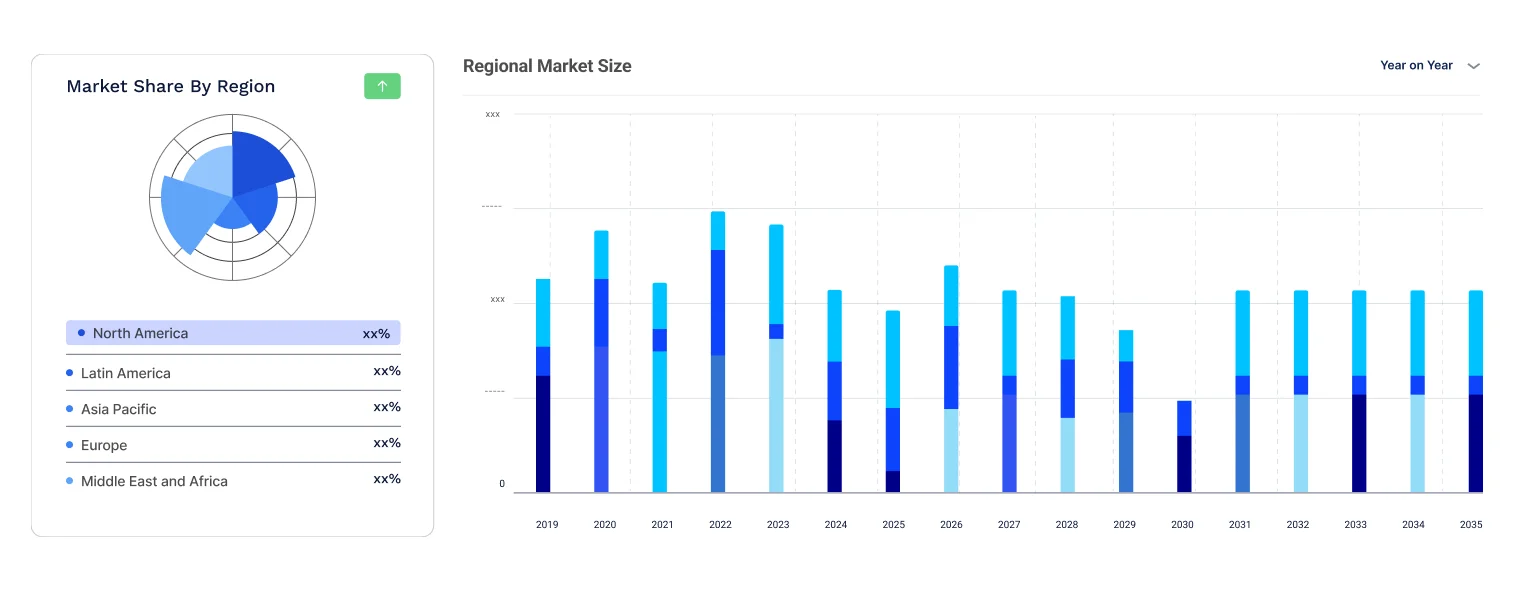
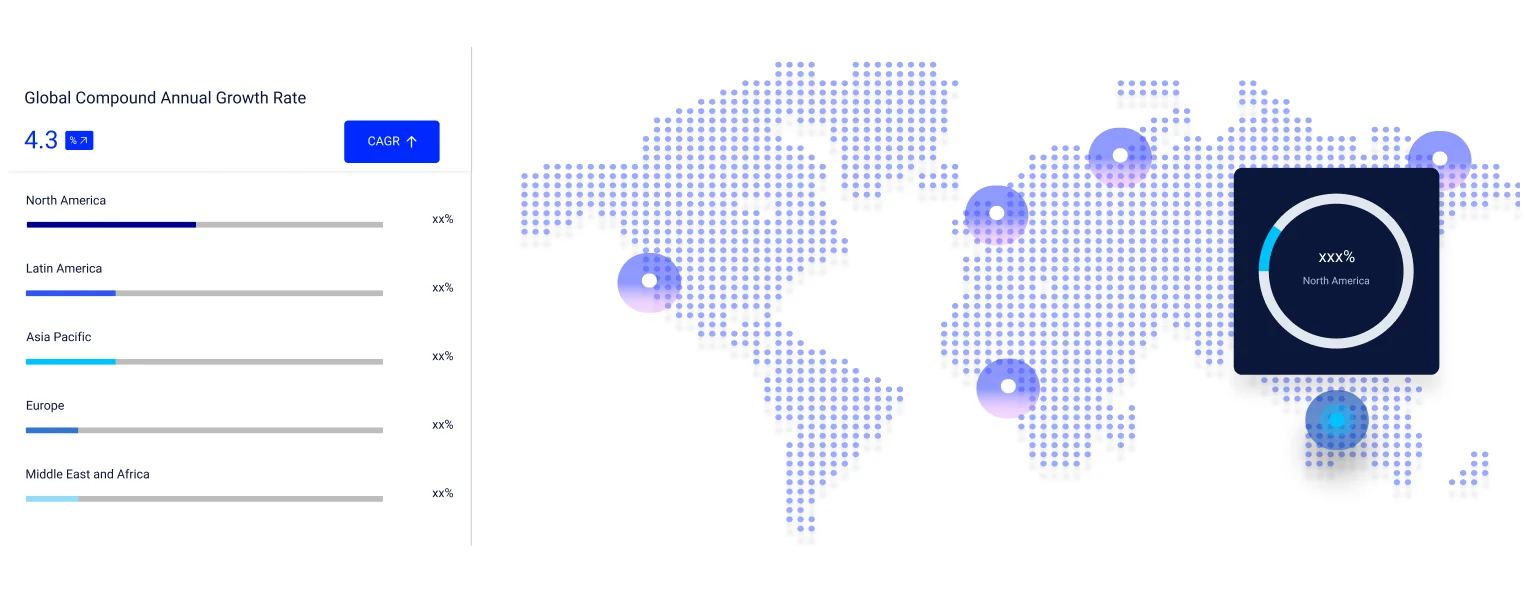
Key Insight: North America, Europe, Asia Pacific, Latin America, and the Middle East and Africa are developing through different combinations of biologics manufacturing, regulatory maturity, CDMO activity, and healthcare investment. North America benefits from a deep advanced-therapy and biopharmaceutical ecosystem, Europe combines established manufacturing infrastructure with strong quality requirements, while Asia Pacific is expanding production capacity and regional supply chains. Latin America and the Middle East and Africa offer longer-term opportunities as pharmaceutical manufacturing and healthcare infrastructure develop. Suppliers can therefore gain market coverage by combining localized technical support with globally standardized validation and documentation packages, thus driving the demand in the virus filtration market.
Read more about this report - REQUEST FREE SAMPLE COPY IN PDF
Filtration systems remain the dominant product category as manufacturers increasingly seek automated, single-use and scalable virus-filtration platforms rather than standalone filter media. A recent example is Asahi Kasei’s September 2026 launch of the VANTIJ® SU-VFC Benchtop, a compact automated system designed for laboratory-scale and process-development applications using 0.12 m² and 0.3 m² Planova™ 35N filters. Its recipe-driven software, guided setup, tool-free tubing replacement and batch reporting specifically address repeatability and operator variability during development. At a larger scale, Asahi Kasei is also expanding Planova production capacity through a new hollow-fibre membrane spinning plant in Japan, scheduled to begin operations in 2030. These developments indicate that suppliers are competing not only on virus-retention performance but also on automation, reproducibility, capacity and manufacturing continuity. Such developments will thus boost virus filtration market trends in the long run.
Services are gaining momentum as viral-clearance programmes become more specialised for gene therapies, cell therapies and complex biologics. Charles River expanded its Cologne viral-clearance facility in 2026 with 200 m² of additional laboratory space, including dedicated BSL-3 capability, to accommodate growing testing requirements. Its services now cover study design, scale-down support, filtration and chromatography execution, viral spiking and regulatory reporting. The company has also introduced multi-spiking, combining MuLV and MVM testing into one run, with up to 50% fewer viral-spiking runs and reported process-performance cost savings of 45%. Such developments make outsourced clearance studies more attractive where manufacturers need specialised expertise, faster studies and regulatory-ready evidence without establishing equivalent infrastructure internally.
Biological applications dominate because virus filtration is embedded directly into the downstream purification and viral-safety strategy of biologics manufacturing. The application is becoming more technically demanding as manufacturers work with modalities beyond conventional monoclonal antibodies. Sartorius, for example, positions its Virosart® portfolio across mAbs, recombinant proteins, plasma products and other biologics, while its Virosart® HF specifically targets high-speed filtration of mAbs, antibody fragments and small recombinant proteins. At the same time, Sartorius is developing orthogonal clearance workflows combining Virosart® filtration with Sartobind® membrane chromatography and Pionic® Spin low-pH virus inactivation. This reflects a shift toward integrated clearance strategies where filtration performance must complement other viral-removal steps rather than operate as an isolated unit.
Medical devices represent a more specialised growth opportunity, particularly for products containing animal- or human-derived biological components where viral-safety assessment can become part of the manufacturing and regulatory pathway. Charles River specifically lists medical devices containing animal- or human-blood-derived components among products requiring viral-clearance testing. This creates demand for specialised testing rather than conventional filtration alone, particularly where manufacturers must demonstrate viral-risk control for biological materials incorporated into device production. Charles River's combination of viral-clearance studies, filtration capability and regulatory support allows device manufacturers to outsource technically demanding assessments instead of establishing dedicated viral-clearance infrastructure. The opportunity is therefore concentrated in biologically derived or blood-contacting device components, rather than the broader medical-device market.
Pharmaceutical and biotechnology companies represent the principal end-user base because they directly manufacture biological medicines and therefore carry responsibility for viral-safety strategies. FDA's 2025 biological approvals included gene therapies, vaccines, and blood-derived products, while the agency's 2026 CMC guidance continues to address manufacturing requirements for cellular and gene therapies. The combination of new modalities and evolving manufacturing processes sustains demand for scalable filtration solutions.
CROs are positioned for expanding virus-filtration demand as sponsors increasingly outsource development, analytical testing, process characterization, and validation activities. Advanced-therapy development adds further complexity because sponsors require specialized manufacturing and CMC capabilities before commercialization. FDA's August 2026 CGT guidance spans regulatory review, CMC, pharmacology/toxicology, and clinical considerations, reinforcing the breadth of expertise needed during development. CROs can consequently become important buyers of small-scale systems, consumables, analytical tools, and clearance-study services.
North America remains a strategically important market because of its concentration of pharmaceutical innovators, biotechnology companies, advanced-therapy developers, and regulated manufacturing infrastructure. FDA's biological approval activity spans vaccines, gene therapies, blood products, and cellular products, while the agency's 2026 CMC initiatives are designed to facilitate development of cellular and gene therapies while maintaining applicable quality requirements. Europe maintains a strong manufacturing position through established bioprocessing capabilities and investment in specialized filtration infrastructure. Merck's Life Science business reported €2.4 billion in Q2 2026 sales, with continued investment in manufacturing sites and new filtration technologies, thereby directly boosting the virus filtration market regional growth.
Asia Pacific is becoming increasingly important as regional biopharmaceutical manufacturing and supplier capabilities expand. Merck reported 8.5% organic sales growth in Asia Pacific during Q2 2026, while Asahi Kasei continues to develop Planova and VANTIJ virus-filtration technologies in Japan. Latin America offers longer-term opportunities through pharmaceutical manufacturing localization and healthcare infrastructure development, although adoption is likely to remain dependent on capital availability and regulatory harmonization. The Middle East and Africa present opportunities around pharmaceutical localization and specialized healthcare manufacturing, particularly where governments seek greater supply-chain resilience. Across emerging markets, suppliers that combine compact equipment, single-use formats, technical training, and remote validation support can address the practical barriers to adoption.
Leading virus filtration market players are aiming to gain scalability by developing high-throughput membrane technologies, increasing filter capacity, and integrating filtration into larger single-use and continuous bioprocessing platforms. Companies such as Asahi Kasei are advancing hollow-fibre membrane designs to improve filtration throughput while maintaining virus-removal performance and product recovery. Danaher, through Pall, is expanding integrated filtration and bioprocessing solutions that can support processes from laboratory development to commercial-scale manufacturing. Service providers such as Charles River Laboratories are strengthening viral-clearance testing and validation capabilities to support larger and more complex biologics pipelines.
virus filtration companies are achieving scalability by pursuing standardised, pre-validated filtration formats that reduce process-development requirements and facilitate technology transfer between manufacturing sites. In addition, automation, process monitoring, and single-use technologies are helping manufacturers increase batch sizes while reducing contamination risks and turnaround times. These approaches enable suppliers to address growing demand for monoclonal antibodies, vaccines, recombinant proteins, and other biologics without proportionally increasing process complexity.
Established in 1922 and headquartered in Tokyo, Japan, Asahi Kasei Corporation offers the Planova™ range of virus filters, including Planova BioEX, Planova S20N, and Planova FG1, for biopharmaceutical manufacturing. Its USP is hollow-fiber membrane technology designed for high virus-removal performance while maintaining protein recovery and process efficiency. The company positions Planova as a specialised virus-filtration solution for monoclonal antibodies, vaccines, plasma-derived products, and other biologics, supporting virus clearance during downstream purification processes.
Established in 1947 and headquartered in Wilmington, Massachusetts, USA, Charles River Laboratories International Inc. supports the virus filtration market primarily through viral-clearance studies, validation, biosafety testing, and biopharmaceutical development services. Its USP is the integration of viral safety assessment with broader biologics testing and regulatory support. The company positions its offering as a service-based solution that helps pharmaceutical and biotechnology manufacturers demonstrate effective viral clearance and meet regulatory expectations during development and manufacturing of biologics.
Established in 1969 and headquartered in Washington, D.C., USA, Danaher Corporation participates in the virus filtration market through Pall Corporation, its filtration and separation business, which provides membrane filtration, single-use systems, and bioprocessing technologies. Its USP is the integration of virus filtration with broader downstream purification and bioprocessing solutions. Danaher positions Pall’s filtration portfolio for biopharmaceutical manufacturers seeking scalable and validated solutions across development and commercial production of monoclonal antibodies, vaccines, plasma-derived therapies, and other biologics.
Established in 1892 and headquartered in Boston, Massachusetts, USA, GE’s former Healthcare Life Sciences business participated in virus-filtration workflows through ReadyToProcess™ filtration technologies, ÄKTA™ systems, and hollow-fiber filtration solutions used in bioprocessing and vaccine manufacturing. Its USP was integration of filtration with chromatography, cell culture, and single-use processing equipment. However, GE Healthcare Life Sciences is now part of Danaher following the 2020 transaction, while GE HealthCare operates as a separate company. Therefore, GE’s virus-filtration positioning is best treated as a legacy portfolio rather than a current GE corporate offering.
Other key players in the virus filtration market include Sartorius Group, Pendotech, and Lonza Group, Merck KgaA, among others.
*Please note that this is only a partial list; the complete list of key players is available in the full report. Additionally, the list of key players can be customized to better suit your needs.*
Download the sample report to explore detailed Virus Filtration Market trends 2026, competitive strategies, segment-level opportunities, and regional developments. The full study provides deeper insights into the Virus Filtration Market Size, industry dynamics, competitive landscape, and the Virus Filtration Market forecast 2026-2035, helping pharmaceutical manufacturers, biotechnology companies, suppliers, investors, and technology providers identify opportunities across the evolving viral-clearance ecosystem.


Upto 15% Off
USD
$3299 $2969
$5499 $4949
$6999 $5949
$8199 $6969


*While we strive to always give you current and accurate information, the numbers depicted on the website are indicative and may differ from the actual numbers in the main report. At Expert Market Research, we aim to bring you the latest insights and trends in the market. Using our analyses and forecasts, stakeholders can understand the market dynamics, navigate challenges, and capitalize on opportunities to make data-driven strategic decisions.*
In 2025, the market reached an approximate value of USD 5.81 Billion.
The market is projected to grow at a CAGR of 12.30% between 2026 and 2035.
Key strategies driving the virus filtration market include advancing membrane technology, developing high-capacity filtration systems, improving virus clearance efficiency, expanding single-use solutions, strengthening process validation, investing in automated filtration systems, and forming strategic partnerships to enhance biopharmaceutical manufacturing capabilities and meet stringent regulatory requirements.
The key trends in the market include the increasing compliance of product with drug development and manufacturing regulatory frameworks.
The major regions in the market are North America, Latin America, the Middle East and Africa, Europe, and the Asia Pacific.
The product types include kits, reagents, and consumables, filtration systems, and services.
The end use segments are pharmaceutical and biotechnology companies, contract research organizations (CROs), academic research organisations, and medical device companies.
The diverse applications for market are biological, medical devices, water purification, and air purification.
Key players in the market are Asahi Kasei Corporation, Charles River Laboratories International Inc., Danaher Corporation, General Electric Company, Sartorius Group, Pendotech, and Lonza Group, Merck KgaA, among others.
The virus filtration market faces challenges such as high filtration costs, stringent regulatory requirements, membrane fouling, process complexity, limited filter scalability, batch-to-batch consistency issues, and the need to maintain high virus removal efficiency without compromising product yield or biological activity.
Explore our key highlights of the report and gain a concise overview of key findings, trends, and actionable insights that will empower your strategic decisions.
| REPORT FEATURES | DETAILS |
| Base Year | 2025 |
| Historical Period | 2019-2025 |
| Forecast Period | 2026-2035 |
| Scope of the Report |
Historical and Forecast Trends, Industry Drivers and Constraints, Historical and Forecast Market Analysis by Segment:
|
| Breakup by Products |
|
| Breakup by Application |
|
| Breakup by End User |
|
| Breakup by Region |
|
| Market Dynamics |
|
| Supplier Landscape |
|
| Companies Covered |
|
| Report Price and Purchase Option | Explore our purchase options that are best suited to your resources and industry needs. |
| Delivery Format | Delivered as an attached PDF and Excel through email, with an option of receiving an editable PPT, according to the purchase option. |
Datasheet
One User
USD 3,299
USD 2,969
tax inclusive*
Single User License
One User
USD 5,499
USD 4,949
tax inclusive*
Five User License
Five User
USD 6,999
USD 5,949
tax inclusive*
Corporate License
Unlimited Users
USD 8,199
USD 6,969
tax inclusive*
*Please note that the prices mentioned below are starting prices for each bundle type. Kindly contact our team for further details.*
Flash Bundle
Small Business Bundle
Growth Bundle
Enterprise Bundle
*Please note that the prices mentioned below are starting prices for each bundle type. Kindly contact our team for further details.*
Flash Bundle
Number of Reports: 3
20%
tax inclusive*
Small Business Bundle
Number of Reports: 5
25%
tax inclusive*
Growth Bundle
Number of Reports: 8
30%
tax inclusive*
Enterprise Bundle
Number of Reports: 10
35%
tax inclusive*
How To Order

Select License Type
Choose the right license for your needs and access rights.

Click on ‘Buy Now’
Add the report to your cart with one click and proceed to register.

Select Mode of Payment
Choose a payment option for a secure checkout. You will be redirected accordingly.
Strategic Solutions for Informed Decision-Making
Gain insights to stay ahead and seize opportunities.

Get insights & trends for a competitive edge.

Track prices with detailed trend reports.

Analyse trade data for supply chain insights.

Leverage cost reports for smart savings

Enhance supply chain with partnerships.

Connect For More Information
Our expert team of analysts will offer full support and resolve any queries regarding the report, before and after the purchase.
Our expert team of analysts will offer full support and resolve any queries regarding the report, before and after the purchase.
We employ meticulous research methods, blending advanced analytics and expert insights to deliver accurate, actionable industry intelligence, staying ahead of competitors.
Our skilled analysts offer unparalleled competitive advantage with detailed insights on current and emerging markets, ensuring your strategic edge.
We offer an in-depth yet simplified presentation of industry insights and analysis to meet your specific requirements effectively.




