

Consumer Insights
Uncover trends and behaviors shaping consumer choices today
Procurement Insights
Optimize your sourcing strategy with key market data
Industry Stats
Stay ahead with the latest trends and market analysis.

The global warehouse management system market was valued at USD 4.64 Billion in 2025. Real-time supply chain visibility demands are accelerating WMS vendors' adoption of predictive analytics, enabling smarter inventory decisions, proactive issue resolution, and enhanced agility across multi-node fulfilment and distribution networks. As a result, the market is expected to grow at a CAGR of 15.60% during the forecast period of 2026-2035 to reach a value of USD 19.77 Billion by 2035.
The market is experiencing an accelerated shift, driven primarily by automation demands and tighter inventory control across multi-channel logistics. A most notable trend observed in the market is the surge in adoption of AI-powered WMS platforms, especially in high-output distribution environments. According to the warehouse management system market analysis, 57% of logistics firms globally plan to adopt smart warehouse solutions by 2030, aiming to optimise picking accuracy and reduce lead times. This is supported by growing warehouse robotics installations. As per industry reports over 26% of warehouses will be automated by 2027.
Government-led initiatives are also reshaping the supply chain dynamics. The European Commission’s “Digital Europe” programme funded EUR 7.5 billion towards accelerating digital transformation, including logistics technology upgrades. Simultaneously, India’s Gati Shakti Mission launched in October 2021 is streamlining freight corridors and promoting digitisation in warehouse infrastructure. These initiatives, paired with the rising cross-border e-commerce trends and pressure on 3PLs to enable real-time inventory visibility, are fuelling demand for advanced WMS solutions with modular integrations.
The warehouse management system market is thus not merely undergoing digital adoption but a structural overhaul towards agile, data-centric operations. Key stakeholders, including FMCG, pharmaceuticals and automotive sectors, are integrating IoT sensors, cloud-based dashboards and AI-embedded software for decision-making in real time. The emerging focus lies on predictive analytics, order prioritisation algorithms and system interoperability, signalling a long-term shift in warehouse operations from reactive to intelligent and self-regulating systems.
Base Year
Historical Period
Forecast Period
Compound Annual Growth Rate
15.6%
Value in USD Billion
2026-2035
*this image is indicative*
| Global Warehouse Management System Market Report Summary | Description | Value |
| Base Year | USD Billion | 2025 |
| Historical Period | USD Billion | 2019-2025 |
| Forecast Period | USD Billion | 2026-2035 |
| Market Size 2025 | USD Billion | 4.64 |
| Market Size 2035 | USD Billion | 19.77 |
| CAGR 2019-2025 | Percentage | XX% |
| CAGR 2026-2035 | Percentage | 15.60% |
| CAGR 2026-2035 - Market by Region | Latin America | 16.4% |
| CAGR 2026-2035 - Market by Country | India | 17.2% |
| CAGR 2026-2035 - Market by Country | Brazil | 16.7% |
| CAGR 2026-2035 - Market by Component | Services | 17.1% |
| CAGR 2026-2035 - Market by Deployment | Cloud | 17.7% |
| Market Share by Country 2025 | Saudi Arabia | 1.8% |
The overall warehouse management system market trends are being reshaped by machine learning-powered systems capable of forecasting demand spikes and stock fluctuations. For instance, Körber’s AI-enhanced WMS predicts peak season volume, adjusts labour allocation and reduces stockout risks. Global logistics players like DB Schenker are integrating ML-based WMS across multiple sites in Europe, improving pick accuracy significantly. These systems are transforming warehouses into self-learning ecosystems, where resource optimisation and predictive maintenance are executed with minimal manual input.
Cloud-based WMS solutions are emerging as the preferred deployment method across geographies due to scalability and cost efficiency. In May 2020, Manhattan Associates launched its next-gen cloud-native WMS with advanced microservices for retail logistics. Simultaneously, the United Kingdom government’s “Made Smarter” programme is funding cloud-based solutions for SMEs in logistics. Cloud platforms enable remote operations, API-based integration with ERP systems and rapid rollout across multiple locations.
Infrastructure modernisation programmes are directly contributing to the warehouse management system market expansion. The Bipartisan Infrastructure Law (BIL) President Biden signed into law in November 2021 delivers a once-in-a-generation USD 1.2 trillion investment in the United States’ infrastructure and competitiveness, enabling wider implementation of advanced warehouse software. These policies catalyse public-private partnerships, allowing 3PLs and manufacturers to invest in intelligent WMS platforms without absorbing full CAPEX. Countries like Germany and Japan are also pushing warehouse digital twins and interoperability standards, creating a mature ground for WMS adoption.
With omnichannel retail becoming standard, WMS platforms are orchestrating inventory across online and offline channels seamlessly. In Asia-Pacific, Alibaba’s Cainiao leverages WMS that integrates robotics and IoT across thousands of regional warehouses. Consumers expect same-day or next-day delivery, requiring WMS with real-time inventory syncing, order routing and returns management. This rising complexity in fulfilment operations is creating demand for centralised, modular WMS that adapt to changing distribution formats.
Sustainability has become a key differentiator for companies in the warehouse management system market. For instance, Schneider Electric’s EcoStruxure™ WMS integrates energy analytics and carbon footprint tracking into warehouse operations. EU regulations under the European Green Deal now mandate emissions reporting for supply chains, pushing firms to upgrade legacy systems. These systems optimise energy consumption during picking and packing processes.
Read more about this report - REQUEST FREE SAMPLE COPY IN PDF
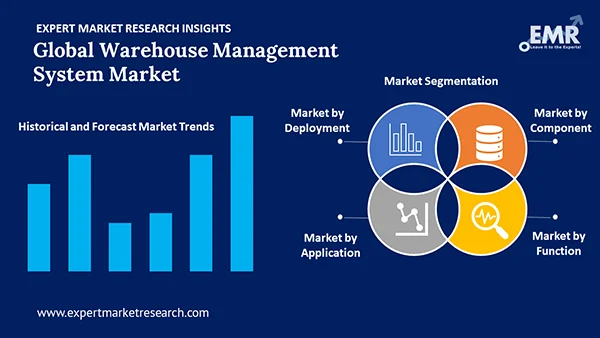
The EMR’s report titled “Global Warehouse Management System Market Report and Forecast 2026-2035” offers a detailed analysis of the market based on the following segments:
Market Breakup by Component
Key Insight: Both software and services play pivotal yet evolving roles in propelling the warehouse management system market scope. Software leads the market due to its ability to orchestrate automated workflows and support real-time visibility across omnichannel logistics. On the other hand, services are gaining momentum due to increasing complexity in deployment, growing demand for custom configurations, and continual system upgrades.
Market Breakup by Deployment
Key Insight: Deployment preferences in the warehouse management system market are polarised by enterprise size and operational risk appetite. On-premise models are prioritised by firms needing strict security, performance control, and deep system customisation. In contrast, cloud models offer nimbleness, faster deployment and cost-effective scaling, especially for mid-market and fast-growth firms. As cloud security and service-level agreements become more robust, many enterprises are considering hybrid models that blend local control with remote accessibility.
Market Breakup by Function
Key Insight: All functional categories play vital roles across warehouse ecosystems. Labour Management Systems dominate the market by addressing workforce scheduling, performance tracking, and compliance. Analytics and optimisation are witnessing swift growth due to their role in enhancing agility and proactive resource planning. Billing and yard management systems support financial accuracy and dock efficiency, while systems integration and maintenance are critical for seamless technology interoperability, offering lucrative warehouse management system market opportunities. Consulting services continue to offer value through workflow audits and digital transformation strategies.
Market Breakup by Application
Key Insight: WMS applications span across several sectors, each with unique operational complexities. Transportation and logistics dominate due to the emphasis on shipment tracking, load planning, and last-mile coordination. Retail’s surge is propelled by omnichannel strategies and fulfilment agility. Healthcare benefits from WMS through temperature monitoring and lot tracking for compliance, accelerating the warehouse management system market growth. Manufacturing relies on WMS for inventory synchronisation and line-side supply assurance. Food and beverages demand traceability and expiry tracking, while other sectors, including electronics and automotive, require precise kitting and just-in-time workflows.
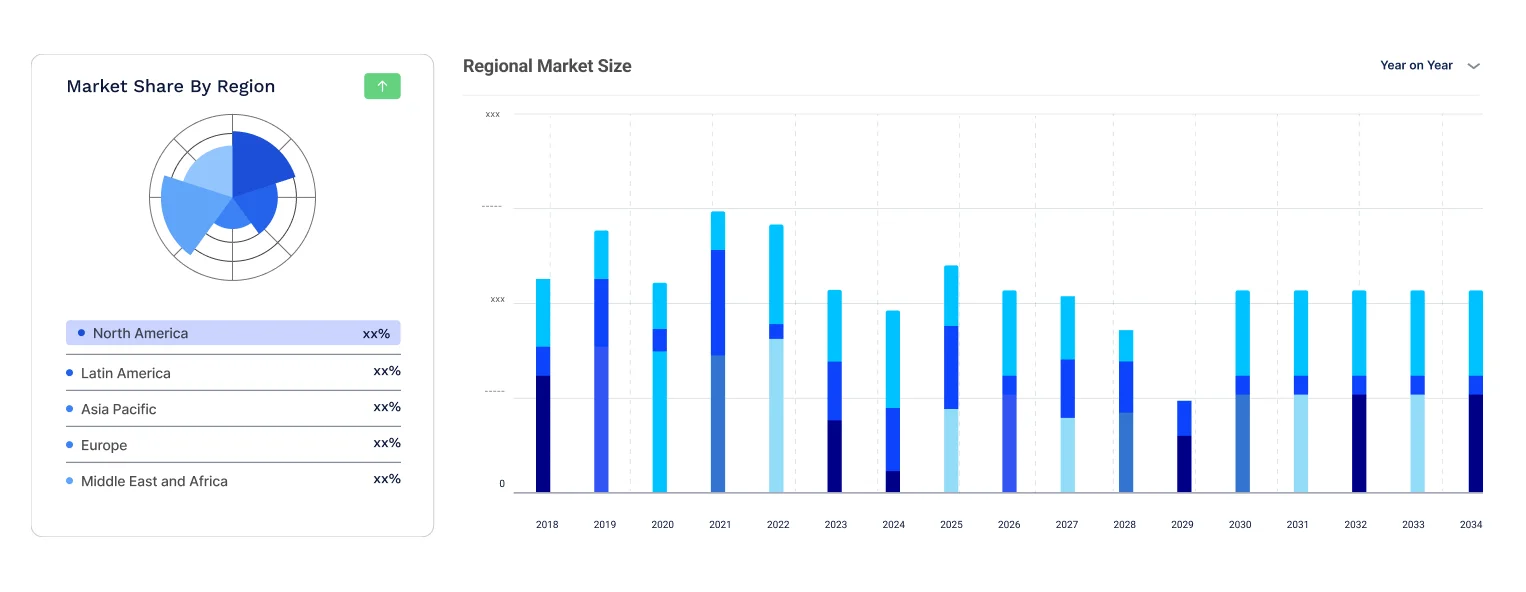
Market Breakup by Region
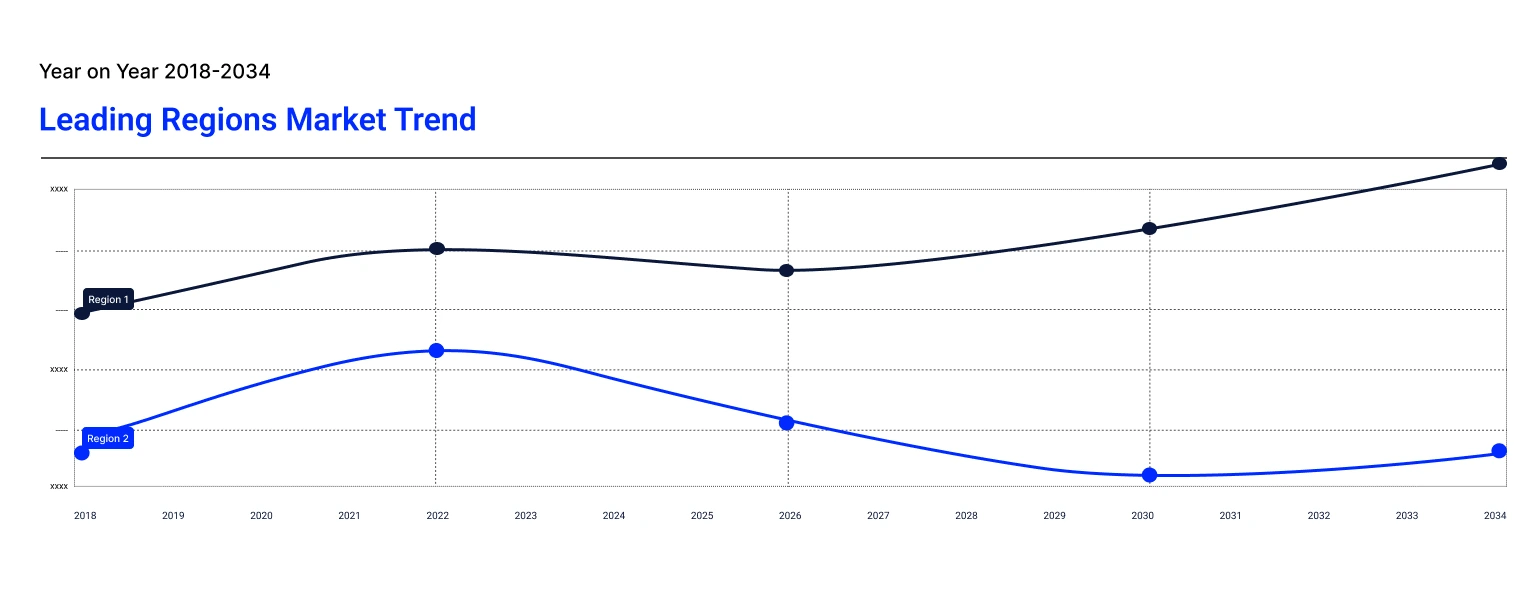
Key Insight: Regional trends in the warehouse management system market are shaped by logistics maturity, industrial scale and digital policy frameworks. North America dominates the global industry due to its early adoption of automation, stringent operational standards, and advanced technology ecosystem. Europe follows closely with its focus on sustainable warehousing and data compliance. Asia Pacific leads growth, fuelled by logistics demand, infrastructure push and SME digitisation. Latin America is steadily expanding, especially in urban hubs with increasing 3PL presence. Meanwhile, the Middle East and Africa are exploring WMS for free trade zones and port-centric logistics.
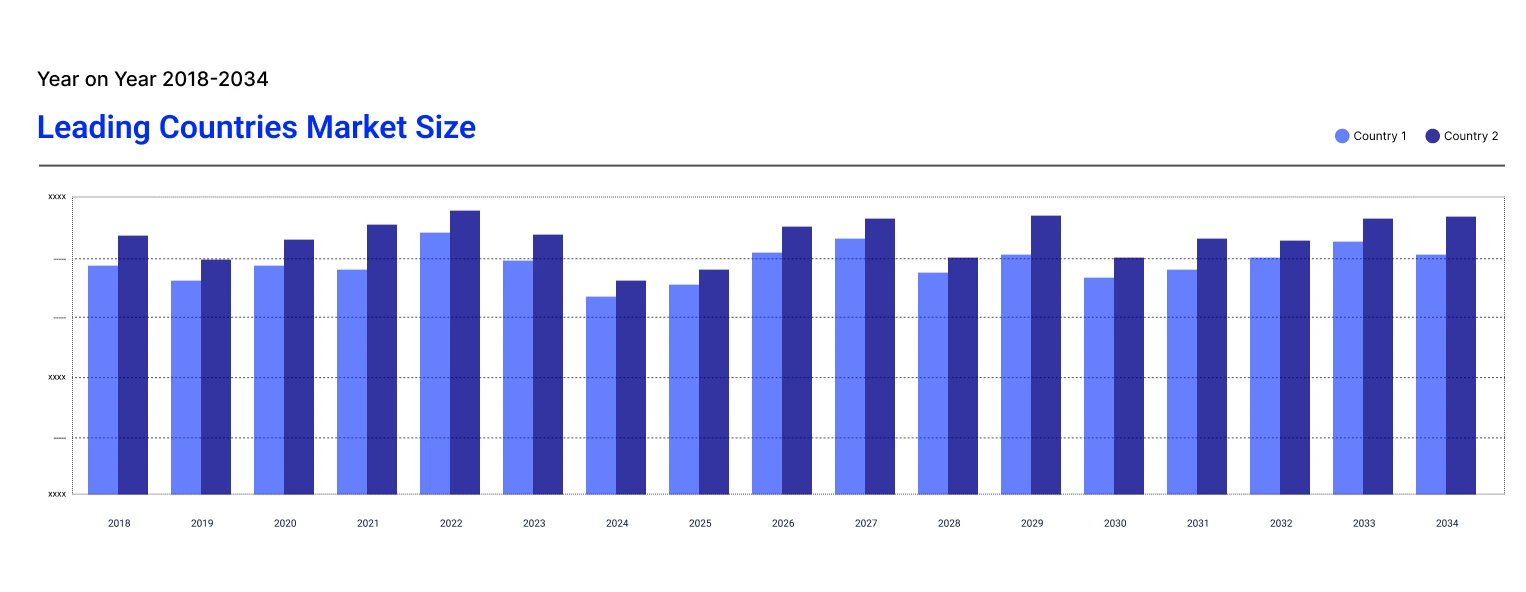
| CAGR 2026-2035 - Market by | Country |
| India | 17.2% |
| Brazil | 16.7% |
| Canada | 16.5% |
| China | 16.5% |
| Mexico | 16.0% |
| USA | XX% |
| UK | 15.8% |
| France | XX% |
| Italy | XX% |
| Japan | XX% |
| Australia | XX% |
| Saudi Arabia | XX% |
| Germany | 15.2% |
Software Components Dominate the Market Due to Scalability and Data Integration Needs
Software remains dominant in the warehouse management system market share, especially in multi-client and high SKU-count warehouses. Demand is driven by the need for real-time order processing, inventory tracking, and integration with ERP, CRM, and transportation systems. Additionally, growing adoption of modular and API-based WMS software is enabling rapid configuration in complex supply chains. Companies like SAP and Blue Yonder are focusing on vertical-specific templates that reduce implementation cycles. These capabilities offer enterprises control and agility at scale, which is pivotal as warehouses become increasingly responsive, distributed and customer centric.
The services component is scaling rapidly as firms increasingly demand custom integration, training, and post-deployment upgrades. With AI and machine learning enhancements becoming frequent, companies require regular software updates and technical consultations. More particularly, the demand for WMS-as-a-Service and managed services is growing among mid-tier logistics providers lacking in-house IT teams.
By Deployment, On-Premise Solutions Maintain the Market Dominance Due to Data Control and Custom Security
Large-scale enterprises continue to favour on-premises WMS solutions for their security, control, and ability to meet regulatory standards. Sectors such as pharmaceuticals, defence and aerospace demand full control over data and system access. For example, Mercedes-Benz’s global parts centres rely on proprietary WMS platforms deployed on-premises to prevent data leaks and maintain system redundancy. Additionally, highly customised warehouses often integrate bespoke automation equipment that is better aligned with on-premise architectures.
As per the warehouse management system market report, cloud-based deployment is growing swiftly across SMEs and regional logistics operators due to ease of implementation, lower capital investment and real-time scalability. Cloud-native platforms like SAP EWM and Infor WMS offer multi-site visibility and data-driven optimisation. Cloud deployment also enables mobile accessibility, enhancing field-level decision-making. It suits fast-growing sectors like direct-to-consumer logistics and cross-border e-commerce.
By Function, Labour Management System Accounts for the Largest Share Due to Demand for Workforce Optimisation
Labour Management Systems (LMS) have taken the lead in terms of the warehouse management system market revenue in function-based categorisation as warehouse operators face rising costs and workforce shortages. With increasing focus on performance benchmarking and labour forecasting, LMS solutions are being adopted to ensure workforce productivity and regulatory compliance. Many global 3PLs and retail chains are implementing LMS modules within WMS suites to reduce unproductive hours and balance workloads effectively. These tools allow supervisors to track time, absenteeism, and skill alignment in real time, making them especially valuable in labour-intensive regions.
Analytics and optimisation functions are gaining momentum in the warehouse management system industry revenue as warehouses move towards data-led decision-making. This category is expanding as businesses seek to enhance real-time visibility, performance forecasting, and resource allocation using predictive analytics. Emerging platforms offer KPIs visualisation, process heatmaps, and AI-powered alerts for inventory bottlenecks or labour inefficiencies. These solutions help companies not only to react faster but to continuously improve through iterative feedback loops. Retailers and logistics providers are prioritising analytics to reduce dwell times, fine-tune space utilisation, and adjust fulfilment strategies dynamically.
Transportation and Logistics Application Clock in the Majority of the Market Share Due to Cross-Border Fulfilment Demands and 3PL Expansion
The transportation and logistics sector leads the warehouse management system demand forecast as global supply chains become more time-sensitive and decentralised. With increased pressure on 3PLs to offer end-to-end visibility, real-time data integration and responsive warehouse systems are now baseline expectations. Freight operators, shipping firms, and warehouse-centric logistics companies rely on WMS to coordinate inbound and outbound freight, consolidate shipments, and minimise last-mile delays.
Retail is emerging as the fastest-growing WMS application due to the shift toward omnichannel operations. Major brands are consolidating inventory for both online and offline channels within centralised hubs, requiring sophisticated inventory mapping and order orchestration. From automated stock replenishment to dynamic order routing, WMS tools empower retailers to balance stock across fulfilment centres, reduce stockouts and enable click-and-collect models.

By Region, North America Leads the Market Due to Technology Adoption and Warehouse Automation Surge
North America remains the largest regional market for warehouse management market, bolstered by the widespread digitisation of warehouse operations and strong presence of early adopters. High labour costs, ageing infrastructure, and growing reliance on robotics are driving the demand for intelligent warehouse systems across the United States and Canada. Government incentives, such as tax benefits for automation and digital supply chain upgrades, are also fuelling enterprise-level WMS projects.
The Asia Pacific warehouse management system market’s fast-paced growth is led by the booming e-commerce sector, rising logistics outsourcing, and infrastructure expansion. China, India, Japan and Southeast Asian countries are building smart warehouses aligned with national digitalisation goals. The region’s booming SME sector is also adopting cloud-based WMS solutions to enhance scalability and reduce IT overhead. Regional players are partnering with global software firms to customise WMS for hyperlocal logistics, especially in countries with fragmented supply chains.
Global warehouse management system market players are increasingly concentrating on AI-driven automation, real-time data insights, and seamless ERP integrations. Companies are investing in microservices architecture and modular WMS platforms that allow faster deployment and scalability. There is a growing opportunity in serving mid-sized logistics providers and e-commerce fulfilment centres that seek cloud-native, cost-effective, and adaptable solutions.
Warehouse management system companies are also targeting industries like food, pharma, and retail where traceability, compliance, and rapid order fulfilment are vital. Innovation in predictive analytics, robotics coordination, and labour intelligence continues to define success. Players who offer vertical-specific solutions and open API ecosystems stand out in the evolving digital supply chain landscape.
Epicor Software Corporation, founded in 1972 and headquartered in Austin, Texas, delivers industry-specific WMS solutions for manufacturing and distribution. Its platform supports real-time inventory tracking and mobile access for small-to-medium enterprises, especially in industrial supply chains.
Körber AG, established in 1946 and based in Hamburg, Germany, offers WMS solutions that integrate with robotics and AI-based labour forecasting tools. It’s known for its unified logistics platform that connects warehouse, transport, and voice solutions. Körber’s innovation lies in its robotics orchestration layer that enables dynamic automation scaling based on order volume.
Infor, founded in 2002 and headquartered in New York, is gaining traction with its cloud-native Infor WMS, built for high-volume fulfilment. It offers advanced slotting, 3D visualisation of warehouse space, and real-time labour dashboards. Infor is leveraging AWS infrastructure to provide tailored, multi-tenant solutions for industries like apparel and healthcare logistics.
Oracle Corporation, founded in 1977 and headquartered in Austin, Texas, offers WMS Cloud with machine learning, embedded analytics, and IoT integrations. Its strength lies in enabling unified inventory visibility across warehouses, suppliers, and fulfilment nodes.
*Please note that this is only a partial list; the complete list of key players is available in the full report. Additionally, the list of key players can be customized to better suit your needs.*
Another key player in the market is PSI Logistics GmbH among others.
Explore the latest trends shaping the warehouse management system market 2026-2035 with our in-depth report. Gain strategic insights, future forecasts, and key market developments that can help you stay competitive. Download a free sample report or contact our team for customized consultation on warehouse management system market trends 2026.


Upto 15% Off
USD
$2499 $2249
$3999 $3599
$4999 $4249
$5999 $5099


*While we strive to always give you current and accurate information, the numbers depicted on the website are indicative and may differ from the actual numbers in the main report. At Expert Market Research, we aim to bring you the latest insights and trends in the market. Using our analyses and forecasts, stakeholders can understand the market dynamics, navigate challenges, and capitalize on opportunities to make data-driven strategic decisions.*
Get in touch with us for a customized solution tailored to your unique requirements and save upto 35%!
In 2025, the warehouse management system market reached an approximate value of USD 4.64 Billion.
The market is projected to grow at a CAGR of 15.60% between 2026 and 2035.
The market is estimated to witness a healthy growth in the forecast period of 2026-2035 to reach about USD 19.77 Billion by 2035.
Investing in vertical-specific solutions, expanding modular cloud offerings, enhancing API interoperability, integrating robotics orchestration, and developing AI-powered analytics dashboards are helping players capture market share and deliver measurable ROI.
The key trends guiding the market include technological advancements and innovations and the increasing demand for sophisticated warehousing facilities to integrate and manage complex supply chain networks.
The major regions in the market are North America, Latin America, the Middle East and Africa, Europe, and the Asia Pacific.
The different components of warehouse management system in the market are software and services.
The major segments based on deployment of warehouse management system considered in the market report are on-premise and cloud.
The significant segments based on functions of the product included in the market report are labour management system, analytics and optimisation, billing and yard management, systems integration and maintenance, and consulting services.
The various applications of warehouse management system are transportation and logistics, retail, healthcare, manufacturing, and food and beverages, among others.
The major players in the market are Epicor Software Corporation, Körber AG, Infor., Oracle Corporation, and PSI Logistics GmbH, among others.
Companies in the warehouse management system market face integration hurdles with legacy systems, high implementation costs, and talent gaps for AI adoption, along with increasing pressure to meet sustainability regulations and data compliance across multiple geographies.
Explore our key highlights of the report and gain a concise overview of key findings, trends, and actionable insights that will empower your strategic decisions.
| REPORT FEATURES | DETAILS |
| Base Year | 2025 |
| Historical Period | 2019-2025 |
| Forecast Period | 2026-2035 |
| Scope of the Report |
Historical and Forecast Trends, Industry Drivers and Constraints, Historical and Forecast Market Analysis by Segment:
|
| Breakup by Component |
|
| Breakup by Deployment |
|
| Breakup by Function |
|
| Breakup by Application |
|
| Breakup by Region |
|
| Market Dynamics |
|
| Competitive Landscape |
|
| Companies Covered |
|
| Report Price and Purchase Option | Explore our purchase options that are best suited to your resources and industry needs. |
| Delivery Format | Delivered as an attached PDF and Excel through email, with an option of receiving an editable PPT, according to the purchase option. |
Datasheet
One User
USD 2,499
USD 2,249
tax inclusive*
Single User License
One User
USD 3,999
USD 3,599
tax inclusive*
Five User License
Five User
USD 4,999
USD 4,249
tax inclusive*
Corporate License
Unlimited Users
USD 5,999
USD 5,099
tax inclusive*
*Please note that the prices mentioned below are starting prices for each bundle type. Kindly contact our team for further details.*
Flash Bundle
Small Business Bundle
Growth Bundle
Enterprise Bundle
*Please note that the prices mentioned below are starting prices for each bundle type. Kindly contact our team for further details.*
Flash Bundle
Number of Reports: 3
20%
tax inclusive*
Small Business Bundle
Number of Reports: 5
25%
tax inclusive*
Growth Bundle
Number of Reports: 8
30%
tax inclusive*
Enterprise Bundle
Number of Reports: 10
35%
tax inclusive*
How To Order

Select License Type
Choose the right license for your needs and access rights.

Click on ‘Buy Now’
Add the report to your cart with one click and proceed to register.

Select Mode of Payment
Choose a payment option for a secure checkout. You will be redirected accordingly.
Gain insights to stay ahead and seize opportunities.

Get insights & trends for a competitive edge.

Track prices with detailed trend reports.

Analyse trade data for supply chain insights.

Leverage cost reports for smart savings

Enhance supply chain with partnerships.

Connect For More Information
Our expert team of analysts will offer full support and resolve any queries regarding the report, before and after the purchase.
Our expert team of analysts will offer full support and resolve any queries regarding the report, before and after the purchase.
We employ meticulous research methods, blending advanced analytics and expert insights to deliver accurate, actionable industry intelligence, staying ahead of competitors.
Our skilled analysts offer unparalleled competitive advantage with detailed insights on current and emerging markets, ensuring your strategic edge.
We offer an in-depth yet simplified presentation of industry insights and analysis to meet your specific requirements effectively.





Share