

Consumer Insights
Uncover trends and behaviors shaping consumer choices today
Procurement Insights
Optimize your sourcing strategy with key market data
Industry Stats
Stay ahead with the latest trends and market analysis.
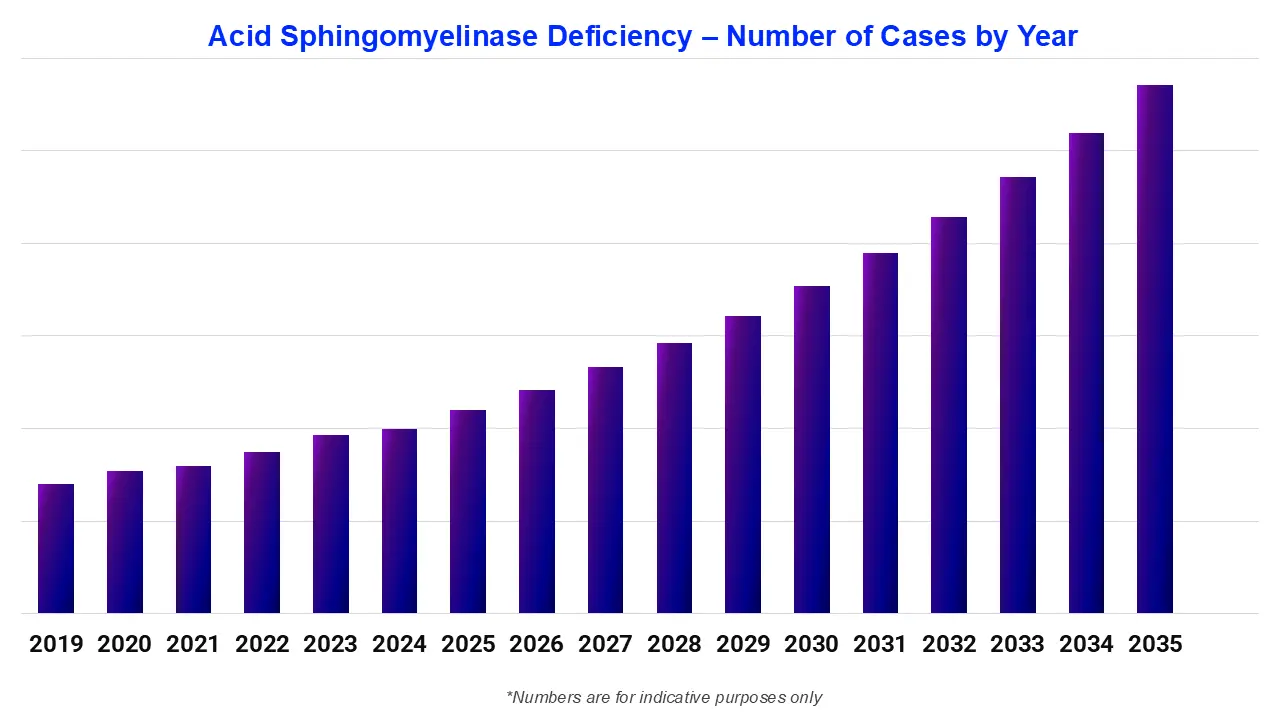
Acid Sphingomyelinase Deficiency remains an ultra-rare lysosomal storage disorder with an estimated 0.4–0.6 cases per 100,000 live births, reflecting significant diagnostic challenges and underrecognized disease burden. Progressive multisystem involvement affecting hepatic, pulmonary, and hematologic function underscores the clinical complexity across chronic visceral ASMD and neurovisceral phenotypes. The acid sphingomyelinase deficiency epidemiology forecast by Expert Market Research highlights increasing emphasis on earlier detection, improved genetic testing, and enhanced disease awareness to reduce long diagnostic delays and optimize patient outcomes.
Base Year
Historical Period
Forecast Period
Read more about this report - Request a Free Sample
Expert Market Research's “Acid Sphingomyelinase Deficiency Epidemiology Forecast Report 2026-2035” offers comprehensive information on the prevalence and demographics of acid sphingomyelinase deficiency. It projects the future incidence and prevalence rates of acid sphingomyelinase deficiency cases across various acid sphingomyelinase deficiency populations. The study covers age, gender, and type as major determinants of the population. The report highlights patterns in the prevalence of acid sphingomyelinase deficiency over time and projects future trends based on multiple variables.
The report provides a comprehensive overview of the disease, as well as historical and projected data on epidemiology in the region.
Countries Covered
Acid Sphingomyelinase Deficiency (ASMD) is a rare genetic disorder characterized by deficient acid sphingomyelinase activity, leading to the accumulation of sphingomyelin within lysosomes. This sphingomyelin accumulation disease affects multiple organs, particularly the liver, spleen, lungs, and, in some patients, the nervous system. The clinical spectrum includes infantile neurovisceral ASMD, chronic neurovisceral disease, and chronic visceral forms that vary considerably in severity and progression. Common manifestations include hepatosplenomegaly, interstitial lung disease, dyslipidemia, thrombocytopenia, and growth abnormalities, making ASMD a complex multisystem condition requiring timely diagnosis and long-term management.
Key Report Insights
| Parameter | Insight |
| Largest Patient Pool | Europe (particularly France, which has one of the largest documented national ASMD cohorts) |
| Fastest Growing Region | North America and Europe, driven by improved genetic testing, disease awareness, and earlier diagnosis |
| High-Risk Population | Individuals with pathogenic SMPD1 variants, particularly those with a family history of ASMD |
| Key Diagnostic Method | Acid sphingomyelinase enzyme activity assay with SMPD1 genetic confirmation |
| Major Risk Factor | Inherited SMPD1 gene mutations (autosomal recessive inheritance) |
| Major gap in the market | Underdiagnosis |
The acid sphingomyelinase deficiency epidemiology report provides comprehensive insights into the historical, current, and forecasted patient population trends across the regional markets. Expert Market Research provides both current and forecast trends for the acid sphingomyelinase deficiency epidemiology scenario by examining a wide range of studies. Additionally, the report covers the diagnosed patient pool for acid sphingomyelinase deficiency and its trends. The acid sphingomyelinase deficiency detailed epidemiology segmentation is broken down into specific categories, such as total prevalent cases in males and females, and total diagnosed cases across different age groups and patient pools.
| Epidemiology Segment | Key Insights |
| Diagnosed Prevalent Cases of Acid Sphingomyelinase Deficiency | ASMD is an ultra-rare disorder with an estimated birth prevalence of 0.4-0.6 cases per 100,000 live births globally, although the true diagnosed prevalence is likely underestimated due to delayed recognition and frequent misdiagnosis. |
| Gender-Specific Cases of Acid Sphingomyelinase Deficiency | ASMD is an autosomal recessive disorder and occurs in males and females with similar frequency globally, with no established sex-specific predisposition reported in international epidemiological literature. |
| Age-Specific Cases of Acid Sphingomyelinase Deficiency | ASMD predominantly affects pediatric populations, with symptoms typically appearing at approximately 2 years of age and diagnosis occurring at a mean age of 5 years. International data indicate that 60% of patients are diagnosed during childhood. |
| Ethnicity-Wise Cases of Acid Sphingomyelinase Deficiency | ASMD has been reported across diverse ethnic populations worldwide and is generally considered a pan-ethnic disorder. Robust global ethnicity-stratified prevalence estimates remain limited in the current literature. |
| Mortality and Survival Analysis of Acid Sphingomyelinase Deficiency | Mortality varies substantially by subtype. Infantile neurovisceral ASMD is typically associated with death by 3-4 years of age, whereas chronic visceral and chronic neurovisceral forms demonstrate markedly longer survival despite progressive multisystem involvement. |
| Disease Type | Subtype Distribution (%) |
| Chronic Visceral ASMD (Type B) | Represents the majority of cases, accounting for 68% of the regional ASMD burden and primarily affecting visceral organs with limited neurological involvement. |
| Infantile Neurovisceral ASMD (Type A) | Accounts for 23% of cases and is characterized by severe neurological impairment and rapid disease progression during infancy. |
| Chronic Neurovisceral ASMD (Type A/B) | Constitutes 9% of the disease burden, exhibiting both visceral and neurological manifestations with an intermediate clinical course. |
Read more about this report - Request a Free Sample
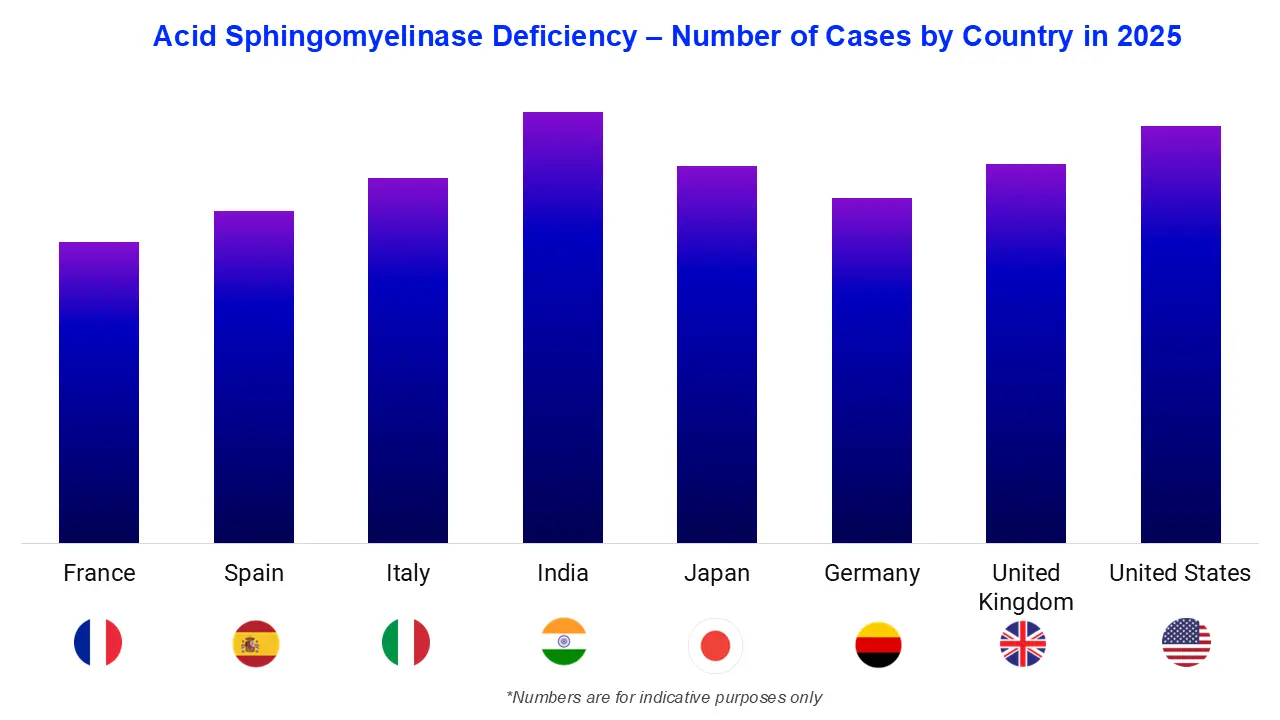
The acid sphingomyelinase deficiency epidemiology data and findings for the region-specific countries are also provided in the epidemiology section.
| Country | Key Insights |
| United States | ASMD is estimated to occur in 0.4-0.6 cases per 100,000 live births. A recent survival study found that 89.1% of patients were diagnosed before 18 years of age, highlighting the predominantly pediatric disease burden. |
| Germany | A multicenter German cohort identified 33 patients with chronic ASMD, including 24 with type B and 9 with type A/B disease. Mortality was substantial, with 27.3% (9/33) of patients deceased, and age-specific mortality occurring 21.6 times more frequently than in the general German population, highlighting the significant burden of chronic ASMD. |
| France | A national cohort identified 271 patients from 238 families, with chronic visceral ASMD comprising 68% of cases, highlighting the predominance of non-neuronopathic disease. |
| Italy | A newborn-screening study evaluating 275,011 newborns between 2015 and 2024 identified 2 genetically confirmed ASMD cases, corresponding to an estimated incidence of 1 in 137,506 live births. |
| Spain | The PREVASMD study identified 34 diagnosed patients nationwide and estimated an ASMD prevalence of 0.7 cases per million inhabitants, highlighting substantial disease rarity and potential underdiagnosis. |
| United Kingdom | Contemporary UK-specific prevalence studies remain scarce. ASMD is recognized as an ultra-rare lysosomal disorder, with national disease burden largely characterized through specialist referral centers and inherited metabolic disease registries. |
| Japan | Genomic analysis estimated an ASMD occurrence frequency of 1 in 128,191 individuals and a carrier frequency of 1 in 180, suggesting a higher burden than previously recognized and possible underdiagnosis of milder phenotypes. |
| India | Published epidemiological data remain extremely limited. Available evidence indicates ASMD is likely underrecognized, with diagnosed cases primarily reported through tertiary-care genetic and metabolic disease centers rather than population-based registries. |
Despite an estimated global birth prevalence of 0.4–0.6 cases per 100,000 live births, ASMD remains significantly underdiagnosed. An international diagnostic odyssey study reported that 85% of patients received an incorrect initial diagnosis, highlighting persistent challenges in early disease recognition, particularly among patients with milder chronic visceral ASMD phenotypes.
Growing implementation of newborn screening and genetic testing programs presents a major opportunity for earlier identification of lysosomal storage disorder patients. Recent screening initiatives have demonstrated the feasibility of detecting previously unrecognized cases, supporting improved epidemiological characterization and earlier therapeutic intervention.
Expansion of international registries and natural history studies is improving understanding of Niemann-Pick disease type B (NPD-B) and related disease manifestations. Recent multinational evidence indicates symptom onset occurs around 2 years of age, while diagnosis averages 5 years, highlighting opportunities to reduce diagnostic delays and optimize patient management.
Treatment strategies for acid sphingomyelinase deficiency have evolved significantly with the emergence of targeted enzyme replacement therapies aimed at reducing systemic sphingomyelin accumulation and improving organ function. Approved therapy with olipudase alfa has demonstrated meaningful benefits in pulmonary and visceral manifestations of chronic visceral ASMD, while research continues to address unmet needs in neurologic disease forms. The pipeline remains active, with the ongoing Phase IV clinical study NCT07010393 further evaluating the long-term safety and effectiveness of olipudase alfa in real-world ASMD management, supporting continued optimization of treatment outcomes and patient care.
Fabry Disease Drug Pipeline Analysis Report
Fabry Disease Treatment Market


Upto 15% Off
USD
$1999 $1799
$2999 $2699
$4399 $3739
$5799 $4929


*While we strive to always give you current and accurate information, the numbers depicted on the website are indicative and may differ from the actual numbers in the main report. At Expert Market Research, we aim to bring you the latest insights and trends in the market. Using our analyses and forecasts, stakeholders can understand the market dynamics, navigate challenges, and capitalize on opportunities to make data-driven strategic decisions.*
Explore our key highlights of the report and gain a concise overview of key findings, trends, and actionable insights that will empower your strategic decisions.
|
Report Features |
Details |
|
Base Year |
2025 |
|
Historical Period |
2019-2025 |
|
Forecast Period |
2026-2035 |
|
Epidemiology Statistics Provided |
|
|
Segmentation Provided |
|
|
Geographies Covered |
|
Datasheet
One User
USD 1,999
USD 1,799
tax inclusive*
Single User License
One User
USD 2,999
USD 2,699
tax inclusive*
Five User License
Five User
USD 4,399
USD 3,739
tax inclusive*
Corporate License
Unlimited Users
USD 5,799
USD 4,929
tax inclusive*
*Please note that the prices mentioned below are starting prices for each bundle type. Kindly contact our team for further details.*
Flash Bundle
Small Business Bundle
Growth Bundle
Enterprise Bundle
*Please note that the prices mentioned below are starting prices for each bundle type. Kindly contact our team for further details.*
Flash Bundle
Number of Reports: 3
20%
tax inclusive*
Small Business Bundle
Number of Reports: 5
25%
tax inclusive*
Growth Bundle
Number of Reports: 8
30%
tax inclusive*
Enterprise Bundle
Number of Reports: 10
35%
tax inclusive*
How To Order

Select License Type
Choose the right license for your needs and access rights.

Click on ‘Buy Now’
Add the report to your cart with one click and proceed to register.

Select Mode of Payment
Choose a payment option for a secure checkout. You will be redirected accordingly.
Strategic Solutions for Informed Decision-Making
Gain insights to stay ahead and seize opportunities.

Get insights & trends for a competitive edge.

Track prices with detailed trend reports.

Analyse trade data for supply chain insights.

Leverage cost reports for smart savings

Enhance supply chain with partnerships.

Connect For More Information
Our expert team of analysts will offer full support and resolve any queries regarding the report, before and after the purchase.
Our expert team of analysts will offer full support and resolve any queries regarding the report, before and after the purchase.
We employ meticulous research methods, blending advanced analytics and expert insights to deliver accurate, actionable industry intelligence, staying ahead of competitors.
Our skilled analysts offer unparalleled competitive advantage with detailed insights on current and emerging markets, ensuring your strategic edge.
We offer an in-depth yet simplified presentation of industry insights and analysis to meet your specific requirements effectively.




