Choosing The Perfect Hiking Boots for Any Terrain And Climate
The importance of hiking footwear goes beyond fashion as it comes with essential safety features along with stability and endurance functions. Outdoor travel popularity has grown rapidly, leading to rising customer expectations for high-quality boots. Choosing the right pair of boots depends on terrain conditions since hikers face challenges from slippery slopes to jungle trails and alpine snow-covered paths. Customers now evaluate hiking boots through material quality and ankle support, water resistance and airflow properties due to their growing awareness. Terrain-specific hiking boots have gained popularity as they combine protection and comfort in challenging conditions.
Mountain Trails Require Sturdy High-Ankle Support
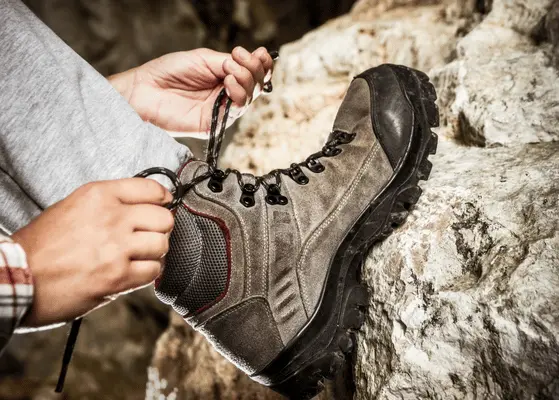
High cut designed boots deliver extra ankle support that reduces ankle sprain risks during backpack carrying activities. The deep lugs on Vibram soles and similar outsoles enhance traction across rough terrain to stop hikers from slipping. The Salomon Quest 4 and Lowa Renegade GTX serve as recommended hiking boots for challenging conditions because their stiff midsoles and enhanced grip features enable better performance on steep rocky trails.
Warm and Tropical Climates Need Breathability and Drainage
For wet forests or tropical treks, waterproof boots can backfire due to retained moisture. Breathability is essential in these particular conditions. For such areas, look for boots with mesh linings that dry fast, few seams, and drainage outlets. Mid-cut boots offer the perfect balance of support and flexibility for these environments. Synthetic mesh and eVent lining materials are perfect for ventilated comfort. Similarly, Merrell's Moab Speed or KEEN Targhee Vent are great choices for hot and humid environments.
Desert and Arid Terrain Boots Need Heat Resistance and Dust Protection
In sandy deserts or arid regions, hikers are exposed to high temperatures and fine dust. Lightweight boots with tight weaves or gaiters prevent sand entry. Leather upper material is more suitable here owing to its covered design and durability. Moisture-wicking insoles and heat-resistant midsoles allow for long-term comfort on hot sun-exposed long trails. The Altra Lone Peak series or the La Sportiva Wildcat offer ventilated uppers with cushioned outsoles, which keep the feet cool with reduced fatigue.
Winter and Snowy Conditions Hikes Require Insulation and Traction
Waterproofing and insulation are necessary for winter trails or slippery environments. Dryness and warmth are provided by Thinsulate lining or Gore-Tex membranes, while aggressive tread provides traction on slippery surfaces. Some hikers even go for crampon-compatible boots for glacier or ice hikes. Boots like Oboz Bridger Insulated or Salewa Mountain Trainer Winter offer reliable cold-weather protection without compromising comfort.
Transitional Climates and Multi-Use Trails Call for Adaptive Hybrids
In diverse environments or changing climates, hybrid hiking shoes offering a blend of trail-runner agility and boot support are gaining popularity. These are ideal for visitors, beginners, and week-end backpackers traversing diverse terrain within a single trip. Choose mid-cut models with soft soles and water-resistance. For example, the HOKA Anacapa Mid or Columbia Newton Ridge, perform under both dry and wet conditions and offer sufficient support without added bulk.
For deeper analyses of the global demand trends and top brands, read our complete Hiking Footwear Market
Know Your Environment Before You Lace Up
Selecting the right hiking boots depends on understanding where you’re going and how your body responds to different terrains. As outdoor exploration continues to surge, consumers are expecting more from their gear. They are demanding for more comfort, durability, and technical features tailored to climate and terrain. Hiking brands that address these diverse needs are winning favour with hikers of all levels, and as product specialisation deepens, the importance of choosing the right boots will only grow.











Share