How Inland Fisheries Are Driving Growth in India's Fish Economy
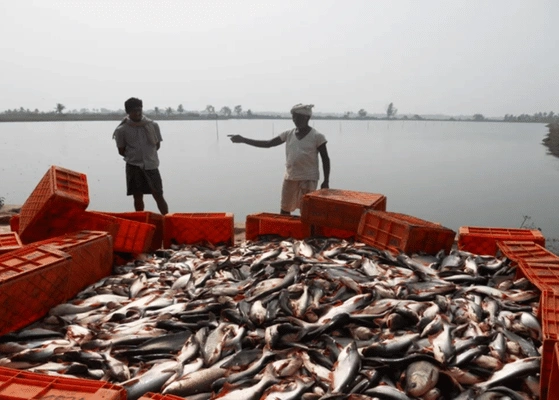
The freshwater fisheries are becoming one of the propelling drivers of India's fish economy. As opposed to marine fisheries, which are reliant on the sea, freshwater fisheries target freshwater sources such as rivers, lakes, reservoirs, and ponds. These kinds of fisheries are playing an important part in India's fish output and rural lifestyles.
With the growth of India's population and the demand for protein food, inland fisheries are an effective way to meet nutritional needs in a sustainable manner. Both the government and private sector are supporting measures to increase inland fish production and improve aquaculture techniques.
Economic growth is helped by inland fisheries. They provide work for millions of rural and semi-urban residents, raising the quality of living and eliminating poverty.
The Significance of Inland Fisheries in India
Inland fisheries account for almost 60% of India's total fish production. This is a large proportion relative to marine fisheries. Rohu, Catla, and Mrigal are favorite freshwater fish among consumers due to their taste and affordability.
India's varied geography provides immense scope for inland fishery. India boasts thousands of rivers, ponds, tanks, and reservoirs capable of sustaining fish culture. Fish culture is practiced by several small and marginal farmers as an additional livelihood activity.
Inland fisheries also provide security of food in inland regions distant from the coast. They supply fresh fish to local markets and sustain regional economies. This reduces pressure on marine resources and maintains ecological balance.
Factors Influencing Growth in Inland Fisheries
A number of drivers are powering growth in inland fisheries in India:
- Government Assistance and Policies: The Indian government has initiated efforts to develop aquaculture and inland fisheries. These programs provide incentives to produce fish seed, construct ponds, and store cold storage.
- Technological Developments: Better fish breeding, feed recipes, and management of diseases have led to higher productivity and survival rates. Cage culture and integrated fish farming using new techniques are becoming popular.
- Growing Demand: Growing awareness of the health advantages of fish and rising incomes are driving consumption. Inland fisheries provide cheap protein to many a family, thus making fish affordable.
- Sustainable Practices: Focus on eco-friendly and sustainable methods of fish culture to avoid damaging water bodies and biodiversity. Fisherfolk and village community-based management of the fisheries resource avoid overexploitation and ensure long-term sustainability.
Economic and Social Impact
Inland fisheries greatly contribute to rural livelihoods. Millions of individuals, including fish farmers, producers of seeds, feed suppliers, and traders, depend on this sector. It offers livelihoods in different value chains, from production to marketing.
Women contribute greatly to inland fisheries. They are involved in processing fish, marketing, and fishpond management. Facilitating gender equity in this sector can enhance social and economic benefits.
Inland fisheries also contribute to nutritional security. Fish is a highly nutritious food rich in protein, omega-3 fatty acids, and vitamins and minerals. Expanded fish consumption contributes to better public health outcomes, particularly among children and vulnerable groups.
Challenges Facing Inland Fisheries
Inland fisheries are not without problems too. Water pollution, habitat loss, and global warming impact the fish stock and productivity. Overfishing in some areas compromises the sustainability of the resources.
Further, infrastructure shortages, such as the non-availability of cold storage, transport, and processing facilities, limit market access. There is limited credit, insurance, and technical services for small-scale fish farmers.
To address these challenges, coordinated action by government agencies, research institutions, and private organizations is required. Investment in physical infrastructure, capacity building, and regulatory frameworks is essential to make growth sustainable.
Future Outlook for Inland Fisheries in India
The future of inland fisheries in India is bright. With growing investment and use of new technologies, production is likely to increase at a steady pace. Government policies aimed at doubling the income of farmers and rural development are expected to support inland fisheries.
Integrating fisheries with agriculture and livestock can make rural communities have diversified sources of income. Digital platforms and e-commerce can enhance market linkages and transparency, which will bring in increased profitability.
For complete data and market projections, check out our India Fish Market
Inland Fisheries Are Central to India's Fish Economy
Inland fisheries are an important sector in India's fish economy. They supply healthy food, sustain rural livelihoods, and aid economic development. Ongoing emphasis on sustainable growth and modernization will guarantee the long-term viability of the sector.
As India aims to meet growing fish demand and improve food security, inland fisheries hold a considerable key to the future. Developing the sector serves the interests of millions of individuals and assists in constructing a sustainable and equitable fish economy.











Share