How Lightweight Frame Engineering Is Shaping the Future of Adventure Motorcycling?
Adventure motorcycling is no longer reserved for hardened riders tackling mountain passes and cross-continental trails. It is increasingly growing popular as a wider mobility category, appealing to urban commuters, weekend riders, and even rural fleet-based services. At the core of this movement is the silent transformation in lightweight frame engineering.
As OEMs focus on balancing durability with agility, newer materials, more perfected welding techniques, and component-level weight optimisation are transforming what adventure bikes can do and who can ride them. Modern dual-purpose motorcycles are safer, more economical, and easier to handle for riders, opening up previously inaccessible terrain for mid-segment riders or first-time travellers.
Material Science Giving Rise to Smarter Designs
Traditionally, adventure motorcycles had a bias towards overengineering, including large steel frames, heavy subframes, and large endurance tanks. Though dependable, such motorcycles tended to become daunting for beginners and less effective for day-to-day riding.
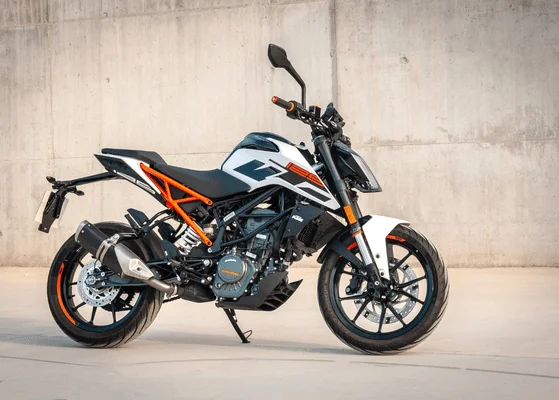
Today, OEMs are turning to lightweight steel alloys, aluminium hybrids, and carbon-fibre reinforcements. These retain load-carrying strength while reducing kerb weight overall. For example, European and Japanese firms have begun combining aluminium swingarms with trellis-style steel frames to enhance cornering agility and frame torsion reduction under load, both off-road handling and urban mobility.
Enhanced Safety Through Enhanced Weight Distribution
Lightweight designs, today, are all about reorganising weight to enhance rider control. By lowering the centre of gravity and refining frame geometry, OEMs are developing motorcycles with more responsive braking, fewer occurrences of fishtailing on slippery surfaces, and more consistent absorption of uneven shocks throughout the chassis.
In areas of mixed terrain, like the Indian Himalayas or Kenya's Rift Valley, lighter motorcycles with redesigned rake and trail angles are lowering accident rates while enhancing rider confidence. Riders, particularly in isolated deployments such as forestry or emergency service, are now able to traverse sharp inclines and narrow ridges with less physical effort and improved balance control.
Engineering Advances Are Boosting Fuel Economy
Lighter frames are directly contributing to measurable fuel efficiency, which is a critical factor in regions where petrol quality is poor and refuelling points are sparse.
A 12–15 kg reduction in frame weight can improve fuel economy, depending on terrain and load. Southeast Asian manufacturers are leveraging this advancement in their marketing, positioning lightweight adventure motorcycles as viable alternatives for long-distance riders or rural delivery fleets.
For example, in Indonesia, a number of local brands have made cars that achieve over 40 km/l on lightweight 250cc dual-sport models compared to 32–35 km/l on older steel-heavy equivalents. The compounding impact: less fuel cost, longer range, and reduced carbon output, is winning attention from fleet managers and sustainability-focused buyers.
Assembly Efficiencies Are Reducing Time to Market
Interestingly, lighter frames are also helping manufacturers reduce complexity in the assembly line. Modular welding, precision tubing, and 3D-printed lugs are enabling faster frame production with less manual labour.
In Thailand and Colombia, mid-tier manufacturers are now shifting towards bolt-on subframes and unibody mainframes that not only ease manufacturing but also simplify post-sales repair cycles. This is creating space for micro-assembly units, especially in regions like East Africa or rural Brazil, where large centralised production is not always feasible.
With fewer welds and modular spares, local service stations can now take on frame repairs or reinforcements, boosting uptime for small businesses and fleet operators relying on these bikes.
For detailed forecasts and OEM landscape analysis, read our full Global Adventure Motorcycle Market
Lightweight Engineering Is Unlocking Broader Rider Segments
The reduction in frame weight has inadvertently widened the rider base. Lightweight adventure bikes have become more accessible for female riders, older commuters, and first-time motorcyclists who may have been deterred by the sheer size and bulk of earlier models.
OEMs are capitalising on this demographic shift by offering adjustable seat heights, slim fuel tanks, and low-reach handlebars, all anchored by a lighter frame structure.
In South Africa and Malaysia, training schools are witnessing more enrolment in adventure riding courses from previously underrepresented categories, naming improved handling and lower intimidation factor as major reasons.
Engineering for Performance, Accessibility, and Sustainability
Lightweight frame engineering is no longer an elite design philosophy reserved for top-of-the-line models. It is becoming a strategic imperative among all segments of the adventure motorcycle market.
From fuel economies and safety improvements to wider availability and supply chain responsiveness, lighter structures are making more flexible, robust, and rewarding two-wheel platforms possible. For OEMs, component suppliers, and logistics partners, this signals a shift worth aligning with, not just for technical differentiation, but for market expansion into unserved and underserved regions.











Share