Evolution of Urban Mobility Models in Modern Cities
The taxi sector is no longer defined by street hail and metered fares. The sector’s mobility environment over the past decade has developed to include a holistic and platform-centric strategy, with digitization and electrification of the fleet, and data analytics at its core. The major players in the sector are not merely competing for market share. They are re-engineering the service delivery architecture to ensure profit sustainability, minimize downtime, and improve city partnerships.
Cities such as New York, London, Dubai, and Singapore are becoming testing platforms for this new shift in the market paradigm. The effect of regulatory directives, carbon emissions reduction strategies, and changing passenger behavior is pushing taxi companies to adopt technology-intensive fleet overhauls.
Platform-Driven Fleet Transformation
The major ride-sharing and taxi aggregation companies such as Uber Technologies Inc. and Lyft Inc. are now actively seeking partnerships for the electrification of their ride-sharing fleets. Uber has announced that it aims to run an entirely electric service in major markets by 2030 and has also boosted incentives for electric vehicle use across North America and Europe.
Conventional taxi operators are taking a different approach, and instead of seeking to form partnerships with independent owners, some are seeking to buy electric cars in bulk to enjoy economies of scale. In London, for instance, there is an increasing trend of adopting electric black cabs made by London EV Company, with their product, the TX electric taxi, becoming synonymous with regulated electrified transport. This is partly because of the Ultra Low Emission Zone, which charges non-compliant vehicles in London.
In addition, there are efforts to incorporate telematics, predictive maintenance, and AI-based dispatch systems. Data shows that predictive servicing can lower maintenance expenses by nearly 30% annually for high-utilization fleets.
Integration with Smart City Infrastructure
Urban mobility models are increasingly being aligned with municipal smart transport frameworks. In Singapore, companies like ComfortDelGro Corporation have collaborated with the relevant authorities to integrate taxi dispatching systems with public transit hubs. This enhances first-mile and last-mile connectivity and further enhances agreements with city planners.
In Dubai, the Roads and Transport Authority has furthered the integration of digital taxi booking services with government mobility applications. This has pushed taxi services to remain within the transport framework and not be controlled by international ride-hailing giants.
Such a trend in the industry enables the creation of predictable demand streams for licensed taxi services. It also reduces empty return trips because dispatch algorithms are synced with metro and airport traffic flows. For operators, that means higher vehicle utilization rates. In dense cities, improvement in utilization can materially impact annual revenue performance.
Subscription and Corporate Mobility Contracts
Another structural change noticed in the market is the growth of subscription-based urban mobility. The corporate sector is now engaging in fixed-rate mobility deals with taxi and ride-sharing companies. This means that instead of paying for each ride taken by employees, companies are now entering into annual contracts that promise a certain number of rides at a fixed rate.
In February 2026, Adyen and Uber extended their decade-long payments partnership into new regions and rolled out Uber kiosks powered by Adyen terminals for phone-free ride bookings. On the other hand, local competitors in Europe and the Middle East are now offering customized fleet solutions for corporate customers.
Taxi fleet companies are also targeting hotel chains, airports, and residential areas. Specialized service lanes, company-branded vehicles, and booking systems enhance long-term partnerships. This is a less visible but critical shift in the business model from ride-sharing to mobility solutions.
Electrification Economics and Charging Strategy
Electrification is one of the most capital-intensive transitions occurring in the present day. Fleet operators face the challenge of balancing the cost of acquiring vehicles with the fuel savings benefits of electrification over the long term. However, in regions where government incentives are offered, the payback period for electric taxis has reduced to a significant extent.
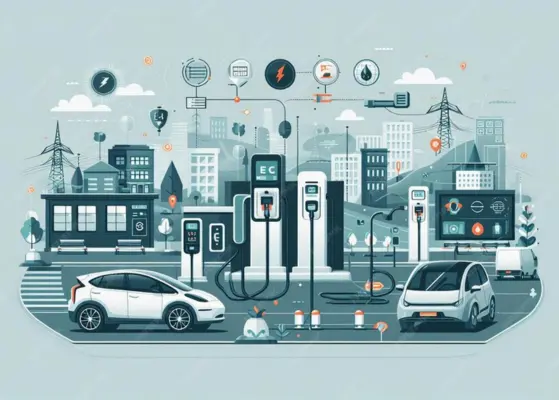
Firms are thus investing in private or semi-private charging stations to minimize downtime. In New York City, some fleet operators have partnered with developers of charging infrastructure to gain priority access to overnight charging. This approach lessens dependence on fast public charging stations, which are usually congested during peak periods.
Battery life is also under intense scrutiny as taxi fleets with high usage rates can rack up over 60,000 miles per year. However, electric vehicle manufacturers are now providing extended battery warranties specifically designed for commercial fleets. These warranties minimize financing risks and enhance resale value, an area of paramount importance for fleet operators managing substantial asset bases.
For deeper quantitative analysis and competitive benchmarking, refer to the comprehensive Taxi Market Report.
Data Monetization and Route Intelligence
In addition to vehicles, data has emerged as a competitive tool. Taxi companies are analyzing routes to better allocate drivers and implement dynamic pricing. In areas where airports implement congestion pricing, predictive models can send drivers to more profitable areas before the peak congestion charge goes into effect.
Some companies are also considering anonymized mobility data sharing agreements with city planners. Aggregated data from routes can improve cities' understanding of congestion patterns and infrastructure needs. In return, companies may gain priority entry into pilot projects or regulatory support. Real-time analysis can improve waiting times for passengers by a few minutes in dense areas. This has a direct impact on platform ratings and driver engagement.











Share