Technological Innovations Transforming Fertilizer Production and Application in Vietnam
The production and application of fertilizer in Vietnam are being altered through technological development, which is also providing new opportunities for efficiency, productivity, and sustainability. Manufacturers are also moving towards modern production methods, and farmers are using digital tools and precision farming methods to maximize the use of nutrients. These innovations have been able to solve the problems of crop productivity, soil health, and environmental impact. Technology is also emerging as a powerful growth driving factor in the Vietnamese agricultural sector by enhancing the quality, consistency, and effectiveness of the fertilizers.
Precision Farming and Smart Application Techniques
An important innovation in fertilizer application is precision farming. Through sensors, satellite images, and data analysis, farmers can observe the state of the soil, moisture, and nutrient demand in real-time. This enables them to put the correct quantity of fertilizer at the right location to minimize wastage and maximize crop yields.
Automated spreaders and drip-based nutrient delivery systems are smart applications that facilitate uniformity of the fertilizers, especially in large-scale farms. Such practices not only remain efficient but also help to ensure the sustainability of the environment by reducing runoff and unnecessary application. Precision technologies are becoming increasingly accessible in Vietnam, reshaping fertilizer consumption patterns and driving demand for high-quality, technology-compatible products.
Advanced Fertilizer Formulations
Another important factor that defines the market is innovation in fertilizer formulations. The manufacturers are coming up with slow-release and water-soluble biofertilizers that enhance nutrient absorption and lessen the effects on the environment. Slow-release fertilizers ensure the soil has the necessary nutrients, and they work slowly to ensure long-term fertile soil and reduce leaching. Instead, biofertilizers stimulate microbial activity in the soil, which induces natural cycling of nutrients in the soil and minimizes reliance on chemical inputs.
These novelized formulae are especially critical in crops that are of high value, such as coffee, rubber, and vegetables, in which an effective delivery of nutrients is a direct determinant of yield and quality. Through the incorporation of product design innovation and the adoption of modern farming techniques, the fertilizer companies in Vietnam are ensuring that the sector does not fall behind in sustainability patterns and expectations of the farmers globally.
Digital Tools and Data-Driven Insights
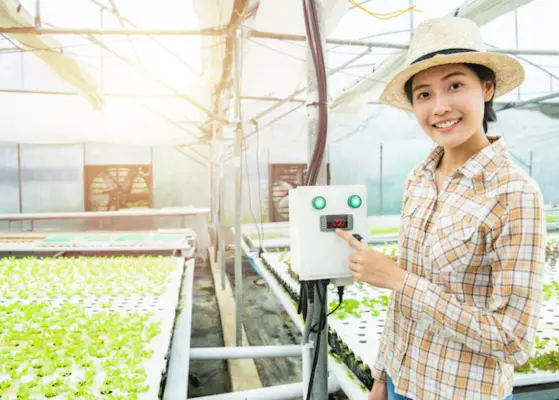
Technology extends beyond fertilizer production, encompassing digital tools that guide farmers on optimal application practices and usage. The mobile apps, software environments, and devices based on IoT can assist farmers in making intelligent choices related to fertilizer type, timing, and dosage. The presence of real-time warnings and recommendations depending on the condition of the soil and weather contributes to better accuracy and minimization of overuse.
Insights based on data also enable manufacturers and distributors to predict demand and production, and even develop crop-specific solutions. Through analytics, businesses will be able to know the usage rates throughout the areas, tailor their product, and offer services to the farmers more precisely and effectively, making the supply chain smarter.
Automation and Sustainable Practices
Fertilizer production and application are being automated, and this is enhancing operational efficiency and sustainability. Automated production systems lead to quality control and consistency as well as low production costs. For the farm, automated irrigation and spreading systems save on labor and enhance the distribution of nutrients.
The integration of automation and intelligent technology facilitates sustainable farming while maximizing resources, reducing waste, and safeguarding soil and water quality. These advantages are in line with the larger government efforts and the necessity of farmers to adopt more environmentally friendly practices that will provide an ideal climate to use technology-based fertilizers.
Explore the Vietnam Fertilizer Market Report for insights on technology, trends, and growth opportunities.
Innovation as a Catalyst for Fertilizer Market Growth
Vietnam is transforming the production and application of fertilizers using technological inventions. These technologies enhance efficiency, sustainability, and crop productivity, as reflected in the adoption of precision farming, smart application systems, advanced formulations, and digital tools. Manufacturers and farmers who adopt such innovations are in a good position to satisfy the changing agricultural needs and promote environmental care.
With technology still exerting its influence in the Vietnamese fertilizer industry, those players in the market who embrace digital solutions and sophisticated products are expected to spearhead the growth in the long term and value creation throughout the supply chain. The Vietnamese fertilizer market has huge potential to grow in the next few years by matching the innovation with the requirements of farmers and their sustainability targets.











Share