The type 2 diabetes market was valued at USD 35 billion in 2024, driven by the rising prevalence of unhealthy lifestyle habits like obesity or excessive tobacco indulgence in the 8 major markets. The market is expected to grow at a CAGR of 8.4% during the forecast period of 2024-2034, with the values likely to rise from USD 37.9 billion in 2025 to USD 72.4 billion by 2034.
The market growth is fuelled by the rising prevalence of diabetes, which is expected to more than double by 2050. As per the data published by the AJMC, the incidence is expected to rise from 529 million people living with diabetes in 2021 to at least 1.3 billion in 2050. Moreover, as estimated by the Centers for Disease Control and Prevention (CDC), more than 1 in 3 Americans are at a high risk of Type 2 diabetes. Due to the high prevalence and rising sedentary lifestyle even children, teens, and young adults are developing type 2 diabetes. The growing geriatric population across the globe is another driver of the market.
The market demand for type 2 diabetes treatments is growing due to the serious complications associated with the condition such as the risk of being susceptible to kidney disease, stroke, cardiac arrest, and eye issues. Followed by the rising demand, market players are focusing more on bringing innovative treatments for type 2 diabetes patients and enhancing patient outcomes. For instance, in March 2023, Sanofi acquired Provention Bio, a United States-based biopharmaceutical company to expand its diabetic care presence and lead market share.
The market growth is poised to be stimulated by ongoing research and development activities to bring better drugs with improved efficacy. These activities may bring innovative and effective treatment options for patients suffering from type 2 diabetes and address the increased market demand. For instance, in April 2023, Eli Lilly and Company announced that tirzepatide (10 mg and 15 mg) achieved substantial weight loss evidence compared to placebo at 72 weeks of treatment in results from SURMOUNT-2. It is the second global phase 3 clinical trial to evaluate the efficacy and safety of tirzepatide for chronic weight management. The trial evaluated 938 adult participants with obesity or overweight and type 2 diabetes.
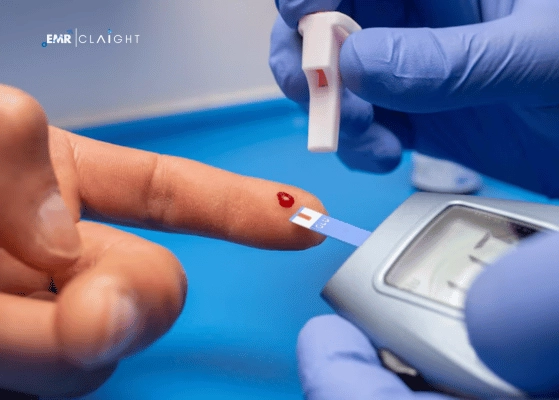
The increasing preference for personalised treatments for type 2 diabetes is gaining traction as curated treatments based on genetic profile, lifestyle, and specific disease characteristics can be more effective and help improve patient outcomes. The integration of technology, such as continuous glucose monitoring (CGM), and insulin pumps , allows for better disease management. The rising integration of technology is resulting in increased adoption of these technologies to assist at-home diagnostic procedures and manage the disease. The market is driven by the rising awareness campaigns leading to early diagnosis and intervention, increasing the demand for diabetes medications and lifestyle management programs. Additionally, the governments and private sectors are investing more in the healthcare sector, particularly in chronic disease management. This includes spending on diabetes care, driven by the need to reduce long-term complications and associated costs.
Top Companies Leading the Type 2 Diabetes Market in 2025
1. Bayer AG
| Headquarters: |
Leverkusen, Germany |
| Establishment: |
1863 |
| Website: |
www.bayer.com |
A leading German multinational, Bayer AG is known for its pharmaceuticals, consumer health products, and crop science. Bayer offers oral antidiabetic drugs, including Glucobay (acarbose) and drugs for managing complications of diabetes.
2. Amgen Inc.
| Headquarters: |
California, USA |
| Establishment: |
1980 |
| Website: |
www.amgen.com |
A United States-based biotechnology company, Amgen specializes in innovative human therapeutics with a focus on serious illnesses like cancer and diabetes. Amgen has a signficant presence in the type 2 diabetes market, along with a focus on related areas like cardiovascular health.
3. Takeda Pharmaceutical Co. Ltd
| Headquarters: |
Tokyo, Japan |
| Establishment: |
1781 |
| Website: |
www.takeda.com |
Japan’s largest pharmaceutical company, Takeda is globally recognized for its research and development in various therapeutic areas. Takeda offers products like Nesina (alogliptin) and Actos (pioglitazone) in the type 2 diabetes space.
4. GlaxoSmithKline Plc.
| Headquarters: |
Brentford, United Kingdom |
| Establishment: |
2000 |
| Website: |
www.gsk.com |
A British multinational, GSK focuses on pharmaceuticals, vaccines, and consumer healthcare products. GSK has a smaller presence in the diabetes market, with its focus more on related conditions like respiratory diseases.
5. Eli Lilly and Co.
| Headquarters: |
Indiana, USA |
| Establishment: |
1876 |
| Website: |
www.lilly.com |
An American pharmaceutical giant, Eli Lilly is well known for its focus on diabetes care, neuroscience, and oncology. Eli Lilly is a major player in diabetes care, with products like Trulicity (dulaglutide), Humalog (insulin lispro), and Jardiance.
6. Chugai Pharmaceutical Co.
| Headquarters: |
Tokyo, Japan |
| Establishment: |
1925 |
| Website: |
www.chugai-pharm.co.jp |
A Japanese pharmaceutical company and a member of the Roche Group, Chugai specializes in oncology, immunology, and infectious diseases . Chugai has a limited direct presence in the type 2 diabetes market, with some products targeting related complications.
7. Novo Nordisk
| Headquarters: |
Bagsværd, Denmark |
| Establishment: |
1923 |
| Website: |
www.novonordisk.com |
A Danish multinational, Novo Nordisk is a global leader in diabetes care and insulin production. Novo Nordisk's portfolio includes key products like Ozempic (semaglutide), Victoza (liraglutide), and Tresiba (insulin degludec).
8. AstraZeneca
| Headquarters: |
Cambridge, United Kingdom |
| Establishment: |
1999 |
| Website: |
www.astrazeneca.com |
A British-Swedish multinational, AstraZeneca focuses on pharmaceuticals in areas like oncology, cardiovascular, and respiratory diseases. The company offers products like Farxiga (dapagliflozin) and Bydureon (exenatide) in the type 2 diabetes market.












Share