The global connected drug delivery devices market was valued at USD 711.57 Million in 2025, driven by the rapid growth of the Bluetooth segment. The market is expected to grow at a CAGR of 31.50% from 2026 to 2035, reaching USD 11002.09 Million by 2035.
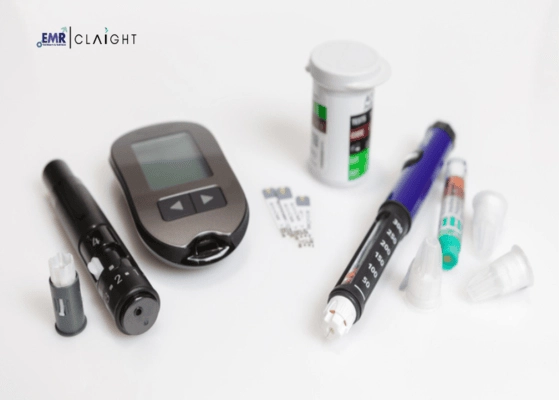
Connected drug delivery devices are used to administer adequate amounts of medication to the patients while recording the necessary details associated with the dosage, maintaining appropriate records of the treatment for future reference. These devices support wireless connectivity and are used to dispense therapy that is patient-administered. Fully equipped with a wide range of sensors and other electronics, connected drug delivery devices play a crucial role in timely drug delivery to patients. The various components work together to support multiple features, helping patients track their medication doses and overall adherence while providing tools for further patient education.
The rising popularity of smart drug delivery devices, technological advancements, and the surging awareness of self-administered therapy are anticipated to spur market growth. The increasing prevalence of chronic diseases such as diabetes and hypertension, among others along with the rising preference for homecare medication are expected to fuel the market growth. There is a surge in product acceptance in homecare settings which is leading to increased adoption of connected drug delivery devices by healthcare providers, propelling market stimulation.
The market is significantly driven by the strategic actions of regulatory authorities like the FDA enabling expanded access to improved medicines and treatments. For instance, in August 2024, the U.S. Food and Drug Administration expanded the indications of the Insulet SmartAdjust technology, an interoperable automated glycemic controller. This controller was previously indicated for the management of type 1 diabetes in individuals two years and older. However, the FDA has also included the management of type 2 diabetes in individuals 18 years and older by this device. An interoperable automated glycemic controller software automatically adjusts insulin delivery to a person with diabetes by connecting to an alternate controller-enabled insulin pump (ACE pump) and integrated continuous glucose monitor (iCGM).
Further, the market is witnessing an increase in ground-breaking product launches by the market players contributing to market development. For instance, in August 2024, Insulet Corporation, the global leader in tubeless insulin pump technology, announced the availability of its groundbreaking Omnipod 5 Automated Insulin Delivery System (Omnipod 5) that has been indicated for use by people with type 2 diabetes (ages 18 years and older) in the United States, making it the first and only AID system FDA-cleared for both type 1 and type 2 diabetes management.
Additionally, in July 2024, Instron announced the release of the next-generation Autoinjector Testing System for full functionality testing of pens and autoinjectors to ISO 11608. The system measures essential performance requirements such as cap removal, dose accuracy, activation force, injection time, needle depth, and needle guard lockout. It can handle all of the testing, data consolidation, and validation tasks, which also expedites tech transfer to production sites.
The market growth is further stimulated by continuous technological development benefitting both healthcare systems and patients. For instance, in September 2024, Enable Injections, Inc., a healthcare innovation company developing and manufacturing the enFuse wearable drug delivery platform, and Swedish Orphan Biovitrum AB, a commercial-stage biotechnology company focusing on rare and debilitating diseases, announced an international development and distribution agreement for the enFuse Injector, for the subcutaneous delivery of Aspaveli (pegcetacoplan). The development agreement between Enable Injections and Sobi is expected to positively influence the market.
Major Companies Shaping the Connected Drug Delivery Devices Market in 2026
1. BD
| Headquarters: |
New Jersey, USA |
| Establishment: |
1897 |
| Website: |
www.bd.com |
BD is a leading global medical technology company that develops and supplies advanced drug delivery solutions, including connected devices. Their portfolio includes smart syringes and autoinjectors, which integrate digital technology for accurate dosing and data monitoring, helping improve patient adherence and safety.
2. F. Hoffmann-La Roche Ltd.
| Headquarters: |
Basel, Switzerland |
| Establishment: |
1896 |
| Website: |
www.roche.com |
Roche focuses on pioneering healthcare, particularly in pharmaceuticals and diagnostics. In the connected drug delivery domain, they develop devices such as smart inhalers and wearable injectors, often incorporating Bluetooth connectivity and data analytics to enhance chronic disease management and patient engagement.
3. Propeller Health
| Headquarters: |
Wisconsin, USA |
| Establishment: |
2010 |
| Website: |
www.propellerhealth.com |
Propeller Health specialises in digital respiratory health solutions. They provide smart inhalers and connected apps that track medication usage and environmental data, helping patients with asthma and COPD manage their conditions effectively. Their technology allows for real-time monitoring and personalised data.
4. BioCorp
| Headquarters: |
Issoire, France |
| Establishment: |
2004 |
| Website: |
https://biocorpsys.com |
BioCorp develops innovative medical devices, especially in the field of diabetes management. Their connected drug delivery devices, such as Mallya, transform traditional insulin pens into smart devices, enabling dose tracking and data sharing with mobile apps for improved monitoring and adherence.
5. Antares Pharma
| Headquarters: |
New Jersey, USA |
| Establishment: |
1979 |
| Website: |
www.antarespharma.com |
Antares Pharma designs and produces self-injection devices and pharmaceutical products for self-administration. Their connected autoinjectors are equipped with real-time tracking and data-sharing capabilities, supporting conditions like rheumatoid arthritis, and enhancing patient convenience, adherence, and therapeutic outcomes.
6. Novartis AG
| Headquarters: |
Basel, Switzerland |
| Establishment: |
1996 |
| Website: |
www.novartis.com |
Novartis, a global healthcare leader, integrates smart technology in drug delivery, focusing on respiratory care. They partner with digital health firms to develop connected inhalers that monitor medication adherence and usage patterns, aiming to improve treatment outcomes and patient quality of life.







Share