

Consumer Insights
Uncover trends and behaviors shaping consumer choices today
Procurement Insights
Optimize your sourcing strategy with key market data
Industry Stats
Stay ahead with the latest trends and market analysis.
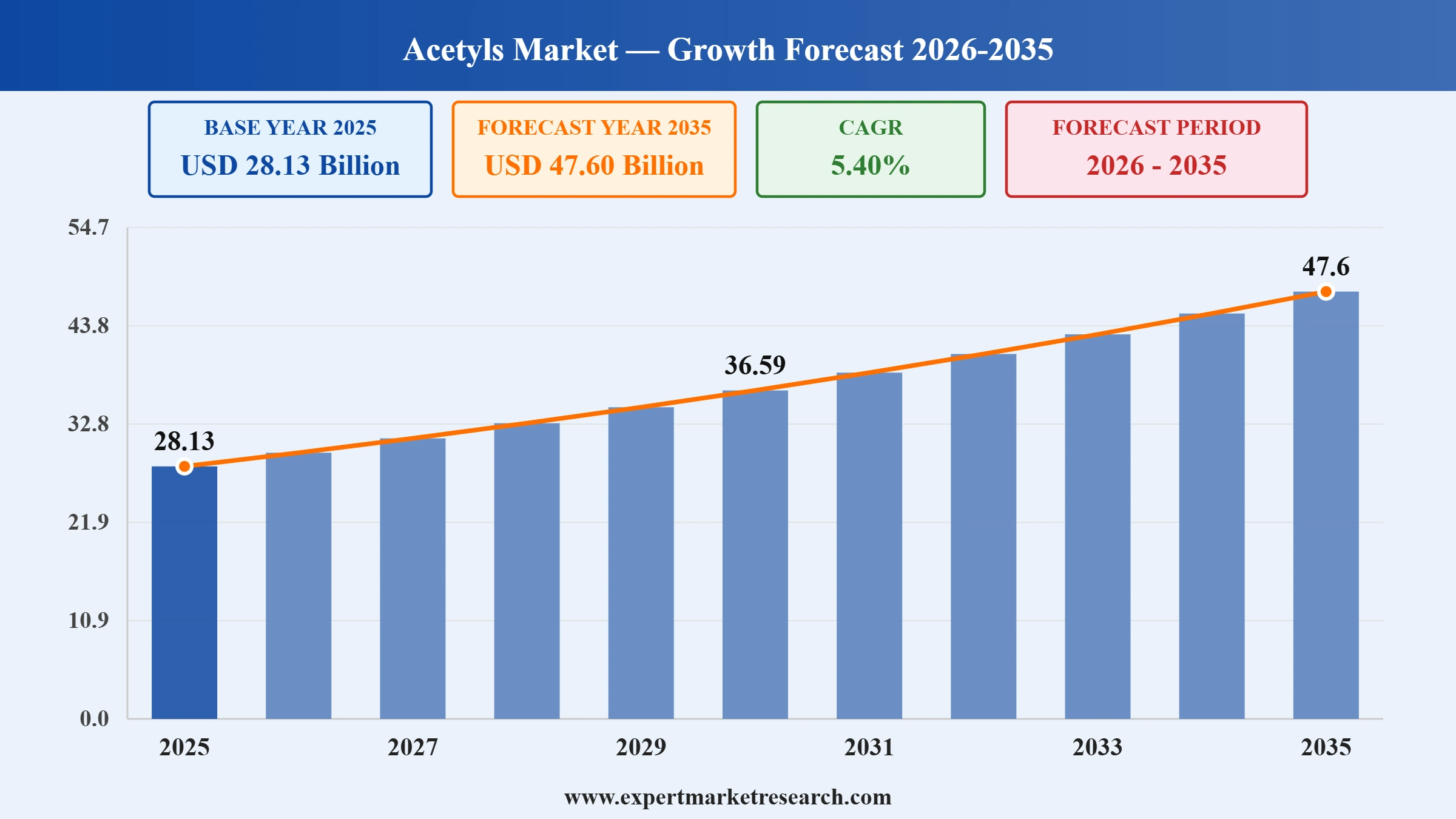
The global acetyls market attained a value of USD 28.13 Billion in 2025 and is projected to expand at a CAGR of 5.40% through 2035. The market is further expected to achieve USD 47.60 Billion by 2035. Higher demand for better adhesives and coatings is also increasing the acetyl utilization due to manufacturers’ interest in rapid cure, higher bond strength, enhanced performance, and application-specific formulations.
Pharmaceutical production is driving the acetic anhydride and acetyl intermediates demand on account of their use in the active ingredient processing in which purity and availability are vital aspects., boosting growth in the acetyls market. Additionally, increased demand for vinyl acetate monomer and its derivatives from the packaging and construction industries, as they form water-based adhesives and coatings, is creating more possibilities. This can be seen through the extensive portfolio of VAM grades from Celanese, including the ECO-B range.
There are ongoing developments in the acetyls market due to investment made by producers in low carbon production techniques alongside securing supplies of acetic acid, vinyl acetate monomer, acetic anhydride, and acetate esters. One such example is the EUR 30 million investment by Ineos Acetyls in its Hull plant in a changeover from natural gas to hydrogen and achieving an emissions reduction of 75%, announced in July 2025. This is indicative of capital investment by producers into decarbonizing their processes within their core network of acetyls production.
Companies are expanding their portfolio with price adjustments depending on geopolitical volatility. The Celanese Corporation strategy includes portfolio resilience and pricing along the acetyl value chain. On March 2026, the corporation announced a series of price adjustments on acetic acid, vinyl acetate monomer, ethyl acetate, acetic anhydride, and dispersion products whereby VAM prices would increase by USD 500 per metric ton in Mexico and South America and USD 800 per metric ton in the EMEA region. This trend in the acetyls market is indicative of the cost management of feedstocks, energy, and operation costs among inter-connected derivatives. For buyers, the supply contract becomes a critical procurement consideration.
Read more about this report - REQUEST FREE SAMPLE COPY IN PDF
MeiraGTx secured access rights for bota-vec, moving forward on developing and registering the drug for treatment of an inherited retinal disease. Acetyls market firms may consider developing pharmaceutical intermediates and chemicals used specifically for therapeutic purposes.
The release of intravenous Fluimucil in China by Zambon followed local clinical trials, extending N-acetylcysteine uses in hospital respiratory treatments. Companies may enhance their capabilities to produce pharmaceutical-grade acetylcysteine and form business ties in new healthcare markets.
Glenmark Pharma enhanced its injectable offerings by launching the acetylcysteine injection to facilitate more access to hospital respiratory and critical care medicines. Producers of acetyls can use their high-purity offerings for their pharmaceutical applications, leveraging on such developments in the acetyls market.
Celanese carried out strategic moves along its global acetyl value chain to optimize its capabilities and competitive position in its key acetyl products/markets. Producers can therefore achieve cost competitiveness through capacity optimization, feedstock integration, and regional supply chain operations.
Decarbonization is emerging as a key investment strategy for acetyl manufacturers where fossil fuel sources supply most of the energy at acetic acid plants. In June 2026, Aisan adopted Celanese’s CO₂-based POM ECO-C for automotive fuel pumps, reducing carbon footprint without compromising performance. Such projects show how companies are focusing on their existing facilities instead of adding new capacity, accelerating the acetyls market value. Government support is adding to this trend as well; in January 2025, Finland gave out EUR 400 million grant in 2025 for industrial decarbonization, including hydrogen projects, while according to the IEA, low-emission hydrogen production expanded by 20% in 2025.
VAM is becoming one of the segments where acetyls market players are investing in capacity to have a better foothold in adhesives, coating, emulsion, film, and polymer applications. In a project by INEOS and LOTTE, a 250,000 ton VAM plant is being planned, which is aimed at building regional scale production and better integration throughout the value chain. On the other hand, in September 2025, Kuraray secured ISCC PLUS certification for five vinyl acetate-related products across three Japanese plants, strengthening sustainable supply chains. Such projects become increasingly essential as converters need reliable access to steady VAM grades. Government initiatives for industrial development in Asia as well as Chinese investments in chemical manufacturing are also providing opportunities for process equipment, catalysts, valves, and engineering.
The acetyls market observes a noticeable trend for manufacturers to venture from commodity quantities to grades of products that can meet particular needs of converters, especially in adhesives, coatings, construction, packaging, and dispersion applications. Celanese has vinyl acetate homo- and copolymer dispersions as well as VAE-based products in their product lines, showing how acetyl producers are creating application-oriented products around the acetyl chain. For example, in September 2024, Bostik launched Kizen LIME packaging adhesives, advancing Arkema’s net-zero strategy through lower-carbon and more sustainable packaging solutions.
The need for integration within acetyl chain and geographically diversified sources is becoming important for producers due to various disruptions affecting feedstocks and operations, reshaping the acetyls market dynamics. Firms like Celanese are experiencing serious feedstock disruptions at its Clear Lake plant where 66 days of disruption led to force majeure situations for acetic acid and VAM. As a result, in May 2025, Resilinc launched an Agentic AI platform, enabling enterprises to predict supply disruptions, automate compliance, and accelerate risk response. Industrial policies of the government are now emphasizing resilient domestic chemical chains.
Acetyl producers are turning to alternative raw materials, reduced carbon content hydrogen, carbon capture, and electrification of processes to lower the environmental burden of chemical manufacturing. According to IEA, chemical sector decarbonization through use of electrolytic hydrogen, bio-based raw materials, electricity, and captured CO₂ represents key emerging trends. This trend is encouraging chemical manufacturers to focus on production of low-emission acetyls while at the same time keeping their efficiency and price competitive. According to the acetyls market analysis, by 2025, low-emission hydrogen production increased by 20% to nearly 1 million tons but continues to constitute only a small part of overall hydrogen production.
The Expert Market Research's report titled “Acetyls Market Report and Forecast 2026-2035” offers a detailed analysis of the market based on the following segments:
Market Breakup by Product
Key Insight: The acetyls market value chain progresses via the utilization of acetic acid as a valuable chemical intermediate in a wide range of downstream acetyl compounds. The ethyl acetate value chain is helped by the need for solvents in coating, adhesive, ink, and pharmaceutical production processes. The cellulose acetate segment’s growth is assisted by demand for film, fiber, filter, and specialized plastic materials. Butyl acetate value chain is helped by coating and finishing processes where evaporation properties are important. The acetic anhydride value chain is helped by pharmaceutical acetylation and specialty chemical production.
Market Breakup by End Use
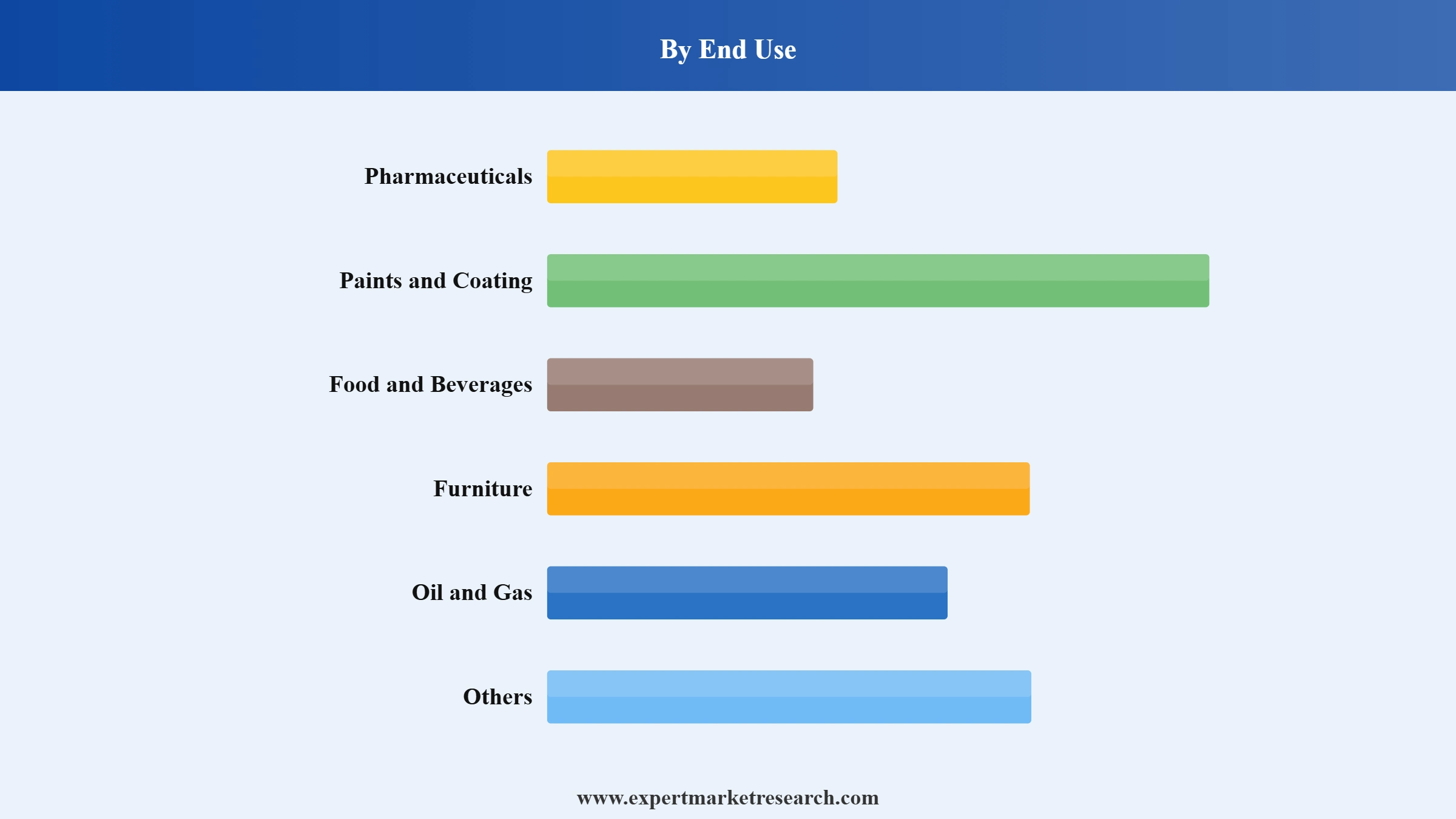
Key Insight: Acetates continue to dominate the market since they enable drying control, formulation stability, and applicability in various coatings of formulations. The pharmaceutical industry is growing due to high demand for highly pure acetylation reagents and synthesis ingredients, boosting growth in the acetyls market. Acetic derivatives are applied in food and beverages during processing and in specific packaging formulations which require consistent specifications. Acetate solvents are utilized by furniture makers in wood coatings, finishes, and adhesives. Acetate derivatives help in oil and gas processing and formulation. Other industries are generating their demands from adhesives, textiles, plastic, printing, and chemicals manufacturing.
Market Breakup by Region
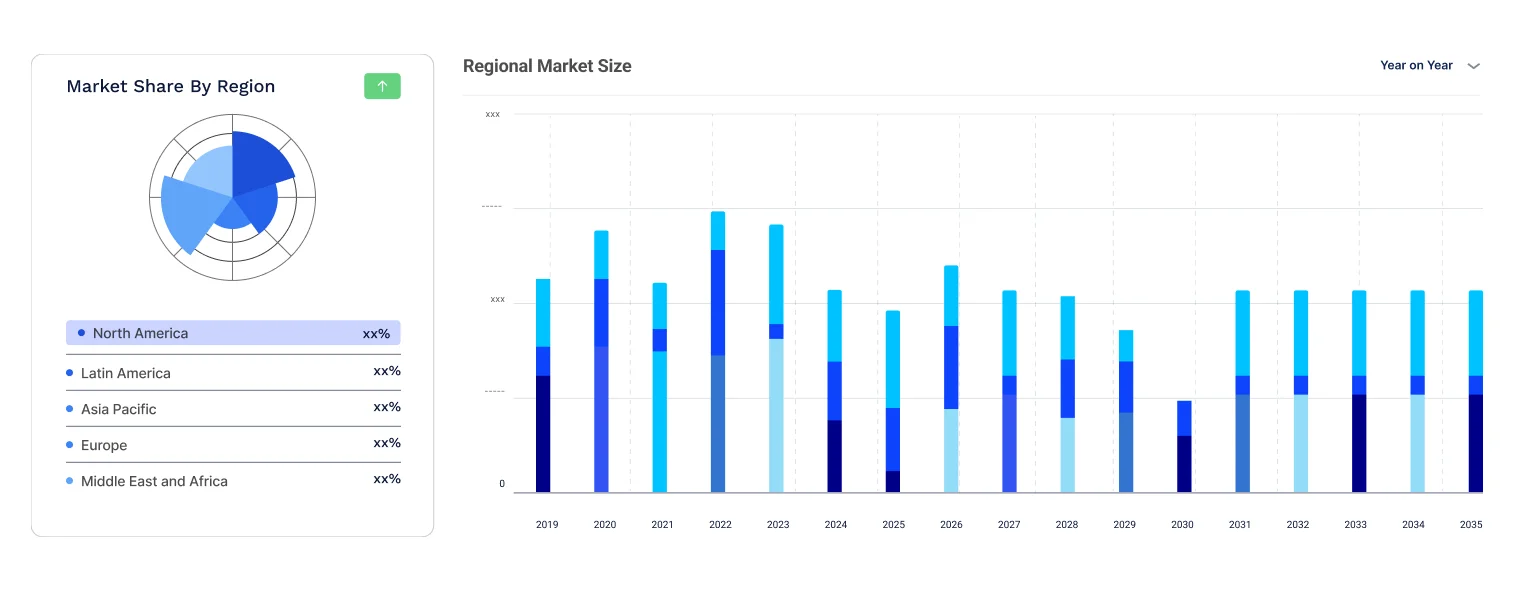
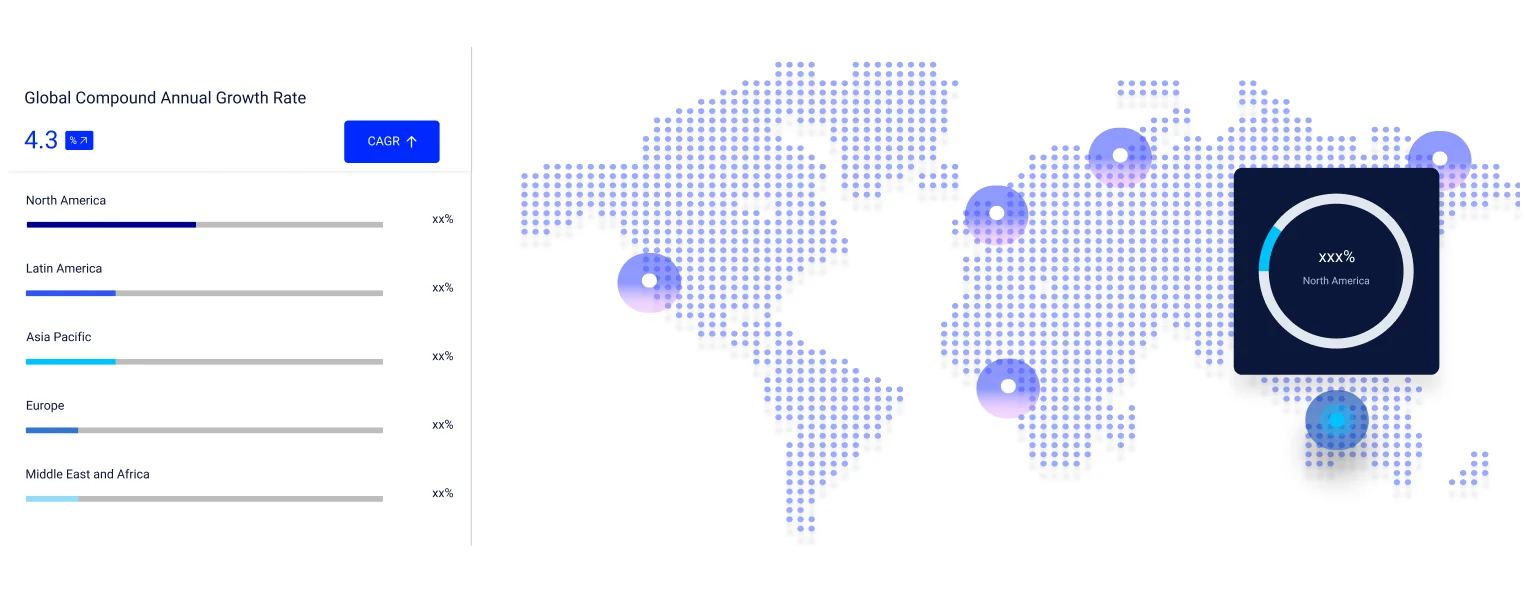
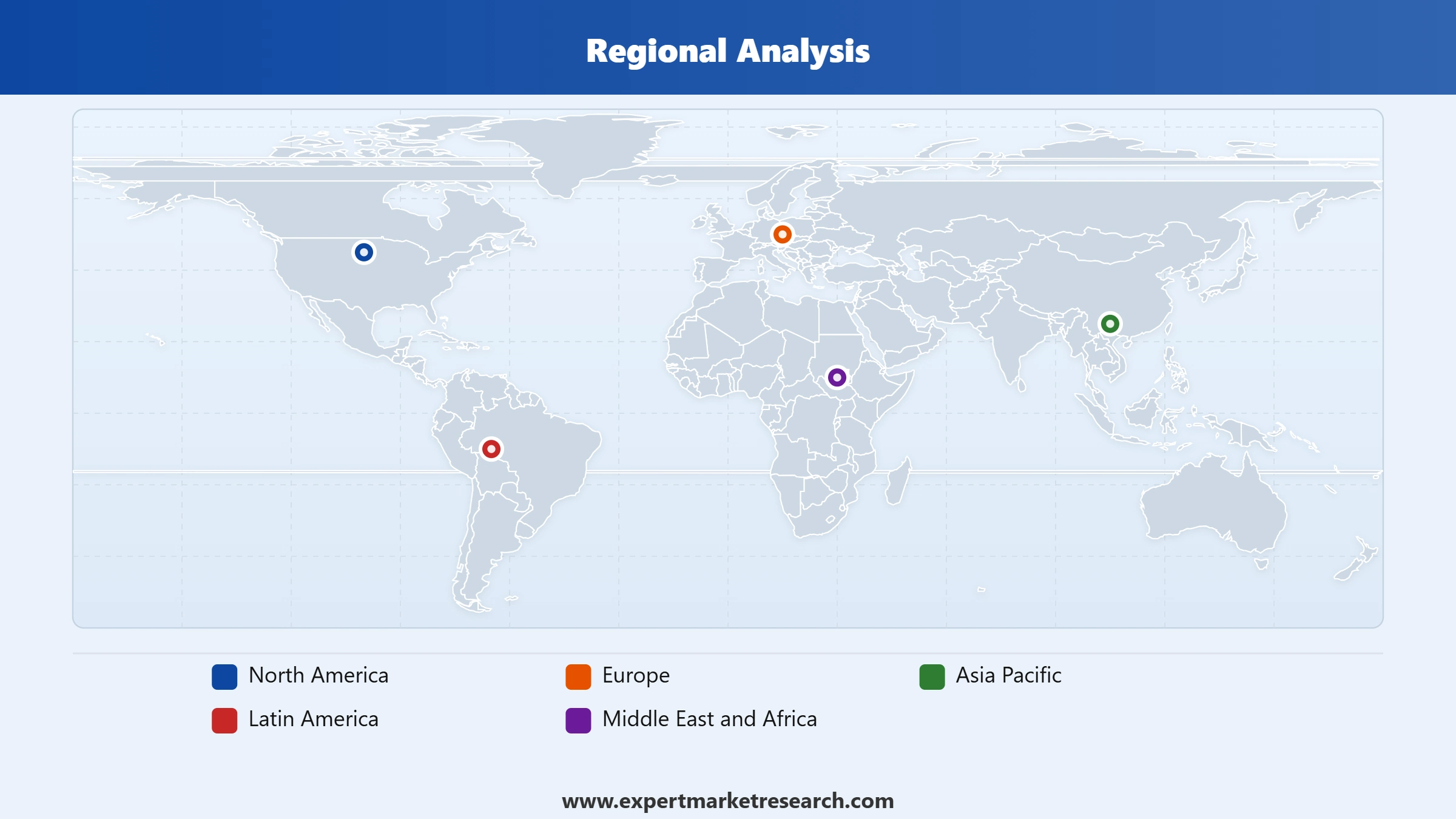
Key Insight: Asia Pacific takes the lead in the acetyls market dynamics due to integrated chemical production, extensive downstream processing, and strong demand for products from polymers, coatings, pharmaceuticals, and industrial processes. North America enjoys the presence of an existing structure for acetyl production, benefits from shale feedstocks, and sophisticated downstream customers that require a constant grade of chemicals. Europe focuses on cleaner production, energy efficiency, specialization, and logistics. Latin America finds its strength in growing markets of coatings, packaging, food processing, and pharmaceutical production. Middle East and Africa are gaining momentum owing to petrochemical diversification, industrialization, infrastructure, and downstream chemicals.
Read more about this report - REQUEST FREE SAMPLE COPY IN PDF
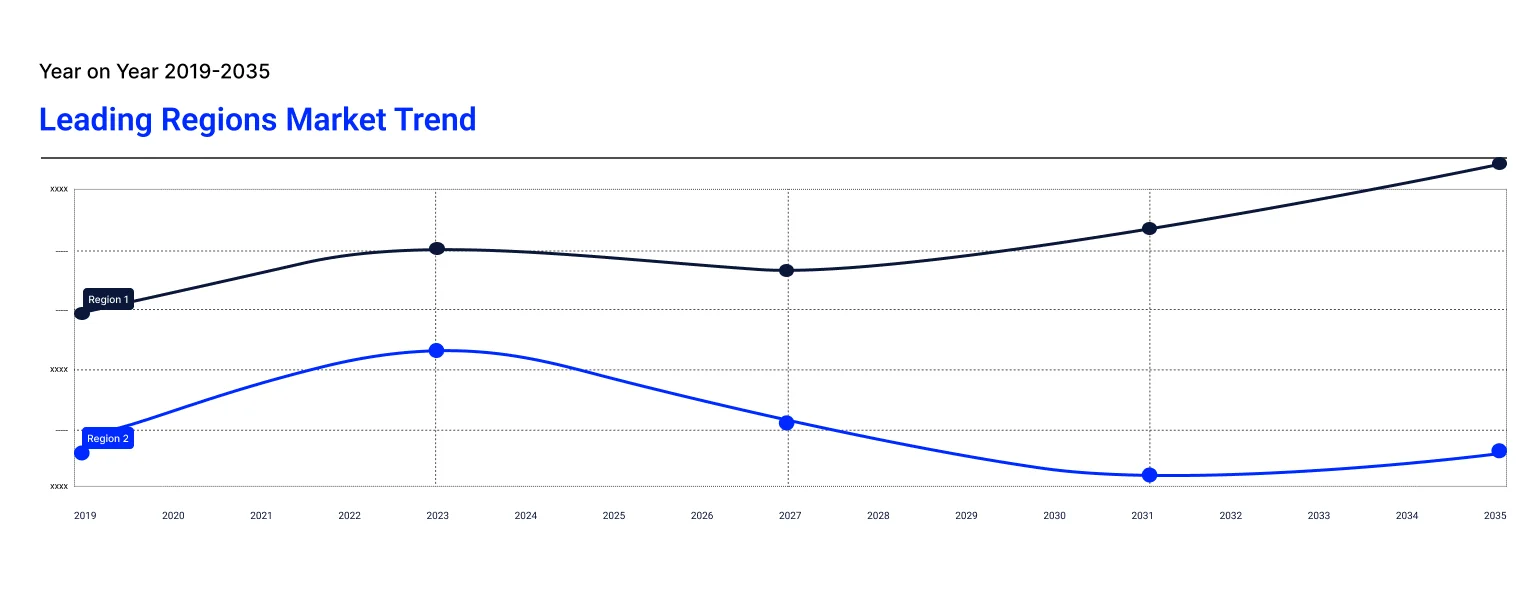
By product, acetic acid dominates the market due to extensive downstream derivative integration
Acetic acid continues to account for the largest product share in the acetyls market due to its importance as an intermediate for the synthesis of vinyl acetate monomer, acetate esters, purified terephthalic acid, and chemicals. This is because not only does acetic acid get consumed directly but is used as an intermediate to manufacture other derivatives. The demand is driven by polymer, textile, coating, and chemical processing applications which need a reliable supply of intermediate products. In January 2026, Kemvera advanced commercialization of bio-based acetic acid and ethyl acetate, completing designs for a 50,000-ton annual facility.
The fastest growing product segment is forecast to be ethyl acetate due to the increasing demands of solvents that evaporate quickly in coatings, adhesives, printing inks, and pharmaceutical formulations. Producers in the acetyls market are developing local sources of supply and focusing on high purity grades, where solvent control is necessary in terms of leaving no residues during drying. Water-based and low-VOC formulations are being developed, and solvent choice affects process efficiency.
By end use, the paints and coatings category dominates the market due to broad industrial solvent consumption
Paints and coatings are the major end-use segment that is contributing to the acetyls market revenue since the acetyl derivatives are useful for solvents and formulations for various kinds of architectural, automotive, industrial, wood and protective paints. Butyl acetate and ethyl acetate are useful for the purpose of controlled evaporation, formulation, and application. Acetic acid and other derivatives can also be used for general chemical processing. In March 2025, PPG launched a waterborne automotive coatings plant in Thailand, expanding sustainable primer production for Southeast Asian automotive demand.
Read more about this report - REQUEST FREE SAMPLE COPY IN PDF
Pharmaceuticals is the fastest growing end-use segment owing to the use of acetyl derivatives in the production of active pharmaceutical ingredients, acetylations, solvent systems, and special synthesis processes. Acetic anhydride is a major chemical in cases where controlled acetylation and purity of the chemical process is required, driving the need for consistent specifications among the manufacturers in the acetyls market. Pharmaceutical manufacturers are increasingly becoming concerned with delivery reliability. In October 2025, the FDA granted Nacuity’s NPI-001 breakthrough therapy designation for retinitis pigmentosa, accelerating development of its investigational treatment.
Read more about this report - REQUEST FREE SAMPLE COPY IN PDF
Asia Pacific clocks in the leading position in the market due to integrated chemical manufacturing capacity expansion
Asia Pacific is the key regional acetyls market due to its chemical manufacturing facilities and high demand for acetyl derivatives from end users. China, Japan, South Korea, and India offer well-established manufacturing facilities for the production of acetic acid, acetate solvents, pharmaceuticals, coatings, polymers, and specialty chemicals. Integrated manufacturing processes allow manufacturers to connect feedstock and different types of downstream applications. Manufacturers in the region are also paying more attention to manufacturing high-quality grades, energy efficiency and local distribution, which allows them to serve the needs of fast-growing industrial clusters without risks associated with delivery from other regions.
Middle East and Africa are expected to become the fastest-growing regional acetyls markets, as chemical producers are trying to diversify their downstream application, localize their manufacturing, and extract more value from available feedstock. New acetyl applications are emerging in industries such as coatings, construction materials, pharmaceuticals, food processing, and specialty chemicals. Gulf countries pay particular attention to developing chemical conversion from feedstock to more advanced products, and it offers an opportunity for acetyl producers and technology providers. The development of infrastructure and new industrial zones promotes demand for solvents, intermediates, and formulation chemicals. In August 2026, UAE advanced agentic AI integration across federal government, accelerating automation, digital services, and intelligent public-sector decision-making.
Key factors that affect competition within the market include integration, cost-efficiency, specialties, reliability of supply, and decarbonization. Leading acetyls companies are seeking to improve their positions by linking the production of acetic acid with subsequent VAM, acetate esters, acetic anhydride, and specialty derivatives, which enables them to provide multiple industrial uses of this feedstock base.
Acetyls market players are increasingly focusing on integrated production, application-specific solutions, reliable supply, and lower-carbon manufacturing. Leading producers are strengthening regional production capabilities, developing high-purity and specialized derivatives, and building long-term relationships with major B2B customers across pharmaceutical, coatings, adhesives, construction, agriculture, and specialty chemical industries. Opportunities are emerging through low-carbon production technologies, customized formulations, supply-chain resilience, technical collaboration, and expansion into higher-value acetyl derivatives.
Founded in 1994 and based in Kingsport, Tennessee, United States, Eastman Chemical Company is a leading company that provides acetyl chemicals such as acetic acid, acetic anhydride, acetate solvents, and acetyl derivatives. Eastman Chemical Company distinguishes itself through its special acetyl chemistry and its carbonylation technology.
Founded in 1918 and headquartered in Dallas, Texas, United States, Celanese Corporation runs one of the most integrated acetyl chains in the industry. Celanese Corporation produces acetic acid, VAM, and derivatives through its production of methanol and carbon monoxide, as well as providing customized solutions for its construction, coatings, pharmaceutical, industrial manufacturing, and other clients.
Founded in 1802 and based in Wilmington, Delaware, United States, DuPont applies advanced materials knowledge to industries that utilize acetyl-related chemicals and formulations. DuPont’s diverse material range serves the sectors of electronics, healthcare, construction, transportation, and industries. It offers special materials, application engineering, and improved performances in order to assist customers in designing more valuable products.
Founded in 2007 and having headquarters in United States, United Kingdom, Netherlands, LyondellBasell produces glacial acetic acid, methanol, and VAM in its acetyl product portfolio. These materials serve the purposes of producing vinyl resins that are used in paints, sealants, adhesives, and coatings. The company is concentrating on providing integrated chemical solutions for better performance of materials.
Other key players in the market include Helm AG, Wacker Chemie AG, Sipchem Company, Saudi Basic Industries Corporation, Daicel Corporation, and Jubilant Ingrevia Limited, among others.
*Please note that this is only a partial list; the complete list of key players is available in the full report. Additionally, the list of key players can be customized to better suit your needs.*
Unlock the latest insights with our acetyls market trends 2026 report. Discover regional growth patterns, consumer preferences, and key industry players. Stay ahead of competition with trusted data and expert analysis. Download your free sample report today and drive informed decisions in the market.


Upto 15% Off
USD
$2499 $2249
$3999 $3599
$4999 $4249
$5999 $5099


*While we strive to always give you current and accurate information, the numbers depicted on the website are indicative and may differ from the actual numbers in the main report. At Expert Market Research, we aim to bring you the latest insights and trends in the market. Using our analyses and forecasts, stakeholders can understand the market dynamics, navigate challenges, and capitalize on opportunities to make data-driven strategic decisions.*
In 2025, the market reached an approximate value of USD 28.13 Billion.
The market is estimated to grow at a CAGR of 5.40% between 2026 and 2035.
The market is estimated to witness a healthy growth in the forecast period of 2026-2035 to reach a value of around USD 47.60 Billion by 2035.
Stakeholders are strengthening integrated production, developing lower-carbon processes, expanding specialty grades, securing regional feedstocks, improving supply resilience, and collaborating with customers on application-specific acetyl solutions.
The key trends aiding the market expansion include growing use of polymers, rising demand for paints and coatings, rising burden of health diseases, and expansion of existing acetyl production capabilities.
The major regions in the market are North America, Europe, the Asia Pacific, Latin America, and the Middle East and Africa.
The major end uses of acetyls are pharmaceuticals, paints and coating, food and beverages, furniture, and oil and gas, among others.
The major players in the market are Eastman Chemical Company, Celanese Corporation, DuPont de Nemours, Inc., LyondellBasell Industries Holdings B.V., Helm AG, Wacker Chemie AG, Sipchem Company, Saudi Basic Industries Corporation, Daicel Corporation, and Jubilant Ingrevia Limited, among others.
Companies are facing volatile feedstock and energy costs, import competition, plant disruptions, decarbonization expenses, tightening environmental requirements, and the need to maintain reliable supply while developing differentiated acetyl grades.
Explore our key highlights of the report and gain a concise overview of key findings, trends, and actionable insights that will empower your strategic decisions.
| REPORT FEATURES | DETAILS |
| Base Year | 2025 |
| Historical Period | 2019-2025 |
| Forecast Period | 2026-2035 |
| Scope of the Report |
Historical and Forecast Trends, Industry Drivers and Constraints, Historical and Forecast Market Analysis by Segment:
|
| Breakup by Product |
|
| Breakup by End Use |
|
| Breakup by Region |
|
| Market Dynamics |
|
| Competitive Landscape |
|
| Companies Covered |
|
Datasheet
One User
USD 2,499
USD 2,249
tax inclusive*
Single User License
One User
USD 3,999
USD 3,599
tax inclusive*
Five User License
Five User
USD 4,999
USD 4,249
tax inclusive*
Corporate License
Unlimited Users
USD 5,999
USD 5,099
tax inclusive*
*Please note that the prices mentioned below are starting prices for each bundle type. Kindly contact our team for further details.*
Flash Bundle
Small Business Bundle
Growth Bundle
Enterprise Bundle
*Please note that the prices mentioned below are starting prices for each bundle type. Kindly contact our team for further details.*
Flash Bundle
Number of Reports: 3
20%
tax inclusive*
Small Business Bundle
Number of Reports: 5
25%
tax inclusive*
Growth Bundle
Number of Reports: 8
30%
tax inclusive*
Enterprise Bundle
Number of Reports: 10
35%
tax inclusive*
How To Order

Select License Type
Choose the right license for your needs and access rights.

Click on ‘Buy Now’
Add the report to your cart with one click and proceed to register.

Select Mode of Payment
Choose a payment option for a secure checkout. You will be redirected accordingly.
Strategic Solutions for Informed Decision-Making
Gain insights to stay ahead and seize opportunities.

Get insights & trends for a competitive edge.

Track prices with detailed trend reports.

Analyse trade data for supply chain insights.

Leverage cost reports for smart savings

Enhance supply chain with partnerships.

Connect For More Information
Our expert team of analysts will offer full support and resolve any queries regarding the report, before and after the purchase.
Our expert team of analysts will offer full support and resolve any queries regarding the report, before and after the purchase.
We employ meticulous research methods, blending advanced analytics and expert insights to deliver accurate, actionable industry intelligence, staying ahead of competitors.
Our skilled analysts offer unparalleled competitive advantage with detailed insights on current and emerging markets, ensuring your strategic edge.
We offer an in-depth yet simplified presentation of industry insights and analysis to meet your specific requirements effectively.




