

Consumer Insights
Uncover trends and behaviors shaping consumer choices today
Procurement Insights
Optimize your sourcing strategy with key market data
Industry Stats
Stay ahead with the latest trends and market analysis.
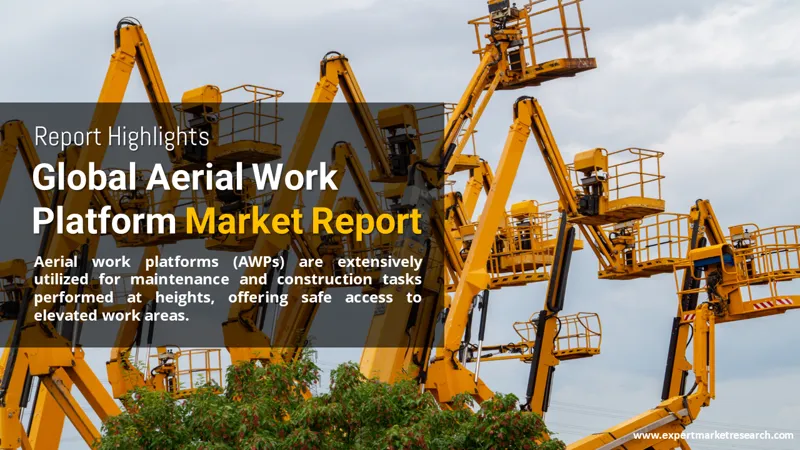
The global aerial work platform market attained a value of USD 14.14 Billion in 2025 and is projected to expand at a CAGR of 6.00% through 2035. The market is further expected to achieve USD 25.32 Billion by 2035. Electric vehicle mandates in cities have been changing rapidly, which has led to the quick replacement of diesel-powered lifts. As a result, contractors now mostly focus on low or zero-emission platforms with longer-duty cycles and integrated battery management systems.
Unprecedented infrastructure stimulus programs, supported by governments, and semiconductor fabrication spending are fueling the need for high-reach articulating booms that can operate under the tightly fitted steel structures, propelling the aerial work platform market value. Besides, the rise of warehouse automation is raising the usage of compact electric scissor lifts, particularly in e-commerce fulfillment centers, where indoor air quality regulations are rigorously enforced.
Companies are noting that the connected fleet deployment in major rental partners is increasing at a significant rate, as contractors require real-time machine health data to minimize downtime. With non-residential construction employment in the United States exceeding 8 million workers in 2023, according to the aerial work platform market analysis, the need for safer elevated access equipment in complicated job sites has been further confirmed. In ewsponse, in January 2025, JLG Industries displayed its new EC600AJ 60-ft electric articulating boom lift with superior up-and-over capability and versatile positioning for construction.
The aerial work platform market is experiencing a transformation through electrification, digital fleet management, and rental-first procurement models. Leading manufacturers are increasing the range of models and also redesigning the platforms to meet indoor compliance standards, have lower emissions, and be compatible with predictive maintenance. For example, in November 2024, Aldercote introduced new battery-powered platforms designed for electric vehicles, advancing zero-emission access solutions across industrial and construction applications. Battery-powered scissor lifts and compact articulating booms are being specified at a faster pace for urban infrastructure retrofits, warehousing expansions, and data center construction.
Compound Annual Growth Rate
6%
Value in USD Billion
2026-2035
Read more about this report - REQUEST FREE SAMPLE COPY IN PDF
Blade Platforms highlighted its 187-ft utility aerial platform, engineered for transmission and grid modernization projects requiring extended working height. Manufacturers can invest in ultra-high-reach utility platforms to capitalize on grid upgrades and renewable energy infrastructure demand, boosting the overall aerial work platform market growth.
Tadano introduced a new mobile elevating work platform series for United States and Canada, expanding localized production and rental-ready solutions. Players can also strengthen regional manufacturing to meet rising rental fleet replacement and compliance requirements.
Zoomlion presented intelligent aerial work platforms integrating digital monitoring, energy-efficient systems, and enhanced safety controls for global markets. Companies can integrate telematics and electrification to differentiate fleets and address sustainability-driven procurement trends in the aerial work platform market.
Mantall supplied 99 aerial work platforms to Bo Feng, underscoring strong OEM-fleet collaborations and large-scale deployment momentum. Competitors can also pursue bulk OEM and fleet partnerships to secure high-volume contracts and scale production for industrial customers.
Electric aerial work platforms are gradually being considered as a necessity rather than an option for most metropolitan projects. The state-level emission norms of California and New York are impacting procurement guidelines for contractors involved in public infrastructure upgrades. Manufacturers are launching new lithium-ion powered ranges with features such as extended runtime cycles and fast-charging capabilities, boosting demand in the aerial work platform market. Rental operators witness higher utilization rates for electric units as a result of indoor warehouse demand and sustainability-linked construction contracts. In November 2024, Bauma China introduced a broad range of innovative electric and hybrid aerial work platforms, booms, masts, and lifts from leading manufacturers.
Fleet digitization is becoming the focus of competitive differentiation. OEMs are installing cloud-connected modules which are able to track load cycles, battery health, and fault codes in real-time. This aerial work platform market trend minimizes unscheduled breakdowns and facilitates proactive servicing. Contractors include data transparency requirements in tender documentation. Manufacturers are experiencing an increase in recurring revenue due to telematics-enabled maintenance contracts. In February 2026, Geotab introduced an AI-powered telematics roadmap with advanced video safety, next-generation hardware, and rugged asset tracking for ANZ fleets.
The escalating construction of hyperscale data centers is driving the demand for narrow-width boom lifts with high vertical articulation. Semiconductor facilities are now specifying cleanroom-ready equipment with non-marking tires. Manufacturing reshoring initiatives with federal incentives are resulting in the stimulation of large-scale facility builds. Access equipment suppliers are offering insulated platforms meant for sensitive electrical environments. Manufacturers are tuning up their units for prolonged indoor work periods and lower noise levels. In October 2025, NVIDIA and Nokia partnered on AI-RAN with a USD 1 billion investment, enabling AI-driven 5G-Advanced and 6G network platforms. As far as pricing goes, this aerial work platform market segment is more centered on uptime reliability, which gives companies better margins for specialized platform variants.
OEMs are changing product designs to make assembly quicker and reduce part complexity. Companies like Skyjack are mainly focusing on component commonality among its electric scissor portfolio for the purpose of shortening the lead times. Rental clients want highly standardized fleets since they make it easier for the technicians to be trained and thus also reduce the spare part stocking, accelerating the aerial work platform market value. Manufacturers get the advantage of faster production ramp-ups during infrastructure surges. In January 2026, Action Construction Equipment debuted an advanced, tech-driven equipment portfolio, including intelligent cranes, aerial work platforms, telehandlers.
Infrastructure expansion in the Middle East and Southeast Asia is opening new procurement corridors for aerial work platform manufacturers. Airport expansions, metro rail projects, and oil facility upgrades are increasing demand for high-capacity rough terrain boom lifts. Regional governments are allocating capital toward logistics corridors and port modernization. OEMs are establishing localized assembly partnerships to bypass import tariffs and shorten delivery timelines. Long-term rental contracts in these regions provide stable utilization, accelerating the aerial work platform market value. Companies targeting these markets are focusing on durability enhancements and heat-resistant hydraulic systems suited for extreme climates. In October 2025, Skyjack launched the SJ5545 E electric scissor lift, offering enhanced duty cycle, zero emissions, and improved productivity for indoor construction applications.
Read more about this report - REQUEST FREE SAMPLE COPY IN PDF
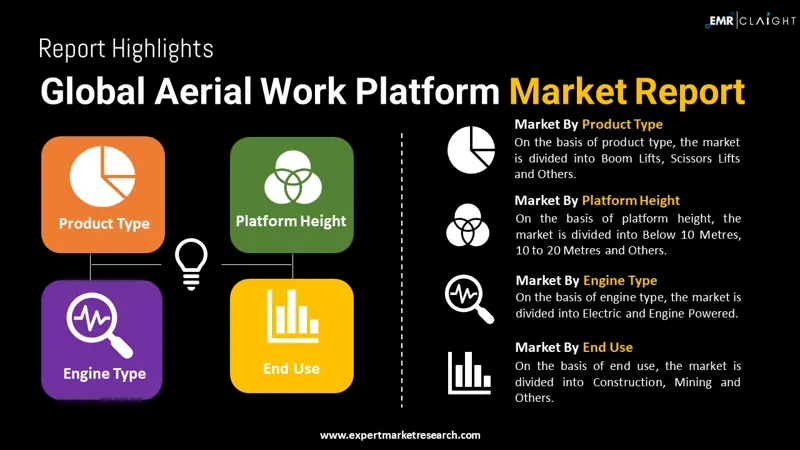
The EMR’s report titled “Global Aerial Work Platform Market Report and Forecast 2026-2035” offers a detailed analysis of the market based on the following segments:
Market Breakup by Product Type
Key Insight: Boom lifts capture the dominant share of the aerial work platform market due to superior outreach and adaptability across heavy construction and industrial maintenance. Scissor lifts are expanding rapidly with electrification and warehouse automation projects. In February 2024, Manitou Group introduced a new scissor lift range with improved safety, performance, and versatility for construction, industrial, and maintenance applications. Vertical mast lifts serve facility management teams needing lightweight maneuverability in tight corridors. Portable personal lifts support quick inspection tasks where mobility matters more than height. Other specialized platforms address niche applications such as aviation maintenance and utility repairs.
Market Breakup by Platform Height
Key Insight: As per the aerial work platform market report, below 10 meters platforms serve maintenance crews and indoor service applications where compact design is critical. The 10 to 20 meters range dominates due to broad construction relevance and transport convenience. Units between 20 to 25 meters support industrial retrofits and mid-scale energy sites requiring added clearance. Above 25 meters machines are accelerating in growth as megaprojects demand extended reach and stability. In December 2024, Zoomlion launched the world’s tallest straight boom aerial work platform, delivering unmatched reach and performance for high-elevation construction and industrial projects.
Market Breakup by Engine Type
Key Insight: Engine powered units dominate heavy duty outdoor environments where terrain and extended runtime are critical, opening up lucrative aerial work platform market opportunities. Electric platforms are gaining traction with indoor compliance, lower noise output, and simplified maintenance requirements. Procurement decisions often depend on project location and regulatory intensity. Industrial contractors continue to rely on combustion durability, while urban builders prioritize emission free alternatives, and manufacturers are balancing portfolio strategies to protect diesel revenue while accelerating electric innovation.
Market Breakup by End Use
Key Insight: Construction largely accelerates the aerial work platform market growth because large scale infrastructure and commercial buildings require reliable elevated access daily. Mining applications depend on rugged platforms for equipment servicing in harsh terrain. Transportation and logistics are gaining momentum with indoor warehouse upgrades and automation expansion. Manufacturing plants use compact lifts for assembly line maintenance and equipment calibration. Other sectors including utilities and aviation generate specialized but steady demand. Manufacturers align engineering strategies to meet these operational differences while strengthening long-term rental partnerships.
Market Breakup by Region
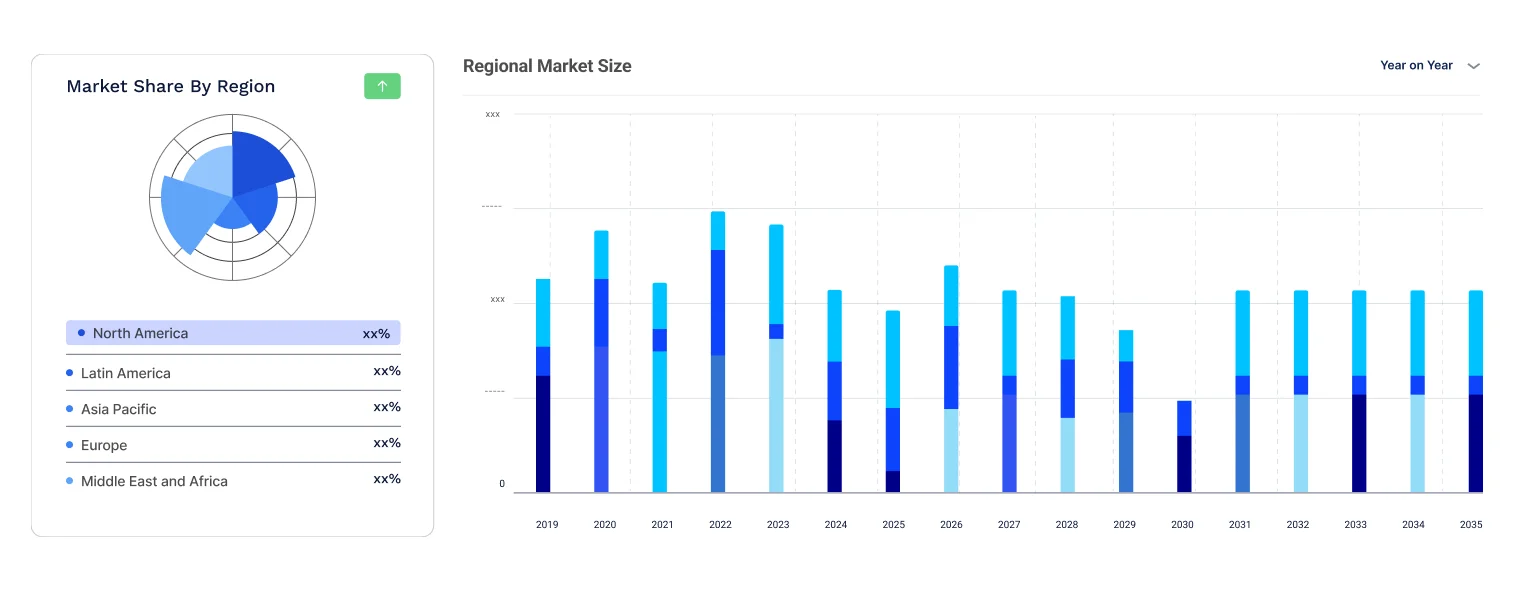
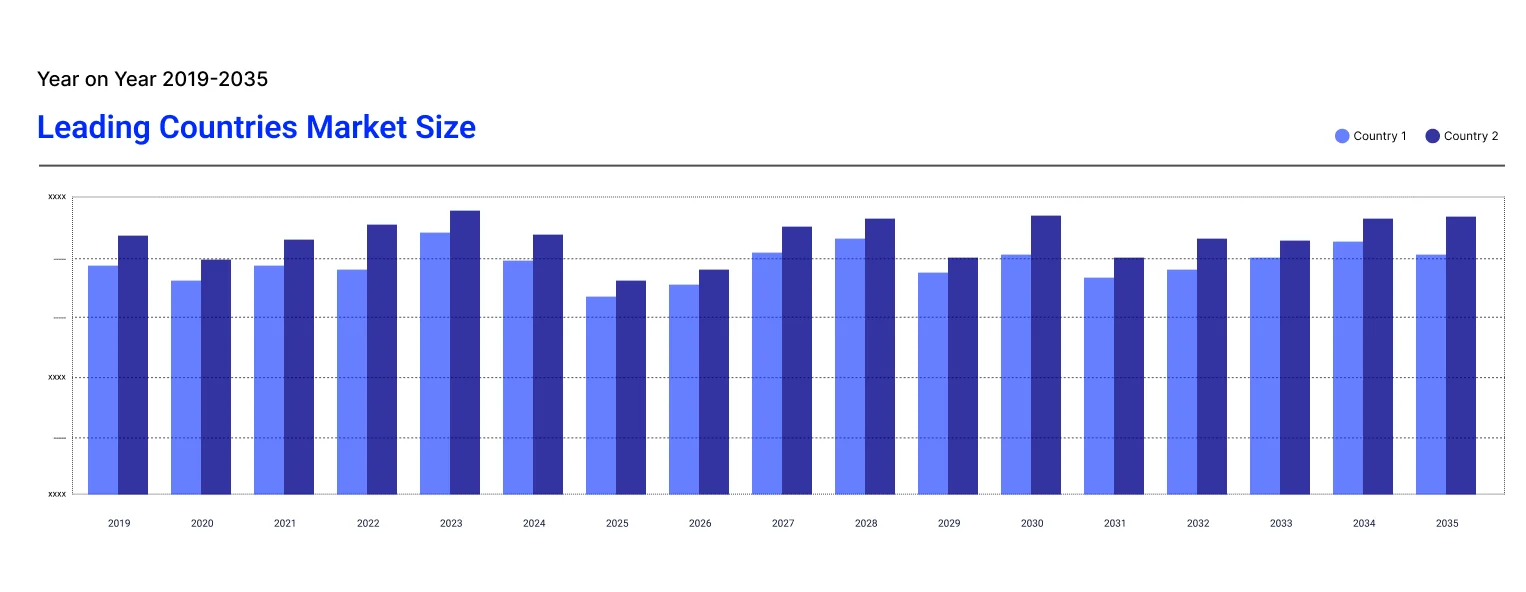
Key Insight: North America dominates due to mature rental ecosystems and consistent infrastructure activity. The European aerial work platform market emphasizes emission compliance and sustainable fleet transitions. Asia Pacific shows fastest expansion with large urban development pipelines. Latin America experiences steady demand linked to energy and commercial upgrades. Middle East and Africa benefit from airport, oil, and logistics corridor investments. While developed markets focus on electrification and telematics integration, emerging regions prioritize fleet expansion and localized assembly. Manufacturers tailor distribution and service partnerships according to regulatory intensity and project scale.
Read more about this report - REQUEST FREE SAMPLE COPY IN PDF
By product type, boom lifts lead the market growth due to high reach versatility
As per the aerial work platform market report, boom lifts remain the ideal product type because contractors favor using articulated and telescopic boom lifts for complex steel structures, bridge retrofits, and energy projects. The capacity of the unit to move in tight spaces makes it a necessary equipment for the maintenance of the refineries. Manufacturers are offering features such as load sensing systems, oscillating axles, and hybrid drivetrains in boom lift models to comply with tougher site regulations. Higher working height categories generate better rental yields. Contractors also value extended horizontal outreach, which reduces repositioning time. In October 2024, Snorkel and TIL debuted the A62JRT articulating boom lift at Bauma, delivering robust performance and versatile reach for rugged work environments.
Scissor lifts are currently experiencing rapid growth in the aerial work platform market owing to the expansion of warehouses and the upgrade of indoor facilities. Electric slab scissors are gaining momentum in distribution centers and manufacturing plants where controlling emissions is a must. Fleet owners are developing smaller models that can easily fit into narrow aisles and mezzanine floors. OEMs are mainly committed to simplifying control panels and producing hydraulic systems that require less maintenance. These types of equipment maintain a stable rental turnover market because they perform repeated indoor tasks.
By platform height, the 10 to 20 meters segment dominates the market due to versatility
The 10 to 20 meters segment remains dominant because it balances reach and maneuverability across mid-rise commercial projects. This height range suits retail complexes, institutional buildings, and airport interiors. Rental operators favor these units since demand stays consistent across maintenance and construction cycles. Manufacturers optimize this class with improved stability systems and lighter chassis materials to enhance transport efficiency. Contractors often specify this range in framework agreements because it fits most structural tasks without requiring oversized transport permits. Operational training requirements are manageable, which broadens operator availability. In October 2025, Haulotte introduced the Pulseo HA20 E electric boom lift, offering zero emissions, enhanced agility, and optimized performance for urban and indoor operations.
Platforms above 25 meters are expanding at the fastest pace across the aerial work platform market scope due to high rise infrastructure and renewable energy installations. Wind turbine maintenance and stadium construction require extended vertical and horizontal reach. Contractors are selecting telescopic booms with reinforced steel sections and enhanced wind resistance features. OEMs are investing in stability control software to support operations at extreme heights. Transport logistics for these units are complex, yet contractors accept the cost for specialized capability.
By engine type, engine powered platforms continue to dominate the market owing to heavy outdoor project deployments
Engine powered aerial work platforms remain dominant in outdoor construction, mining, and oil field operations. Diesel and dual fuel engines deliver higher torque and extended runtime under rugged conditions. Contractors working on highway expansions and remote energy facilities rely on these units for uninterrupted performance. Manufacturers are upgrading engine systems to comply with emission standards while retaining power output. Rough terrain capability and four-wheel drive configurations support uneven ground mobility. Rental firms maintain large diesel fleets because demand persists in infrastructure and utility repair projects. In August 2024, JCB introduced the T-65D diesel-powered telescopic boom platform, enhancing rugged reach and performance for heavy-duty industrial and infrastructure applications.
Electric aerial platforms are also contributing to the aerial work platform market revenue as urban regulations restrict combustion equipment indoors and near residential zones. Lithium-ion battery integration has improved charge cycles and reduced downtime. Contractors have been increasingly opting for electric machines, especially in mixed indoor, outdoor environments where noise reduction is one of the criteria. Manufacturers offer different features to get ahead of the competition, for instance, through smart battery diagnostics and regenerative braking. Fleet managers value these new electric machines because they require less maintenance than engine units.
By end use, the construction sector leads aerial work platform demand growth due to infrastructure modernization projects
Construction remains the primary end use segment as elevated access is essential for structural assembly, facade installation, and utility integration. Large-scale infrastructure modernization programs are increasing equipment turnover cycles. Contractors prefer versatile boom and scissor configurations that can transition between steel erection and finishing tasks. Rental agreements are often bundled into multi-project contracts, ensuring consistent fleet deployment. Manufacturers target construction buyers with reinforced guardrails and improved platform controls to enhance jobsite safety.
Transportation and logistics are also expanding their share in the aerial work platform market due to warehouse automation and distribution center expansion. Elevated platforms are required for racking installation, lighting upgrades, and conveyor system maintenance. Electric scissor lifts are commonly specified for indoor dock operations. Fleet owners report strong repeat demand from third party logistics providers upgrading facilities to handle higher parcel volumes. Manufacturers are designing compact units optimized for narrow aisle access. In February 2023, Action Construction Equipment introduced India’s first electric mobile crane alongside new aerial and material handling launches, boosting sustainable infrastructure solutions.

Read more about this report - REQUEST FREE SAMPLE COPY IN PDF
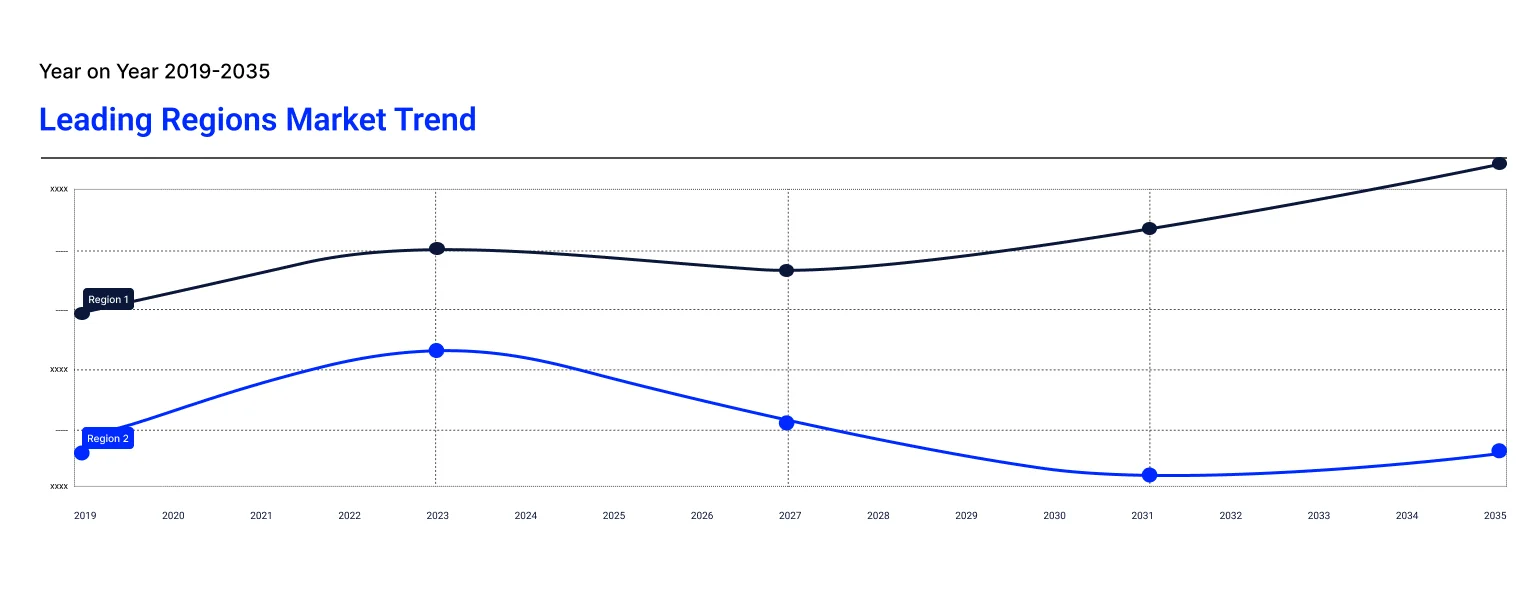
North America clocks in the largest share of the market due to infrastructure investment momentum
North America leads the aerial work platform market supported by sustained infrastructure upgrades and commercial real estate activity. Rental penetration remains high, giving manufacturers stable bulk procurement orders. Contractors emphasize fleet digitization and predictive maintenance integration. Replacement cycles are shortening as emission standards tighten across major states. OEMs maintain regional service networks to ensure uptime reliability. Industrial shutdown maintenance and data center buildings further strengthen demand. Manufacturers compete on telematics compatibility and lifecycle cost transparency.
The aerial work platform market in Asia Pacific is expanding at a much faster pace owing to rapid urban housing expansion and transportation corridor development. Governments are investing in metro rail networks and airport modernization projects. Rental adoption is increasing in emerging economies where contractors prefer asset light procurement models. Manufacturers are localizing assembly to reduce import dependency and shorten delivery lead times. Electric platform adoption is accelerating in developed Asian cities with stricter air quality norms. In January 2026, JK Tyres announced plans to expand into aerial work platforms, leveraging its tire technology to support durable, high-performance access equipment solutions.
Competition in the global market continues to revolve around electrification depth, digital fleet integration, and application-specific engineering. OEMs are channeling investments in lithium-ion retrofits, sophisticated load sensing software, and telematics ecosystems that offer a direct connection with rental dashboards. Besides, aerial work platform companies are concentrating on modular boom structures to speed up production cycles and lessen parts complexity. An increasing number of possibilities are opening up in clean energy maintenance, semiconductor fabs, and airport renovations, where highly insulated and narrow chassis platforms are necessary.
Aerial work platform market players are rolling out predictive maintenance subscriptions and setting up remote diagnostics centers. Making strategic partnerships with major rental chains is expected to be important, however, localizing production at the regional level is beginning to be used as a competitive edge.
Terex Corporation is a company that was founded in 1968 and has its main office in Connecticut, United States. Through the brand Genie, the company offers global rental companies with articulated booms, telescopic lifts, and electric scissor platforms. Terex has pushed lithium nixed units and cloud-based fleet monitoring tools strongly which allow rental partners to track utilization and service intervals.
Haulotte Group was established in 1881 and its main office is located in France. The company is into designing electric and hybrid aerial platforms which also have telematics integrated under the digital service ecosystem. Haulotte offers energy efficient drive systems and simplified maintenance access points to reduce the lifecycle costs.
MEC Aerial Work Platforms was founded in the year 1976 and its main office is located at California, United States. MEC's product line is mainly slab scissor lifts and rough terrain platforms designed for rental intensive markets. The company through innovative scissor stack engineering that increases platform rigidity while reducing machine weight, differentiates itself.
Tadano Ltd. was set up in 1948 and is located at Takamatsu, Japan. As a world-known brand for cranes, Tadano has also ventured into the aerial platforms segment through acquisitions and integrating the product portfolio. The company uses its heavy lifting knowledge to design high-capacity boom lifts that come with enhanced stability systems.
*Please note that this is only a partial list; the complete list of key players is available in the full report. Additionally, the list of key players can be customized to better suit your needs.*
Other key players in the market include Aichi Corporation, among others.
Unlock the latest insights with our aerial work platform market trends 2026 report. Discover regional growth patterns, consumer preferences, and key industry players. Stay ahead of competition with trusted data and expert analysis. Download your free sample report today and drive informed decisions in the market.


Upto 15% Off
USD
$2499 $2249
$3999 $3599
$4999 $4249
$5999 $5099


*While we strive to always give you current and accurate information, the numbers depicted on the website are indicative and may differ from the actual numbers in the main report. At Expert Market Research, we aim to bring you the latest insights and trends in the market. Using our analyses and forecasts, stakeholders can understand the market dynamics, navigate challenges, and capitalize on opportunities to make data-driven strategic decisions.*
In 2025, the market reached an approximate value of USD 14.14 Billion.
The market is projected to grow at a CAGR of 6.00% between 2026 and 2035.
Investing in lithium platforms, strengthening rental partnerships, expanding regional assembly, enhancing telematics services, and developing sector specific models for energy and logistics projects.
The increasing public infrastructure development and increasing demand for boom lifts are the key industry trends propelling the market's growth.
The major regions in the industry are North America, Latin America, the Middle East and Africa, Europe, and the Asia Pacific.
The product types of aerial work platform are boom lifts, scissor lifts, vertical mast lifts, and portable personal lifts, among others.
The different platform heights are below 10 metres, 10 to 20 metres, 20 to 25 metres, and above 25 metres.
On the basis of engine type, the market is categorized into electric and engine powered.
The end uses include construction, mining, transportation and logistics, and manufacturing, among others.
The key players in the market include Terex Corporation, Haulotte Group, MEC Aerial Work Platforms, Tadano Ltd., and Aichi Corporation, among others.
Rising raw material costs, emission compliance pressure, supply chain volatility, skilled technician shortages, and pricing competition within rental dominated procurement structures are tightening margins for manufacturers.
Explore our key highlights of the report and gain a concise overview of key findings, trends, and actionable insights that will empower your strategic decisions.
| REPORT FEATURES | DETAILS |
| Base Year | 2025 |
| Historical Period | 2019-2025 |
| Forecast Period | 2026-2035 |
| Scope of the Report |
Historical and Forecast Trends, Industry Drivers and Constraints, Historical and Forecast Market Analysis by Segment:
|
| Breakup by Product Type |
|
| Breakup by Platform Height |
|
| Breakup by Engine Type |
|
| Breakup by End Use |
|
| Breakup by Region |
|
| Market Dynamics |
|
| Competitive Landscape |
|
| Companies Covered |
|
| Report Price and Purchase Option | Explore our purchase options that are best suited to your resources and industry needs. |
| Delivery Format | Delivered as an attached PDF and Excel through email, with an option of receiving an editable PPT, according to the purchase option. |
Datasheet
One User
USD 2,499
USD 2,249
tax inclusive*
Single User License
One User
USD 3,999
USD 3,599
tax inclusive*
Five User License
Five User
USD 4,999
USD 4,249
tax inclusive*
Corporate License
Unlimited Users
USD 5,999
USD 5,099
tax inclusive*
*Please note that the prices mentioned below are starting prices for each bundle type. Kindly contact our team for further details.*
Flash Bundle
Small Business Bundle
Growth Bundle
Enterprise Bundle
*Please note that the prices mentioned below are starting prices for each bundle type. Kindly contact our team for further details.*
Flash Bundle
Number of Reports: 3
20%
tax inclusive*
Small Business Bundle
Number of Reports: 5
25%
tax inclusive*
Growth Bundle
Number of Reports: 8
30%
tax inclusive*
Enterprise Bundle
Number of Reports: 10
35%
tax inclusive*
How To Order

Select License Type
Choose the right license for your needs and access rights.

Click on ‘Buy Now’
Add the report to your cart with one click and proceed to register.

Select Mode of Payment
Choose a payment option for a secure checkout. You will be redirected accordingly.
Strategic Solutions for Informed Decision-Making
Gain insights to stay ahead and seize opportunities.

Get insights & trends for a competitive edge.

Track prices with detailed trend reports.

Analyse trade data for supply chain insights.

Leverage cost reports for smart savings

Enhance supply chain with partnerships.

Connect For More Information
Our expert team of analysts will offer full support and resolve any queries regarding the report, before and after the purchase.
Our expert team of analysts will offer full support and resolve any queries regarding the report, before and after the purchase.
We employ meticulous research methods, blending advanced analytics and expert insights to deliver accurate, actionable industry intelligence, staying ahead of competitors.
Our skilled analysts offer unparalleled competitive advantage with detailed insights on current and emerging markets, ensuring your strategic edge.
We offer an in-depth yet simplified presentation of industry insights and analysis to meet your specific requirements effectively.




