

Consumer Insights
Uncover trends and behaviors shaping consumer choices today
Procurement Insights
Optimize your sourcing strategy with key market data
Industry Stats
Stay ahead with the latest trends and market analysis.
The global algae market attained a value of USD 26.42 Billion in 2025 and is projected to expand at a CAGR of 10.60% through 2035. The market is further expected to achieve USD 72.36 Billion by 2035. Increasing demand for traceable, marine-free omega-3 ingredients is encouraging major players in the market to increase their fermentations capabilities, develop formulations stability, and focus on aquaculture, pet care, and nutraceutical clients.
The algae market observes an increased demand from algae-based omega-3 ingredients for fermentation equipment offering consistent DHA profiles and increased traceability. Companies are illustrating the need for performance-oriented ingredients for aquaculture, animal nutrition, and pet food industry. Second, cosmetic formulators demand specialty algal lipids with reproducible composition.
The algae market is shifting away from the mere commodity production of biomass as firms develop highly purified raw materials for uses in nutrition, cosmetics, and specialized products. In July 2026, Algene Holding SE, funded by DN Group AG, completed the first harvesting of 4,500 liters of microalgae and made the first batch available for a cosmetics company from Germany. The event reflects an emerging interest in more targeted and controlled production of algae.
Product innovation in the algae market is becoming focused on fermentation, precise formulation, and consistent performance. Corbion was granted a United States patent in April 2026 that protects the formula of its algal biomass suspension featuring a DHA-enriched omega-3 content as a part of the AlgaPrime DHA LS range for aquaculture, animal nutrition, and pet food applications. Checkerspot is also offering its new Algolein TG C18/80, a non-GMO and high-oleic algal oil created by fermentation of microalgae for personal care and cosmetic uses.
Compound Annual Growth Rate
10.6%
Value in USD Billion
2026-2035
Read more about this report - REQUEST FREE SAMPLE COPY IN PDF
| Global Algae Market Report Summary | Description | Value |
| Base Year | USD Billion | 2025 |
| Historical Period | USD Billion | 2019-2025 |
| Forecast Period | USD Billion | 2026-2035 |
| Market Size 2025 | USD Billion | 26.42 |
| Market Size 2035 | USD Billion | 72.36 |
| CAGR 2019-2025 | Percentage | XX% |
| CAGR 2026-2035 | Percentage | 10.60% |
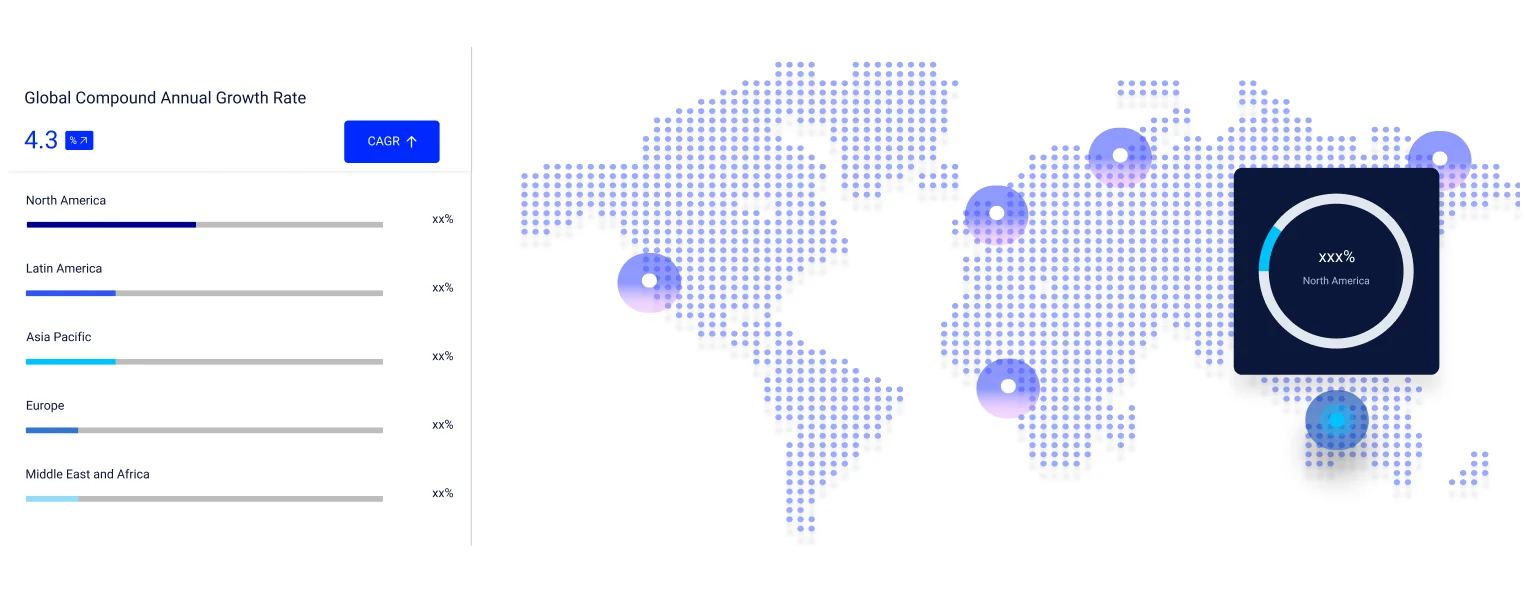
| CAGR 2026-2035 - Market by Region | Asia Pacific | 12.2% |
| CAGR 2026-2035 - Market by Country | India | 14.0% |
| CAGR 2026-2035 - Market by Country | China | 11.7% |
| CAGR 2026-2035 - Market by Type | Astaxanthin | 12.0% |
| CAGR 2026-2035 - Market by Form | Solid | 11.7% |
| Market Share by Country 2025 | Germany | 4.7% |
Scientists at IIT Guwahati created an algae-based product, which was able to extract up to 66.2% of lead from the contaminated water in lab experiments. Companies dealing with algae can work on biosorbents to clean industrial wastewater using less costly technologies than current heavy metal extraction systems.
A new algae-based biofuel was invented by BRK Technology, which has the potential to substitute diesel and cut carbon footprint by up to 80%. Companies can co-operate with logistics, mining, and construction businesses to create eco-friendly transportation fuels, capitalizing on such developments in the algae market.
The city of Bhopal set up an algae tree powered by solar energy, which was said to absorb 1.5 tons of CO₂ every year and also cut down PM2.5 pollution around it. Firms can make use of carbon capture technology which could be easily installed in cities, highways, and industries where there are few possibilities for traditional green technology.
Omani firm Baalil created an intelligent algae-based vehicle air purifier that uses local algae to absorb CO₂ and enhance the quality of enclosed air in vehicles. Algae market companies can partner with automotive and HVAC manufacturers to create a vehicle air purifier.
Firms are working on increasing the output of their biomass by utilizing closed photobioreactors, automation of their processes, and improving their strains while ensuring contamination control and optimal use of resources. In January 2025, the United States Department of Energy released USD 10 million as part of its Maximizing Algal System Yield project, which was focused on algae cultivation and pretreatment, boosting the overall algae market development. As a result, algae firms are designing systems that allow them to produce consistent biomass for food, feed, chemicals, and energy purposes. For example, in April 2025, Pond Technologies planned AI integration to optimize light, nutrients, CO₂ absorption, biomass yields, and algae production costs.
Algae producers are increasingly shifting towards designing biorefineries in which several products can be extracted from one biomass rather than concentrating only on one stream of income. This trend in the algae market might enable companies to diversify revenue, improve biomass utilization, reduce processing waste, and strengthen commercial viability across multiple end-use industries. For example, in July 2025, Origin by Ocean and CABB Group planned Finland’s first sargassum biorefinery, producing alginate, fucoidan and biomass for cosmetics, textiles, detergents and other industries.
The ingredient manufacturers are focusing on high value food, animal feed, and cosmetic uses of algae due to their better prospects of differentiating products, reshaping the algae market dynamics. The ALLIANCE project in the EU was initiated in September 2025 with EUR 7.36 million funding from the CBE JU and targets products of microalgae for the food, feed, and cosmetic sectors. The multi-product approach adopted by the project targets enhanced cost efficiency and sustainability, and broader market acceptance. The response to this trend is the development of specialized algal proteins, functional lipids, pigments, and oils for specific formulations. For example, in March 2025, Givaudan launched Evernityl, an upcycled macroalgae-derived active targeting skin ageing through innovative marine biotechnology.
Governments are supporting research on algae as a renewable feedstock for biofuels and bio-based industrial chemicals and companies are moving towards focusing on economically valuable co-products. In January 2024, FUELGAE launched a EUR 5 million project developing microalgae-based advanced fuels for aviation and maritime sectors using industrial CO₂ emissions. Such projects aim at converting algae, seaweeds, and wet feedstocks to fuels, chemicals, and agricultural products, boosting the overall algae market penetration.
Algal and macroalgal producers are venturing into the business of biofertilizers, biostimulants, foods, cosmetology, and aquaculture using European funding for innovation in the algae market. For example, in August 2025, the I3-4-SEAWEED project invested about EUR 1.8 million in supporting no fewer than 30 SMEs with projects involving macroalgal production and the applications of biotechnology from macroalgae. The proven solutions in this regard include optimal offshore production, macroalgal-based meat products, biofertilizers, biostimulants, and organic cosmetic products. In March 2026, Pure Ocean Algae launched Ireland’s first cultivated red algae, supporting sustainable local production for food, wellness, and ingredient applications.
Read more about this report - REQUEST FREE SAMPLE COPY IN PDF
The Expert Market Research's report titled “Algae Market Report and Forecast 2026-2035” offers a detailed analysis of the market based on the following segments:
Market Breakup by Type
Key Insight: In terms of product category, spirulina stands out through existing cultivation processes, high protein content, and extensive usage in various applications from supplements to food and feed, while astaxanthin grows due to its superior antioxidant properties, coloration, and aquaculture uses. Chlorella benefits from its high protein content, high levels of chlorophyll, and detox formulations, thus catering to nutraceutical and functional food trends in the algae market. In March 2026, Brevel launched Purallis, using illuminated fermentation to produce consistent, high-purity chlorella for nutraceutical applications. Hydrocolloids retain importance due to their usage in food, pharmaceutical, and cosmetic products where alginate and carrageenan provide stability and gelling properties. Others, such as specialty microalgae, exhibit growth prospects in pigments, omega-3 oils, and bioactive ingredients.
Market Breakup by Material Source
Key Insight: Considering the source of raw materials, brown algae takes the lead in the algae market with its alginate-containing biomass and extraction process catering to the hydrocolloids, cosmetics, food and industrial sectors. On the other hand, red algae makes the most of its carrageenan and agar products which help in providing gelling, stabilizing and controlling the textures in food and pharmaceuticals. Green algae leverages its chlorophyll, protein, and pigment content for use in nutritional and personal care formulations. Blue green algae are expanding its share because of its Spirulina proteins, antioxidants, pigments and wellness products in nutraceuticals and functional foods.
Market Breakup by Form
Key Insight: Solid products retain their dominance in the algae market due to the nature of powders, flakes, and dried biomass that make transportation, storage, dosing, and incorporation into industrial formulations easier. Compatibility with supplements, feed premixes, foods, cosmetics, and chemical processes provides a wide range of procurement needs. Liquid products are becoming more popular due to the ability of concentrated extracts, suspensions, emulsions, and oils to ease the process of dispersion and dosing in beverages, cosmetics, aquaculture, and liquid nutrition.
Market Breakup by Application
Key Insight: Food and beverage stand out in terms of application due to the demand for algae proteins, hydrocolloids, pigments, oils, stabilizers, and omega-3 components within processed foods and functional beverages. Personal care is benefited by the use of algae extracts, antioxidants, moisturizers, pigments, and marine actives within premium formulations, boosting the algae market value. In April 2026, Checkerspot launched precision-fermented Algolein, offering microalgae-derived oils as sustainable alternatives to conventional crop-based cosmetic oils. Nutraceuticals and dietary supplements are being developed via the use of Spirulina, Chlorella, astaxanthin, phycocyanin, and omega-3 components from algae. The chemical segment uses algae derived hydrocolloids, lipids, pigments, and specialty chemicals in formulation and processing applications. Feed demands are created by proteins, pigments, and nutritional components for aquaculture and animals, whereas other segments encompass industrial applications within biotechnology.
Market Breakup by Region
Key Insight:The Asia Pacific region remains the most promising algae market owing to the existing production, consumption and supply chains of algae in place, whereas North America and Europe are the regions that are most innovative in developing high value products. The Latin America and Middle East & Africa regions offer future expansion opportunities as infrastructure development and investments in biotechnology take place in these regions. In general, the competitive landscape is moving away from traditional biomass production to high value algae-based products and applications.

Read more about this report - REQUEST FREE SAMPLE COPY IN PDF
By type, the spirulina category dominates the market due to protein density and versatile formulations
Spirulina continues to be the leading type that is contributing to the algae market revenue, due to its high protein concentration, compatibility with formulation applications and availability of cultivation facilities that enable purchase in supplements, functional foods, aquaculture feed and animal nutrition applications. Manufacturers prefer to use Spirulina for biomass and easy extraction processes, while phycocyanin extraction adds value in natural coloring applications. The maturity of Spirulina helps suppliers to obtain standardized grades and consistent performance within their formulations. In February 2026, DIC expanded algae-derived product development, targeting sustainable food colorants, additives, biostimulants, and other bio-based applications.
Astaxanthin is the fastest-growing type due to suppliers’ preference for antioxidant applications, which require natural and performance-based ingredients, boosting the algae market growth. Microalgae-based astaxanthin is becoming increasingly popular among nutraceuticals, aquaculture, cosmetics and food manufacturers due to its pigmentation and antioxidant properties that add value in formulation applications. Suppliers are enhancing cultivation and extraction processes to improve purity, stability, and consistency of the products to satisfy buyer demands. In July 2026, Kuehnle AgroSystems secured Series B financing to scale sustainable natural astaxanthin production through proprietary dark fermentation technology.
By material choice, brown algae accounts for the largest share of the market due to alginate extraction and industrial applications
Brown algae are positioned as the dominant material source in the algae market due to the availability of raw materials. Brown algae are used in manufacturing alginates, hydrocolloids, extracts, fertilizers, cosmetic ingredients and food ingredients. The diversity in processing methods of the brown algae enables the supplier to target industries through its biomass. Buyers are attracted to extraction experience and reliable performance in thickening, stabilization, film forming, and encapsulation applications. Suppliers are increasingly producing refined fractions and pure extracts, making it possible for them to target more than commodity seaweeds. In August 2026, MSU researchers developed optical fibers that distribute sunlight deeper, increasing algae photosynthetic capability up to sixfold without additional energy.
Blue green algae is the fastest growing material source due to demand for proteins, pigments, antioxidants and ingredients from the Spirulina, accelerating the algae market penetration. Producers are improving their processes for cultivating, drying and producing different grades. Blue green algae finds major application in the plant-based nutrition industry, giving producers an opportunity in supplements, beverages, food fortifiers, and animal feed. Buyers look for traceable biomass that meet microbial quality and nutritional profile requirements, hence reinforcing the need for companies to invest in cultivation and quality systems.
Solid products dominate the market due to storage, dosing, and processing convenience
Solid algae-based products prevail since powders, flakes, granules, and biomass are convenient for storage, transportation, dosing, and incorporation into formulations. Manufacturers can provide standard ingredients for dietary supplements, animal feed, food, cosmetics, and chemical processes, thus lowering complexity. Solid products have better shelf-life properties than liquids, which makes them convenient for sourcing and manufacturing. Suppliers are working on the reduction of particle size, solubility, efficient drying, and concentration of algae-based ingredients, propelling growth in the algae market. In April 2024, GreenCoLab showcased algae-based caviar, beer, and burgers, demonstrating sustainable applications of microalgae and seaweed across food and nutraceuticals.
The fastest growing format of algae-based products is liquid since manufacturers in the algae market seek ingredients for beverages, cosmetics, aquaculture, and liquid formulations. Liquid products simplify the process of dispersion, dosing, and incorporation where it is required. Suppliers are working on the development of stabilized extracts, emulsions, suspensions, and oils in order to increase the shelf life and formulation properties of algae products. Liquid algae products can be used in beverages by beverage producers, as well as in serums, creams, and masks by cosmetic producers. In February 2025, GC Rieber VivoMega launched Algae 1060 TG Premium, a concentrated algae-based EPA and DHA ingredient for supplements.
By application, the food and beverage category dominates the market due to multifunctional algae ingredients demand
The application is food and beverages as algae proteins, hydrocolloids, pigments, and oils to help meet various requirements, accelerating the algae market expansion. Manufacturers make use of algae ingredients for stabilization, coloring, enrichment, texture management, and omega-3 fortification of beverages, dairy alternatives, snacks, sauces, and food items. Suppliers supply standardized ingredients that exhibit consistent behavior under processing conditions that help manufacturers to minimize risks associated with the process. In February 2026, GC Rieber VivoMega launched Algae 1045 TG, a high-potency vegan DHA and EPA ingredient supporting sustainable nutraceutical formulations.
The fast-growing application area includes nutraceuticals and dietary supplements as the demand for products containing spirulina, chlorella, astaxanthin, phycocyanin, and algae-based omega-3 oils are increasing. Firms are supplying standardized extracts with concentration levels that help in minimizing the risks of contamination and improve the bioavailability of algae-based ingredients. These ingredients cater to the requirement for plant- derived nutrients, marine-free omega-3 sources, and antioxidants. Manufacturers increasingly require specifications for contaminants and documentation that help in formulating various products.
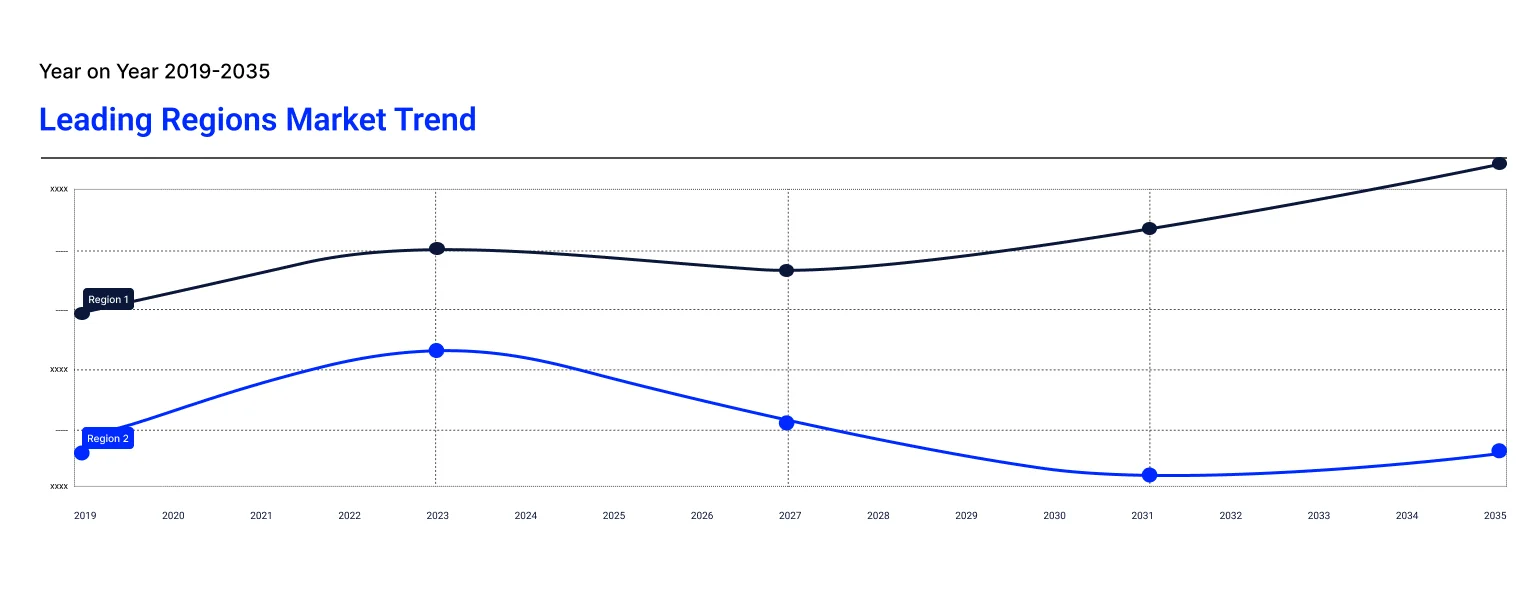
Asia Pacific clocks in the dominant share of the market through expanding production and diverse applications
The Asia Pacific region continues to be the dominant algae market, with long coasts, favorable cultivation conditions, traditional use of algae as seaweed, and large-scale production capabilities. China, Japan, India, and South Korea are significant markets for algae that are increasingly used in food, feed, nutraceuticals, cosmetics, and industrial products. In January 2026, Aker BioMarine showcased algae and krill ingredients at Vitafoods India, highlighting sustainable solutions for nutrition and wellness applications.
Algae continue to be a prominent market in North America, driven by high demand for nutraceuticals, functional foods, cosmetics, and sustainable ingredients. North America enjoys well-developed biotechnology, research, and investments into microalgae production. The United States is especially notable as a consumer of algae-derived omega-3, protein ingredients, and specialty ingredients, while government-sponsored research stimulates using algae in the production of biofuel, carbon sequestration, and other industrial applications.
Product specificity, fermentation technologies, process engineering, and specialized ingredient production play an ever-increasing role in the competitive environment of the market. Key algae market players like Corbion, BASF, Cargill, Cyanotech, DIC Corporation, and DSM-Firmenich are engaging in competition through expanded ingredient portfolios, cultivation capabilities, and extensive customer networks across the globe. The focus is shifting towards more valuable compounds, for example, omega-3 lipids, astaxanthin, proteins, pigments, and hydrocolloids, instead of concentrating exclusively on algal biomass.
In the future, algae companies are predicted to be able to enhance their competitive advantage through cultivation productivity, efficient extraction, formulation stability, traceability, and scalable fermentation, as well as cooperation with food/feed/nutraceutical/cosmetic/specialty chemicals producers.
Euglena Co., Ltd., founded in 2005 and based in Tokyo, Japan, specializes in manufacturing foodstuffs, cosmetics, and biotechnology using microalgae. The main specialization of this firm is the cultivation of Euglena and Chlorella, functional ingredients, and biofuels. This company offers integrated solutions by combining health and environmental technologies using cultivated microalgae.
Algae Systems, LLC, was founded in 2009 and based in Nevada, United States. It is developing autotrophic algal technologies for treating wastewater, sequestering CO2, producing renewable fuels, and fertilizers. The company’s platform involves cultivation of algae for recovery of resources and building facilities that treat wastewater and generate valuable biomass.
Founded in 1983 and headquartered in Hawaii, Cyanotech Corporation produces premium microalgae ingredients such as Hawaiian Spirulina Pacifica and BioAstin Hawaiian Astaxanthin. Cyanotech Corporation uses its open-pond cultivation knowledge to help nutraceutical and dietary supplement companies produce their products using natural ingredients.
Founded in 1865 and headquartered in the United States, Cargill Inc. provides algae-based DHA for specialty nutrition. The algal DHA offered by Cargill Inc. uses Schizochytrium that is cultivated using controlled fermentation and is thus a source of alternative omega-3 to fish omega-3.
Other key players in the market include Exploritech, Inc., Corbion NV, Algatech LTD, Cellana Inc., Earthrise® Nutritionals LLC, BASF SE, and DuPont de Nemours, Inc., among others.
*Please note that this is only a partial list; the complete list of key players is available in the full report. Additionally, the list of key players can be customized to better suit your needs.*
Unlock the latest insights with our algae market trends 2026 report. Discover regional growth patterns, consumer preferences, and key industry players. Stay ahead of competition with trusted data and expert analysis. Download your free sample report today and drive informed decisions in the market.


Upto 15% Off
USD
$2499 $2249
$3999 $3599
$4999 $4249
$5999 $5099


*While we strive to always give you current and accurate information, the numbers depicted on the website are indicative and may differ from the actual numbers in the main report. At Expert Market Research, we aim to bring you the latest insights and trends in the market. Using our analyses and forecasts, stakeholders can understand the market dynamics, navigate challenges, and capitalize on opportunities to make data-driven strategic decisions.*
The market reached a value of approximately USD 26.42 Billion in 2025.
The market is projected to grow at a CAGR of 10.60% between 2026 and 2035.
The market is estimated to witness a healthy growth in the forecast period of 2026-2035 to reach about USD 72.36 Billion by 2035.
Stakeholders are improving strain selection, automating cultivation, expanding fermentation capacity, developing standardized extracts, forming cross-industry partnerships, strengthening traceability, and targeting premium applications with stronger margins and scalable production economics globally.
The key trends of the market include increasing awareness about pest repelling properties of algae, increasing demand as a dietary supplement, and increasing applications of algae across various end user industries.
The various types of algae are spirulina, astaxanthin, chlorella, astaxanthin, and hydrocolloids, among others.
The major regions in the market are North America, Europe, the Asia Pacific, Latin America, and the Middle East and Africa.
The key players in the global algae market are Euglena Co., Ltd., Algae Systems, LLC, Cyanotech Corporation, Cargill Inc., Exploritech, Inc., Corbion NV, Algatech LTD, Cellana Inc., Earthrise® Nutritionals LLC, BASF SE, and DuPont de Nemours, Inc., among others.
Companies face high cultivation and processing costs, contamination risks, inconsistent biomass quality, water and energy demands, regulatory complexity, limited scale economics, and difficulty converting algae technologies into commercially competitive products.
Explore our key highlights of the report and gain a concise overview of key findings, trends, and actionable insights that will empower your strategic decisions.
| REPORT FEATURES | DETAILS |
| Base Year | 2025 |
| Historical Period | 2019-2025 |
| Forecast Period | 2026-2035 |
| Scope of the Report |
Historical and Forecast Trends, Industry Drivers and Constraints, Historical and Forecast Market Analysis by Segment:
|
| Breakup by Type |
|
| Breakup by Material Source |
|
| Breakup by Form |
|
| Breakup by Application |
|
| Breakup by Region |
|
| Market Dynamics |
|
| Competitive Landscape |
|
| Companies Covered |
|
Datasheet
One User
USD 2,499
USD 2,249
tax inclusive*
Single User License
One User
USD 3,999
USD 3,599
tax inclusive*
Five User License
Five User
USD 4,999
USD 4,249
tax inclusive*
Corporate License
Unlimited Users
USD 5,999
USD 5,099
tax inclusive*
*Please note that the prices mentioned below are starting prices for each bundle type. Kindly contact our team for further details.*
Flash Bundle
Small Business Bundle
Growth Bundle
Enterprise Bundle
*Please note that the prices mentioned below are starting prices for each bundle type. Kindly contact our team for further details.*
Flash Bundle
Number of Reports: 3
20%
tax inclusive*
Small Business Bundle
Number of Reports: 5
25%
tax inclusive*
Growth Bundle
Number of Reports: 8
30%
tax inclusive*
Enterprise Bundle
Number of Reports: 10
35%
tax inclusive*
How To Order

Select License Type
Choose the right license for your needs and access rights.

Click on ‘Buy Now’
Add the report to your cart with one click and proceed to register.

Select Mode of Payment
Choose a payment option for a secure checkout. You will be redirected accordingly.
Strategic Solutions for Informed Decision-Making
Gain insights to stay ahead and seize opportunities.

Get insights & trends for a competitive edge.

Track prices with detailed trend reports.

Analyse trade data for supply chain insights.

Leverage cost reports for smart savings

Enhance supply chain with partnerships.

Connect For More Information
Our expert team of analysts will offer full support and resolve any queries regarding the report, before and after the purchase.
Our expert team of analysts will offer full support and resolve any queries regarding the report, before and after the purchase.
We employ meticulous research methods, blending advanced analytics and expert insights to deliver accurate, actionable industry intelligence, staying ahead of competitors.
Our skilled analysts offer unparalleled competitive advantage with detailed insights on current and emerging markets, ensuring your strategic edge.
We offer an in-depth yet simplified presentation of industry insights and analysis to meet your specific requirements effectively.




