

Consumer Insights
Uncover trends and behaviors shaping consumer choices today
Procurement Insights
Optimize your sourcing strategy with key market data
Industry Stats
Stay ahead with the latest trends and market analysis.
The global anti-fog additives market attained a value of USD 388.09 Million in 2025 and is projected to grow at a CAGR of 4.60% through 2035, reaching USD 608.48 Million by 2035. Rising demand for clear, condensation-free food packaging and controlled-environment agriculture films is encouraging surfactant and oleochemical producers to widen their additive portfolios across polyethylene and polypropylene film formats. Growing focus on bio-based feedstocks and recyclable packaging compatibility is further supporting capacity additions across Asia Pacific, Europe, and North America.
Rising consumption of fresh and minimally processed foods through retail and quick commerce channels continues to lift demand for high-clarity packaging films that depend on anti-fog additives to prevent condensation buildup during cold chain and ambient storage. Packaging companies are specifying additive grades that hold performance across varying temperature and humidity conditions while supporting recyclable film structures. In July 2026, Amcor began work on a new flexible packaging facility in Dongguan, China, expanding automated, solvent-free lamination capacity for recycle-ready food packaging. Such capacity additions across major converting hubs are helping manufacturers meet rising retailer specifications for clear, condensation-resistant packaging formats without compromising sustainability targets.
The anti-fog additives market is also benefiting from expanding controlled-environment agriculture, as greenhouse operators seek films that maintain light transmission and limit water droplet formation on the interior surface. Regional converters are scaling polyethylene and BOPP film capacity to serve both food packaging and farming applications, supporting incremental demand for compatible additive systems. Manufacturers are formulating anti-fog additives that remain effective after prolonged exposure to humidity and ultraviolet radiation, a requirement that is becoming more important as controlled-environment agriculture expands across temperate and tropical growing regions alike.
Regionally, Asia Pacific continues to anchor global demand for anti-fog additives through its large packaging manufacturing base and expanding food processing sector, while Europe is emerging as a focal point for bio-based and low-migration additive development amid tightening packaging waste regulation. North America and the Middle East and Africa are concentrating on specialty grades for premium food packaging and greenhouse agriculture respectively, broadening the addressable base across mature and developing film manufacturing hubs.
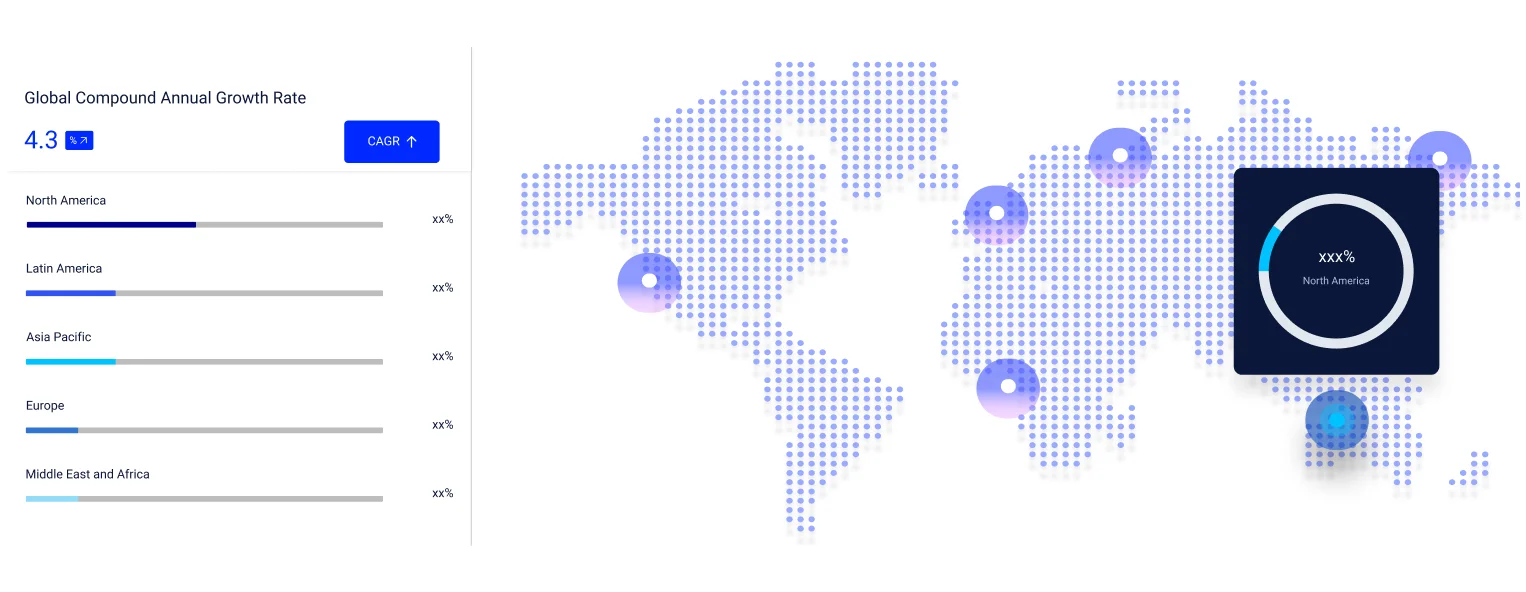
Compound Annual Growth Rate
4.6%
Value in USD Million
2026-2035
Read more about this report - REQUEST FREE SAMPLE COPY IN PDF
ChemPoint, a Univar Solutions distributor, partnered with IOI Oleochemical in October 2025 to widen access to high-purity stearic acid and glycerin across North America. Both feed into glycerol ester and fatty acid ester production used in food-contact and agricultural film additives. Formulators gain a steadier feedstock channel for scaling anti-fog additive output as converters expand packaging and greenhouse film capacity.
Corbion introduced Ultra Fresh Plus 100 at IBIE 2025, a label-friendly emulsifier designed to replace synthetic emulsifiers while preserving softness and freshness in baked goods. The launch reflects rising demand for clean-label emulsifier chemistries used in glycerol ester and polyglycerol ester anti-fog formulations. Such reformulation work helps producers meet retailer demand for transparent ingredient lists across the anti-fog additives market.
SRF Limited committed close to INR 750 crore to new agrochemical and BOPP film capacity in India, integrating agricultural inputs with flexible film production. The investment reflects the broader trend of converters expanding film capacity to serve agricultural and food packaging end markets. Such integrated investment secures consistent film quality while widening higher-value packaging segments within the anti-fog additives market.
Stepan Company expanded alpha olefin sulfonate surfactant capacity by 25 percent across its Millsdale, Anaheim, and Winder facilities through capital investment. The expansion supports surfactant feedstock supply across detergent, personal care, and specialty formulation applications adjacent to anti-fog additive chemistries. Debottlenecking investments of this kind let producers across the anti-fog additives market scale surfactant capacity without large greenfield projects, supporting feedstock availability across the market.
Specialty surfactant producers are adding capacity across Asia Pacific as demand grows for bio-based additive chemistries used in food packaging and personal care applications adjacent to the anti-fog additives market. Companies are prioritizing alkyl polyglucoside surfactant platforms offering biodegradability. BASF is advancing this strategy through its Care Chemicals network. In November 2025, BASF inaugurated an expansion of its alkyl polyglucoside production capacity at its Bangpakong site in Chonburi, Thailand, strengthening regional surfactant supply and feedstock availability for anti-fog additives companies.
Producers supplying catalysts and intermediates to the polyolefin value chain, which underpins much of the film manufacturing base for the anti-fog additives market, are expanding capacity and innovation infrastructure across Asia Pacific. Nouryon continues strengthening its polymer specialties business, supporting catalyst systems used in polyethylene and polypropylene film production. In October 2025, Nouryon doubled triethylaluminum capacity at its Jiaxing, China site and announced a new organic peroxides innovation center in Tianjin, reinforcing the film-grade supply chain that converters depend on.
The gelatin segment of the anti-fog additives market links to a broader collagen supply base undergoing consolidation. Producers of gelatin-based additives rely on this chain for raw material availability and quality consistency. In December 2025, Darling Ingredients and Tessenderlo Group agreed to combine their collagen and gelatin businesses, Rousselot and PB Leiner, into a company with 200,000 metric tons of combined capacity across 22 facilities. Such consolidation should influence raw material availability and pricing stability for formulators using gelatin-based systems.
Titanium dioxide, used in opacity and specialty formulations within the anti-fog additives market, experiences pricing volatility tied to global pigment supply and demand cycles. Major producers have been adjusting prices in response to shifting regional demand and production costs. In December 2025, Chemours announced titanium dioxide price increases across the Asia Pacific region, reflecting cost pressures and tightening regional supply conditions. Formulators relying on titanium dioxide in specialty packaging applications are diversifying raw material sourcing to manage input cost volatility.
Specialty additive producers serving food packaging, personal care, and coatings markets adjacent to the market are reporting resilient performance amid demand recovery. Ashland Global Specialty Chemicals Inc. reported fourth-quarter results in November 2025, with its Specialty Additives segment holding adjusted earnings steady despite softer coatings demand, while Personal Care recorded sales growth across skin and hair categories. This resilience is relevant to formulators supplying packaging and agricultural film industries, where consistent additive quality remains a key purchasing criterion.
The Expert Market Research’s report titled “Anti-Fog Additives Market Report and Forecast 2026-2035” offers a detailed analysis of the market based on the following segments:
Market Breakup by Type
Key Insight: Glycerol esters dominate the anti-fog additives market owing to their efficient fog dispersal, strong optical clarity retention, and low production cost relative to other chemistries. Polyglycerol esters and sorbitan esters of fatty acids provide complementary performance in food-contact and agricultural film applications, supporting broader formulation flexibility for converters. Ethoxylated sorbitan esters and polyoxyethylene esters of oleic acid are gaining traction in premium and multilayer film structures that demand consistent fog-prevention performance across varying temperatures. Gelatin and titanium dioxide serve specialty niches, including select coating and opacity applications. Reflecting the broader shift toward plant-based formulations, Palsgaard expanded its plant-based additive portfolio in June 2025, reinforcing demand for sustainable glycerol ester chemistries across the packaging industry.
Market Breakup by Application
Key Insight: Food packaging films represent the largest application segment for anti-fog additives market, driven by retail demand for clear, condensation-free visibility of fresh produce, dairy, and ready-to-eat products. Agricultural films, including greenhouse and mulch film applications, form the fastest-growing application segment as controlled-environment agriculture expands and growers prioritize consistent light transmission. Other applications, including select industrial uses, provide a smaller but stable source of demand. Underlining continued investment in food-contact film capacity, Polyplex Corporation announced a new BOPET film manufacturing facility in India in January 2025, adding more than 52,000 metric tons of annual capacity for applications including food packaging and industrial laminates.
Market Breakup by Region
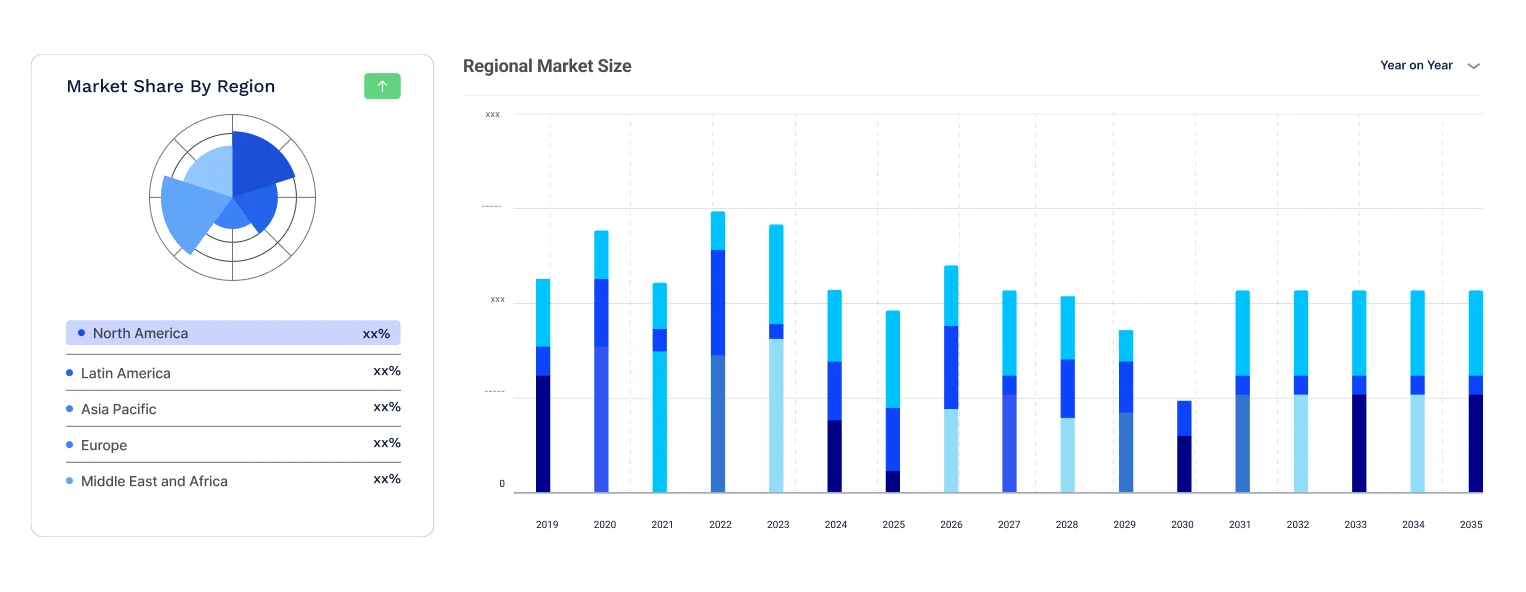
Key Insight: Regional dynamics in the anti-fog additives market continue to shape competitive strategies. Asia Pacific leads the market on the back of its large packaging manufacturing base and expanding food processing sector, while Europe is registering the fastest growth as sustainable packaging regulation drives adoption of bio-based additive chemistries. North America sustains steady demand from premium food packaging applications, and the Middle East and Africa region is building capacity to serve expanding greenhouse agriculture. Latin America remains a smaller but steadily growing market, supported by rising flexible packaging demand in Brazil and Mexico. Reinforcing Europe’s momentum, hubergroup Chemicals launched its ELARA additives brand in February 2026, targeting sustainable, regulatory-compliant formulation capabilities.
Read more about this report - REQUEST FREE SAMPLE COPY IN PDF
By type, glycerol esters hold the dominant share of the market due to superior clarity retention and cost efficiency
Glycerol ester-based anti-fog additives retain the dominant share of the anti-fog additives market owing to their fog dispersal efficiency and ability to maintain optical clarity over extended storage. Producers are optimizing these additives to minimize blooming effects and ensure consistent migration through polyethylene films, while low production cost supports adoption. In July 2025, Godrej Industries Chemicals announced plans to raise glycerine capacity by 24,000 tons and primary surfactant capacity by 30,000 tons, strengthening feedstock availability for glycerol ester production in food-contact packaging.
Ethoxylated sorbitan esters are registering the fastest growth in the type segment, supported by improved emulsification behavior and anti-fog performance across a wider temperature range than glycerol ester systems. Their superior dispersion lets formulators maintain consistent optical clarity in multilayer film structures exposed to variable conditions. In June 2025, Indovinya, the specialty chemicals division of Indorama Ventures, launched its Alkest Sp 60 K and Alkest Sp 80 K sorbitan ester lines, broadening the raw material base for ethoxylated derivative development.
By application, food packaging films dominate the market due to rising demand for product clarity and visibility in retail settings
Food packaging films represent the largest application segment in the anti-fog additives market, driven by the importance of product visibility in retail environments. These additives keep packaging of fresh produce, dairy, and ready-to-eat meals clear, since condensation can reduce consumer acceptance at the point of sale. Manufacturers design additive systems that remain stable at low temperatures during storage and transport. In March 2026, Innovia Films launched a recyclable P2G BOPP film, improving shelf life, packaging sustainability, and food waste reduction.
Agricultural films are the fastest-growing application segment, supported by expanding adoption of controlled-environment agriculture. These additives prevent water droplet formation on greenhouse and tunnel film surfaces, letting light pass through consistently and supporting higher crop yields. Growers and film converters increasingly need durable formulations that hold performance after prolonged humidity and ultraviolet exposure. In March 2025, RKW Group presented an expanded agricultural film range, including its Polydress TWISTA Strong silage film, at Agritechnica Asia in Vietnam, highlighting continued product development.
Asia Pacific leads the market through its large packaging manufacturing base and expanding food processing sector
Asia Pacific holds the dominant share of the anti-fog additives market, supported by its extensive packaging production capability and growing food processing industry. China and India are witnessing rising demand for flexible packaging in fresh and processed food applications, while the region's agricultural base is expanding use of these additives in greenhouse films. Producers are developing affordable, efficient formulations suited to regional manufacturing conditions. In February 2025, Pellucere Technologies opened India's first nano-coatings facility, advancing anti-fog technologies across the region.
Europe represents the fastest-growing regional anti-fog additives market due to strict packaging sustainability regulation, driven by efforts to expand recyclable packaging adoption. Regional efforts to curb plastic waste are encouraging development of bio-based and low-migration additive chemistries that meet compliance requirements. Established chemical producers and advanced research infrastructure continue to support product innovation. In February 2026, the European Commission approved Clariant's Licocare RBW rice bran wax additives for use in food-contact plastics including PET and PLA, giving European formulators a renewable alternative.
The global industry is becoming increasingly consolidated as major anti-fog additives companies invest in capacity expansion, surfactant innovation, and bio-based feedstock development to defend their positions in food packaging and agricultural film applications. Companies are prioritizing compatibility with polyethylene and polypropylene film lines, migration control, and recyclable packaging formats to differentiate largely standardized product specifications. Strategic emphasis on regional manufacturing footprints is allowing firms to serve growing Asia Pacific and European demand while managing logistics costs, with several producers restructuring underperforming assets to protect margins amid softer demand in parts of Europe.
Major anti-fog additives market players are also focusing on sustainability credentials, pursuing renewable feedstock sourcing, lower-migration formulations, and recyclable packaging compatibility to align with tightening environmental regulation in Europe and North America. Opportunities are emerging in bio-based glycerol ester chemistries, controlled-environment agriculture films, and expanding capacity across Asia Pacific. Firms that combine cost-competitive scale with cleaner production processes and reliable regional supply are expected to strengthen their position over the coming years, particularly as converters place greater weight on supply chain resilience and recyclability disclosure.
Founded in 1925 and headquartered in Snaith, England, United Kingdom, Croda International Plc. supports the anti-fog additives market through surfactant technology derived from sustainable, renewable feedstocks. The company develops formulations for food contact packaging and crop care films, emphasizing low-migration performance and compliance with food safety regulation. Croda continues to expand its natural oleochemical sourcing network, strengthening supply security for additive grades used in high-clarity, recyclable packaging applications across Europe and Asia Pacific.
Founded in 1840 and headquartered in Cincinnati, Ohio, United States, Emery Oleochemicals Sdn Bhd produces anti-fog additives from renewable oleochemical derivatives sourced largely from palm and other natural feedstocks. The company serves packaging, agricultural film, and personal care customers across Asia Pacific, North America, and Europe. Emery continues to broaden its natural ingredient portfolio, supporting converters that require consistent additive migration and clarity performance across polyethylene and polypropylene film formats.
Founded in 2007 and headquartered in Essen, Germany, Evonik Industries AG supplies specialty surfactants and additive chemistries used in anti-fog formulations for food packaging and agricultural films. The company directs research toward sustainable additive systems compatible with complex polymer formulations and recyclable packaging structures. Evonik’s broad specialty chemicals portfolio and integrated production network support consistent additive performance across high-clarity packaging and controlled-environment agriculture applications worldwide.
Founded in 2007 and headquartered in Rotterdam, Netherlands, LyondellBasell Industries Holdings B.V. integrates anti-fog additive formulations within its broader polyolefin materials portfolio. The company focuses on compatibility with polyethylene and polypropylene film structures, supporting converters that require consistent clarity and recyclability. LyondellBasell partners closely with film producers to develop application-specific formulations, reinforcing its position across food packaging and agricultural film segments of the anti-fog additives market.
Other key players include Ashland Global Specialty Chemicals Inc., Nouryon, Corbion N.V., and Clariant AG, among others.
*Please note that this is only a partial list; the complete list of key players is available in the full report. Additionally, the list of key players can be customized to better suit your needs.*
Unlock the latest insights with our global anti-fog additives market trends 2026 report. Discover regional growth patterns, segment-level dynamics, feedstock chemistries, and key industry players shaping the market. Stay ahead of competition with trusted data and expert analysis. Download your free sample report today and drive informed, forward-looking business decisions in the market.


Upto 15% Off
USD
$2499 $2249
$3999 $3599
$4999 $4249
$5999 $5099


*While we strive to always give you current and accurate information, the numbers depicted on the website are indicative and may differ from the actual numbers in the main report. At Expert Market Research, we aim to bring you the latest insights and trends in the market. Using our analyses and forecasts, stakeholders can understand the market dynamics, navigate challenges, and capitalize on opportunities to make data-driven strategic decisions.*
In 2025, the market reached an approximate value of USD 388.09 Million.
The market is projected to grow at a CAGR of 4.60% between 2026 and 2035.
The market is estimated to witness a healthy growth in the forecast period of 2026-2035 to reach USD 608.48 Million by 2035.
Expanding bio-based and low-migration additive capacity, developing application-specific formulations for agricultural films, strengthening regional manufacturing footprints, and pursuing sustainability-aligned, recyclable packaging compatible chemistries across Asia Pacific and Europe.
Strategic innovations such as product launches and enhanced research and development operations in developing markets are the key trends propelling the growth of the market.
The major regions in the market are North America, Latin America, the Middle East and Africa, Europe, and the Asia Pacific, with North America accounting for the largest share in the market.
Glycerol esters, polyglycerol esters, sorbitan esters of fatty acids, ethoxylated sorbitan esters, polyoxyethylene esters of oleic acid, gelatin, and titanium dioxide, among others are the major types of anti-fog additives in the market.
Food packaging films and agricultural films, among others are the leading application sectors for anti-fog additives.
The key players in the market include Croda International Plc., Emery Oleochemicals Sdn Bhd, Evonik Industries AG, LyondellBasell Industries Holdings B.V., Ashland Global Specialty Chemicals Inc., Nouryon, Corbion N.V., and Clariant AG, among others.
Companies face volatile oleochemical feedstock costs, tightening packaging waste regulation, migration control requirements across diverse film structures, and the technical complexity of maintaining anti-fog performance in recyclable, mono-material packaging formats while managing regional supply consistency.
Explore our key highlights of the report and gain a concise overview of key findings, trends, and actionable insights that will empower your strategic decisions.
| REPORT FEATURES | DETAILS |
| Base Year | 2025 |
| Historical Period | 2019-2025 |
| Forecast Period | 2026-2035 |
| Scope of the Report |
Historical and Forecast Trends, Industry Drivers and Constraints, Historical and Forecast Market Analysis by Segment:
|
| Breakup by Type |
|
| Breakup by Application |
|
| Breakup by Region |
|
| Market Dynamics |
|
| Competitive Landscape |
|
| Companies Covered |
|
| Report Price and Purchase Option | Explore our purchase options that are best suited to your resources and industry needs. |
| Delivery Format | Delivered as an attached PDF and Excel through email, with an option of receiving an editable PPT, according to the purchase option. |
Datasheet
One User
USD 2,499
USD 2,249
tax inclusive*
Single User License
One User
USD 3,999
USD 3,599
tax inclusive*
Five User License
Five User
USD 4,999
USD 4,249
tax inclusive*
Corporate License
Unlimited Users
USD 5,999
USD 5,099
tax inclusive*
*Please note that the prices mentioned below are starting prices for each bundle type. Kindly contact our team for further details.*
Flash Bundle
Small Business Bundle
Growth Bundle
Enterprise Bundle
*Please note that the prices mentioned below are starting prices for each bundle type. Kindly contact our team for further details.*
Flash Bundle
Number of Reports: 3
20%
tax inclusive*
Small Business Bundle
Number of Reports: 5
25%
tax inclusive*
Growth Bundle
Number of Reports: 8
30%
tax inclusive*
Enterprise Bundle
Number of Reports: 10
35%
tax inclusive*
How To Order

Select License Type
Choose the right license for your needs and access rights.

Click on ‘Buy Now’
Add the report to your cart with one click and proceed to register.

Select Mode of Payment
Choose a payment option for a secure checkout. You will be redirected accordingly.
Strategic Solutions for Informed Decision-Making
Gain insights to stay ahead and seize opportunities.

Get insights & trends for a competitive edge.

Track prices with detailed trend reports.

Analyse trade data for supply chain insights.

Leverage cost reports for smart savings

Enhance supply chain with partnerships.

Connect For More Information
Our expert team of analysts will offer full support and resolve any queries regarding the report, before and after the purchase.
Our expert team of analysts will offer full support and resolve any queries regarding the report, before and after the purchase.
We employ meticulous research methods, blending advanced analytics and expert insights to deliver accurate, actionable industry intelligence, staying ahead of competitors.
Our skilled analysts offer unparalleled competitive advantage with detailed insights on current and emerging markets, ensuring your strategic edge.
We offer an in-depth yet simplified presentation of industry insights and analysis to meet your specific requirements effectively.




