

Consumer Insights
Uncover trends and behaviors shaping consumer choices today
Procurement Insights
Optimize your sourcing strategy with key market data
Industry Stats
Stay ahead with the latest trends and market analysis.
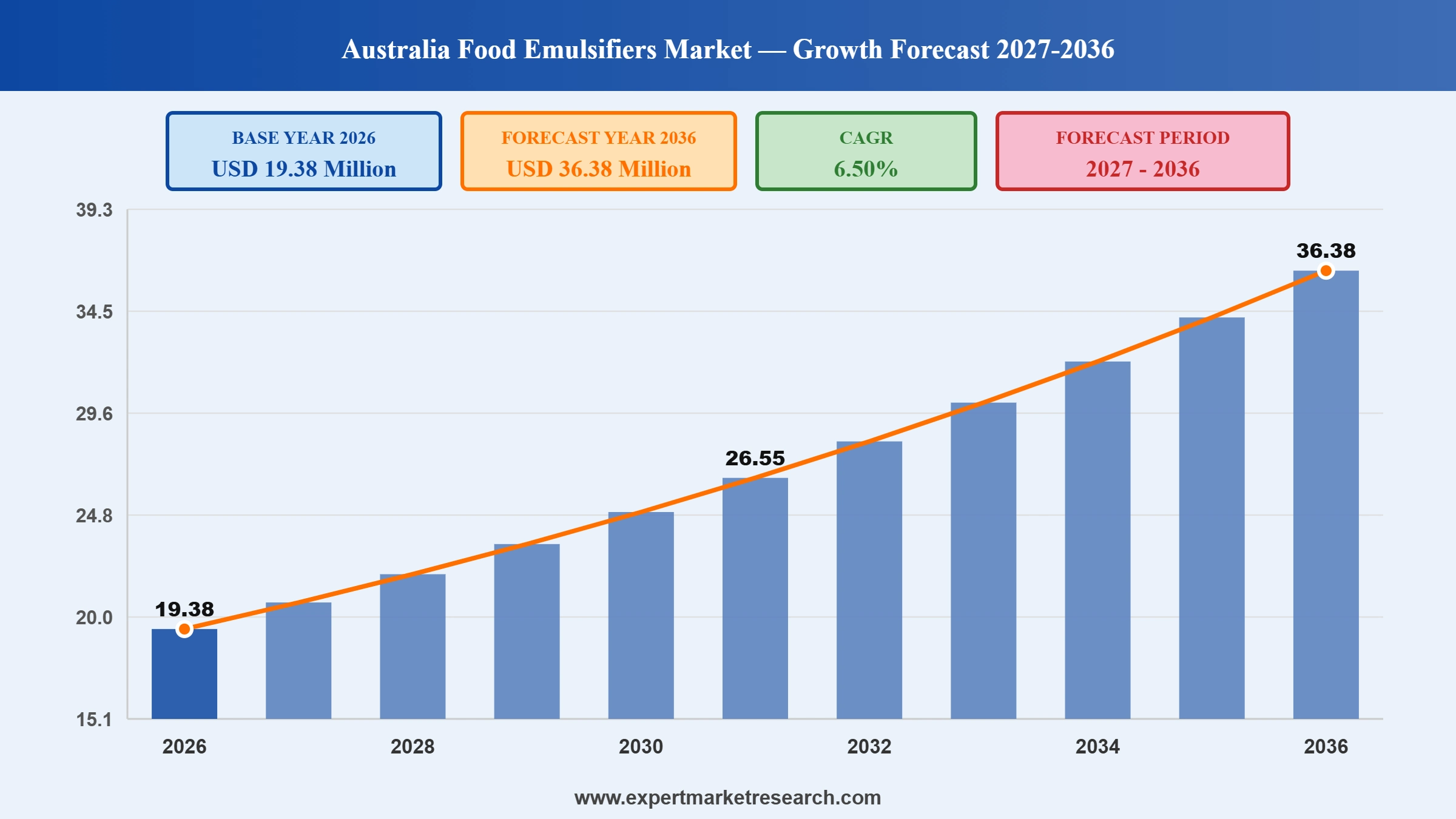
The Australia food emulsifiers market attained a value of USD 18.20 Million in 2025 and is projected to expand at a CAGR of 6.50% through 2035. The market is further expected to achieve USD 34.16 Million by 2035. The increasing demand for reformulated packaged foods is prompting ingredient suppliers to innovate emulsion technologies that will enhance the texture of the products while maintaining a clean label image.
Reformulation of products is driving the need for emulsifiers that can retain the processing efficiency of foods even after changing the amounts of fat, sugar, and sodium. Food producers are looking for plant-based ingredients that have consistent functionality in different product types.
There is currently growing demand in the Australia food emulsifiers market as manufacturers focus on achieving improved functionality including texture, stability, extended shelf life and reformulation flexibility. One recent development in the market is the approval given by FSANZ for the use of mono- and di-glycerides of fatty acids, INS 471, as a glazing agent on fruits and vegetables in September 2022. The additive was found to be safe and suitable for this application with the capacity to extend the shelf life of the foods, thereby reducing food wastage. It is thus evident that already existing emulsifiers are gaining other commercial roles outside the area of formulation. For example, in April 2026, Cosaic raised funding with Cultivated Biosciences to develop Neo, a yeast-fermented emulsifier designed for improved plant-based food formulations.
The packaged foods industry is undergoing reformulation and hence boosting demand in the Australia food emulsifiers market. The government's Partnership Reformulation Program has undergone changes as of 2026 and includes updated categories and targets aimed at improving the nutrition profile of the foods while remaining realistic in terms of formulation capabilities. On the other hand, in September 2026, the Oceania government announced its latest food-flavor regulatory update highlights key legal developments affecting ingredients, labeling, and food manufacturers across regional markets.
Read more about this report - REQUEST FREE SAMPLE COPY IN PDF
The Baiada plant in Tamworth was established to use automation, digital traceability, packaging, and logistics, where 1.5 million chickens were being processed every week. Producers in the Australia food emulsifiers market can create process-stable formulas for mass production of sauces, marinades, dressings, and other ready-to-eat products that need a certain texture.
Australia created an innovation center in Central Coast worth AUD 17 million that offers food SMEs industrial equipment, technical assistance, and helps speed up commercialization of products. Emulsifier producers could work with new manufacturers using the center to test their formulations.
Rebranding was successfully completed by Barentz for Additive Solutions, where the company increased its regional ingredient range and technical skills in the bakery, dairy, confectionery, and nutritional applications. Companies can cooperate with local distributors with formulation expertise in order to supply their products to various Australian food processors.
V2food launched clean-label vegan chicken for Daring Foods through Woolworths stores, which contains short ingredient lists, rich in protein content, and convenient packaging. Manufacturers can create clean-label formulations with improved textural, stable, and processability properties, widening the Australia food emulsifiers market scope.
The reformulation agenda being developed in the country provides opportunities for emulsifiers that can enable several formulation objectives at once. Australia food emulsifiers market participants are reformulating their recipes to decrease saturated fat, salt, and sugar levels while preserving the required mouthfeel, structure, aeration, and processing performance. The Partnership Reformulation Program by the Australian Government was amended in 2026 to provide for new food categories and target dates until 2030. This trend makes suppliers develop solutions to assist formulators to balance their formulations rather than merely enhance the dispersion ability. In April 2025, Cultivated Biosciences partnered with Cosaic to develop Neo, a yeast-fermented emulsifier for improved plant-based food formulations.
Recent regulatory trends provide more commercial opportunities for the already existing emulsifiers in Australia. In November 2025, the Food Standards Australia and New Zealand approved an extension that permits mono- and diglycerides of fatty acids (INS 471) to be used as glazing agents in fruits and vegetables. The assessment concluded that the substance was safe and appropriate for use as well as capable of increasing shelf-life and decreasing food waste. This trend in the Australia food emulsifiers market is relevant for manufacturers since it shows that already known emulsifiers can move into adjacent applications when technological benefits are established.
Emulsifiers from plants are receiving more attention as companies want to use ingredients that fit into the development of products based on plants and changing consumer demands. Lecithin is promoted as a natural emulsifier by AAK, which also offers specialized applications to meet the needs of bakery, chocolate, confectionery, dairy and ice cream segments. Co-development of solutions by AAK is especially applicable for Australian companies, which require customized functionalities instead of commodity ingredients. Emulsifiers from plants may be used to achieve dispersion, aeration, dough handling, and texture, broadening the Australia food emulsifiers market opportunities. In June 2025, Austrade launched non-GMO hydrolyzed sunflower lecithin powder, improving emulsification performance for functional beverage formulations.
Australian manufacturers of bakery and confectionery products offer solutions, which are used to improve dough handling, volume, softness, aeration, and fat distribution. For example, AAK includes bakery, chocolate, and confectionery applications that demonstrate the importance of emulsification for products, which require controlled texture and process performance. Reformulation is becoming one of the key challenges for Australia food emulsifiers market players as it makes consistency important in the replacement or reduction of specific ingredients. Companies, which can provide technical assistance in cakes, bread, biscuits, fillings, coatings and chocolates, might have competitive advantage over distributors. In December 2023, Vantage Food launched Simply Kake, a hydrated emulsifier improving cake volume, crumb consistency, and clean-label formulation performance for bakers.
It is becoming more common for suppliers to have both formulation knowledge and regulatory support, propelling growth in the Australia food emulsifiers market. The role of FSANZ is to evaluate food additives for their safety, proposed level of use, dietary intake, and technological function before they are approved. It is the responsibility of the Food Standards Code to define the additives and their functions. Regulatory knowledge has commercial significance to ingredient suppliers as they help with development and reformulation projects. For example, in September 2026, Australia’s Renderers Association launched its first Sustainability Framework, establishing shared metrics for resource efficiency, circularity, and environmental performance.
The Expert Market Research's report titled “Australia Food Emulsifiers Market Report and Forecast 2026-2035” offers a detailed analysis of the market based on the following segments:
Market Breakup by Type
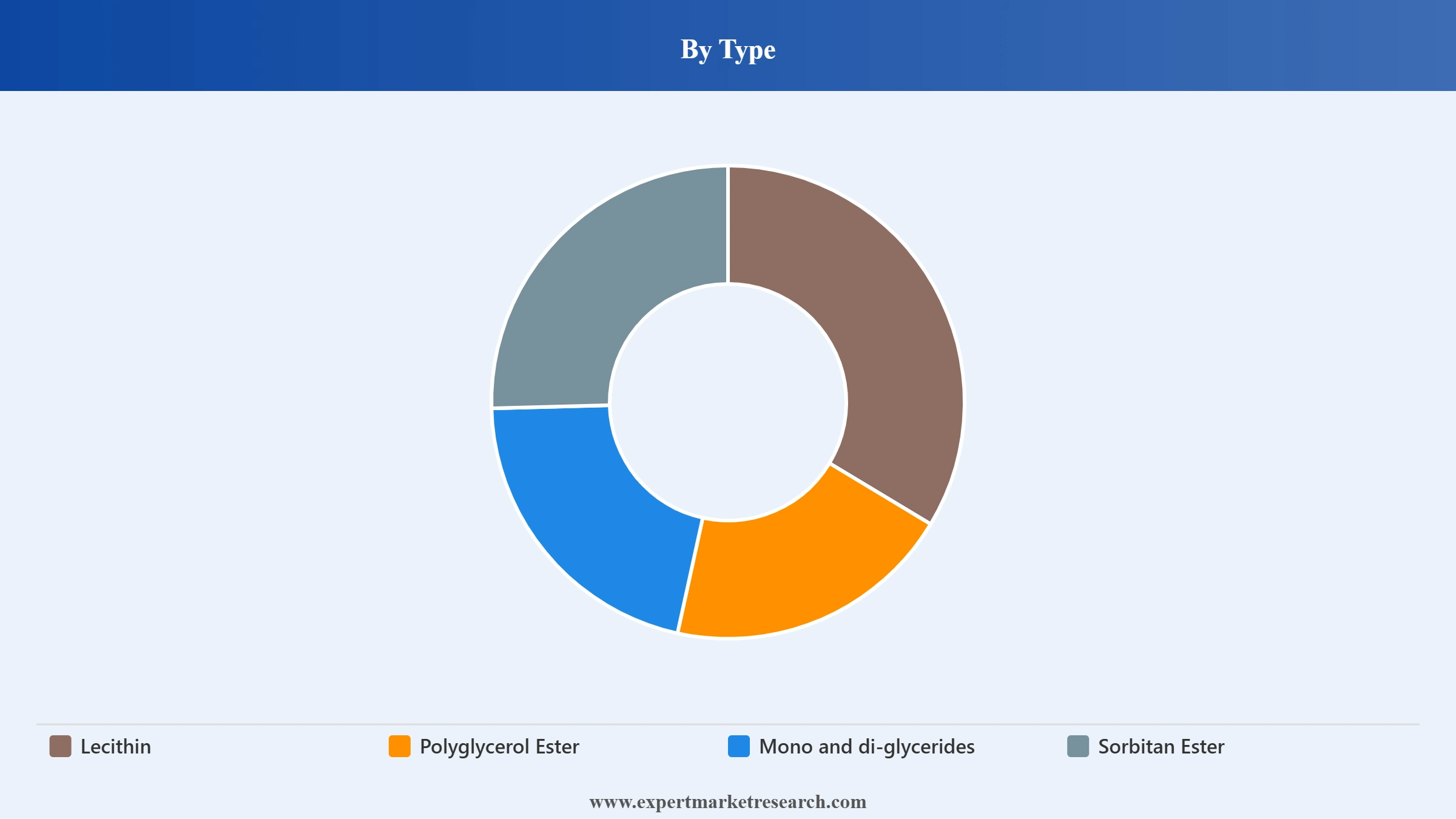
Key Insight: Lecithin is based on the versatility in use and connection to plant sources, while polyglycerol esters capitalize on technical functionality in challenging formulations, widening the Australia food emulsifiers market scope. Monoglycerides and diglycerides continue to be used for the purposes of dough development and control in bakery and processed food applications. Sorbitan esters find their uses in the manufacture of processed foods where controlled emulsification and stabilization are needed. Other emulsifiers have specific formulation needs that cannot be met with conventional emulsification systems.
Market Breakup by Source
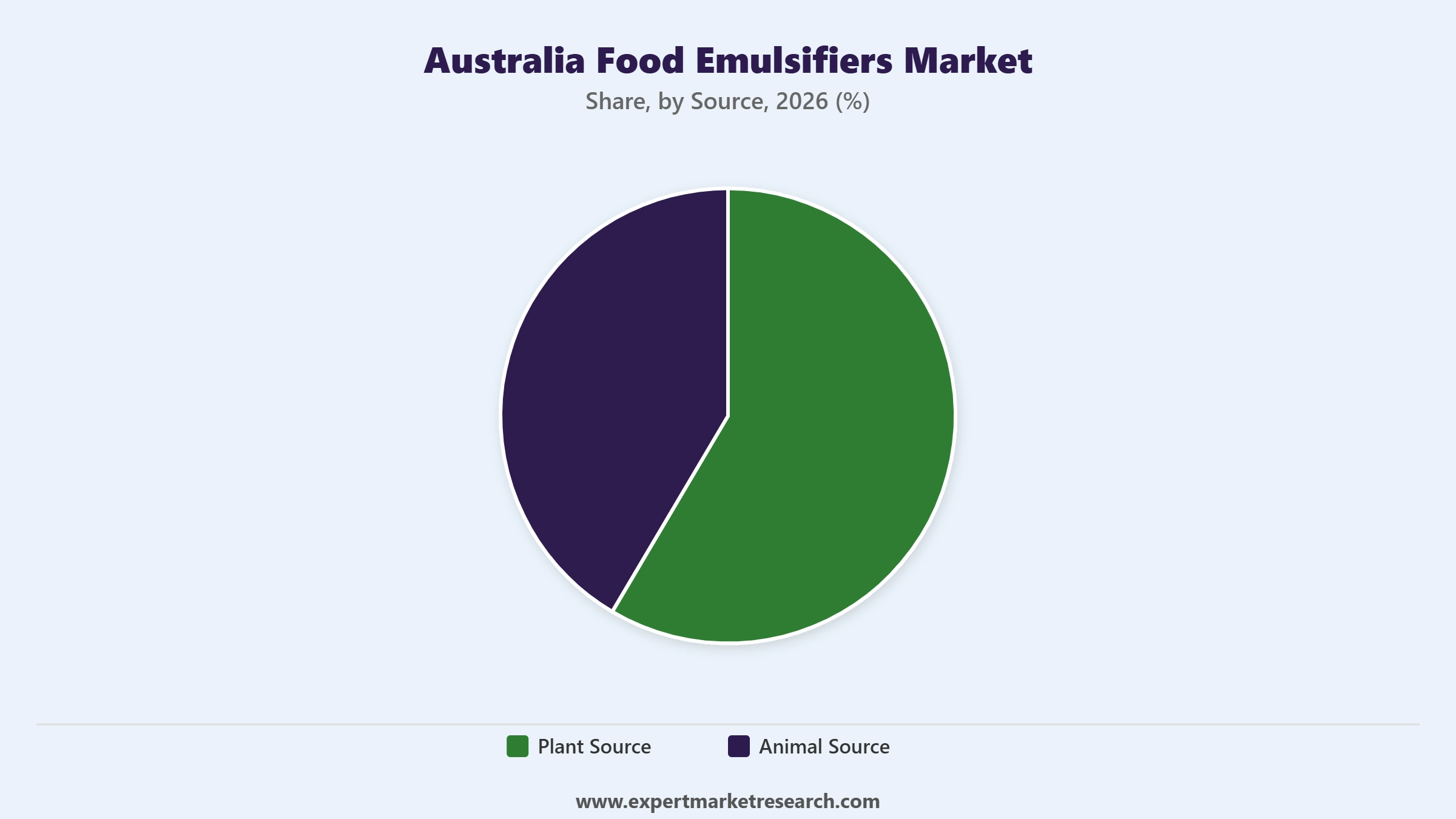
Key Insight: As per the Australia food emulsifiers market report, agents of plant origin have the advantage of rising demand for plant-based products, greater acceptability, and compatibility with other fats and proteins. For example, in August 2025, Nourish Ingredients expanded Tastilux commercialization, advancing fermentation-based animal-free fat production for alternative proteins and broader food applications. Emulsifiers from animal origin continue to have significance in applications where functional properties and behavior during processing are important. Buyers are considering these two groups based on performance, traceability, compliance, sustainability, and compatibility.
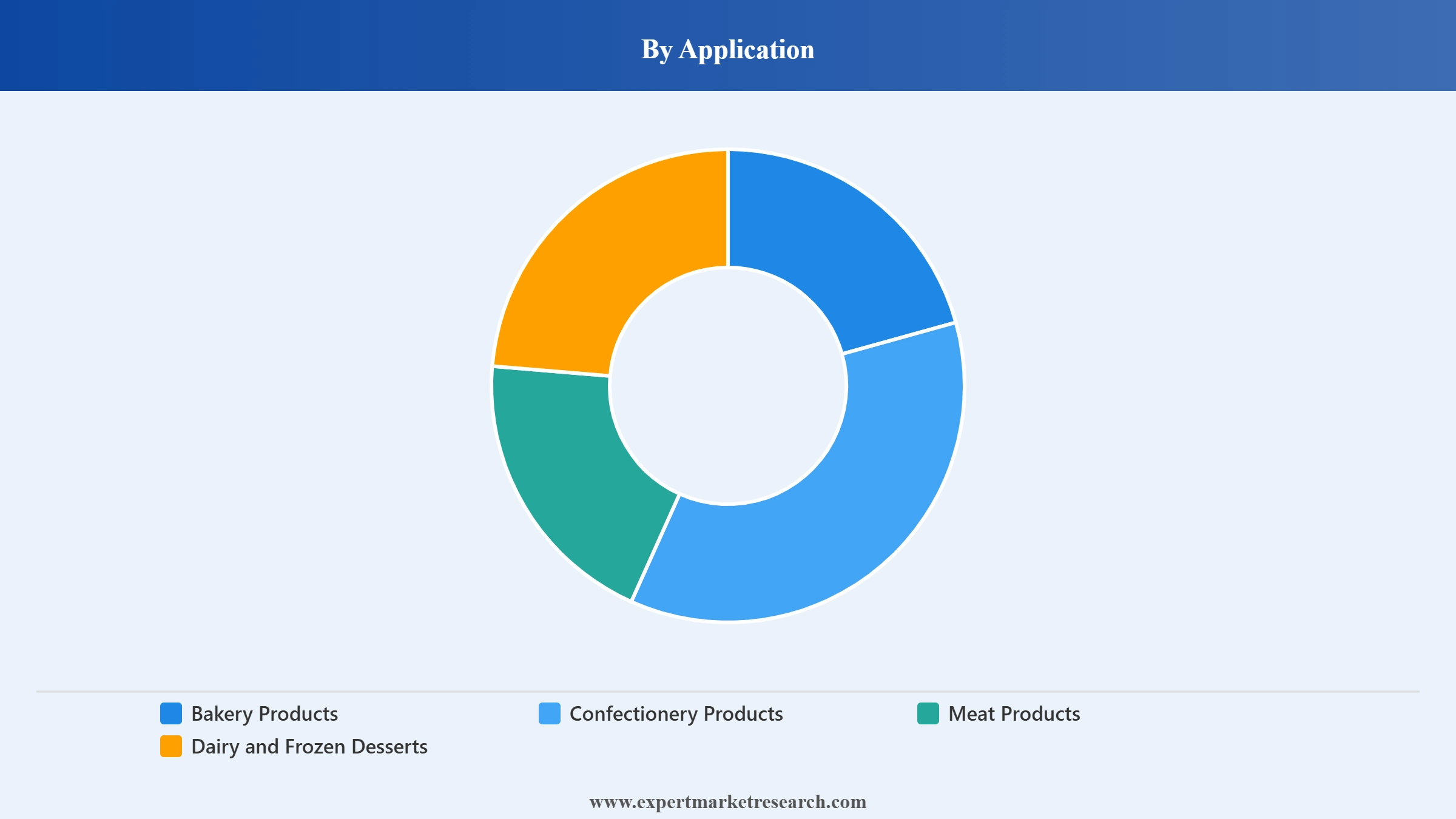
Market Breakup by Application
Key Insight: Emulsifiers are necessary in bakery goods for good dough-handling properties, tenderness, leavening, and structuring, whereas in confectionery items, their importance lies in viscosity and fat dispersion. Meat products need stable fat-water system and uniformity of texture during processing, hence boosting demand in the Australia food emulsifiers market. Emulsifiers are also important in dairy and frozen dessert products because of their importance in emulsification and aeration, and for stabilizing at cold storage temperatures. Other applications include convenience foods and special formulations where emulsifiers contribute towards product uniformity.
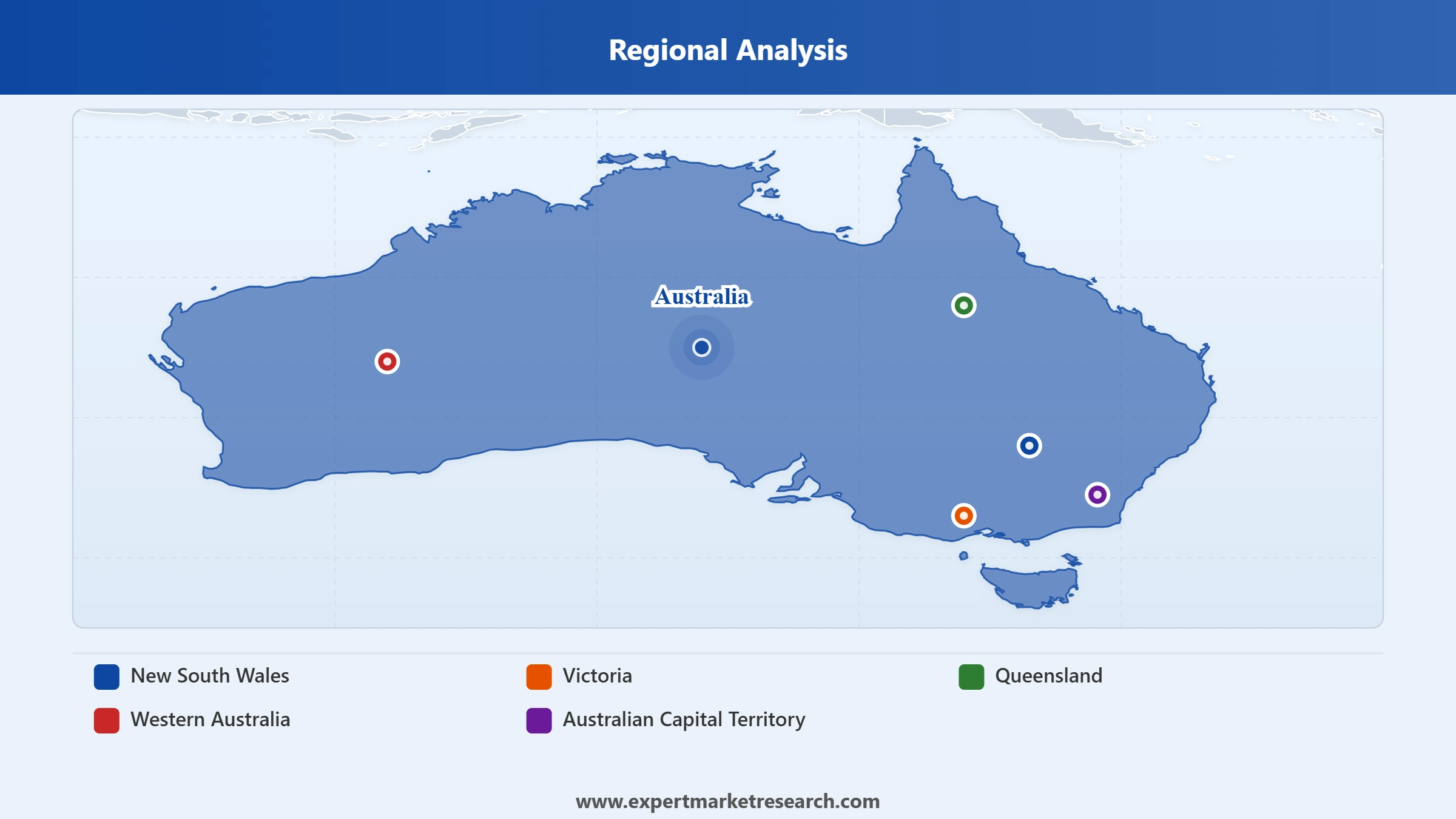
Market Breakup by Region
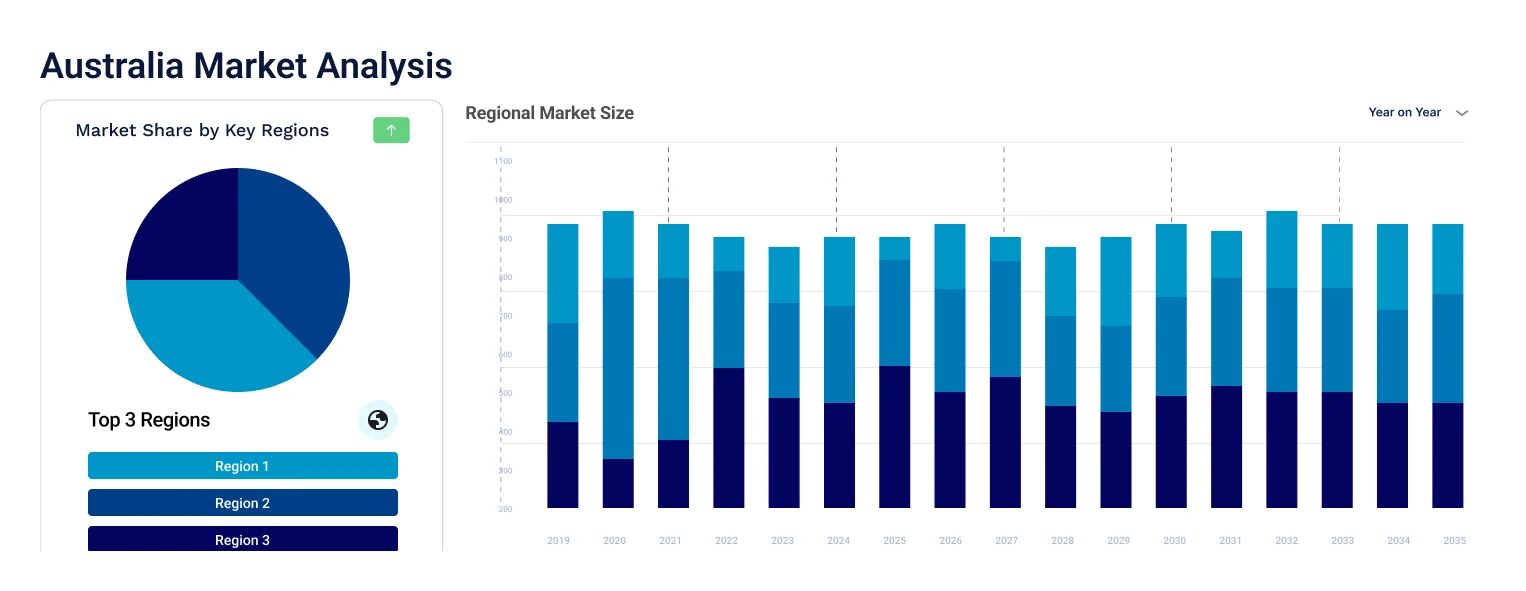
Key Insight: Queensland market players are leveraging their food processing capabilities along with rising demand for convenient food products, whereas the Western Australia food emulsifiers market provides a range of opportunities related to its geographically unique distribution network and food manufacturing sector. The Australian Capital Territory is an example of the specialized small market environment driven by institutional and premium food demands. There are also other regions providing contributions via agricultural food processing and regional manufacturing industries. In all these regions, suppliers compete on reliability of logistics, formula assistance, consistent product and special emulsifier grades availability.

Read more about this report - REQUEST FREE SAMPLE COPY IN PDF
By type, lecithin remains the dominant type, supported by multifunctional performance across bakery and confectionery applications
Lecithin continues to be an important option in the Australia food emulsifiers market due to its dual functionality in terms of emulsification and process attributes in different types of foods. Its usage in the bakery category helps in dough management and crumb development, while in confectionery it allows the control of viscosity and fat distribution. Plant-based lecithin becomes more significant with increasing trends of using plant-based or cleaner labeled products by food manufacturers. In September 2025, BASF sold its Food and Health Performance Ingredients business to Louis Dreyfus Company, expanding LDC’s emulsifier portfolio.
Read more about this report - REQUEST FREE SAMPLE COPY IN PDF
Polyglycerol esters are becoming more popular across the Australia food emulsifiers market scope when controlled emulsification, dispersion, aeration, and texture are needed in the technically difficult formulations. Their versatile nature allows their usage in bakery fats, confectionery systems, whippable foods, and specialty processed foods. The category is being positively impacted by the food manufacturers that are looking for alternative or complementary emulsifiers while changing the existing formulas.
Plant source dominates the market as manufacturers prioritize versatile ingredients supporting plant-based and reformulated food development
There is an increasing importance for emulsifiers from plant sources for Australian food manufacturers in formulating new plant-based products as well as reformulating existing packaged foods. Lecithin from plants such as soy, sunflower and others can help in providing the functionality of emulsification in formulations, creating new opportunities in the Australia food emulsifiers market. This sector is being benefitted by an increasing number of technical services provided by suppliers relating to plant-based fats and proteins, which will require additional stabilization. In June 2026, Andfoods launched black gram-based dairy-free whipped cream in Singapore, using fermentation to improve texture and stability.
Read more about this report - REQUEST FREE SAMPLE COPY IN PDF
Animal sources continue to be valuable for those Australia food emulsifiers market players who are seeking functionality in certain food applications. These emulsifiers can offer performance in bakery, dairy, confectionery, and processed food formulations where it is permissible according to the formulation specifications. In fact, the opportunity for this category is linked with specific technical requirements. Therefore, it is important for suppliers of this sector to maintain good traceability and sourcing documentation, especially where customers have specific ingredient policies.
Bakery products dominate the market due to high emulsifier use in dough conditioning, aeration, softness, and texture management
Bakery products represent another significant segment that is boosting the Australia food emulsifiers market revenue as emulsifiers allow bakers to control dough characteristics, fat emulsification, aeration, softness, and overall consistency of end products. Bakery producers need reliable products that work consistently under the conditions of industrial scale manufacturing, variations in flour quality, and changes in recipes. Emulsifier companies, on the other hand, can increase their value proposition via tailored bakery systems as opposed to commodity products only. In April 2026, Clean Food Group launched CleanOil, a yeast-fermented, waste-derived oil offering sustainable alternatives to palm and petroleum-based oils.
Read more about this report - REQUEST FREE SAMPLE COPY IN PDF
Dairy and frozen dessert producers are increasingly looking for emulsifiers that will be able to deliver proper texture, fat emulsification, aeration, and freeze-thaw stability. These products include ice cream, whipped toppings, dairy beverages, fermented products, and special frozen desserts, which makes it possible to differentiate technical needs of this category of products significantly. Nutritional reformulations have, however, introduced new challenges to formulation processes.
New South Wales clocks in the largest share in the market due to its large food manufacturing base, commercial concentration, and strong ingredient distribution network
New South Wales emerges to be a large consumer of food emulsifiers due to a high presence of food manufacturers, ingredient producers, commercial bakeries, and innovative food R&D activities. Sydney is an important commercial location for ingredient companies. For instance, ADM has its sales office in Sydney, along with Customer Innovation Centre that assists in developing foods and beverages in collaboration with food manufacturers. This allows manufacturers in the Australia food emulsifiers market to benefit from the technical knowledge about ingredients that could help with development, reformulation, and specialty foods. In July 2026, Diversified Australia launched FoodTech Sydney, connecting food manufacturers with advanced processing, automation, ingredients, digital factories, and sustainable production technologies.
Read more about this report - REQUEST FREE SAMPLE COPY IN PDF
In Victoria, there is an ecosystem of food manufacturers and ingredient distributors which increases the demand for emulsifiers in bakery, confectionery, dairy, and processed food production. Melbourne is home to Scalzo Trading Company which is an Australian family-owned company that imports and distributes food ingredients. The activities of distributing ingredients to manufacturers are going on for many years in the region, which ensures that manufacturers are connected to international networks. BASF appointed Alchemy Agencies as exclusive distributor for its Personal Care portfolio across Australia and New Zealand, effective May 2025.
The competitive focus among Australia food emulsifiers market players revolves around formulation expertise, reliable supply chain management, regulatory skills, and the capacity to tailor emulsifier systems to meet specific applications in foods. Application laboratories, innovation centers, and co-development initiatives are some ways in which companies are seeking to break away from the supply of commoditized ingredients.
Plant-based emulsifiers and ingredients that will help in reformulating recipes while maintaining quality and process efficiency are some emerging areas of opportunity for Australia food emulsifier companies. Regulatory expertise has emerged as a critical factor owing to the requirement of safety assessment and technology justifications on FSANZ for food additives.
AAK was founded in 2014, and its headquarters are located in Australia. AAK provides specialty vegetable oils, fats and lecithin related solutions which cater to bakery, chocolate, confectionery, dairy, ice cream, and plant-based sectors. Its co-development strategy is centered around formulating and application performance.
Archer Daniels Midland Company was founded in 1902, and its headquarters are located in Chicago, Illinois, United States. ADM has widespread operations in both Australia and New Zealand, with its sales representatives in Sydney and Melbourne and a Customer Innovation Centre located in Sydney. Its product portfolio includes emulsifiers, stabilizers, as well as bakery, dairy, confectionery, beverages, meat, and plant-based ingredients.
Ingredion was founded in 2013 as Corn Products Company and has its headquarters in Australia and provides food manufacturing companies with ingredients derived from plants. The ingredient range and technical knowledge help formulate foods and beverages, especially focusing on texture, starch functionalities, nutrition, and reformulation
Scalzo Trading Company was formed in 1977 and has its headquarters in Victoria, Australia. It is an Australian family company that imports food ingredients in Australia and New Zealand. The trade network that the company has set up will provide opportunities for selling emulsifier products among other ingredients and technical ingredients.
Other key players in the market include FluidPro Pty Ltd., among others.
*Please note that this is only a partial list; the complete list of key players is available in the full report. Additionally, the list of key players can be customized to better suit your needs.*
Unlock the latest insights with our Australia food emulsifiers market trends 2026 report. Discover regional growth patterns, consumer preferences, and key industry players. Stay ahead of competition with trusted data and expert analysis. Download your free sample report today and drive informed decisions in the market.


Upto 15% Off
USD
$2499 $2249
$3999 $3599
$4999 $4249
$5999 $5099


*While we strive to always give you current and accurate information, the numbers depicted on the website are indicative and may differ from the actual numbers in the main report. At Expert Market Research, we aim to bring you the latest insights and trends in the market. Using our analyses and forecasts, stakeholders can understand the market dynamics, navigate challenges, and capitalize on opportunities to make data-driven strategic decisions.*
The market is projected to grow at a CAGR of 6.50% between 2026 and 2035.
Stakeholders are developing customized emulsifier blends, strengthening application laboratories, expanding plant-source portfolios, improving regulatory support, building resilient sourcing networks, and co-developing reformulated products with Australian food manufacturers.
Key trends aiding the market expansion are the rise in consumption of processed and convenience foods, the trend of developing natural and clean-label emulsifiers, the increasing demand for gluten-free products, and the preference shift towards clean label ingredients.
Regions considered in the market are New South Wales, Victoria, Queensland, Western Australia, and Australian Capital Territory, among others.
In terms of applications, the market covers bakery products, confectionery products, meat products, and dairy and frozen desserts, among others.
Lecithin, polyglycerol ester, mono and di-glycerides, sorbitan ester, and other emulsifiers are considered in the report.
The key players in the market include Aak Aust. Pty Ltd., Archer Daniels Midland Company, Ingredion ANZ Pty Ltd., Scalzo Trading Company Pty Ltd., and FluidPro Pty Ltd., among others.
In 2025, the market reached an approximate value of USD 18.20 Million.
Companies face regulatory compliance requirements, volatile ingredient costs, supply-chain disruptions, formulation complexity, customer pressure for cleaner labels, and the need to prove technical performance across diverse food applications.
Explore our key highlights of the report and gain a concise overview of key findings, trends, and actionable insights that will empower your strategic decisions.
| REPORT FEATURES | DETAILS |
| Base Year | 2025 |
| Historical Period | 2019-2025 |
| Forecast Period | 2026-2035 |
| Scope of the Report |
Historical and Forecast Trends, Industry Drivers and Constraints, Historical and Forecast Market Analysis by Segment:
|
| Breakup by Type |
|
| Breakup by Source |
|
| Breakup by Application |
|
| Breakup by Region |
|
| Market Dynamics |
|
| Competitive Landscape |
|
| Companies Covered |
|
Datasheet
One User
USD 2,499
USD 2,249
tax inclusive*
Single User License
One User
USD 3,999
USD 3,599
tax inclusive*
Five User License
Five User
USD 4,999
USD 4,249
tax inclusive*
Corporate License
Unlimited Users
USD 5,999
USD 5,099
tax inclusive*
*Please note that the prices mentioned below are starting prices for each bundle type. Kindly contact our team for further details.*
Flash Bundle
Small Business Bundle
Growth Bundle
Enterprise Bundle
*Please note that the prices mentioned below are starting prices for each bundle type. Kindly contact our team for further details.*
Flash Bundle
Number of Reports: 3
20%
tax inclusive*
Small Business Bundle
Number of Reports: 5
25%
tax inclusive*
Growth Bundle
Number of Reports: 8
30%
tax inclusive*
Enterprise Bundle
Number of Reports: 10
35%
tax inclusive*
How To Order

Select License Type
Choose the right license for your needs and access rights.

Click on ‘Buy Now’
Add the report to your cart with one click and proceed to register.

Select Mode of Payment
Choose a payment option for a secure checkout. You will be redirected accordingly.
Strategic Solutions for Informed Decision-Making
Gain insights to stay ahead and seize opportunities.

Get insights & trends for a competitive edge.

Track prices with detailed trend reports.

Analyse trade data for supply chain insights.

Leverage cost reports for smart savings

Enhance supply chain with partnerships.

Connect For More Information
Our expert team of analysts will offer full support and resolve any queries regarding the report, before and after the purchase.
Our expert team of analysts will offer full support and resolve any queries regarding the report, before and after the purchase.
We employ meticulous research methods, blending advanced analytics and expert insights to deliver accurate, actionable industry intelligence, staying ahead of competitors.
Our skilled analysts offer unparalleled competitive advantage with detailed insights on current and emerging markets, ensuring your strategic edge.
We offer an in-depth yet simplified presentation of industry insights and analysis to meet your specific requirements effectively.




