

Consumer Insights
Uncover trends and behaviors shaping consumer choices today
Procurement Insights
Optimize your sourcing strategy with key market data
Industry Stats
Stay ahead with the latest trends and market analysis.
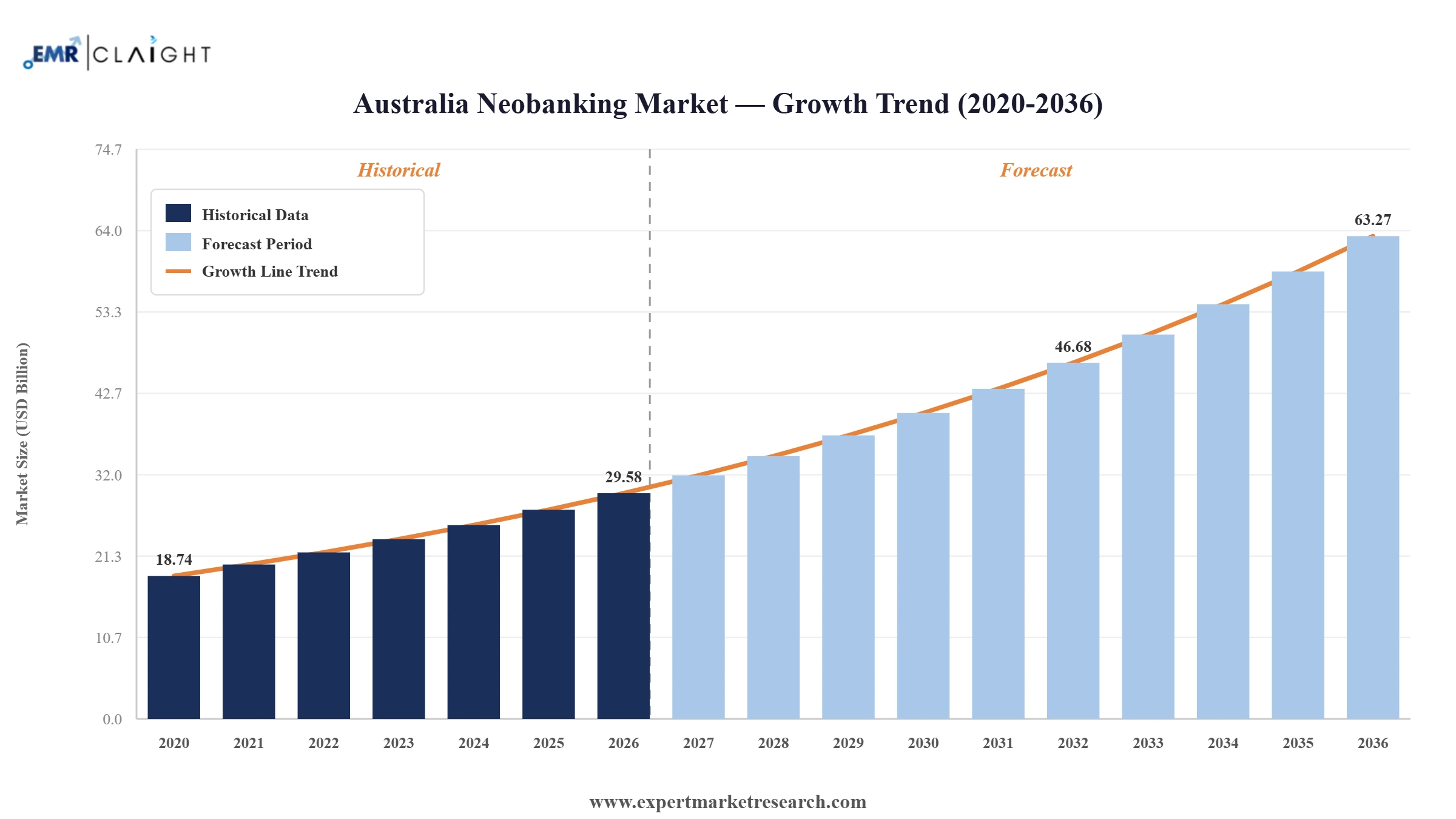
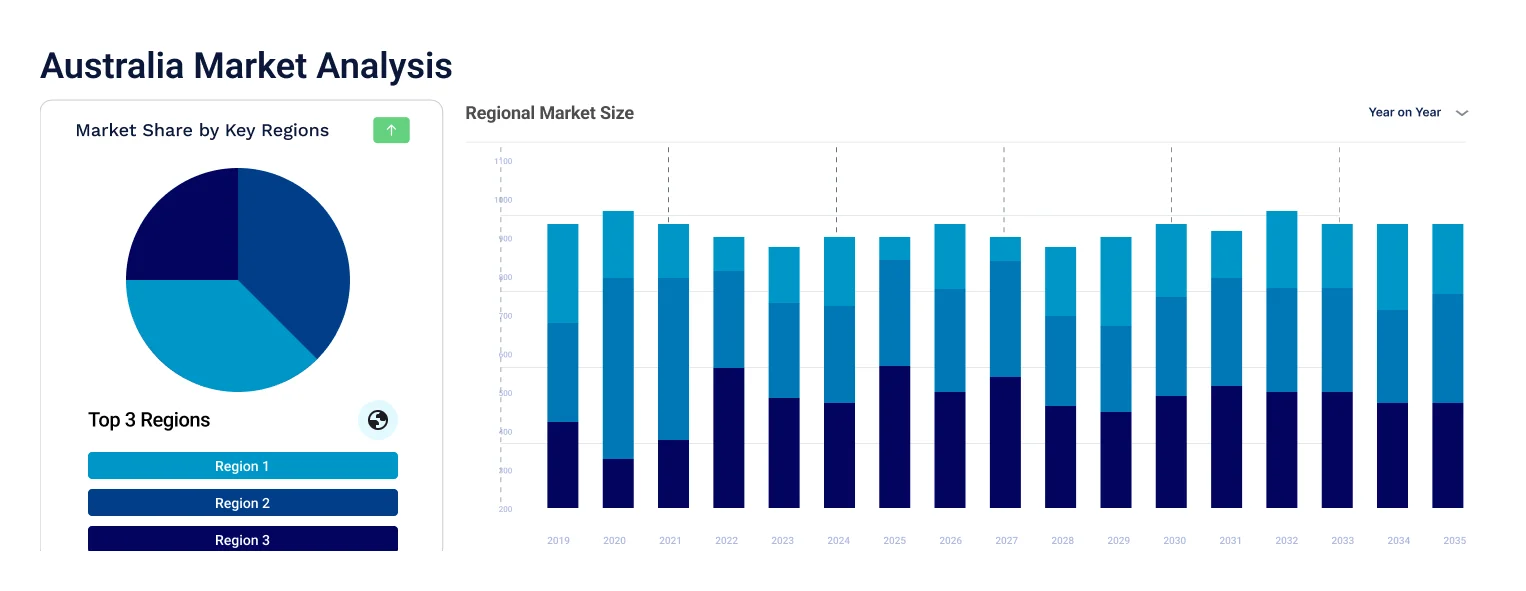
The Australia neobanking market attained a value of USD 27.41 Billion in 2025 and is projected to expand at a CAGR of 7.90% through 2035. The market is further expected to achieve USD 58.63 Billion by 2035. The increased popularity of real-time payments and digital identity technology is pushing neobanks to enhance their fraud protection systems, automate onboarding processes, and develop unified financial offerings for consumer and commercial clients alike.
The growing need for digital loans is encouraging neobanks to incorporate automated credit assessment and data-driven underwriting processes, widening the Australia neobanking market scope. Simultaneously, real-time payments encourage neobanks to implement sophisticated fraud protection technologies, Confirmation of Payee systems, and other measures that make transactions more secure.
The Australia neobanking market is evolving away from mobile applications for transaction accounts to a digital proposition, with Ubank representing a clear example. In November 2025, Ubank reached one million customers, highlighting growing adoption of digital banking services among younger Australians seeking simplified financial management. Additionally, the bank has launched a 90% loan-to-value home loan that does not involve lenders mortgage insurance, indicating an expansion of neobanks into high-value lending using digital channels.
Product development trends in the Australia neobanking market are focused on integration of different products such as loans, payments, rewards, and digital personalization within one platform. Ubank also offers rewards, Confirmation of Payee, in-app messaging, and additional self-service features and revealed that over 80% of the coding done by its engineers was AI-supported during a 60-day period. In February 2025, Mastercard launched One Credential, enabling consumers to access multiple payment methods through a single digitally connected credential. Such developments imply that technological investments are shifting from simple mobile application access to product development and automation.
Read more about this report - Request a Free Sample
Wirex unveiled Wirex One, which is a new neobank based on stablecoin that provides multi-currency accounts, fee-free FX, yields and up to 8 percent cash back. Firms in the Australia neobanking market have an opportunity to provide stablecoin-linked accounts, multi-currency solutions and rewards for attracting the wealthy clientele.
The government of Australia introduced a Financial Innovation Strategy with a focus on sandboxes regulation, digital asset regulations, payments licensing, reform of the Consumer Data Right, and AI-powered financial services. Australian neobanks may benefit from the development of sandboxes regulation and apply AI-powered banking solutions.
ANZ’s Suncorp acquisition is expected to require around one million Suncorp Bank customers to transition to new banking arrangements. Neobanks may focus on customers who are reassessing their banks by offering seamless onboarding, competitive banking products, and personalized offers.
Revolut launched its licensed bank in Australia to further extend into savings, credit, and banking services. Companies may diversify from payment into deposit and credit offerings with differentiation in global accounts, digital experience, and personalized financial services, accelerating the Australia neobanking market growth.
The entrance of global fintechs into the regulated banking market of Australia is leading to increased product competition. In April 2023, APRA granted In1bank an unrestricted banking license, enabling the neobank to provide digital banking services to individuals and small businesses. This development in the Australia neobanking market shows how global neobanks are aiming at the country with banking ecosystem strategies as opposed to individual financial technology solutions.
Real-time payment systems are inspiring companies in the Australia neobanking market to offer consumers and businesses more efficient and integrated transactional services. Reserve Bank of Australia and Treasury are contributing to modernizing the account-to-account payments ecosystem with a vision set in 2026 that focuses on resilience, competition, innovation, and productivity. With the launch of NPP in 2018, real-time payments and richer payment data can be done at any time of day. For example, in June 2026, Volt and Trade Nation launched instant PayID deposits and real-time withdrawals in Australia, enabling 24/7 account funding and automated reconciliation.
Technologies that enhance both customer verification and operational processes in banks are being adopted by Australian neobanks. Ubank made a passkey authentication available in online banking in October 2025, expanding the passwordless technology from the mobile banking environment. Such trends in the Australia neobanking market are becoming more significant as companies are increasingly focusing on digital onboarding and self-service transactions, where authentication is crucial for preventing fraud and improving the user experience. At the same time, cryptography and fraud prevention were highlighted as potential new regulatory concerns in the 2026 payment regulation review by the Reserve Bank.
The Consumer Data Right in the country creates opportunities for Australia neobanking market companies to offer innovative and more data-driven financial products. According to the Reserve Bank, APIs used in the open banking environment help customers provide financial information to third parties, enabling product comparison and competition throughout the financial market ecosystem. Ubank offers CDR services related to transaction history and account balance data, while fintechs can develop their services based on customers' authorized financial data. In August 2026, Beyond Bank partnered with NextGen to extend open banking across branches and mobile channels, streamlining lending applications.
Companies are making efforts towards attracting businesses via their integrated accounts, payments in multiple currencies, cards, savings, and third-party software integration, stimulating growth in the Australia neobanking market. The new Revolut Australian Business Account, which is introduced as part of its broader 2026 banking push, includes transaction accounts, payment options within the country and abroad, ability to operate in multiple currencies, issuance of physical and virtual cards, and integration with third-party software apps. Its savings offering to businesses even allows the eligible businesses to get interest from their deposits while accessing them on a daily basis. In July 2026, MYOB launched Solo Money, integrating business banking, accounting, administration, and automated reconciliation into one platform for Australian sole operators.
The Expert Market Research's report titled “Australia Neobanking Market Report and Forecast 2026-2035” offers a detailed analysis of the market based on the following segments:
Market Breakup by Account Type
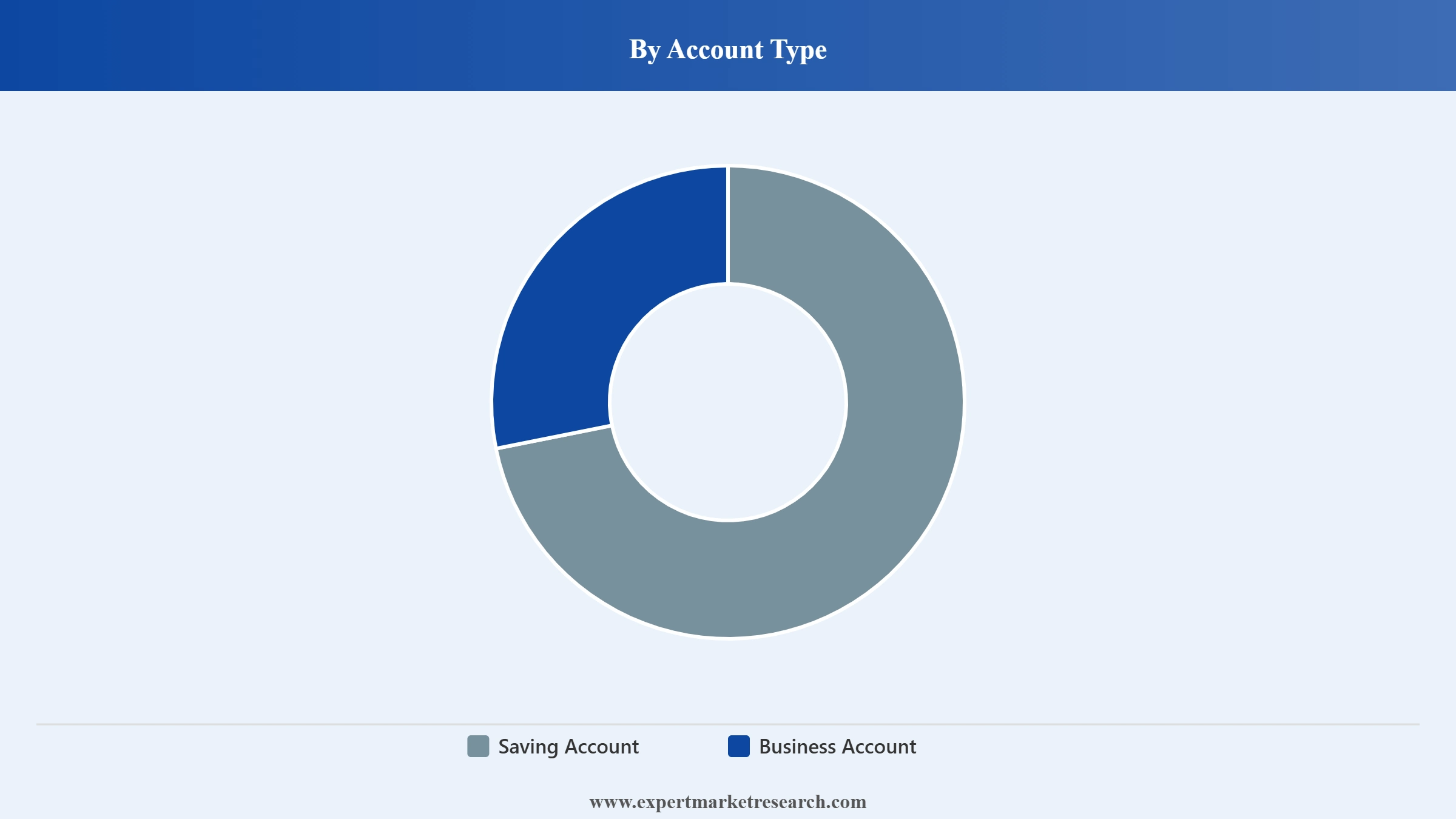
Key Insight: Savings accounts continue to be relevant for deposits on account of how they offer differentiation in terms of saving goals, bonus interest schemes, and automatic money management tools, stimulating growth in the Australia neobanking market. Corporate accounts grow in relevance as neobanks look to create more valuable relationships with SMEs via integrated payments, card offerings, cash management, and accounting solutions. Overall, savings accounts and corporate accounts might help develop different engagement models as the former offers product retention whereas the latter helps increase transactional activity.
Market Breakup by Service Type
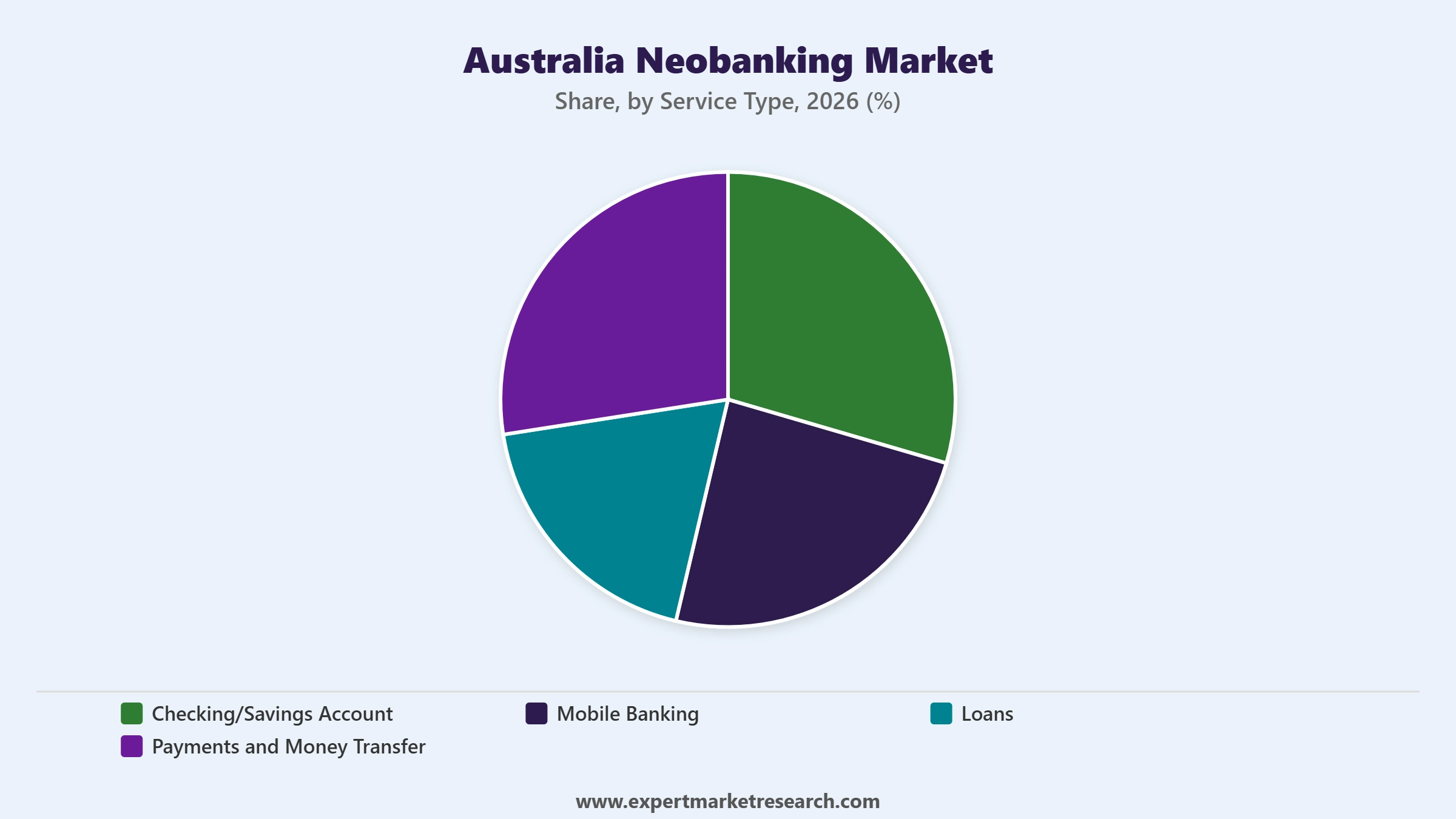
Key Insight: Checking and savings products serve to solidify customer relationships by integrating liquidity with deposit management features, contributing to the Australia neobanking market value. Mobile banking continues to be the core delivery channel since processes like onboarding, authentication, budgeting, account visibility, and customer service are being increasingly conducted using digital channels. Loans enable neobanks to tap into high-value customers through automated risk assessment, electronic document management, and quick journey times. Payments and transfers facilitate frequent payments and open up business opportunities in both domestic and cross-border payment flows, among others.
Market Breakup by Application
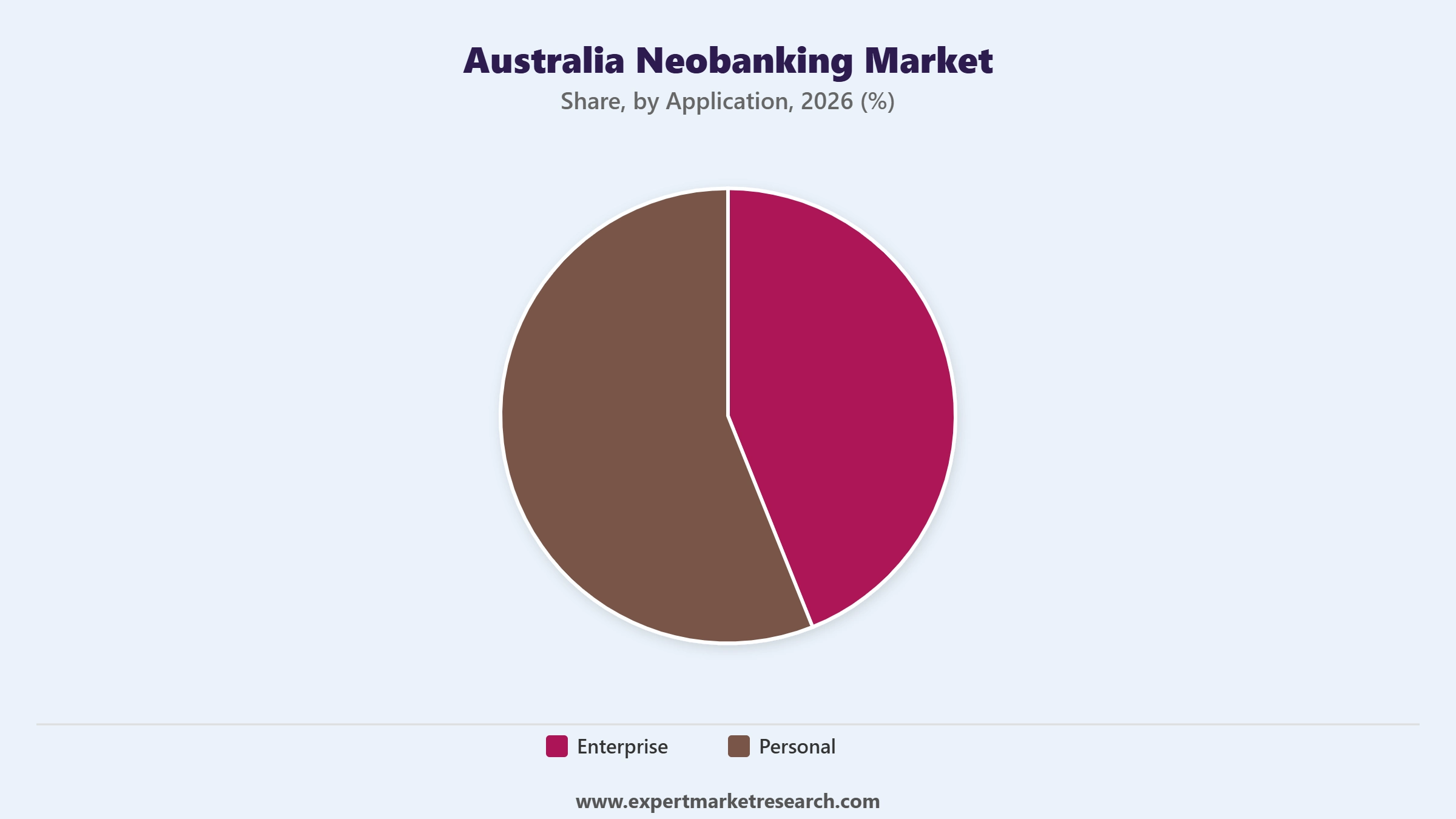
Key Insight: Enterprise offerings are based on the need for connectivity of banking processes, faster payments, expense management for employees, and data integrations in finance, boosting growth in the Australia neobanking market. Personal offerings are based on savings management, everyday spending, budgeting, joint money, and personalization of digital experience. Other offerings are based on special use cases, which allow expanding the usage of the neobank beyond traditional banking through offering embedded finance, financial management, and platform-based services.
Market Breakup by Region
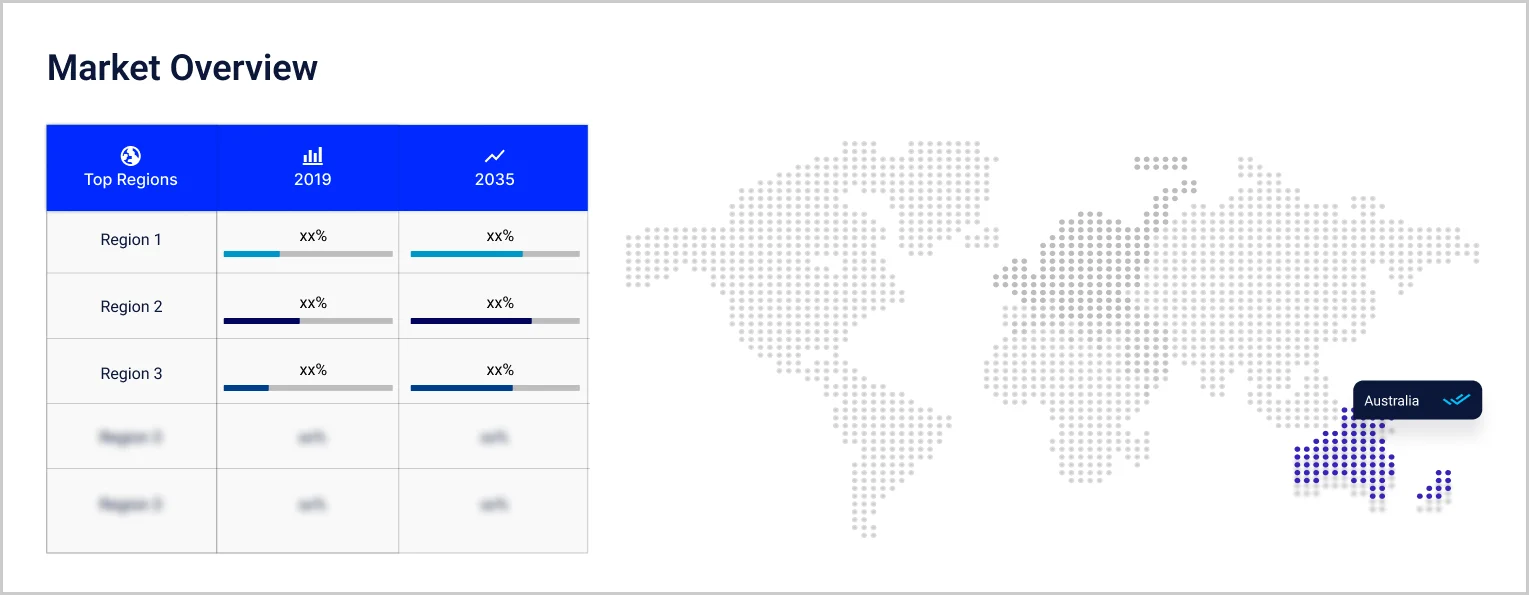
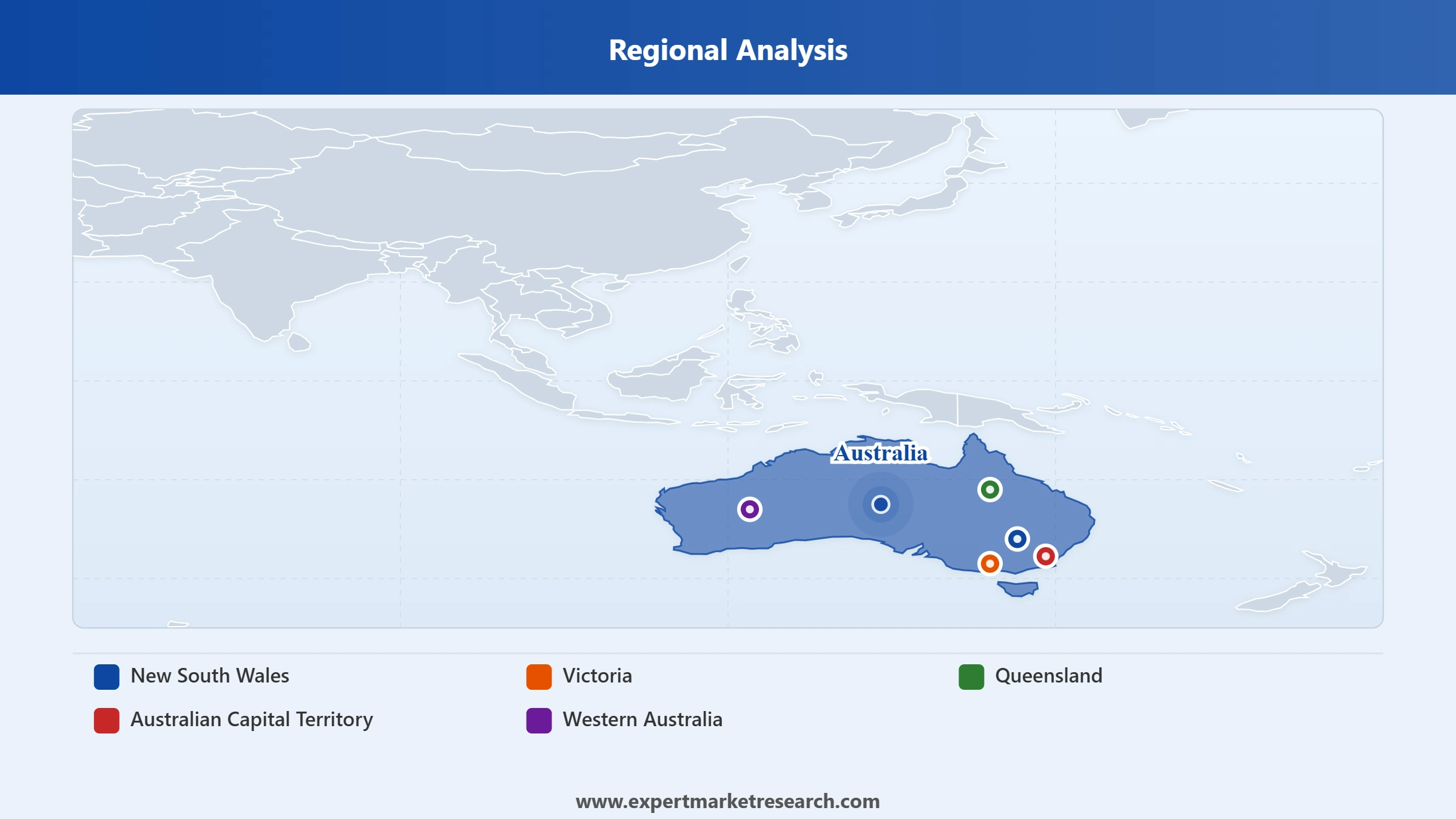
Key Insight: New South Wales lead the Australia neobanking market growth via the presence of many banks, fintech players, big corporations, and tech-savvy consumers that have a huge demand for innovative banking solutions. Victoria gets its advantage via the technology, startup, and professional services ecosystem in Melbourne, which facilitates innovation in connected banking products. The opportunities in Queensland are related to demographic factors, small business, and digital payments. The niche in the Australian Capital Territory can be described as related to the presence of a specialized customer base consisting of government and professional services, among others.
By account type, saving accounts register the dominant position of the market due to savings tools and attractive interest features
The saving accounts have the largest share in the Australia neobanking market among other types of accounts since neobanks use the strategy of competitive interest, automatic savings, and goal-driven account structures in order to draw deposits. Thus, for instance, Ubank provides Save accounts with different savings goals and two separate accounts including Bills and Spend, which means that deposit management is only one aspect of the digital money management offer of the bank. In case of business-to-business players, savings products serve as a tool of recurring engagement that helps to sell payment, card, and lending solutions. In August 2026, ING Australia launched Savings Booster, offering up to 6 percent interest with simplified monthly savings conditions for eligible customers.
Read more about this report - Request a Free Sample
Business accounts register significant share in the Australia neobanking market revenue, as the neobanks expand their business from consumer banking to the building of financial infrastructure for businesses. The digital business accounts can be used not only as an instrument of transaction management but also as a tool for managing staff cards, international transfers, and accounting integrations, as well as a solution for cash management. In addition to that, this segment of customers profits from the demand of API and Banking-as-a-Service solutions in the embedded finance ecosystem of Australia.
By service type, mobile banking holds the dominant position due to app-led onboarding, authentication, and financial management
Mobile banking is the most prevalent service type across the Australia neobanking market scope due to the need for smartphone-led onboarding, account management, authentication, and daily finance activities. Ubank exemplifies this concept by offering Spend, Save, Bills and joint account services using an app, as well as connected account features that integrate external financial data into one application. For providers, mobile applications should not be viewed as mere distribution channels but rather as the main channel for delivering personalized offerings, security, notifications, budgeting, and payments. Investments in app performance and digital identity continue to be key to retaining customers and further product adoption. In February 2026, MYOB launched open banking for Australian SMEs with Mastercard Open Finance, enabling secure financial data sharing and improved business insights.
Read more about this report - Request a Free Sample
The second most common service type is payments and money transfer as instant transaction services emerge based on account-to-account infrastructure and digital wallets, propelling demand in the Australia neobanking market. Neobanks can distinguish themselves with unique services such as PayID, Osko, scheduled payments, international transfers, merchant services, and fraud controls as well as minimizing account-to-account frictions. The payments regulation agenda in Australia considers the account-to-account competition, mobile wallets, and fraud prevention challenges.
Enterprise applications dominate the market due to demand for connected banking, payment, and financial management workflows
Enterprises accelerate the Australia neobanking market expansion as businesses need banking software that facilitates payments, cash management, corporate spending, and financials connections. This need may be addressed with business accounts, virtual cards, international money transfer, accounting integrations, and APIs. The segment has potential for growth not just in offering basic accounts but in expanding into treasury, lending, and embedded finance. Efficiency being the priority for enterprises, digital control and consolidation of financials are essential criteria in purchasing decisions. In August 2025, AMP launched its digital bank for small businesses and everyday customers, offering integrated transaction, savings, and payment services.
Read more about this report - Request a Free Sample
Personal banking is the most rapidly growing application segment in the Australia neobanking market due to increasing consumer demand for neobanks' savings, spending, budgeting, and payment services. Personal banking solutions are being developed not just around transaction accounts with low fees but in regard to financial goals, shared accounts, connected-bank views, and money management. In addition, this segment allows providers to offer mortgages, personal loans, cards, and payments as cross-selling services as customers get more involved in the platform.
Read more about this report - Request a Free Sample
New South Wales dominates the market due to its concentration of financial institutions, fintechs, and digitally active businesses
The New South Wales region stands out across the Australia neobanking market scope due to its preponderance of financial institutions, technology firms, start-ups and digitally engaged business customers based in Sydney. This makes it an important region where neobanks get access to both consumers and small and medium-sized businesses (SMEs) which demand banking through applications, digital payments, business accounts, and financial applications. It also enables neobanks to partner with technology providers and professional-service firms as well as test their propositions on digital banking, SME banking, embedded finance partnerships and data-driven products before replicating them in other markets.
Victoria is currently the fastest growing regional segment because it has a huge technology ecosystem, start-ups, professional-service firms, and digitally active consumers. This provides the grounds for the demand for mobile banking, digital payments, business banking, and financial management tools. In September 2026, RBA called for greater innovation and stronger public-private collaboration to improve Australia’s financial system and payment infrastructure.
Read more about this report - Request a Free Sample
The industry is observing an intensifying competition as service providers are moving their efforts into offering digital lending, SME banking, real-time payments, customized savings, and technology-based customer service. Competitive opportunity for Australia neobanking market players shifts from offering digital accounts to specialized offerings, as companies work towards automating their processes, preventing fraud, and offering embedded finance and data connectivity services.
Australia neobanking companies are also going after previously underbanked customers who include the SMEs needing quicker lending decisions and consumers who require customizable savings and payment options. With the emergence of open banking and account-to-account payment systems, there are new opportunities for connecting banking services with third-party systems as well. Thus, the competitive landscape in the industry is being defined by product diversity, digitized onboarding, security, integration possibilities, and scaling of specialized financial services in a compliant way.
Founded in 2016, with its headquarters in Australia, Judo Bank is a specialist SME-focused bank with an emphasis on relationship-based commercial banking. The bank offers business loans, lines of credit, asset financing, bank guarantees, and deposit accounts. The value proposition is a combination of digital banking platform and relationship bankers, serving Australian SMEs that require customized finance and support solutions.
Founded in 1849, with its headquarters in Sydney, Australia, AMP Limited delivers banking, superannuation, retirement, investments, and financial services throughout Australia and New Zealand. Banking services offer savings and transactional products using digital platforms, while broader financial services ecosystem offers possibilities for cross-selling of banking and wealth management services.
Founded in 1982 and based out of Melbourne, Australia, the National Australia Bank is an important Australian financial organization that serves consumers, businesses, corporates, and institutions. This is because its digital banking ecosystem covers banking operations, payments, lending, business banking, and wealth management, allowing many avenues for automation, data services, and digital journeys for the customers.
Founded in 2019 and headquartered in Queensland, Australia, the Alex IP runs the Alex Bank digital banking platform. The unique selling point of the firm is its digitally enabled banking services that include personal lending, savings, term deposits, and electric vehicle loans through its tech-based proposition.
Other key players in the market include Tyro Payments Limited, Macquarie Group Limited, Bank of Queensland Limited, and Wise Australia Pty Ltd., among others.
*Please note that this is only a partial list; the complete list of key players is available in the full report. Additionally, the list of key players can be customized to better suit your needs.*
Unlock the latest insights with our Australia neobanking market trends 2026 report. Discover regional growth patterns, consumer preferences, and key industry players. Stay ahead of competition with trusted data and expert analysis. Download your free sample report today and drive informed decisions in the market.


Upto 15% Off
USD
$2499 $2249
$3999 $3599
$4999 $4249
$5999 $5099


*While we strive to always give you current and accurate information, the numbers depicted on the website are indicative and may differ from the actual numbers in the main report. At Expert Market Research, we aim to bring you the latest insights and trends in the market. Using our analyses and forecasts, stakeholders can understand the market dynamics, navigate challenges, and capitalize on opportunities to make data-driven strategic decisions.*
In 2025, the market reached an approximate value of USD 27.41 Billion.
The market is projected to grow at a CAGR of 7.90% between 2026 and 2035.
The neobanking market is estimated to witness a healthy growth in the forecast period of 2026-2035 to reach USD 58.63 Billion by 2035.
Stakeholders are strengthening fraud controls, expanding SME products, integrating open-banking APIs, improving mobile experiences, developing AI capabilities, and building partnerships across embedded-finance ecosystems.
Key trends include the increasing focus on ersonalized customer services and the integration of advanced technologies like AI and blockchain to enhance services.
Regions considered in the market are New South Wales, Victoria, Queensland, Western Australia, and Australian Capital Territory, among others.
Based on account type, the market segmentations include saving account and business account.
Checking/savings account, mobile banking, loans, payments and money transfer services are considered in the report.
The key players in the market include Judo Bank Pty Ltd., AMP Limited, National Australia Bank Limited, Alex IP Pty Ltd., Tyro Payments Limited, Macquarie Group Limited, Bank of Queensland Limited, and Wise Australia Pty Ltd., among others.
Companies face intense competition, stringent regulation, cybersecurity threats, fraud risks, customer-acquisition costs, funding pressures, technology integration challenges, and difficulties balancing rapid innovation with responsible lending.
Explore our key highlights of the report and gain a concise overview of key findings, trends, and actionable insights that will empower your strategic decisions.
| REPORT FEATURES | DETAILS |
| Base Year | 2025 |
| Historical Period | 2019-2025 |
| Forecast Period | 2026-2035 |
| Scope of the Report |
Historical and Forecast Trends, Industry Drivers and Constraints, Historical and Forecast Market Analysis by Segment:
|
| Breakup by Account Type |
|
| Breakup by Service Type |
|
| Breakup by Application |
|
| Breakup by Region |
|
| Market Dynamics |
|
| Competitive Landscape |
|
| Companies Covered |
|
Datasheet
One User
USD 2,499
USD 2,249
tax inclusive*
Single User License
One User
USD 3,999
USD 3,599
tax inclusive*
Five User License
Five User
USD 4,999
USD 4,249
tax inclusive*
Corporate License
Unlimited Users
USD 5,999
USD 5,099
tax inclusive*
*Please note that the prices mentioned below are starting prices for each bundle type. Kindly contact our team for further details.*
Flash Bundle
Small Business Bundle
Growth Bundle
Enterprise Bundle
*Please note that the prices mentioned below are starting prices for each bundle type. Kindly contact our team for further details.*
Flash Bundle
Number of Reports: 3
20%
tax inclusive*
Small Business Bundle
Number of Reports: 5
25%
tax inclusive*
Growth Bundle
Number of Reports: 8
30%
tax inclusive*
Enterprise Bundle
Number of Reports: 10
35%
tax inclusive*
How To Order

Select License Type
Choose the right license for your needs and access rights.

Click on ‘Buy Now’
Add the report to your cart with one click and proceed to register.

Select Mode of Payment
Choose a payment option for a secure checkout. You will be redirected accordingly.
Strategic Solutions for Informed Decision-Making
Gain insights to stay ahead and seize opportunities.

Get insights & trends for a competitive edge.

Track prices with detailed trend reports.

Analyse trade data for supply chain insights.

Leverage cost reports for smart savings

Enhance supply chain with partnerships.

Connect For More Information
Our expert team of analysts will offer full support and resolve any queries regarding the report, before and after the purchase.
Our expert team of analysts will offer full support and resolve any queries regarding the report, before and after the purchase.
We employ meticulous research methods, blending advanced analytics and expert insights to deliver accurate, actionable industry intelligence, staying ahead of competitors.
Our skilled analysts offer unparalleled competitive advantage with detailed insights on current and emerging markets, ensuring your strategic edge.
We offer an in-depth yet simplified presentation of industry insights and analysis to meet your specific requirements effectively.




