

Consumer Insights
Uncover trends and behaviors shaping consumer choices today
Procurement Insights
Optimize your sourcing strategy with key market data
Industry Stats
Stay ahead with the latest trends and market analysis.
The Australia used car financing market attained a value of USD 8.38 Billion in 2025 and is projected to expand at a CAGR of 3.30% through 2035. The market is further expected to achieve USD 11.59 Billion by 2035. The growing role of digital finance comparison during the used-car shopping journey is creating a niche growth opportunity for Australian used-car financing providers. In June 2026, carsales, an Australian automotive marketplace, reported that 52% of Australian buyers finalised their finance decision before selecting a specific vehicle, while 48% of finance users compared at least three providers. This indicates that financing is increasingly influencing vehicle shortlists rather than being arranged only at dealerships. Lenders that offer instant eligibility checks, personalised rates and digital pre-approval can therefore engage buyers earlier and capture demand before they reach the point of sale.
Australia’s used-vehicle finance opportunity is increasingly shifting towards digital origination, where lenders can integrate vehicle valuation, borrower verification, credit assessment, electronic documentation and settlement into one workflow. Digital platforms connecting car dealerships, brokers and even private owners with automated underwriting processes can help shorten the transaction process and at the same time enhance decision making process consistency. An example of this is the partnership between Plenti and the online car retailer, Carma that helped integrate the digital application and approval process of Plenti into the online car purchasing process of Carma. It was noted that auto finance applications can be approved by Plenti within 60 minutes with same day settlement. This demonstrates how embedded finance can connect vehicle selection, credit assessment and settlement within a single digital journey, creating scope for specialised lenders to compete through speed, transparency and tailored risk assessment, thereby boosting the Australia used car financing market value.
Embedded finance is becoming a significant innovation in Australia’s used-car financing space, with lending increasingly integrated directly into online vehicle purchasing journeys. Plenti’s partnership with online used-car retailer Carma enables customers to access finance within the vehicle-buying process, with Plenti stating that applications can be approved in 60 minutes with same-day settlement. The model gained further relevance as Carma prepared for its A$100 million IPO in 2025, reflecting growing investment in Australia’s online used-car retail infrastructure. Plenti’s automotive loan originations also reached A$709 million in FY2025, up 14% year-on-year, demonstrating the scale of its automotive financing activity. Embedded applications can therefore reduce friction between vehicle selection and financing while allowing lenders to compete through faster digital execution.
A key challenge in Australia’s used-car financing market is accurately assessing credit risk alongside the value and condition of second-hand vehicles. Unlike new vehicles, used cars differ considerably in age, mileage, maintenance history, accident exposure, modifications and resale value. Rapid changes in used-vehicle prices can further complicate loan-to-value assessments and recovery values if borrowers default. Lenders therefore need reliable vehicle valuation data, appropriate lending limits and underwriting models that account for both borrower circumstances and vehicle characteristics. Financing older vehicles can create additional risk because depreciation, mechanical deterioration and shorter remaining useful lives may reduce collateral value. At the same time, overly restrictive eligibility criteria can exclude creditworthy borrowers and limit market opportunities. Balancing portfolio quality with accessibility therefore remains important, thus aiming more towards the Australia used car financing market developments.
Compound Annual Growth Rate
3.3%
Value in USD Billion
2026-2035
Read more about this report - REQUEST FREE SAMPLE COPY IN PDF
Latest 2026 Australian car-finance data indicates that 67.15% of car loans are for used vehicles or vehicles where new/used status was unspecified. The average used-car loan stood at A$28,658, while the average purchased used vehicle was eight years old. This indicates sustained reliance on financing for second-hand vehicles, particularly as borrowers seek lower-ticket alternatives to new cars. The strong used-vehicle financing share reinforces demand for specialised used-car loans and competitive lender offerings.
Canstar continued expanding its comparison coverage of Australian used-car loans, displaying competing lender rates, comparison rates, repayment amounts and loan terms. Its updated marketplace highlights increasing transparency around borrowing costs as consumers compare financing options before purchasing second-hand vehicles. The availability of multiple lender offers also strengthens the role of digital comparison and broker channels in the Australian automotive-finance ecosystem. Around 70% of motor vehicle loans in Australia originate through dealerships, highlighting the continued importance of intermediary channels in connecting borrowers with finance providers. Greater rate transparency is intensifying competition among lenders and encouraging borrowers to compare financing costs before committing.
Plenti's car-finance offering provided personalised rates through an online application process, with used-car loans available alongside new-car and EV financing. The lender offers borrowing of up to A$100,000, three-to-seven-year terms and no early-repayment fee. Plenti also supports dealer and private used-vehicle purchases, with digital processing designed to accelerate assessment, approval and settlement. Digital applications and personalised pricing are raising expectations for faster, more convenient used-car financing, thus boosting the trends of the Australia used car financing market.
Pepper Money's Australian car-finance offering continued supporting second-hand vehicle purchases through both dealerships and private sellers. Its product provides fixed interest rates and flexible repayment structures, including upfront deposits and balloon payments, allowing borrowers to adjust ongoing repayments. Pepper Money also stated that financing decisions could be provided within three business days, supporting faster vehicle purchasing decisions. Flexible repayment structures can improve affordability and broaden access to financing for used-vehicle buyers.
Australia’s used-vehicle market entered a stronger phase during mid-2026, creating a more favourable origination environment for lenders. AADA reported 240,311 used-vehicle sales in July, an 11.8% monthly increase, followed by 243,514 sales in August. The improvement was accompanied by stronger one-to-five-year-old vehicle transactions, which are particularly relevant for secured finance because these vehicles generally provide lenders with established resale and valuation references. For financiers, the opportunity lies in aligning credit campaigns with dealer inventory turnover, valuation data and vehicle-age thresholds rather than applying broad consumer-loan strategies. This can support more precise pricing, faster approvals and stronger dealer conversion rates.
There is increasing pressure placed upon motor vehicle finance companies to improve controls with regards to issues such as affordability, intermediary behaviour and disclosure of financing details. The recent June 2026 review of eight lenders by ASIC considered topics such as financing charges, distribution methods and changes that have been made by lenders following regulation. Separately, the ACCC highlighted concerns surrounding inappropriate finance arrangements in second-hand vehicle transactions, including inadequate explanation of interest, fees and total borrowing costs. Consequently, lenders can differentiate through auditable credit processes, transparent pricing, dealer training and stronger documentation rather than relying solely on headline interest rates.
The non-bank channel is becoming strategically important because specialist lenders can target borrower segments that may not fit traditional bank credit models. AFIA’s June 2026 industry report identified non-bank motor financiers as an important source of vehicle funding for both consumers and businesses. This environment favours lenders with flexible underwriting, broker relationships and technology-enabled processing. For used-car financing businesses, the commercial opportunity is not simply to increase approval volumes but to develop risk-based products for different vehicle ages, borrower profiles and purchasing channels. Stronger data integration can allow non-bank lenders to compete with banks while maintaining differentiated credit policies, thereby bolstering the Australia used car financing market dynamics and trends.
The transition towards electrified vehicles is gradually changing the future composition of vehicles entering Australia’s second-hand market. In August 2026, battery-electric vehicles became Australia’s largest individual new-vehicle powertrain for the month, with 27,078 BEVs accounting for 24.9% of total new-vehicle deliveries. Electrified vehicles collectively accounted for 51.8% of deliveries when BEVs, hybrids, and plug-in hybrids were combined. As these vehicles progressively move into the used market, financiers will need stronger residual-value assessment, battery-condition verification and asset-age policies. Lenders capable of incorporating battery health, charging compatibility, warranty status and resale behaviour into credit models could develop a meaningful advantage in used-EV financing as the addressable asset pool expands.
The competitive benchmark for vehicle finance is increasingly becoming an end-to-end digital process rather than simply an online application form. Current Australian lending platforms allow customers to estimate personalised rates, submit documents digitally and receive faster lending decisions or settlements. This creates opportunities for financiers to integrate dealer systems, vehicle information, identity verification, credit assessment and settlement into a unified workflow. For B2B participants, the strategic benefit is higher dealer conversion and lower processing friction. Lenders that invest in API connectivity, automated document checks and real-time decisioning can improve operational scalability while maintaining tighter controls over underwriting quality.
The Expert Market Research’s report titled "Australia Used Car Financing Market Report and Forecast 2026-2035” offers a detailed analysis of the market based on the following segments:
Market Breakup by Car Type
Key Insight: In terms of segmentation by car type, the Australia used car financing market consists of Multi-purpose Vehicle (MPV), Sedan, Hatchback and Sport Utility Vehicle (SUV). Hatchbacks have continued to hold onto its dominant market share due to its low cost of acquiring vehicles and practical design making it ideal for lower priced used vehicles for borrowers. In addition, the market also provides a wide financing base of first time customers, younger generation and urban commuters. On the other hand, SUV has emerged as an important category in Australia since consumers are attracted to high riding vehicles that provide extra space. The growth of the SUV category in the overall Australia car market provides the future potential for financing used vehicles since new vehicles enter the used vehicles category. MPVs have maintained their specialized market role through its applications in families and businesses while sedans still hold market importance for traditional passenger cars. In terms of financing, the age of the car, residual value, mileage, condition and liquidity become just as important as the body style in deciding its financing suitability.
Market Breakup by Financier
Key Insight: The financier segment comprises Non-Banking Financial Companies (NBFC), OEM, and Banks. Banks maintain a strong position because of their established customer relationships, broad funding capacity and ability to bundle vehicle finance with wider financial services. However, NBFCs are increasingly competitive because they can target specific borrower profiles and provide more specialised lending processes. The 2026 AFIA assessment of non-bank motor finance demonstrates the scale at which specialist lenders already support Australian vehicle purchases. OEM-linked finance providers remain strategically relevant because they can connect financing with dealer networks, certified used vehicles and brand ecosystems. Going forward, competition is expected to focus increasingly on speed of approval, risk-based pricing, digital origination, broker integration and asset-specific underwriting. For B2B participants, the strongest opportunities are likely to emerge where lenders can combine competitive funding costs with differentiated distribution. Banks can defend scale through customer ecosystems, while NBFCs can pursue underserved niches and faster decisioning. OEMs can strengthen captive channels by integrating finance more closely with used-vehicle certification and dealer inventory.
Market Breakup by Region
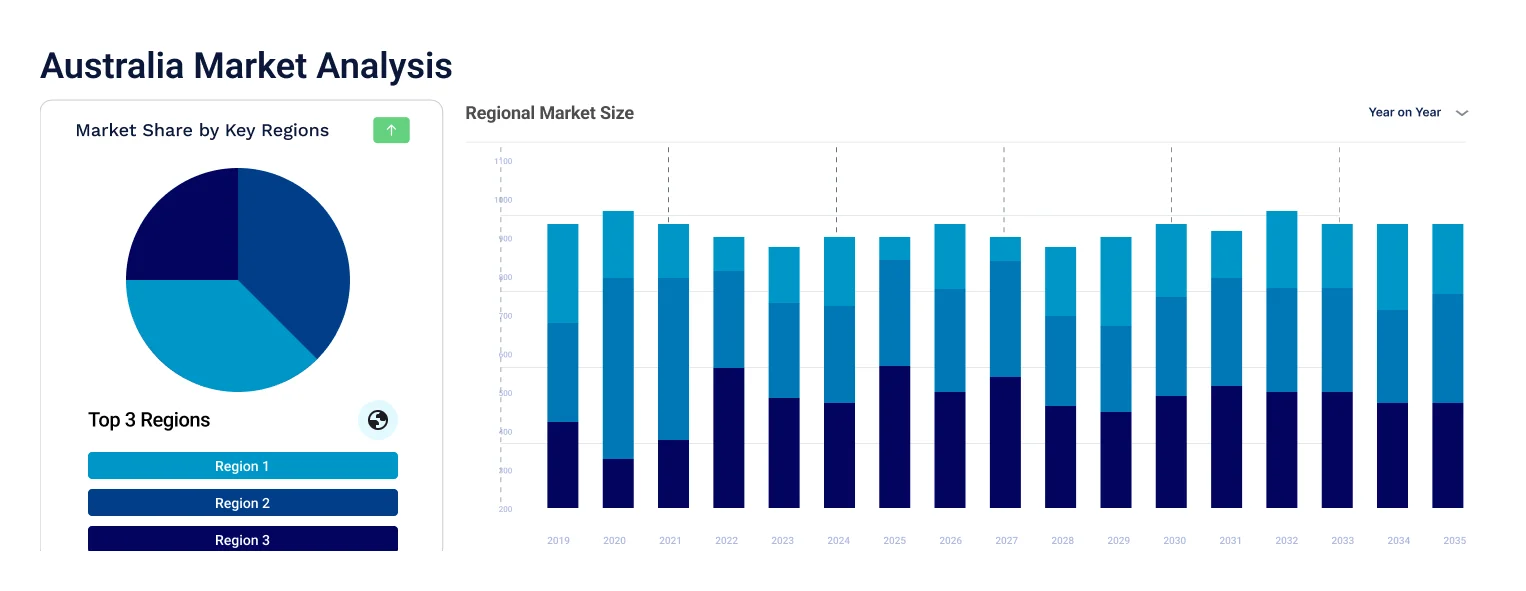
Key Insight: The regional market comprises New South Wales, Victoria, Queensland, Australian Capital Territory, Western Australia, and Others. New South Wales remains the largest opportunity because of its extensive vehicle market, population concentration and sizable dealer ecosystem. AADA’s August 2026 used-vehicle data recorded 16,956 one-to-five-year-old sales in NSW, maintaining its position as Australia’s largest state market within this measure. Victoria is also gaining momentum, with 14,148 one-to-five-year-old sales in August and 6.7% growth, marginally ahead of NSW on the growth rate among the largest states. Queensland represents another important financing pool because of its broad geographic footprint and dependence on private mobility. Western Australia presents opportunities linked to dispersed populations and vehicle-dependent regional economies. The ACT is a smaller absolute market but offers potential for higher-value and digitally originated finance. Regional differences in vehicle preferences, income profiles, dealer density and commuting requirements mean lenders should avoid uniform national underwriting and distribution strategies.
By type, hatchbacks dominate due to broad availability and accessible used-vehicle financing
Hatchbacks represent the dominant car-type segment in the Australia used car financing market, supported by their practical dimensions, broad availability and suitability for value-conscious buyers. Their established presence in the used-vehicle pool gives financiers a comparatively deep asset base for lending. Hatchbacks are also suitable for urban borrowers requiring affordable mobility without moving into larger vehicle categories. For lenders, the segment can provide opportunities for standardised underwriting, competitive secured products and dealership partnerships targeting lower-ticket vehicle transactions. Such developments will thus boost the Australia used car financing market dynamics and trends in the long run.
SUVs are positioned as the fastest-growing car-type opportunity as Australian vehicle preferences increasingly favour higher-riding, flexible body styles. The strength of SUVs in new-vehicle sales creates a future pipeline of used assets entering dealerships and private transactions. Their generally higher transaction values can also increase financing opportunities per vehicle. Lenders can capture this growth through specialized SUV lending, stronger residual-value analytics and financing products aligned with family, recreational and light-commercial use cases.
By financier, banks dominate while NBFCs offer the strongest specialist-growth opportunity
Banks remain the dominant financier category due to their established deposit and funding structures, extensive customer bases and integrated financial-service ecosystems. Their ability to offer vehicle finance alongside transaction accounts, insurance and other financial products gives them strong customer-retention advantages. Established credit infrastructure also supports large-scale underwriting. For used-car financing, banks can strengthen their position through faster digital applications, personalized pricing and deeper integration with dealership and vehicle-market platforms. In Australia, 67.15% of car-loan requests in 2026 were for used vehicles or did not specify vehicle condition, while 32.22% were specifically for used cars purchased from dealers, highlighting the substantial financing opportunity in the used-vehicle market.
NBFCs are expected to record the fastest growth as borrowers and dealers seek greater product flexibility and alternative credit channels. Specialist lenders can customize underwriting around vehicle age, borrower characteristics and transaction circumstances, allowing them to serve segments that may not fit conventional bank models. AFIA’s 2026 findings underline the expanding importance of non-bank motor finance in Australia. Technology-led origination further enables NBFCs to compete through speed and operational efficiency.
Read more about this report - REQUEST FREE SAMPLE COPY IN PDF
Seoul Capital Area dominates through population concentration, advanced retail infrastructure, and digital purchasing
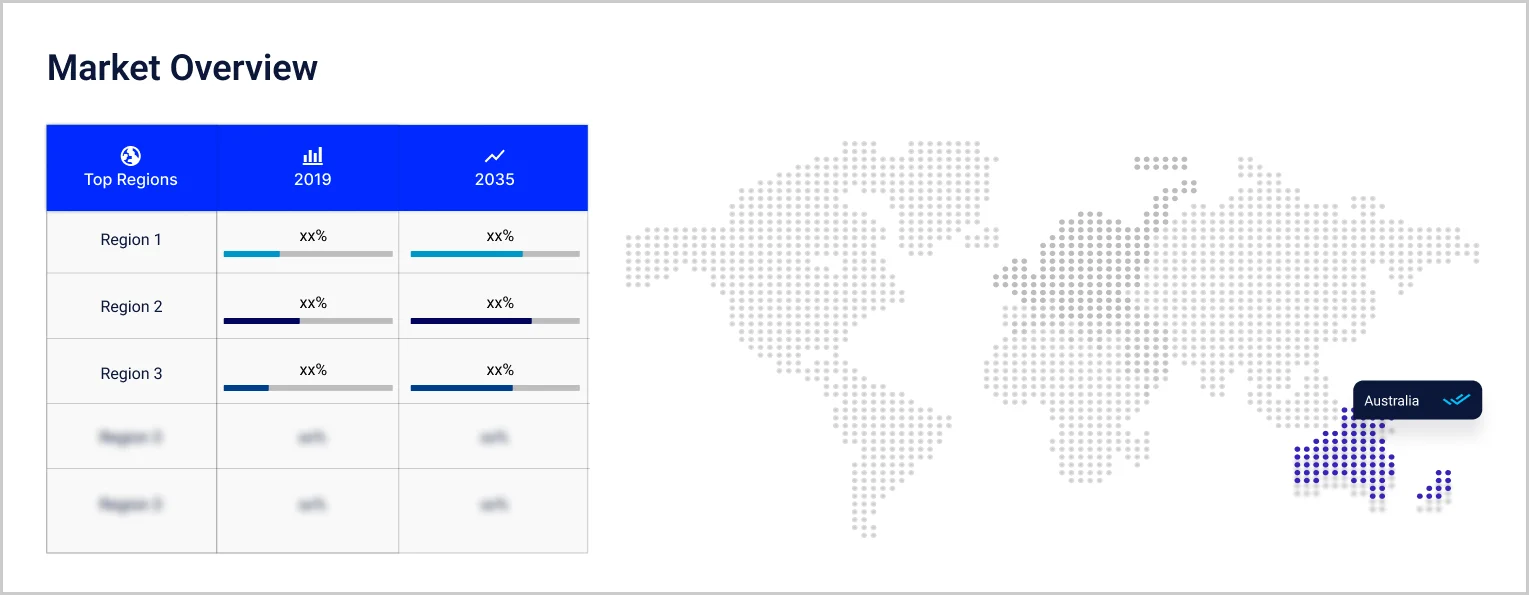
New South Wales leads the Australia used car financing market because of its substantial used-vehicle transaction base, dense dealer ecosystem and large pool of borrowers. AADA’s August 2026 data recorded 16,956 one-to-five-year-old used-vehicle sales in NSW, compared with 14,148 in Victoria. The state therefore provides lenders with the largest immediate addressable pool for dealer-originated, broker-assisted and digital vehicle finance. Queensland and Western Australia also provide attractive opportunities because vehicle ownership is important for commuting, employment and regional mobility. Lenders operating nationally can improve performance by adapting vehicle-age criteria, loan sizes and acquisition strategies to local market characteristics, thereby directly boosting the Australia used car financing market regional growth.
Victoria represents a particularly important emerging opportunity because its one-to-five-year-old used-vehicle sales grew 6.7% in August 2026, narrowly exceeding NSW’s growth rate. The ACT offers a smaller but potentially attractive market for digitally originated and higher-value finance, while Western Australia can benefit from its geographically dispersed vehicle-dependent economy. Regional lenders should increasingly combine state-level demand monitoring with vehicle valuation and borrower-risk data. This would enable more precise pricing and inventory-linked finance, rather than applying identical national acquisition strategies across markets with materially different vehicle-use patterns.
Competition in the Australia used car financing market is becoming increasingly technology-driven, with banks, NBFCs, OEM-linked financiers and specialist automotive businesses competing across pricing, approval speed, distribution reach and borrower experience. Banks retain structural advantages through funding capacity and established customer relationships, while non-bank lenders can compete through specialised credit assessment, broker distribution and faster digital processing. The regulatory environment is also influencing competitive strategy. ASIC’s 2026 motor-finance review has placed greater emphasis on intermediary oversight, responsible lending and transparency, encouraging lenders to strengthen controls throughout the origination chain.
Technology is therefore becoming a key differentiator for the Australia used car financing companies. Automated document processing, digital verification, personalised pricing, electronic contracting and faster settlement can reduce acquisition and servicing costs while improving dealer conversion. At the same time, the emergence of used EVs is encouraging lenders to strengthen vehicle valuation and residual-risk capabilities. Competitive advantage will increasingly depend on combining efficient digital infrastructure with disciplined credit decisioning and strong dealer relationships.
Established in 2000, OzCar Pty Ltd is headquartered in Lansvale, New South Wales. OzCar provides financing support for customers purchasing used vehicles through its dealership network, with finance assistance available alongside its extensive used-car inventory. Its offering is designed to simplify vehicle purchase and financing through dealership-based support, including assistance from finance personnel. OzCar also facilitates trade-ins, enabling customers to combine vehicle replacement and financing within one purchase process.
Established in 2014, Plenti is headquartered in Sydney, New South Wales. The company provides secured used-car loans with personalised interest rates, online applications, loan terms of three to seven years, and borrowing of up to $100,000. Plenti supports financing for both dealer and private used-car purchases, while its digital application process enables customers to obtain rate estimates quickly. It also offers refinancing and charges no early-repayment fee.
Established in 2000, Pepper Money is headquartered in North Sydney, New South Wales. Its automotive financing portfolio includes loans for second-hand vehicles purchased privately or through dealerships. Customers can select loan terms and flexible repayment structures, including upfront deposits and balloon payments to reduce ongoing repayments. Pepper Money provides fixed-rate financing and supports digital applications, while its specialist lending model enables assessment across different borrower circumstances.
Albert Automotive Holdings, established in 1911, is headquartered in Richmond, Victoria, and operates within Sojitz's Australian automotive portfolio. Its used-car financing is supported through Dutton Financial, a Sojitz Financial Services Australia subsidiary. Dutton Financial provides consumer car loans with fixed interest rates and optional balloon payments, alongside commercial chattel mortgages. Its finance managers work directly with customers and access more than 30 lenders, supporting used-vehicle purchases.
Other key players in the market include Wisr Finance Pty Ltd., Quantum Savvy Pty Ltd., and Adelaide Vehicle Centre, among others.
*Please note that this is only a partial list; the complete list of key players is available in the full report. Additionally, the list of key players can be customized to better suit your needs.*
Explore the Australia used car financing market trends 2026 and gain a clearer view of competitive opportunities, financing channels, regional demand and evolving borrower requirements. Download the sample report to examine the Australia used car financing market forecast 2026-2035, market segmentation, competitive landscape and strategic insights supporting lenders, automotive businesses, dealerships and financial-service providers planning their next growth initiatives.


Upto 15% Off
USD
$2499 $2249
$3999 $3599
$4999 $4249
$5999 $5099


*While we strive to always give you current and accurate information, the numbers depicted on the website are indicative and may differ from the actual numbers in the main report. At Expert Market Research, we aim to bring you the latest insights and trends in the market. Using our analyses and forecasts, stakeholders can understand the market dynamics, navigate challenges, and capitalize on opportunities to make data-driven strategic decisions.*
The market is projected to grow at a CAGR of 3.30% between 2026 and 2035.
The market is categorised according to car type, which includes multi-purpose vehicle (MPV), sedan, hatchback, and sport utility vehicle (SUV).
The key players are Ozcar Pty Ltd., Plenti Group Limited (Plenti Pty Limited), Pepper Money Limited, Sojitz Corp. (Albert Automotive Holdings Pty Ltd.), Wisr Finance Pty Ltd., Quantum Savvy Pty Ltd., and Adelaide Vehicle Centre, among others.
Based on the financier, the market is divided into non-banking financial companies (NBFC), OEM, and banks.
The market is broken down into New South Wales, Victoria, Queensland, Australian Capital Territory, Western Australia, and others.
In 2025, the market reached an approximate value of USD 8.38 Billion.
Key challenges include rising borrowing costs, affordability pressures, stricter credit assessments, borrower repayment risk, vehicle valuation uncertainty, regulatory compliance, fee transparency, and competition among lenders.
Key strategies include digital-first loan applications, faster credit decisions, dealer and broker partnerships, flexible repayment options, competitive pricing, risk-based underwriting, refinancing solutions, and embedded finance platforms.
Explore our key highlights of the report and gain a concise overview of key findings, trends, and actionable insights that will empower your strategic decisions.
| REPORT FEATURES | DETAILS |
| Base Year | 2025 |
| Historical Period | 2019-2025 |
| Forecast Period | 2026-2035 |
| Scope of the Report |
Historical and Forecast Trends, Industry Drivers and Constraints, Historical and Forecast Market Analysis by Segment:
|
| Breakup by Car Type |
|
| Breakup by Financier |
|
| Breakup by Region |
|
| Market Dynamics |
|
| Competitive Landscape |
|
| Companies Covered |
|
Datasheet
One User
USD 2,499
USD 2,249
tax inclusive*
Single User License
One User
USD 3,999
USD 3,599
tax inclusive*
Five User License
Five User
USD 4,999
USD 4,249
tax inclusive*
Corporate License
Unlimited Users
USD 5,999
USD 5,099
tax inclusive*
*Please note that the prices mentioned below are starting prices for each bundle type. Kindly contact our team for further details.*
Flash Bundle
Small Business Bundle
Growth Bundle
Enterprise Bundle
*Please note that the prices mentioned below are starting prices for each bundle type. Kindly contact our team for further details.*
Flash Bundle
Number of Reports: 3
20%
tax inclusive*
Small Business Bundle
Number of Reports: 5
25%
tax inclusive*
Growth Bundle
Number of Reports: 8
30%
tax inclusive*
Enterprise Bundle
Number of Reports: 10
35%
tax inclusive*
How To Order

Select License Type
Choose the right license for your needs and access rights.

Click on ‘Buy Now’
Add the report to your cart with one click and proceed to register.

Select Mode of Payment
Choose a payment option for a secure checkout. You will be redirected accordingly.
Strategic Solutions for Informed Decision-Making
Gain insights to stay ahead and seize opportunities.

Get insights & trends for a competitive edge.

Track prices with detailed trend reports.

Analyse trade data for supply chain insights.

Leverage cost reports for smart savings

Enhance supply chain with partnerships.

Connect For More Information
Our expert team of analysts will offer full support and resolve any queries regarding the report, before and after the purchase.
Our expert team of analysts will offer full support and resolve any queries regarding the report, before and after the purchase.
We employ meticulous research methods, blending advanced analytics and expert insights to deliver accurate, actionable industry intelligence, staying ahead of competitors.
Our skilled analysts offer unparalleled competitive advantage with detailed insights on current and emerging markets, ensuring your strategic edge.
We offer an in-depth yet simplified presentation of industry insights and analysis to meet your specific requirements effectively.




